 championcast96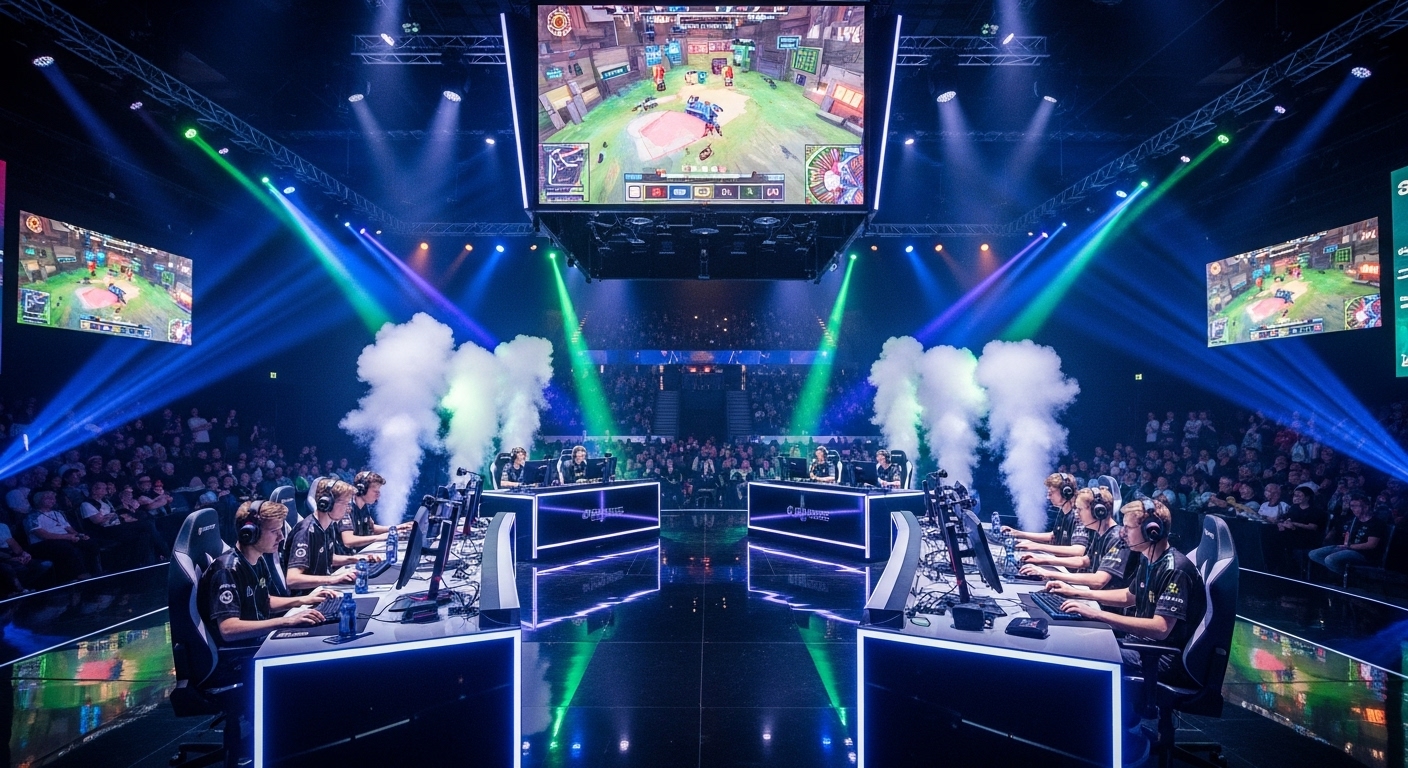
Esports, once a niche subculture, has exploded into a global phenomenon in recent years. What began as casual tournaments among friends has now evolved into a multi-billion-dollar industry that attracts millions of viewers, professional players, and massive sponsorships. But what is it about esports that has captured the attention of so many? This post explores the rise of esports, its growing influence on both the entertainment and sports industries, and its future potential in shaping the way we think about competitive gaming.
The Rapid Rise of Esports
Esports has experienced exponential growth over the past decade. While video games have been around for decades, the concept of organized, professional gaming began gaining traction in the late 1990s and early 2000s with games like StarCraft and Quake. However, it wasn’t until the 2010s that esports truly began to take off. Games like League of Legends, Dota 2, and Fortnite became global phenomena, drawing in millions of players and viewers from all corners of the world.
The rise of streaming platforms like Twitch and YouTube Gaming played a huge role in this boom. These platforms allowed fans to watch live broadcasts of esports events, interact with players, and even become part of the growing community. The ease of access to these platforms made it possible for anyone, anywhere, to be a part of the action. What started as a hobby for gamers has now blossomed into a fully-fledged professional industry with a dedicated fan base and lucrative career opportunities for top-tier players.
Esports as a Global Spectacle
What truly sets esports apart from traditional sports is its global accessibility. Unlike football or basketball, which are geographically bound and require physical arenas, esports tournaments can take place anywhere and are available to anyone with an internet connection. The digital nature of esports means it’s not limited by borders, time zones, or physical infrastructure, making it one of the most inclusive forms of entertainment.
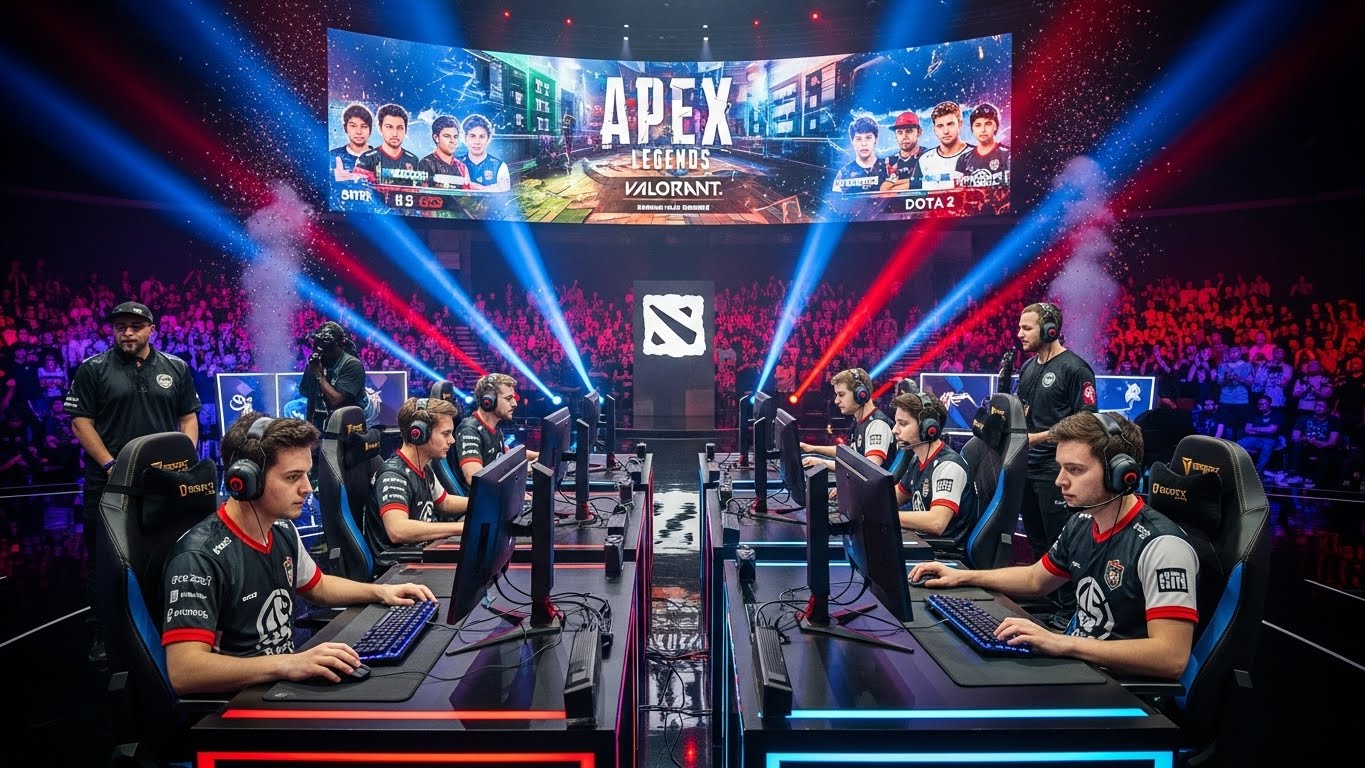
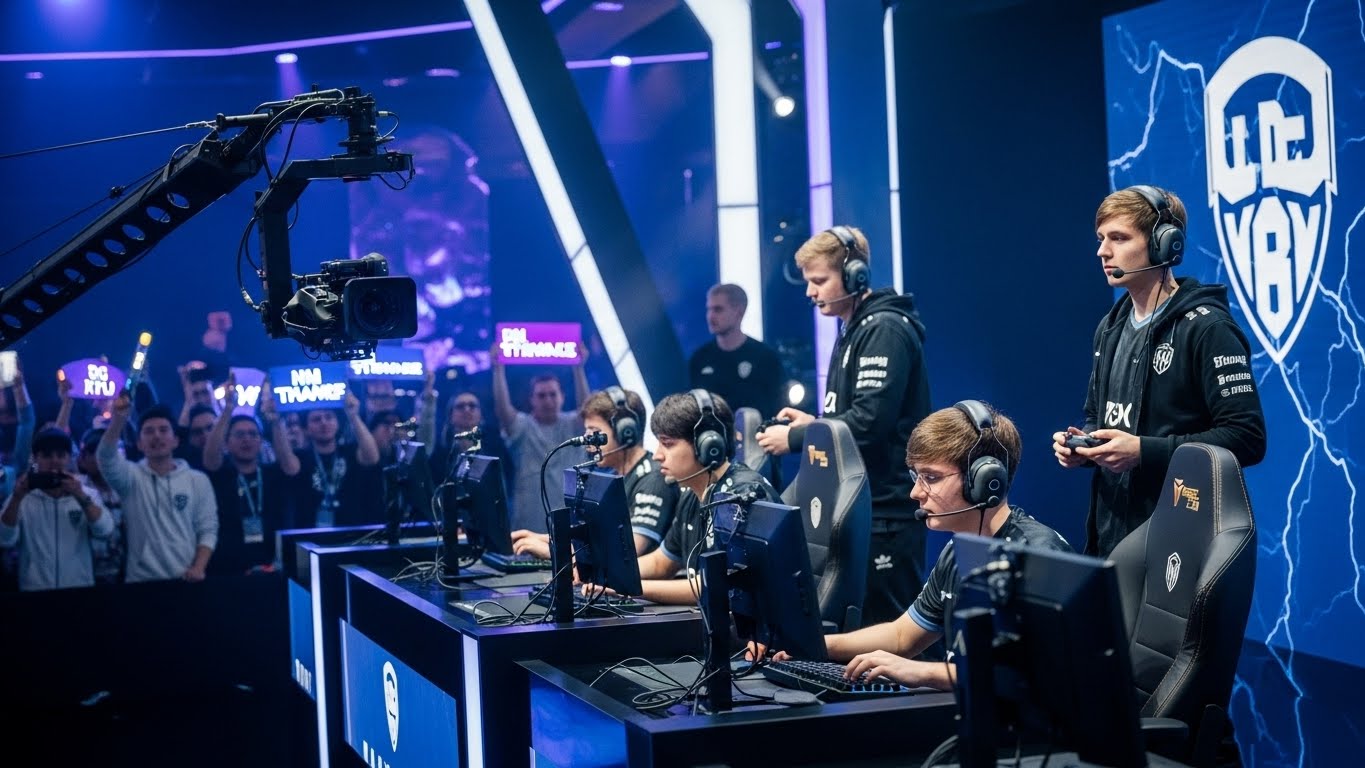
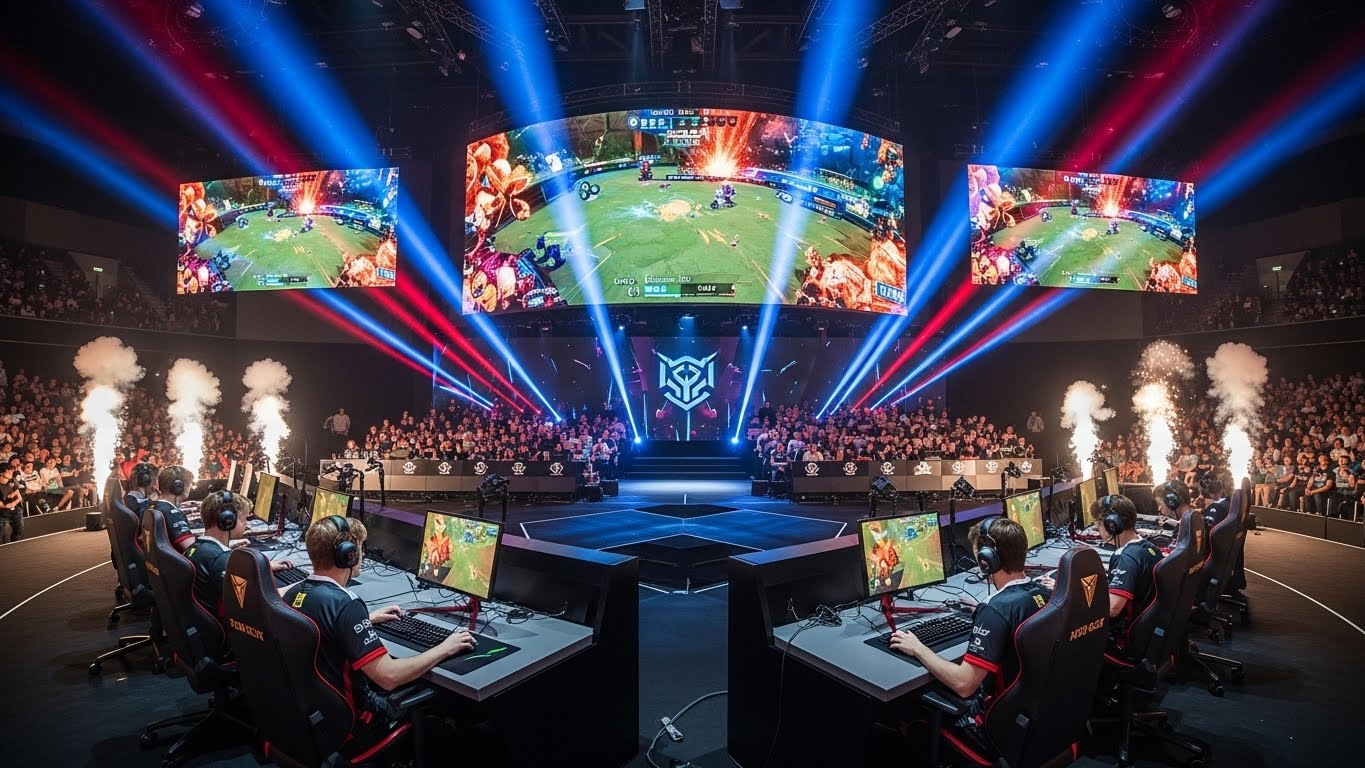
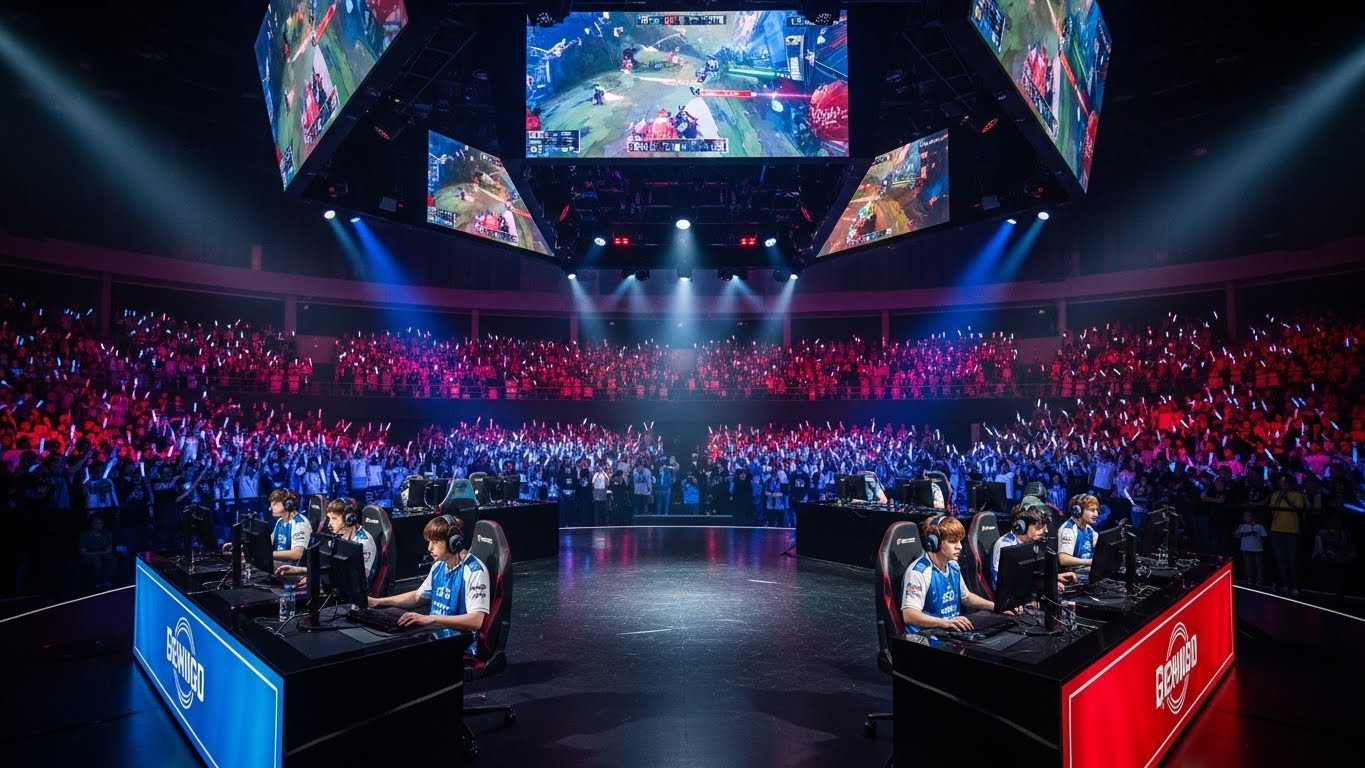
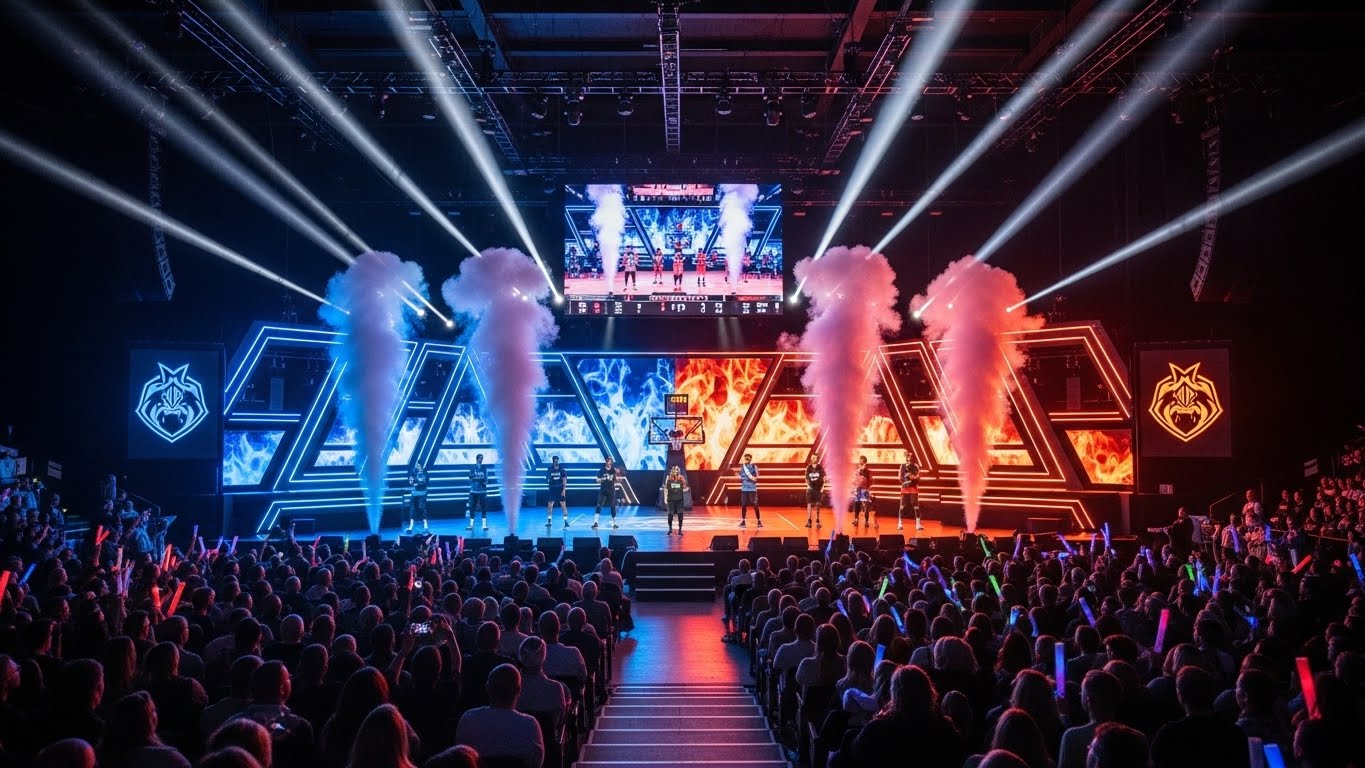
Major esports tournaments like The International (Dota 2), League of Legends World Championship, and CS:GO Major Championships now regularly fill stadiums and arenas around the world. These events attract massive crowds and millions of viewers from diverse countries and cultures. The excitement is palpable as fans cheer for their favorite teams and players, creating an atmosphere comparable to that of any other major sport. What’s more, esports has become a permanent fixture in large multi-sport events, including the Asian Games, which featured esports as a medal event in 2018.
The Professional Esports Athlete
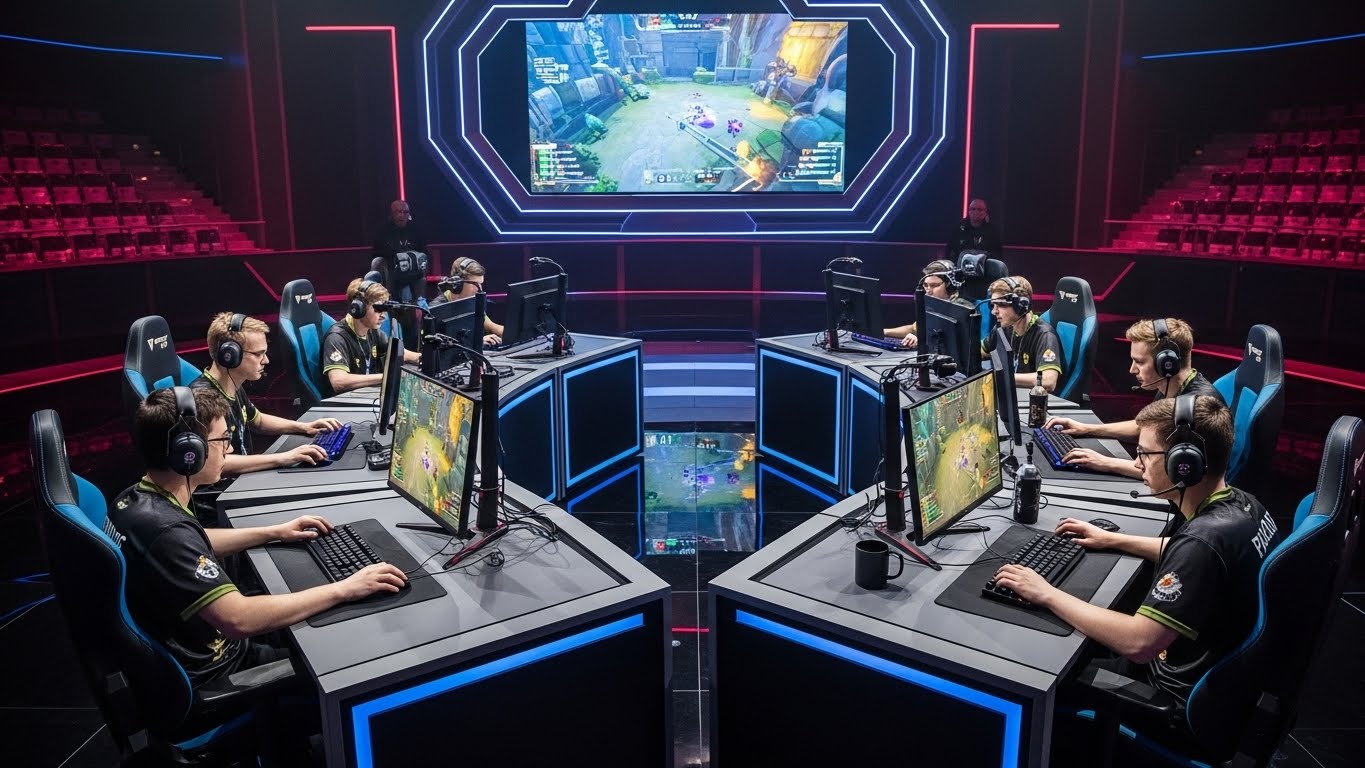
At the heart of the esports industry are the professional players—individuals who have dedicated their lives to mastering the intricacies of their chosen games. Becoming a professional gamer requires hours of practice, focus, and skill development, much like traditional sports athletes. These players often live together in team houses, practicing together for several hours a day, studying game mechanics, and refining strategies to outsmart their competition.
The level of competition in esports is fierce. Players must not only be technically skilled but also possess exceptional communication and teamwork abilities. Success in esports often depends on how well players can collaborate, communicate, and execute game plans under pressure. Many top-tier esports teams hire coaches, analysts, and psychologists to help their players optimize their performance.
As esports grows, so do the opportunities for professional players. The top players in games like League of Legends, Fortnite, and Valorant can earn substantial salaries, participate in lucrative sponsorship deals, and secure prize money from major tournaments. Some of the highest-earning esports professionals have become household names, much like athletes in traditional sports.
Esports as Entertainment: Streaming and Viewership
While traditional sports have always relied on television broadcasts, esports has built its own unique ecosystem around streaming platforms like Twitch and YouTube. These platforms have not only made it possible for players to showcase their skills but have also created a new form of entertainment. Fans can watch live streams of matches, interact with their favorite players through chat, and enjoy commentary and analysis from professional casters.
Esports streaming has become a major entertainment industry in its own right. In fact, Twitch has surpassed traditional entertainment platforms like YouTube in terms of hours watched in recent years, with millions of users tuning in to watch live events and gameplay every day. Viewers don’t just passively watch—they actively engage with players and teams, creating a sense of community around each event. The ability to donate, subscribe, and chat with players has created a new level of interaction that traditional sports can’t replicate.
The rise of esports streaming has also given birth to new career paths for content creators. Many gamers have built massive followings by streaming their gameplay and creating unique content, such as tutorials, live reactions, and behind-the-scenes footage. This has led to the emergence of influencers within the gaming space, some of whom earn significant income through sponsorships, advertising, and fan donations.
The Business of Esports
Esports is no longer just a hobby for gamers; it has become a major business. The industry’s rapid growth has attracted investors, sponsors, and brands looking to capitalize on the esports phenomenon. Major corporations such as Intel, Coca-Cola, Red Bull, and Nike have all entered the esports space, sponsoring teams, events, and players.
The business model of esports is multi-faceted. Revenue streams include sponsorships, advertising, ticket sales for live events, merchandise sales, and, of course, prize pools from major tournaments. In 2021, the global esports industry was valued at over $1 billion, and it’s only projected to grow further in the coming years.
Esports has also attracted the attention of traditional sports organizations. Many professional sports teams have established their own esports divisions, and leagues like the NBA have ventured into the esports world with events like the NBA 2K League. This crossover is not just limited to sports organizations—media companies and even tech giants like Google, Amazon, and Microsoft have invested heavily in the esports ecosystem.
Esports Education and Career Paths
With esports becoming a viable career option, it has spurred the development of esports-related education programs. Colleges and universities around the world now offer degrees and certifications in esports management, game design, and even competitive gaming. Some schools have established esports teams and facilities, providing students with the opportunity to pursue both academic and gaming aspirations.
Beyond playing professionally, there are a variety of career paths within esports. From coaching and management to broadcasting and event production, the esports industry offers opportunities for people with a wide range of skills. The growth of esports as an entertainment sector has created a ripple effect, providing jobs for analysts, content creators, marketers, and developers. The rise of esports as a legitimate career option has turned gaming into a multi-faceted industry with diverse opportunities for individuals passionate about both gaming and business.
The Future of Esports
The future of esports is incredibly bright. As technology continues to advance, the experiences offered to players and viewers will only improve. Virtual reality (VR) and augmented reality (AR) have the potential to revolutionize how esports are experienced, creating immersive environments that could take competitive gaming to new heights.
The integration of esports into mainstream media is also expected to increase. As traditional sports become more digitally integrated, esports may eventually achieve the same level of recognition and respect. There’s even talk of esports being included in the Olympic Games in the future, which would be a monumental step toward recognizing competitive gaming as a legitimate sport on the global stage.
As esports continues to grow, its influence will extend far beyond the gaming community, shaping the future of entertainment, technology, and culture. For many, esports is no longer just about playing games—it’s a lifestyle, a career, and a passion.
Conclusion: Esports as the Future of Competitive Entertainment
Esports has come a long way from its humble beginnings as a niche hobby. Today, it’s a thriving, global industry that brings together millions of players, fans, and businesses. The combination of skill, entertainment, and community has propelled esports to the forefront of digital culture, and its future looks brighter than ever.
For those who are still on the sidelines, it’s time to take notice. Esports is not just a passing trend—it’s the future of competitive entertainment, and it’s here to stay. Whether you’re a gamer, a fan, or simply someone interested in the next big thing, esports offers an exciting and dynamic world to explore.