 championcast96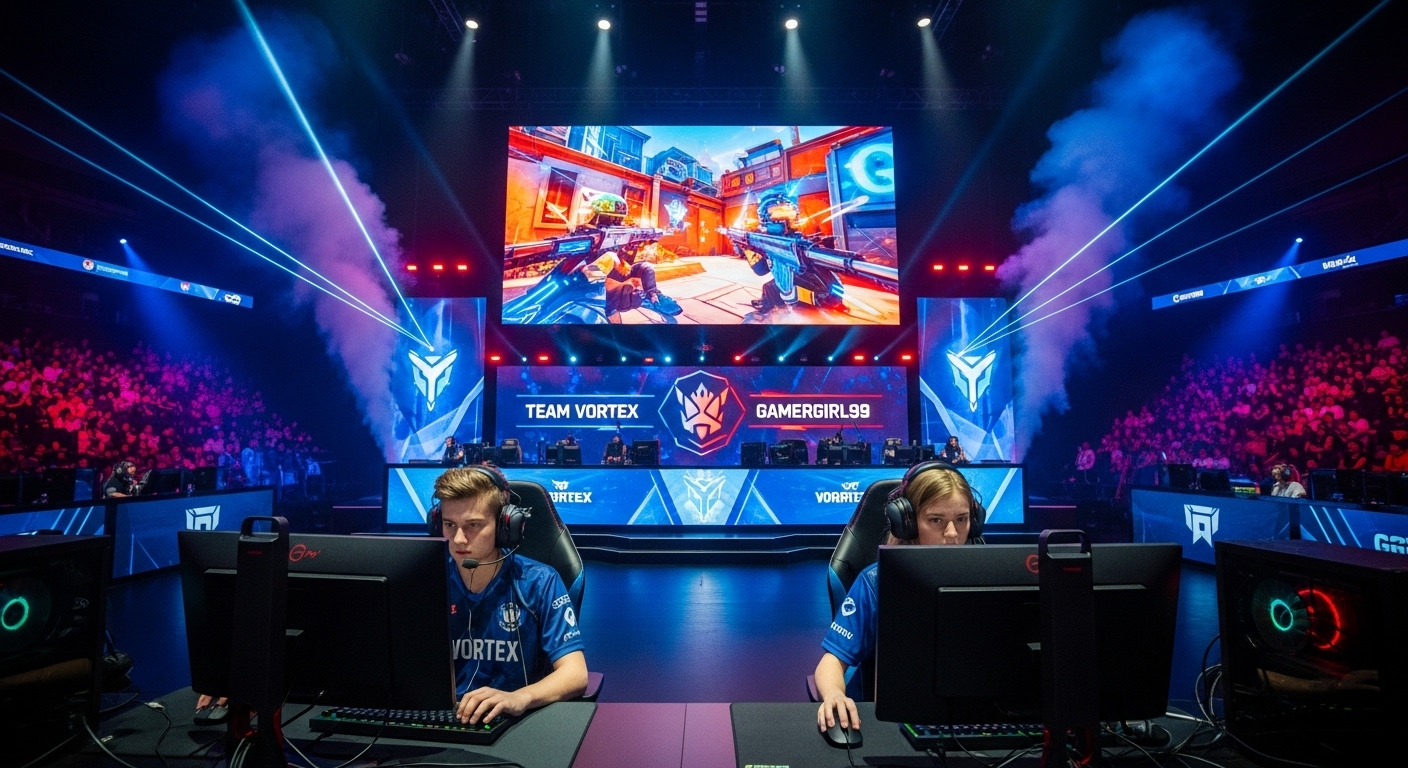
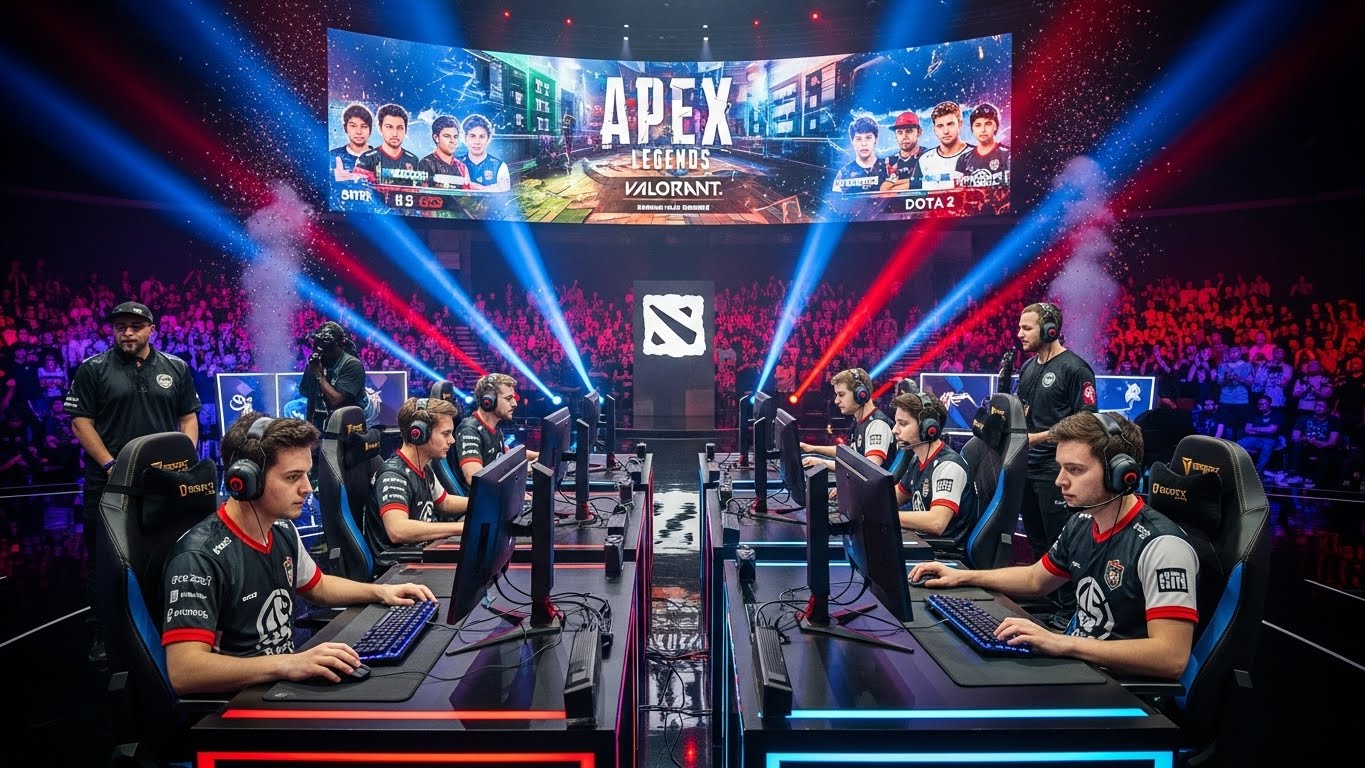
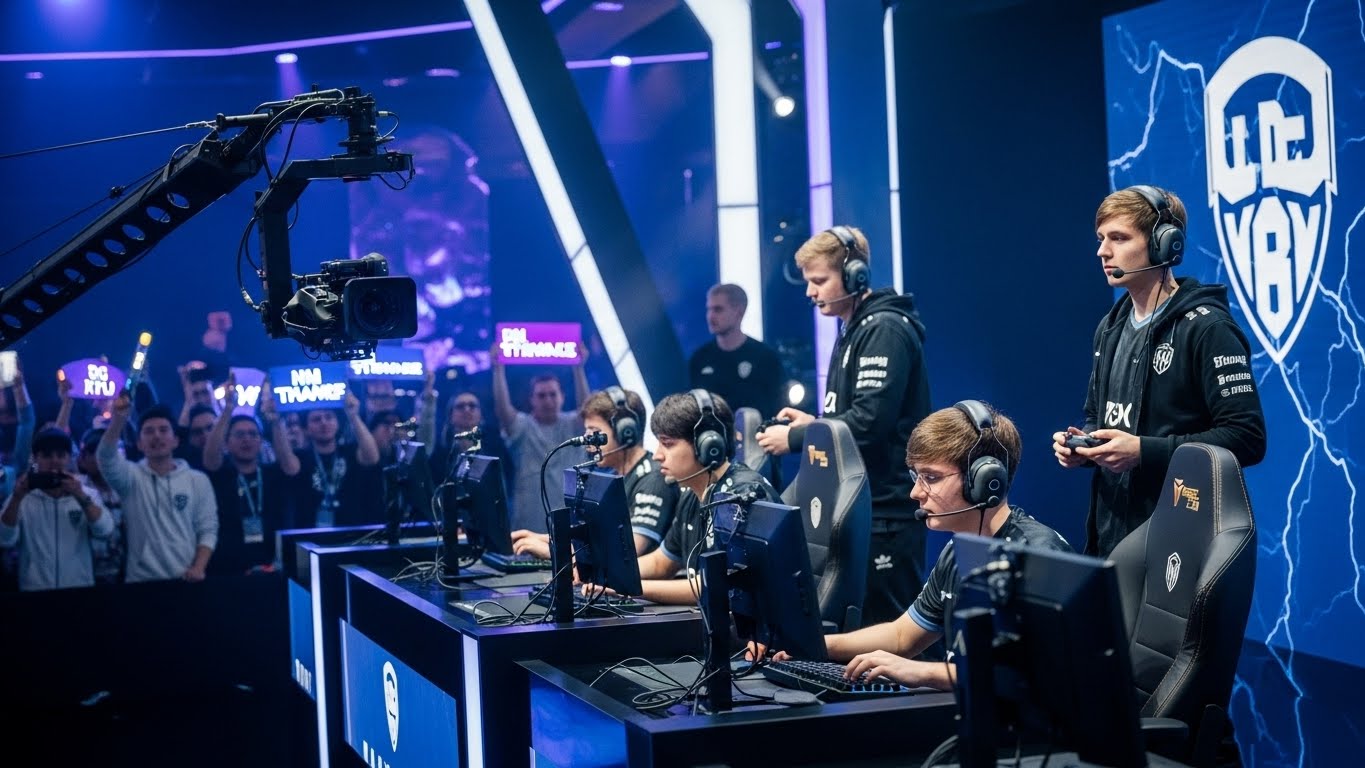
Esports has evolved from a niche subculture to a mainstream entertainment phenomenon, attracting millions of viewers, huge sponsorship deals, and offering competitive players a career that rivals those in traditional sports. What started as a small, underground scene of gamers facing off in basement tournaments has blossomed into a global industry worth billions. In this blog post, we’ll explore the incredible rise of esports, the factors that have fueled its growth, and what the future holds for this dynamic and rapidly expanding field.
The Birth of Esports: A Competitive Spirit Meets Technology
The foundation of esports can be traced back to the late 20th century when video games began to feature multiplayer modes and players could compete against one another. Early examples of competitive gaming include arcade games like Space Invaders and Street Fighter, where players tested their skills against each other for high scores or in one-on-one matches. However, it wasn’t until the rise of personal computers and online connectivity that esports truly began to take shape.
In the 1990s, games like Quake, StarCraft, and Warcraft III sparked the first organized tournaments. These games allowed players from different locations to face off in real-time, creating the foundation for modern esports competitions. While these tournaments were modest by today’s standards, they set the stage for a multi-billion dollar industry that would eventually emerge. By the early 2000s, professional gaming leagues and organizations began to take form, and online platforms such as Battle.net became the breeding grounds for competitive play.
Esports Tournaments and Leagues: The Rise of the Pros
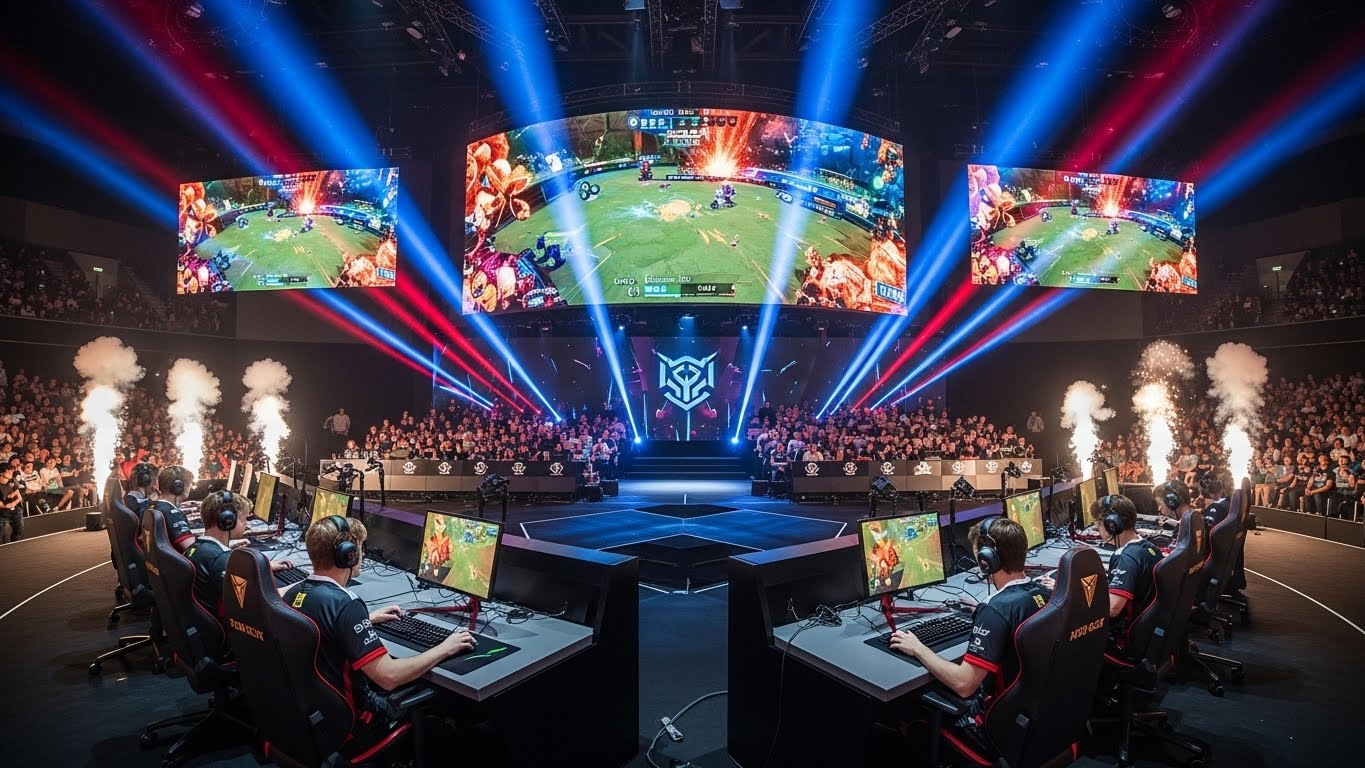
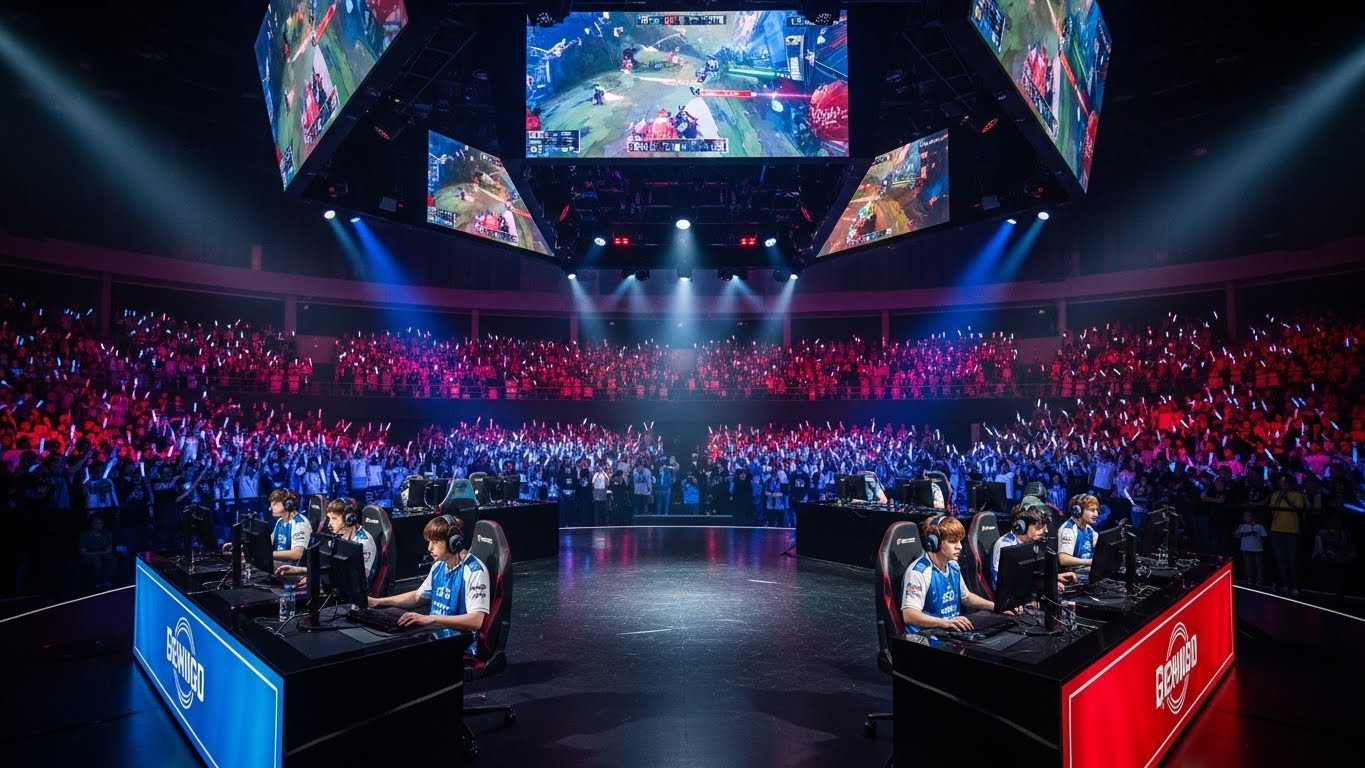
With the emergence of organized tournaments, esports began to gain traction in the mainstream. Major tournaments like The International (for Dota 2), the League of Legends World Championship, and Overwatch League have become global spectacles, attracting viewers from all over the world and offering massive prize pools. In fact, some esports tournaments have prize pools exceeding tens of millions of dollars, making them some of the richest events in the world of competitive sports.
Unlike traditional sports, which are often tied to geographic regions or countries, esports transcends borders. Gamers from different parts of the world compete on an even playing field, and the audience is equally diverse. The global nature of esports means that fans can follow their favorite players and teams, regardless of location, and cheer them on from anywhere with an internet connection.
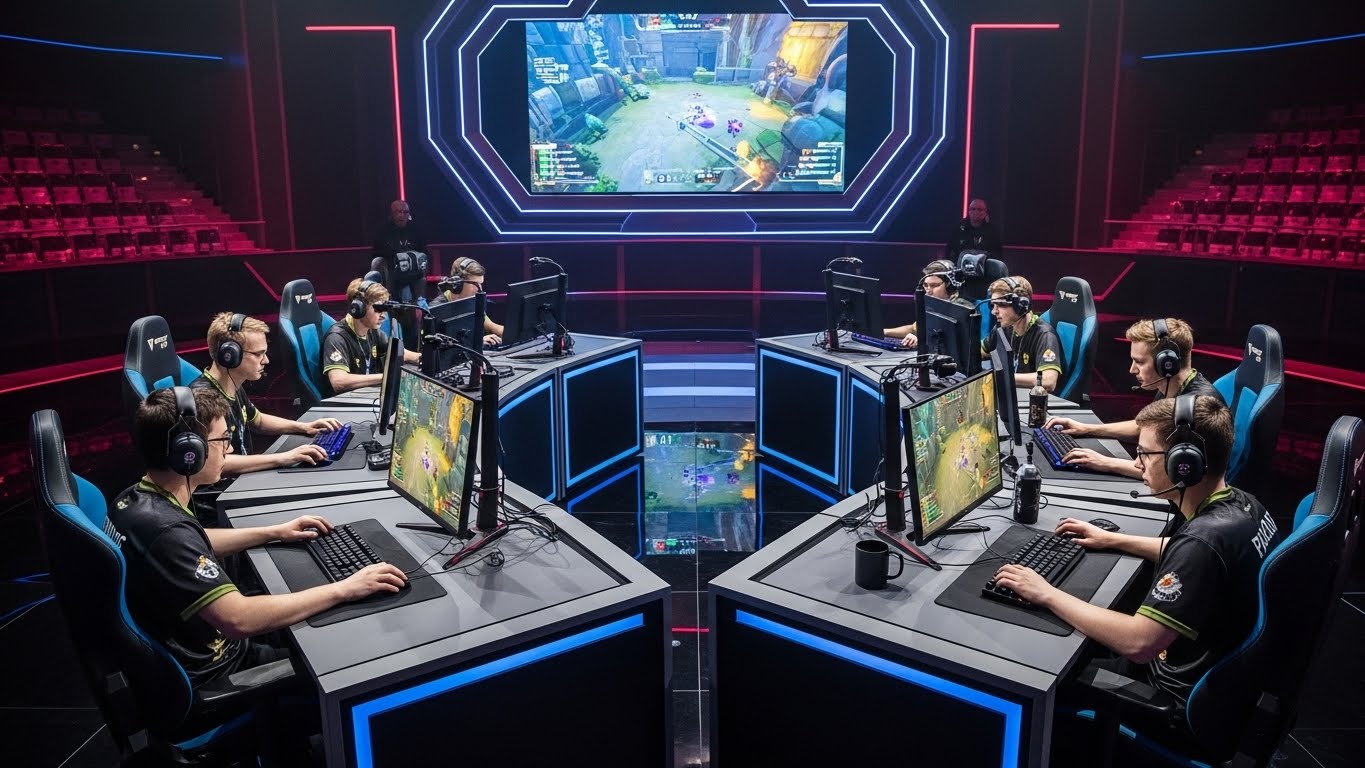
The professionalization of esports has transformed the players themselves into full-fledged athletes. Competitive gamers train for hours each day, hone their skills, study their opponents, and work with coaches to improve their play. As esports becomes more mainstream, players have the opportunity to earn salaries, sponsorship deals, and recognition, much like athletes in traditional sports.
The Explosion of Esports Streaming and Viewership
One of the major factors behind the rapid growth of esports is the rise of live-streaming platforms like Twitch and YouTube Gaming. These platforms have revolutionized the way fans consume esports content, offering live broadcasts of tournaments, commentary, and behind-the-scenes looks at the lives of professional players. Streaming has made esports more accessible than ever, allowing fans to watch their favorite games and players from the comfort of their homes.
Twitch, in particular, has been a game-changer for esports. The platform allows gamers to live-stream their gameplay, interact with their audience through real-time chat, and even monetize their content. It’s not just professional players who are benefiting from this rise in streaming; even casual gamers have been able to carve out successful careers by broadcasting their gameplay. As more viewers flock to these platforms, esports events gain global exposure, making competitive gaming more mainstream than ever before.
Streaming has also added a layer of interactivity to esports that traditional sports can’t match. Fans are no longer just passive viewers; they can engage with players, ask questions, and participate in live discussions during broadcasts. Esports events on streaming platforms regularly reach millions of viewers, and it’s not unusual for popular tournaments to break records for concurrent viewers.
The Economic Impact of Esports: Sponsorships, Advertising, and Merchandise
Esports is not just about the players or the tournaments; it’s also a thriving economic ecosystem that generates substantial revenue. Companies from various industries, including tech, food and beverage, apparel, and entertainment, have recognized the potential of esports and have invested heavily in the space. Sponsorships are one of the primary revenue streams for esports teams and tournaments, with brands like Intel, Coca-Cola, Red Bull, and Mercedes-Benz associating their names with major esports events and teams.
The digital nature of esports allows for a global fanbase, and with that comes unique opportunities for targeted advertising and brand engagement. Esports tournaments and streams are highly coveted by advertisers because they attract a young, tech-savvy audience that is hard to reach through traditional forms of media like TV. Advertisers can integrate their messages seamlessly into streams, offer product placements in games, and even sponsor entire esports leagues.
In addition to sponsorships and advertising, esports has also given rise to a growing merchandise industry. Fans now have the option to buy team jerseys, apparel, and other memorabilia to support their favorite players and organizations. These merchandise sales contribute significantly to the financial health of esports teams and create a sense of identity and loyalty among fans.
The Role of Esports in the Broader Entertainment Landscape
As esports grows in popularity, it is increasingly being recognized as part of the broader entertainment industry. Traditional sports networks, such as ESPN, have begun to air esports tournaments, while companies like Netflix and Amazon are producing original content about gaming and esports. Esports events are being broadcast on television and live-streamed on popular platforms, increasing their visibility and reaching new audiences outside the gaming community.
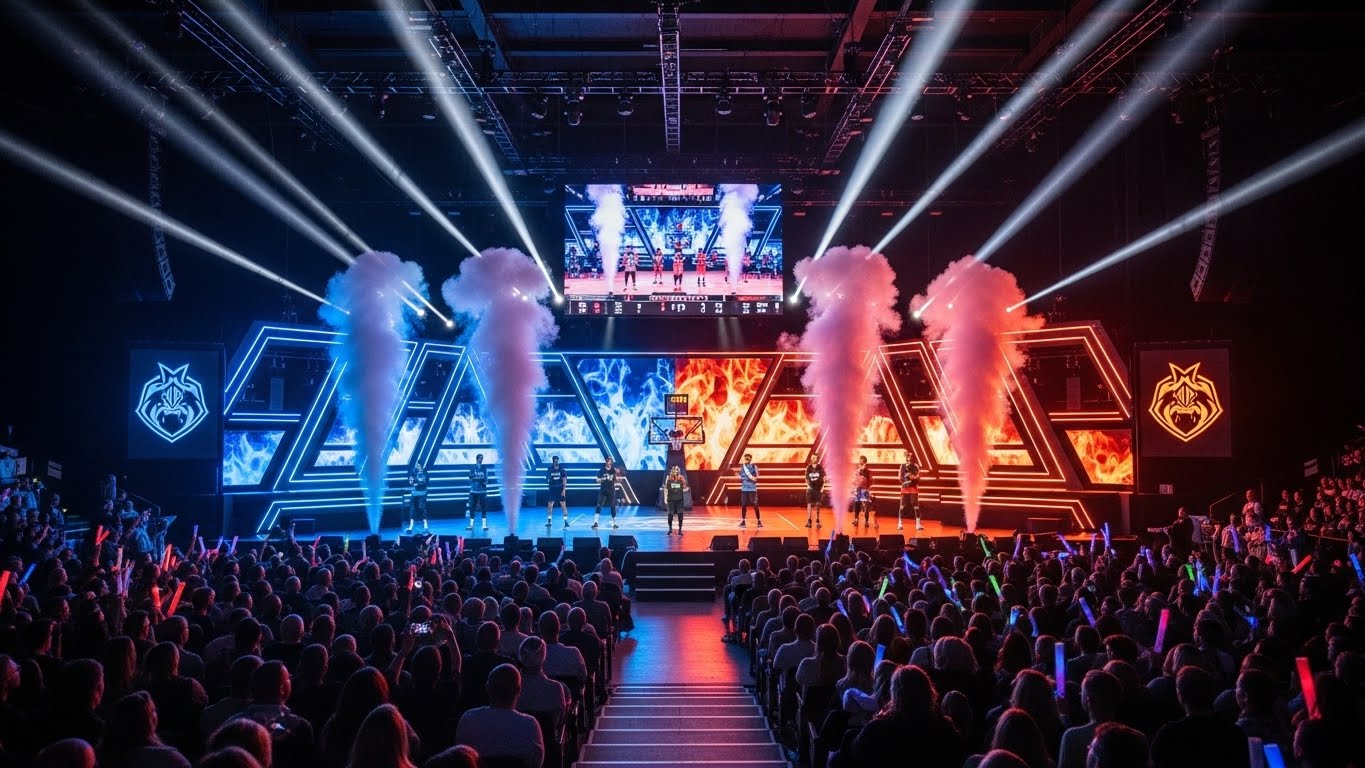
Moreover, esports has crossed into the realm of mainstream pop culture. Celebrities, musicians, and athletes are becoming involved in esports, whether as sponsors, investors, or even players themselves. There are now esports tournaments featuring NBA players, celebrities hosting charity matches, and music artists performing at esports events, further blurring the lines between gaming and mainstream entertainment.
In addition to its cultural impact, esports is also creating new career opportunities. Beyond professional players, there are roles for analysts, commentators, team managers, coaches, event organizers, content creators, and more. This diversity in career paths is making esports an attractive industry for young people seeking jobs in the growing tech, media, and entertainment sectors.
The Future of Esports: Technology, Expansion, and Global Growth
The future of esports looks incredibly bright, with continued growth in viewership, participation, and investment. Several factors are contributing to this ongoing expansion:
- Technological Advancements: As internet speeds improve and gaming hardware becomes more powerful, esports experiences will continue to become more immersive. Virtual reality (VR) and augmented reality (AR) have the potential to revolutionize how esports is played and watched, offering fans a completely new level of interaction.
- Global Reach: Esports is still in its early stages in many regions, particularly in Africa, Southeast Asia, and South America. As internet infrastructure improves, esports will continue to expand into new markets, further increasing its global reach and fanbase.
- Mainstream Acceptance: Esports is already a part of the mainstream, but its acceptance as a legitimate form of competition and entertainment will continue to grow. With the potential for esports to be included in future Olympic Games and its increasing presence on traditional sports networks, esports will become an integral part of the global entertainment ecosystem.
- Mobile Gaming and Accessibility: Mobile esports is also on the rise, with games like PUBG Mobile and Mobile Legends dominating in regions where access to high-end gaming PCs and consoles is limited. Mobile esports opens up new opportunities for casual gamers to compete at a professional level.
Conclusion: Esports as a Cultural Powerhouse
Esports has come a long way from its humble beginnings, evolving into a thriving industry with global appeal. It’s no longer just about playing games; it’s about creating a community, building careers, and entertaining millions of fans worldwide. With the growth of viewership, sponsorships, and technological innovation, esports is positioned to continue its ascent as one of the most significant forms of entertainment in the 21st century.
As the industry matures, esports will only become more integrated into our daily lives, shaping the future of gaming, competition, and entertainment. Whether you’re a player, a fan, or someone just discovering esports, it’s clear that competitive gaming is here to stay, and its influence will continue to expand across cultures, economies, and industries around the globe.