 championcast96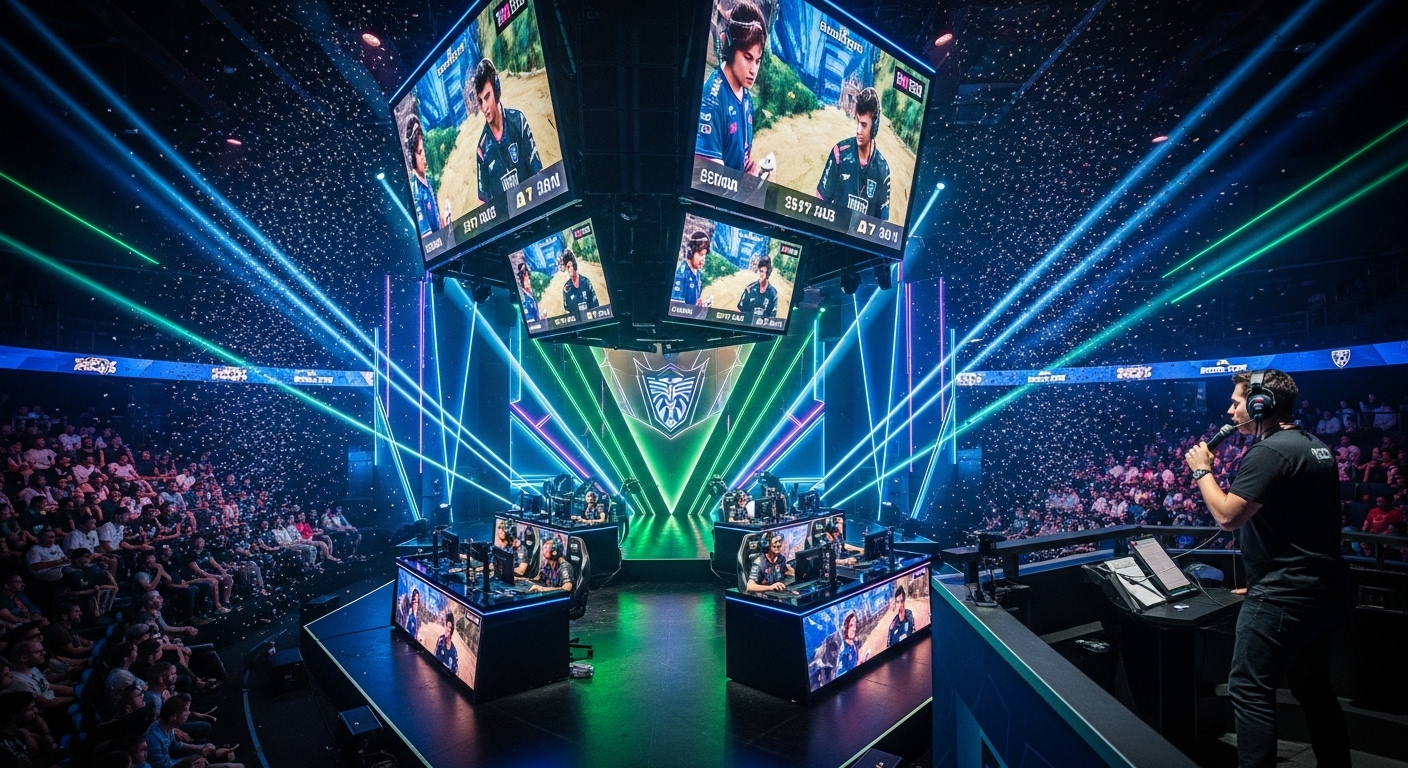
Introduction
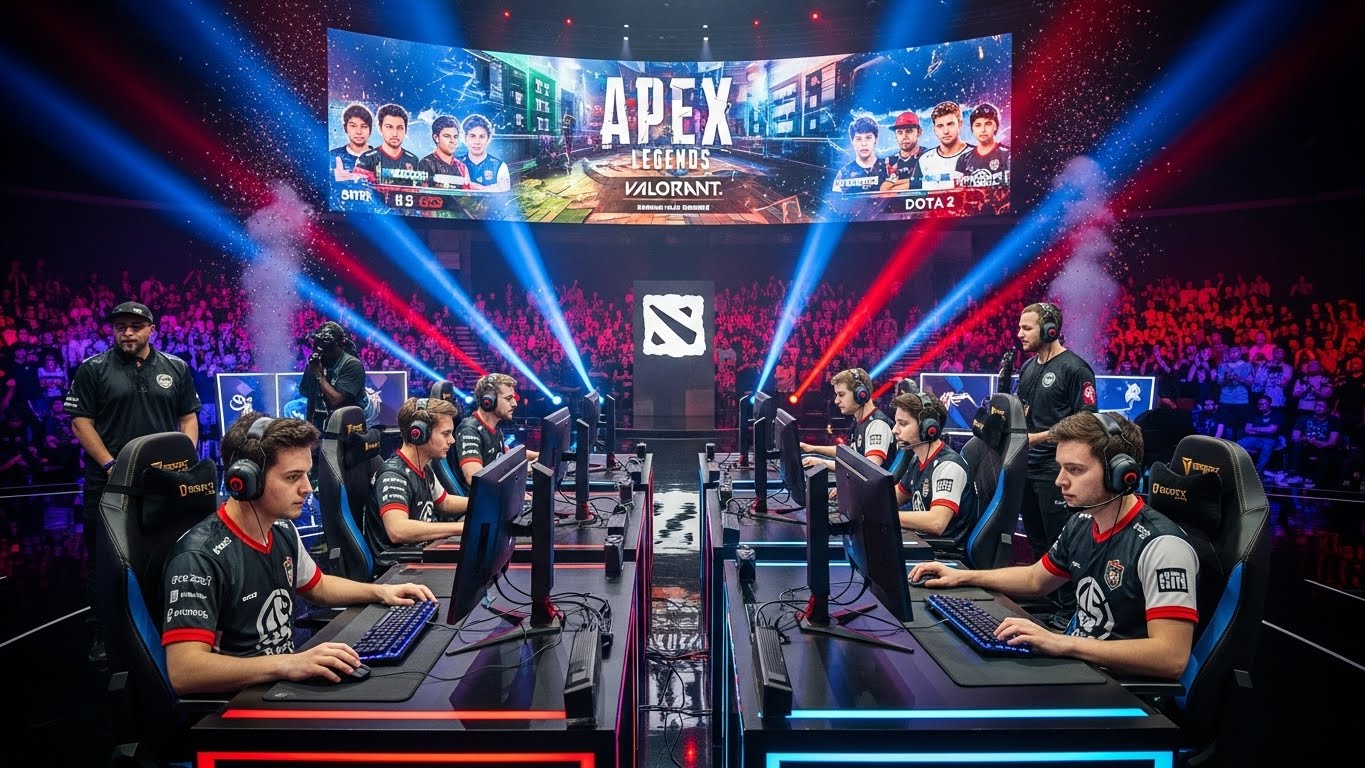
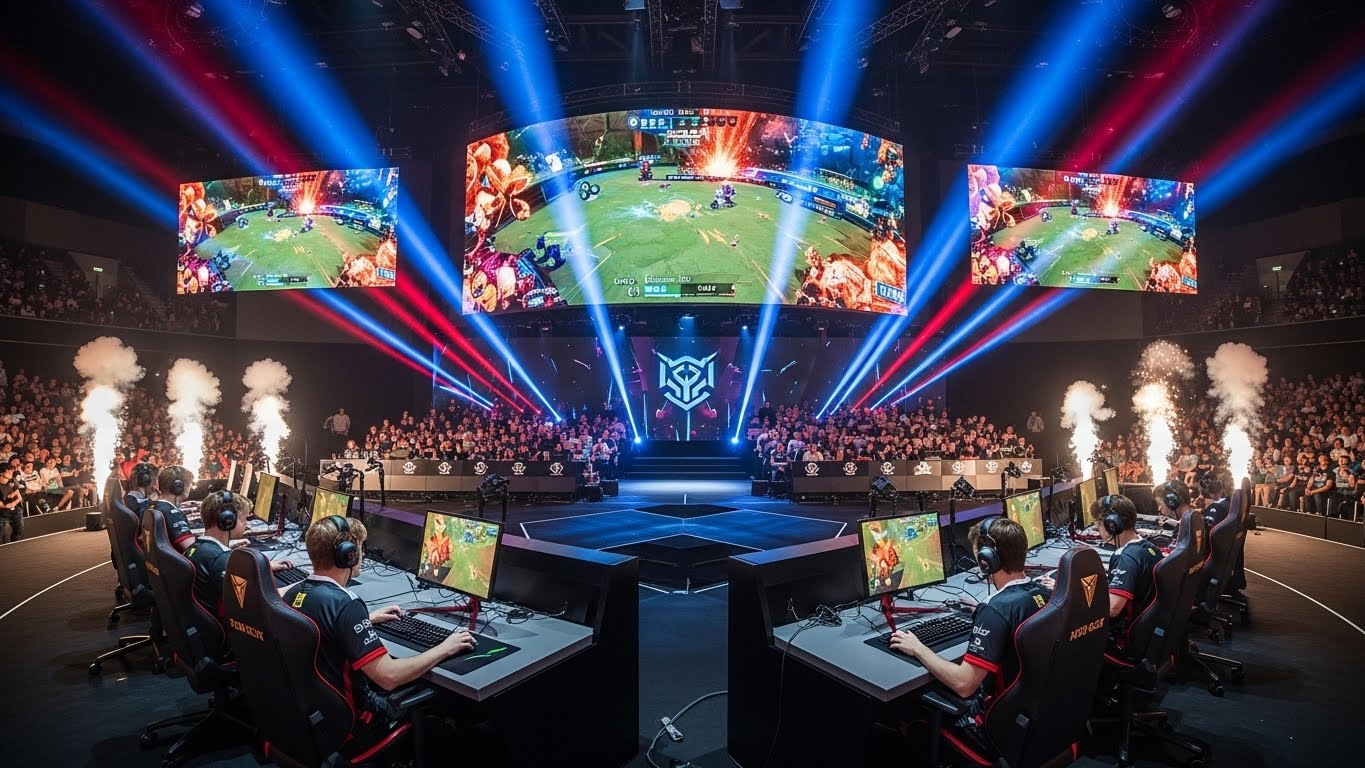
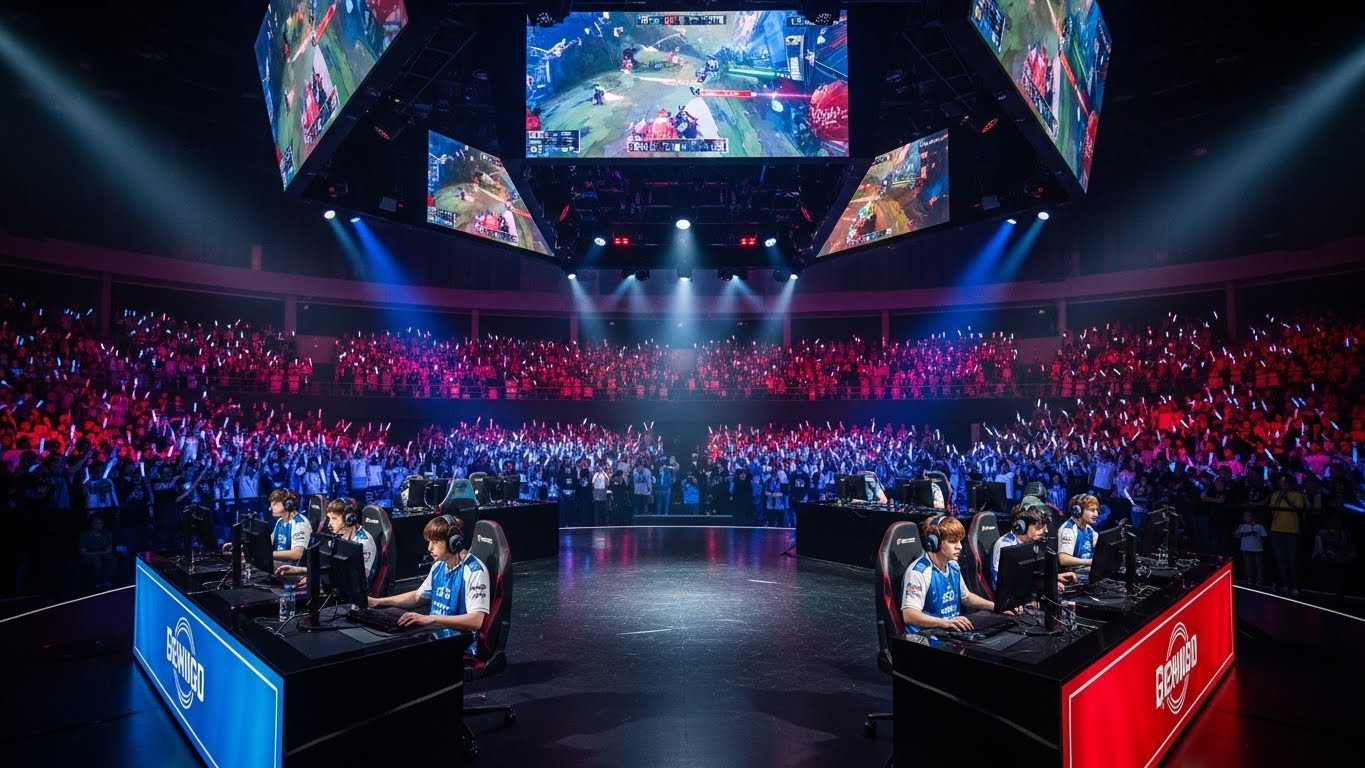
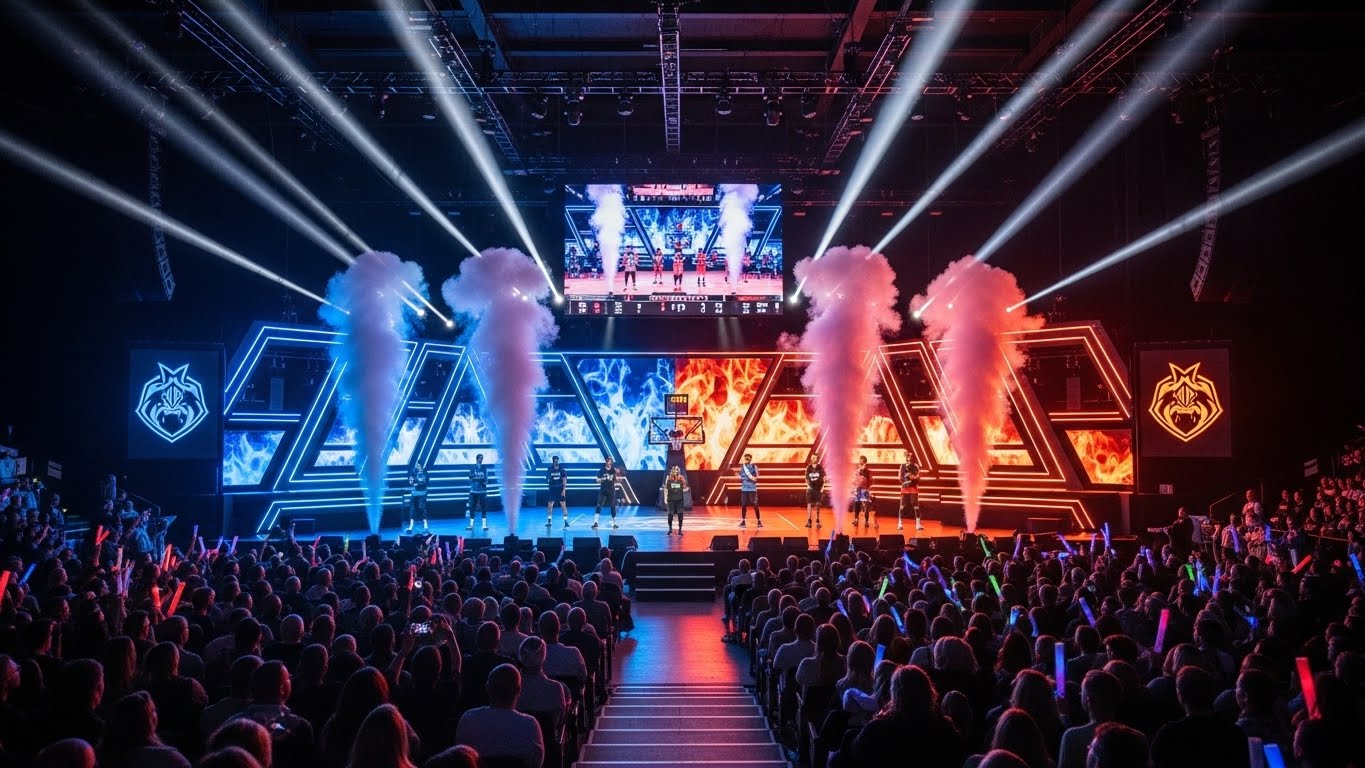
In the past few years, esports has experienced a meteoric rise, transforming from a niche activity into a global entertainment powerhouse. What was once a pastime for passionate gamers is now a multi-billion-dollar industry with millions of fans, professional players, and high-stakes tournaments. Esports now rivals traditional sports in terms of viewership, engagement, and revenue. From large-scale tournaments in packed arenas to online streaming and sponsorship deals, esports has found a permanent place in the entertainment ecosystem. In this blog post, we will explore the origins of esports, its incredible growth, its cultural significance, and what the future holds for this rapidly evolving industry.
The Origins of Esports
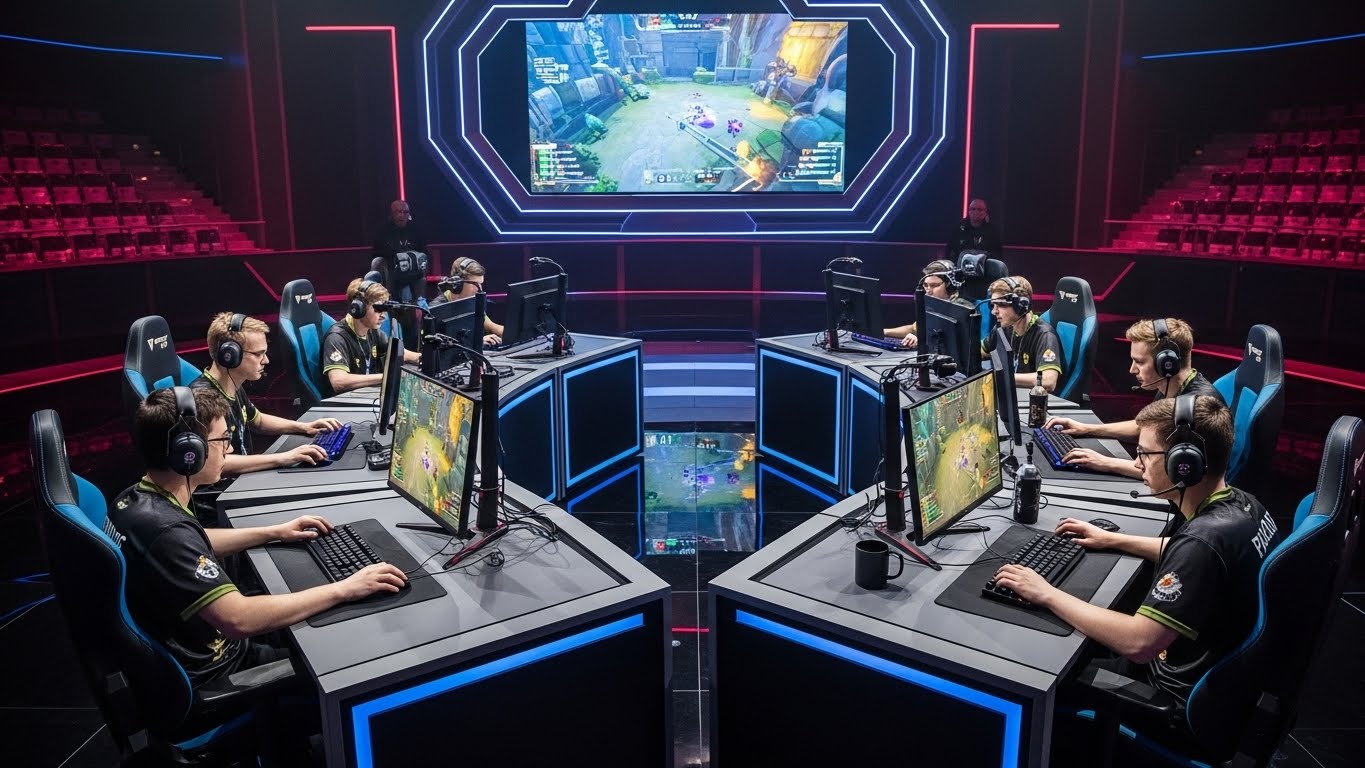
Esports, or electronic sports, refers to competitive video gaming, where players, either individually or in teams, compete in organized tournaments. The history of esports can be traced back to the late 20th century when competitive gaming began in small, local events. One of the earliest examples of esports competition was the 1997 Red Annihilation tournament for the game Quake, where the winner received a Ferrari as the grand prize. This event marked the beginning of a new era for competitive gaming.
However, it wasn’t until the early 2000s that esports began to gain significant traction. The World Cyber Games (WCG) launched in 2000, bringing together gamers from around the world to compete in games like StarCraft and Warcraft III. Following this, other notable tournaments such as DreamHack in Sweden and the Electronic Sports World Cup (ESWC) helped establish esports as a professional pursuit.
The rapid growth of broadband internet and the increasing popularity of online multiplayer games such as Counter-Strike, League of Legends, and Dota 2 further fueled the rise of esports. Players no longer needed to be physically present to compete; they could now participate in global competitions from the comfort of their homes.
The Explosion of Esports
The growth of esports in the last decade has been nothing short of extraordinary. As the internet became more accessible, esports competitions evolved into massive, international events. Today, esports tournaments draw millions of viewers, both in-person and online, and attract top-tier sponsorships from global brands. The prize pools for major esports tournaments have reached astronomical levels, with The International (Dota 2) regularly offering prize pools that exceed $30 million.
Esports’ growth has been driven by the rise of online streaming platforms, such as Twitch, YouTube Gaming, and Facebook Gaming. These platforms provide a space for gamers to broadcast their gameplay live, allowing fans from across the world to tune in and watch their favorite players compete. The interactivity of these platforms enables viewers to engage with players in real-time, creating a sense of community and fostering closer connections between players and fans.
In addition to streaming, the rise of social media has further propelled esports into the mainstream. Platforms like Twitter, Instagram, and Discord allow fans to follow their favorite teams, players, and events, providing a direct line of communication between fans and their idols. This level of engagement has helped esports become a cultural force, transcending traditional gaming communities and appealing to a much wider audience.
Esports as a Legitimate Career
One of the most significant developments in the world of esports is the rise of professional gaming as a legitimate career path. Top-tier players now earn substantial salaries, often exceeding the income of traditional athletes in some cases. Professional gamers can make money through tournament prize winnings, sponsorship deals, streaming revenue, and brand partnerships. Players like Ninja and Shroud, who are among the most well-known figures in the industry, have become household names, attracting millions of followers and lucrative endorsement deals with major brands like Adidas, Red Bull, and Samsung.
Esports teams also operate like traditional sports organizations, with coaches, analysts, and managers working to optimize player performance and strategy. Many top esports organizations, such as Cloud9, Team Liquid, and G2 Esports, have become established brands in the gaming community. These teams recruit the best players from around the world, providing them with training, resources, and opportunities to compete on the global stage.
The rise of professional gaming has also led to the creation of other career opportunities within the esports ecosystem. Coaches, analysts, event organizers, broadcasters, and marketers all play crucial roles in the success of esports tournaments and organizations. The industry has grown into a multi-faceted business, providing jobs for a wide range of people with diverse skill sets.
Esports and Streaming: A New Era of Entertainment
Streaming has played an instrumental role in the growth of esports. Platforms like Twitch have become the epicenter of esports content, with millions of viewers tuning in daily to watch live tournaments, game commentary, and casual gameplay streams. In fact, streaming has become one of the primary ways people consume esports content, allowing fans to watch their favorite players and teams from anywhere in the world.
What makes streaming so unique is its interactivity. Viewers can chat with the streamers in real time, participate in polls, and even donate to their favorite players. This direct engagement has created a sense of community among esports fans, as they are not just passive viewers but active participants in the experience.
Esports streaming has also enabled players to build their own personal brands. Many professional players and streamers have amassed huge followings on platforms like Twitch and YouTube Gaming, where they can share content, engage with fans, and generate income through ad revenue, subscriptions, and donations. Some players have transitioned from being esports competitors to full-time streamers, creating their own unique niches within the broader gaming culture.
As streaming continues to grow in popularity, more brands and organizations are recognizing its potential as a marketing tool. Companies are increasingly sponsoring esports events, teams, and individual players, eager to tap into the massive audience that follows competitive gaming. As a result, esports streaming has become a thriving industry in its own right.
The Esports Community
At the heart of esports is its vibrant, diverse, and passionate community. Esports fans come from all walks of life, united by their love of gaming and competition. What sets the esports community apart from other entertainment genres is its inclusivity. Whether you are a casual gamer or a hardcore esports fan, there is a place for you in the esports ecosystem.
The esports community is also incredibly global. Tournaments like The International and the League of Legends World Championship attract players and fans from all corners of the globe. Esports has become a universal language that transcends cultural, linguistic, and geographical barriers, bringing people together through the shared experience of gaming.
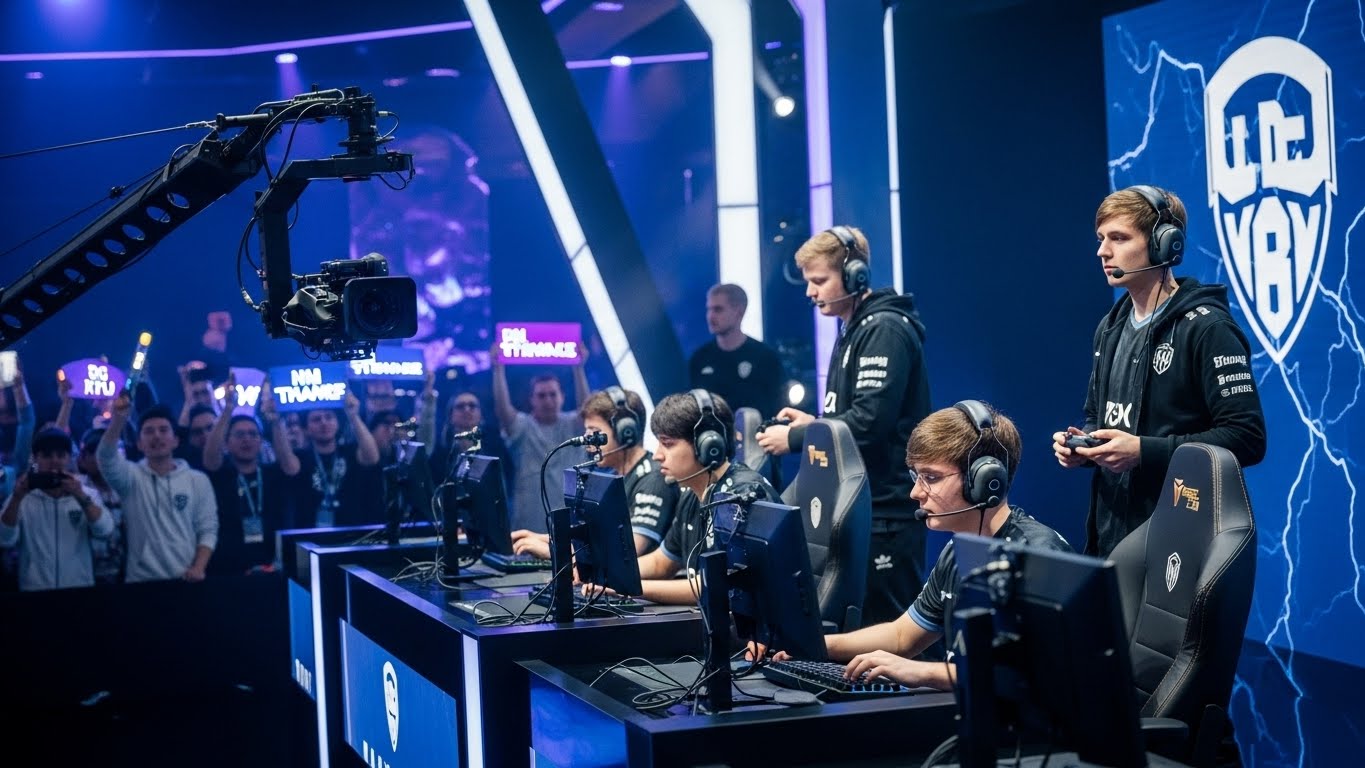
Esports events are not just about the competition; they are about the experience of coming together as a community. Fans cheer for their favorite players, discuss strategies, and celebrate victories. Many fans form friendships and bonds that extend beyond the game itself, contributing to the sense of belonging that is so prevalent in the esports world.
The Role of Esports in Traditional Sports
As esports continues to gain mainstream recognition, it is increasingly being compared to traditional sports. While esports may not involve the same physical exertion as traditional sports, it shares many similarities in terms of competition, teamwork, and strategy. Like professional athletes, esports players must train for hours, develop strategies, and perform under pressure.
Esports has also caught the attention of traditional sports organizations. Major leagues and teams, such as the NBA, NFL, and Manchester City, have invested in esports, either by sponsoring teams or creating their own esports leagues. The NBA 2K League, for example, brings together top players from around the world to compete in NBA 2K, creating a bridge between esports and traditional basketball.
Esports is also increasingly being viewed as a viable career path by younger generations, many of whom are growing up playing video games alongside traditional sports. This generation sees esports as an equal or complementary form of competition, one that requires skill, teamwork, and strategy, just like any other sport.
The Future of Esports
The future of esports looks incredibly promising. With a growing global audience, ever-increasing prize pools, and expanding sponsorships, esports is on track to become one of the largest entertainment industries in the world. As technology continues to evolve, esports will become even more immersive and interactive, with virtual reality (VR) and augmented reality (AR) playing a major role in shaping the next generation of gaming experiences.
The rise of mobile gaming will also have a significant impact on the future of esports. Games like PUBG Mobile and Free Fire have already brought esports to new regions, particularly in Southeast Asia and Latin America, where mobile phones are often the primary gaming device. As mobile technology advances, mobile esports will continue to grow in popularity, bringing competitive gaming to even more players and fans.
Esports is also expected to continue its convergence with traditional sports. More and more professional sports teams and media companies are investing in esports, recognizing its potential as a lucrative and engaging form of entertainment. As the two industries become more intertwined, esports will likely become a permanent fixture in the global sports and entertainment landscape.
Conclusion
Esports has transformed from a niche activity into a global entertainment industry with millions of fans, players, and organizations. Its growth has been fueled by technological advancements, the rise of streaming platforms, and the emergence of professional gaming as a legitimate career. As esports continues to evolve, it will remain a driving force in the gaming industry, providing entertainment, career opportunities, and a sense of community for players and fans alike. With its bright future ahead, esports is poised to reshape the world of competitive entertainment for years to come.