 championcast96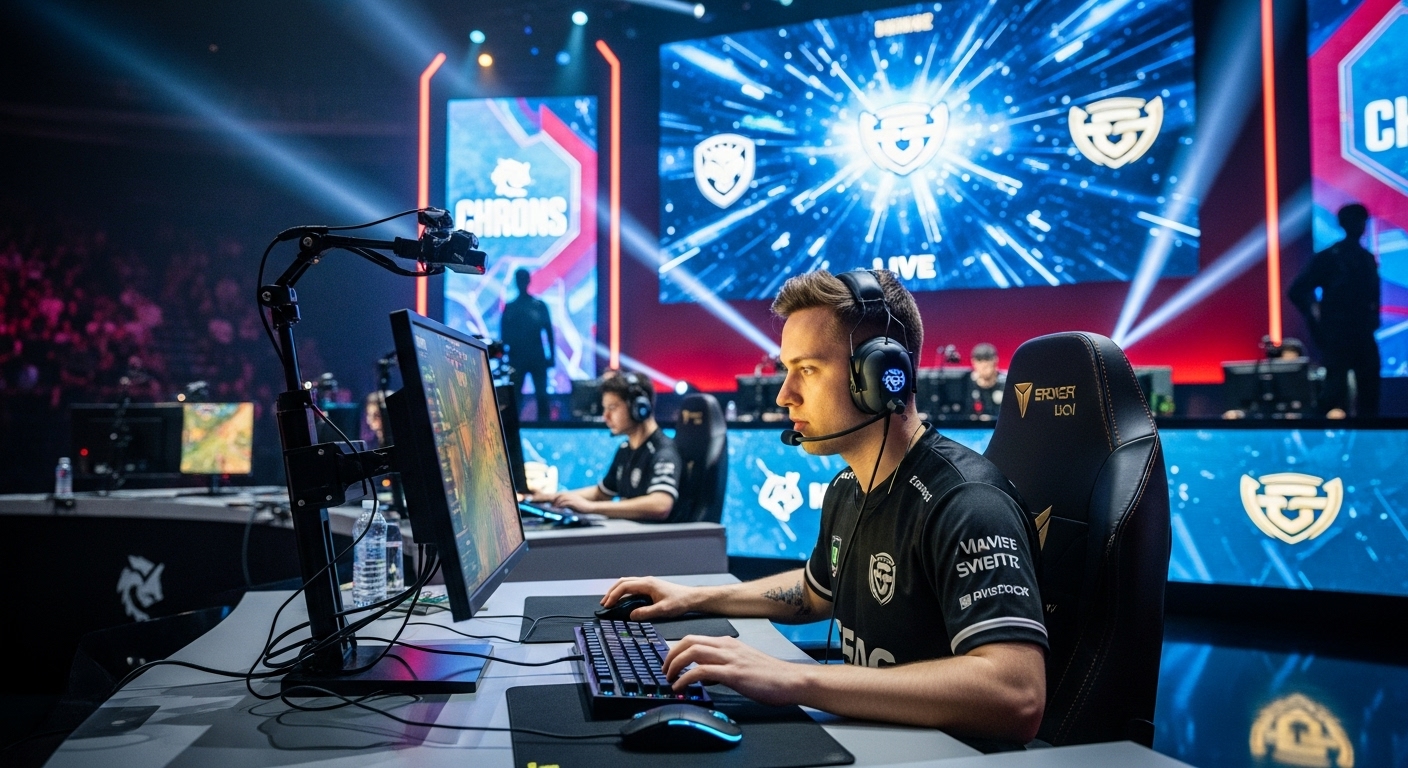
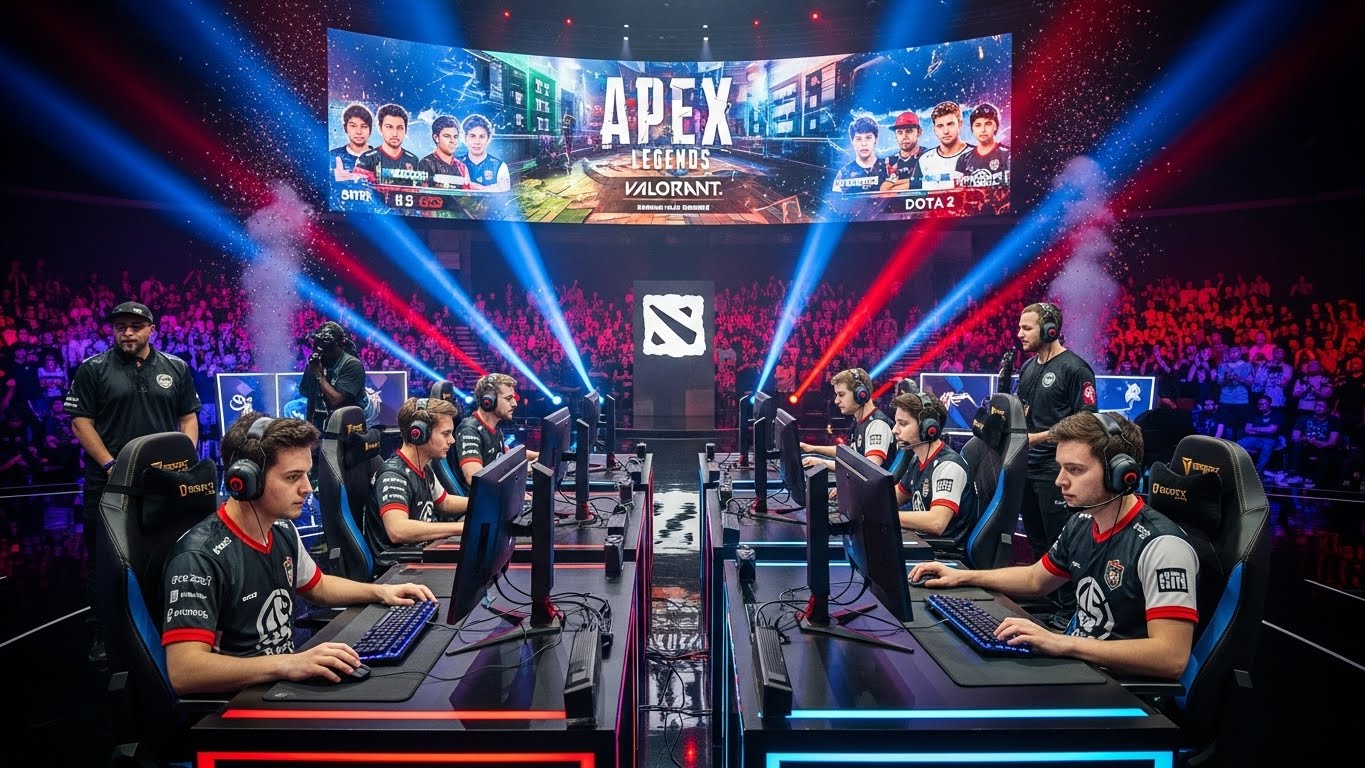
Esports, or competitive video gaming, has evolved from a niche activity enjoyed by a small group of dedicated players to a global entertainment phenomenon that draws millions of fans. What was once considered a hobby is now a multi-billion-dollar industry, with professional athletes, massive tournaments, sponsorships, and an ever-growing fanbase. As the digital landscape continues to expand, esports stands at the forefront of this new era of entertainment, bridging technology, competition, and culture. This blog explores how esports has grown, the key factors contributing to its success, and the exciting future that lies ahead.
The Origins of Esports: From Local Tournaments to Global Events
Esports didn’t appear overnight. Its origins can be traced back to the early days of video gaming, when local tournaments began to emerge in the 1970s and 1980s. These early competitions, although modest in scale, set the foundation for what would eventually become a massive global industry. The first recognized esports tournament took place in 1972, where players competed in a game called Space Invaders. While the competition was simple, it proved that there was an appetite for competitive gaming.
By the 1990s, the rise of personal computers and the internet gave birth to online multiplayer gaming, where players could compete against each other in games like Quake, Warcraft, and StarCraft. These games allowed individuals to battle opponents across the globe, fostering the idea of esports competitions that transcended regional boundaries. In the 2000s, platforms like Xfire and Battle.net helped bring competitive gaming to a wider audience, and the first major esports tournaments began to appear, attracting viewers and participants alike.
As broadband internet access became more widespread, streaming platforms such as Twitch emerged, enabling gamers to broadcast their play in real time to a global audience. With the ability to stream and share gameplay easily, esports began to gain momentum, evolving from small, local events into professional tournaments with large cash prizes, corporate sponsors, and international viewership.
The Structure of Esports: An Industry Built on Competition and Entertainment
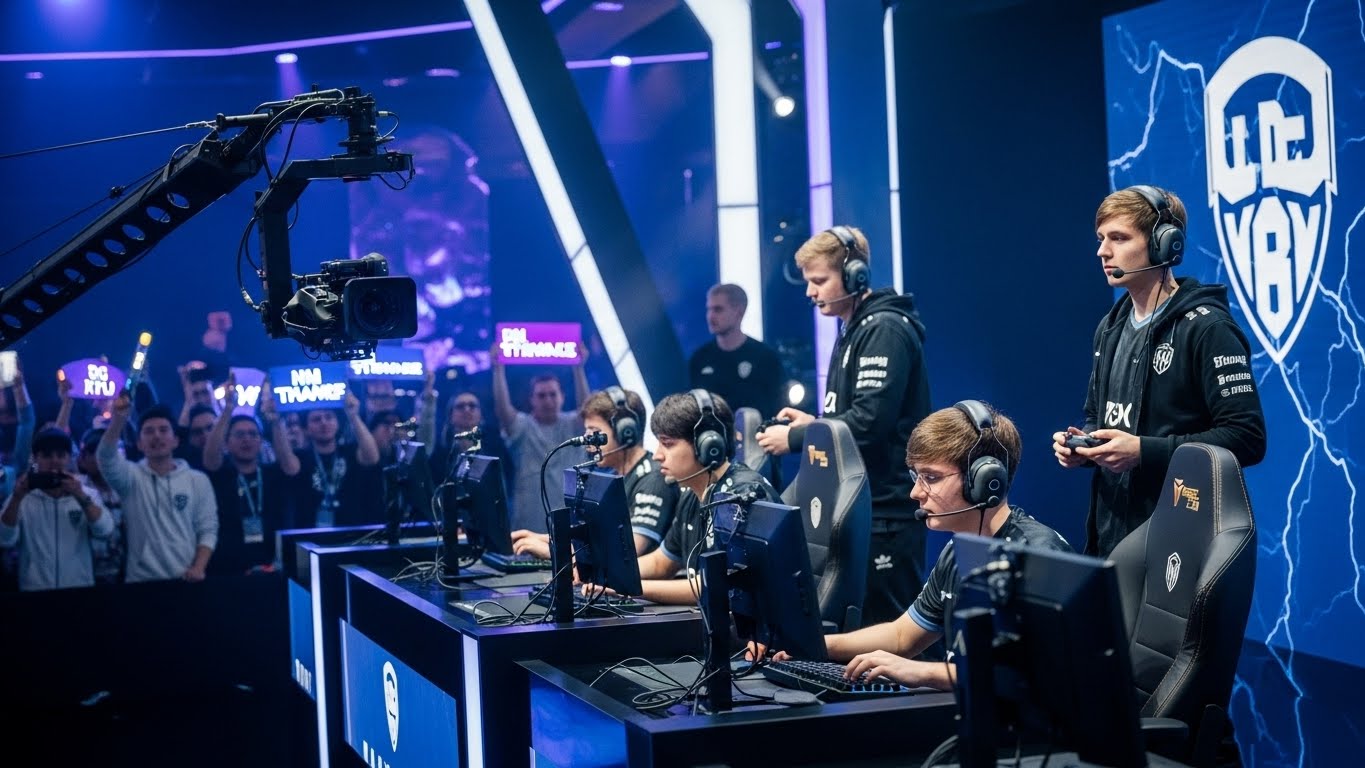
Esports is now a well-established industry with a complex ecosystem that involves players, teams, event organizers, broadcasters, sponsors, and fans. Professional players, just like athletes in traditional sports, undergo rigorous training, practice, and strategy sessions to perfect their skills. Teams are often made up of highly specialized players who focus on particular roles, and they work together to compete at the highest level in various gaming titles.
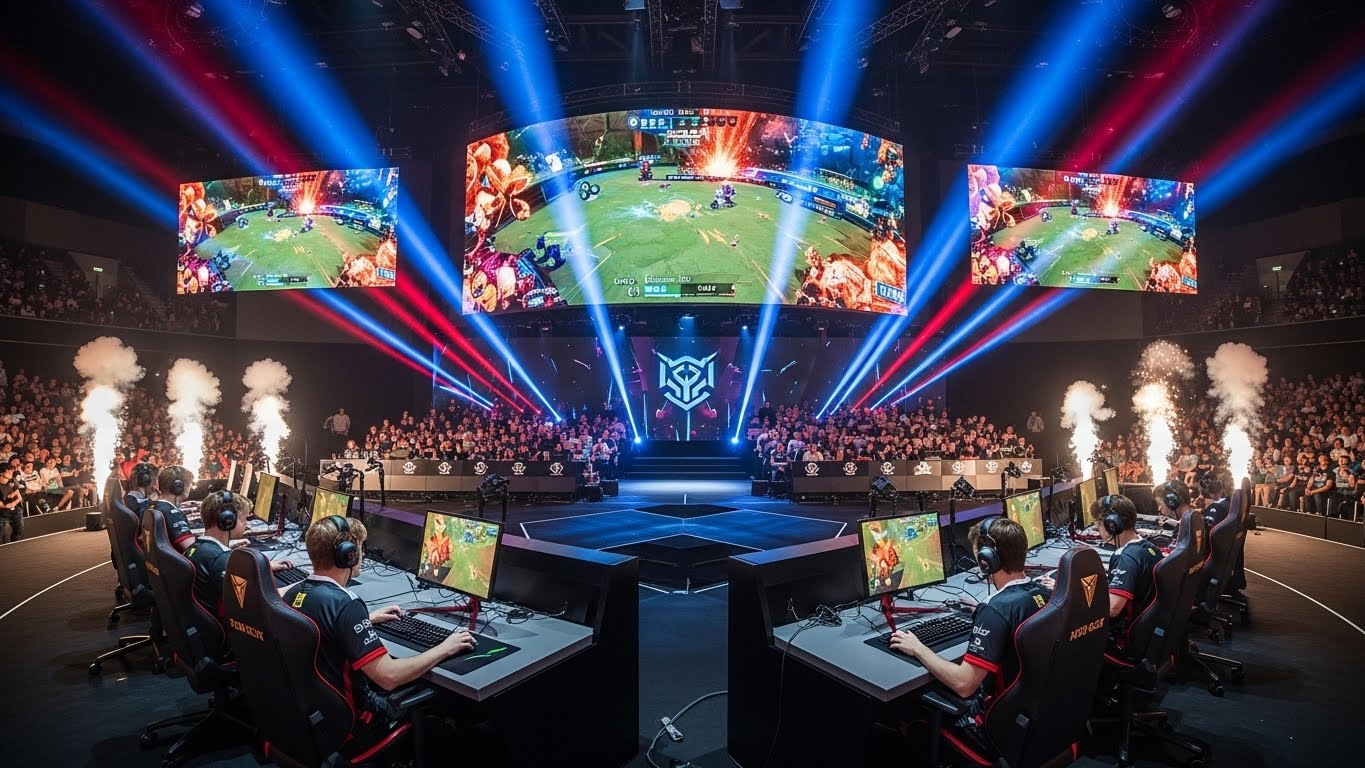
One of the most popular formats for professional esports is the league structure, where teams compete in regular seasons, followed by playoff tournaments. These leagues, similar to those in traditional sports, are designed to promote competition, increase fan engagement, and provide a platform for talented players to showcase their skills. Games like League of Legends (LoL), Dota 2, and Counter-Strike: Global Offensive (CS:GO) all have established leagues with franchised teams, regular seasons, and annual championships.
In addition to leagues, esports also features individual tournaments that cater to specific games or genres. These tournaments often have massive cash prizes, sponsorship deals, and global audiences. For instance, The International, the annual Dota 2 tournament, offers prize pools that can reach upwards of $40 million, making it one of the richest competitions in the world of esports.
As the industry grows, esports organizations have become more than just teams—they are global brands. Organizations like Cloud9, Team Liquid, Fnatic, and T1 have gained a massive following and offer sponsorships, merchandising, and branding opportunities. These organizations are supported by sponsors from various sectors, including technology, apparel, energy drinks, and even automotive companies, who see the potential of reaching millions of esports fans worldwide.
The Core Games That Drive Esports
The esports landscape is made up of a diverse range of games, each contributing to the industry’s expansion in unique ways. Some games are more skill-intensive and tactical, while others focus on creativity and strategy. Regardless of genre, these games have proven to have staying power in the competitive gaming community.
One of the most successful esports titles is League of Legends (LoL), a multiplayer online battle arena (MOBA) game developed by Riot Games. Since its release in 2009, LoL has become the most-played video game in the world and a central pillar of the esports industry. Its annual World Championship attracts millions of viewers from around the globe, with prize pools that can reach several million dollars.
Another key game in esports is Dota 2, developed by Valve Corporation. Dota 2 is a highly complex and strategic MOBA that has garnered a massive following since its release in 2013. What sets Dota 2 apart is its annual tournament, The International, which is widely regarded as the most prestigious event in esports, featuring the largest prize pool in history.
First-person shooters (FPS) like Counter-Strike: Global Offensive (CS:GO) and Overwatch have also made significant contributions to the esports ecosystem. CS:GO, with its tactical gameplay and highly competitive nature, has remained a staple of esports for over a decade. Meanwhile, Overwatch, a team-based FPS developed by Blizzard Entertainment, introduced a new era of esports with its innovative hero-based system and colorful world-building.
Newer titles like Fortnite and Valorant have introduced fresh competition in the esports scene. Fortnite, the battle royale phenomenon developed by Epic Games, saw a meteoric rise in popularity and is now a central figure in competitive gaming, offering substantial prize pools and major events. Valorant, a tactical FPS from Riot Games, has quickly gained popularity, blending elements of CS:GO with unique character abilities and strategy.
The Business Side of Esports: A Multi-Billion-Dollar Industry
Esports is not only an entertainment industry but also a thriving business ecosystem. With global audiences estimated in the hundreds of millions, esports has captured the attention of investors, corporations, and media companies. The business model of esports is based on several key revenue streams, including sponsorships, advertising, broadcasting rights, ticket sales, and merchandising.
One of the primary sources of income for esports organizations comes from sponsorships. Major companies from diverse industries sponsor teams, events, and tournaments, gaining exposure to a young, tech-savvy audience. Global brands such as Coca-Cola, Nike, Intel, and Mercedes-Benz have invested heavily in esports, further legitimizing it as a mainstream entertainment option.
Streaming platforms, especially Twitch, have been instrumental in the success of esports. By providing a platform for gamers to broadcast their gameplay, Twitch has turned professional players into celebrities and allowed fans to engage with their favorite esports personalities in real time. The growth of esports streaming has also opened up opportunities for monetization through subscriptions, donations, and advertising.
Moreover, traditional sports teams and celebrities have started to invest in esports. NBA teams, such as the Golden State Warriors, and football clubs, such as Paris Saint-Germain, have established their own esports teams. High-profile figures like Drake, Shaquille O’Neal, and Mark Cuban have also invested in esports ventures, further solidifying the industry’s legitimacy and potential for growth.
Esports and Its Impact on Popular Culture
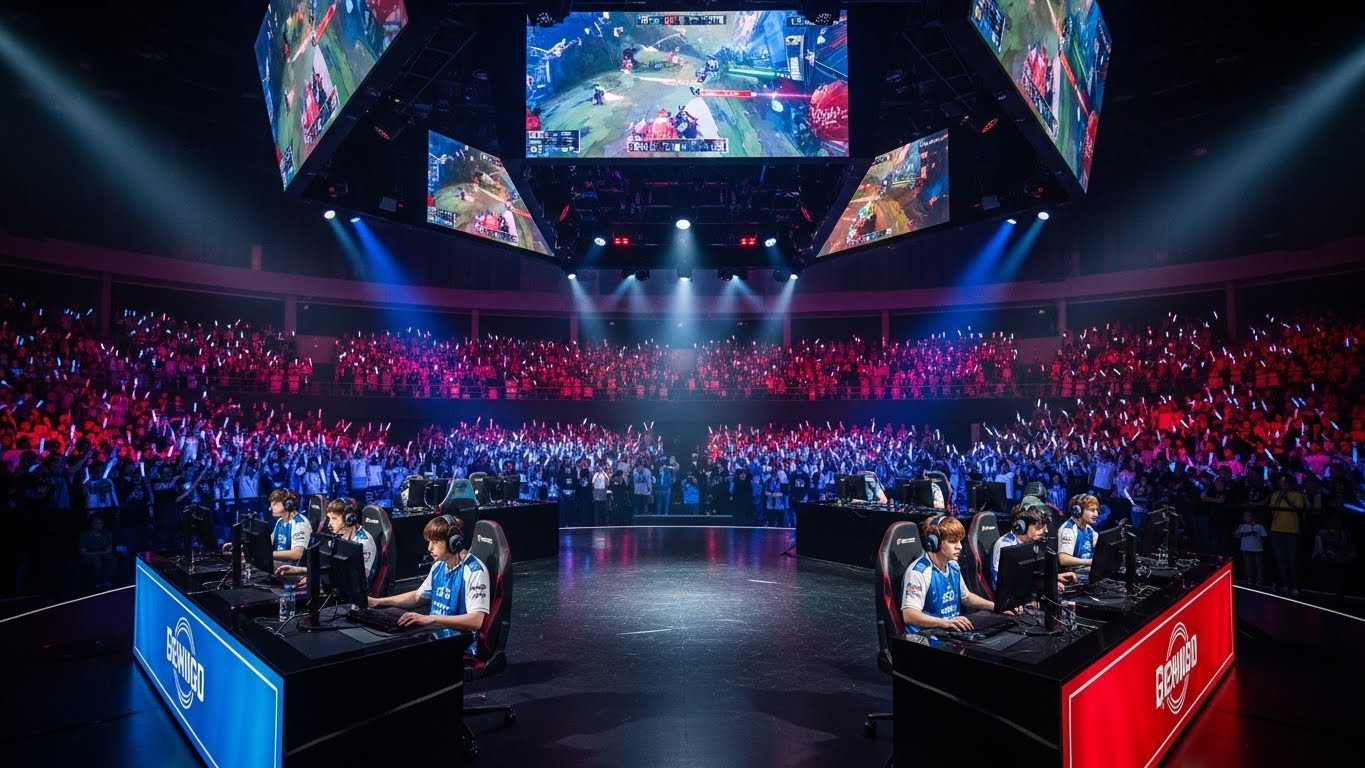
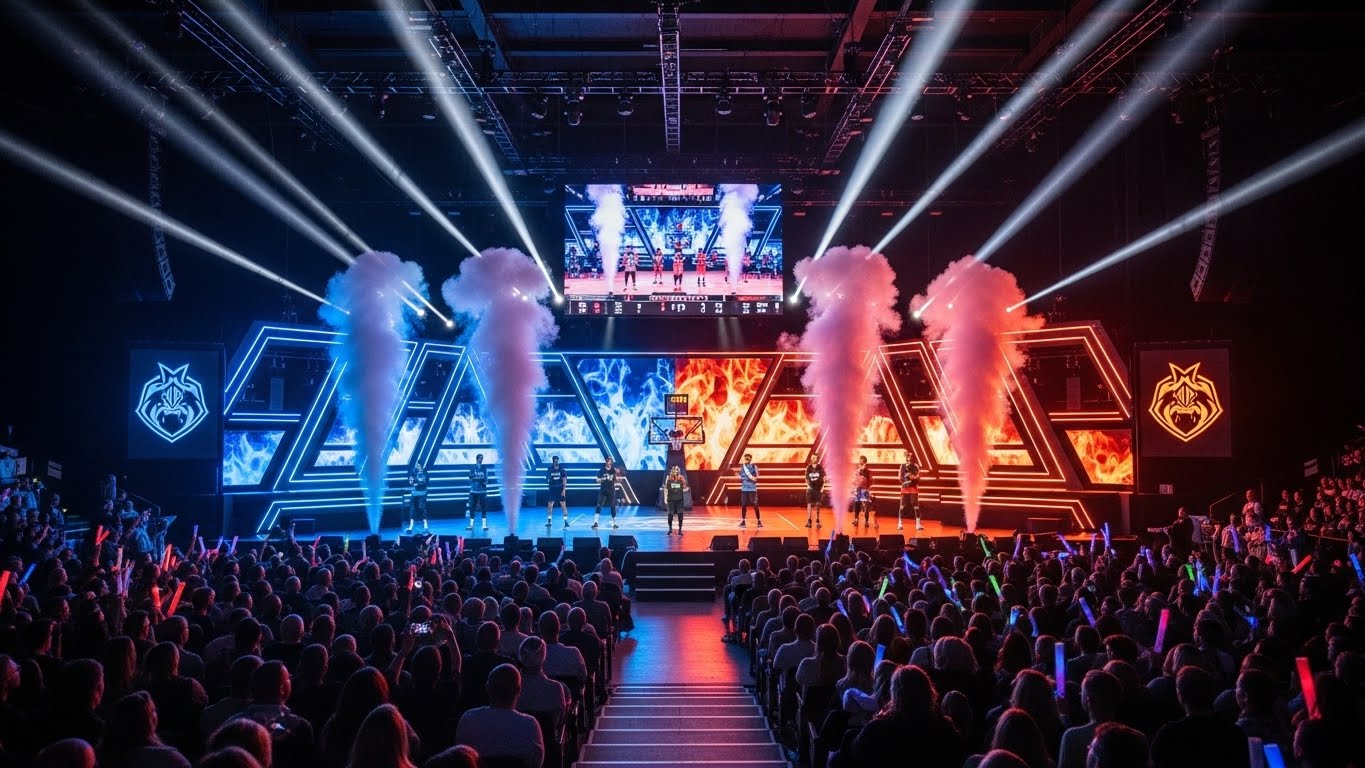
Esports has become more than just a hobby for a select few; it is now deeply ingrained in popular culture. Major esports tournaments attract viewership numbers comparable to those of traditional sports, with events like League of Legends World Championship and The International drawing millions of viewers worldwide. These tournaments are broadcast on platforms like YouTube and Twitch, making them accessible to a global audience.
In addition to the fans, esports has spawned a new wave of digital influencers and streamers who have become celebrities in their own right. Players and content creators like Ninja, Shroud, PewDiePie, and Pokimane have amassed millions of followers, transforming into major cultural figures and entrepreneurs.
Esports has also begun to intersect with traditional media. Networks like ESPN have started to broadcast major esports tournaments, and games like FIFA and NBA 2K have opened the door for digital competitions that mirror real-world sports leagues. As esports continues to grow, its influence on mainstream media, entertainment, and society will only increase.
The Future of Esports: Where Are We Headed?
As esports continues to grow at an exponential rate, the future looks incredibly bright. One of the most exciting developments is the increasing integration of esports into educational institutions. Universities around the world have begun offering esports scholarships and creating varsity teams, allowing talented players to pursue higher education while competing at a professional level.
Esports will likely continue to expand in terms of both viewership and game variety. As new technologies such as virtual reality (VR) and augmented reality (AR) mature, the potential for immersive esports experiences will grow, transforming the way fans and players experience competitive gaming. Moreover, the global reach of esports means that competitions will become more inclusive, with new regions and countries emerging as hotbeds for talent and competition.
With its ever-expanding ecosystem, esports is not just a fleeting trend; it’s here to stay. It represents the convergence of gaming, technology, business, and culture in a way that has never been seen before. As the industry continues to mature, esports will only grow in scope, reach, and influence, creating new opportunities for players, fans, and businesses alike.