 championcast96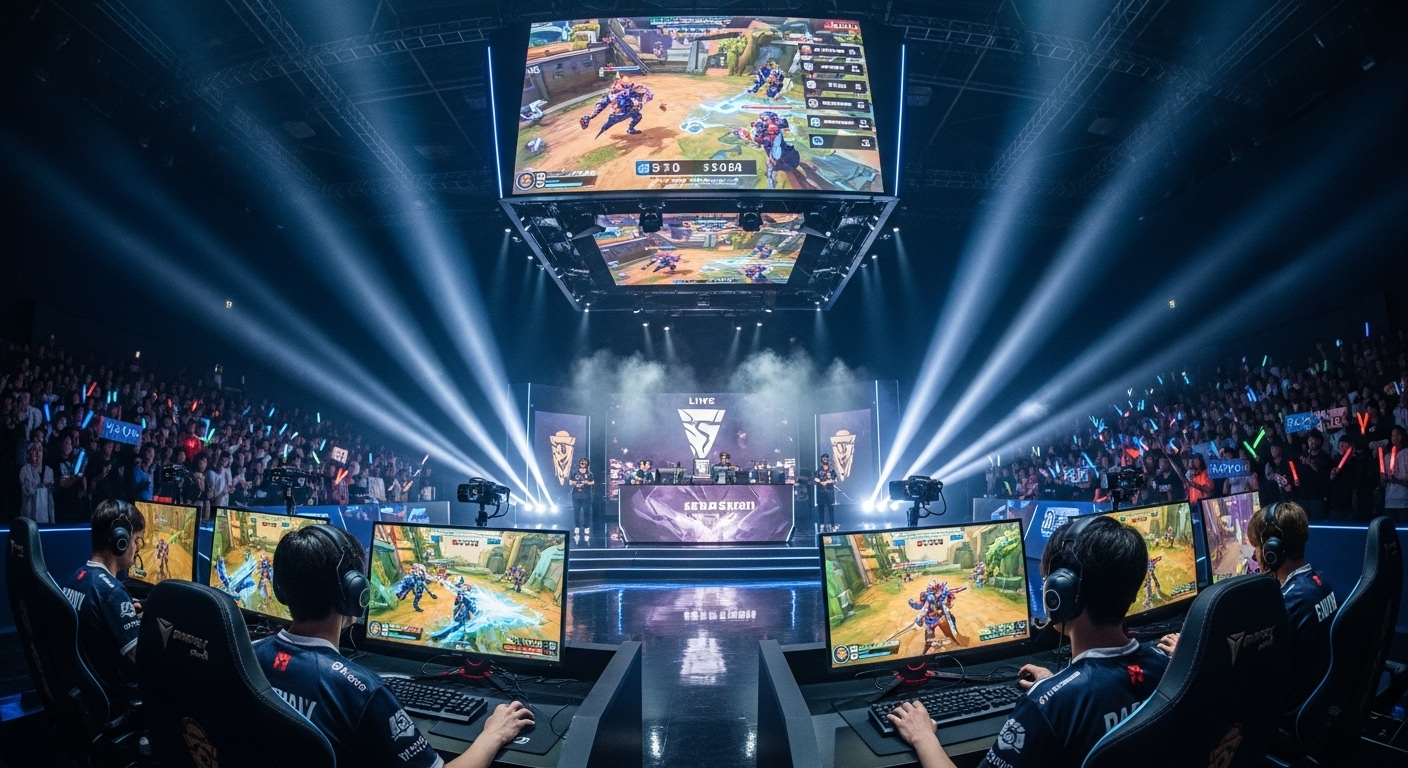
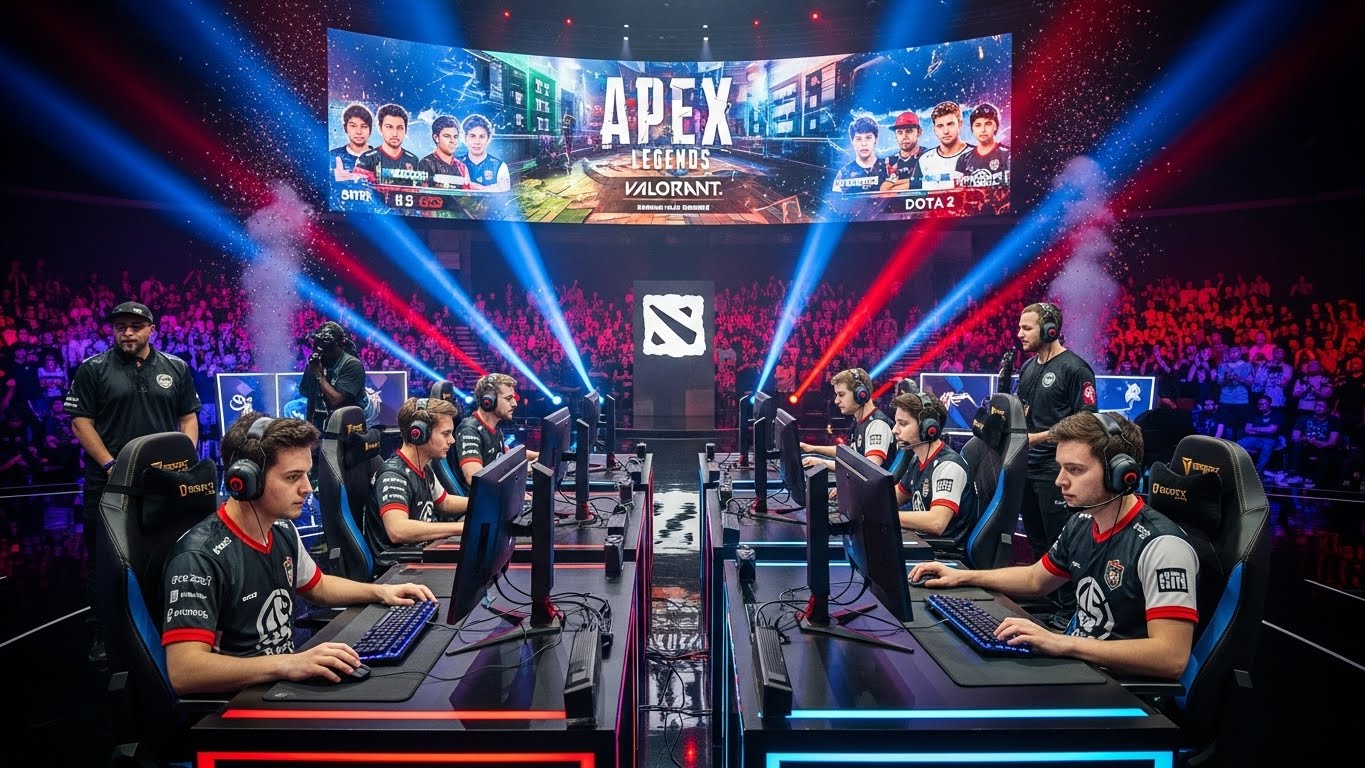
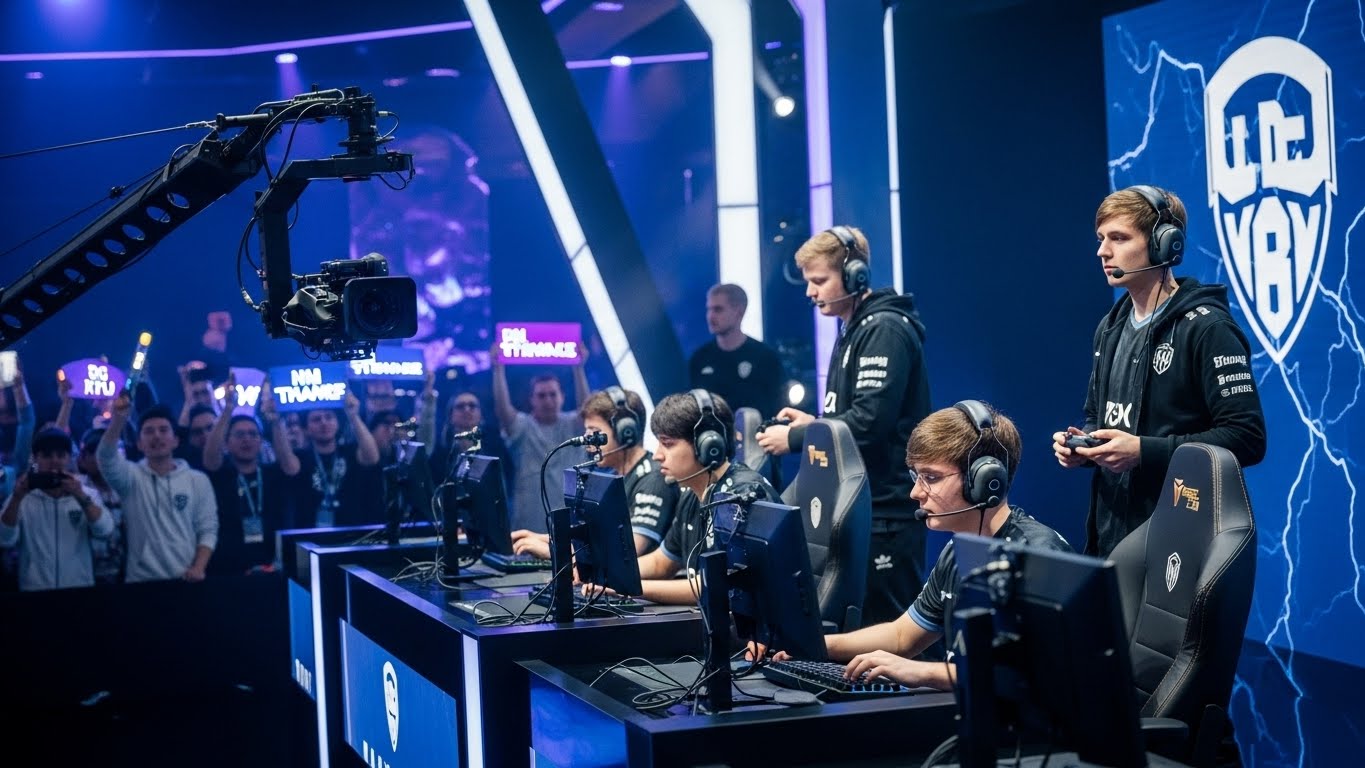
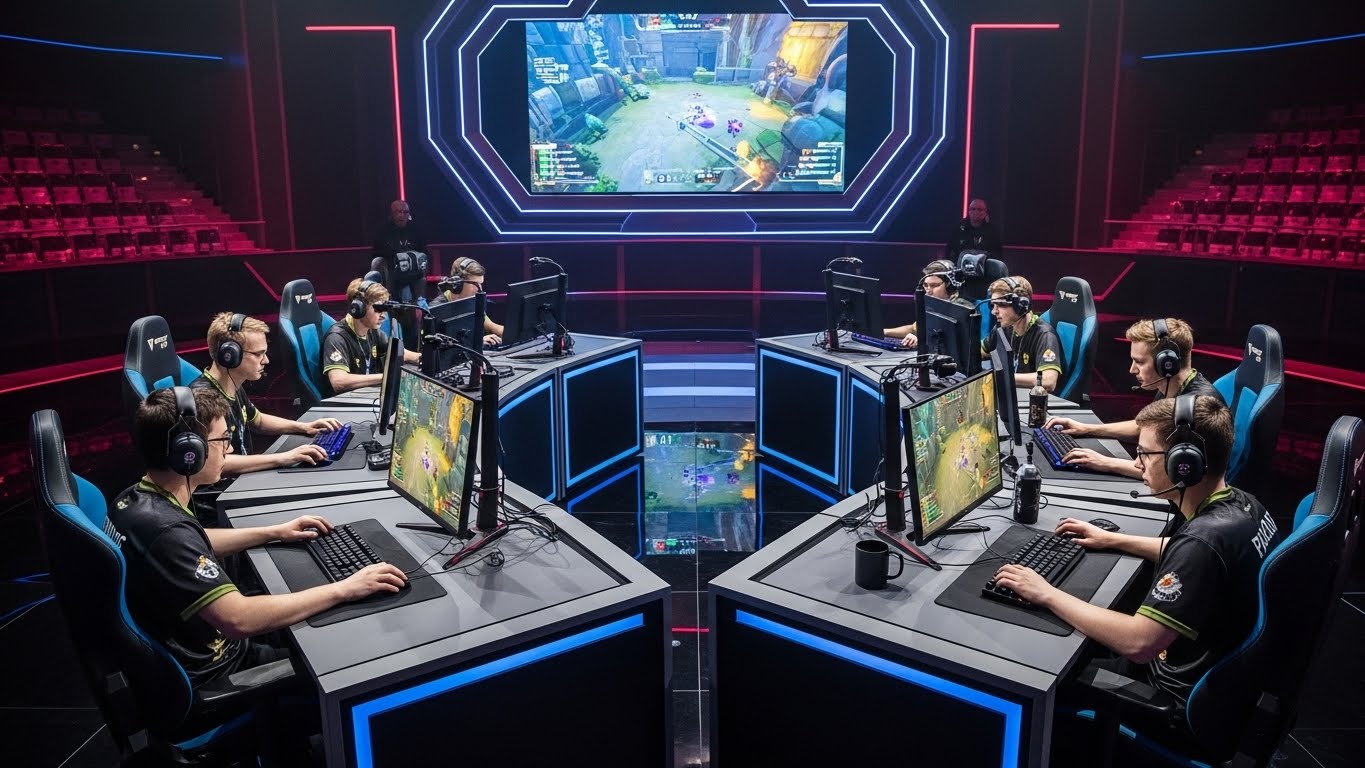
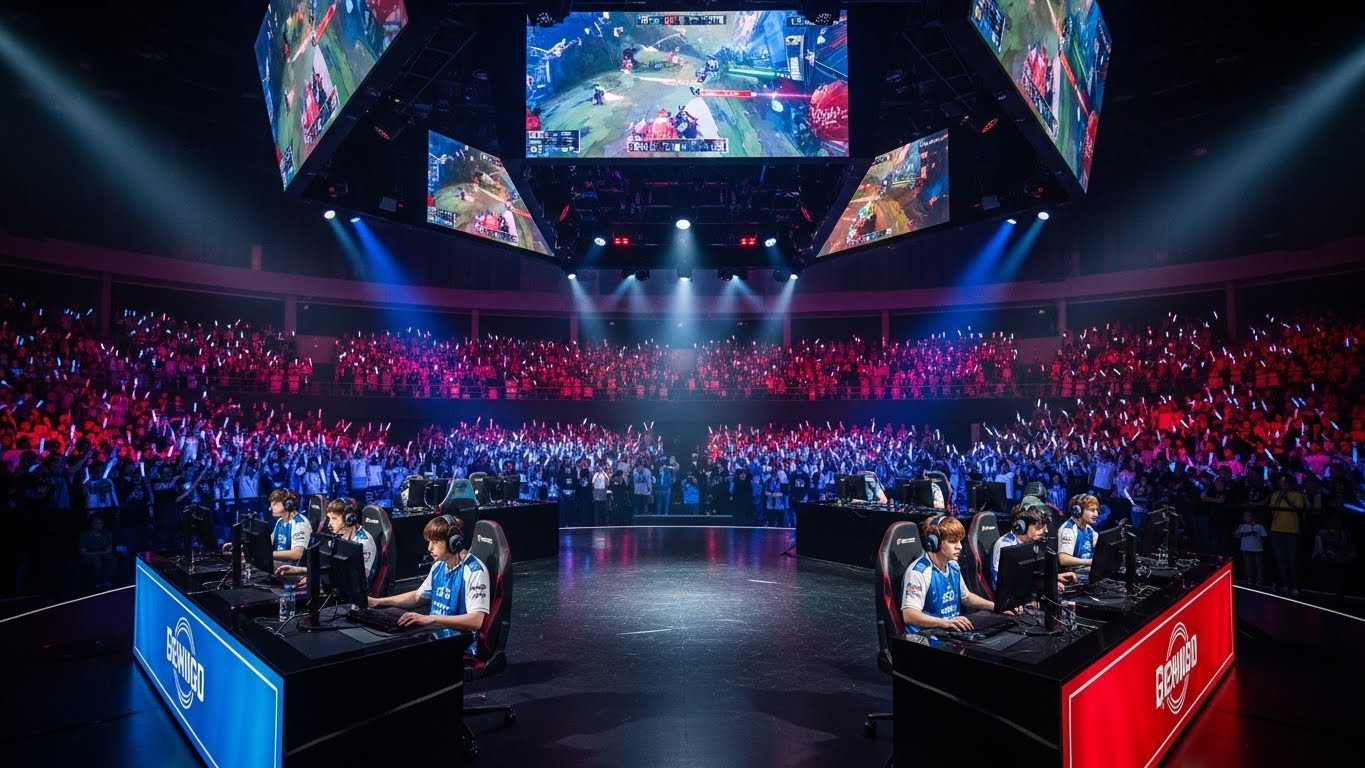
Esports, once a niche hobby enjoyed by only a select few, has transformed into a global phenomenon. From its humble beginnings in the 1990s, esports has grown exponentially, involving millions of players, fans, and organizations worldwide. Today, esports is a multibillion-dollar industry, with tournaments drawing in viewers comparable to major traditional sports events. In this blog post, we will explore the origins of esports, its rise to global prominence, the culture surrounding it, the key players, and its future outlook.
The Origins of Esports
The history of esports can be traced back to the early days of gaming. In the late 1980s and early 1990s, competitive gaming began to emerge in the form of small tournaments and LAN (Local Area Network) parties, where players would gather to play against each other in person. Games like Street Fighter II, Doom, and Warcraft laid the groundwork for what would become a competitive ecosystem. However, it wasn’t until the late 1990s and early 2000s that esports began to truly take shape.
In 1997, the Red Annihilation Tournament, held by id Software for the game Quake, is often cited as one of the first true esports tournaments. This event brought together some of the best players in the world, and the winner, John Romero, received a Ferrari as the grand prize. This marked a significant moment in the history of competitive gaming, showing that esports could offer significant rewards and attract top-tier talent.
The Rise of Major Tournaments and Events
As the new millennium arrived, esports began to gather a larger following. Games such as StarCraft, Counter-Strike, and Warcraft III became staples of competitive gaming. Esports organizations like Cyberathlete Professional League (CPL) and World Cyber Games (WCG) were founded, hosting tournaments that offered substantial cash prizes. In particular, the WCG, which began in 2000, helped bring esports into the mainstream by attracting global competitors.
By the mid-2000s, games like League of Legends, Dota 2, and Counter-Strike: Global Offensive had become central to the esports ecosystem. ESL (Electronic Sports League) and DreamHack, two of the most recognized esports organizations, started holding annual events that drew thousands of spectators and offered millions of dollars in prize money. This was the turning point that cemented esports as a legitimate and lucrative industry.
Esports Becomes a Global Phenomenon
The Growth of Online Platforms
One of the most significant factors contributing to the rise of esports was the development of online platforms that allowed players from around the world to compete without the need for physical tournaments. Platforms such as Twitch, launched in 2011, revolutionized how esports content was consumed. Twitch gave gamers and fans a space to watch live gameplay, interact with players, and even stream their own matches. The site quickly became the hub for esports broadcasts, and the sheer volume of viewers helped validate esports as a serious entertainment medium.
The success of Twitch demonstrated the growing demand for esports content. As a result, traditional media outlets began to take notice. Networks like ESPN and Fox Sports started broadcasting major esports events, while major production companies began investing heavily in esports leagues and tournaments. The transition of esports into the mainstream media helped solidify its legitimacy as a form of entertainment.
The Growth of Major Esports Titles
As esports grew, so did the number of games that attracted competitive players. League of Legends was a critical driver in expanding esports globally. Released in 2009 by Riot Games, League of Legends quickly became one of the most popular games in the world and is still the cornerstone of modern esports. With its annual World Championship attracting millions of viewers, League of Legends has helped elevate esports to a level on par with traditional sports.
Another critical development was the rise of Dota 2, developed by Valve Corporation. The introduction of The International, an annual tournament for Dota 2, further increased the prize pool for competitive games, pushing the boundaries of what players could win. The International 2018, for example, had a prize pool of over $25 million, with the winning team taking home a significant share of that amount. This astronomical prize pool demonstrated the immense financial potential of esports and attracted players from across the globe.
Games like Overwatch, Fortnite, Call of Duty, and Counter-Strike: Global Offensive further diversified the esports ecosystem. These games reached different audiences, allowing esports to thrive across multiple genres and appeal to fans of different types of games, whether it’s tactical shooters, battle royales, or multiplayer online battle arenas (MOBAs).
The Esports Ecosystem: Teams, Players, and Organizations
Professional Esports Teams
With the increasing popularity of esports, professional teams started to form. These teams are often backed by major sponsors and organizations, who provide financial support and resources to help players reach their potential. Some of the most well-known esports organizations include Cloud9, Team Liquid, Fnatic, T1, and Team Secret. These teams have rosters dedicated to specific games and compete in the highest levels of their respective games.
These teams operate like traditional sports franchises, with coaches, analysts, and support staff all working to help players improve and perform at the highest level. Esports athletes practice for several hours a day, honing their skills, developing strategies, and staying in peak mental and physical condition to maintain a competitive edge.
Famous Esports Players
The success of esports players has helped elevate the profile of competitive gaming. Players like Faker (Lee Sang-hyeok), Ninja (Tyler Blevins), and s1mple (Oleksandr Kostyliev) have become household names, with their skill and success making them global icons in the gaming community. These players have not only earned millions in prize money but have also secured lucrative sponsorships, endorsements, and even media deals that have expanded their influence beyond the gaming world.
Faker, often considered the greatest League of Legends player of all time, has won multiple World Championships and has become the face of esports. His mastery of the game and his dominance in the competitive scene have made him a symbol of what esports can achieve. Similarly, Ninja, a former Fortnite player, skyrocketed to fame and became a mainstream figure with his Twitch streams and collaborations with brands like Adidas and Red Bull.
As esports continues to grow, the value of individual players has soared. Sponsorship deals, social media presence, and personal brand-building have turned many top esports players into celebrities in their own right.
Esports Organizations and Sponsorships
Esports organizations have become increasingly profitable, attracting sponsorships from major brands. Companies like Coca-Cola, Intel, Mercedes-Benz, and Red Bull have partnered with esports teams and events, helping to fund tournaments, provide player gear, and promote esports to a broader audience. This level of investment has led to further professionalization of the industry, allowing esports organizations to hire staff, build facilities, and increase the overall quality of the product they deliver.
The relationship between sponsors and esports teams has also opened up new opportunities for players. Many esports athletes now receive sponsorship deals, allowing them to represent global brands. This creates a mutually beneficial relationship where the sponsor gets access to a young and highly engaged audience, while the player or team receives financial support and increased exposure.
The Cultural Impact of Esports
Esports and Streaming Culture
One of the most important elements of esports is its thriving streaming culture. Platforms like Twitch, YouTube Gaming, and Facebook Gaming have enabled players and fans to interact in real-time. Streaming has not only made esports more accessible but has also given rise to new careers in gaming. Streamers can make money through ad revenue, donations, subscriptions, and sponsorships. Many successful streamers have become as famous as professional players, building large communities around their content.
The interaction between streamers and viewers is another key element of esports culture. Fans are not just spectators; they are active participants who engage with players, share content, and contribute to the online community. This has fostered a sense of camaraderie and loyalty among fans, creating a global network of esports enthusiasts who support their favorite teams, players, and games.
The Role of Esports in Social Interaction
Esports has become a significant social activity, particularly among younger generations. Online multiplayer games provide players with the opportunity to connect with friends and strangers alike, creating a virtual community. Esports tournaments, both online and offline, bring people together, creating shared experiences that transcend geographical boundaries.
For many fans, esports is more than just watching players compete; it’s about being part of a global community. The rise of fan clubs, online forums, and social media groups dedicated to esports has strengthened the sense of belonging within the community. Whether it’s supporting a favorite team or discussing the latest match, esports fans often form lasting friendships and bonds over their shared love of gaming.
Esports and Education
Esports has also found a place in the educational sector. Universities and high schools have started to form esports programs, offering scholarships and competitive teams. The academic world has recognized the potential of esports, not just as a form of entertainment, but as a viable career path. Schools are now offering esports courses, training future leaders in the gaming industry, whether in event management, marketing, or game development.
The rise of esports scholarships has also helped students pursue higher education while doing something they love. Many top players have received academic scholarships based on their skills, leading to more opportunities for young talent.
The Future of Esports
Expansion into Traditional Sports
As esports continues to grow, the lines between traditional sports and esports are beginning to blur. Many professional sports teams, including organizations from the NBA, NFL, and soccer leagues, have invested in esports teams or tournaments. Team Liquid, for example, has a partnership with the NBA’s Golden State Warriors. The crossover between traditional sports and esports opens up new avenues for growth, collaboration, and innovation.
Esports as a Mainstream Entertainment Medium
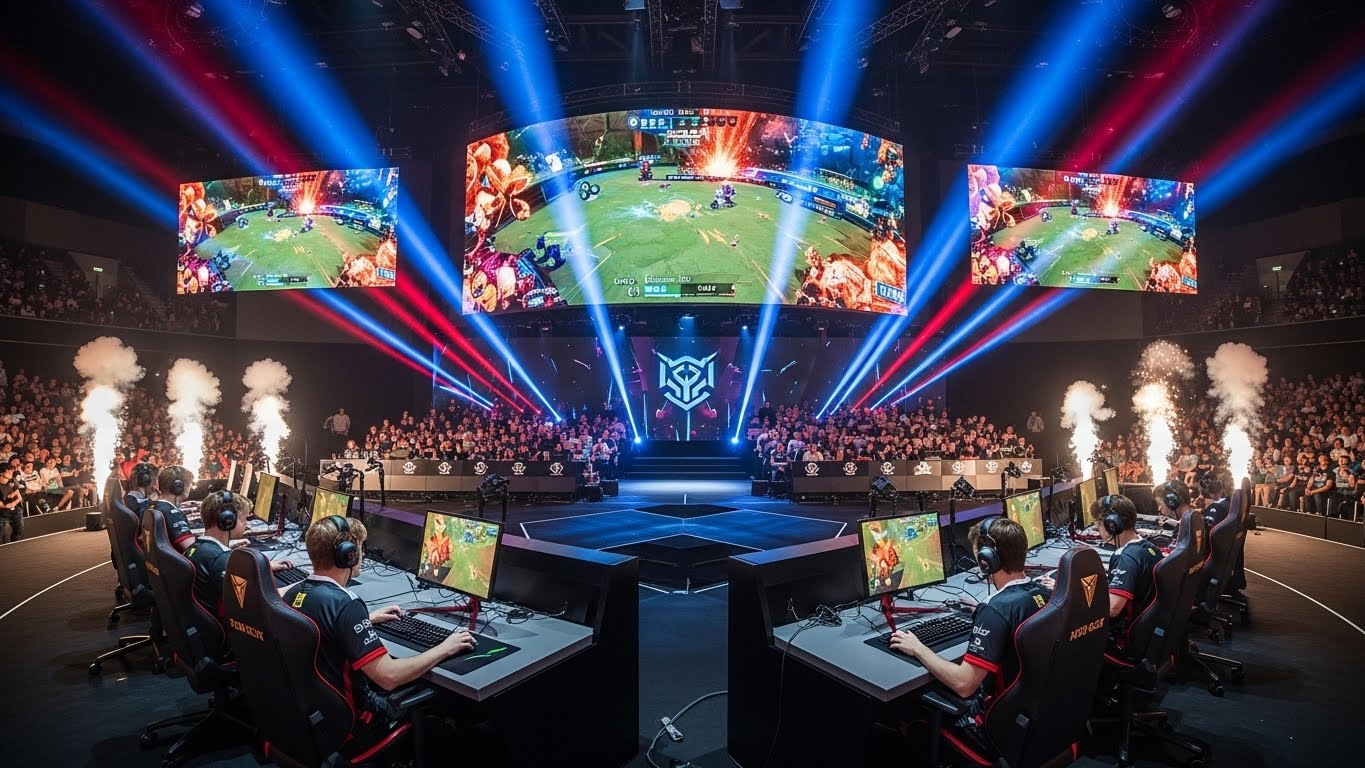
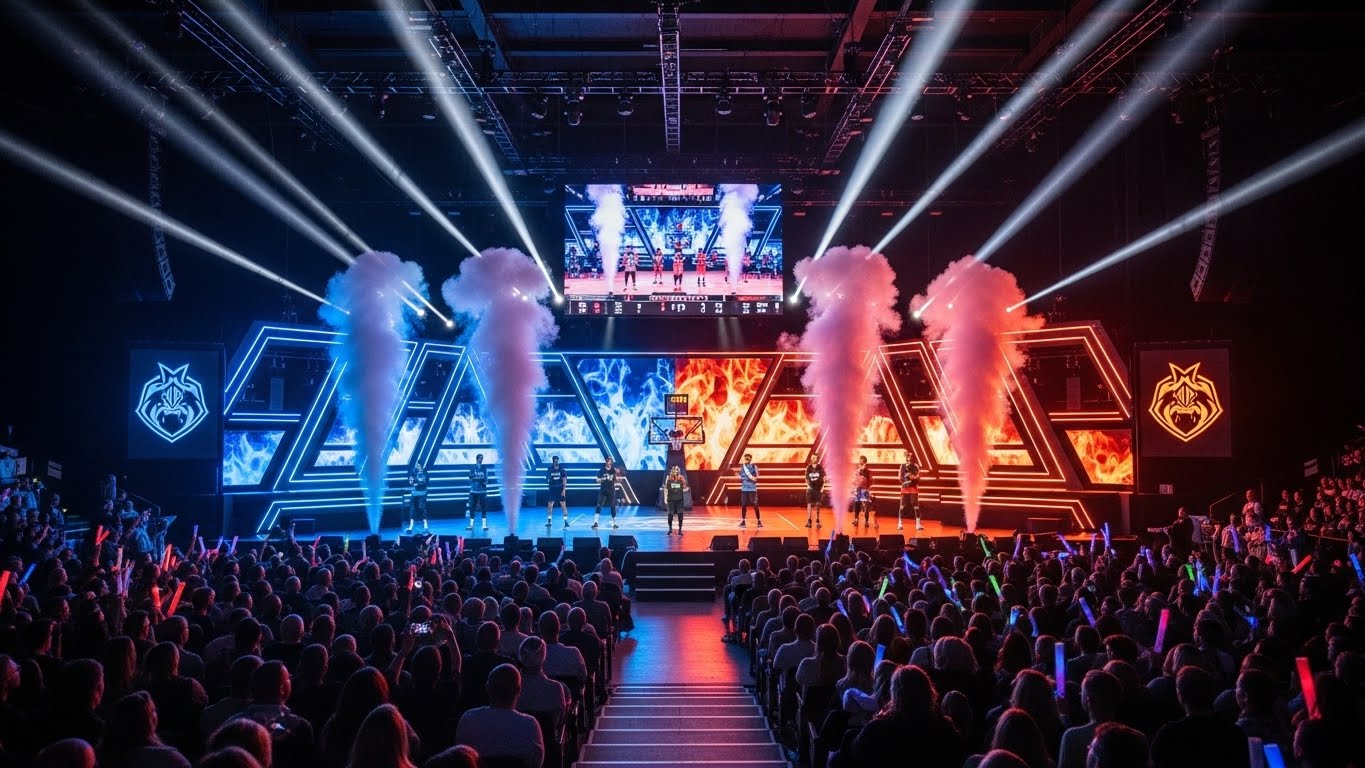
Esports is on track to become a major form of entertainment, rivaling traditional sports like football, basketball, and soccer. The growing number of viewers, sponsors, and media coverage points to a future where esports is a regular part of the entertainment landscape. Major esports events like The International and League of Legends Worlds are already attracting millions of viewers globally, and the number is only expected to rise.
In the coming years, esports will continue to evolve, bringing new technologies, new games, and new ways for fans to engage. The future of esports looks incredibly bright, with untapped potential in emerging markets and new avenues for growth.
The Impact of Technology and Innovation
Technological advancements will continue to shape the future of esports. Virtual reality (VR) and augmented reality (AR) have the potential to revolutionize how games are played and experienced. As technology improves, esports will continue to push the boundaries of what is possible in terms of gameplay, streaming, and fan engagement.
Conclusion
Esports has come a long way since its early days in the 1990s. From small LAN parties to massive global events with millions of viewers, esports has become an industry that is here to stay. With the continued growth of games, teams, players, and fan engagement, esports will undoubtedly continue to thrive and evolve into an even more significant cultural and entertainment force. As technology advances and more people become involved in the scene, the future of esports is incredibly bright, and its potential remains limitless.