 championcast96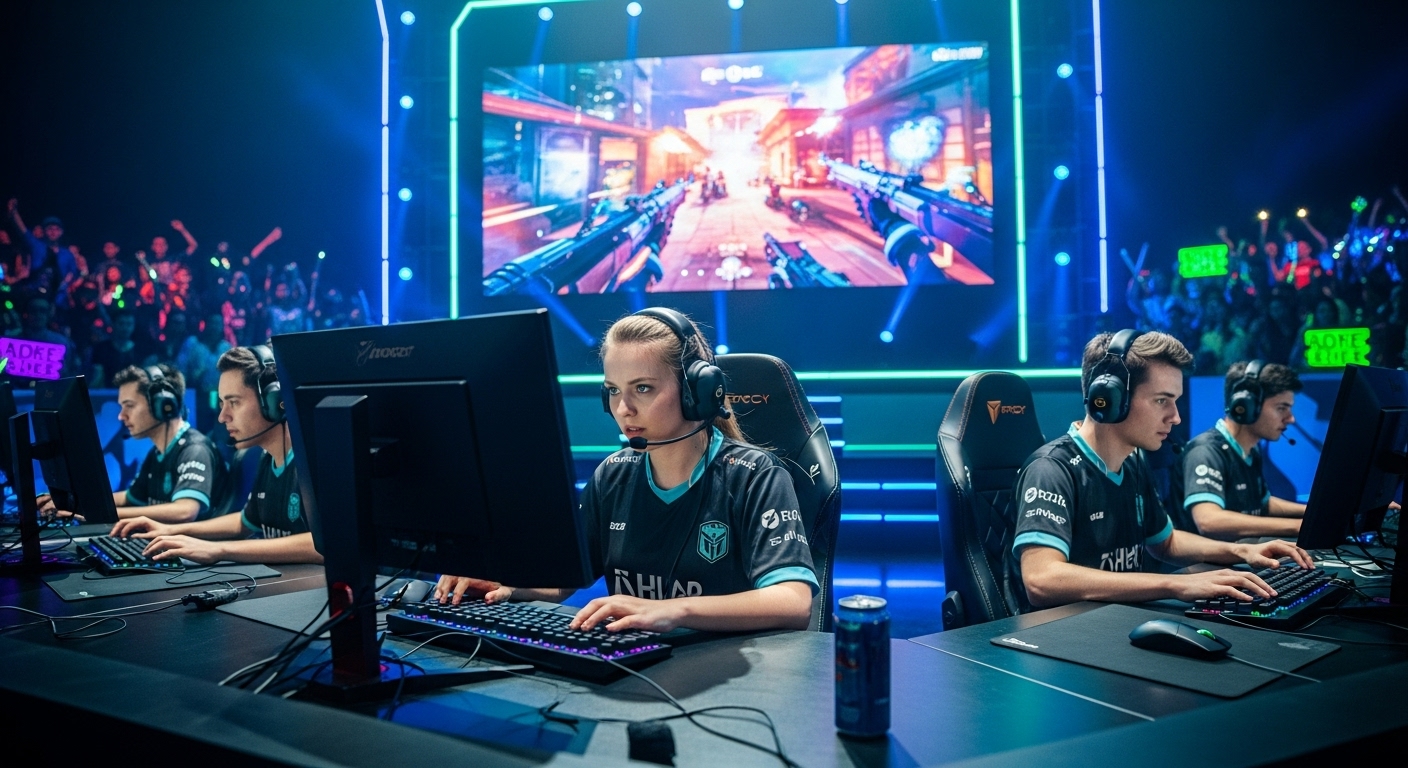
In the fast-paced world of competitive esports, every millisecond counts. Success is often determined by split-second decisions, precise movements, and the ability to react faster than your opponents. While skill, practice, and strategy are essential, having the right gaming setup can make a significant difference. Among all the components, a high-performance monitor is crucial for competitive gaming. The right monitor ensures smooth visuals, minimal input lag, and accurate color representation, giving players the edge they need to perform at their best.
In this blog, we explore the top monitors for competitive gaming, what features to look for, and why they matter in professional esports. Whether you play first-person shooters, MOBAs, or battle royale games, selecting the right monitor can enhance your gameplay experience and competitive performance.
Why Monitor Choice Matters in Competitive Gaming
A gaming monitor is not just about display quality; it directly impacts your reaction time, precision, and overall gameplay performance. Features like refresh rate, response time, resolution, and adaptive sync technologies play a vital role in reducing input lag, preventing screen tearing, and ensuring smooth visuals.
Competitive gamers require monitors that provide clear, accurate visuals even during high-speed action. Monitors with fast refresh rates allow players to see more frames per second, which can mean faster reactions and better timing. Additionally, low response times help reduce motion blur, ensuring that fast-moving objects are displayed clearly. Investing in a high-quality monitor is an investment in competitive advantage.
Key Features to Look for in a Competitive Gaming Monitor
Before diving into the top monitors, it’s essential to understand the features that make a monitor ideal for competitive gaming.
1. Refresh Rate
The refresh rate determines how many times per second the monitor updates the image on the screen. Higher refresh rates, such as 144Hz, 240Hz, or even 360Hz, provide smoother motion and allow gamers to react faster.
2. Response Time
Response time measures how quickly a pixel can change from one color to another. Lower response times, such as 1ms or 0.5ms, reduce motion blur and ghosting, providing crisp visuals during fast-paced action.
3. Resolution
While 1080p is still the standard for competitive gaming due to faster frame rates, higher resolutions like 1440p or 4K offer improved visual clarity. Gamers must balance resolution with refresh rate to achieve optimal performance.
4. Adaptive Sync Technologies
Technologies like NVIDIA G-Sync and AMD FreeSync help prevent screen tearing and stuttering, providing a smoother experience during intense gaming sessions.
5. Panel Type
TN panels are known for speed and low response times, making them popular among professional gamers. IPS panels offer better color accuracy and viewing angles but may have slightly higher response times. VA panels provide contrast benefits but are less common in competitive settings.
ASUS ROG Swift Series
ASUS ROG Swift monitors are highly regarded in the esports community for their speed and performance. The series offers models with 240Hz and 360Hz refresh rates, low response times, and advanced adaptive sync technologies.
The ROG Swift monitors combine excellent performance with ergonomic designs, including adjustable stands and customizable settings. Professional gamers appreciate the balance of speed, smooth visuals, and reliability that these monitors provide.
BenQ Zowie Series
BenQ Zowie has become synonymous with competitive esports monitors, especially among first-person shooter players. The Zowie series focuses on performance, with 240Hz refresh rates, 1ms response times, and minimal input lag.
The monitors also feature color accuracy adjustments and low blue light modes, reducing eye strain during long gaming sessions. Zowie monitors are often the choice for professional tournament setups due to their consistency and performance-focused design.
Alienware AW Series
Alienware AW monitors combine high-end specifications with sleek aesthetics. With models offering 240Hz refresh rates, G-Sync support, and fast response times, these monitors are designed for competitive gaming at the highest level.
Alienware monitors also provide excellent ergonomics and customizable visual settings, allowing gamers to optimize performance and comfort simultaneously. The premium build quality ensures durability, which is essential for professional players.
Samsung Odyssey Series
The Samsung Odyssey monitors stand out for their curved displays, high refresh rates, and impressive visual quality. With models offering up to 240Hz refresh rates and QHD resolutions, the Odyssey series provides a smooth and immersive gaming experience.
The monitors feature fast response times and adaptive sync technology, making them suitable for competitive gaming. Curved screens add an extra layer of immersion, especially for games with wide fields of view, while maintaining performance standards required by esports professionals.
AOC Agon Series
AOC Agon monitors are popular among competitive gamers for their performance and affordability. The series offers models with refresh rates up to 240Hz, 1ms response times, and adaptive sync technologies.
The Agon series also includes ergonomic stands, customizable settings, and features like black equalizer, which enhances visibility in dark areas of the game. These monitors provide excellent performance without breaking the budget, making them accessible for aspiring esports players.
LG UltraGear Series
LG UltraGear monitors offer a combination of speed, visuals, and versatility. With high refresh rates, low response times, and adaptive sync support, these monitors are ideal for competitive gaming across multiple genres.
The series includes both flat and curved monitors with advanced color accuracy, ensuring that visuals are both fast and detailed. LG’s focus on gaming-centric features like motion blur reduction and customizable crosshairs enhances gameplay for professional-level performance.
Choosing the Right Monitor for Your Game
The ideal monitor depends on the type of games you play. First-person shooters benefit from the highest refresh rates and lowest response times to gain split-second advantages. MOBAs and strategy games may prioritize color accuracy and screen size for better map awareness and detail recognition.
Players should also consider ergonomics, connectivity options, and budget. Adjustable stands, multiple input ports, and compatibility with your graphics card can make a significant difference in comfort and setup flexibility. Testing monitors in person, if possible, is recommended to ensure it meets your specific needs.
Conclusion
Competitive gaming requires precision, speed, and focus, and your monitor plays a critical role in achieving peak performance. Top monitors for esports combine high refresh rates, low response times, adaptive sync technologies, and ergonomic designs to give players the edge they need.
Monitors like ASUS ROG Swift, BenQ Zowie, Alienware AW, Samsung Odyssey, AOC Agon, and LG UltraGear have set the standard for professional esports setups. By selecting the right monitor based on your gaming style and preferences, you can enhance your reaction times, visual clarity, and overall gameplay experience.
Investing in a high-quality monitor is not just about visuals—it’s about giving yourself the tools to compete at the highest level. For serious gamers aiming to excel in esports, the right monitor is as essential as skill, strategy, and practice.