 championcast96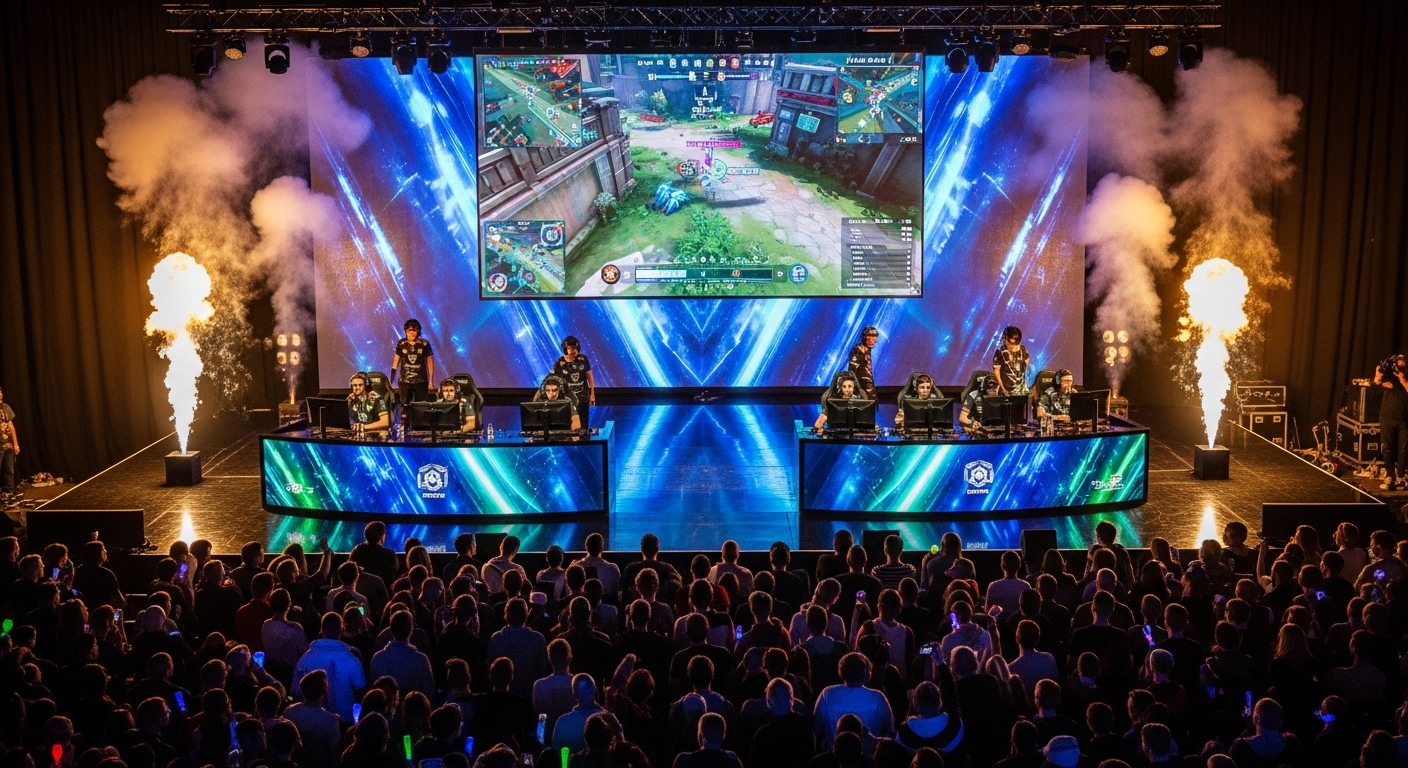
Esports has transformed from a niche hobby enjoyed by small groups of passionate gamers into a global industry that rivals traditional sports in viewership, sponsorship, and cultural influence. What began in dimly lit arcades and college dorm rooms is now broadcast in massive arenas and streamed to millions across the globe. The phenomenon of competitive gaming has reshaped not only how people play but how they socialize, dream, and even build careers in the digital age. This is the story of how esports rose to become one of the most powerful forces in modern entertainment.
The Origins of Esports
To understand the scale of modern esports, we have to rewind several decades. The seeds of competitive gaming were planted in the 1970s when video games first entered mainstream consciousness. The earliest known organized gaming competition occurred in 1972 at Stanford University, where students competed in a game called Spacewar. The prize was a year’s subscription to Rolling Stone magazine—a far cry from today’s million-dollar tournaments.
Throughout the 1980s, video gaming continued to evolve with the rise of arcade culture. Competitive spirit flourished in places where players lined up to beat high scores in classics like Pac-Man, Donkey Kong, and Space Invaders. This era birthed the first generation of gaming celebrities—individuals who gained fame through mastery of arcade games. Although the competitions were small and informal, they laid the foundation for something much larger.
The 1990s: The Birth of Organized Competition
The 1990s marked the beginning of structured and organized esports. As home consoles and personal computers became more affordable and accessible, multiplayer gaming began to take off. Games like Street Fighter II and Mortal Kombat brought competitive gaming into living rooms and local tournaments. Meanwhile, PC titles such as Doom and Quake introduced the idea of networked multiplayer gameplay, which would later revolutionize the esports scene.
During this decade, the first official esports organizations and leagues began to form. In 1997, the Red Annihilation tournament for Quake took place, drawing thousands of participants and viewers online. The winner drove home in a Ferrari once owned by the game’s developer, John Carmack. This was one of the first signs that competitive gaming could become a serious business.
The rise of broadband internet in the late 1990s allowed global connectivity like never before. Gamers could now compete across borders, and communities began forming around shared interests in specific games. Titles like StarCraft in South Korea became national phenomena, setting the stage for the next great leap in esports development.
The 2000s: The Golden Age of Online Competition
The early 2000s are often called the golden age of online gaming. With faster internet speeds and improved gaming technology, esports began to grow exponentially. South Korea, in particular, became the epicenter of this new wave. Television channels began broadcasting StarCraft matches, and professional players were treated like rock stars. Teams had sponsors, training facilities, and fan followings that mirrored those of traditional athletes.
At the same time, other regions began catching up. Counter-Strike became a global hit, with teams from North America, Europe, and Asia competing at increasingly high levels. Meanwhile, games like Warcraft III and Dota emerged, creating new genres and expanding the possibilities of competitive play.
During this period, organizations such as Major League Gaming (MLG) in the United States began to professionalize esports. MLG’s tournaments offered cash prizes, structured leagues, and live events that attracted thousands of spectators. For the first time, esports began to be viewed not just as a pastime but as a legitimate competitive industry with potential for serious careers.
The Role of Streaming and Social Media
If the 2000s built the foundation of esports, the 2010s exploded it into the mainstream. A major catalyst was the rise of streaming platforms. Before streaming, watching esports required attending events or downloading large video files. With platforms like Twitch, YouTube, and other live services, fans could now tune in instantly to watch their favorite players and teams compete from anywhere in the world.
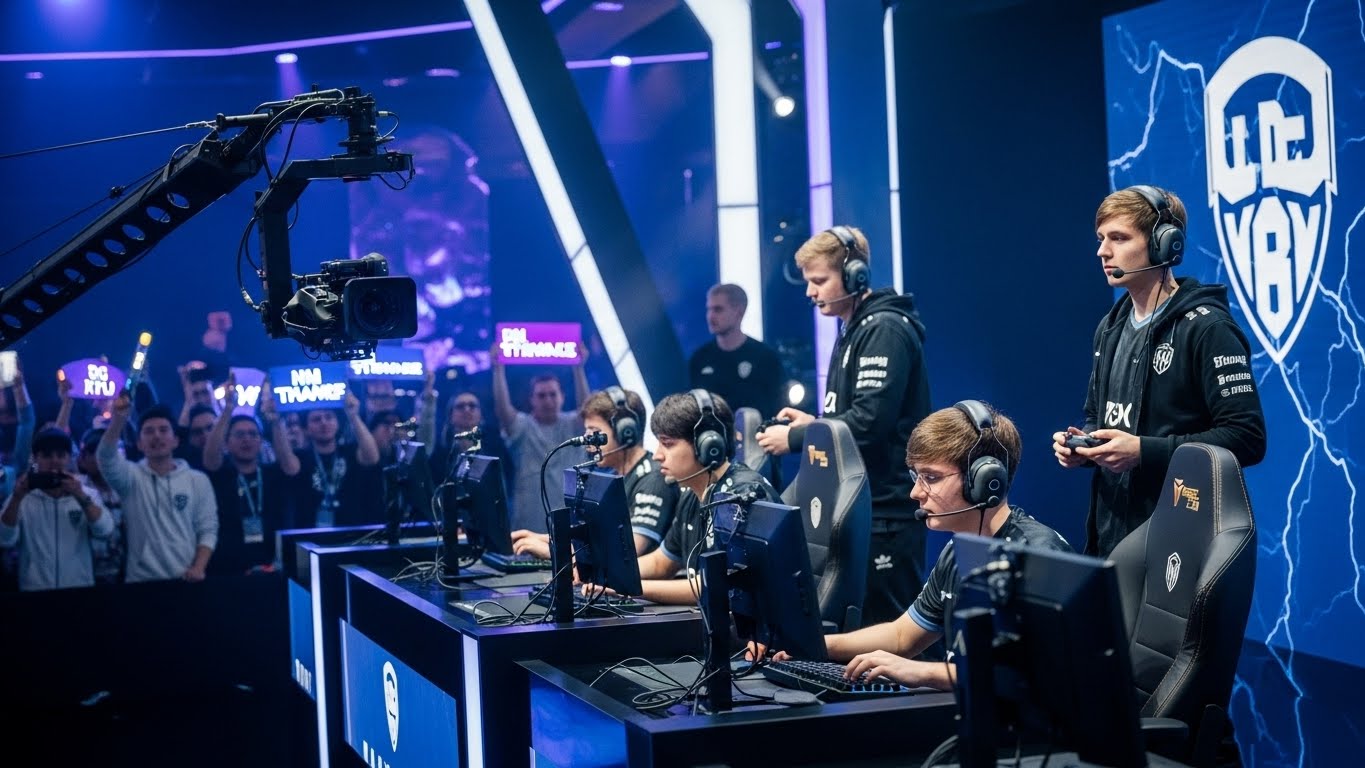
This shift transformed esports into a spectator sport. Millions of viewers tuned in to live tournaments, and fan communities grew around individual streamers who combined entertainment with high-level gameplay. Esports became interactive, with viewers chatting, cheering, and even donating directly to support their favorite personalities.
Social media also played a critical role. Platforms like Twitter, Reddit, and Discord helped fans connect, share highlights, and discuss strategies. Esports organizations used these platforms to build brands, engage audiences, and cultivate loyalty. The fan experience became personal, immediate, and global.
The Rise of Massive Tournaments and Global Leagues
As viewership exploded, so did investment. The 2010s saw the rise of major tournaments offering multi-million-dollar prize pools. The International, organized by Valve for Dota 2, became one of the most iconic esports events, with community crowdfunding helping to create record-breaking prize totals. Riot Games launched the League of Legends Championship Series, introducing a structured global league system similar to professional sports.
Other games soon followed. Overwatch League, Call of Duty League, and Rocket League Championship Series all brought city-based franchises and long-term contracts to esports. This era marked a shift from small independent tournaments to massive, professionally managed leagues that drew sponsorship from global brands like Coca-Cola, Intel, and Mercedes-Benz.
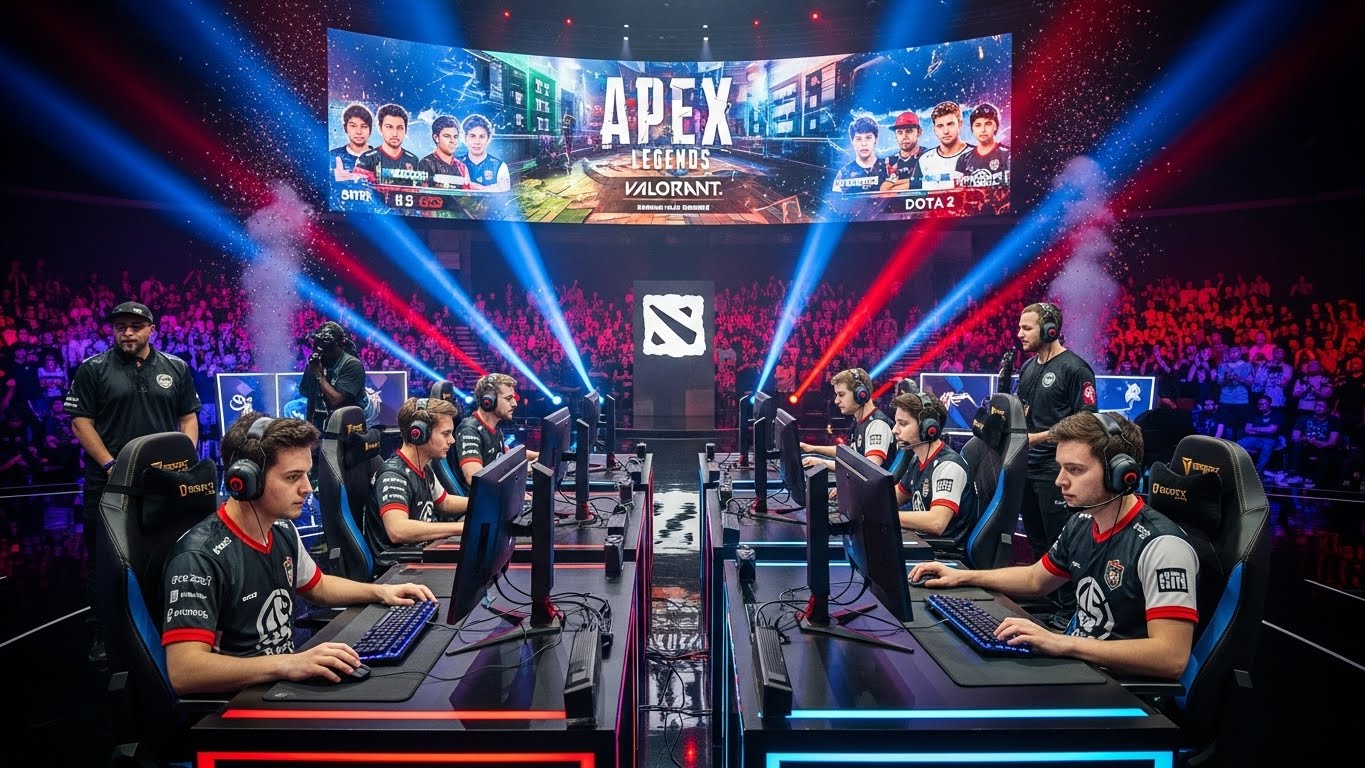
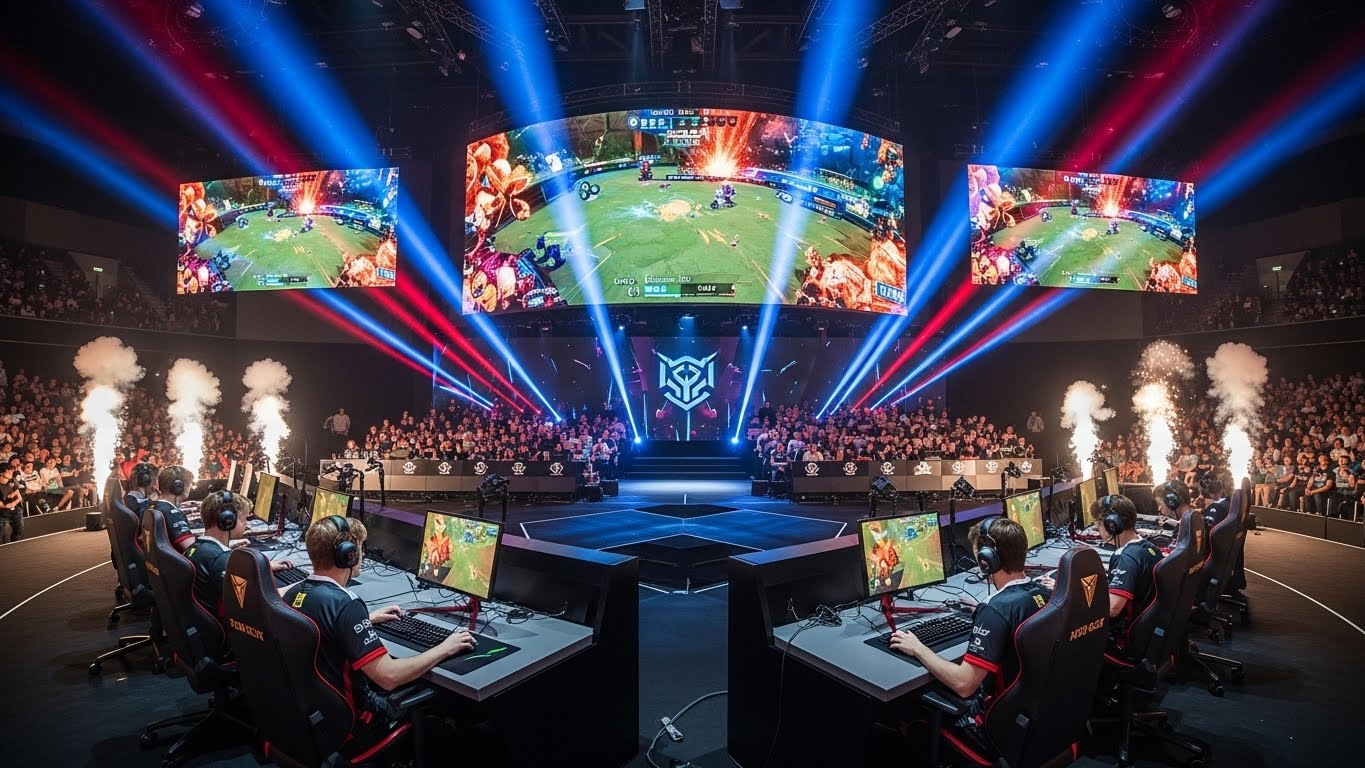
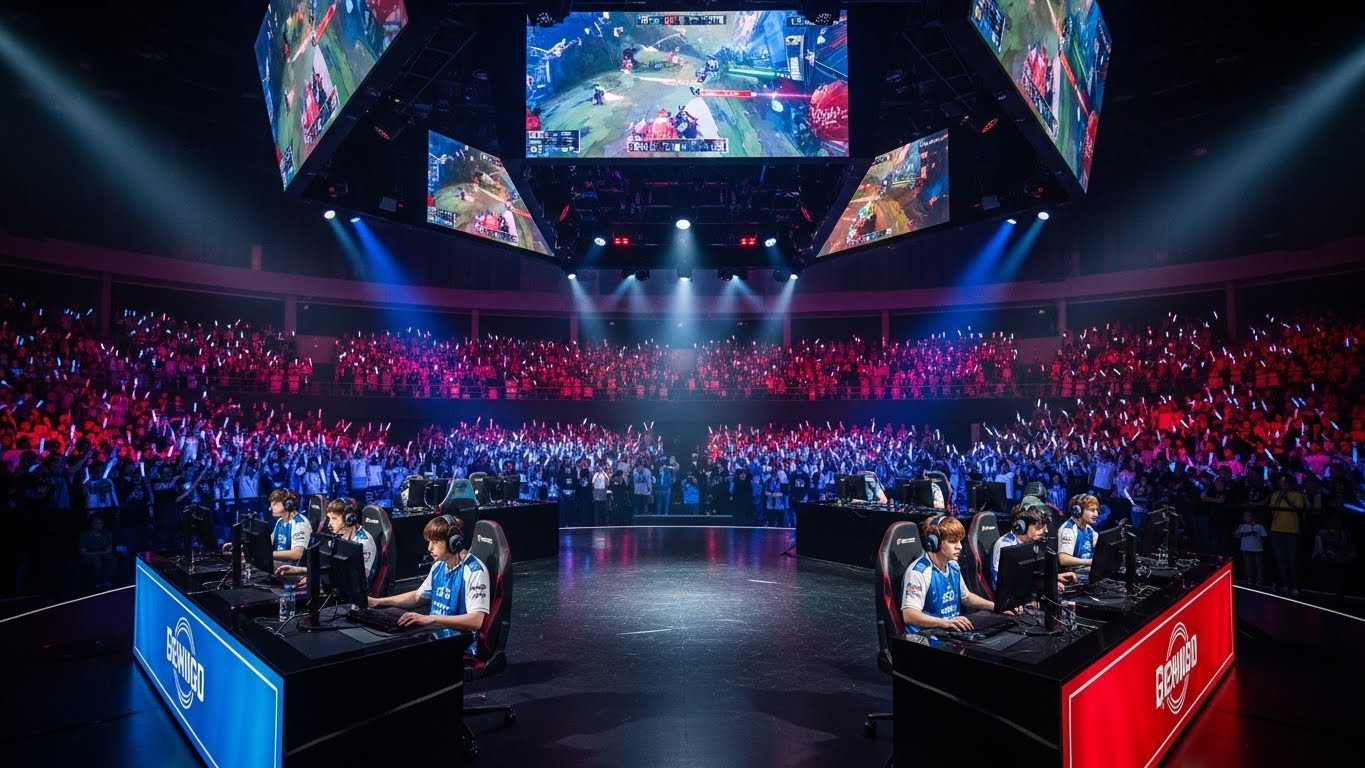
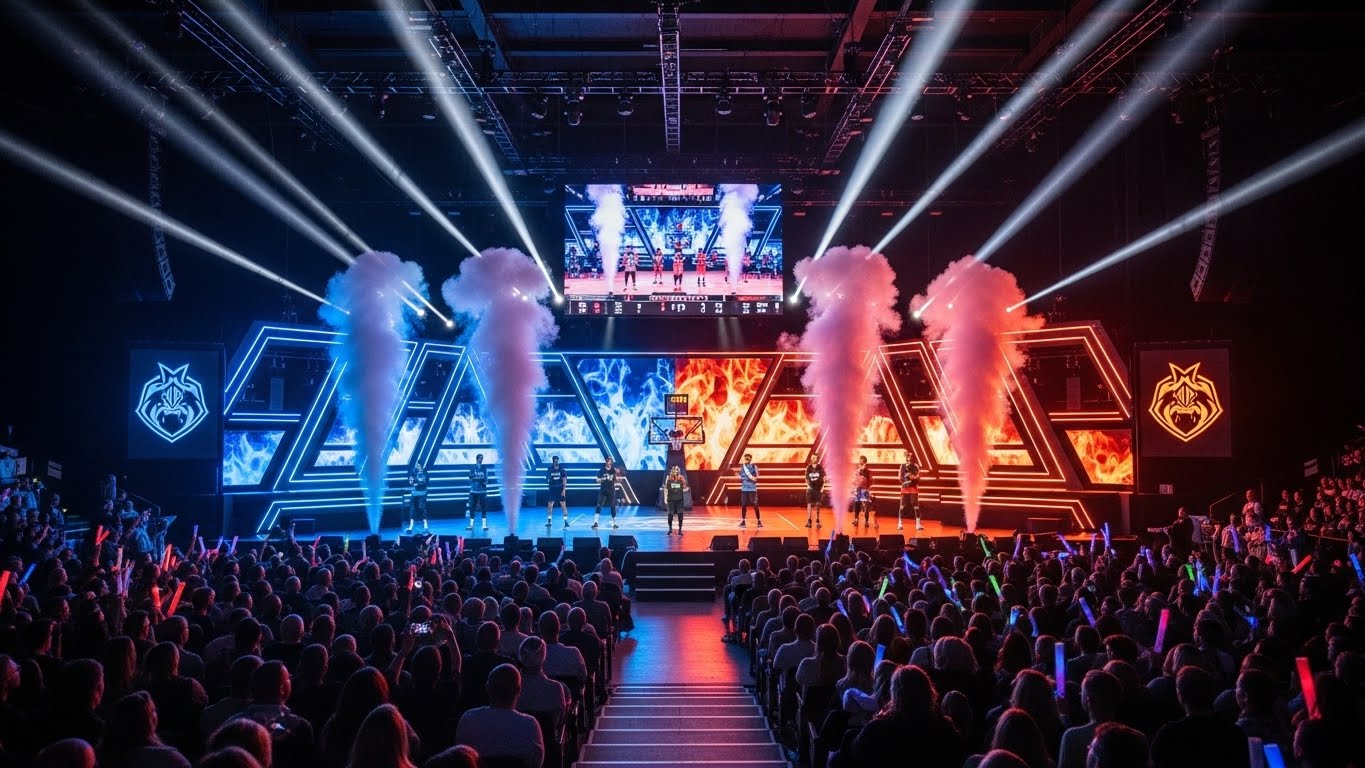
Venues also changed dramatically. Esports events began filling arenas that once hosted basketball or football games. Thousands of fans attended in person, while millions watched online. The energy inside these venues rivaled that of any major sporting event, complete with cheering crowds, flashing lights, and dramatic commentary.
Professional Players and the Making of Esports Celebrities
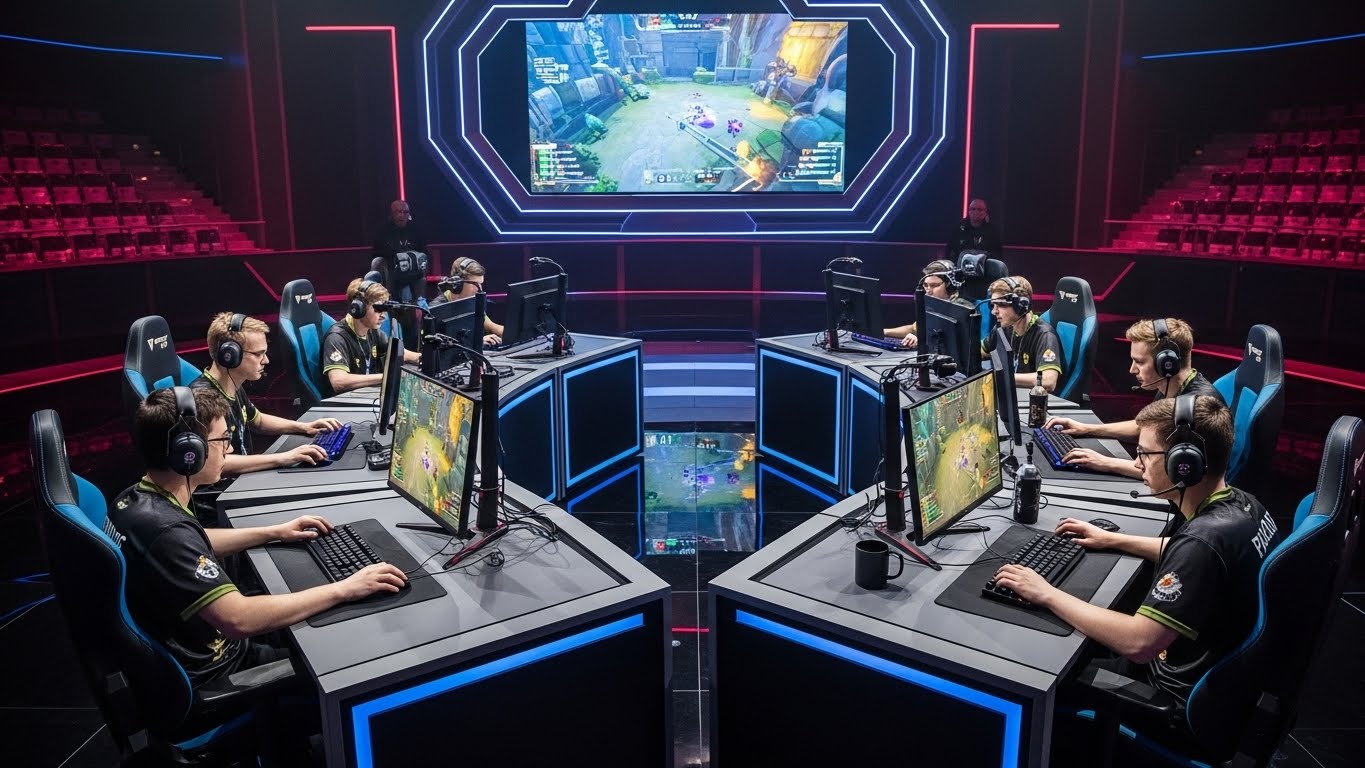
One of the most fascinating aspects of esports is the transformation of everyday gamers into international stars. Professional players today undergo rigorous training, often practicing for eight to twelve hours a day. They analyze strategies, study opponents, and work closely with coaches, nutritionists, and mental health professionals. Teams maintain boot camps and structured schedules similar to those of traditional athletes.
Players such as Faker in League of Legends, s1mple in Counter-Strike, and N0tail in Dota 2 have achieved legendary status, inspiring millions of fans. Their success stories are often tales of dedication, sacrifice, and relentless pursuit of excellence. Just like footballers or basketball players, top esports professionals earn significant salaries, sponsorships, and prize money.
Yet, the life of an esports athlete is not without challenges. The pressure to perform is immense, and careers are often short due to the rapid evolution of games and the physical strain of long practice hours. Many players transition into coaching, streaming, or content creation once their competitive careers end.
The Business of Esports
Behind the excitement of competition lies a sophisticated business ecosystem. Esports is fueled by sponsorships, advertising, media rights, and merchandise sales. Game developers often act as league operators, using esports as a way to promote their titles and sustain player engagement. Brands outside of gaming—from automotive companies to fashion labels—have entered the space, recognizing the value of reaching younger, digitally native audiences.
Streaming platforms and broadcasters have also monetized esports through advertisements and subscriptions. Ticket sales from live events, team-branded merchandise, and digital goods further contribute to revenue streams. The overall market value of esports now reaches into the billions, with steady growth each year.
However, with growth comes growing pains. Issues such as player burnout, inconsistent regulation, and financial sustainability remain challenges. As the industry matures, it is learning to balance profit with player welfare and long-term development.
The Cultural Impact of Esports
Esports is not just a form of entertainment; it’s a cultural movement that has redefined how people connect and compete in the digital era. Gaming has become a shared language across cultures, uniting players from every continent. Major tournaments draw audiences comparable to global sporting events, creating moments of shared excitement that transcend geography and language.
The influence of esports extends into fashion, music, and media. Collaborations between game developers and famous musicians have led to virtual concerts and in-game performances. Fashion brands release limited-edition jerseys and streetwear inspired by esports teams. Esports personalities appear in mainstream media, bridging the gap between gaming culture and traditional celebrity.
Educational institutions have also embraced esports. Universities now offer scholarships for competitive gamers, and high schools form esports clubs to encourage teamwork, critical thinking, and communication skills. These developments reflect a broader recognition that gaming can foster valuable life skills and career opportunities.
Esports and Technology: The Power Behind the Scenes
The rapid advancement of technology has been integral to esports’ success. High-speed internet, powerful graphics hardware, and sophisticated software have made competitive gaming seamless and visually spectacular. Innovations in broadcasting, such as real-time replays, player POVs, and augmented reality overlays, have enhanced the viewing experience for fans.
Artificial intelligence is beginning to shape training and analytics, allowing players and coaches to analyze performance at unprecedented levels of detail. Virtual reality and augmented reality promise to take competition to new dimensions, blurring the line between the physical and digital worlds. As technology evolves, so too will the ways people play and watch esports.
Esports During the Global Pandemic
The global pandemic in 2020 accelerated the growth of esports even further. While traditional sports leagues were forced to cancel or postpone events, esports thrived in the online space. Players could compete safely from home, and organizers quickly adapted by hosting virtual tournaments. Viewership numbers surged as millions sought entertainment and connection in digital arenas.
This period demonstrated the resilience and adaptability of esports. It also solidified its role as a legitimate form of global entertainment capable of withstanding real-world disruptions. Many traditional sports organizations even partnered with esports leagues or launched their own gaming initiatives during this time, acknowledging the power of the digital audience.
Diversity, Inclusion, and the Future of Esports
As esports continues to expand, conversations about diversity and inclusion have become increasingly important. Historically, the industry has been male-dominated, but more women and underrepresented groups are entering the scene as players, commentators, and executives. Initiatives promoting inclusivity and accessibility are helping to create a more welcoming environment for all participants.
The future of esports will depend on how the industry manages growth while maintaining integrity and inclusiveness. Regulation, player health, and education will be critical areas of focus. Many believe that esports will eventually be recognized alongside traditional sports in global events like the Olympics, a milestone that would cement its place in history.
The Global Community of Fans
No discussion of esports would be complete without acknowledging the passionate global community that fuels its rise. Fans are the heartbeat of the industry. They fill stadiums, create art, discuss strategies, and support their favorite teams with unmatched devotion. Unlike traditional sports, esports fans often participate directly in the same games they watch, deepening their connection to the competition.
Online communities have transformed fandom into an active, participatory experience. Viewers don’t just watch—they interact, analyze, and sometimes even influence outcomes through feedback and crowd support. The sense of belonging and shared enthusiasm within these communities is one of esports’ most powerful and enduring traits.
The Future: Where Esports Is Headed
Looking ahead, the possibilities for esports seem limitless. New technologies, games, and business models are emerging constantly. Mobile gaming is bringing esports to developing regions, expanding the global player base. Virtual and augmented reality could redefine competition and viewership entirely. Educational and corporate institutions are recognizing the teamwork and strategic skills that esports foster.
At the same time, there is an ongoing conversation about sustainability and ethics. As the industry continues to professionalize, maintaining player health, fair competition, and financial transparency will be vital. Esports has already achieved incredible milestones, but its next chapter will depend on balancing innovation with responsibility.
Conclusion: A New Era of Competition and Connection
Esports is more than a passing trend—it’s a revolution in how people experience competition, entertainment, and community. From the early arcade battles of the 1980s to the global spectacles of today, the journey of esports mirrors the evolution of technology and culture itself. It represents the merging of creativity, skill, and digital connectivity in ways that previous generations could only imagine.
What makes esports truly special is its accessibility. Anyone, anywhere, with enough passion and perseverance, can rise from playing at home to competing on the world stage. It’s an arena where talent is measured not by physical strength or geography but by strategy, reflexes, and mental resilience.
As we look toward the future, one thing is certain: esports has forever changed the landscape of global entertainment. It is not merely a game; it is a movement, a community, and a testament to the power of human competition in the digital age.