 championcast96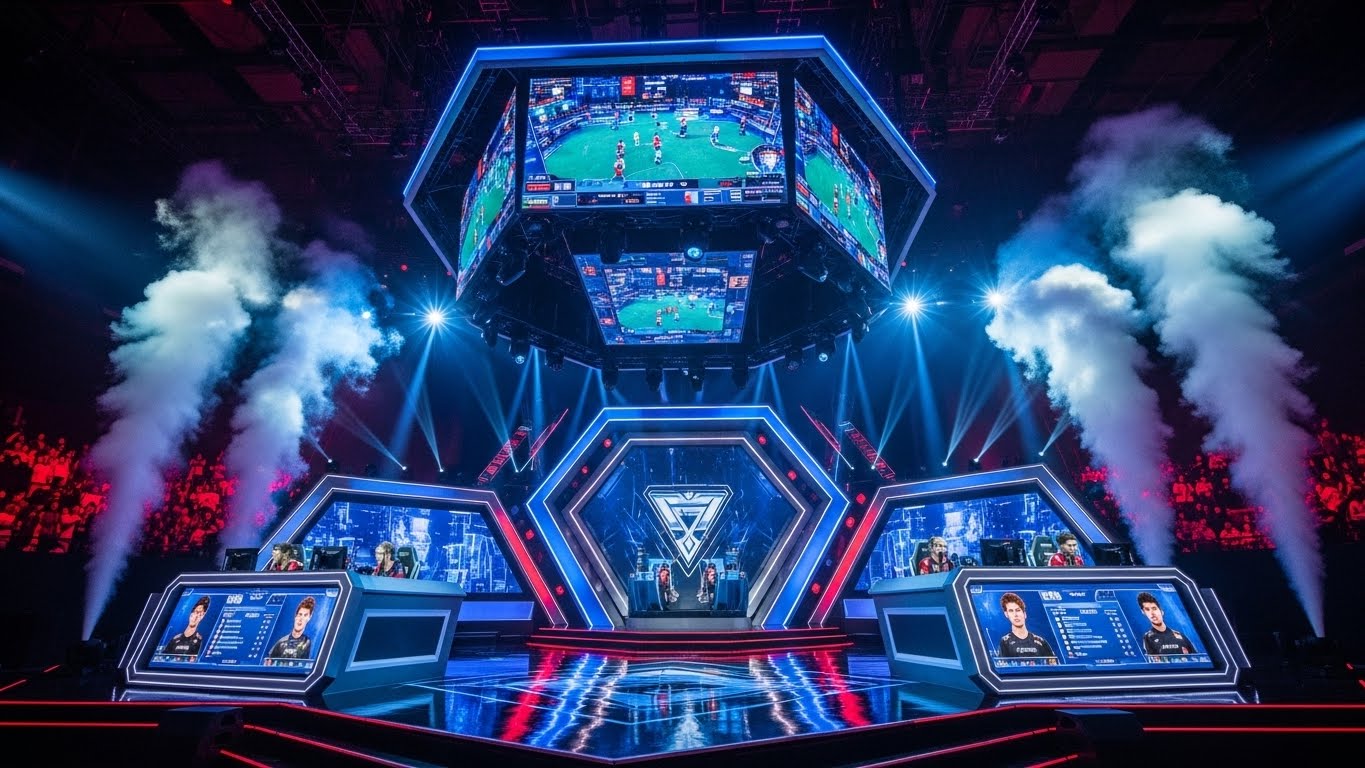
Introduction: Esports – The New Frontier of Competitive Entertainment
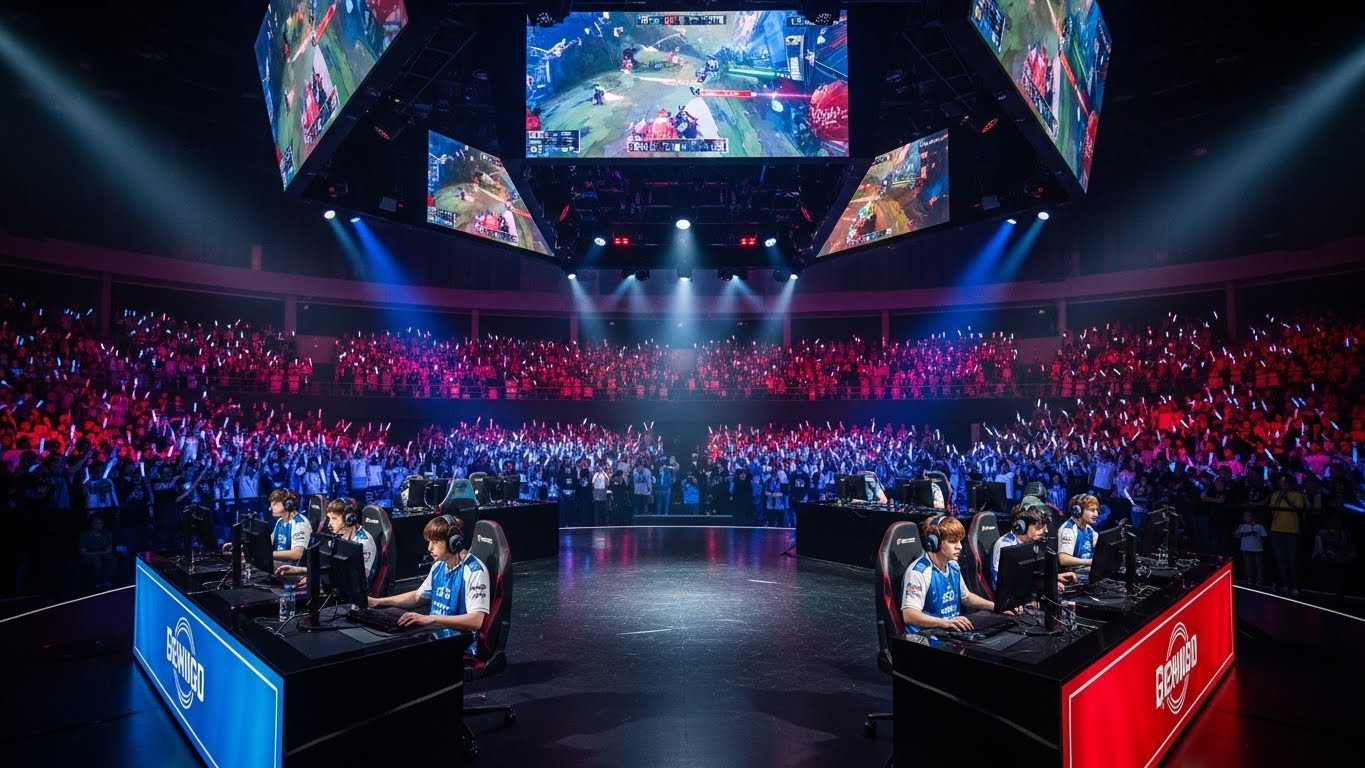
In recent years, the world of esports has experienced explosive growth, evolving from a niche hobby into a global phenomenon. What was once a small community of gamers now spans millions of fans, with professional leagues, sponsorships, and tournaments drawing crowds rivaling those of traditional sports. Esports has not only redefined the meaning of competitive gaming but also transformed entertainment and culture on a global scale. In this blog post, we’ll explore the rise of esports, its impact on society, and why it’s becoming an integral part of the entertainment industry.
1. The Evolution of Esports: From Casual Gaming to Global Phenomenon
Esports, short for electronic sports, refers to organized, multiplayer video game competitions, particularly between professional players, individually or as teams. While video games have been around for decades, competitive gaming began to take form in the 1990s with events like the Red Annihilation Tournament in 1997. Back then, it was a small affair, with only a few players competing in games like Quake and StarCraft.
However, the real boom of esports began in the early 2000s when games like Warcraft III and League of Legends helped propel competitive gaming into the spotlight. The success of these titles laid the foundation for the professional leagues we see today. It wasn’t just about the games anymore; it became about creating a global community of players, fans, and broadcasters who supported esports.
The launch of platforms like Twitch in 2011 allowed viewers to watch live streams of professional gamers in action, democratizing the access to esports content. What started as an underground culture grew into a multi-billion-dollar industry, with major game publishers, large-scale tournaments, and sponsorships from tech giants and mainstream brands joining the fold.
2. Esports: A Booming Industry with a Multi-Billion Dollar Potential
Today, esports is no longer just a subculture; it is a thriving industry. The market size for esports in 2024 is projected to surpass $1.6 billion, driven by revenues from sponsorships, advertising, media rights, and merchandise. It’s not just about playing games anymore—it’s about creating experiences that can attract a global audience. Esports has become a unique blend of entertainment, competition, and culture, drawing in both gamers and non-gamers alike.
Tournaments and Leagues: The Heart of Esports
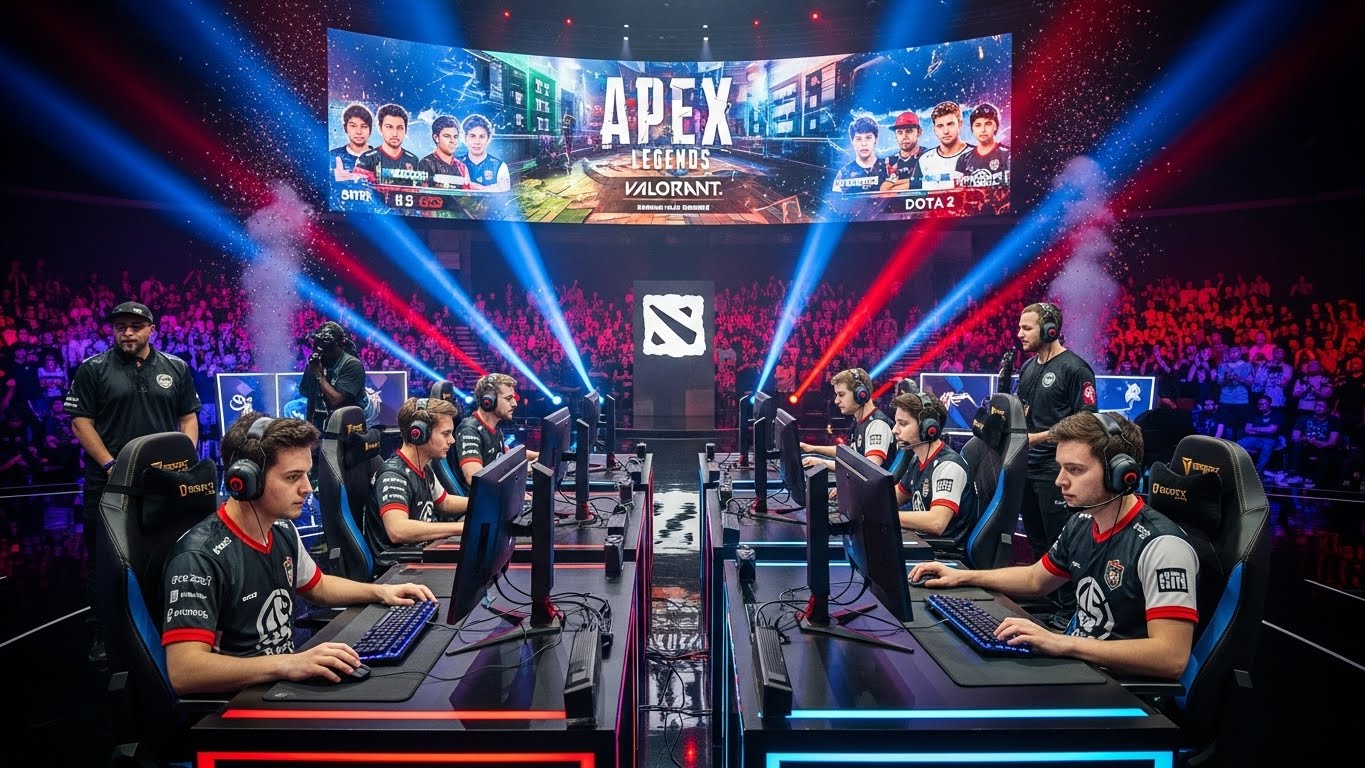
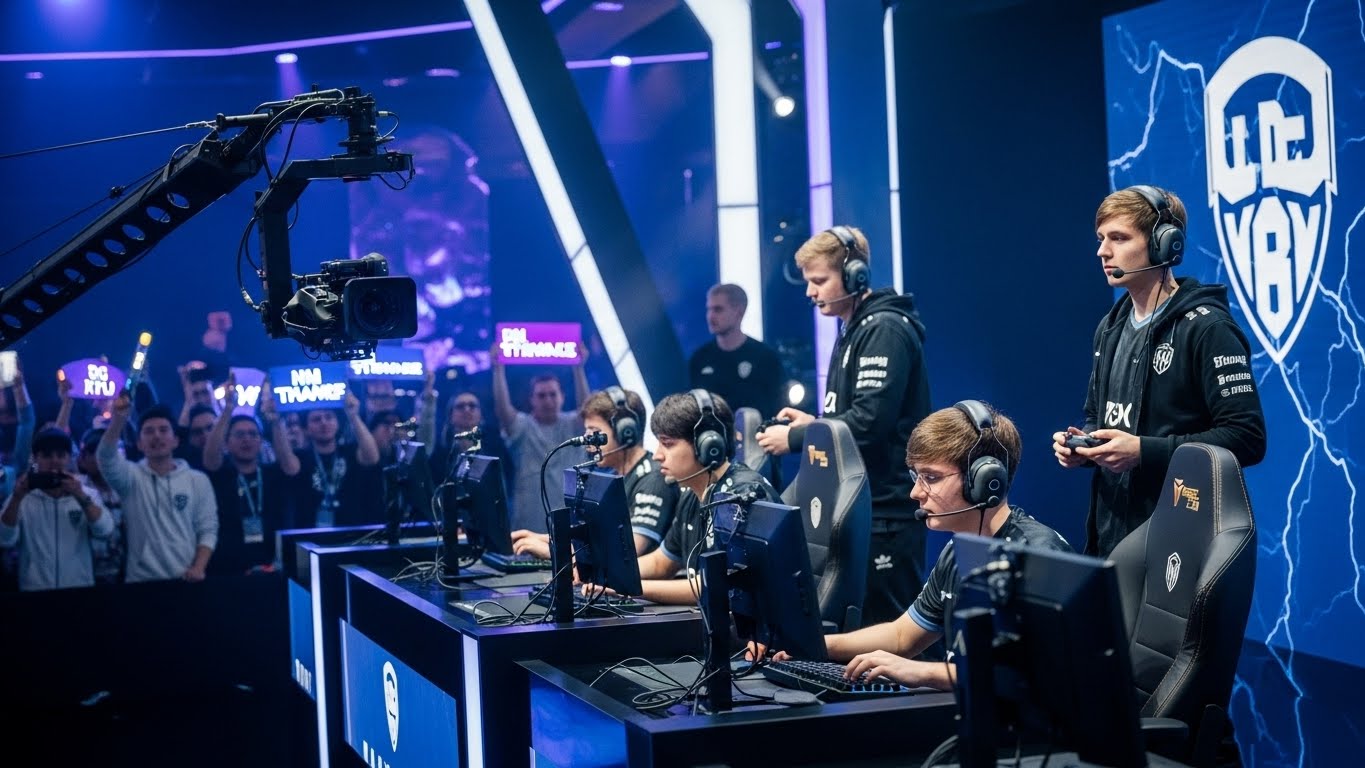
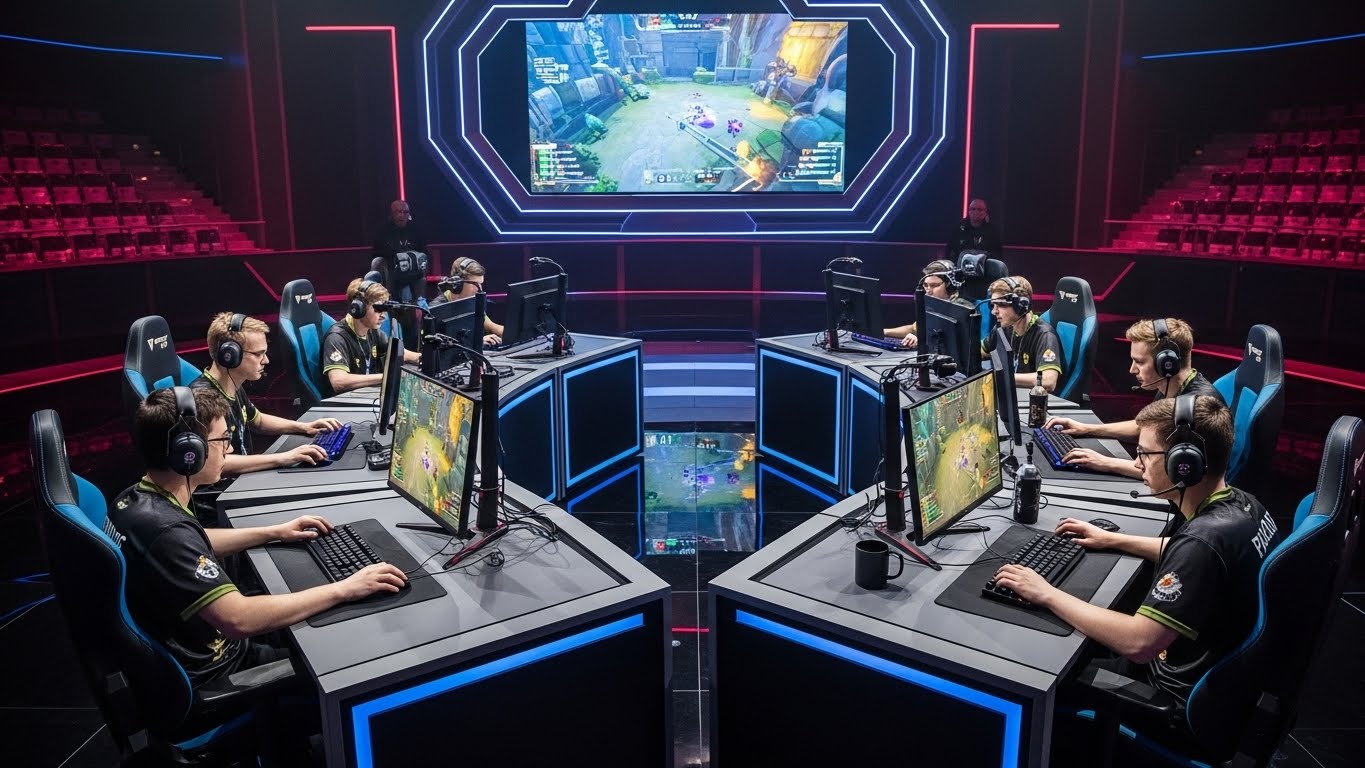
The competitive side of esports has flourished through large-scale tournaments such as The International (Dota 2), League of Legends World Championship, and The Overwatch League. These tournaments offer multi-million dollar prize pools and are broadcasted to millions of viewers worldwide. The incredible prize money on offer has transformed esports players into household names, with some of them earning more in a single tournament than traditional athletes in an entire year.
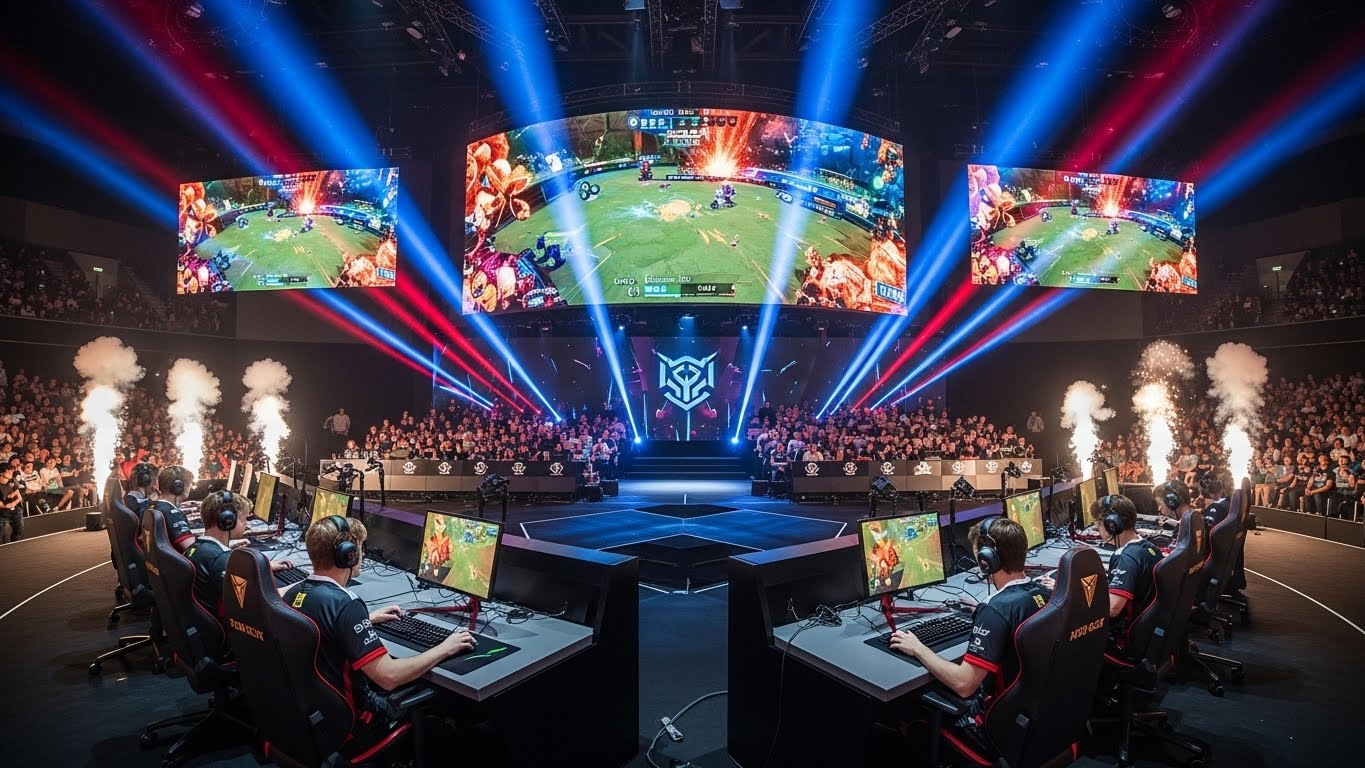
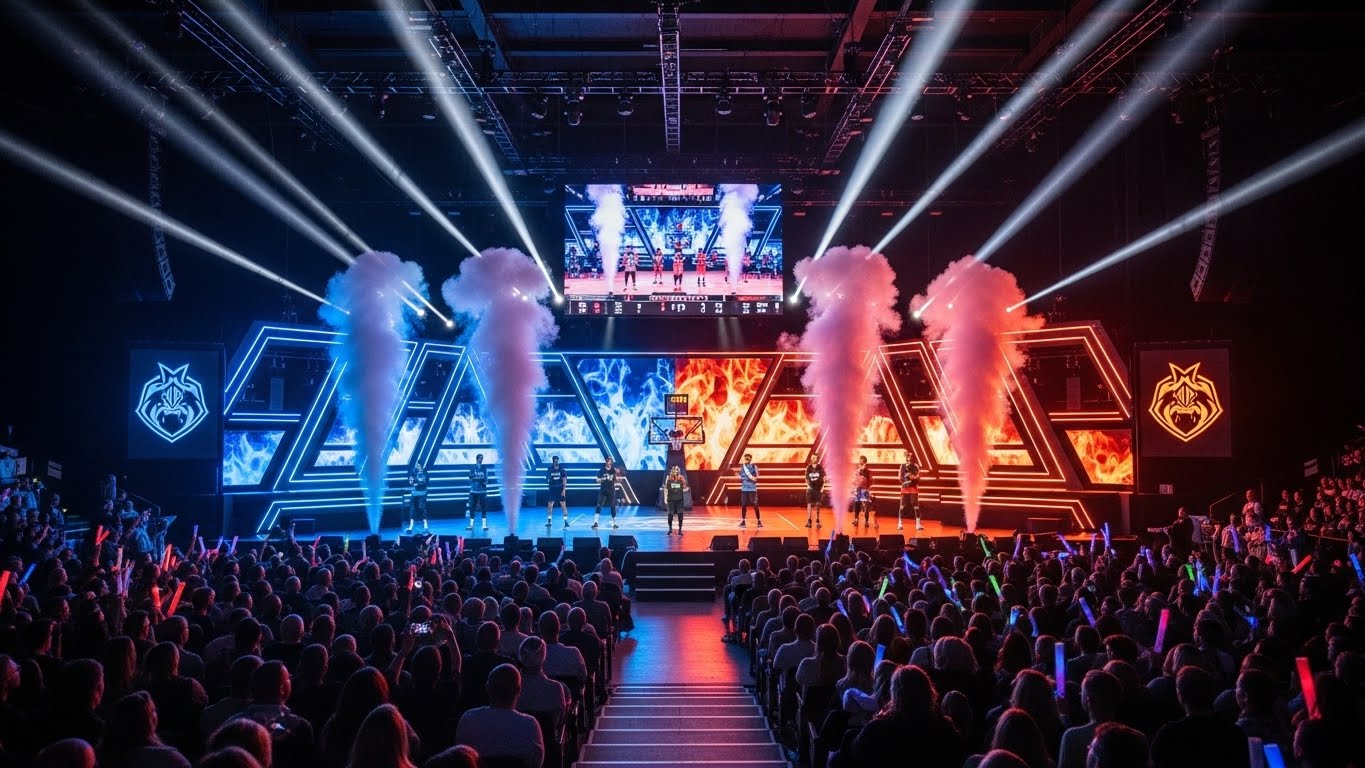
What’s more impressive is how these tournaments have created a global spectacle. Events like The League of Legends World Championship attract millions of viewers globally, with the finals drawing larger viewership than some major traditional sports events. As esports continues to expand, more major companies are investing in the sector, including tech companies, streaming platforms, and even traditional sports franchises.
Corporate Sponsorships and Media Rights
The increasing popularity of esports has attracted significant investments from both gaming-related and non-gaming companies. Sponsors ranging from energy drink brands to tech giants like Intel and ASUS are backing esports teams and tournaments, hoping to tap into the enormous fanbase. These sponsorship deals are one of the major revenue drivers for the industry.
Television networks and streaming services are also cashing in on esports by acquiring media rights to broadcast tournaments. The rise of streaming platforms like Twitch and YouTube Gaming has further amplified the reach of esports, allowing viewers to tune in from anywhere in the world and giving sponsors access to a vast, global audience.
3. The Global Impact of Esports: A Cultural and Social Movement
Beyond the numbers, esports has become a cultural and social movement, changing the way people connect, interact, and experience entertainment. The rise of esports has brought people from all walks of life together, united by their love for gaming.
Building Communities Through Esports
One of the most significant aspects of esports is its ability to foster communities. The online nature of competitive gaming means that players can connect with others from across the world, forming teams, fanbases, and friendships that extend beyond the virtual world. Platforms like Discord, Reddit, and Twitch enable fans to engage with each other, whether they’re sharing tips on gameplay or discussing strategies for upcoming tournaments. These communities provide a sense of belonging and identity to players who might otherwise feel isolated.
Esports as a Career Path
Esports has also redefined what it means to have a career in gaming. Professional gamers are not only athletes but influencers, content creators, and streamers. Many top players and streamers have turned their passion into lucrative careers, supported by sponsorships, merchandising, and online content.
Streaming platforms such as Twitch and YouTube have become a primary source of income for some, allowing players to earn money through subscriptions, donations, and advertisements. While the path to becoming a professional player is difficult and requires immense skill and dedication, it has opened up new opportunities for people to turn their passion for gaming into a full-time profession.
4. The Future of Esports: Opportunities and Challenges Ahead
While esports continues to rise in popularity, there are both opportunities and challenges ahead. The future of esports looks bright, with continued growth expected in terms of viewership, sponsorships, and participation. However, there are also hurdles that the industry will need to overcome to ensure long-term success.
Expansion into Traditional Sports Arenas
One of the exciting prospects for esports is its continued integration with traditional sports. Esports organizations have partnered with major sports leagues and teams, blurring the lines between digital and physical sports. Traditional sports teams are now establishing esports divisions, recognizing the value of competitive gaming as a marketable entity. For instance, professional soccer clubs such as Paris Saint-Germain and Manchester City have their own esports teams, competing in games like FIFA and League of Legends. The crossover between esports and traditional sports presents a significant opportunity for further growth and mainstream acceptance of competitive gaming.
Inclusive and Diverse Audience
Another area where esports has significant potential is in inclusivity. Gaming has historically been male-dominated, but this is changing. Female players, coaches, analysts, and commentators are gaining visibility and recognition in the esports world. Several initiatives are being launched to create more opportunities for underrepresented groups to participate and thrive in esports. As the esports ecosystem becomes more diverse, it will attract a broader audience, making the industry even more vibrant.
Maintaining Integrity and Fair Play
While esports offers exciting opportunities, there are still issues around maintaining the integrity of the competition. Cheating, match-fixing, and player burnout are ongoing concerns for the industry. The rise of esports betting, like traditional sports betting, has added a layer of complexity, making it crucial for regulatory bodies to create frameworks to ensure fairness and transparency. Ensuring player welfare, managing expectations, and preventing cheating will be key challenges as esports continues to mature.
5. Esports in Education: Developing Future Talent
Esports has found a place in education as well, with universities and schools offering scholarships and programs aimed at developing the next generation of esports professionals. As the industry continues to grow, educational institutions have started recognizing esports as a legitimate career path, offering degrees in fields such as game design, esports management, and event production.
Universities across the globe have established esports teams and organized competitive leagues, where students can compete at a high level while earning academic credits. This convergence of education and esports provides students with a unique opportunity to pursue their passion for gaming while gaining valuable skills that can be transferred into the professional world.
Conclusion: Esports – A Dynamic and Thriving Future
The rise of esports is a testament to the transformative power of gaming. From a casual pastime to a booming global industry, esports has reshaped the entertainment landscape, offering new career opportunities and fostering a sense of community. Esports is not just a form of entertainment; it is a culture, a sport, and a movement that brings people together across borders and backgrounds.
As the industry continues to grow, there are both exciting opportunities and challenges ahead. The future of esports will likely see even more mainstream acceptance, more diverse player pools, and further integration with traditional sports. The potential for esports to continue shaping global entertainment and culture is limitless.
Whether you’re a casual player, a professional gamer, or a fan, it’s clear that esports has carved out a permanent place in the world of entertainment. As the industry matures, we can only imagine the heights esports will reach in the coming years, becoming an even more integral part of the entertainment landscape.