 championcast96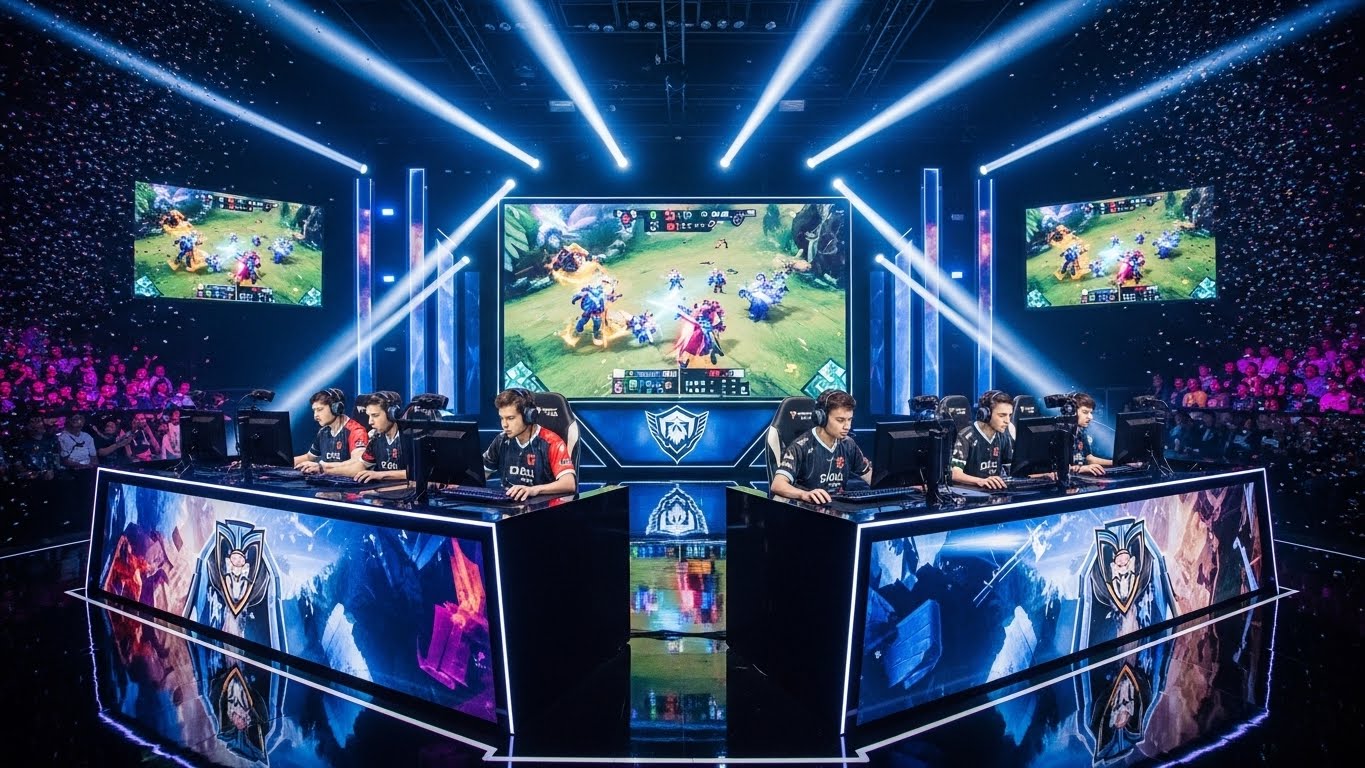
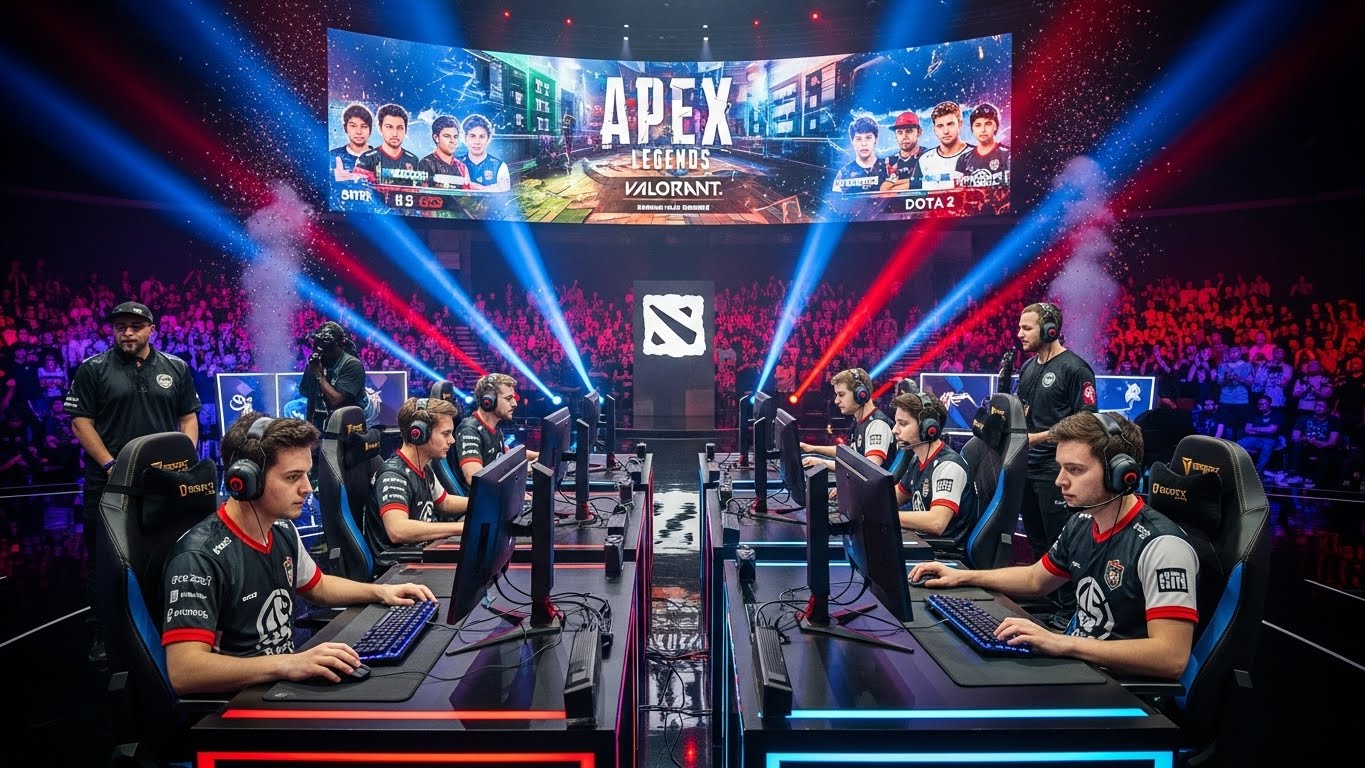
Esports, a term that once only referred to competitive gaming events, has now grown into a global phenomenon. What was once seen as a niche activity has evolved into a multi-billion dollar industry, captivating audiences across the world. Whether you’re a gamer or not, it’s impossible to ignore the rise of esports as it continues to redefine entertainment, sports culture, and the future of digital competition.
What is Esports?
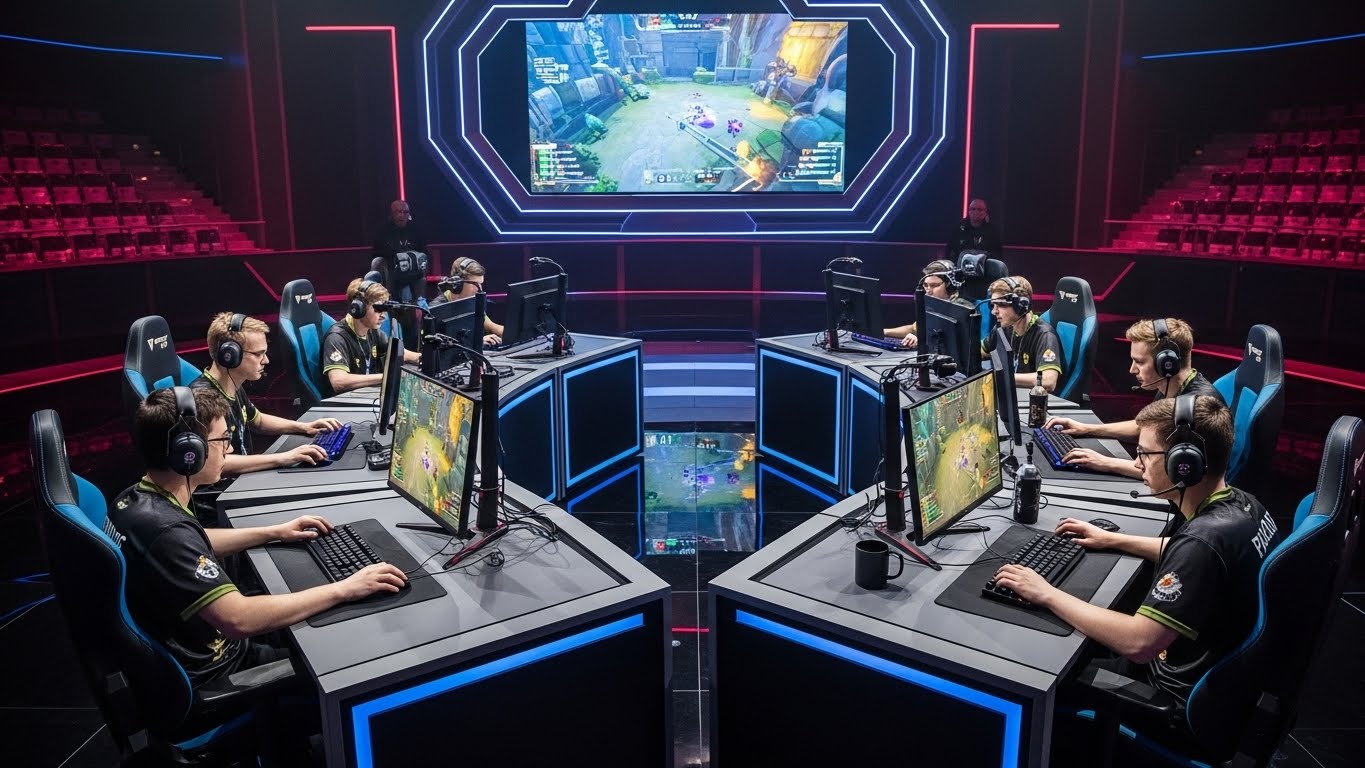
Esports, short for electronic sports, is a form of organized multiplayer video gaming, where individuals or teams compete for recognition, prizes, and sometimes, sponsorships. Esports competitions can be found across various genres, including first-person shooters (FPS), real-time strategy (RTS), multiplayer online battle arenas (MOBA), and even sports simulations. These tournaments are often broadcast online, with professional commentators, analysis, and dedicated fanbases.
Esports is not just about casual gaming or hobbyist competitions; it’s about turning gaming into a full-fledged, professional career. Just like traditional sports, esports has leagues, teams, coaches, players, and fans that form communities around each title.
The Evolution of Esports: From LAN Parties to Global Tournaments
The origins of competitive gaming can be traced back to the early days of video games in the 1970s. While it wasn’t until the late 90s and early 2000s that esports began to gain momentum, it’s important to understand how the genre evolved.
In the early days, tournaments were small and mostly consisted of local LAN (Local Area Network) events. Gamers gathered in physical locations to compete against one another in games like Quake and StarCraft. These events were informal but laid the groundwork for what would eventually become the professional esports scene we know today.
As internet speeds improved and games became more complex, the competitive scene began to transition to online tournaments. This change allowed players from different corners of the world to compete in a level playing field, further expanding the reach and appeal of esports. Games like League of Legends, Dota 2, and Counter-Strike started gaining massive followings, and the prize pools for tournaments grew into the millions of dollars.
A Global Audience: Esports as a Mass Entertainment Phenomenon
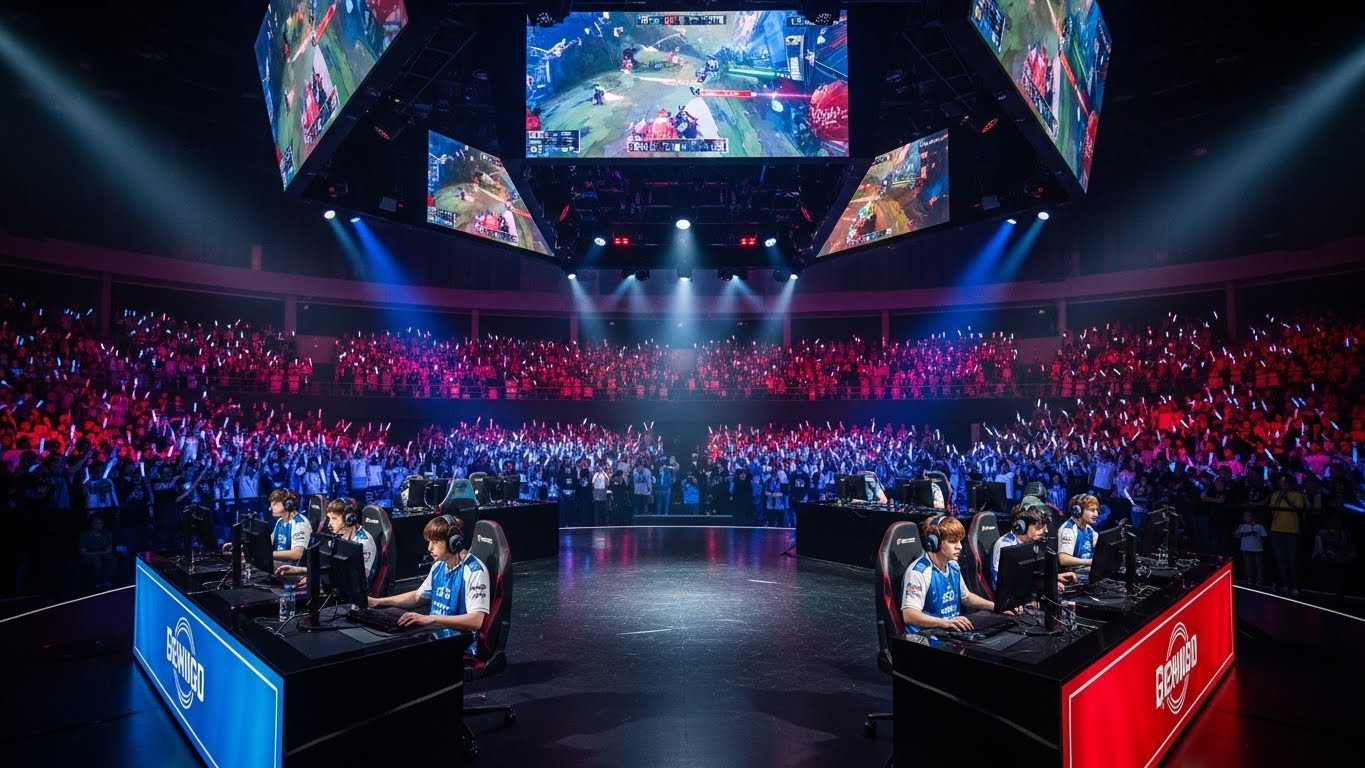
One of the most remarkable aspects of esports is its ability to connect people globally. Esports audiences come from all walks of life and all corners of the globe. A League of Legends championship or Fortnite World Cup can draw in millions of viewers, both online and in person.
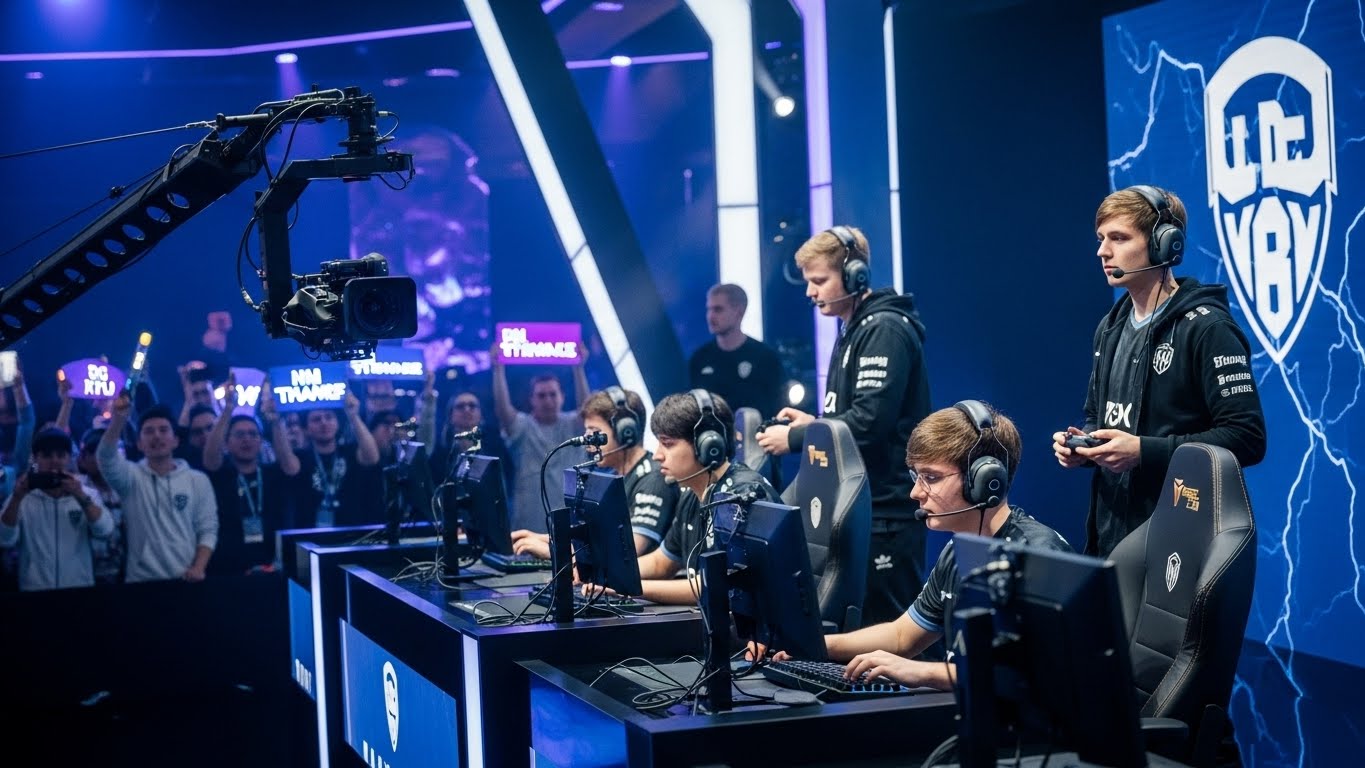
In fact, esports’ ability to reach global audiences is part of what has propelled it into the mainstream. Streaming platforms like Twitch and YouTube Gaming offer real-time access to tournaments, allowing anyone with an internet connection to tune in, whether they are watching from their home, on their phone, or in a crowded esports arena. With thousands of live viewers and millions of fans watching on-demand content, the esports industry has created an accessible and inclusive environment for viewers.
The esports audience is also distinct in its demographics. Studies have shown that the typical esports fan is a younger, tech-savvy individual, with the majority of viewers falling in the 18-34 age range. This has made esports an incredibly attractive market for advertisers, brands, and sponsors who are keen to tap into a growing and engaged audience.
The Money Behind Esports: A Billion-Dollar Industry
Over the past decade, esports has exploded in terms of revenue generation. It is estimated that the esports industry will surpass $1.5 billion in revenue in the near future. This substantial growth is attributed to several factors, including sponsorship deals, advertising revenue, media rights, ticket sales, and merchandise.
The largest esports events attract major corporate sponsors, such as Coca-Cola, Intel, Red Bull, and many others. These companies see esports as a valuable marketing tool, providing them with the chance to advertise directly to a tech-forward, highly engaged demographic.
Media rights are another significant contributor to the financial success of esports. Large-scale esports tournaments, such as The International (Dota 2) or The League of Legends World Championship, sell the rights to broadcast their events to global networks and streaming platforms. In turn, these media partnerships allow esports organizations to expand their reach while generating substantial revenue.
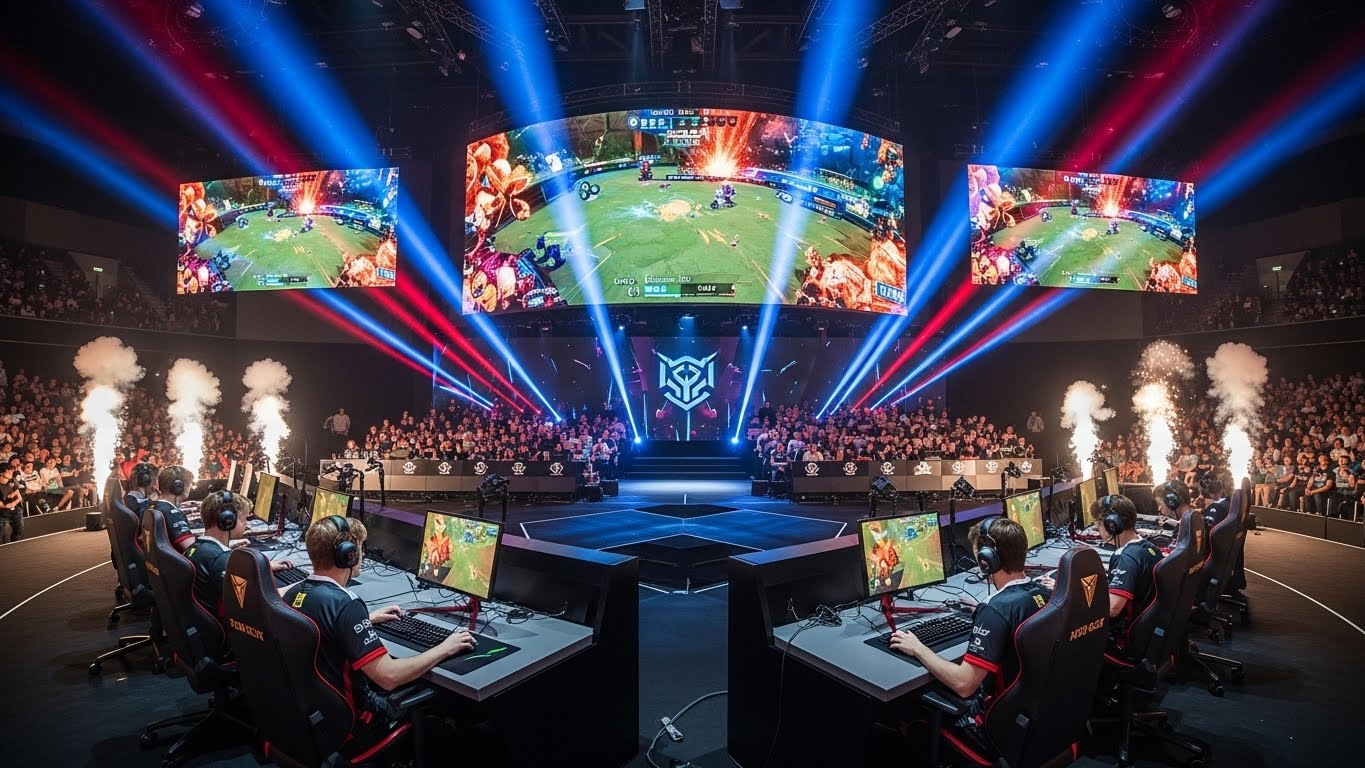
Ticket sales are also a vital component of esports revenue. Major tournaments are held in arenas or stadiums where thousands of fans can gather to watch the action live. This in-person aspect of esports offers fans a more immersive experience, while ticket sales provide a substantial stream of income for organizers.
Lastly, merchandise and in-game purchases contribute to the industry’s overall revenue. Fans can purchase team jerseys, posters, and other merchandise, while games themselves often offer in-game items and skins for sale to players. These microtransactions add up quickly and help fuel the financial engine of esports.
The Role of Streaming Platforms: Twitch and YouTube Gaming
As esports has grown, so too has the role of streaming platforms. Twitch, in particular, has been instrumental in the rise of esports. Launched in 2011, Twitch was initially a platform for general live-streaming but quickly became the go-to destination for competitive gamers. Today, it is home to millions of streamers and hosts countless esports tournaments, offering live coverage, post-game analysis, and behind-the-scenes content.
Twitch’s success helped pave the way for other streaming services like YouTube Gaming and Facebook Gaming to enter the esports landscape. These platforms have attracted millions of viewers and have become crucial in the growth of esports’ global audience.
Streaming has also created an entirely new career path for gamers. Many top esports players and influencers have built massive followings on platforms like Twitch, making money through subscriptions, sponsorships, donations, and ad revenue. Some streamers even make more money through these channels than they would as professional players.
Esports as a Career: A New Era of Professional Gamers
What was once seen as a hobby for young, competitive gamers has now become a legitimate career option. Professional esports players are now revered as athletes, with dedicated fans, sponsorships, and lucrative salaries. The path to becoming a professional gamer is similar to that of traditional sports: players must dedicate years of practice, refine their skills, and join competitive teams to participate in tournaments.
While the road to esports stardom can be difficult and competitive, many players have risen to fame thanks to their exceptional gaming skills. Titles like Dota 2, Fortnite, Overwatch, Call of Duty, and League of Legends have all seen players emerge as esports superstars, earning millions of dollars in prize money, sponsorship deals, and streaming revenue.
However, the life of a professional esports player isn’t just about playing games. Like traditional athletes, esports players have to maintain peak physical and mental performance, which often requires training regimens, coaching, and mental health support. Teams employ coaches, analysts, psychologists, and fitness trainers to help players stay in top form.
Esports and Traditional Sports: A Growing Relationship
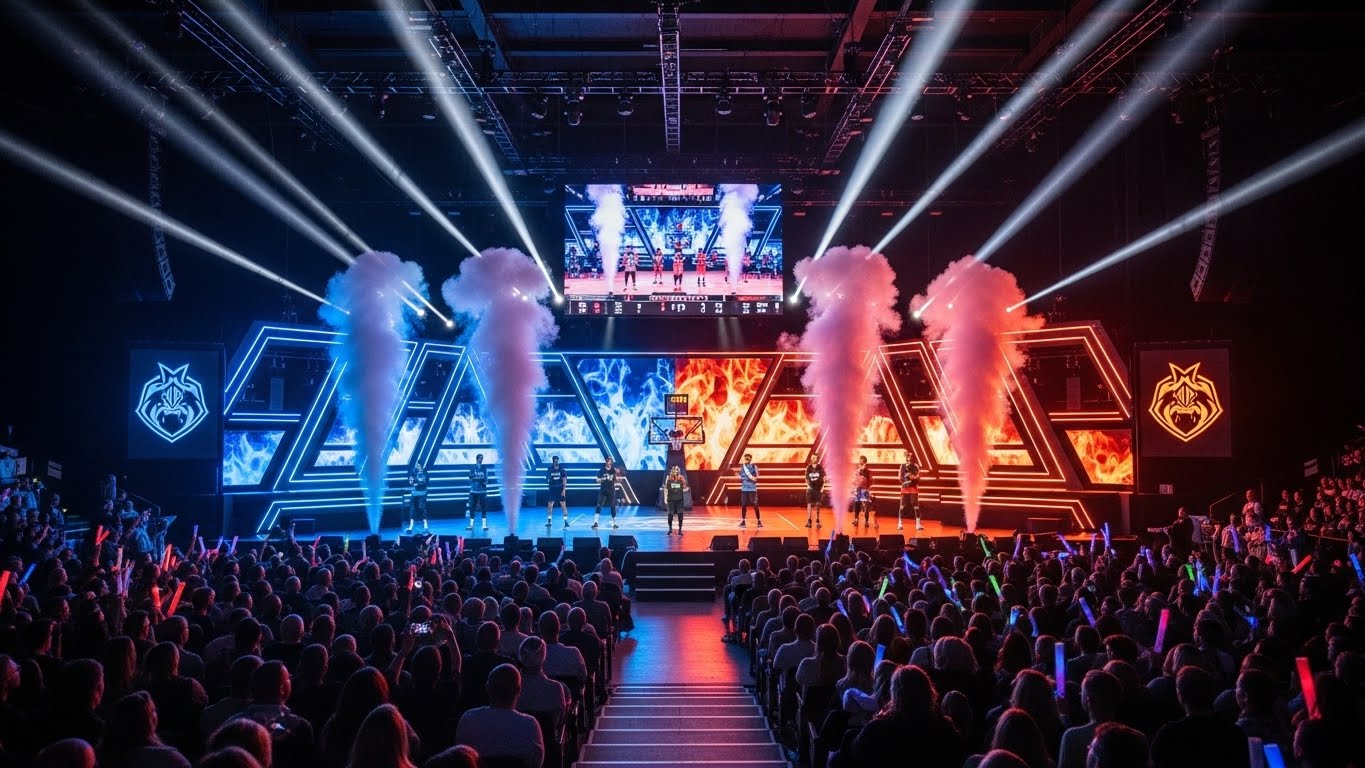
The relationship between esports and traditional sports is becoming increasingly intertwined. In recent years, we’ve seen traditional sports organizations, such as the NBA and NFL, invest in esports teams or create their own gaming leagues. The NBA’s NBA 2K League, for example, is a direct collaboration between the National Basketball Association and the popular NBA 2K video game series. Similarly, FIFA has partnered with soccer clubs to launch FIFA eWorld Cup tournaments.
The growth of esports has also led to the creation of new career opportunities within the broader sports ecosystem. From sports journalists and analysts to event organizers and marketing professionals, the esports industry has expanded the scope of sports media and broadcasting.
Some view esports as a competitor to traditional sports, but the reality is that the two are increasingly co-existing. Major sports networks now air esports events, and some esports tournaments are held in collaboration with traditional sports venues, such as basketball arenas and football stadiums. The shared audience between traditional and esports fans is helping to fuel both industries.
The Future of Esports: Virtual Reality, AI, and Expanding Horizons
As the world of esports continues to grow, the future looks even brighter. Virtual Reality (VR) and Augmented Reality (AR) technologies hold the potential to transform the way fans experience esports. Instead of watching games on a screen, viewers may soon be able to immerse themselves directly into the game, controlling the perspective and interacting with the players in real-time.
Artificial Intelligence (AI) also stands to revolutionize esports by improving matchmaking systems, analyzing player performance, and even providing real-time game insights for broadcasters and audiences. AI could help level the playing field and make esports competitions even more dynamic and unpredictable.
Furthermore, as technology continues to advance, new games and formats are emerging. Esports could move beyond the traditional formats we see today, exploring new genres, including battle royales, rhythm games, and mobile gaming competitions. With the proliferation of smartphones and mobile devices, esports on mobile platforms is set to become a major player in the competitive gaming world.
Conclusion: Esports – More Than Just a Game
Esports has evolved from a small underground activity to a global industry worth billions. It has disrupted traditional notions of sports and entertainment, creating new avenues for both players and fans to connect. The future of esports looks promising, with continued advancements in technology, media coverage, and fan engagement expected to drive its growth. Whether you’re a professional player, a casual fan, or someone just curious about the phenomenon, esports is here to stay, and its impact will only continue to grow in the years to come.
Esports is no longer just a game; it is a dynamic, evolving industry that is shaping the future of digital entertainment. As we move forward, there’s no telling how far esports will go, but one thing is certain—it’s a space worth watching closely.