 championcast96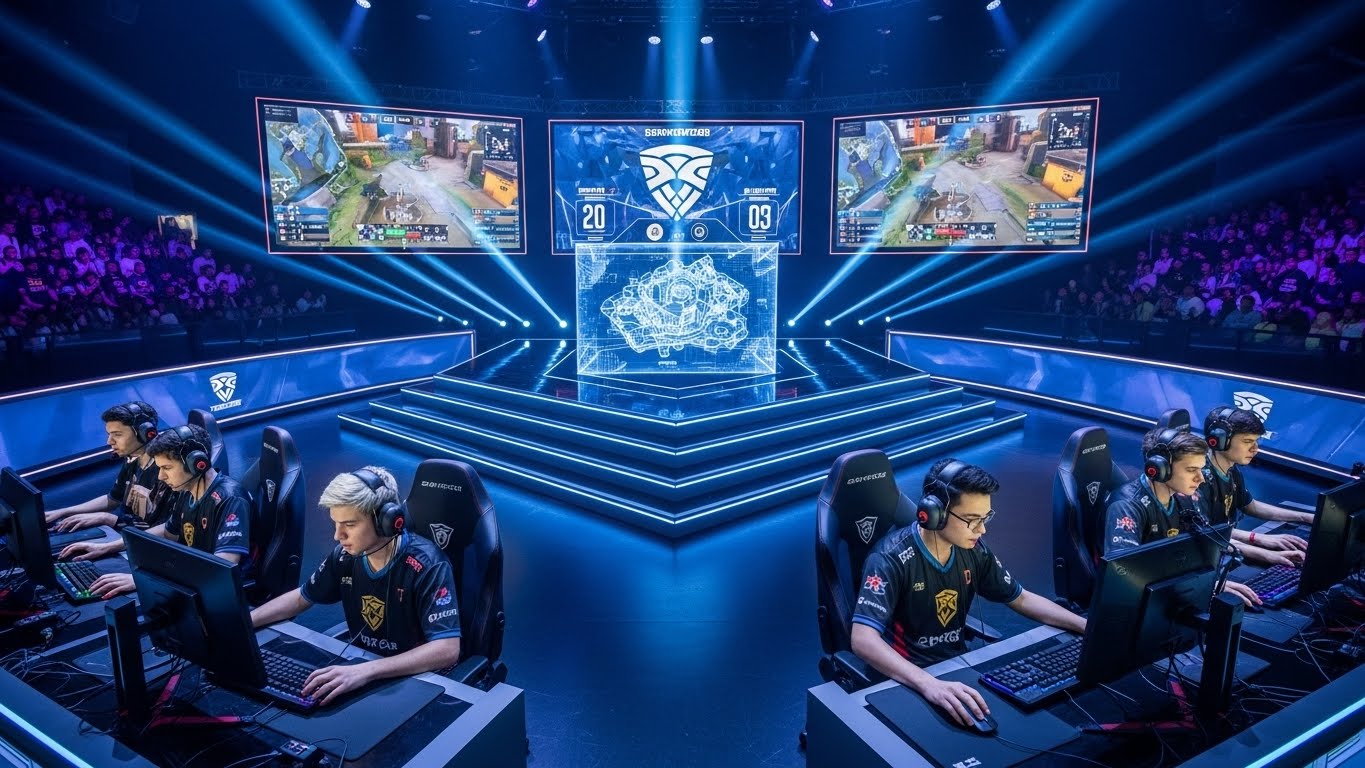
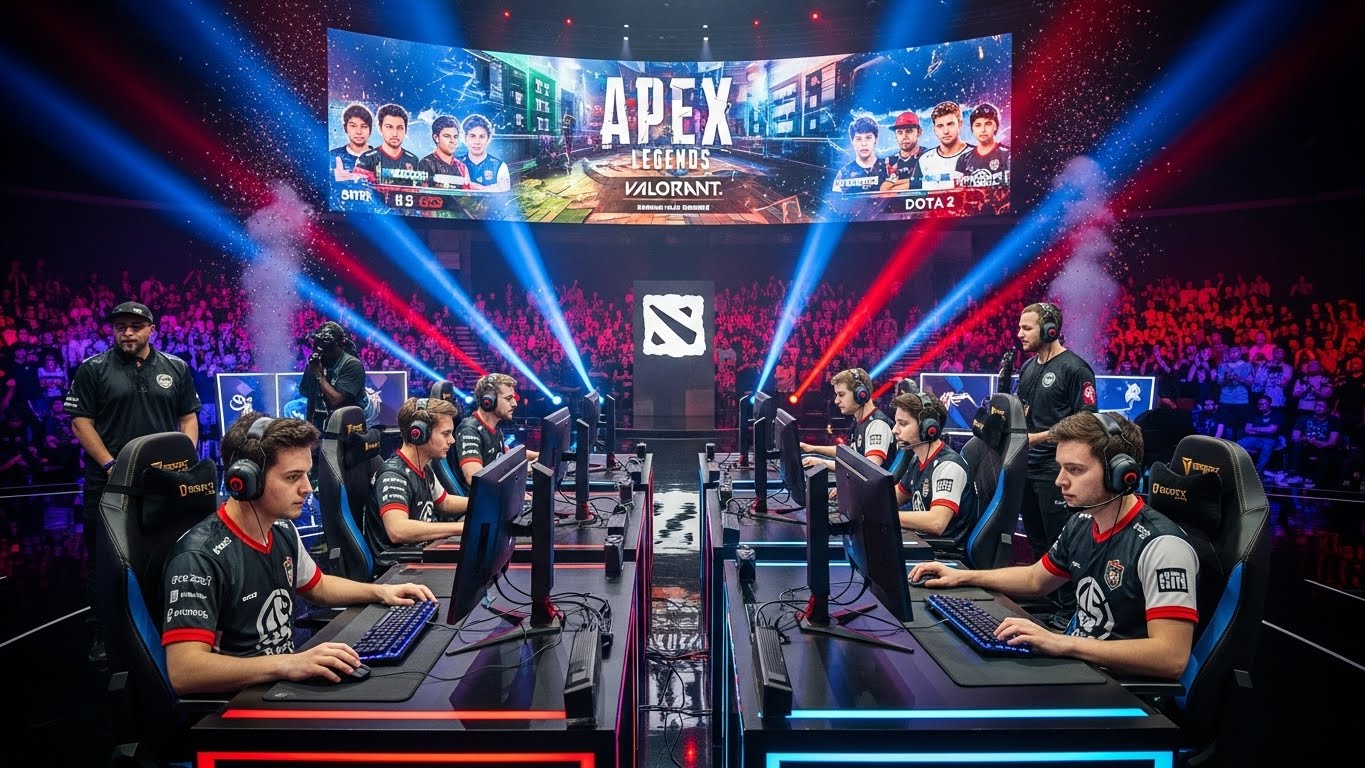
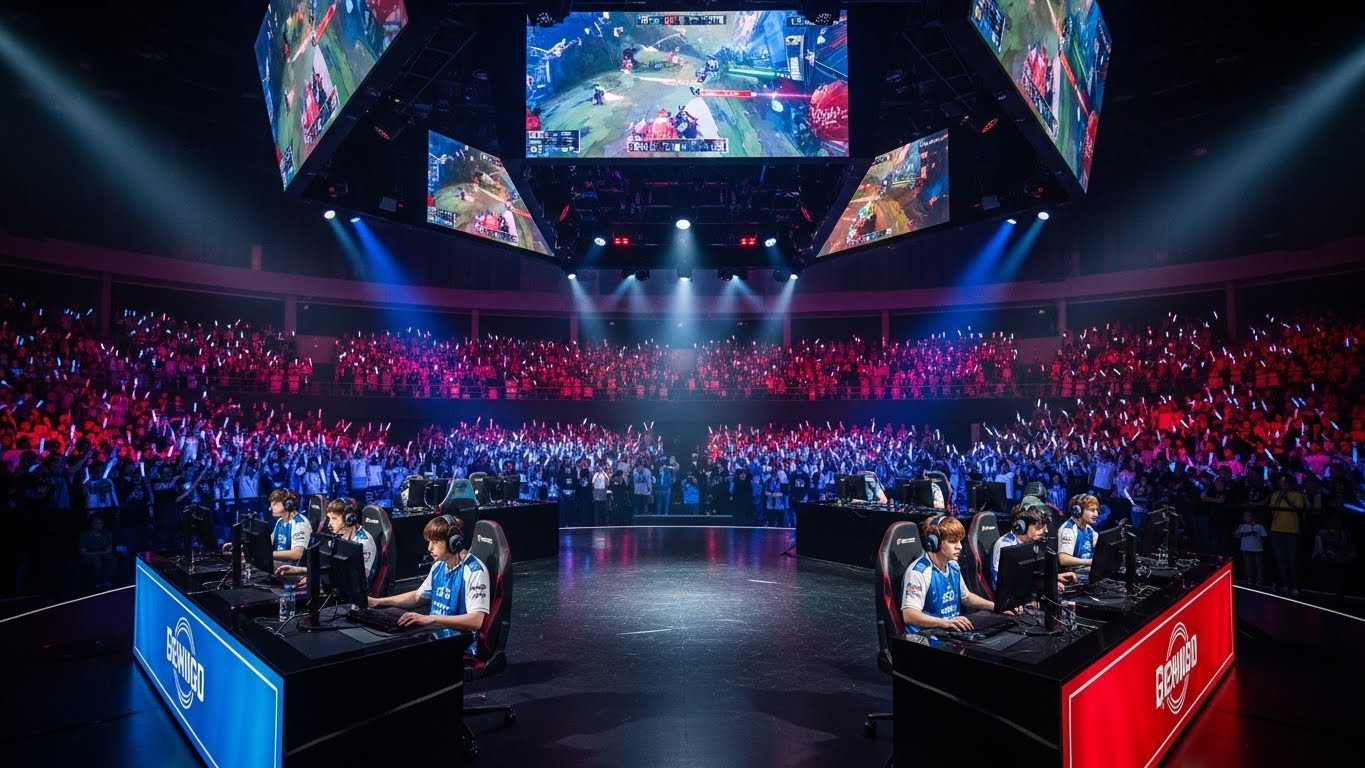
Esports, short for electronic sports, has emerged as a cultural and economic force in the world of competitive entertainment. What once began as a niche hobby for gamers has blossomed into a global industry worth billions of dollars, attracting millions of fans, sponsors, and players. Today, esports isn’t just about playing video games—it’s a multifaceted, professional arena that spans multiple genres, platforms, and even continents. This blog post delves into the rapid rise of esports, the driving forces behind its expansion, and the factors that make it such a significant part of modern entertainment.
The Birth of Esports
Esports traces its origins back to the early 1970s when the concept of competitive gaming was first introduced. Early video games, including Space Invaders and Pong, inspired people to compete against one another in arcades. However, it wasn’t until the 1990s, with the advent of faster internet speeds and more complex gaming systems, that the concept of organized competitive gaming truly took off.
The first major esports event took place in 1997 at the Red Annihilation Tournament, where players competed in the game Quake. This tournament marked the beginning of serious competitive gaming, with players streaming their matches and even attracting attention from media outlets. The turn of the century saw esports take root in South Korea, where games like StarCraft became mainstream, leading to the creation of professional teams, leagues, and tournaments.
The Growth of Esports: A Global Movement
Esports didn’t take long to go global. As the internet became more widely accessible, the gaming community expanded. Streaming platforms like Twitch, which launched in 2011, became essential for the growth of esports, giving players, fans, and sponsors a direct platform to interact. On Twitch, streamers broadcast their gameplay live, allowing fans to tune in, follow their favorite players, and engage in real-time commentary.
Another key milestone in the rise of esports was the growth of online multiplayer games. Titles such as League of Legends, Dota 2, and Counter-Strike: Global Offensive (CS: GO) offered not only the opportunity for casual gaming but also the infrastructure for professional competitions. These games are structured in a way that makes them perfect for esports—requiring strategy, skill, and teamwork—leading to the development of major tournaments and leagues around the world.
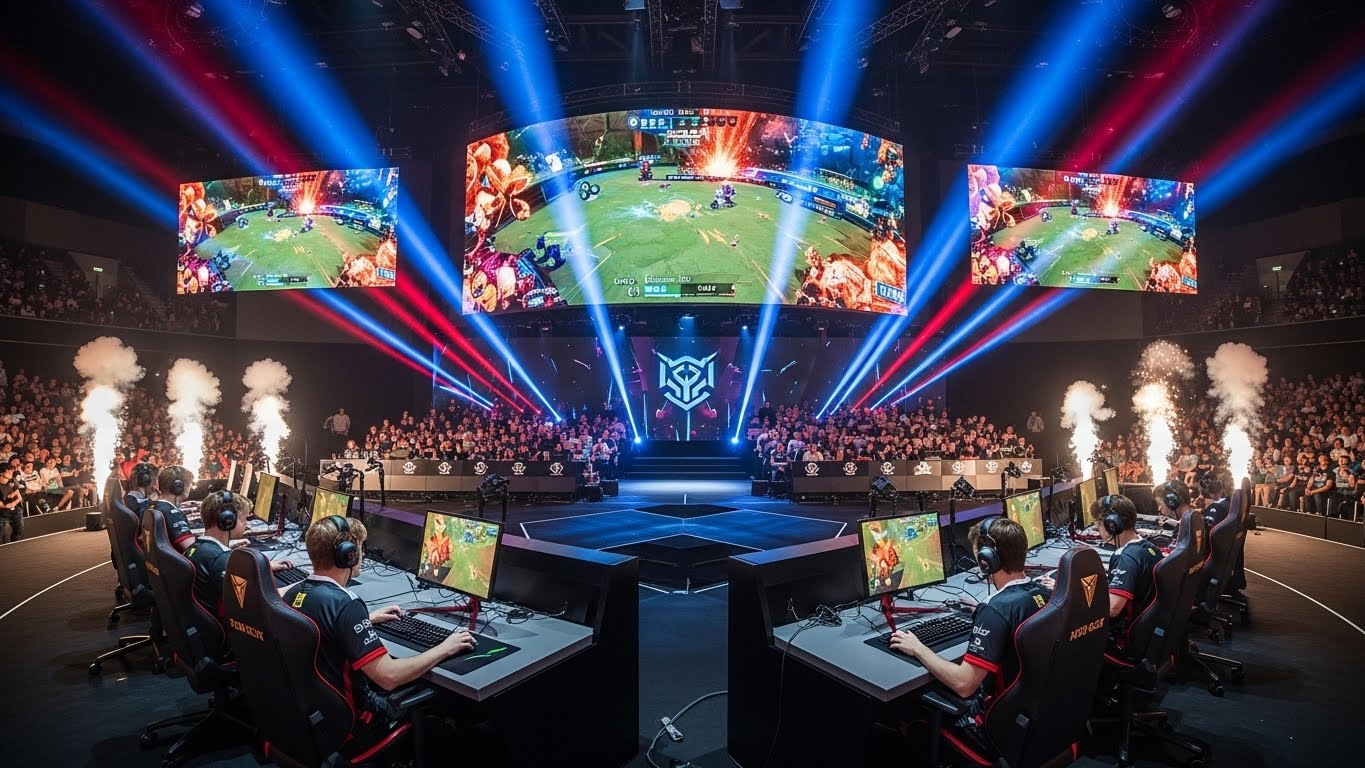
The first truly international esports event was the World Cyber Games (WCG), which began in 2000. The WCG brought together gamers from various countries to compete in different games, showcasing the potential for esports to unite people worldwide. Since then, regional leagues have sprouted up, and major events such as The International (Dota 2) and League of Legends World Championship have become global spectacles, attracting audiences in the millions.
Esports as a Multibillion-Dollar Industry
Today, esports is no longer just a subculture. It has become an incredibly lucrative industry. In 2023, the global esports market was valued at over $1.5 billion, with projections indicating it could surpass $2 billion by 2025. This growth is driven by various factors, including sponsorship deals, media rights, merchandising, ticket sales, and, of course, advertising revenue.
One of the most significant sources of revenue for esports organizations is sponsorships. Major brands from outside the gaming world, such as Coca-Cola, Nike, and Intel, have partnered with esports teams and events to tap into the massive gaming audience. These partnerships offer companies direct access to a young, tech-savvy demographic with high disposable income. In fact, esports has become one of the most effective marketing platforms for brands looking to reach millennials and Gen Z.
Another revenue stream comes from media rights. As esports grows, more and more broadcasters and streaming platforms are willing to pay substantial sums for the rights to air esports events. The League of Legends World Championship, for example, is broadcasted on platforms like YouTube and Twitch, and traditional TV networks like ESPN have also aired esports competitions. The reach of these broadcasts is staggering, with millions of viewers tuning in for top-tier events.
The Ecosystem of Esports
Esports is much more than just professional players competing for glory and prize money. It has an intricate ecosystem that includes players, coaches, analysts, casters (commentators), organizers, and even dedicated fan bases. Here’s a breakdown of some of the key components that make up the esports world:
1. Professional Players
At the heart of the esports industry are the professional players. These individuals dedicate countless hours to practicing, strategizing, and competing. Many of them are household names, with players like Faker from League of Legends, s1mple from CS:GO, and Dendi from Dota 2 gaining massive followings. These players earn salaries from their teams, sponsorships, and prize money.
2. Teams and Organizations
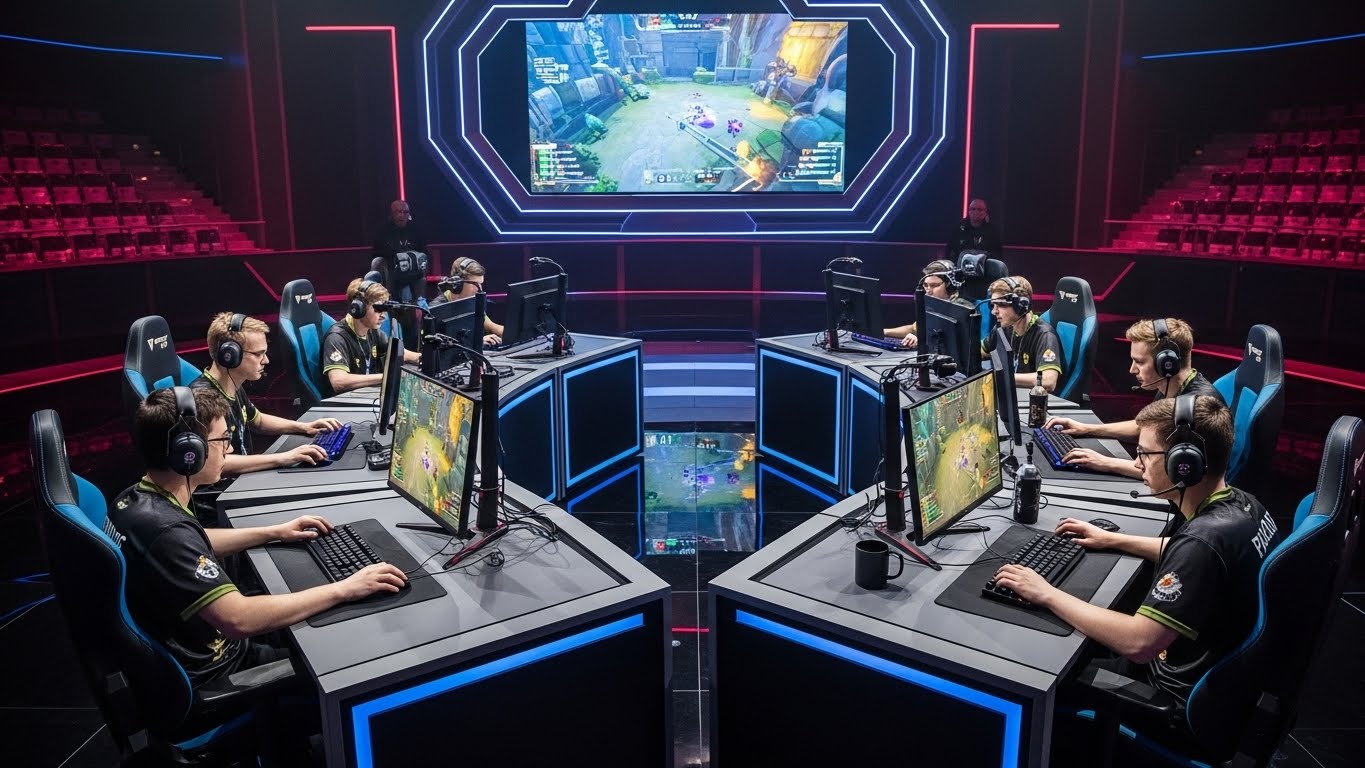
Esports teams are the backbone of competitive gaming. These organizations, such as Cloud9, Team Liquid, and FaZe Clan, recruit top-tier players to form squads that compete in major tournaments. The success of a team often hinges not just on the skill of its individual players but also on how well they work together as a unit. Teams offer coaching staff, analysts, and psychologists to help players reach their full potential.
3. Tournaments and Leagues
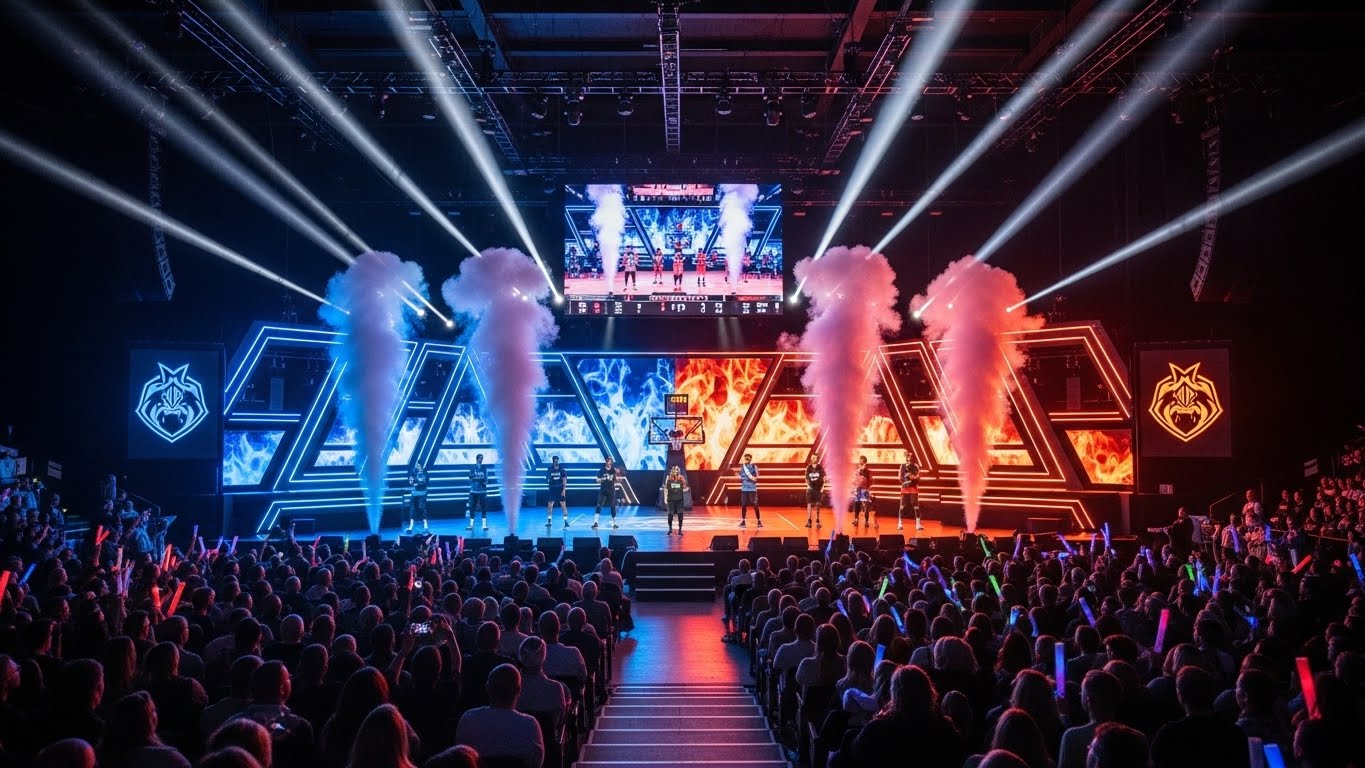
Esports tournaments range from small regional competitions to global championships. Some of the most prestigious tournaments include The International (Dota 2), The Fortnite World Cup, and the Overwatch League. These events offer huge prize pools, sometimes exceeding $30 million, and attract millions of viewers both in-person and online.
4. Streaming and Content Creation
Streaming platforms like Twitch and YouTube Gaming are essential to the esports ecosystem. These platforms allow players, teams, and organizations to engage with fans directly. Popular streamers such as Ninja, Shroud, and Pokimane have made names for themselves by broadcasting their gameplay, offering commentary, and interacting with their audiences. Many of these streamers generate revenue through donations, sponsorships, and ad revenue, making streaming a viable career option for many.
5. Fans and Community Engagement
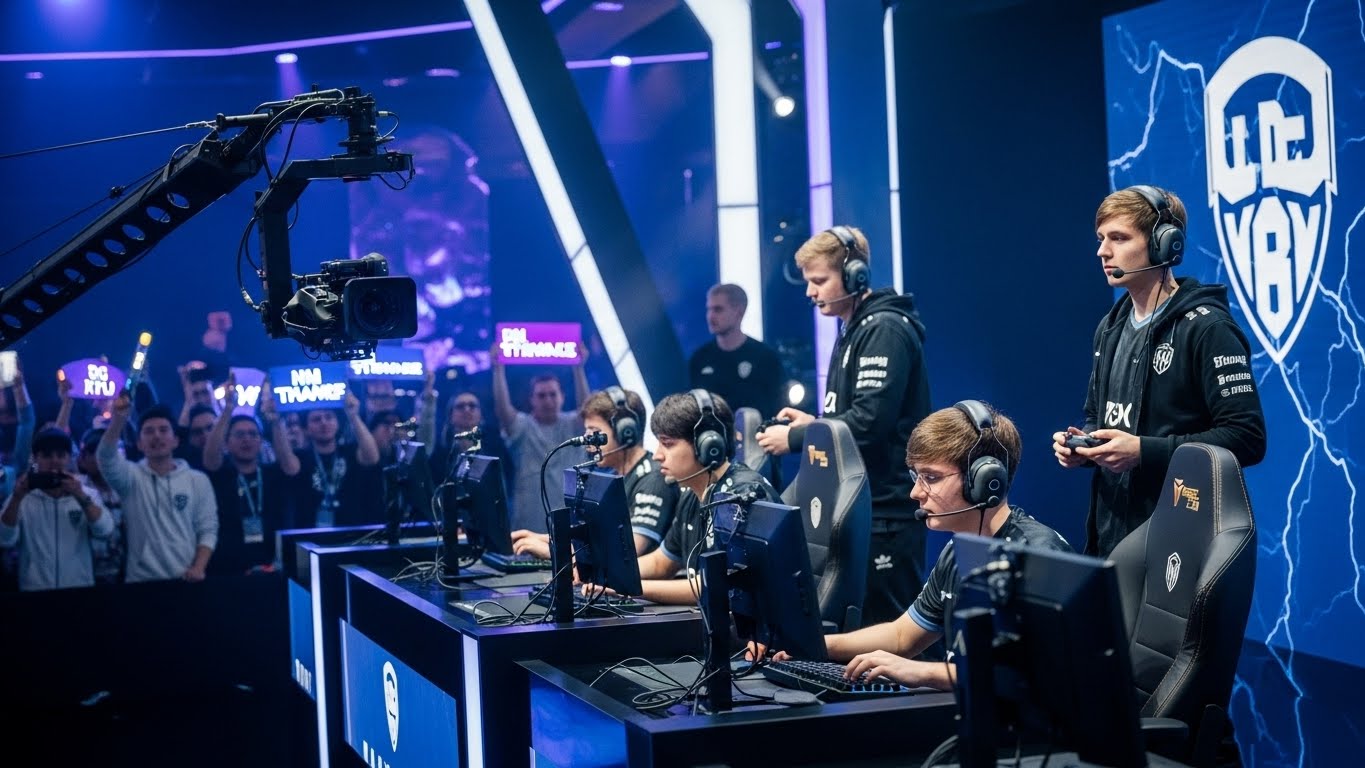
At its core, esports is fueled by its community. The passion of fans is unparalleled, and they are dedicated to their favorite teams, players, and games. Fans follow players on social media, attend live events, and engage in discussions on online forums and platforms. The connection between players and fans has never been stronger, and esports thrives because of this relationship.
The Cultural Impact of Esports
Esports has also made its mark on culture. It has shaped how people view video gaming, turning it from a pastime to a respected profession. Esports has even found its way into mainstream media, with video game tournaments becoming major cultural events. Television networks like ESPN and Fox Sports have aired esports events, legitimizing the scene and drawing more attention from outside the gaming world.
Moreover, esports has influenced pop culture in numerous ways. Celebrities, musicians, and actors are investing in esports teams and competitions. Rapper Drake has partnered with FaZe Clan, and soccer star David Beckham has invested in Guild Esports. These partnerships show that esports is no longer seen as a niche interest but as an industry with immense cultural and financial power.
In schools and universities, esports has also gained traction, with many institutions offering scholarships to competitive gamers and hosting esports tournaments. Universities across the globe are now building esports arenas and integrating esports programs into their curriculums. Esports is being recognized as a legitimate form of sports competition, and its influence will only grow in the coming years.
Challenges and Controversies in Esports
Despite its growth and popularity, the esports industry is not without challenges. One of the most significant concerns is player burnout. The pressure to perform at the highest level can take a toll on mental and physical health. The long practice hours, travel schedules, and constant competition can lead to stress, anxiety, and even depression for some players.
Another issue is the sustainability of esports organizations. While major teams and tournaments make substantial revenue, there is still a financial strain for smaller organizations. Sponsorships and prize money are crucial to the survival of these teams, and some players and staff face job insecurity due to the ever-changing landscape of the industry.
Esports also faces criticism regarding its inclusivity. Historically, the esports scene has been dominated by male players, with women and minorities underrepresented. While progress is being made in creating more inclusive spaces, this remains a significant challenge for the industry to address.
The Future of Esports
The future of esports looks incredibly promising. With an increasing number of games being developed with competitive play in mind and the continued growth of streaming platforms, esports is poised to become an even bigger part of the entertainment landscape. Augmented reality (AR) and virtual reality (VR) are also likely to play a major role in the future of esports, providing more immersive experiences for both players and fans.
Moreover, the potential for esports to become an Olympic sport continues to grow. Several discussions have taken place regarding the inclusion of esports in the Olympic Games, with some believing that esports could one day be featured alongside traditional sports. Although challenges remain, the potential for esports to reach new heights is undeniable.
Conclusion
Esports has undergone a remarkable transformation, evolving from a niche hobby to a global entertainment phenomenon. Its growth is driven by technological advancements, strategic partnerships, and a dedicated fanbase. Esports has reshaped the way we think about competition and entertainment, creating a unique cultural space that transcends traditional sports.