 championcast96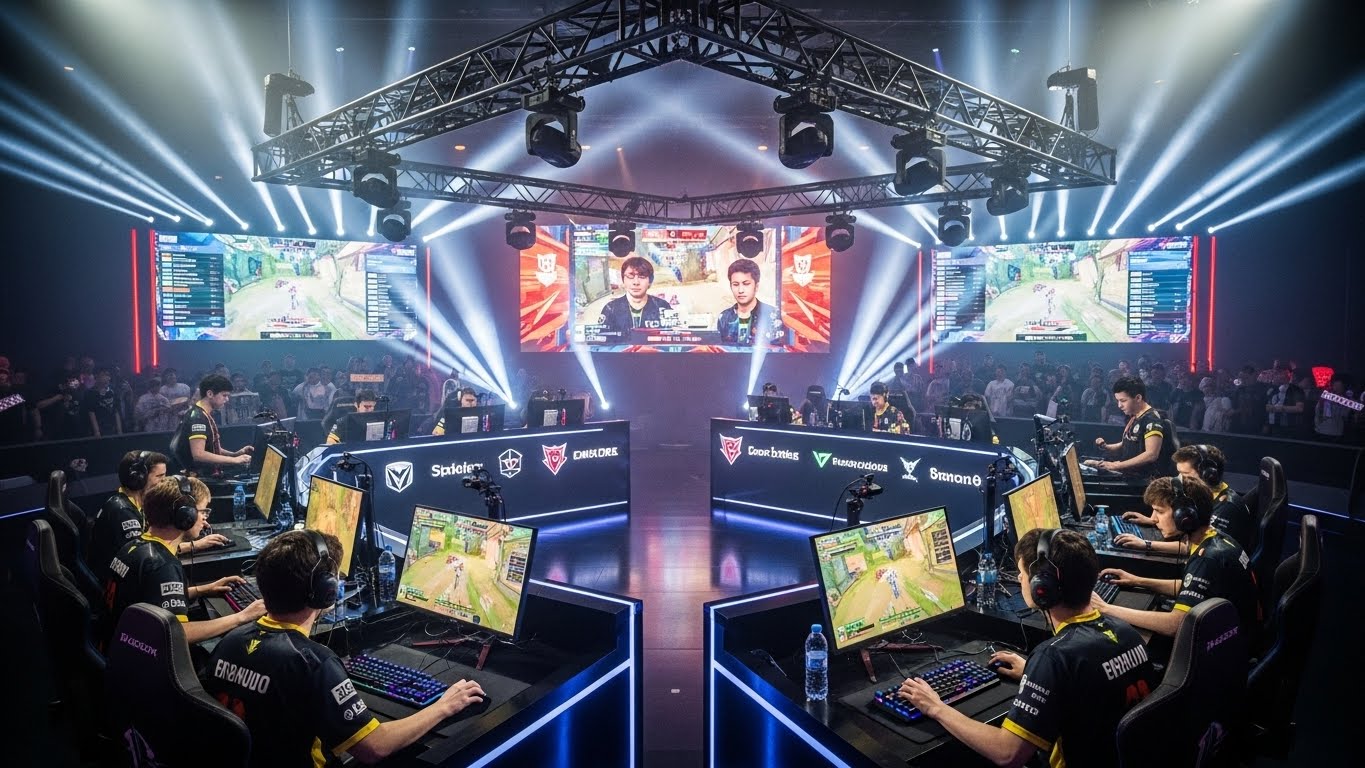
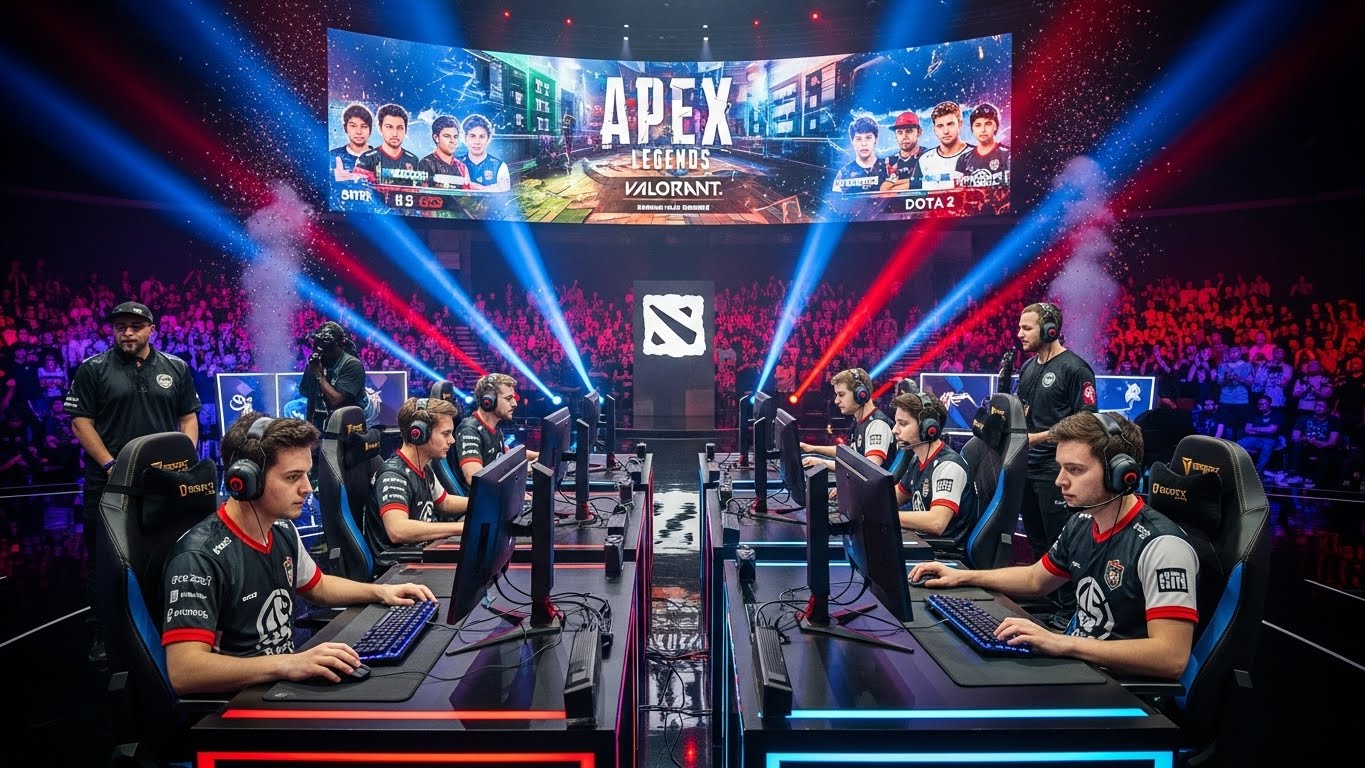
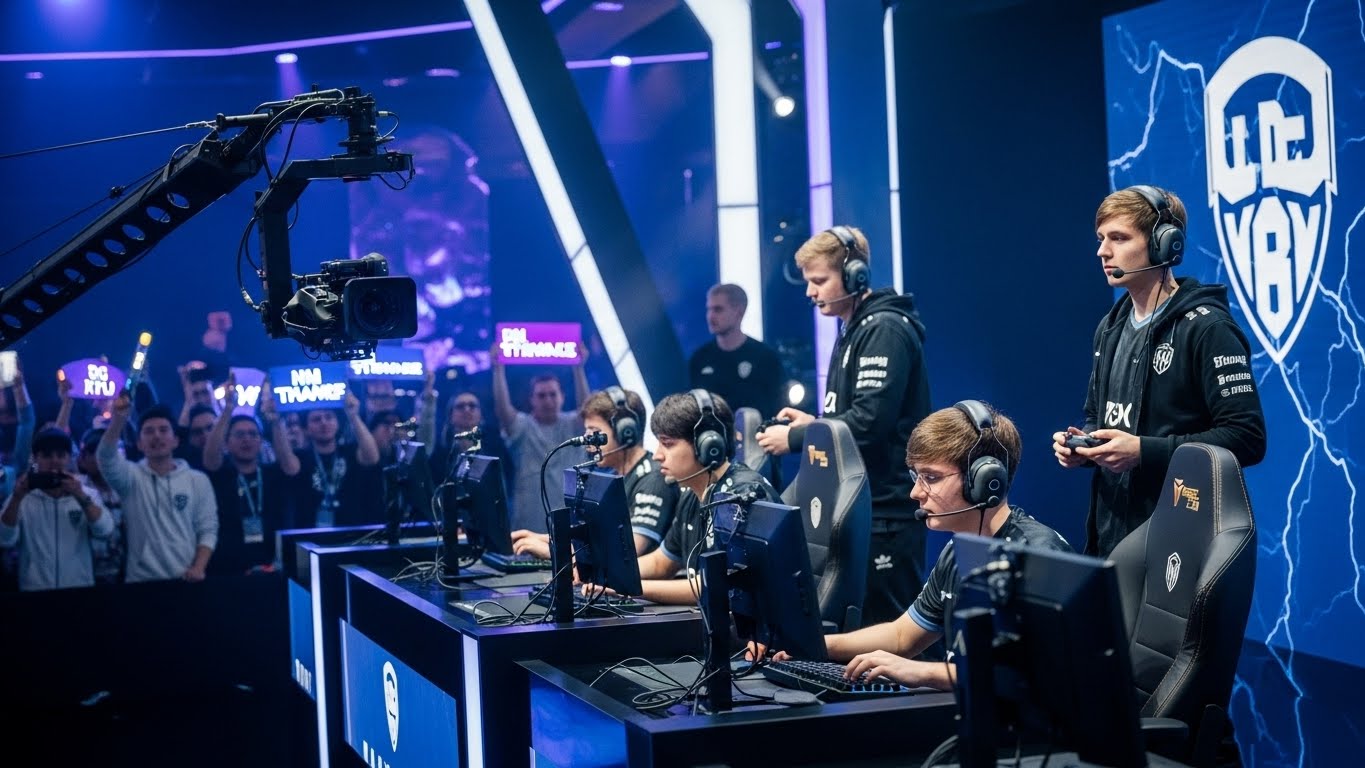
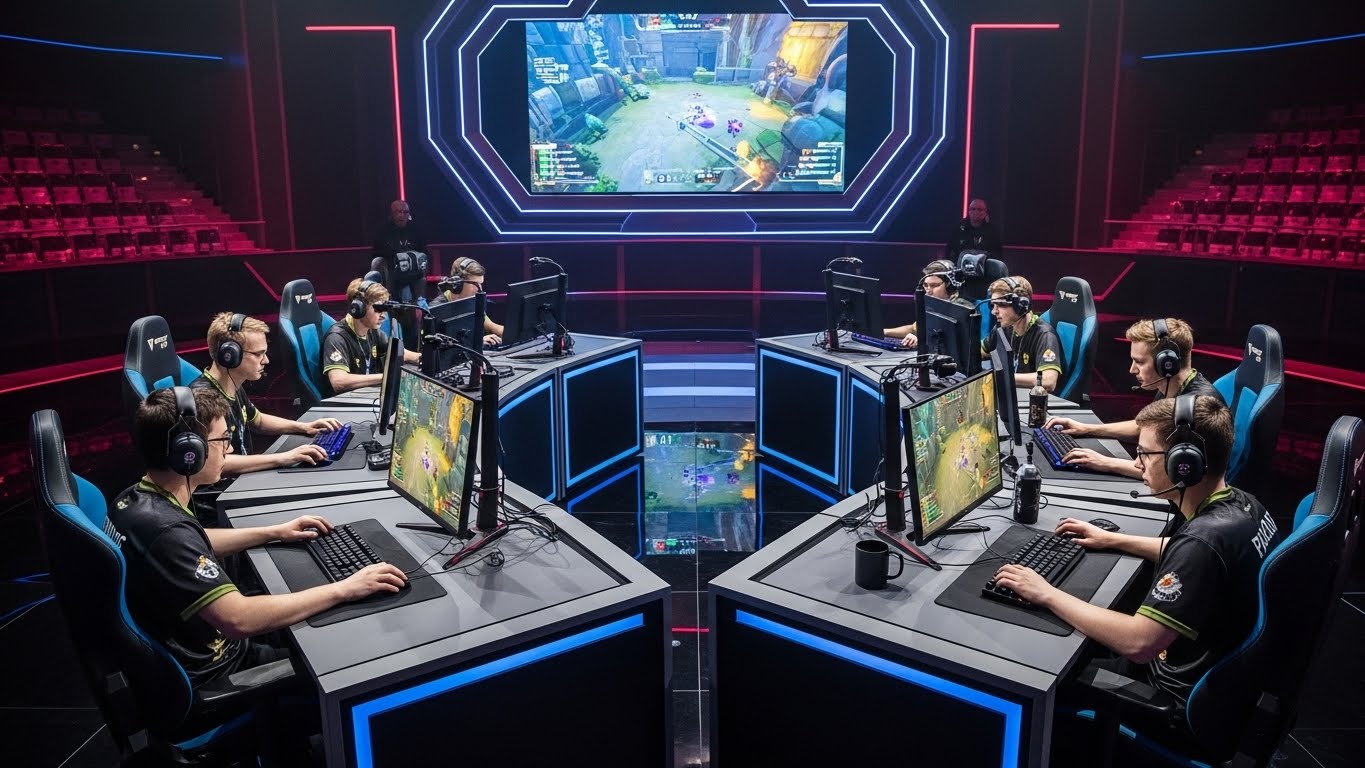
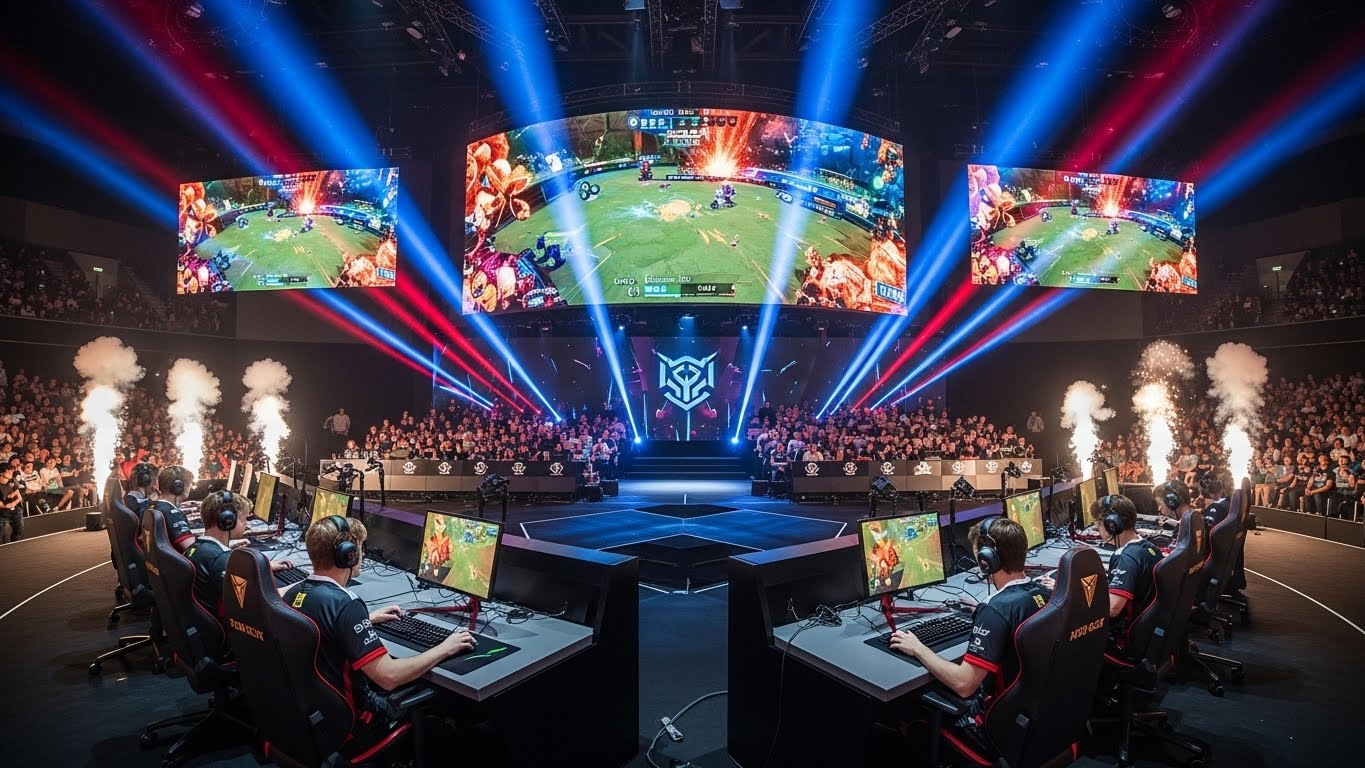
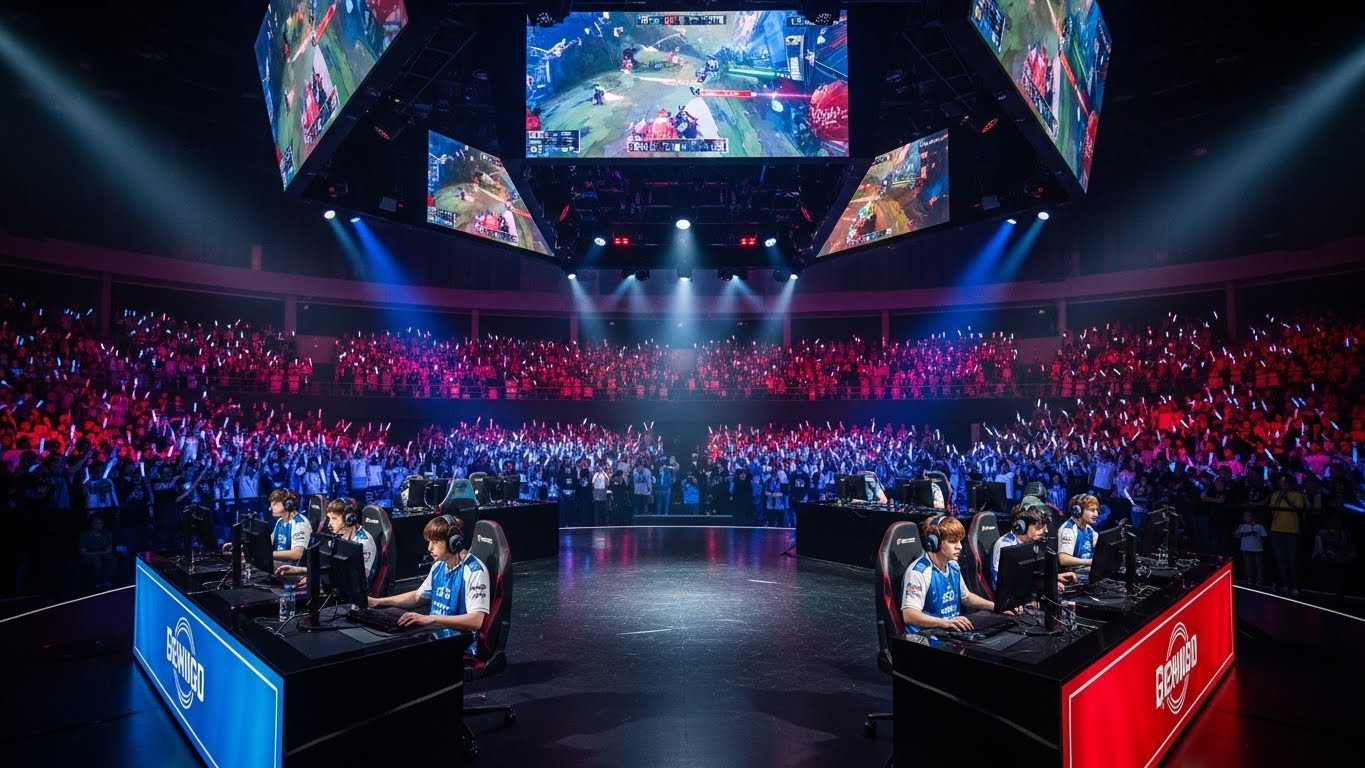
The world of competitive gaming, known as esports, has undergone a dramatic transformation in the past few decades, evolving from a niche pastime for a select group of enthusiasts to a multi-billion-dollar industry. Esports now has an extensive following, with millions of fans worldwide, professional athletes, sponsorships, and even university programs dedicated to it. With the advent of new technologies and the rise of streaming platforms like Twitch and YouTube, esports has solidified its place as a cultural force with massive global influence.
This blog post will explore the evolution of esports, the factors that contributed to its success, and the impact it has had on both the gaming community and the broader entertainment landscape.
The Origins of Esports: A Humble Beginning
Esports’ roots can be traced back to the 1970s and 1980s when gaming was in its infancy. The first known gaming competition took place in 1972, when Stanford University hosted the Intergalactic Spacewar Olympics. The game played was Spacewar, a popular arcade game at the time. While this early event was a small and isolated competition, it laid the foundation for what would eventually become a global phenomenon.
During the 1990s, arcade gaming was at its peak. As the internet began to spread globally, competitive multiplayer games began to emerge, and players could now compete against one another from different locations. Titles like Street Fighter II and Quake began to gain traction in competitive circles, and local LAN (Local Area Network) tournaments became increasingly popular.
However, it wasn’t until the early 2000s that esports really started to pick up steam. StarCraft, released in 1998, was a major turning point, particularly in South Korea. The game’s popularity led to the formation of the Korean eSports Association in 2000 and the establishment of professional StarCraft leagues, such as Proleague. The success of StarCraft in South Korea played a pivotal role in the development of esports, as it demonstrated that competitive gaming could be both profitable and sustainable.
The Rise of Online Platforms: Accessibility and Growth
With the rise of high-speed internet and the proliferation of gaming PCs, the early 2000s marked a significant shift in the accessibility of competitive gaming. The establishment of online gaming platforms like Battle.net (for Warcraft and StarCraft) and Xbox Live helped connect players worldwide, allowing them to compete without the need for physical LAN events. This expanded the player base of competitive games and facilitated the formation of online esports tournaments.
Additionally, streaming platforms like Twitch, founded in 2011, were instrumental in the growth of esports. Twitch allowed fans to watch their favorite players and teams in real time, creating an entirely new type of fan engagement. Streamers became celebrities in their own right, with some even making full-time careers out of broadcasting their gameplay. As esports events began to be streamed live, the viewership skyrocketed, leading to a greater focus on professional leagues and international competitions.
Key Milestones in Esports Growth
Esports reached several key milestones in the 2010s that contributed to its explosive growth. One of the most notable events was the creation of the League of Legends World Championship, which started in 2011. League of Legends (LoL), developed by Riot Games, quickly became one of the most popular and competitive games in the world. The LoL World Championship, often referred to as ** Worlds**, is now one of the most-watched esports events globally, with millions of viewers tuning in to watch the top teams compete for the coveted title.
The Dota 2 International tournament, another major milestone, began in 2011 and was one of the first esports tournaments to feature a multi-million-dollar prize pool. In fact, the prize pool for Dota 2‘s International tournaments has continued to break records, with the 2021 prize pool exceeding $40 million. These tournaments not only generated massive viewership but also provided a glimpse into the potential earnings of professional esports players, further elevating esports as a legitimate career path.
Overwatch, Fortnite, and Call of Duty also emerged as major players in the esports scene in the late 2010s, each with their own dedicated player bases, fan communities, and major competitive events. The rapid expansion of esports across multiple genres—ranging from battle royales and MOBAs (Multiplayer Online Battle Arenas) to first-person shooters—helped cement esports as a multi-faceted industry, appealing to various types of gamers and spectators.
Esports as a Career Path: The Professionalization of Gaming
As esports continued to grow, it became increasingly clear that professional gaming was no longer just a hobby. Esports athletes, or professional gamers, now compete in major tournaments with sponsorships, salaries, and contract deals. These athletes often dedicate their lives to improving their skills, practicing daily for hours on end, and competing in global competitions.
Many top-tier esports players also rely on streaming platforms like Twitch or YouTube to supplement their income. Streamers can generate revenue through sponsorships, advertisements, and donations from their fans. For some, these streams have become even more lucrative than tournament winnings, with some high-profile streamers earning millions annually.
Alongside individual players, esports teams have become increasingly prominent. Just as in traditional sports, esports teams compete in leagues and tournaments for prize money and sponsorship deals. Major organizations like Team Liquid, Cloud9, and Fnatic have become household names within the esports community, signing talented players from around the world and cultivating their own brands.
The Impact of Sponsorships and Partnerships
A crucial element of the growth of esports is the involvement of major corporate sponsors. Companies from various industries, including tech, beverage, automotive, and apparel, have recognized the massive potential of esports and have invested heavily in the scene. Brands like Intel, Red Bull, Nike, and Coca-Cola are just a few examples of multinational corporations that have entered the esports ecosystem.
Sponsorship deals often include logo placements on team jerseys, tournament broadcasts, and player profiles. In return, sponsors gain access to a young, tech-savvy, and highly engaged audience—traits that are highly desirable for marketing purposes. These partnerships have not only helped esports grow but have also legitimized it as a mainstream form of entertainment.
In addition to traditional sponsors, many game developers and publishers also play a pivotal role in the esports scene. Companies like Riot Games, Valve, and Blizzard have invested heavily in creating and maintaining competitive ecosystems for their games. They often organize and fund major tournaments, set up competitive leagues, and provide tools for broadcasters and players alike.
The Cultural Influence of Esports
Beyond its economic and professional impact, esports has had a profound cultural influence. Esports has become a global community, uniting players from diverse backgrounds, cultures, and countries. The rise of esports has also led to an increased acceptance of gaming as a form of legitimate entertainment, breaking down some of the historical stigma associated with gaming.
In addition, esports has helped promote a shift in traditional sports culture. Many fans now watch esports events in the same way they would watch traditional sports like basketball or football. Esports is also integrated into mainstream entertainment, with celebrities and influencers participating in esports tournaments and events. Furthermore, as esports has gained popularity, it has sparked discussions around mental health, athletic performance, and work-life balance, similar to the issues faced by professional athletes in traditional sports.
The Future of Esports: A Growing Global Industry
As we look to the future, it’s clear that esports is here to stay. The industry is projected to continue growing, with more investment pouring into both grassroots and professional levels of competition. As technology continues to improve, esports will likely see new innovations in areas such as virtual reality (VR) and augmented reality (AR), which could change how competitive gaming is played and experienced.
One of the most exciting developments in esports is its growing presence in higher education. Many universities and colleges now offer esports scholarships, and some even have fully equipped esports arenas where students can compete and train. This shift is helping to legitimize esports as a serious career path, not just for players but also for those interested in roles like coaching, event management, and broadcasting.
Esports is also set to continue expanding globally. Countries like China, South Korea, and the United States have been at the forefront of esports development, but regions such as South America, the Middle East, and Africa are rapidly catching up. With new markets opening up, the potential for esports to reach an even wider audience is immense.
Conclusion: Esports as a Cultural Mainstay
Esports has come a long way since its early days of informal competitions and hobbyist gatherings. Today, it is a multi-billion-dollar industry with millions of players, fans, and stakeholders involved. Esports has reshaped the gaming landscape, creating new career opportunities, fostering global communities, and challenging traditional notions of entertainment and competition.
As the industry continues to grow and evolve, it’s safe to say that esports will play an integral role in the future of both gaming and global entertainment. For fans and players alike, the world of esports is only just getting started, and the possibilities for innovation and excitement are endless.