 championcast96
In a world where digital realms hold as much sway over our lives as the physical world, esports has emerged not merely as entertainment but as a cultural, economic, and social phenomenon. From once being dismissed as a pastime for recluse gamers to now commanding global audiences in stadiums filled with roaring fans, esports has rewritten the narrative of competition, community, and identity. In this blog post, we will explore the evolution, influence, and future of esports, and why it matters in today’s world.
1. The Evolution of Esports: From Backyard LAN Parties to Global Arenas
Early Beginnings: Arcade Competitions and LAN Roots
Esports did not spring into creation overnight. Its roots dig deep into the era of arcades and local tournaments where players would gather, quarter in hand, and challenge each other in games like Street Fighter, Mortal Kombat, and later, Counter‑Strike and Quake. In these early gatherings, the seeds of competition, fandom, and community were sown.
The advent of Local Area Networks (LANs) allowed players in the same location to play together in competitive environments. These LAN parties became the nucleus of what would later be formalized into professional tournaments. Gamers traded floppy disks, patched game versions, and huddled around CRT monitors, all in the name of challenging their friends in virtual combat.
The Rise of Online Competitive Gaming
As internet connectivity became more widespread and affordable, multiplayer online games surged in popularity. Games like StarCraft, Warcraft, and later League of Legends, Dota, Counter‑Strike: Global Offensive, and Overwatch began to garner mass followings. Online leaderboards, ladders, and ranking systems gave structure to competition.
Through this shift, a new ecosystem was born: clans, guilds, official tournaments, and broadcasting. Platforms where matches could be watched — first via live streams, then through dedicated broadcast services — created a spectator culture around games. As prize pools swelled and sponsorships trickled in, organizers began structuring tournaments like traditional sports.
Mainstream Recognition and Explosive Growth
In the 2010s, esports entered a new phase. Big investment funds, media corporations, and tech giants noticed that competitive gaming had serious potential. Franchised leagues, team ownerships, sponsorships, and merchandise deals started to mirror the systems of more traditional sports.
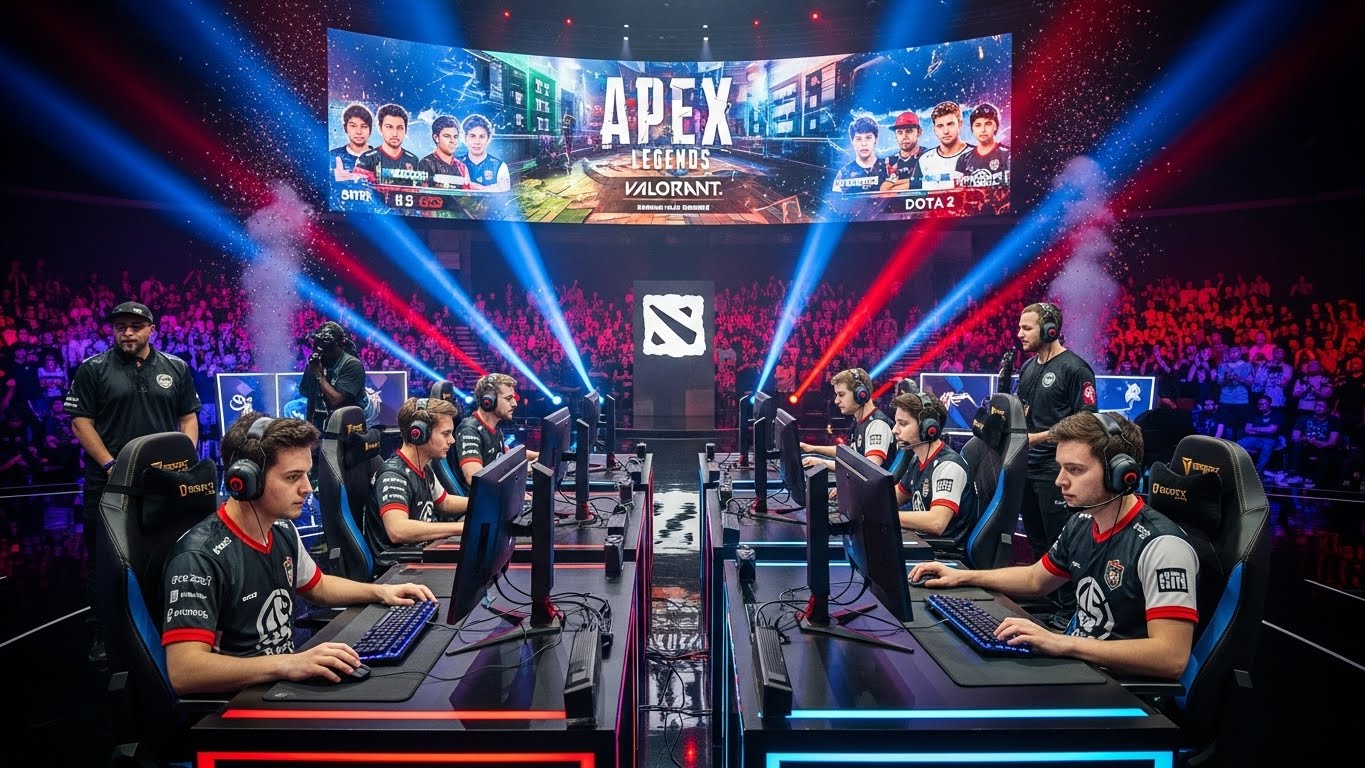
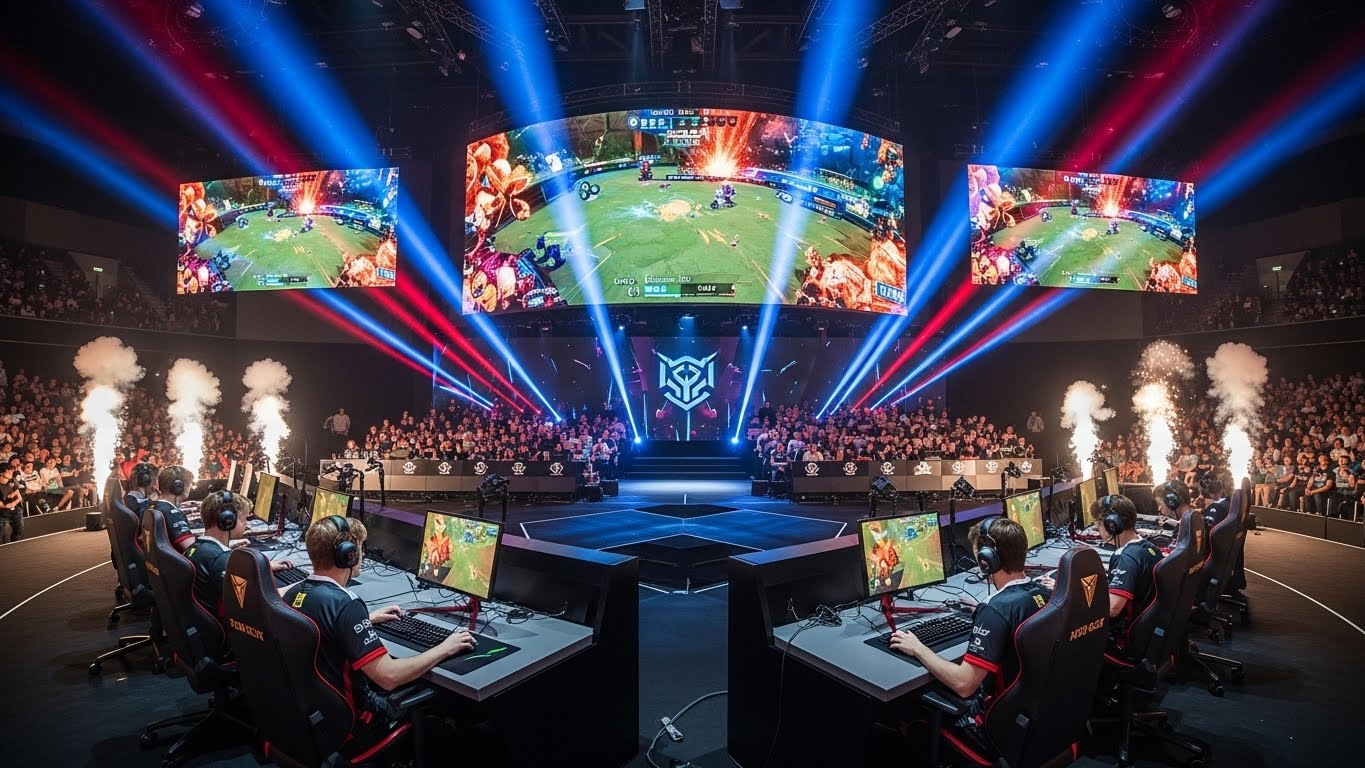
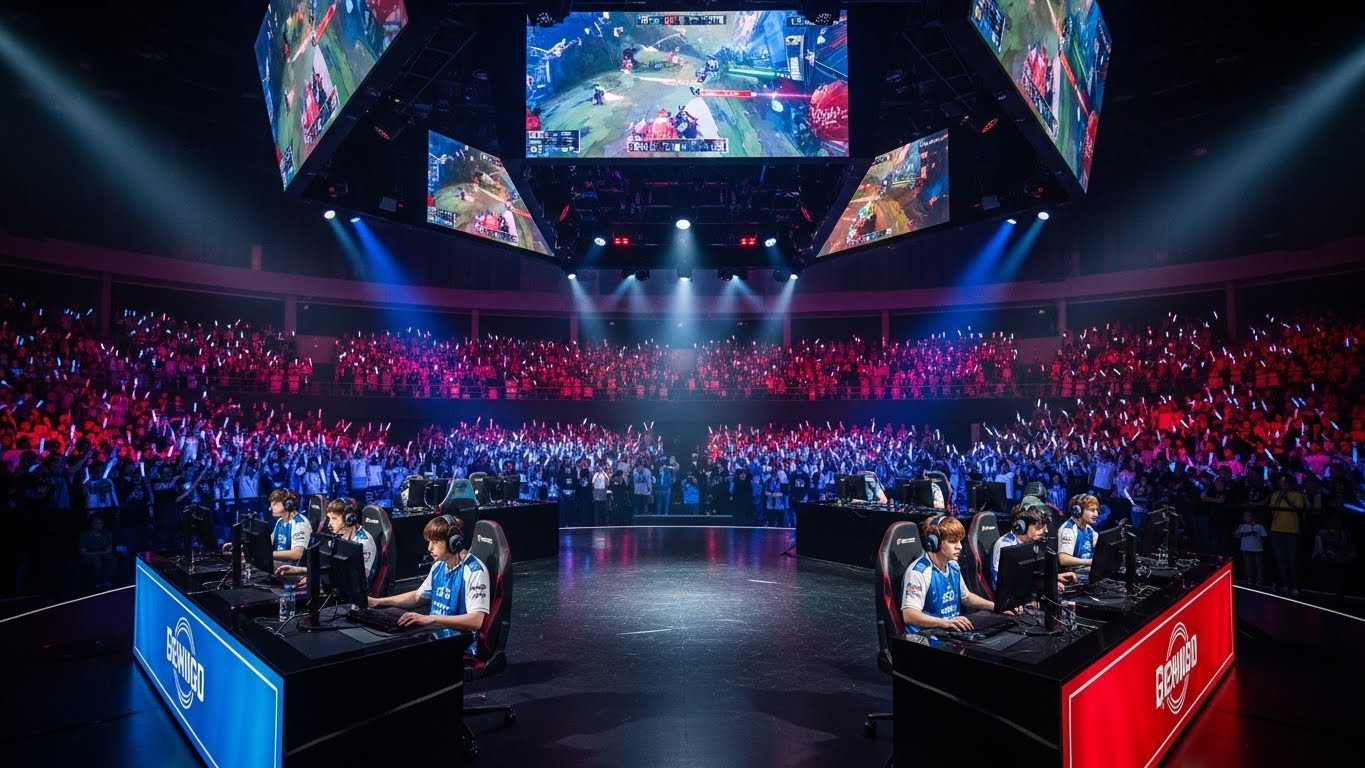
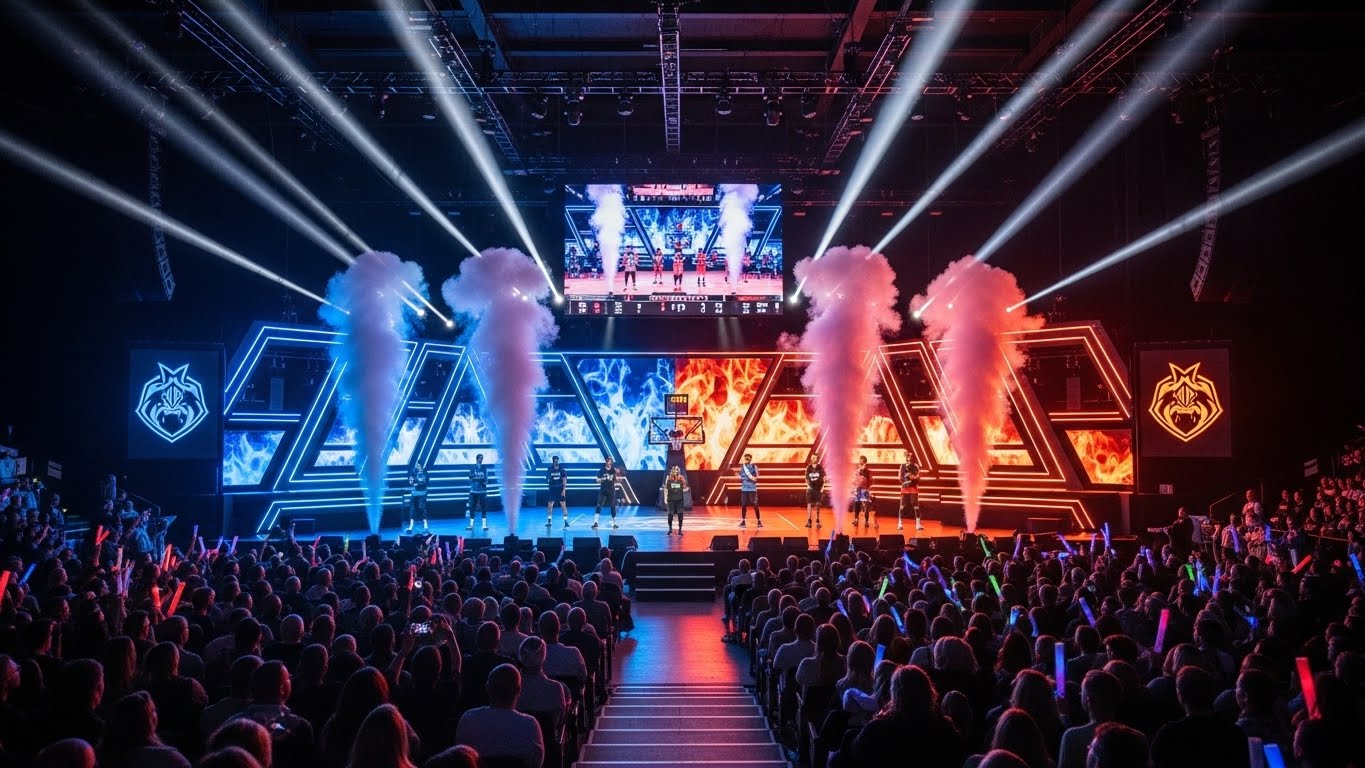
Stadium events selling out with tens of thousands of fans, multimillion‑dollar prize pools, celebrity endorsements, and broadcasting deals cemented esports as a legitimate entertainment industry. Esports no longer whispered of passion and hobby: it proclaimed itself as a serious, high‑stakes arena.
2. The Ecosystem of Esports: Players, Teams, Organizers, Audiences
Players and the Journey to Professionalism
The heart of esports lies in its players. Talent in this space needs a combination of reflexes, strategic thinking, communication, consistency, and mental resilience. Young aspirants often begin by grinding ranked matches, joining amateur teams, entering local competitions, and gradually building reputations on streaming platforms.
To break into the professional scene, one typically needs:
- A specialization in a particular game or role
- Networking within the community
- A track record of tournament placements
- Exposure through content creation (streaming, video creation)
- A chance encounter or invitation to a professional team or trial
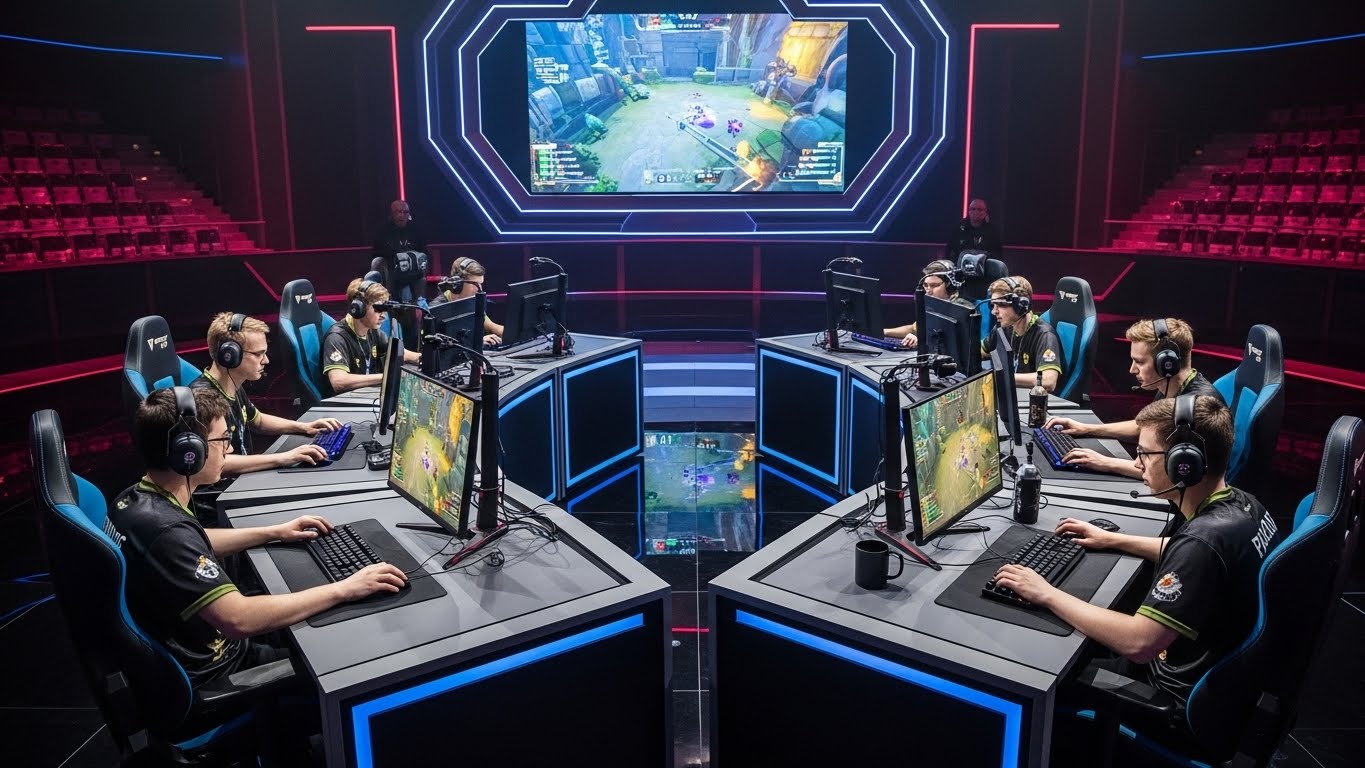
Once inside professional ranks, players often endure intense schedules: scrimmages, team practice, media duties, fitness routines, and travel. The life of a pro is not free of sacrifice, but for many, the thrill of competing on the global stage is worth every bit of effort.
Team Organizations: More than Just Players
Teams in esports serve as both houses for talent and brands. A team’s infrastructure often includes:
- Coaching staff (head coach, assistant coaches, strategists)
- Analysts and data scientists
- Physical trainers, nutritionists, and psychologists
- Content creation teams (video editors, social media managers)
- Marketing, sponsorship, legal, and operations staff
These teams invest heavily in their players not just for immediate performance but also for long‑term brand value. They build merchandise, content, partnerships, and fan communities.
Tournament Organizers and Leagues
The structure of competition in esports hinges on organizers and leagues. These might be global tournament series, regional leagues, or franchised models. Organizers are tasked with:
- Designing formats (group stages, knockouts, round robins)
- Managing logistics (venue, production, broadcasting, scheduling)
- Securing sponsors, media deals, and licensing
- Ensuring competitive integrity (anti‑cheat systems, fair play rules)
- Marketing the event to fans
A single marquee tournament can span days, involve dozens of teams, demand thousands of hours of production, and cost millions to run. Yet the payoff — in viewership, brand exposure, and ticket sales — can be enormous.
The Audience and Fan Culture
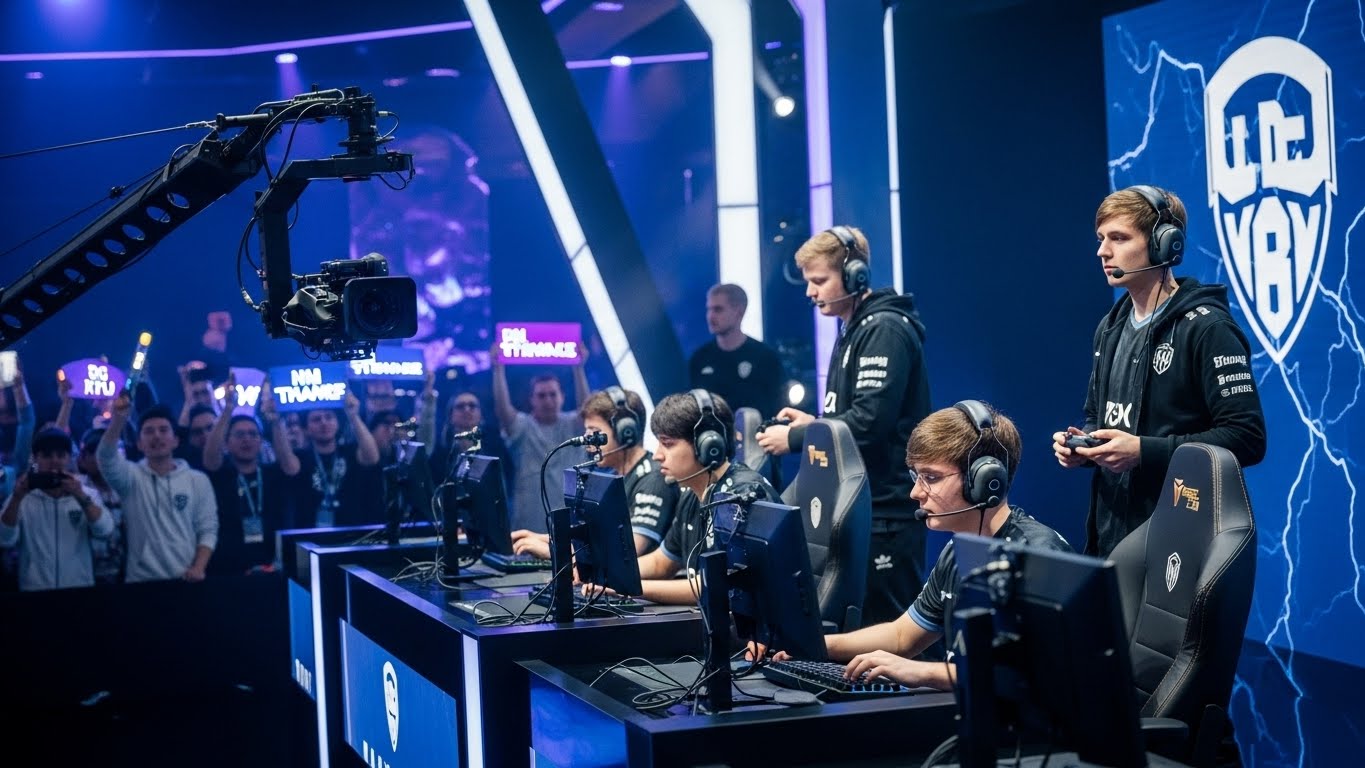
Perhaps the most dynamic force in esports is the audience. Esports fans are vocal, connected, and highly engaged. They consume matches via streams, engage through live chat, vote in interactive polls, buy team jerseys, and participate in community forums.
Fan expectations have evolved too. Audiences seek not only thrilling gameplay, but behind‑the‑scenes content, player streams, documentaries, and interactive experiences. In many ways, fans participate in the story — they follow narratives, support rivalries, and even feel a part of a team by association.
3. Why Esports Matters: Cultural, Economic, and Social Impacts
Cultural Legitimacy and Changing Perception
There was a time when competitive gaming was mocked or dismissed. Today, it sits alongside traditional sports in public consciousness. Young people growing up see their idols being pro gamers, commentators, and content creators. Esports challenges the stereotype that video games are idle distractions. It demonstrates that passion, discipline, and talent can find expression in digital battlefields too.
Moreover, esports fosters cross‑cultural interaction. A player in Pakistan can compete against someone in South Korea or Europe. Fans from diverse nations cheer in the same livestream chat. The digital medium removes geographic barriers and builds a global community.
Economic Opportunities and Innovation
From a business perspective, esports is fertile ground. It spans multiple revenue streams:
- Sponsorships and advertising
- Media rights for broadcasts
- Ticketing and in‑venue sales
- Merchandise and licensing
- Franchising and team equity
- Digital goods, skins, and in‑game purchases
- Content creation and influencer marketing
The rapid growth in viewership invites brands to invest in reaching younger, engaged demographics. Innovation follows: new platforms for streaming, technologies for virtual production, data analytics for performance, and VR/AR hybrid competition formats.
Educational and Career Pathways
Beyond celebrity players, esports opens doors for careers behind the screen:
- Game design, development, and balancing
- Broadcast production, direction, and camera work
- Video editing, graphic design, and motion media
- Data analysts, performance coaches, and strategists
- Community management, social media, and marketing
- Event logistics, operations, and venue management
Universities and institutions in some countries now offer scholarships or degree programs related to esports. This integration into academia shows that gaming is not trivial, but a lens through which to develop technical, communicative, and managerial skills.
Social and Psychological Dimensions
Esports communities can provide belonging, socialization, and identity, especially for youth who might feel marginalized elsewhere. The sense of achieving something, improving, earning recognition — it mirrors the motivational frameworks found in traditional sports and other competitive pursuits.
Yet there are caveats. Repetitive stress injuries, gaming addiction, burnout, mental health strains, and toxicity in communities are real issues. Responsible organizations, teams, and stakeholders must address player welfare, enforce codes of conduct, and provide mental health support.
4. Pillars of Success in Esports: What Separates Champions
Mastery, Practice, and Deliberate Training
Natural reflexes are not enough. Elite players follow structured training regimens. These include:
- Warmups and reaction drills
- Scrimmages (practice matches against other teams)
- Review and analysis of game replays
- Strategy development and planning
- Specialized practice for role or map types
Deliberate practice means focusing on weaknesses, breaking down mistakes, and applying iterative improvement.
Adaptability and Meta Awareness
Games evolve continuously. Patches, balance updates, new maps, new characters — each shift changes the “meta” (the state of optimal strategies). A top team must adapt fluidly, adjust playstyles, and innovate tactics.
Teams dedicate analysts and strategists to monitor patch notes, meta trends, and opponent behavior. Understanding macro shifts can be just as valuable as mechanical skill.
Communication, Synergy, and Team Chemistry
In team esports, synergy matters. Two mechanically gifted players cannot win if they don’t coordinate. Mid-match communication, planning in pauses, rotational awareness, and trust are essential.
Teams often do team building, conflict resolution, role clarifications, and sometimes even counseling to maintain harmony. Perfect chemistry can translate to split‑second decisions and clutch performances.
Mental Fortitude and Resilience
The competitive spotlight brings pressure. Slumps, setbacks, tilts (emotional frustration), and burnout are common. Resilience is what separates the long‑term champions from flash‑in‑the‑pan stars.
Some strategies for mental strength include:
- Visualization and mental rehearsals
- Mindfulness, meditation, or breathing exercises
- Time off and rest periods
- Support systems (coaches, psychologists, peer mentors)
- Emotional regulation training
Infrastructure, Resources, and Support
Even a brilliant roster can falter without infrastructure. Training houses, stable internet connectivity, practice servers, performance hardware, nutrition and medical care — all contribute.
Top teams often maintain bootcamps (intensive training camps) prior to major tournaments to focus, avoid distractions, and tighten synergy.
5. Challenges and Criticisms Facing Esports
Sustainability and Economic Viability
While blockbuster events flourish, many grassroots tournaments, smaller teams, and niche games struggle financially. Sponsorships ebb and flow. Media rights can be hard to lock in. Some esports initiatives have failed because initial hype didn’t translate into a solid revenue foundation.
Ensuring long‑term sustainability across levels of competition remains a challenge.
Player Burnout, Short Careers, and Welfare
Many professional players retire early—some in their early twenties. The toll of stress, repetitive strain injuries, and mental burnout can end careers prematurely. In many regions, players are not guaranteed comprehensive support, contracts can be exploitative, and retirement pathways are ill defined.
The industry must prioritize player welfare, enforce fair contracts, and create post‑career opportunities.
Inclusivity, Diversity, and Toxicity
Gaming spaces can sometimes become toxic — hatred, harassment, sexism, racism. Underrepresented groups (women, LGBTQ+, some nationalities) often encounter gatekeeping or discrimination.
Esports needs strong policies, better moderation, and culture change to ensure it is inclusive and welcoming to all.
Game Publisher Control and Ecosystem Risks
Because most esports scenes are built around games controlled by publishers, the ecosystem depends heavily on the business decisions of those publishers. Pants could pull the rug: a publisher might change licensing, shut down servers, ban content, or rework game mechanics in ways that destabilize competitive scenes.
Teams and leagues must navigate that dependency carefully.
Regulatory and Governance Concerns
Esports spans many jurisdictions, with little unified governance. Issues like gambling on matches, match‑fixing, doping (performance enhancement), minors playing for money, and broadcasting rights complicate the landscape. Some regions might require stricter regulatory oversight; others embrace more laissez faire models.
6. Esports in the Global Landscape: Regional Highlights and Trends
Asia: The Powerhouse of Competitive Gaming
Countries like South Korea, China, and Southeast Asia have deeply integrated gaming into culture, infrastructure, and youth life. In South Korea especially, esports enjoy televisual status, celebrities among pro players, and institutional support.
In China, esports receives backing at governmental levels with the vision of being a national sport. Massive audiences, robust infrastructure, and high investment levels make Asia one of the dominant regions in the global esports industry.
North America and Europe: League Structures and Franchise Models
Western markets have leaned toward franchised models — e.g. city‑based esports teams akin to traditional sports clubs. League of Legends, Overwatch, Call of Duty, and other titles have launched franchise systems in NA and EU regions.
Here, media rights, content partnerships, and broadcast deals align esports more closely with mainstream entertainment.
Emerging Markets: Latin America, Middle East, South Asia
In regions such as Latin America, the Middle East, and South Asia, esports is growing rapidly from youth communities, mobile gaming, and grassroots tournaments. These regions provide opportunities for local talent, unique cultural styles, and new markets for teams, sponsors, and infrastructure growth.
As smartphone penetration rises, mobile esports also become a major driver of regional growth.
7. The Role of Streaming, Content Creation, and Influencers
From Competitor to Creator
Many pro players or aspiring gamers maintain a presence on streaming platforms. Streaming provides:
- A direct connection with fans
- Secondary revenue (subscriptions, donations, ad revenue)
- Increased visibility, brand equity, and leverage in negotiations
Some players have built personal brands that rival their team brands in terms of influence.
Casters, Analysts, and Talent
Behind every broadcast are hosts, casters (play-by-play commentators), analysts, color commentators, stage hosts, and production staff. Their voices, energy, and storytelling elevate matches from mere gameplay to vibrant spectator experiences.
Many casters and analysts are former pro players or experts in the field, bridging technical insight with entertainment.
Content Ecosystem: Tutorials, Highlights, Documentaries
Beyond live matches, the content ecosystem is vast. Highlights, montages, tutorials, behind‑the‑scenes vlogs, player interviews, documentaries, and educational content all feed audience engagement.
Such content broadens reach — reaching casual viewers, potential players, or curious fans not deeply embedded in the competitive scene.
8. Future Directions: What Comes Next for Esports
New Modalities: VR, AR, and Hybrid Formats
Virtual reality and augmented reality are gradually seeping into gaming. Hybrid competition formats, combining physical interaction with digital gamestates, may emerge as next frontiers. Imagine arena‑scale VR leagues or AR overlays within stadium arenas.
Crossovers with Traditional Sports and Media
Already, some traditional sports franchises are acquiring esports teams. Sports broadcasters may further invest in esports broadcasting, and crossovers (e.g. celebrity matches, charity events) will continue to blend the worlds.
We may see esports integrated into larger entertainment complexes (stadiums, arenas, theme parks), combining physical and digital experiences.
Grassroots Growth, Education, and Scholarships
As universities and training institutions carve esports curricula, there will be expansion in formal education, pathing students into roles beyond pro play.
Grassroots growth will also deepen the base of talent, possibly leading to more diversity in games and competition formats.
Blockchain, NFTs, and Digital Ownership Models
Some stakeholders believe future monetization models may include blockchain or NFT components — unique digital assets, tournament passes, player cards, or in‑game memorabilia. Although controversial, such models might reshape revenue dynamics and fan engagement.
Sustainability and Infrastructure Maturation
For esports to remain healthy, maturity is needed in governance, player welfare, revenue distribution, and transparent operations. A stable economic structure across pro, mid, and amateur levels will help mitigate disparity and ensure growth.
9. Spotlight: Esports in Pakistan (or Emerging Country Context)
Current Landscape and Grassroots Efforts
In nations where esports is still gaining recognition, there exists a mix of grassroots tournaments, gaming communities, internet cafés hosting local LAN events, and rising content creators streaming gameplay.
Young gamers aspire to break into the larger scene, often balancing study or work with competitive ambition.
Challenges Unique to Emerging Markets
These include:
- Limited infrastructure (unstable internet, lack of high-end hardware)
- Financial constraints on teams, sponsors, and events
- Cultural perception challenges — gaming seen as distraction rather than opportunity
- Absence of institutional support or regulatory frameworks
- Difficulty in accessing global tournaments due to travel or visa constraints
Seeds of Hope and Success Stories
Yet in many emerging countries, local champions emerge. They create their own tournaments, collaborate with regional organizers, partner with tech brands, and spread awareness through content creation.
Once a single player or team gains international recognition, it inspires a generation and attracts more investment locally.
What Can Be Done to Foster Growth
- Universities and academies offering esports scholarships
- Partnerships with telecom and hardware companies to improve infrastructure
- Local sponsors (brands within the country) recognizing value in esports visibility
- Governmental support or tax incentives for esports events
- Mentorship programs connecting rising talent to established professionals
- Cross‑border collaborations with established leagues
10. Conclusion: Beyond Pixels — Why Esports Matters to Us
Esports is more than flashy matches or record prize pools. It represents a confluence of technology, culture, ambition, and community. For many people, it provides purpose, identity, and a stage for achieving excellence. It challenges traditional notions of athletics, pushing us to reconsider what “sport” means in a digital age.
Through the stories of players, teams, fans, and organizers, esports weaves narratives of perseverance, creativity, and connection. It also invites us to face real problems — burnout, inclusivity, governance, and sustainability.
If nurtured responsibly, esports can continue to be a powerful force: bridging digital and physical worlds, offering new careers, and cultivating global communities where, across continents and languages, people unite over the thrill of competition.
This is the world of esports — rising from pixels, fueling passions, redefining excellence.