 championcast96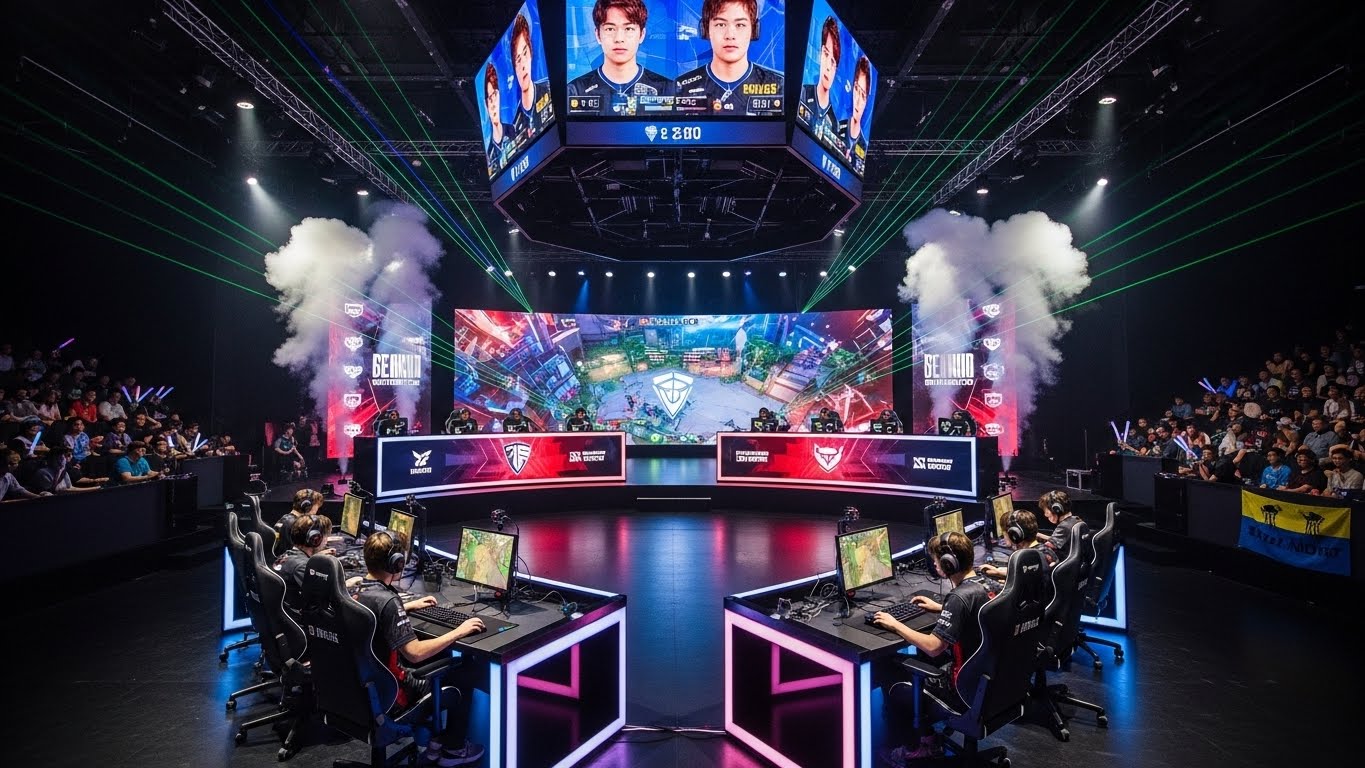
Introduction to the New Age of Competitive Gaming
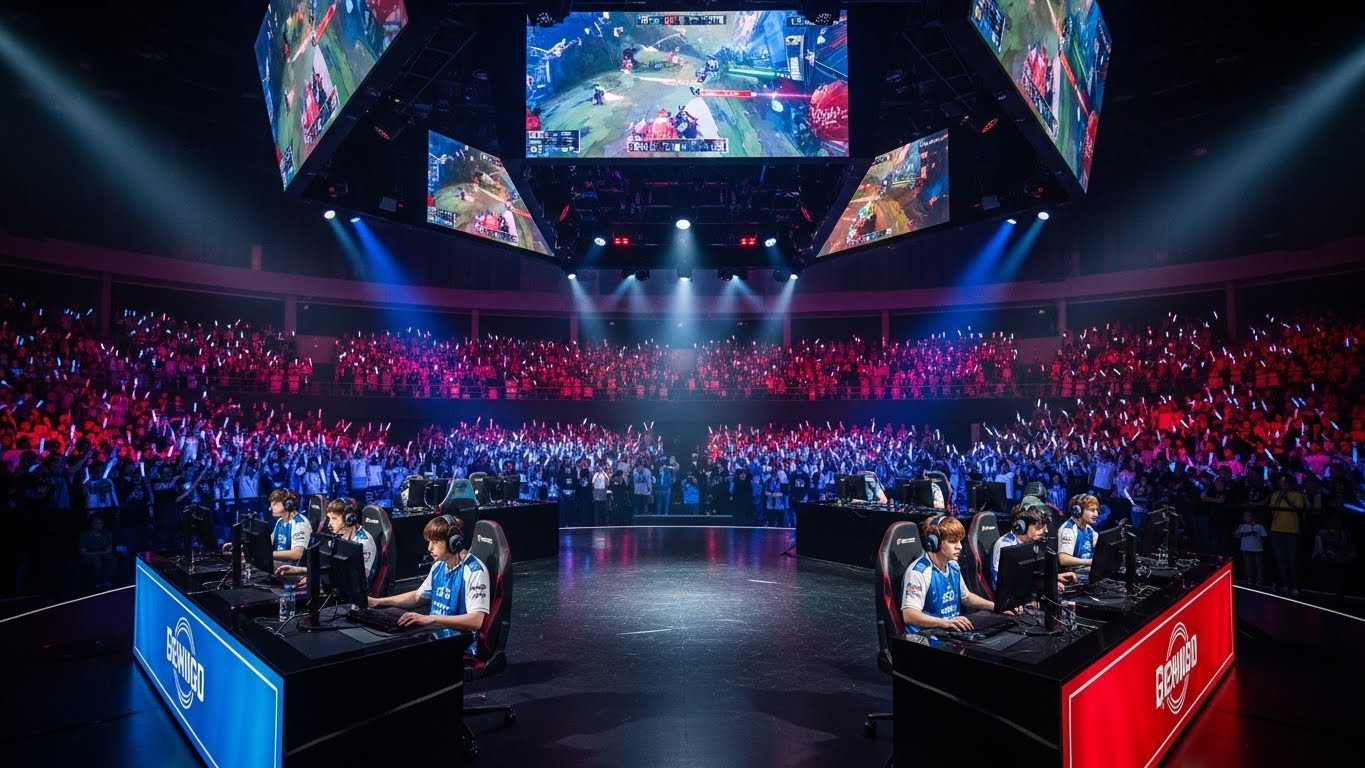
Esports has emerged as one of the most dynamic and influential industries of the twenty-first century. What was once viewed as a niche hobby has evolved into a vibrant arena where skilled players transform digital battlegrounds into stages of global competition. Esports represents more than just playing video games; it symbolizes strategy, precision, teamwork, and the push for excellence in virtual environments that demand real-world dedication.
The rapid expansion of esports has captured the attention of millions, uniting audiences across continents and reshaping entertainment. It stands at the intersection of technology, creativity, and sport, inviting players and fans into a fast-paced world where skill and innovation define success.
The Origins and Evolution of Esports
The rise of esports did not occur overnight. Its roots trace back to early arcade tournaments, where players competed for high scores and recognition. As personal computers and gaming consoles became mainstream, competitive gaming began forming communities centered around friendly rivalry.
In the late 1990s and early 2000s, online gaming opened new doors. Multiplayer titles allowed players to challenge opponents worldwide, leading to structured competitions and team-based play. Over time, esports became more organized with professional leagues, tournaments, and regulated competitive ecosystems.
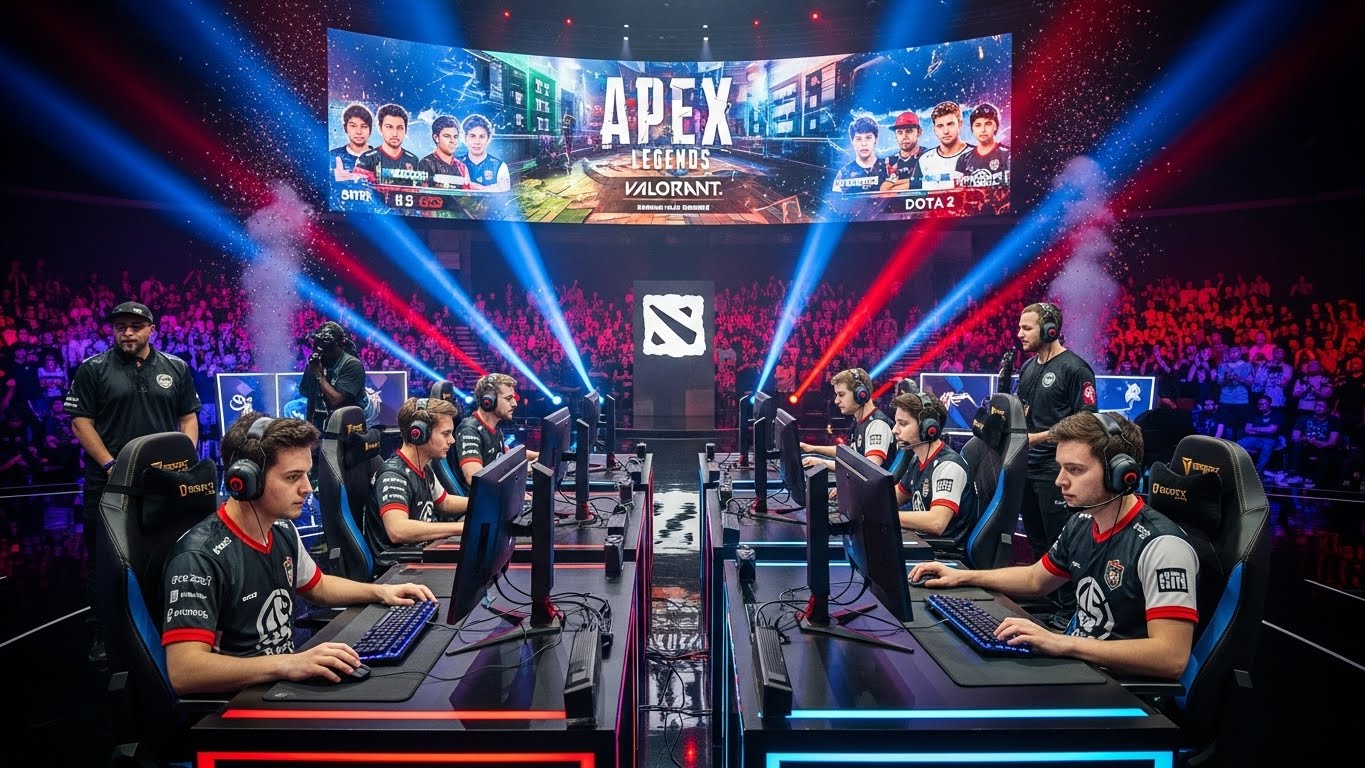
Today, esports is a global phenomenon supported by professional organizations, coaches, analysts, and millions of fans who watch matches with the same passion seen in traditional sporting events.
Understanding What Makes Esports Unique
Esports stands apart from traditional sports not because it replaces physical activity, but because it expands the definition of competition. Instead of relying solely on physical power or endurance, esports demands cognitive agility, rapid decision-making, hand-eye coordination, strategic thinking, and unwavering focus under pressure.
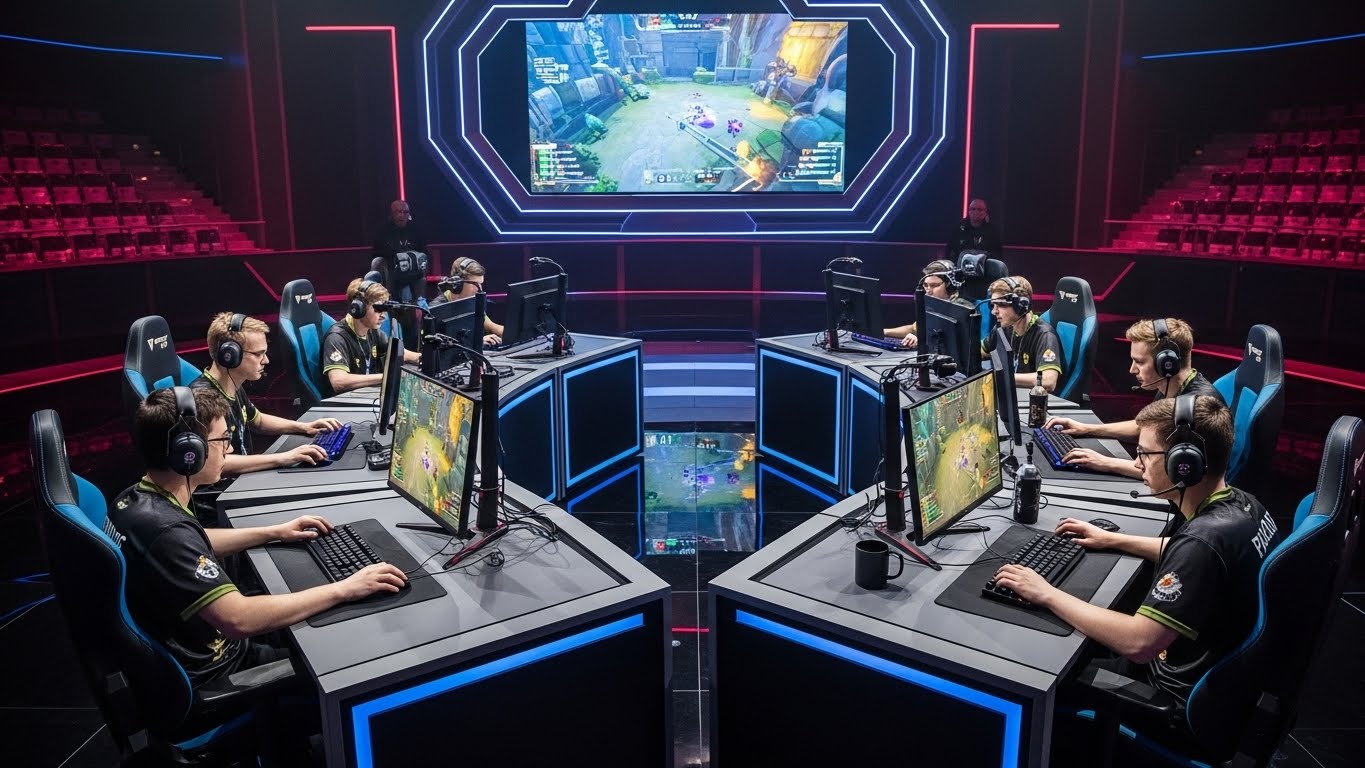
Players must analyze in-game situations within seconds, communicate effectively with teammates, and adapt strategies instantly. Every match is a mental battleground where timing, precision, and teamwork become critical tools for victory. This blend of strategy and fast-paced action is what makes esports uniquely captivating.
The Most Popular Esports Genres
Esports includes a wide range of game genres, each with its own mechanics and competitive scene. This diversity allows fans to find something that matches their personal taste, whether they enjoy strategy, action, or teamwork.
Multiplayer Online Battle Arena
Multiplayer online battle arena games emphasize strategy and coordination. Players control unique characters with specific abilities and must work together to outsmart opponents. These games showcase complex team play and strategic depth.
First-Person Shooters
First-person shooters test a player’s reflexes, accuracy, and tactical awareness. Teams compete in objective-based missions or direct combat scenarios. The intensity and speed of these games create thrilling spectacles for fans.
Battle Royale Games
Battle royale titles place numerous players into large maps where they must gather resources and eliminate opponents until only one remains. These games highlight adaptability and quick decision-making in unpredictable environments.
Sports and Racing Games
Digital versions of traditional sports and racing events also contribute to the esports landscape. These games replicate real-world physics and strategies, allowing players to compete in simulated environments with remarkable realism.
Fighting Games
Fighting games rely on fast reactions, precise input timing, and psychological mind games. Competitive matches in these games are intense and often decided by the smallest mistakes or moments of brilliance.
The Rise of Professional Esports Athletes
Esports athletes undergo rigorous training comparable to traditional sports professionals. They dedicate hours daily to mastering game mechanics, studying opponents, and improving communication with teammates.
Many teams employ coaches, analysts, nutritionists, and sports psychologists to ensure players remain at peak performance. Success in esports demands mental stamina, adaptability, and discipline as much as talent.
Esports pros achieve fame not only for their skill but also for their unique personalities and playstyles. Fans admire their dedication, celebrate their victories, and follow their journeys across competitive seasons.
The Global Esports Ecosystem
The esports ecosystem is vast, involving numerous industry elements working together to create a thriving environment for competition.
Teams and Organizations
Professional teams operate like traditional sports clubs, complete with management, training facilities, and sponsorship deals. They recruit skilled players, invest in training programs, and compete in multiple leagues.
Tournaments and Leagues
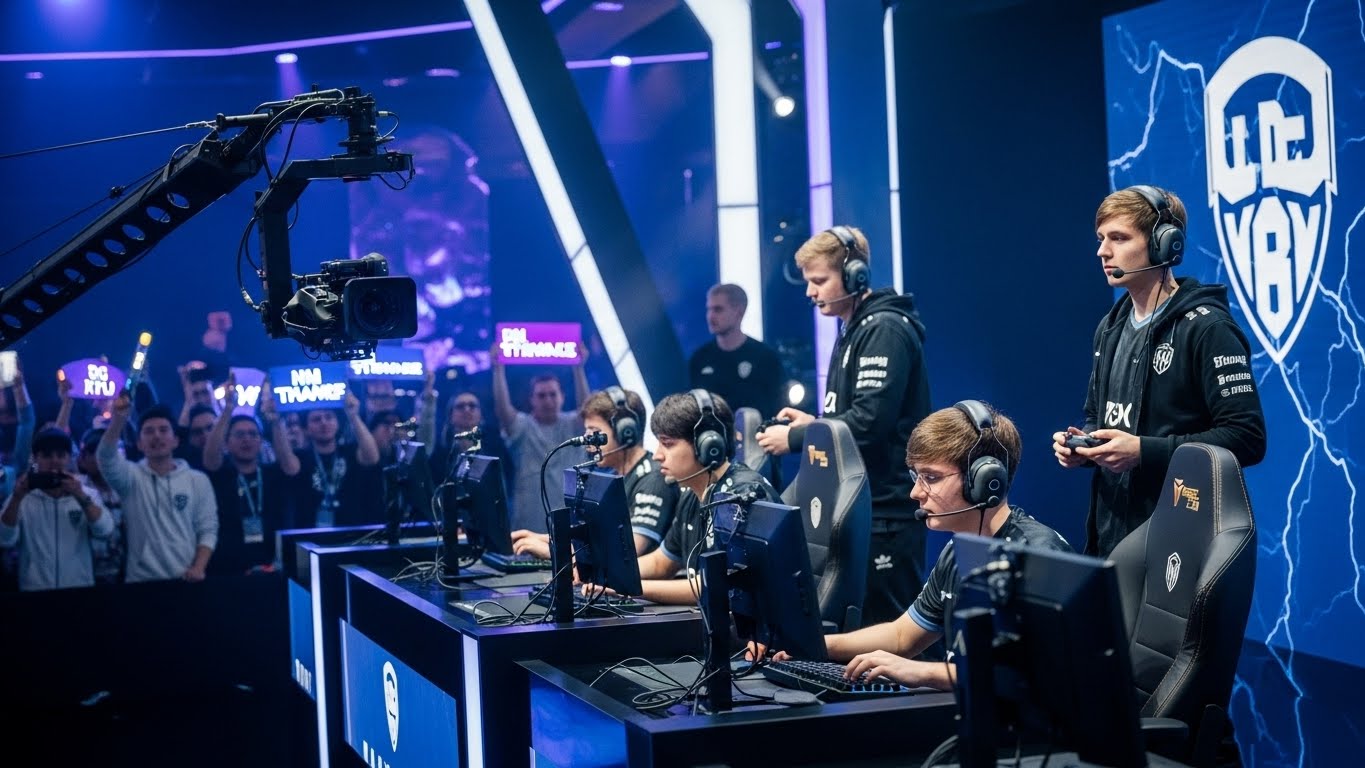
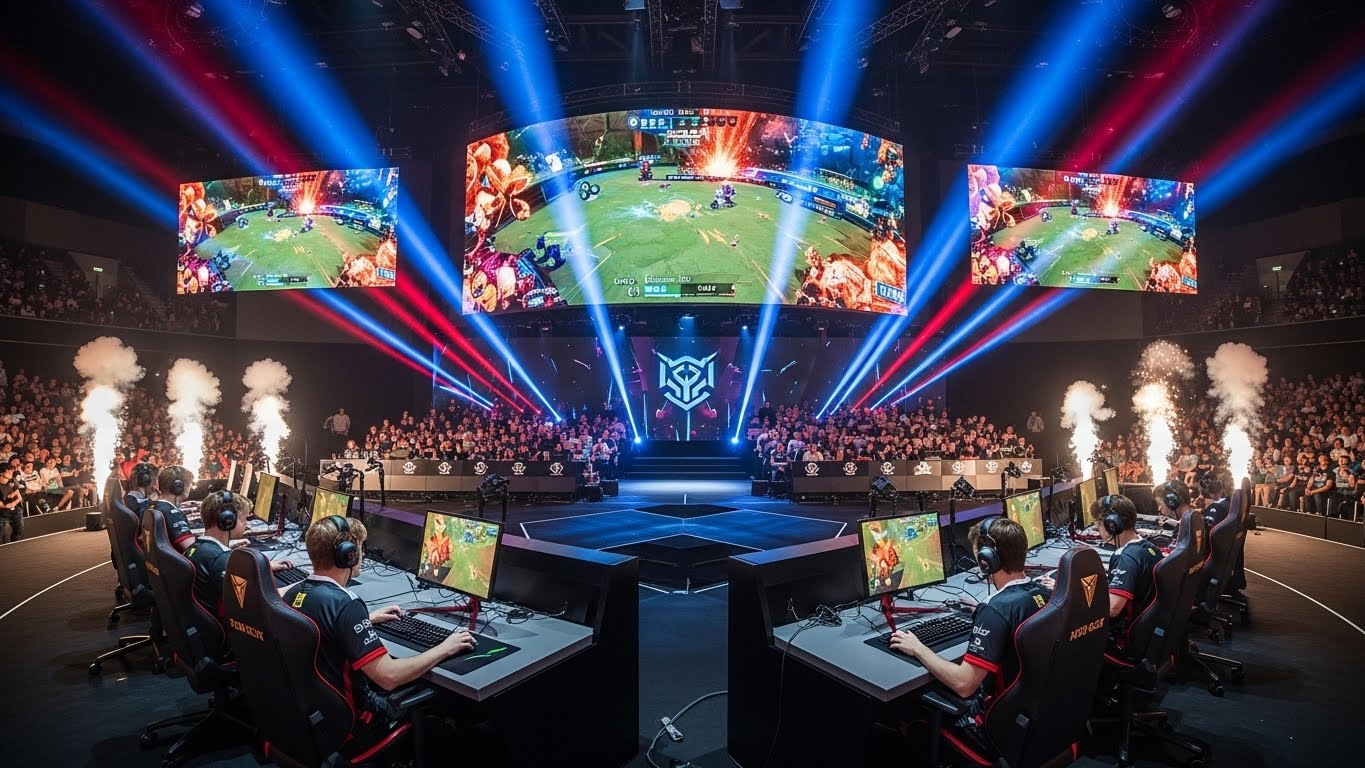
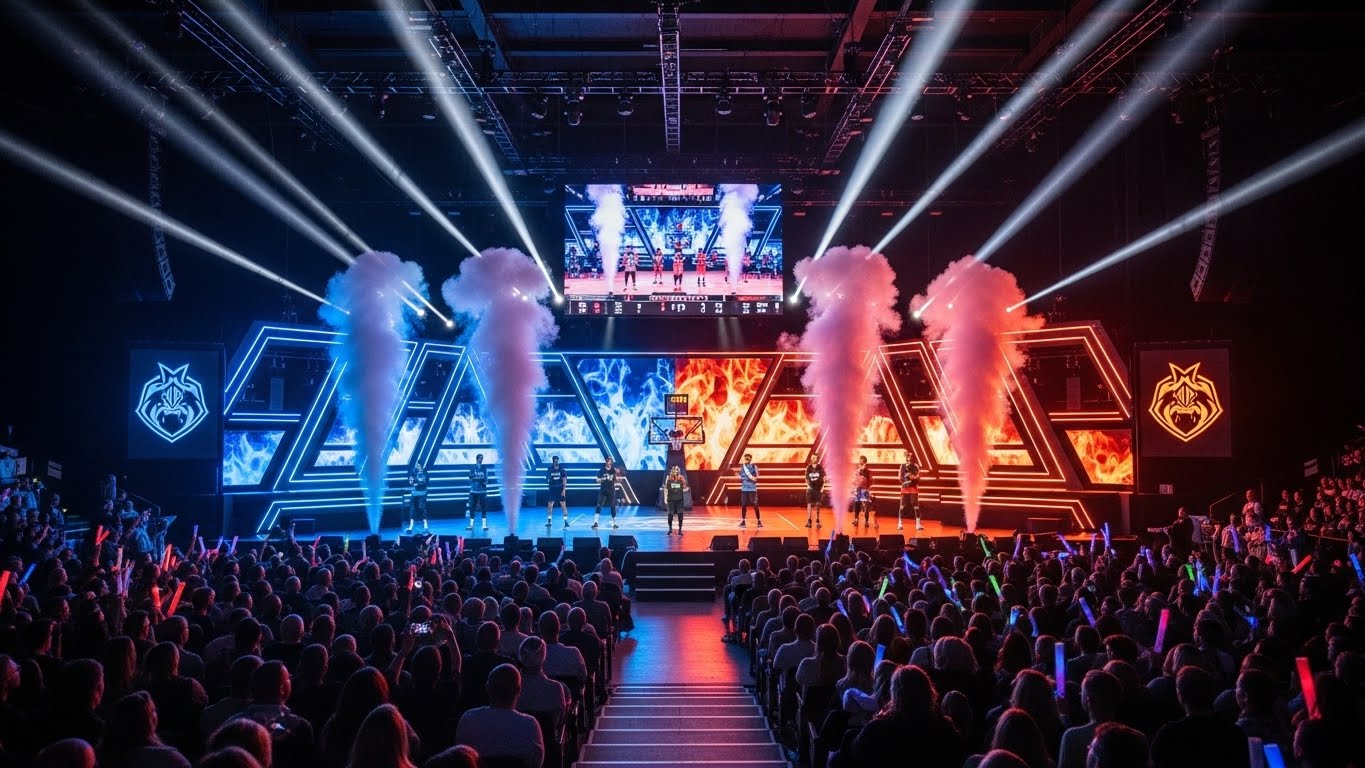
Competitive seasons are organized through global tournaments and regional leagues. These events attract massive viewership and elevate players to international recognition. Prize pools can reach significant amounts, reflecting the industry’s growth and competitiveness.
Commentators and Analysts
Commentators bring excitement to matches, explaining gameplay in ways that entertain both casual viewers and hardcore fans. Analysts break down strategies, spotlight player performances, and offer insights that enrich the viewer experience.
Content Creators and Streamers
Many esports players also create content, streaming their gameplay and offering tutorials or entertainment. This expands their influence and helps grow the gaming community.
Esports as a Cultural Phenomenon
Esports is more than competition; it has become a cultural movement influencing fashion, music, film, and youth culture. Clothing lines, music collaborations, and digital events reflect its widespread appeal.
Streaming platforms have helped esports grow into a mainstream form of entertainment. Fans can watch tournaments, interact with players, and participate in real-time discussions, creating a sense of belonging in global communities.
Esports enhances social engagement, allowing people with shared interests to connect across borders. The digital nature of esports removes geographical barriers and fosters inclusive communities built around passion and creativity.
Economic Impact of the Esports Industry
The esports industry contributes significantly to the global economy. Revenue streams include sponsorships, media rights, merchandise, ticket sales, and advertising. The demand for high-quality content has led to job creation in broadcasting, production, coaching, marketing, and event management.
Esports events generate tourism and local business growth when hosted in large venues. Cities around the world now bid to host major tournaments, recognizing the commercial benefits and cultural prestige they bring.
Educational institutions have also embraced esports by offering scholarships and academic programs focused on game design, digital communication, and esports management. These initiatives support career development and emphasize the importance of digital skills in the modern world.
The Psychological and Cognitive Benefits of Esports
Beyond entertainment, esports offers cognitive and psychological benefits. Playing competitive games improves hand-eye coordination, enhances memory, sharpens decision-making, and strengthens problem-solving skills.
Team-based games encourage communication, collaboration, and leadership. Players learn to trust their teammates, resolve conflicts, and manage high-pressure situations with calmness and clarity.
Esports also fosters creativity, strategic thinking, and emotional resilience. Players frequently adapt to evolving scenarios, requiring flexibility and quick learning.
Challenges Facing the Esports Industry
Despite its success, esports faces challenges. These include player burnout, the need for fair rules, and ensuring healthy gaming habits. The fast-paced nature of competition can lead to stress, making mental health support essential for player well-being.
Maintaining integrity through strict anti-cheating measures and transparent rules is crucial. As the industry expands, organizations must prioritize player welfare, competitive fairness, and long-term sustainability.
The Future of Esports
The future of esports is filled with potential. Advancements in virtual reality, AI-driven training tools, and improved game design will elevate competitive experiences. The continued integration of esports into education, entertainment, and professional industries demonstrates its growing influence.
Esports may soon be considered alongside traditional sports in global competitions. Younger generations increasingly view digital competition as a legitimate career path, pushing the boundaries of what sports and digital entertainment can achieve together.
With ongoing innovation and a passionate community, esports will continue evolving, inspiring new players and attracting worldwide audiences. The next decade promises unprecedented growth, more immersive games, and deeper integration between physical and digital experiences.
Conclusion
Esports has transformed the world of competitive entertainment. What began as recreational gaming has risen into a global phenomenon powered by skill, strategy, and community. It celebrates talent, dedication, and teamwork while embracing innovation and creativity.
The digital battlegrounds of esports have produced modern heroes who inspire millions through their mastery and perseverance. As technology advances and communities grow stronger, esports will remain a defining force in shaping the future of entertainment.
Its impact on culture, education, and global competition marks it as more than a trend—it is a movement that continues to evolve, redefining how people compete, connect, and celebrate excellence in a digital world.