 championcast96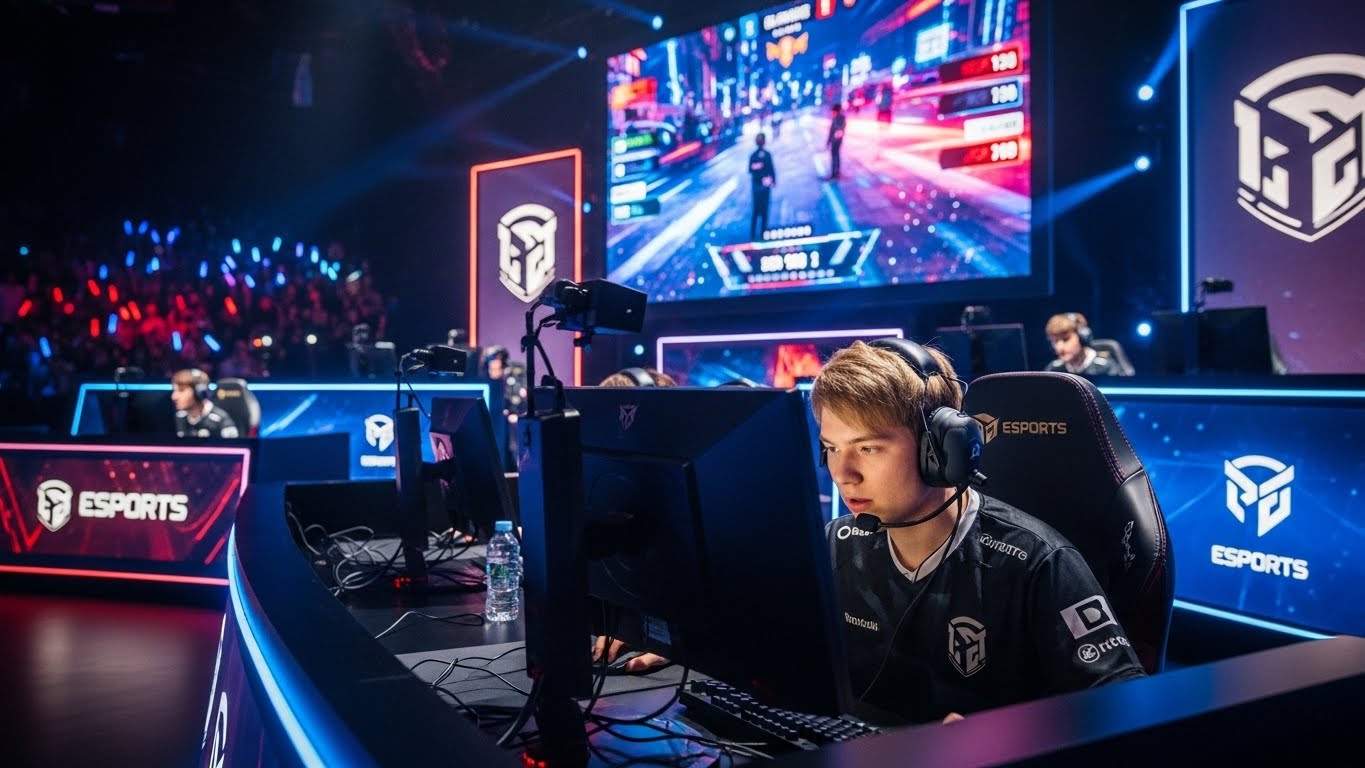
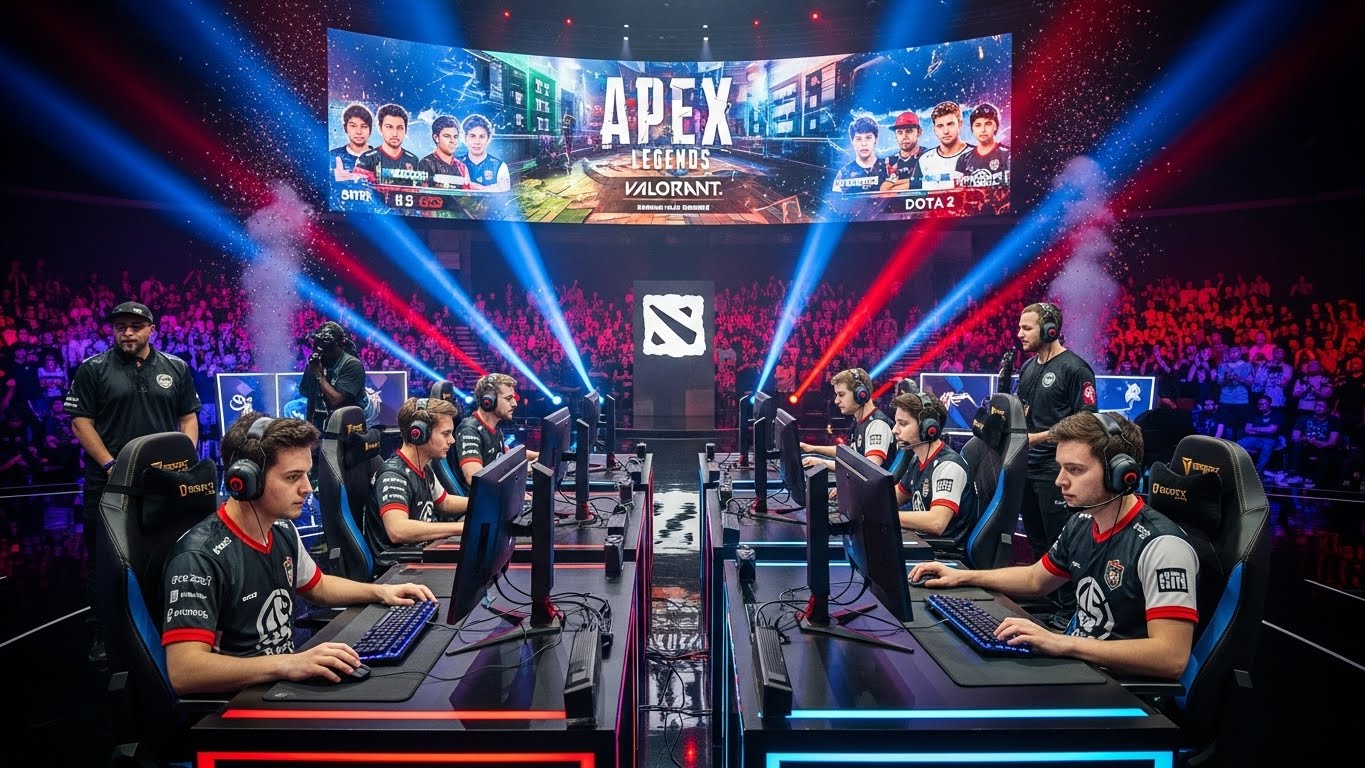
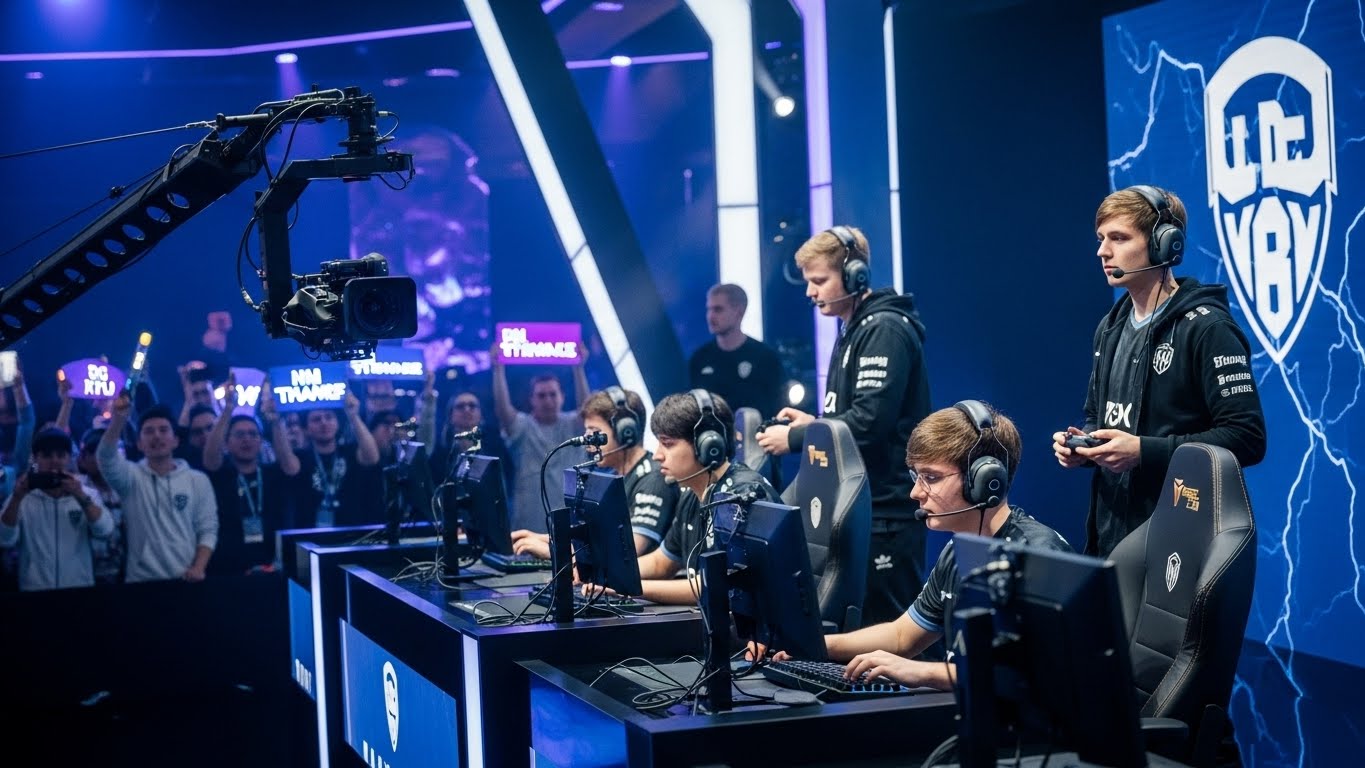
Esports, or competitive gaming, has become one of the fastest-growing forms of entertainment and competition in the world. Once considered a niche hobby for dedicated gamers, esports has evolved into a multibillion-dollar industry, drawing millions of viewers, players, and investors globally. The rise of esports reflects broader changes in technology, media consumption, and social culture, bridging the gap between gaming, sports, and entertainment. In this blog post, we will explore the origins, development, cultural impact, economic significance, challenges, and future of esports.
The Origins of Competitive Gaming
The roots of esports can be traced back to the late 20th century, when video games became widely accessible. Early competitive gaming events were often informal, held in arcades or at universities. These competitions featured classic games such as Pac-Man, Space Invaders, and Street Fighter, drawing local players eager to test their skills.
The introduction of multiplayer online games in the late 1990s and early 2000s marked a turning point. Games like StarCraft, Counter-Strike, and Warcraft III enabled players to compete across the globe through the internet. This era laid the foundation for organized tournaments, ranking systems, and professional player communities, setting the stage for modern esports.
The Emergence of Professional Esports
The early 2000s witnessed the professionalization of competitive gaming. Game developers and organizers recognized the potential for revenue, sponsorship, and audience engagement. Tournaments began offering cash prizes, attracting skilled players who treated gaming as a serious pursuit rather than just entertainment.
Professional esports teams were formed, complete with coaches, analysts, and managers. Players signed contracts, received salaries, and dedicated themselves to rigorous training schedules. This professional structure elevated esports to a level comparable to traditional sports, emphasizing strategy, skill, and teamwork.
Popular Esports Genres
Esports encompasses a variety of game genres, each with unique competitive dynamics and dedicated fanbases.
Multiplayer Online Battle Arena (MOBA) Games involve team-based strategy where players control individual characters with unique abilities. Success relies on teamwork, strategy, and individual skill. Popular MOBA games have created global competitive leagues with massive followings.
First-Person Shooter (FPS) Games emphasize reflexes, precision, and tactical awareness. Players engage in fast-paced combat scenarios, making these games highly competitive and spectator-friendly. FPS tournaments often attract large audiences due to their intense, action-packed gameplay.
Real-Time Strategy (RTS) Games challenge players to manage resources, develop strategies, and outthink opponents in real-time. These games require analytical thinking, planning, and adaptability, rewarding both skill and creativity.
Battle Royale Games feature large-scale, last-player-standing competitions where strategy, survival, and resource management are key. This genre has popularized dynamic, unpredictable gameplay and attracts younger audiences worldwide.
Sports Simulation Games recreate traditional sports in digital form, enabling players to compete in virtual football, basketball, or racing tournaments. These games combine gaming skills with real-world sports knowledge, creating unique esports experiences.
Fighting Games involve one-on-one or team-based combat, emphasizing reflexes, timing, and character mastery. Competitive fighting games have long-standing communities and well-established tournament circuits.
The Growth of the Esports Audience
Esports has experienced exponential growth in audience size over the past decade. Millions of viewers tune in to watch live tournaments, online streams, and highlight reels from top players. Streaming platforms have revolutionized how audiences consume content, providing interactive experiences, real-time commentary, and fan engagement.
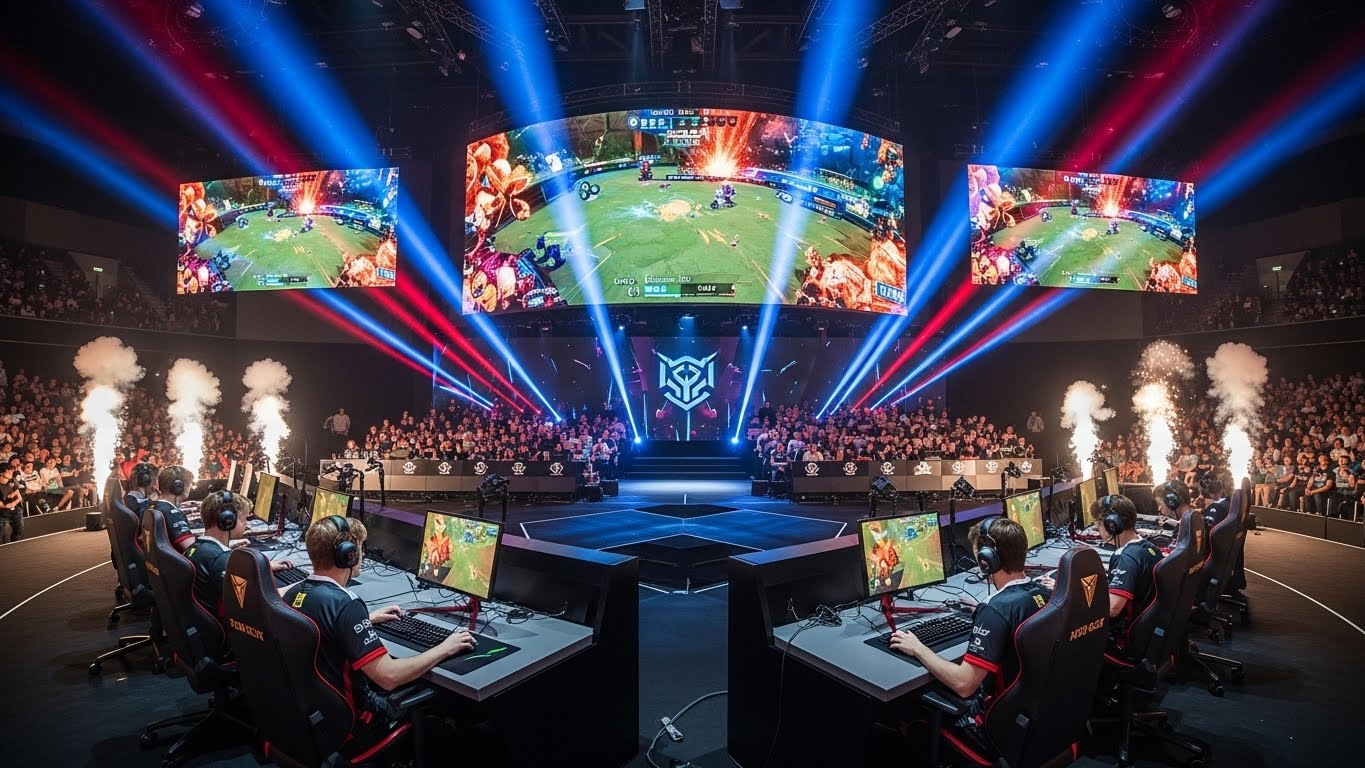
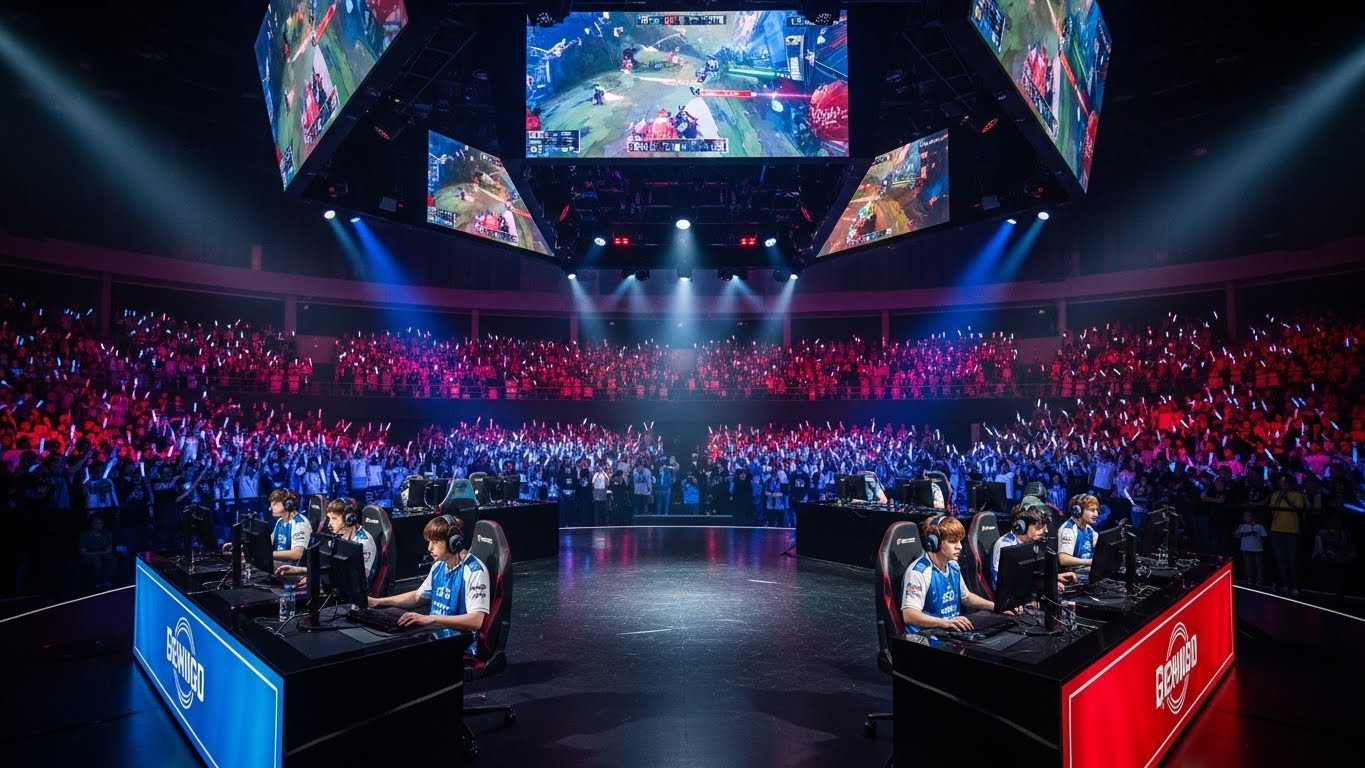
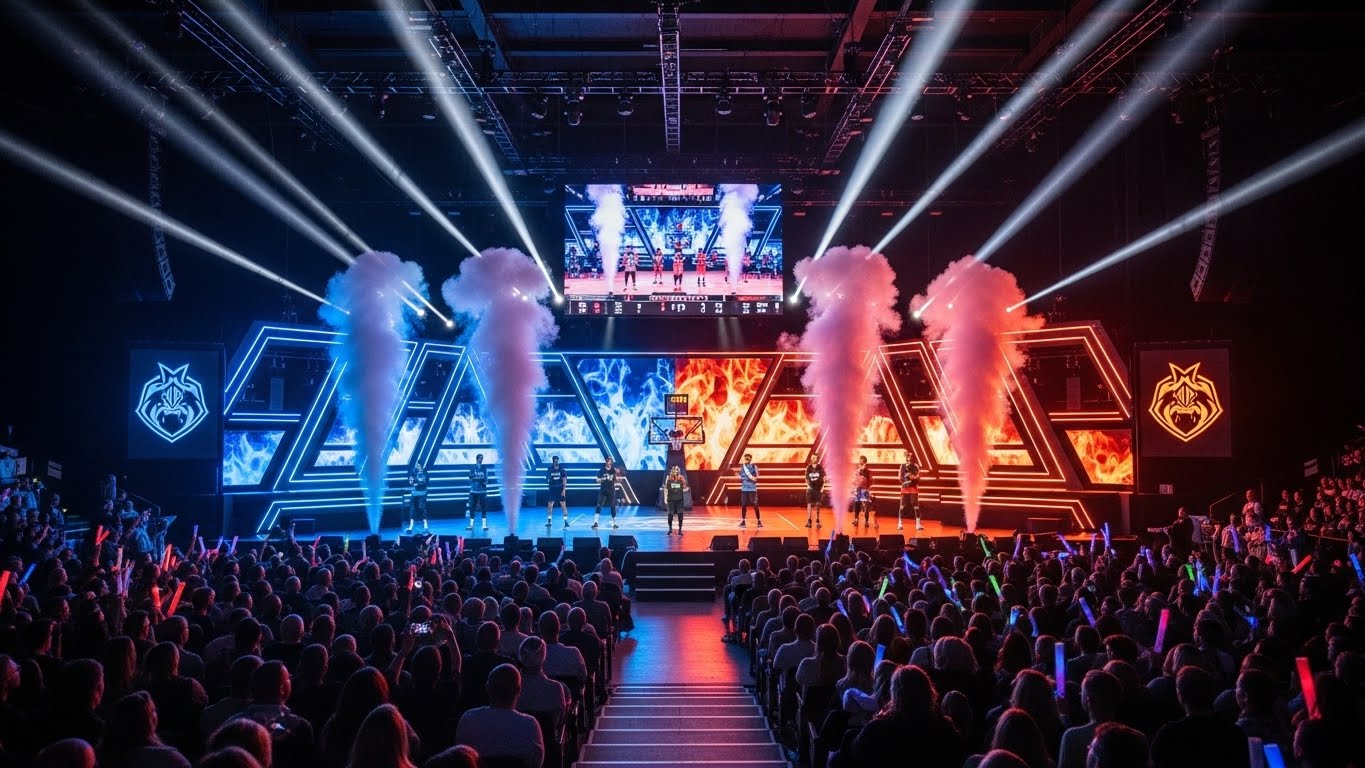
Esports viewership now rivals traditional sports in some regions, with major tournaments filling arenas and drawing worldwide online audiences. The combination of entertainment, competition, and accessibility has contributed to its rapid expansion. Fans are not only spectators but also active participants in online communities, discussing strategies, sharing content, and supporting their favorite players and teams.
The Economic Impact of Esports
The economic significance of esports is substantial and continues to grow. Revenue streams include sponsorship deals, advertising, media rights, merchandise sales, ticketed events, and digital content monetization. Leading global brands recognize the influence of esports and invest heavily in sponsorships and partnerships.
Professional teams operate like businesses, managing players, content, marketing, and fan engagement. Players earn income through tournament winnings, contracts, and endorsements. The industry also creates opportunities in broadcasting, event management, content creation, game development, and technology services.
Universities and colleges have begun offering scholarships for esports athletes, legitimizing competitive gaming as a viable career path and fostering talent development. The economic ecosystem of esports is diverse, supporting careers beyond competitive play and stimulating broader digital and entertainment markets.
The Role of Technology in Esports
Technology is central to the growth and sustainability of esports. High-performance hardware, ultra-fast internet, advanced graphics engines, and sophisticated gaming peripherals allow players to compete at the highest level.
Streaming platforms have transformed esports into a global spectacle. Fans can watch matches live, interact with commentators, and participate in online discussions, creating a sense of community and engagement. Social media amplifies this effect, allowing players and teams to build personal brands and engage with fans directly.
Emerging technologies such as virtual reality and augmented reality are beginning to influence esports. These innovations may introduce new genres, immersive viewing experiences, and advanced training simulations. Artificial intelligence is also being used for performance analytics, player scouting, and content recommendations, enhancing the overall ecosystem.
Training, Strategy, and Team Dynamics
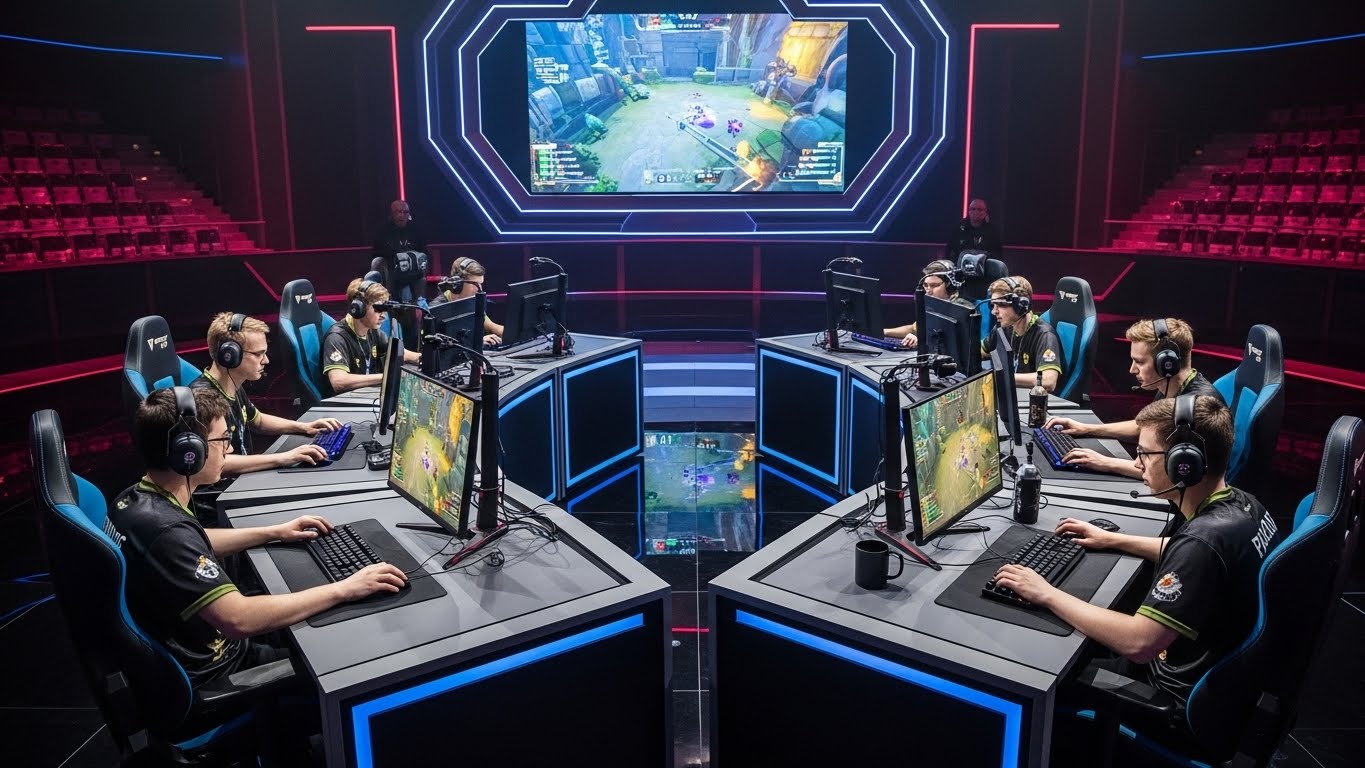
Professional esports requires more than raw talent. Players dedicate hours to practice, analyzing strategies, and refining skills. Teams emphasize coordination, communication, and strategic planning, often using coaches and analysts to gain a competitive edge.
Training regimens include not only gameplay practice but also physical fitness, nutrition, and mental health support. This holistic approach ensures players maintain peak performance while minimizing the risk of burnout or injury. Team dynamics are crucial; success depends on synergy, trust, and effective collaboration under pressure.
Cultural Impact of Esports
Esports has become a cultural phenomenon, influencing media, entertainment, and youth culture. Competitive gaming has created global fan communities, social trends, and even new forms of artistic expression, such as fan art, music, and cosplay.
Professional players are often seen as celebrities, admired for skill, dedication, and creativity. Esports has reshaped perceptions of gaming, establishing it as a legitimate and respected form of competition and entertainment. The culture surrounding esports emphasizes inclusivity, collaboration, and shared passion, connecting people across borders and generations.
Challenges in the Esports Industry
Despite its rapid growth, esports faces challenges. Player burnout and mental health concerns are significant issues due to long practice hours, travel schedules, and intense competition. The industry continues to develop programs that promote well-being, such as counseling, wellness initiatives, and work-life balance strategies.
Maintaining fairness and integrity is also critical. Cheating, match-fixing, and toxic behavior threaten credibility. Regulatory frameworks, monitoring technologies, and ethical guidelines are necessary to ensure a level playing field and protect both players and fans.
Another challenge is sustainability. The industry must balance rapid growth with long-term stability, including consistent league structures, viable career paths, and equitable opportunities for new players and teams.
The Future of Esports
The future of esports is promising, with continued technological innovation, cultural expansion, and professionalization. Virtual and augmented reality will create more immersive gameplay and viewing experiences, while AI-driven analytics will enhance strategy and performance evaluation.
Esports is likely to integrate further with traditional sports, entertainment, and media industries, creating hybrid events and expanding audiences. Mobile gaming, cloud gaming, and cross-platform play will make competitive gaming even more accessible, attracting new players and fans worldwide.
Emerging markets and diverse game genres will continue to expand the global reach of esports. The industry will remain a platform for innovation, creativity, and social connection, shaping how people play, compete, and consume entertainment in the coming decades.
Conclusion
Esports has evolved from small local competitions into a global powerhouse that influences culture, technology, and entertainment. Its growth demonstrates the potential of gaming as a professional, social, and economic force. Esports connects players and fans, provides career opportunities, and reshapes the way we think about competition and entertainment.
As technology advances and audiences continue to grow, esports will solidify its place alongside traditional sports as a mainstream form of entertainment. The industry is not just about games—it is about community, creativity, and the human desire for competition and achievement. Esports represents the future of interactive entertainment, and its influence will continue to expand, inspiring generations of players and fans around the world.