 championcast96
Esports has revolutionized not only how we play games but also how we watch them. From massive international tournaments viewed by millions to grassroots community streams, the art of esports broadcasting has become one of the most dynamic and rapidly evolving forms of digital entertainment.
Unlike traditional sports, esports exists entirely within the digital realm — meaning that the playing field, audience, and broadcast tools are all built on technology. This gives esports a unique advantage: it can constantly innovate and push the boundaries of streaming, viewer engagement, and storytelling.
In this comprehensive blog, we’ll explore how esports broadcasts innovate streaming, from production technologies and interactive features to audience participation, monetization models, and the future of live esports entertainment.
The Evolution of Esports Broadcasting
In the early days of competitive gaming, esports broadcasts were simple. Small online tournaments were streamed with basic overlays, minimal commentary, and amateur production. But as the audience grew, so did expectations.
Platforms like Twitch, YouTube Gaming, and Facebook Live transformed how fans consumed gaming content. Live chats, instant highlights, and real-time interactions made esports broadcasts more engaging than any traditional TV broadcast could be.
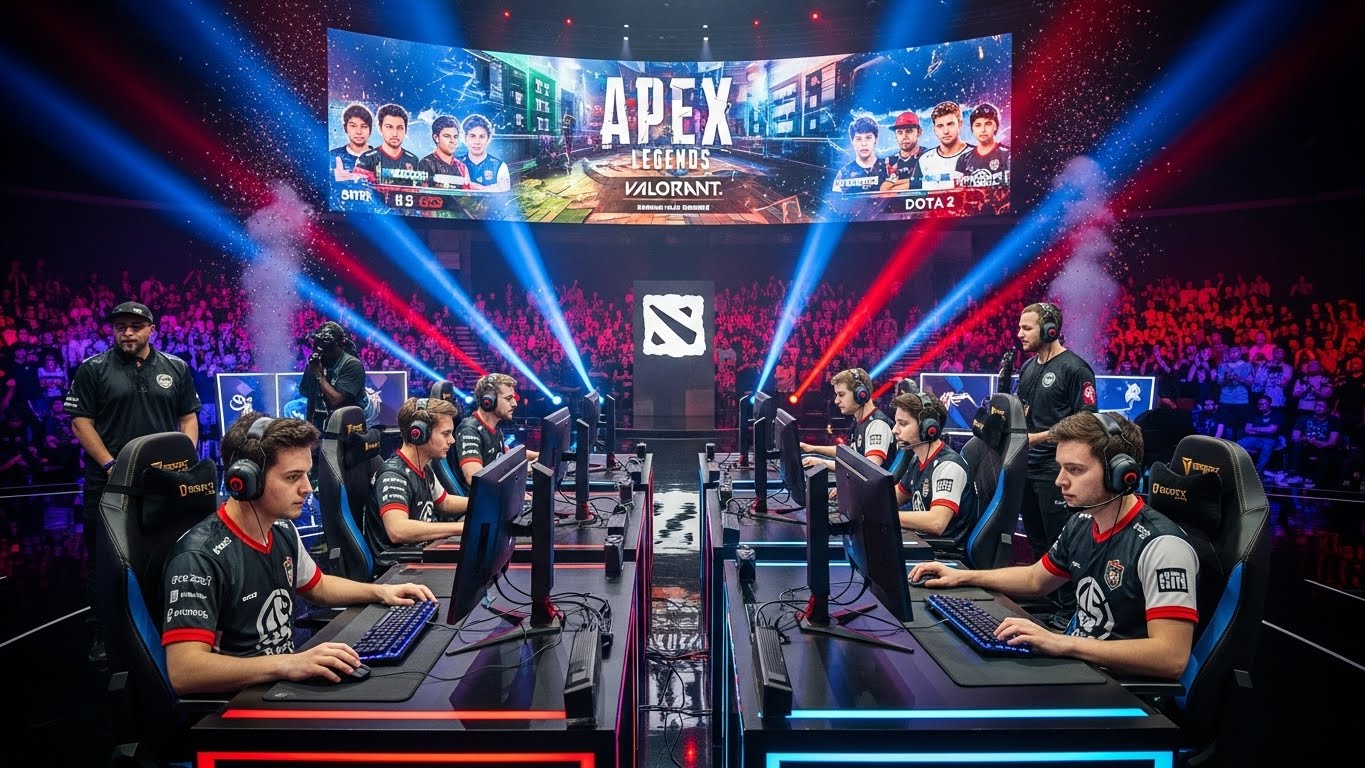
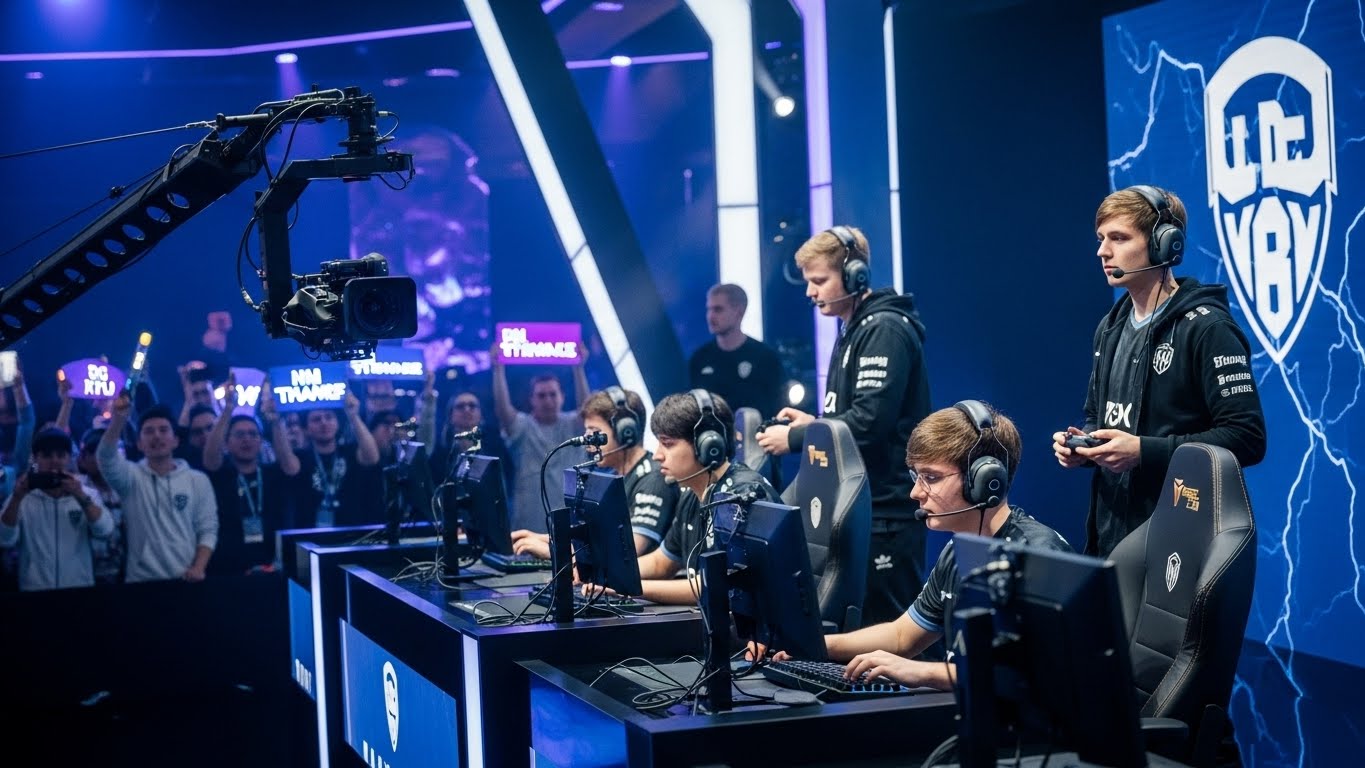
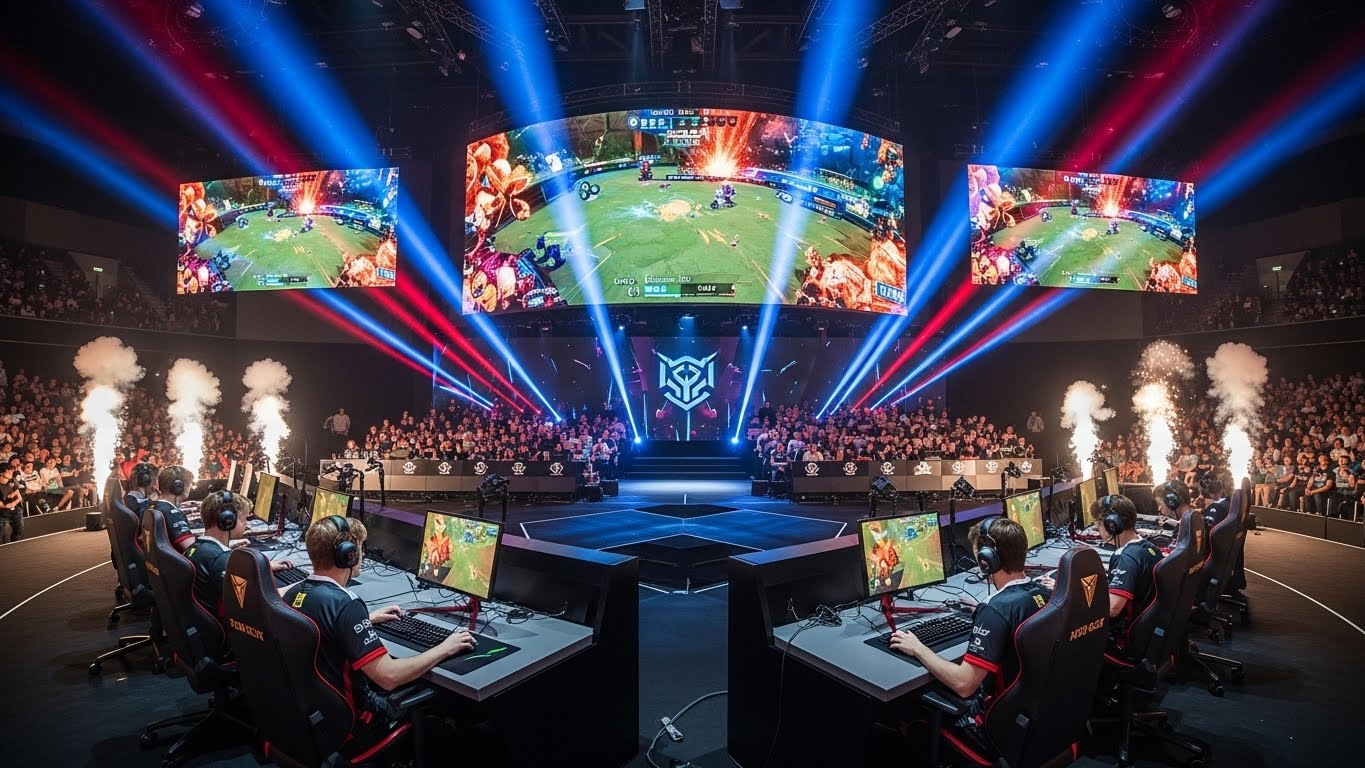
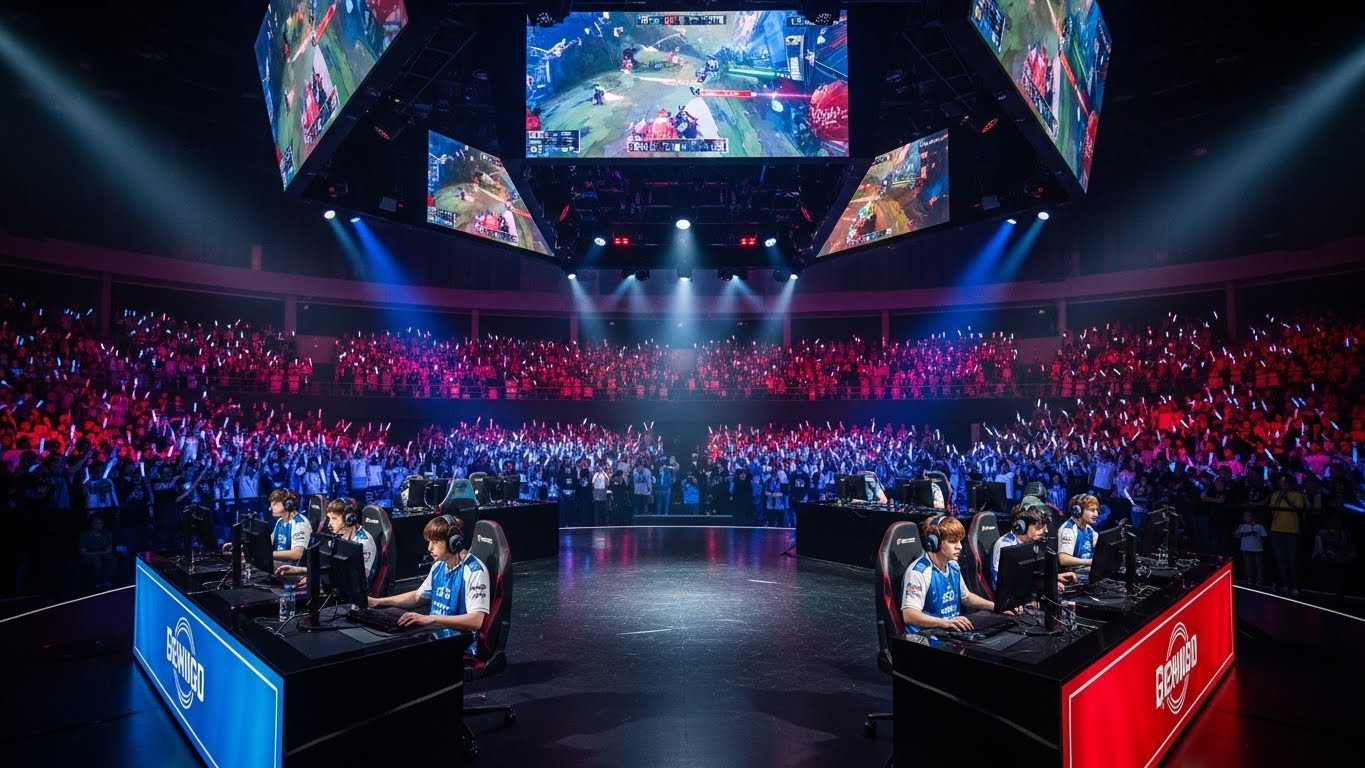
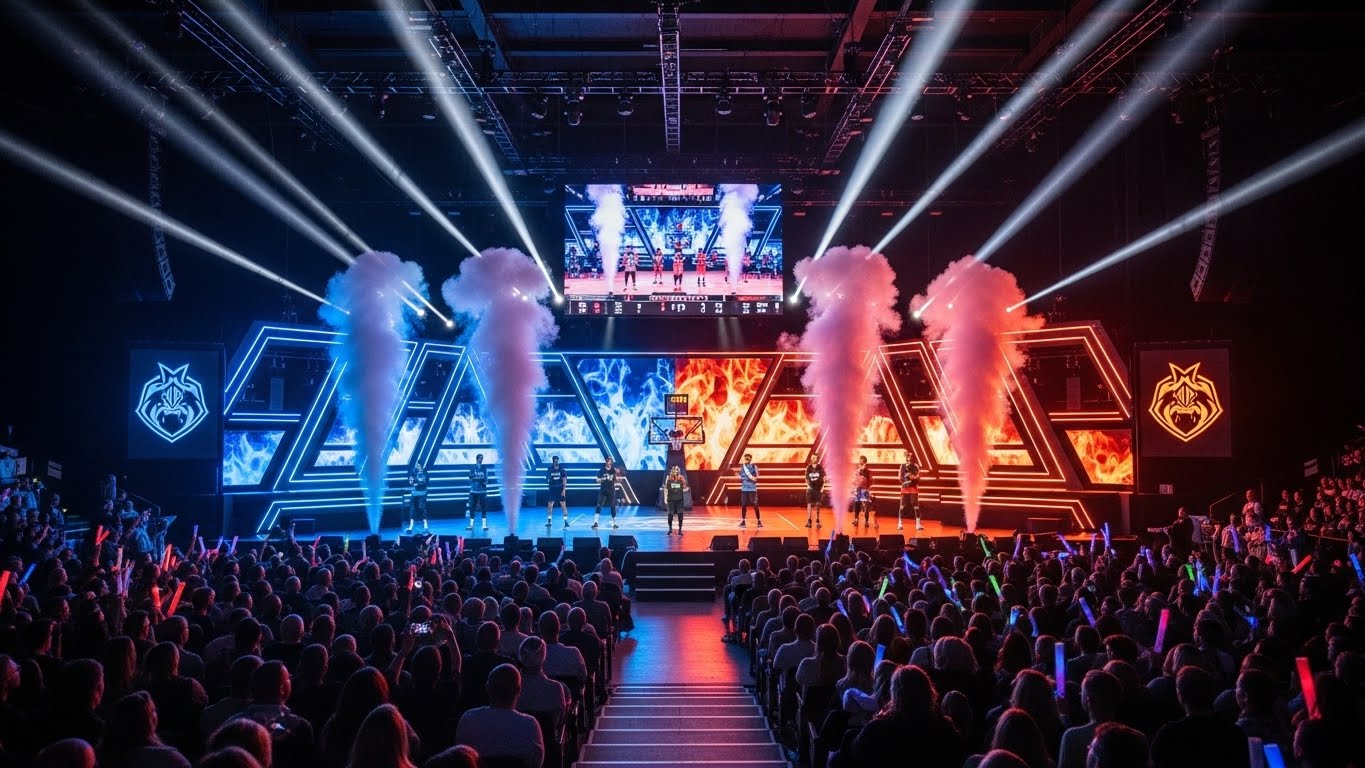
Today, esports events rival — and sometimes surpass — the production quality of major sports leagues. Massive LED stages, cinematic camera angles, augmented reality, and professional commentary teams create immersive experiences for both live and online viewers.
1. Cutting-Edge Production Technology
At the heart of every successful esports broadcast lies advanced technology that seamlessly combines gameplay, analytics, and storytelling.
Observer Tools and Spectator Modes
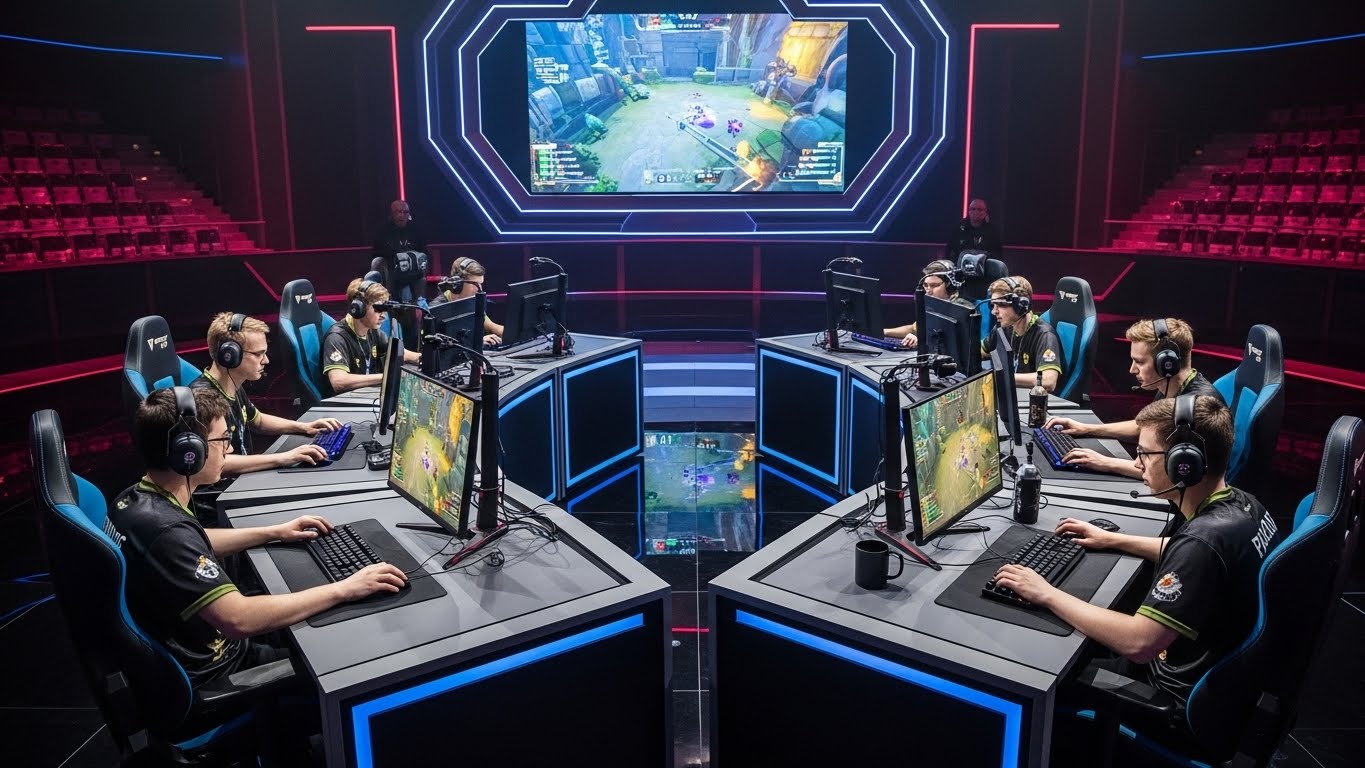
Game developers build sophisticated spectator modes that allow observers to control camera angles, highlight key plays, and even slow down action for replays. Titles like Dota 2, League of Legends, and Valorant have integrated tools that give producers near-total control over what viewers see.
Observers can follow player perspectives, zoom in on critical moments, and coordinate with commentators to enhance storytelling. This level of control transforms a chaotic battle into a cinematic viewing experience.
High-Definition and Low-Latency Streaming
Esports relies heavily on real-time engagement. Viewers want to see the action unfold with minimal delay. Innovations in streaming infrastructure — such as low-latency protocols, adaptive bitrate streaming, and 4K broadcast capabilities — ensure that global audiences can enjoy flawless, high-quality streams without interruptions.
Some top-tier tournaments even experiment with 8K streaming and multi-angle camera feeds, giving fans unprecedented control over their viewing experience.
Augmented Reality (AR) and Virtual Sets
Modern esports events blend physical and digital worlds using augmented reality. During tournaments like The International or League of Legends Worlds, AR is used to display live hero stats, 3D graphics, and virtual animations on stage.
For example, when a player picks a hero, an AR version might appear beside them in real time, creating a visually stunning experience. Virtual sets also allow broadcasters to create immersive environments without physical limitations — something traditional sports rarely achieve.
2. Real-Time Data Integration
Esports broadcasts have mastered the art of combining data with entertainment.
Every action in a game — kills, assists, gold earned, ability usage — can be tracked and visualized instantly. Broadcasters use APIs provided by game developers to integrate this data into live overlays.
Viewers can see real-time statistics, player comparisons, and strategy breakdowns as the match unfolds. These analytics not only enhance understanding but also create deeper engagement by helping audiences appreciate the complexity behind every decision.
Some broadcasts go even further by offering customizable data dashboards, allowing fans to choose what stats they want to see, similar to fantasy sports integration.
3. Interactive Viewer Experiences
Unlike passive television viewing, esports streaming thrives on interactivity. Fans don’t just watch; they participate.
Live Chat and Polls
Platforms like Twitch allow fans to interact with broadcasters and other viewers in real time. Emotes, chat reactions, and polls let fans express themselves collectively — creating a sense of shared excitement.
Viewer Prediction Games
Many tournaments include prediction tools where fans can guess match outcomes, MVPs, or in-game events. These mini-games reward viewers with digital badges, points, or in-game items, making the experience more engaging and competitive.
Co-Streaming and Watch Parties
A major innovation in esports broadcasting is co-streaming, where approved streamers can host the official broadcast on their own channels, adding personal commentary and interacting with their communities.
This model has expanded the reach of esports exponentially. Fans can choose between the official, professional broadcast or a more relaxed, personality-driven viewing experience. For example, tournaments like Valorant Champions Tour and Dota 2 The International have embraced co-streaming to attract diverse audiences.
4. Multiple Camera Angles and Personalization
Esports broadcasts give viewers freedom rarely found in traditional sports. Many modern tournaments allow spectators to switch between different camera angles, player perspectives, or team views directly from their device.
Some platforms even provide Picture-in-Picture (PiP) functionality, letting fans follow multiple players or teams simultaneously.
This personalization transforms passive watching into an active experience. Fans can follow their favorite player, analyze strategies, or even focus on specific roles within the team — all in real time.
5. Innovative Commentary and Storytelling
Commentators, or casters, play a crucial role in bringing esports broadcasts to life. Modern broadcasts focus not just on play-by-play narration but also on storytelling, emotion, and education.
Casters analyze player behavior, provide historical context, and explain the significance of every play. They often collaborate with analysts who use data visualization tools to break down strategies.
In addition, esports storytelling extends beyond the match itself. Pre-game segments include player interviews, documentary-style videos, and team profiles that deepen audience connection. Post-game discussions provide insight into key turning points, much like sports analysts dissect a football match.
This combination of data-driven analysis and human storytelling makes esports broadcasts both intellectually engaging and emotionally resonant.
6. AI and Automation in Esports Broadcasting
Artificial intelligence is beginning to revolutionize the production side of esports broadcasts.
AI-powered systems can automatically detect highlights — such as kills, ultimates, or clutch plays — and clip them in real time for instant sharing on social media.
Machine learning tools also help predict viewership trends, optimize ad placement, and even automate camera movement during lower-tier events.
In the future, AI commentators trained on thousands of hours of casting footage could assist in minor tournaments or community events, making professional-quality broadcasting accessible to smaller organizers.
7. Fan Engagement Beyond the Stream
Esports broadcasts don’t end when the match does. Modern organizers use social media, companion apps, and digital platforms to keep fans engaged before, during, and after events.
- Behind-the-Scenes Content: Exclusive player interviews, documentaries, and practice footage give fans insight into the human side of esports.
- Fantasy Leagues and Prediction Contests: Viewers compete to predict outcomes, win rewards, and earn bragging rights.
- Loyalty Programs: Many tournaments use digital badges, tokens, or collectible in-game cosmetics to reward dedicated viewers.
These initiatives turn spectators into active participants and build long-term loyalty around esports brands.
8. Esports and Traditional Broadcast Convergence
Interestingly, esports broadcasting has begun influencing traditional sports production. Major sports networks have adopted features pioneered by esports — real-time overlays, virtual graphics, and interactive polls.
Conversely, esports has started appearing on mainstream television, with hybrid productions combining the polish of traditional sports with the energy of digital streaming.
Tournaments like Overwatch League and League of Legends Worlds have even partnered with major TV networks, offering both broadcast and online streams simultaneously. This convergence bridges generations, blending the accessibility of streaming with the professionalism of televised sports.
9. Community Casting and Grassroots Growth
Not all innovation happens on grand stages. Community-driven broadcasts have become a cornerstone of esports culture.
Smaller events often rely on passionate casters who bring unique styles, humor, and authenticity. Platforms like Twitch and Kick have empowered independent creators to host their own events, fostering creativity and inclusivity within the scene.
These grassroots efforts often experiment with new broadcast formats — such as player interviews during games, comedic commentary, or chat-integrated mini-games — many of which later inspire mainstream production techniques.
10. Monetization Innovations in Streaming
Esports broadcasting has also reinvented how streams are monetized. Unlike traditional television, which relies on advertisements and sponsorships, esports integrates direct viewer support into the broadcast model.
- Subscriptions and Donations: Fans can directly support casters or teams through Twitch subscriptions, Super Chats, or channel memberships.
- Digital Items and Cosmetics: Some games, like Dota 2 with its Compendium, allow fans to purchase in-game content that contributes to prize pools and broadcast improvements.
- Integrated Advertising: Product placements and sponsor shoutouts are creatively woven into the stream without disrupting the experience.
This hybrid monetization model gives esports broadcasters financial flexibility while maintaining a strong community connection.
11. Virtual Reality (VR) and Immersive Viewing
The next frontier of esports broadcasting is virtual reality. Some developers have already experimented with VR spectator modes, allowing fans to step directly into the arena and watch matches as if they were inside the game.
Imagine watching a Counter-Strike match from behind your favorite player’s shoulder or standing in the middle of a Dota 2 team fight. This level of immersion has the potential to redefine what it means to “watch” esports entirely.
As VR and AR technologies mature, esports will continue leading the way in merging gaming, entertainment, and immersive storytelling.
The Future of Esports Broadcasting
The future of esports broadcasting lies in personalization, interactivity, and community. As technology continues to advance, we can expect:
- Hyper-personalized streams tailored to each viewer’s preferences.
- AI-powered commentators for smaller events.
- Seamless integration of virtual and physical audiences.
- Blockchain-based ticketing and fan collectibles tied to broadcast participation.
- Cross-platform viewing experiences combining social media, mobile, and live broadcasts.
Esports will continue shaping how all live entertainment is produced and consumed — from sports to concerts to virtual conferences.
Conclusion
Esports broadcasts are far more than just streams of competitive games — they are technological masterpieces that redefine how humans experience live entertainment. Through innovative production, real-time interactivity, and deep community integration, esports has set new standards for what streaming can achieve.
From virtual stages and AR-enhanced storytelling to co-streaming and fan-driven engagement, esports continues to prove that the future of broadcasting belongs to the digital generation.
As technology evolves, so will the ways we connect, compete, and celebrate the spirit of play. In every sense, esports broadcasting isn’t just the future of streaming — it is the future of entertainment itself.