 championcast96
Introduction
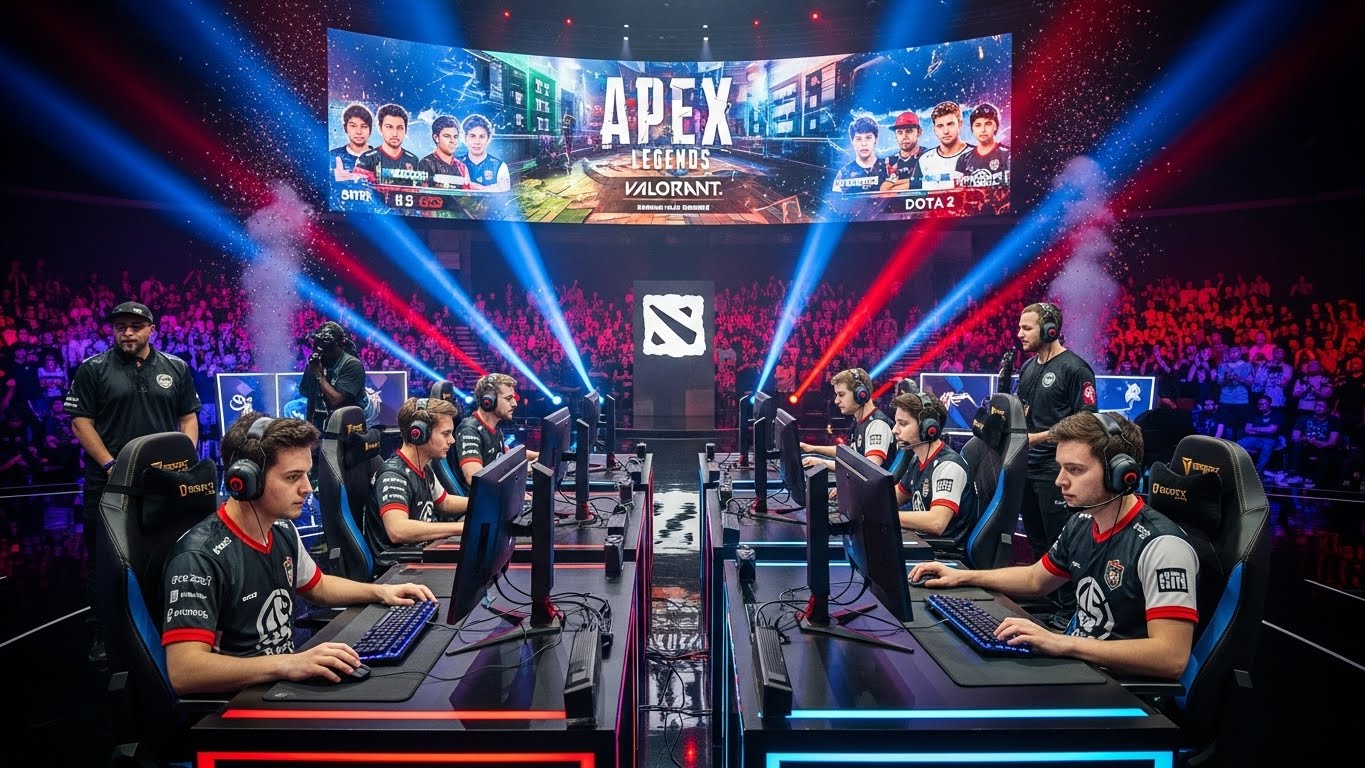
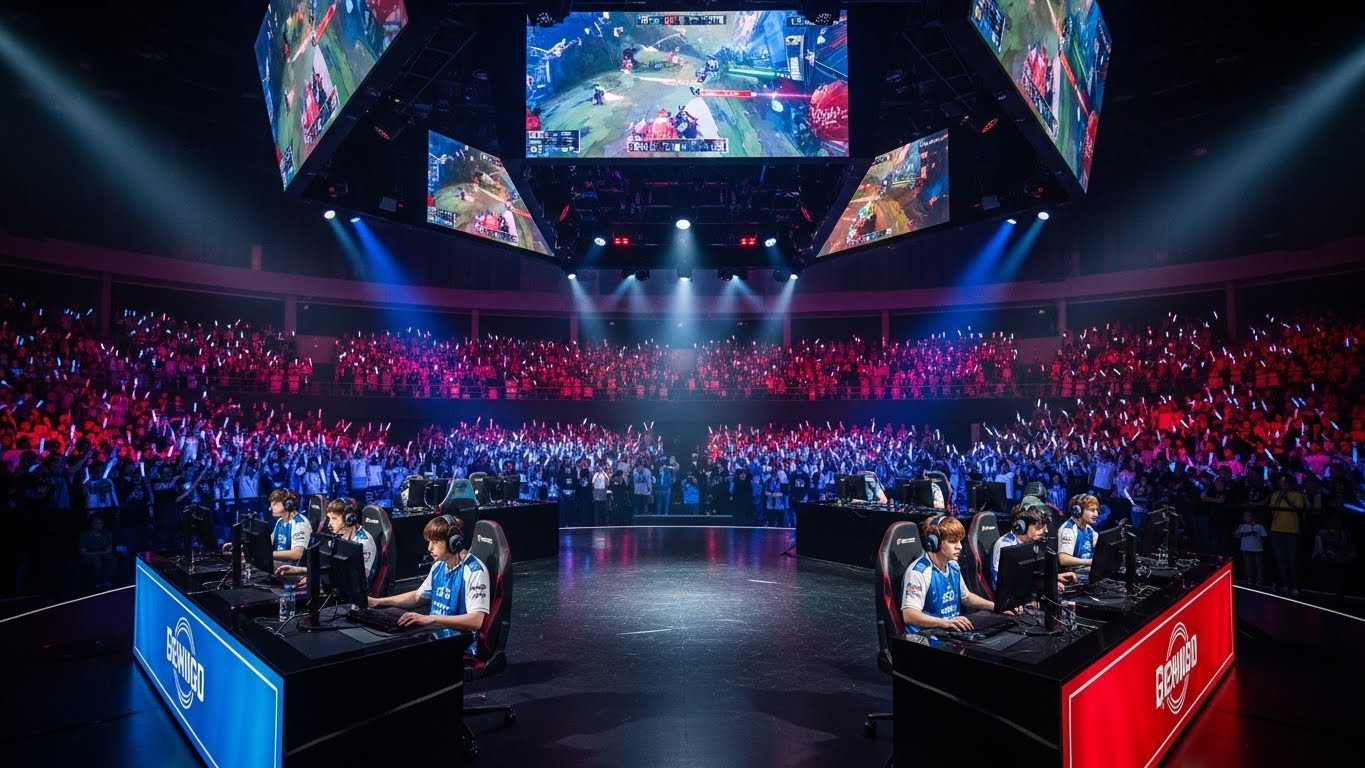
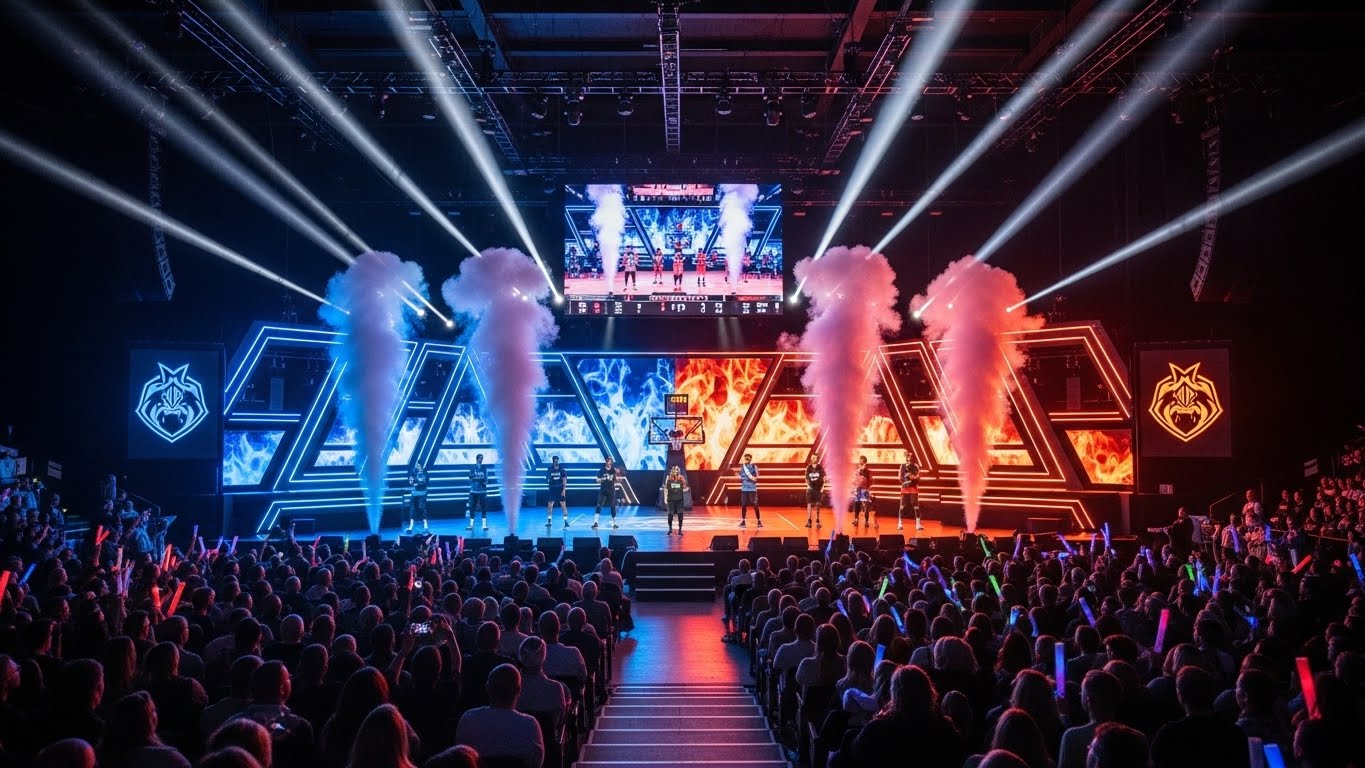
eSports has rapidly become one of the most exciting and influential forms of modern entertainment. Competitive gaming is no longer just a hobby; it has grown into a global phenomenon with professional players, organized tournaments, and millions of passionate fans. From strategy games to fast-paced shooters, eSports brings together skill, teamwork, and entertainment on a scale comparable to traditional sports.
The Growth of eSports
eSports started as small local competitions in the 1980s and 1990s, often limited to arcade and PC games. With the rise of online gaming, multiplayer tournaments expanded globally, allowing players from different countries to compete in real time. Today, eSports includes a wide range of genres, including battle royale, MOBAs, fighting games, and sports simulations, drawing massive audiences and prize pools that rival traditional sports events.
Professional Gaming as a Career
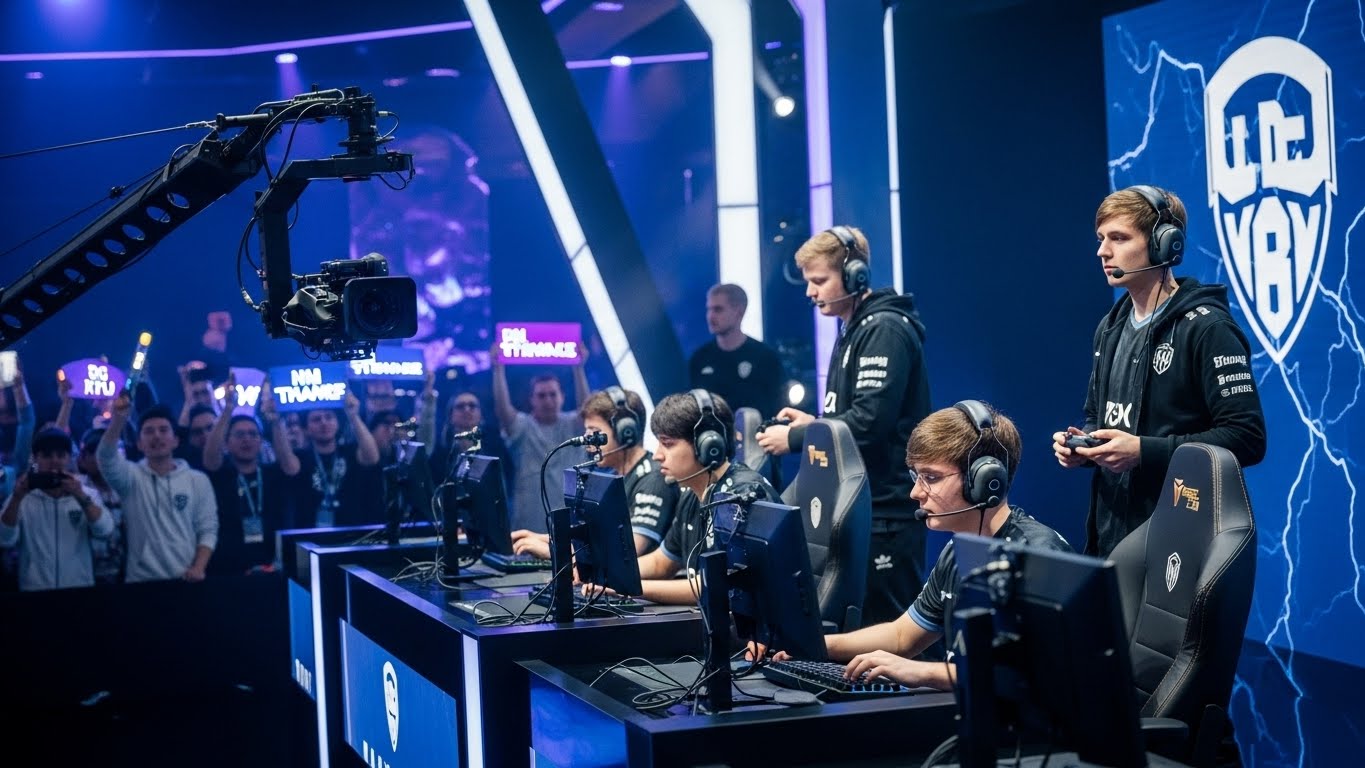
Professional gaming has transformed eSports into a viable career option. Skilled players can earn money through tournaments, sponsorships, and streaming. Teams now operate like traditional sports organizations, with coaches, analysts, and support staff helping players perform at their best. Dedication, strategy, and consistent practice are essential, and top players often train for several hours each day to maintain competitive performance.
Technology Driving the Industry
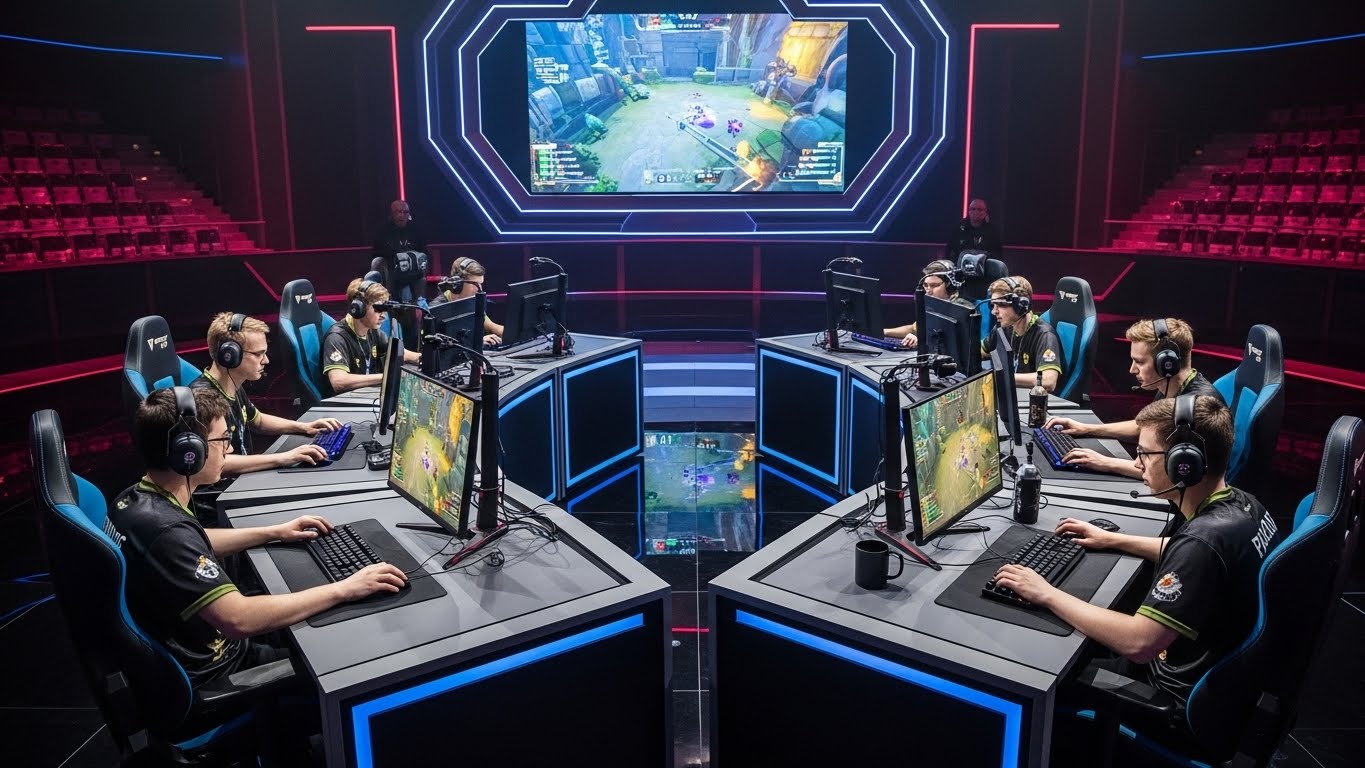
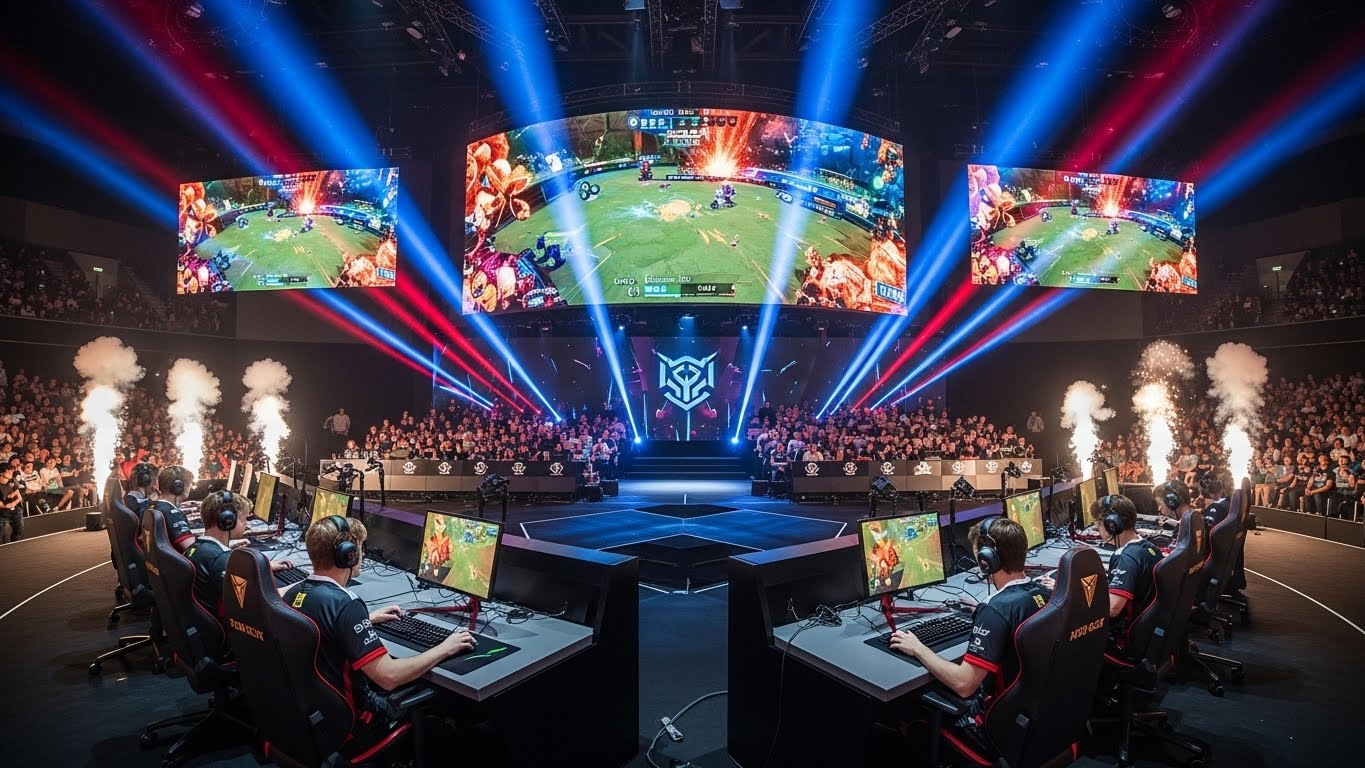
Technology is the backbone of eSports. High-speed internet, advanced gaming systems, and live streaming platforms allow players and fans to connect globally. Spectators can watch live matches, interact with players, and follow updates in real time. Cutting-edge graphics, immersive sound, and virtual arenas enhance the experience, making eSports not only competitive but highly entertaining.
Community and Social Engagement
eSports has created a strong sense of community. Players and fans connect through online forums, social media, and streaming platforms, sharing strategies, highlights, and experiences. These communities foster collaboration, mentorship, and teamwork, helping new players improve while connecting fans worldwide. eSports has become a social phenomenon, where shared passion brings people together across borders.
Skills and Benefits of eSports
Beyond entertainment, eSports develops a wide range of skills. Players enhance critical thinking, strategic planning, problem-solving, communication, and teamwork. Fast-paced games improve reflexes and focus, while long-term involvement teaches discipline and resilience. Participation in eSports demonstrates that gaming can be both mentally stimulating and rewarding.
The Future of eSports
The future of eSports is filled with potential. Emerging technologies like virtual reality, augmented reality, and artificial intelligence are making games more immersive and interactive. Schools and organizations are incorporating eSports programs, and global tournaments continue to attract larger audiences. Competitive gaming will remain a dynamic part of entertainment, blending skill, innovation, and community in new ways.
Conclusion
eSports has transformed gaming into a global stage where skill, strategy, and teamwork are celebrated. It offers career opportunities, builds communities, and develops valuable skills while providing thrilling entertainment. As technology advances and the audience grows, eSports will continue to shape the future of digital competition, proving that the world of gaming is much more than just a pastime—it is a new era of sports, connection, and innovation.