 championcast96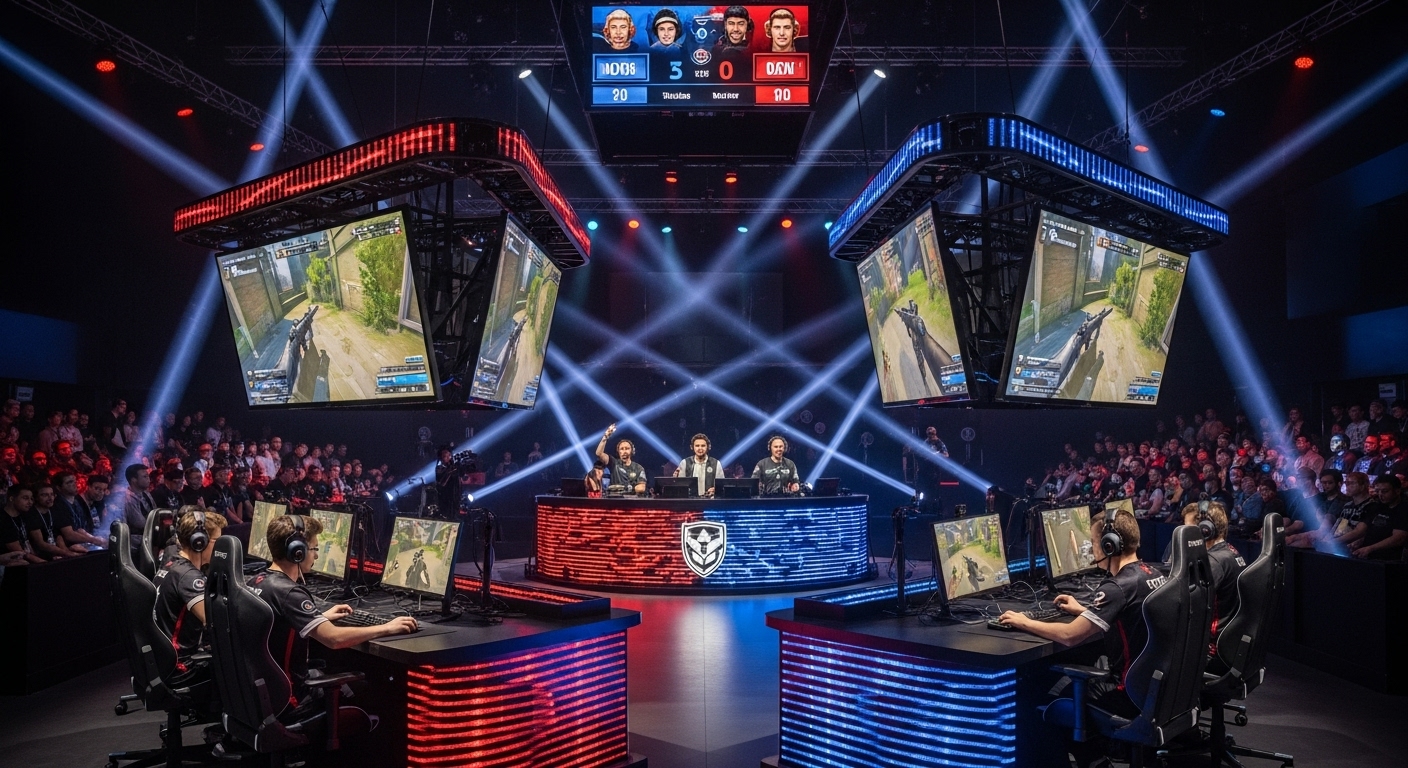
Introduction
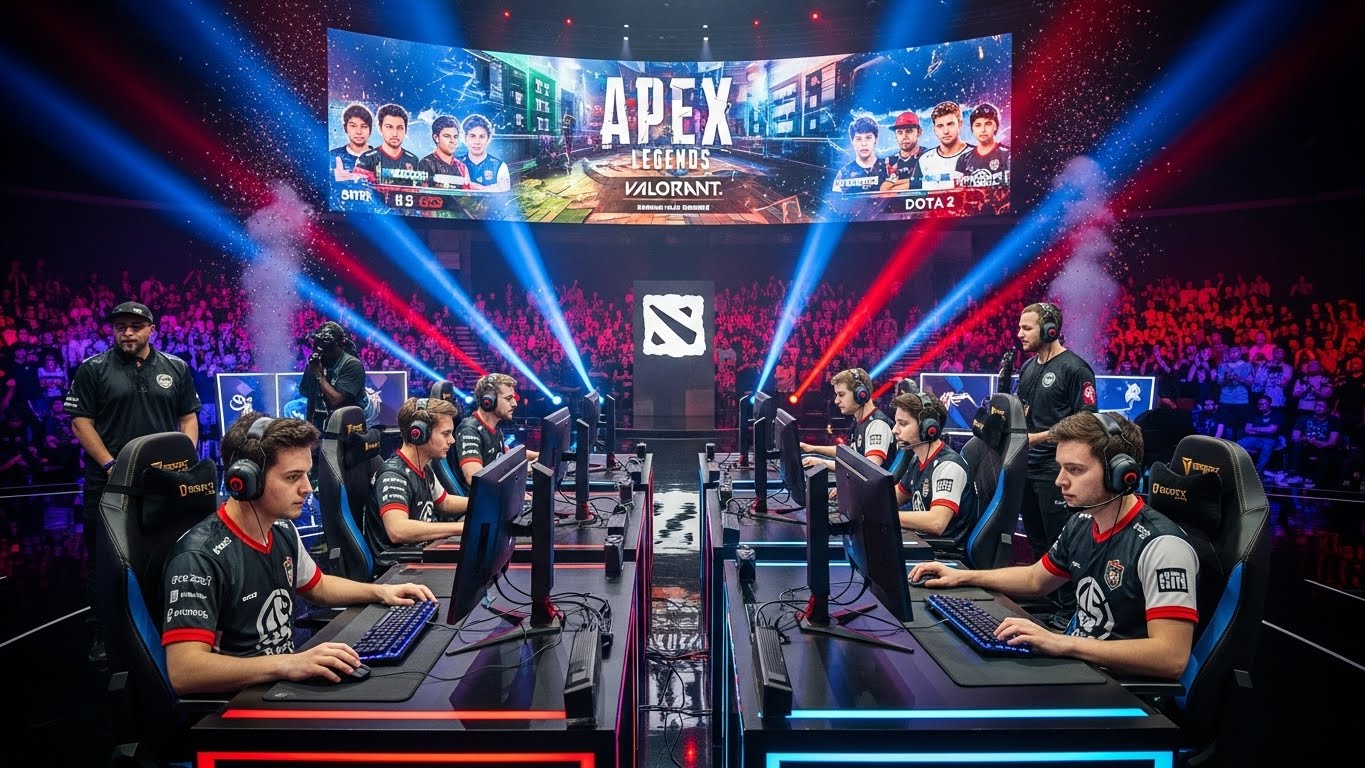
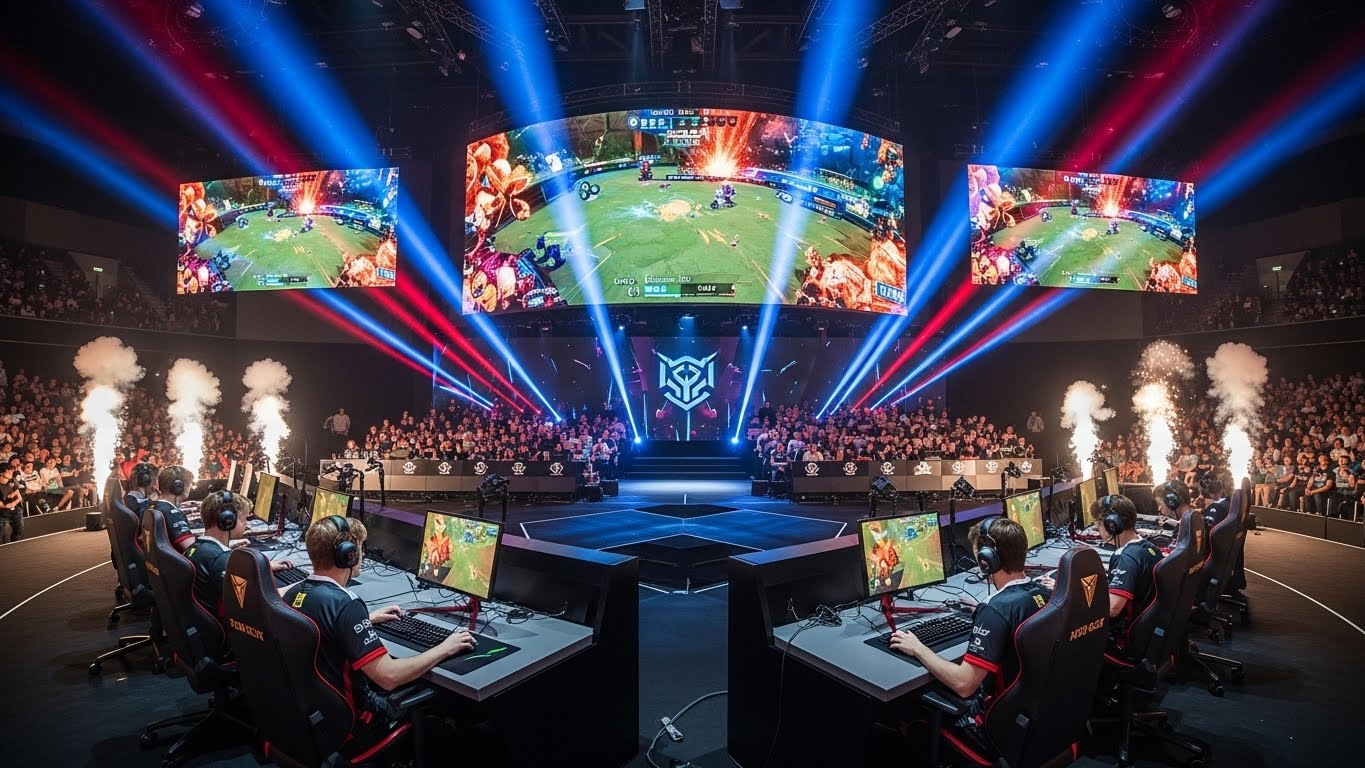
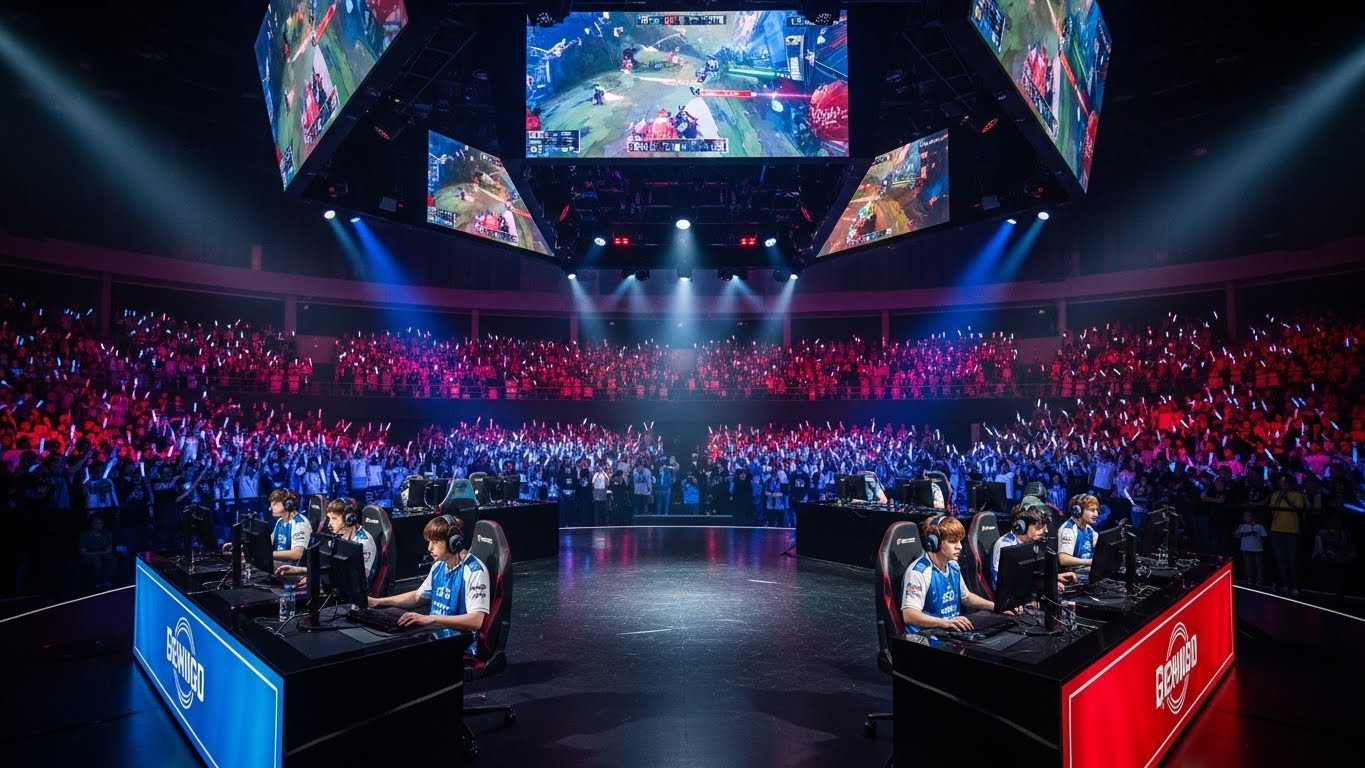
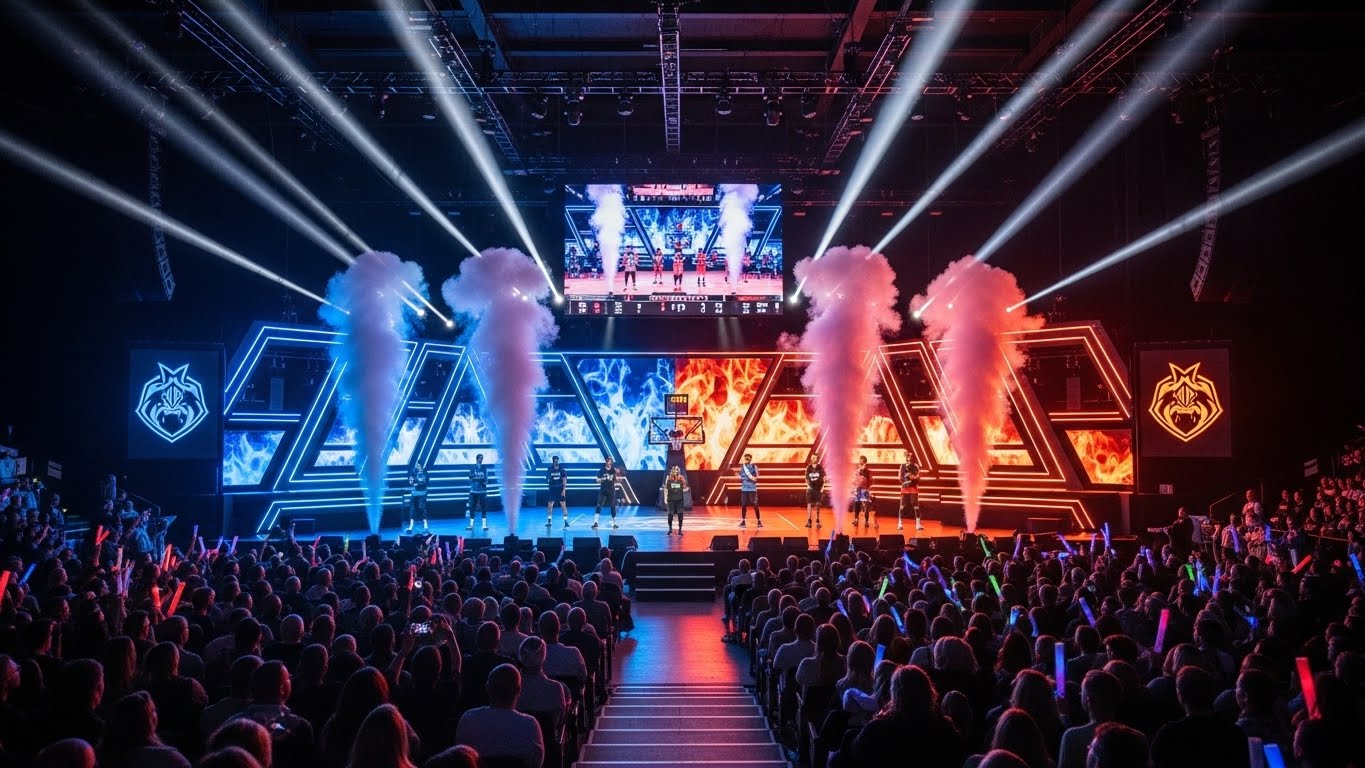
Esports has emerged as one of the most dynamic and fast-growing industries in the world. What was once considered a casual hobby has now evolved into a global spectacle, blending technology, entertainment, and athleticism. Millions of viewers watch professional gamers compete in intense tournaments that rival traditional sports in excitement and scale.
The Origins of Esports
The roots of esports can be traced back to the early days of video gaming. In the 1980s and 1990s, small competitions were organized in arcades and gaming clubs where players showcased their skills for fun and recognition. As the internet became more accessible, gaming moved online, connecting players from different parts of the world. This shift paved the way for organized competitions and professional gaming leagues, laying the foundation for modern esports.
The Growth of Competitive Gaming
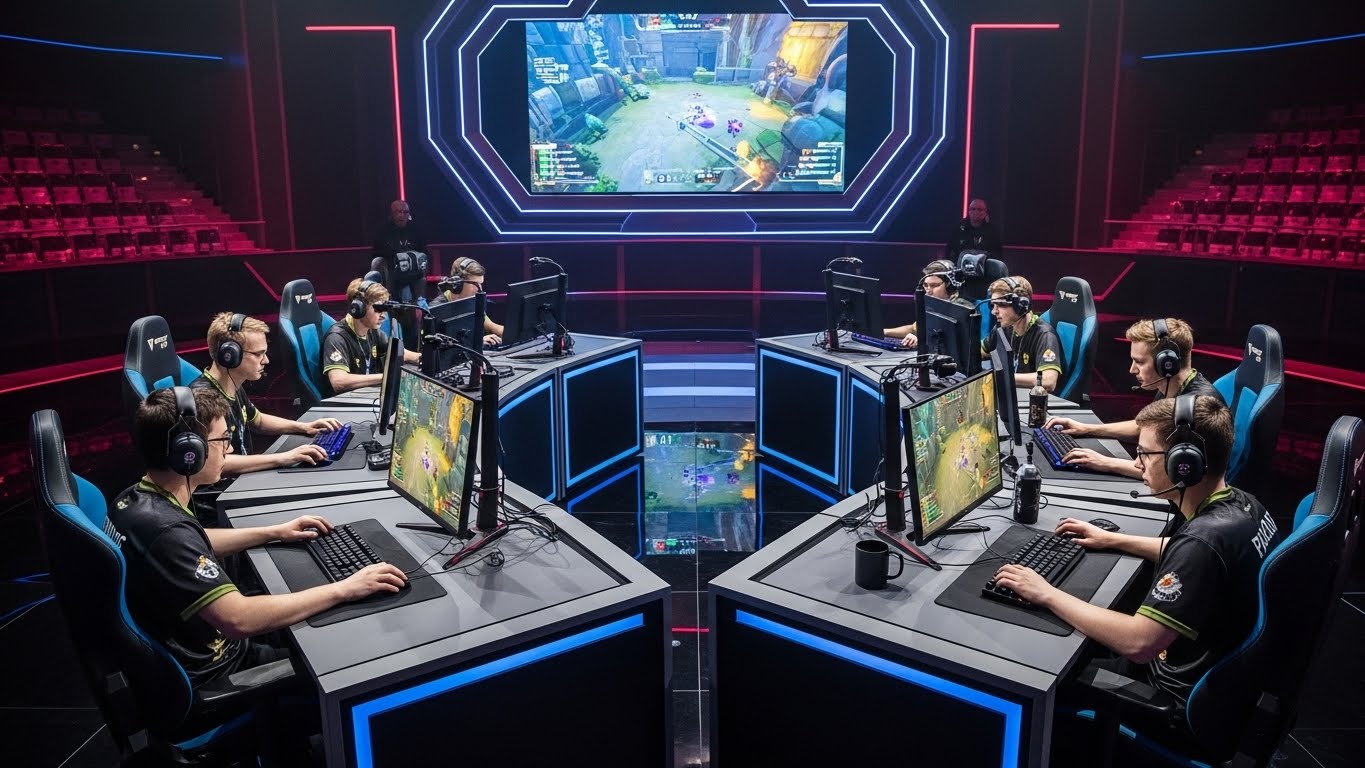
The rise of esports has been nothing short of extraordinary. Games such as League of Legends, Dota 2, Counter-Strike, and Valorant have become household names, attracting massive audiences and sponsorships. Professional tournaments now offer multi-million-dollar prize pools, and esports athletes are treated with the same respect as traditional sports stars. The combination of skill, teamwork, and strategy required makes competitive gaming a true test of mental and reflexive strength.
The Role of Technology and Media
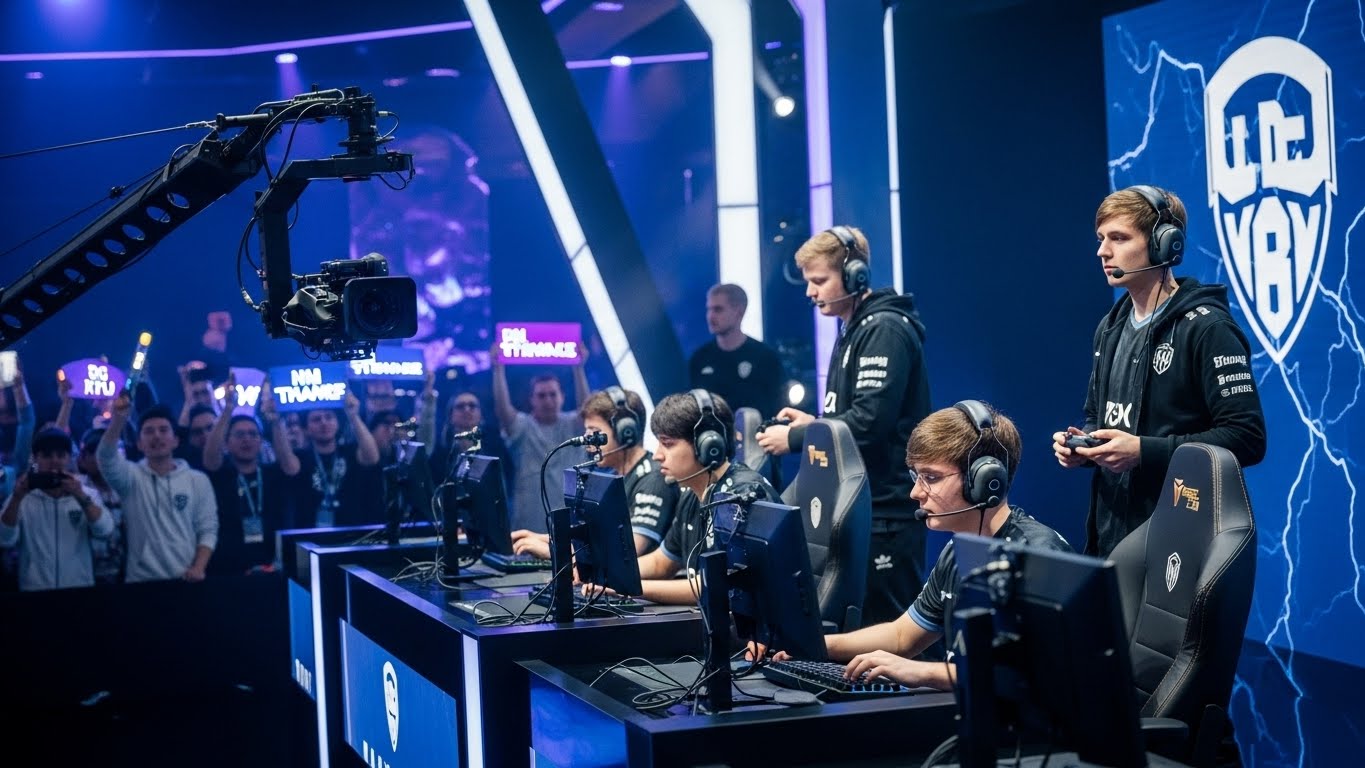
Technology has played a crucial role in the rise of esports. High-speed internet, powerful gaming hardware, and streaming platforms have made it easier for fans to watch and interact with their favorite players in real time. Live broadcasts of tournaments attract millions of viewers, turning esports into a digital entertainment powerhouse. Social media has also helped create strong connections between players and their fan communities.
Esports as a Career Opportunity
Esports has opened up countless career paths beyond just playing games. Professional players, coaches, analysts, commentators, event organizers, and content creators all contribute to the ecosystem. Many young people now see esports as a viable career choice, with universities offering scholarships and courses dedicated to gaming and digital media. The industry’s expansion has proven that passion for gaming can lead to long-term professional success.
Cultural and Social Impact
Esports has significantly influenced modern culture. It promotes teamwork, discipline, and global unity by bringing together players and fans from diverse backgrounds. It also challenges outdated stereotypes about gaming, showing that it requires intelligence, dedication, and strategic thinking. For many young people, esports provides a platform to express creativity and build confidence.
Challenges Facing Esports
Despite its rapid growth, esports still faces certain challenges. Issues such as player burnout, mental health, and fair competition need continued attention. Additionally, ensuring equal opportunities for all players regardless of gender or location is vital for the industry’s inclusivity. However, organizations and communities are actively working to address these challenges through better regulations and support systems.
The Bright Future Ahead
The future of esports is filled with limitless potential. With advancements in virtual reality, artificial intelligence, and interactive technology, the gaming experience will continue to evolve. Esports is expected to become even more integrated into mainstream culture, with more schools, brands, and media platforms embracing it. The boundaries between traditional sports and esports will continue to blur, creating a new era of global competition.
Conclusion
Esports represents the perfect fusion of technology, talent, and entertainment. It has transformed the way people view gaming, proving that digital competition can be just as thrilling and meaningful as any physical sport. As the industry continues to expand, esports will remain a driving force in shaping the future of global entertainment and innovation.