 championcast96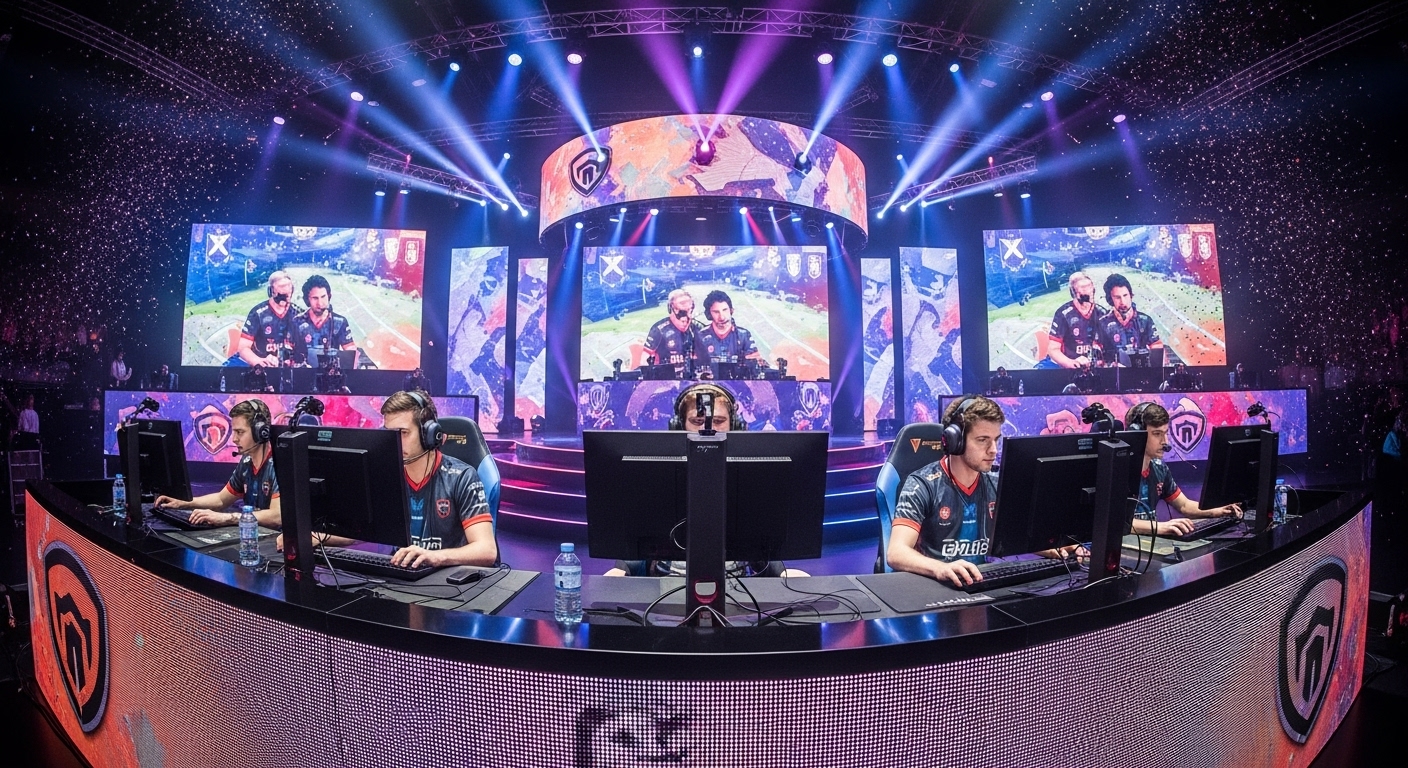
Introduction: Esports and the Digital Age
In the past two decades, esports has emerged from a niche hobby into a global industry that rivals traditional sports in both viewership and revenue. What once began as casual gaming among friends has transformed into organized competitions with professional teams, high-stakes tournaments, and massive fan engagement. Esports is not just about playing video games anymore; it is about strategy, skill, teamwork, and community. Its rise reflects the intersection of technology, entertainment, and culture, redefining what it means to compete and spectate in the modern digital era.
The Origins of Competitive Gaming
The concept of competitive gaming is not new. In the 1970s and 1980s, players competed for high scores in arcade games such as Pong and Space Invaders. These early competitions offered a glimpse of the community and excitement that gaming could generate.
The 1990s introduced multiplayer online games like StarCraft, Warcraft, and Counter-Strike, which laid the foundation for esports as we know it today. With the advent of the internet, players could compete across cities, countries, and eventually continents. Early tournaments started to attract attention from local communities, and the idea of gaming as a professional pursuit began to take shape.
The Modern Esports Ecosystem
Esports today is a sophisticated ecosystem that includes professional players, teams, organizers, sponsors, and audiences. It functions similarly to traditional sports but within the digital realm.
Professional Players and Teams: Top esports athletes train rigorously, often practicing for more than eight hours a day. Teams operate with coaches, analysts, and support staff to refine strategies and maximize performance.
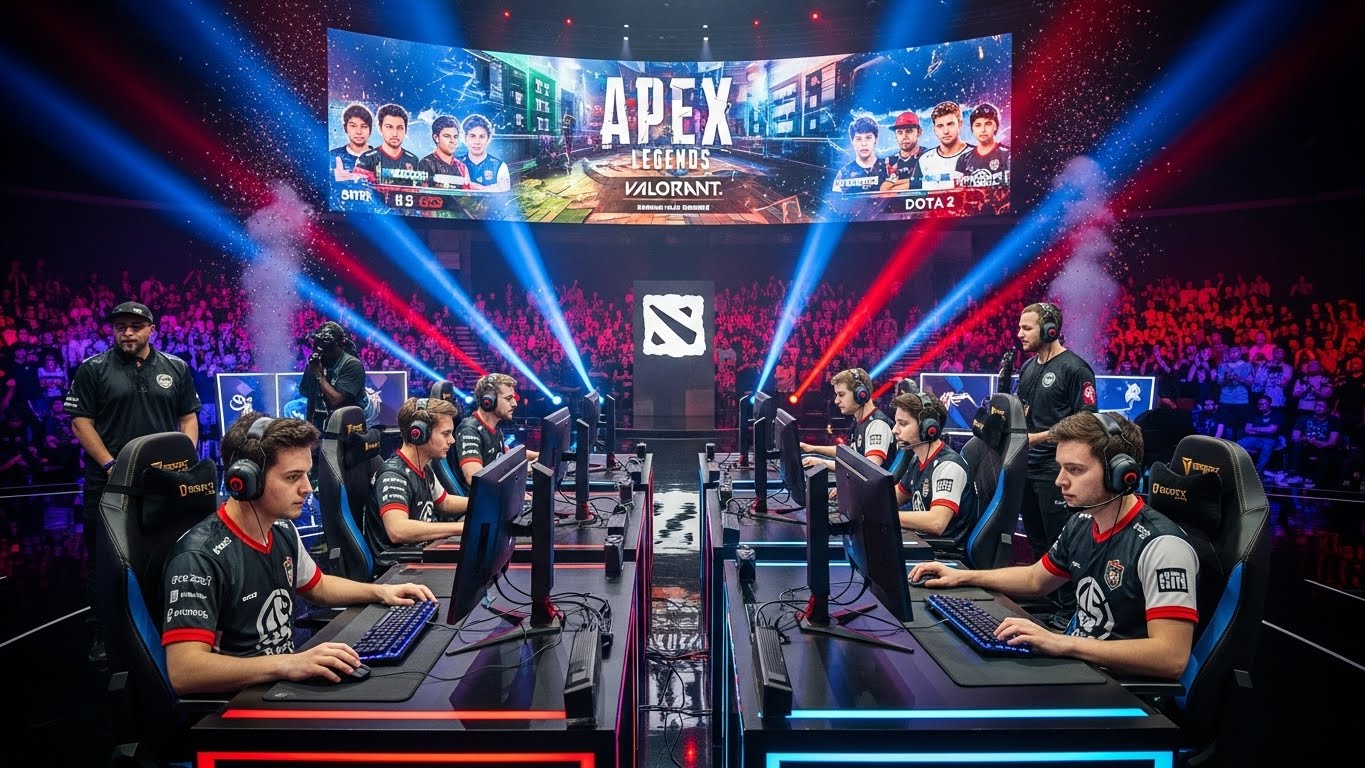
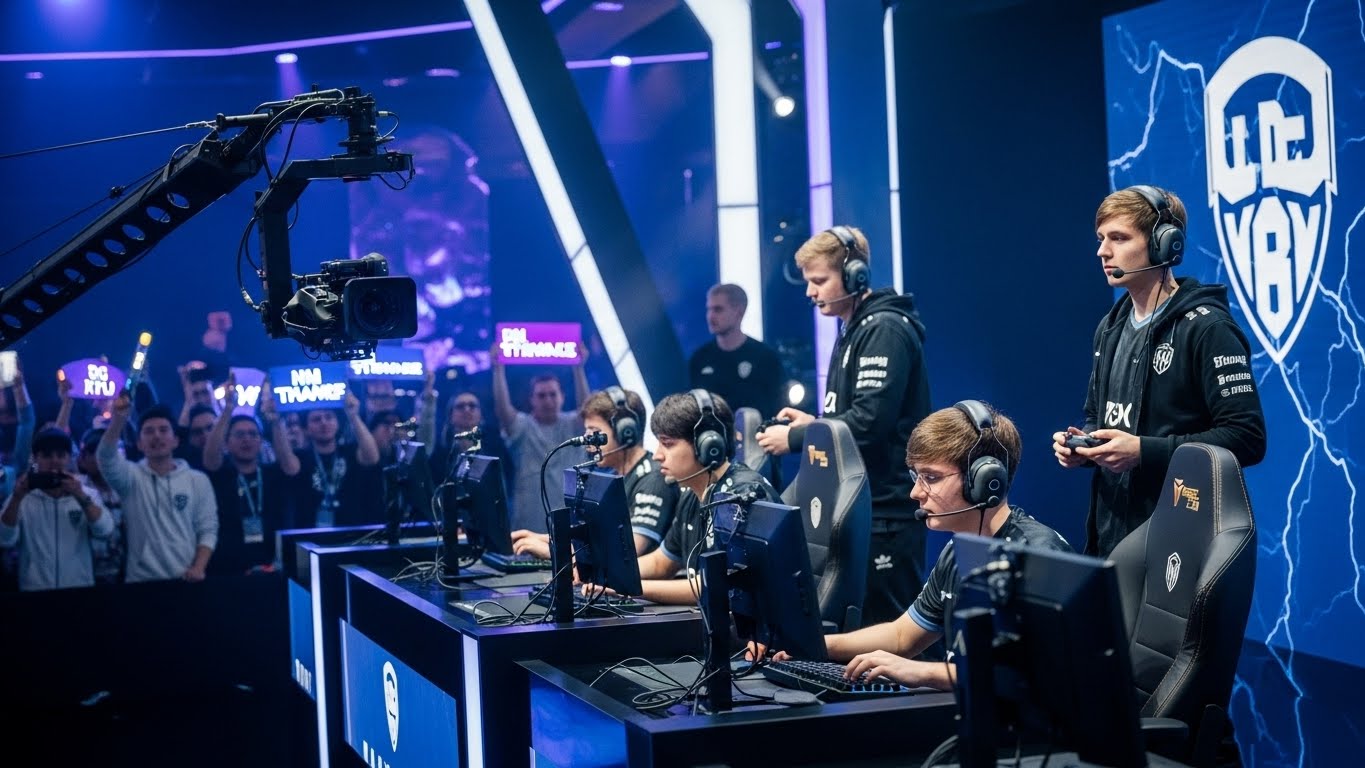
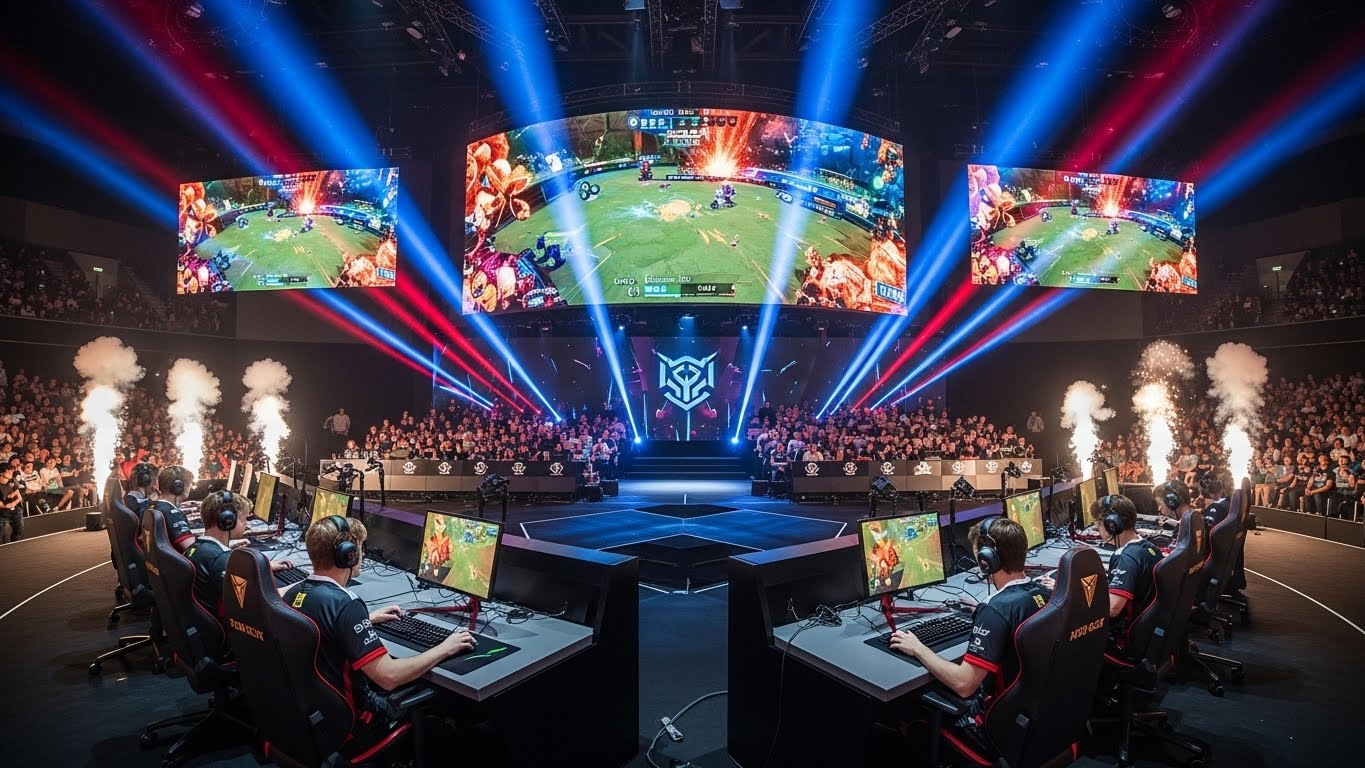
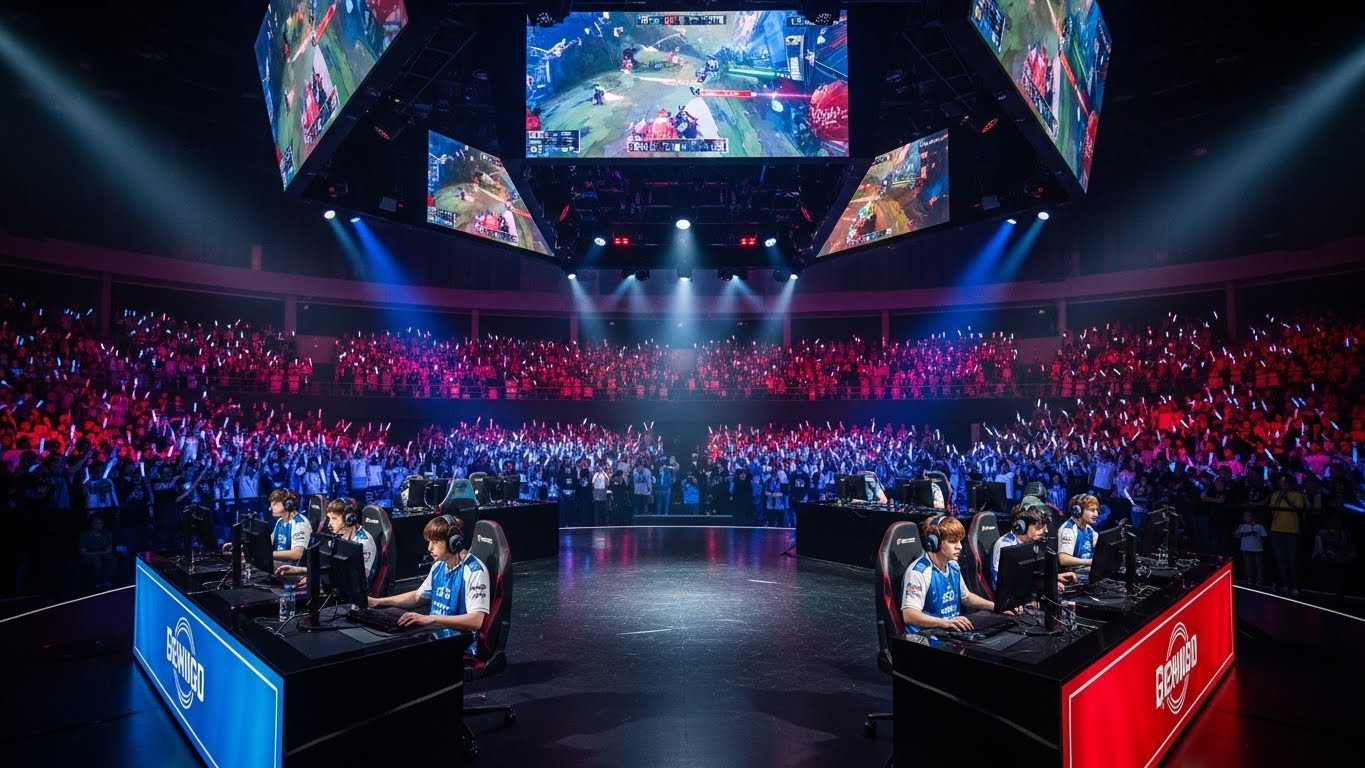
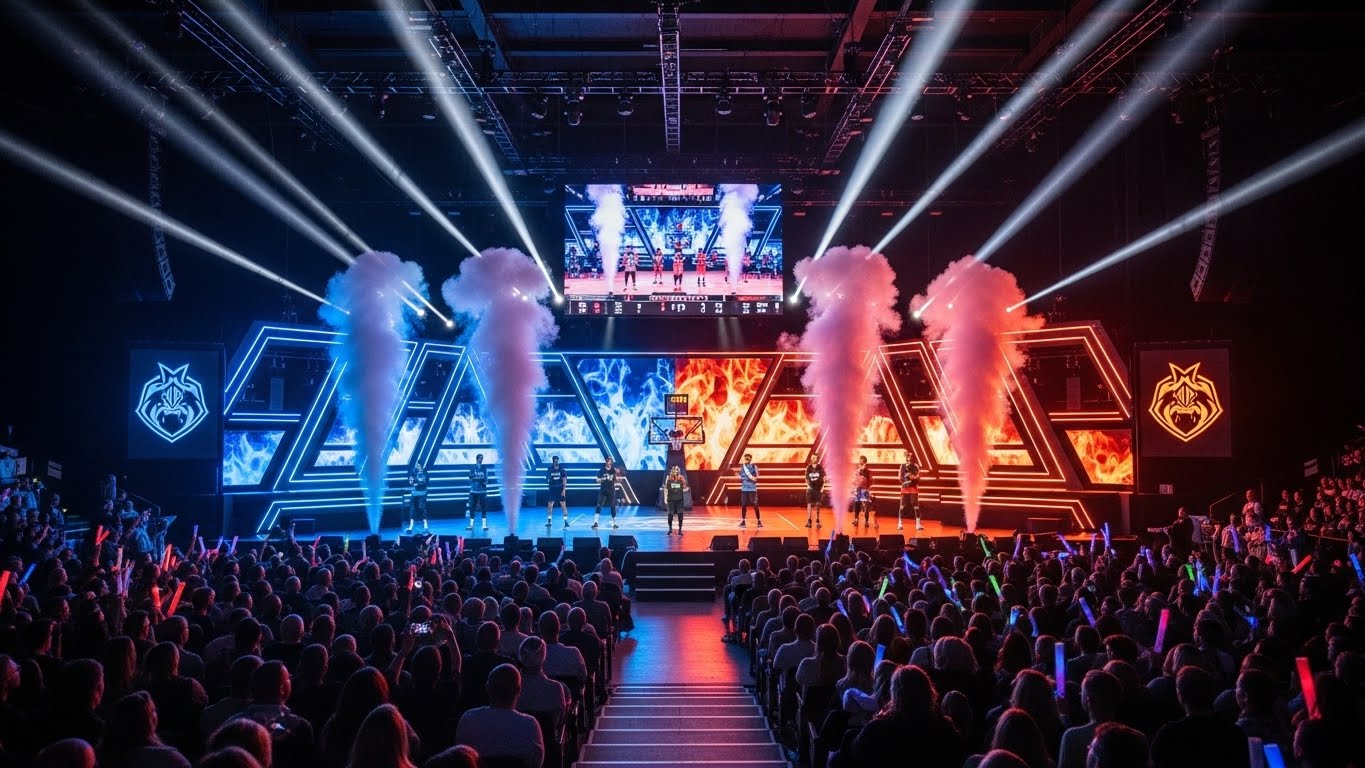
Tournaments and Championships: Esports tournaments like the League of Legends World Championship, The International, and the Fortnite World Cup draw millions of viewers and offer multi-million-dollar prize pools. These events combine intense competition with entertainment, creating spectacles that attract global attention.
Revenue and Sponsorship: Corporate sponsorships, advertising, merchandising, and media rights have turned esports into a multi-billion-dollar industry. Brands see esports as an opportunity to reach young, tech-savvy audiences, fueling growth and mainstream acceptance.
The Role of Streaming in Esports
Streaming platforms have been pivotal in making esports accessible to a worldwide audience. Services such as Twitch and YouTube Gaming allow fans to watch live competitions, interact with players, and participate in communities centered around specific games.
Streaming also enables players to build personal brands and engage with fans outside of tournaments. Through tutorials, live gameplay, and behind-the-scenes content, professional gamers maintain a close connection with their audience, increasing fan loyalty and engagement. The interactive nature of streaming is one of the main reasons esports has grown so quickly and developed a dedicated global following.
Esports as a Career
Esports is no longer just a hobby; it is a viable career path. Professional players earn salaries, prize money, and sponsorship income, while other roles in the ecosystem, such as coaching, content creation, event management, and analysis, provide additional professional opportunities.
Universities and colleges have begun offering esports scholarships and programs, legitimizing gaming as an academic and professional pursuit. Students can develop gaming skills alongside strategic thinking, teamwork, and communication abilities, preparing them for long-term careers in this rapidly growing industry.
Global Reach of Esports
Esports is a global phenomenon that transcends borders. South Korea is known for its professional StarCraft and League of Legends players, while China hosts tournaments with record-breaking viewership. Europe and North America have developed strong competitive communities for games like Counter-Strike and Dota 2.
International tournaments foster cross-cultural engagement, uniting players and fans from diverse backgrounds. This global reach allows esports to serve as a platform for cultural exchange and international cooperation, connecting people through shared passion and competition.
Popular Esports Games and Genres
The success of esports is closely tied to the design and popularity of specific games. Various genres dominate the competitive scene:
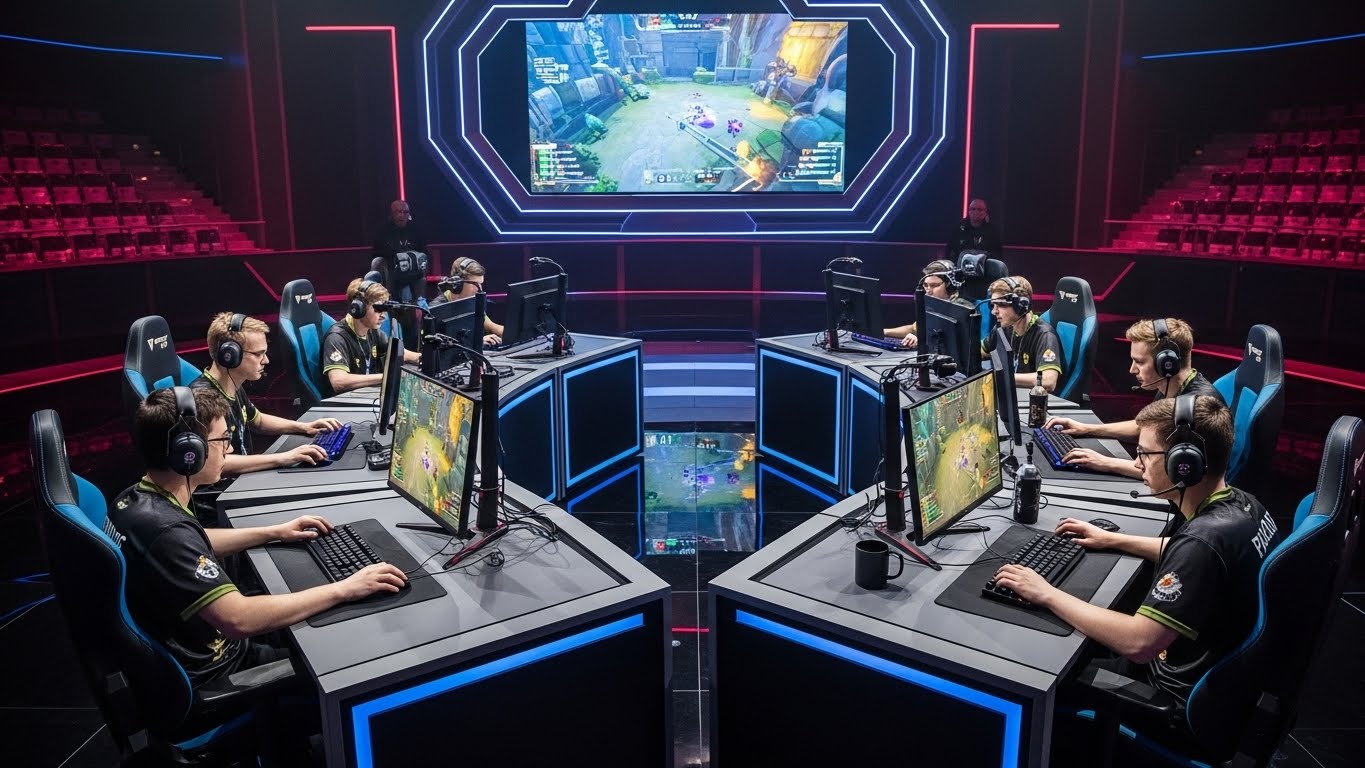
Multiplayer Online Battle Arenas (MOBA): Games such as League of Legends and Dota 2 demand strategic teamwork, precise execution, and rapid decision-making.
First-Person Shooters (FPS): Titles like Counter-Strike: Global Offensive and Call of Duty focus on accuracy, speed, and tactical gameplay.
Battle Royale: Games like Fortnite and PUBG challenge players to survive in large-scale maps, combining strategy, reflexes, and adaptability.
Real-Time Strategy (RTS): Games such as StarCraft emphasize resource management, unit control, and long-term strategy.
Each genre appeals to different audiences, and the competitive nature of these games creates diverse opportunities for players and teams worldwide.
The Role of Technology in Esports
Technology underpins the esports ecosystem. High-speed internet, powerful gaming hardware, and analytical software enhance player performance and spectator experiences. Tools like replay analysis, performance metrics, and strategy simulations allow teams to prepare extensively for competition.
Virtual and augmented reality technologies are also poised to transform esports further, creating immersive gameplay experiences and interactive spectating opportunities. Technology not only facilitates competition but also enables inclusivity, allowing anyone with the necessary equipment and skills to participate.
Cultural and Social Impact
Esports has become a cultural movement that influences fashion, music, and entertainment. Professional players are now celebrities, social media influencers, and role models. The community aspect of esports allows fans to connect, collaborate, and share experiences in a digital space.
Beyond entertainment, esports develops cognitive skills such as problem-solving, strategic thinking, teamwork, and decision-making under pressure. The competitive environment encourages growth, discipline, and collaboration, demonstrating that esports can be educational and socially enriching.
Challenges Facing Esports
Despite its rapid growth, esports faces several challenges. Player burnout is a serious concern, as intense training schedules can take a physical and mental toll. Mental health support, proper scheduling, and career planning are crucial for sustaining professional careers.
Another challenge is recognition. While acceptance is growing, some critics still question whether esports should be considered a legitimate sport. Establishing standardized rules, fair competition, and official governance will help solidify its legitimacy.
Regulation is also necessary to address issues like cheating, hacking, and match-fixing. As the industry continues to grow, maintaining ethical standards and professional practices is essential for long-term sustainability.
The Future of Esports
The future of esports is promising. Emerging technologies, including virtual reality and artificial intelligence, will expand gameplay possibilities and fan engagement. New regions, such as South America, Southeast Asia, and the Middle East, are rapidly adopting esports, offering opportunities for global expansion.
Esports may also integrate further with traditional sports, through hybrid events, collaborative tournaments, and shared training methodologies. As infrastructure improves and the industry matures, esports will continue to grow as a mainstream competitive discipline and entertainment medium.
Conclusion: Esports as a Global Movement
Esports has transformed gaming into a worldwide phenomenon that blends competition, entertainment, and community. It offers opportunities for players, careers in professional and creative fields, and a platform for cultural exchange.
From casual gamers to professional athletes, millions of people are connected through their love of esports. It is not just a pastime but a serious industry that continues to grow in influence and reach. Esports represents the future of competitive entertainment, demonstrating the power of digital culture and technology to unite people, inspire creativity, and redefine the meaning of sport in the modern age.
Esports is more than a game—it is a revolution in how we compete, watch, and engage with the digital world.