 championcast96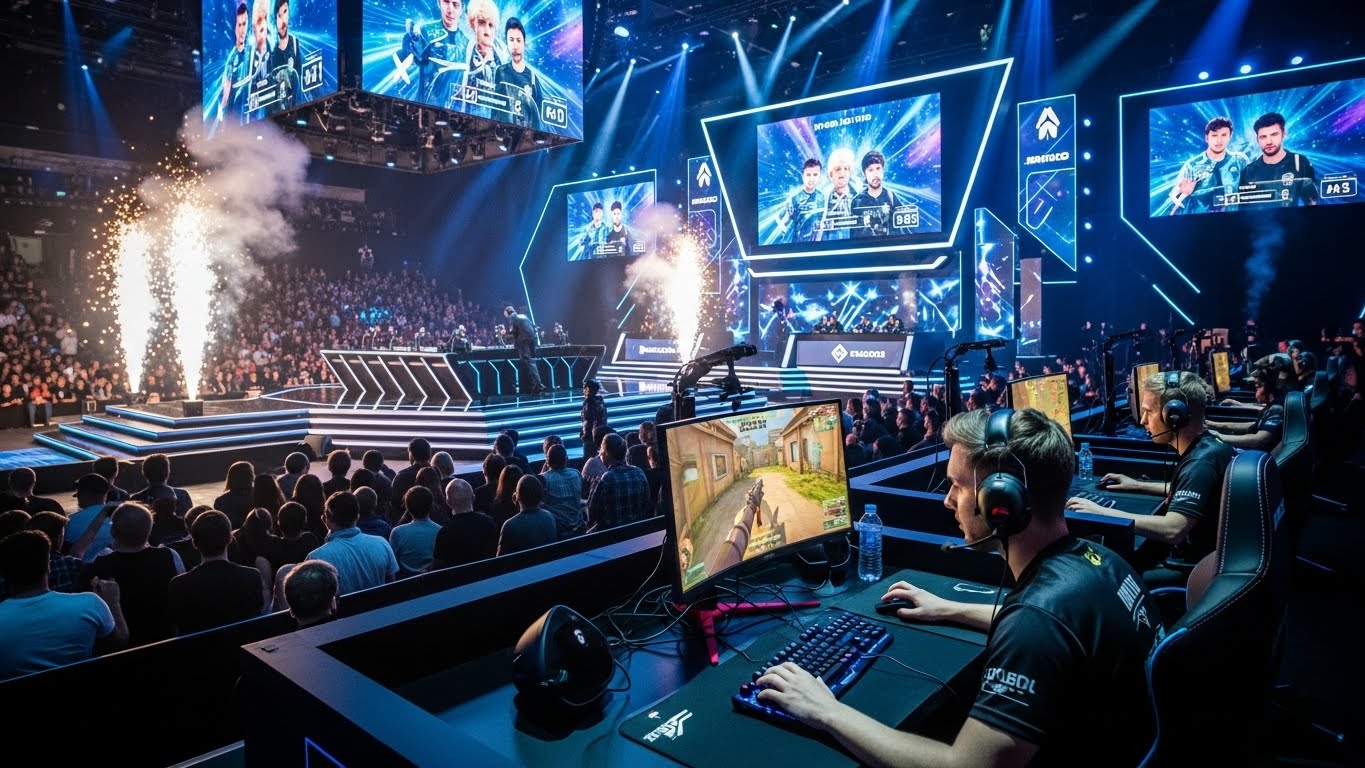
Introduction: A New Age of Competition
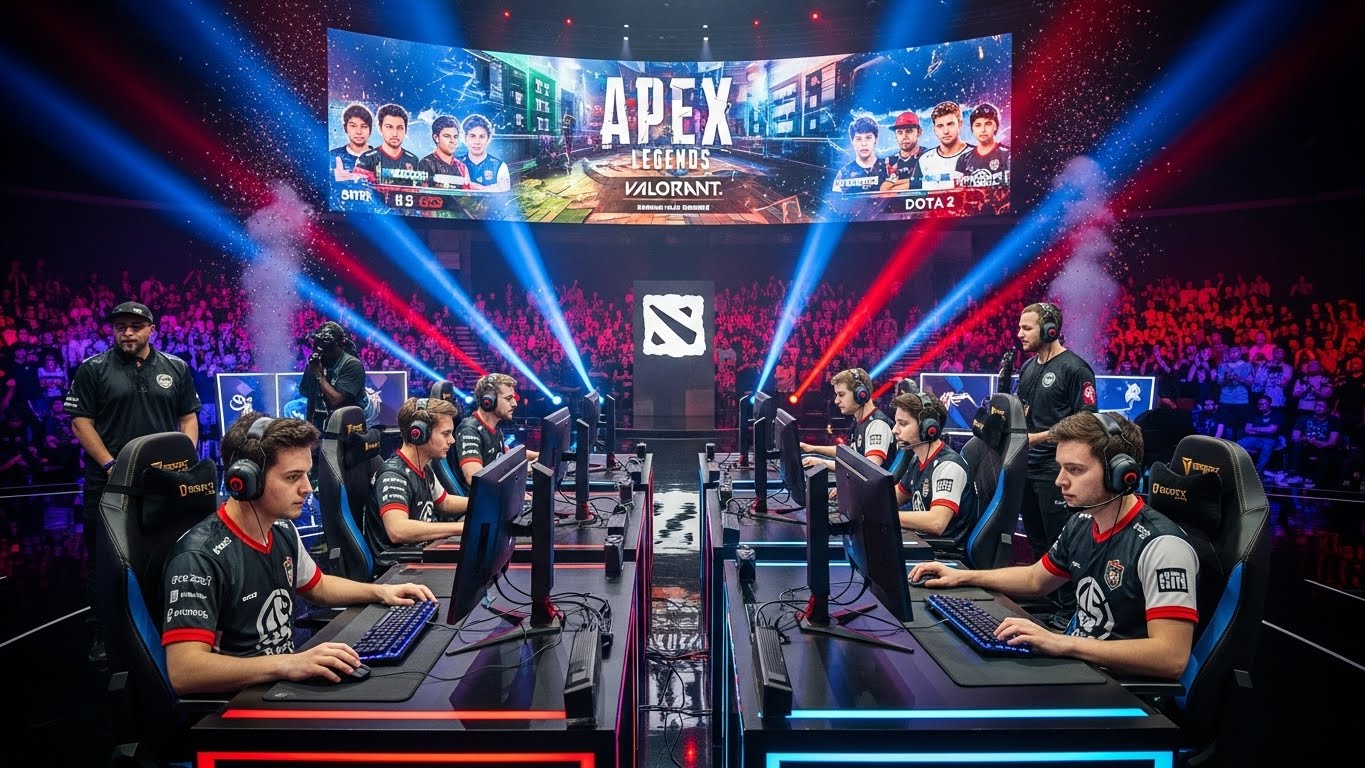
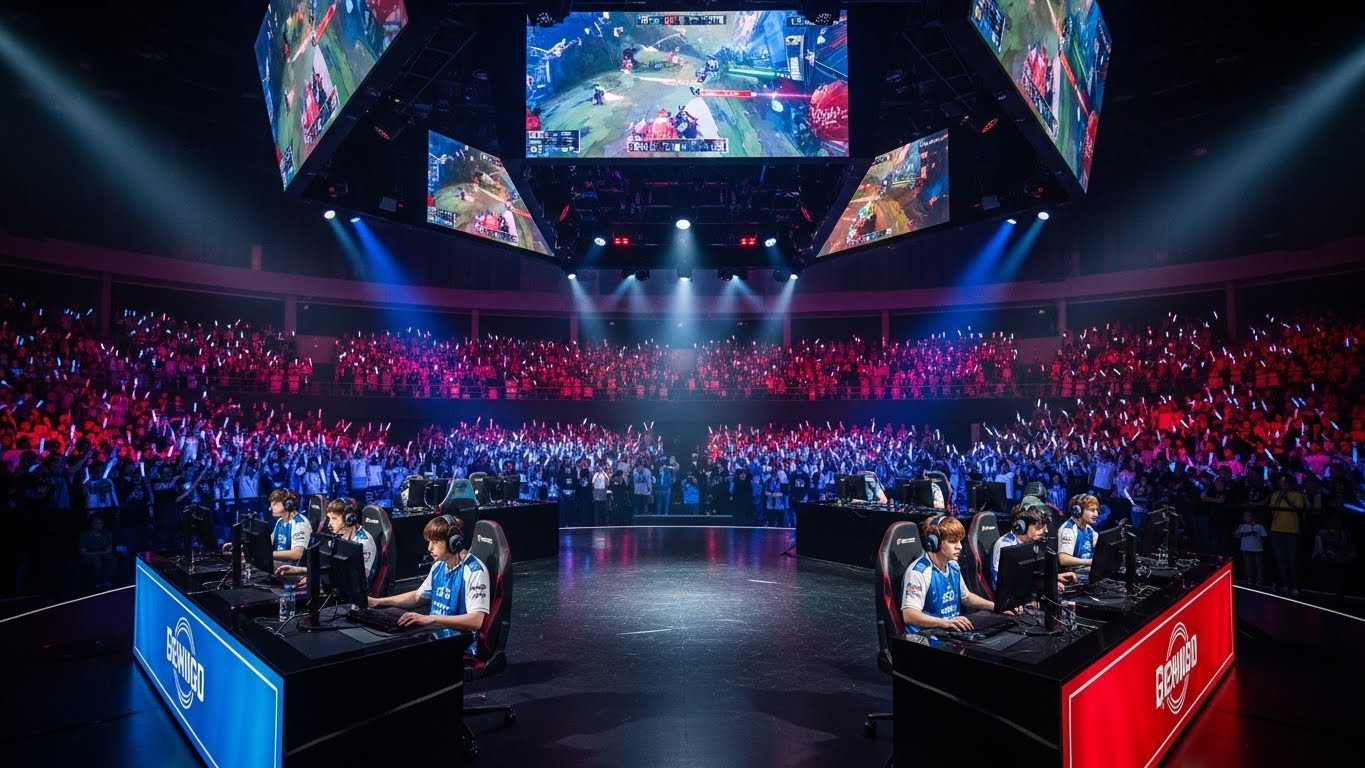
Esports has transformed from a simple pastime into one of the most influential cultural and competitive movements of the modern world. What once took place in small internet cafés now fills massive stadiums, attracts millions of viewers, and cultivates superstar players. The rise of esports represents more than entertainment; it symbolizes the blending of technology, creativity, and global community. Today, esports is redefining what it means to compete, to connect, and to dream.
The Birth and Evolution of Esports
The earliest forms of competitive gaming began in the 1980s with arcade battles and home console challenges, but the true evolution of esports began when the internet connected players worldwide. Games like StarCraft, Counter-Strike, and early online RPG arenas introduced a new level of competition where players battled not just for fun but for reputation and recognition. As technology advanced, graphics improved, multiplayer capabilities expanded, and gaming communities grew. By the 2010s, esports had transformed into a professional ecosystem featuring global leagues, structured teams, and massive tournaments. This evolution showcases how digital entertainment has matured into a respected form of competitive sport.
Esports as a Major Industry
The esports industry has grown into an economic powerhouse. Revenue flows through sponsorships, ticket sales, media rights, merchandise, team branding, and player content creation. Major companies from technology, lifestyle, and consumer goods sectors invest heavily in esports partnerships, reflecting the industry’s global appeal. Prize pools for tournaments often reach astonishing figures, attracting elite talent and fueling professional ambitions. This financial growth also supports the expansion of training facilities, esports academies, and specialized roles such as analysts, strategists, and managers. Esports has become a multifaceted commercial ecosystem with opportunities for both players and professionals behind the scenes.
The Skill Behind Digital Mastery
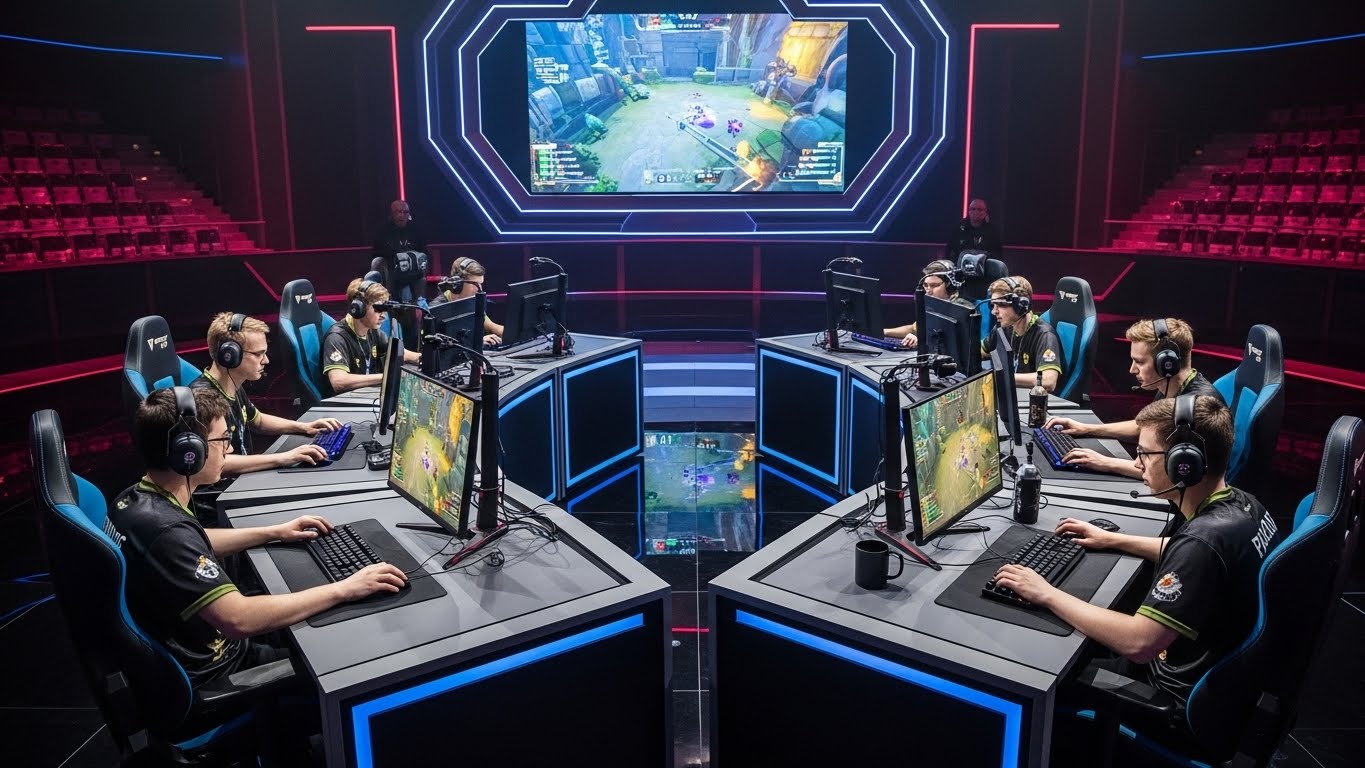
Many people misunderstand esports, assuming it is merely casual gaming. In reality, elite competitive gaming requires extraordinary skill, strategy, and discipline. Professional players practice for long hours each day to refine mechanics, improve reaction times, and develop situational awareness. Strategy is fundamental, as top teams study opponents, analyze patterns, and plan complex plays. Games demand teamwork and communication, where a single mistake can determine the outcome of a match. Mental strength is similarly crucial; players must stay calm under pressure, focus during intense moments, and adapt to rapidly changing situations. Esports proves that digital environments can foster mastery as challenging as traditional physical sports.
The Global Community and Fan Culture
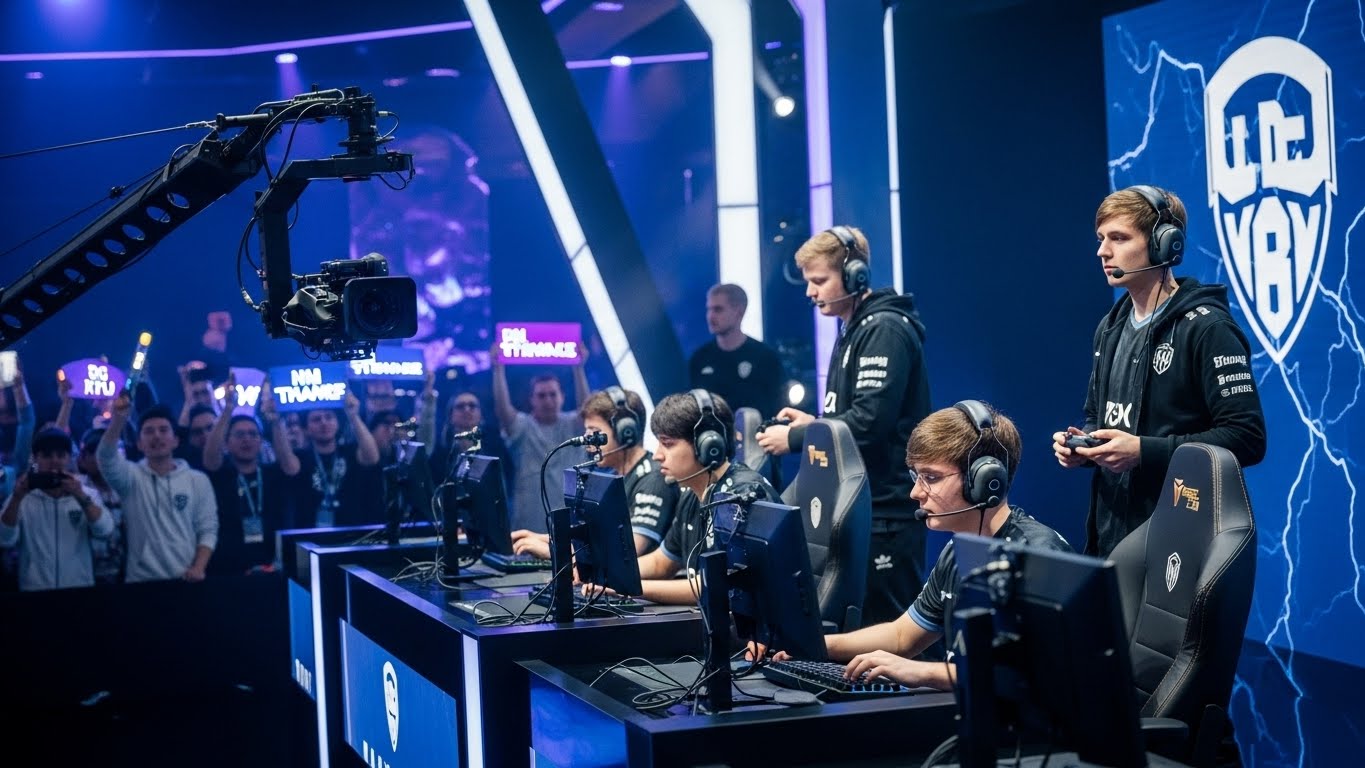
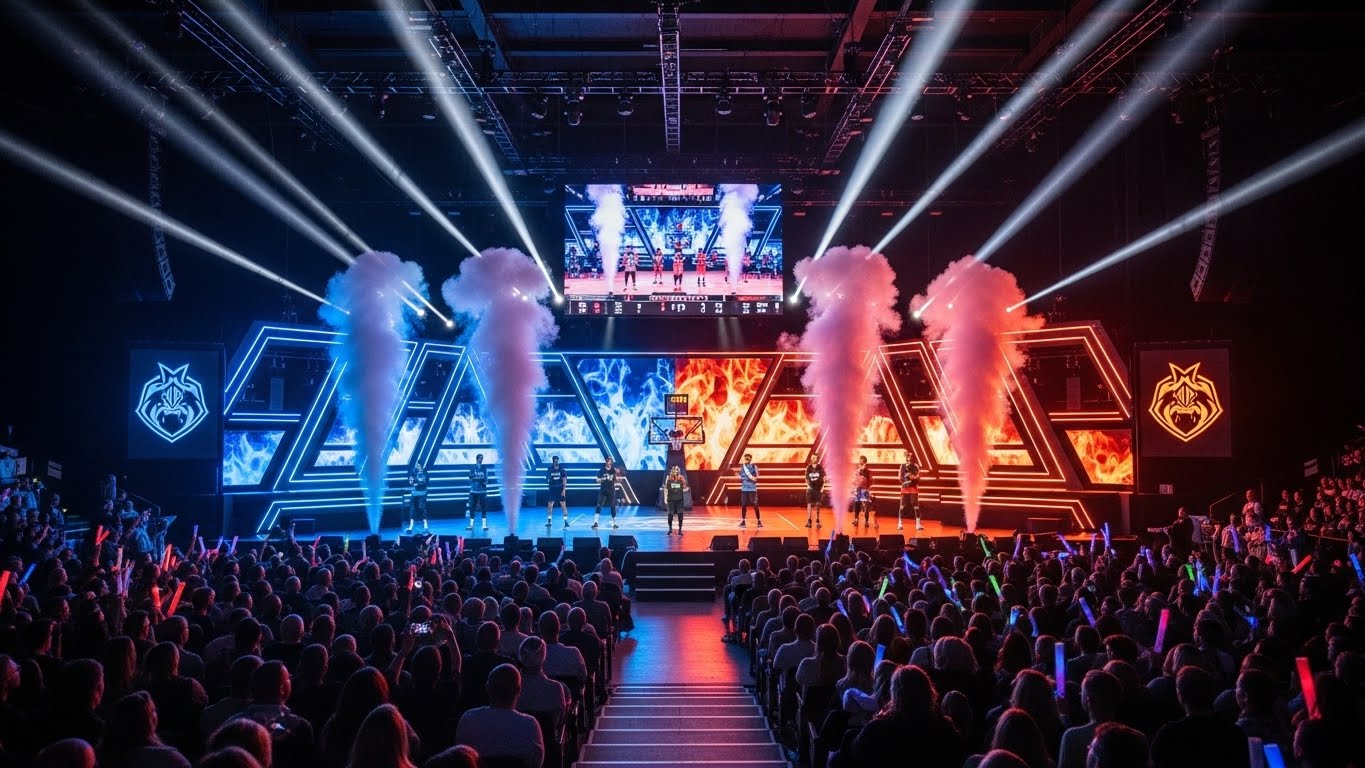
Esports thrives on community. Fans engage passionately with teams, players, and games, forming tight-knit online communities that span countries and cultures. Discussions, fan art, strategy guides, and player analysis contribute to a vibrant digital culture. The excitement of live events brings fans together, whether they gather in stadiums or join streaming platforms to support their favorite teams. Fan culture also extends to cosplay, music, gaming festivals, and community tournaments. This interconnected global community highlights the power of digital platforms to create shared experiences and foster meaningful connections among people of all backgrounds.
Women in Esports: Redefining the Space
Women have increasingly stepped into esports as players, content creators, analysts, and industry leaders. Their growing participation challenges outdated stereotypes and pushes the industry toward greater inclusivity. Female esports teams, mixed-gender competitions, and women-focused tournaments provide opportunities for aspiring players while promoting equality. Many women in esports also lead conversations about healthy gaming culture and representation, inspiring young girls around the world to pursue their passion for gaming. The increasing visibility of women in esports illustrates that talent and dedication, not gender, define success.
Esports and Education
Educational institutions are recognizing esports as an effective tool for learning and personal development. Schools and universities now offer esports programs, scholarships, and courses that explore game strategy, team management, digital communication, and technological literacy. Participation in esports teaches students valuable skills such as leadership, problem-solving, time management, and collaboration. The academic integration of esports also prepares students for careers in related fields including game development, broadcasting, marketing, and event management. As education evolves with technology, esports stands out as a modern avenue for both learning and career growth.
Health, Wellness, and Training in Esports
Competitive esports demands physical and mental discipline. Players train not only in-game but also through physical workouts to maintain overall health, avoid repetitive strain injuries, and sustain mental stamina. Nutrition, sleep schedules, and mental wellness coaching are increasingly prioritized by professional organizations. While the demands of gaming can bring challenges such as screen fatigue and stress, structured training programs promote balance and long-term health. Organizations now employ fitness trainers, mental health professionals, and performance coaches to ensure players remain strong, focused, and resilient. The emphasis on holistic wellness shows that esports is evolving into a more sustainable and responsible sport.
The Technological Backbone of Esports
Technology drives the growth of esports, shaping both gameplay and spectator experiences. High-performance computers, advanced graphics engines, fast servers, and optimized networks create seamless competitive environments. Innovations such as virtual reality, artificial intelligence, and real-time analytics are pushing the boundaries of how games are designed and played. Streaming technology enables fans to watch live matches with minimal delay while interacting with commentators and communities. As technology continues to advance, esports will benefit from richer visuals, more strategic possibilities, and enhanced engagement for both players and viewers.
The Cultural Influence of Esports
Esports is deeply integrated into modern culture. It influences fashion trends, music collaborations, and media productions. Gaming-inspired clothing lines, esports-themed entertainment, and crossover events with traditional sports highlight the cultural impact of competitive gaming. Esports athletes are becoming global influencers, shaping trends and fostering positive gaming environments. This cultural influence extends to storytelling, creativity, and entertainment, demonstrating that esports is more than a competition; it is a cultural force shaping how people connect, consume content, and express themselves.
Esports on the Global Stage
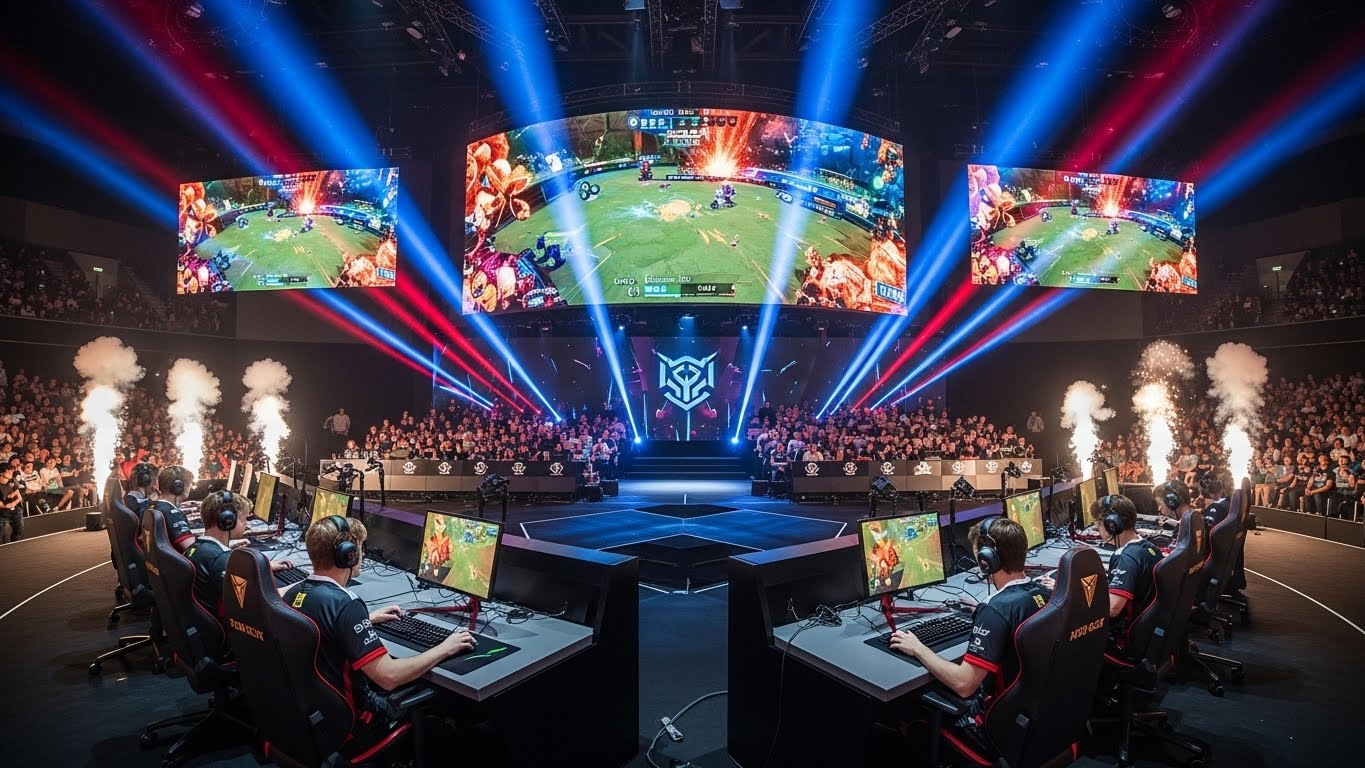
The global reach of esports is unmatched. Countries around the world have developed strong competitive scenes, professional leagues, and training pipelines. International tournaments bring together players from different cultures and backgrounds, fostering global understanding and respect. Esports champions often become national icons, and international victories bring communities immense pride. The worldwide expansion of esports continues to blur cultural boundaries, reinforcing the idea that competition and passion can unite people anywhere.
Careers and Opportunities in Esports
The esports industry offers a wide range of career paths beyond professional gameplay. Broadcasting, event production, coaching, content creation, marketing, game design, and team management are just a few of the many roles available. As the industry grows, so does the demand for skilled professionals who understand gaming culture and digital communication. Esports careers encourage creativity, technical expertise, and innovation, providing opportunities for individuals with diverse talents and interests. The growing ecosystem ensures that esports is sustainable and continually evolving as both a profession and a passion.
The Future of Esports
The future of esports promises remarkable growth and innovation. Advancements in technology will create deeper gameplay experiences, more interactive fan engagement, and global events unlike anything seen before. Esports will continue crossing into mainstream entertainment, education, and lifestyle industries. As inclusivity becomes a priority, more players from diverse backgrounds will rise to prominence. With increasing professionalism and global recognition, esports is set to remain a major force shaping digital culture and modern competition.
Conclusion: A Digital Legacy in the Making
Esports represents the merging of passion, technology, creativity, and global community. It challenges traditional ideas of sports while upholding the values of dedication, teamwork, and excellence. Whether through intense competition, vibrant fan communities, or groundbreaking innovation, esports continues to influence how the world connects and celebrates skill. The journey of esports is far from over; it is constantly evolving, inspiring the next generation of players and fans. As digital arenas expand and new stars rise, esports will continue shaping the future of entertainment and global culture.