 championcast96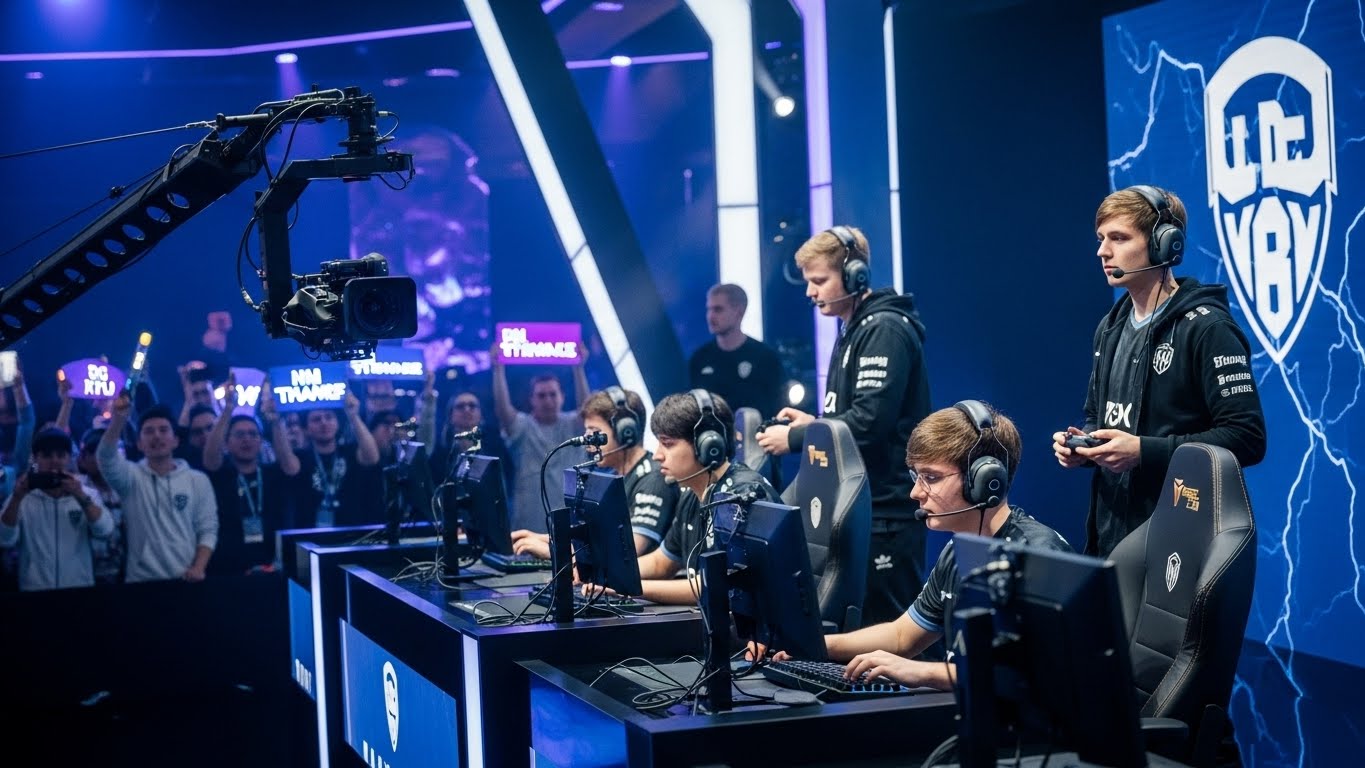
Introduction
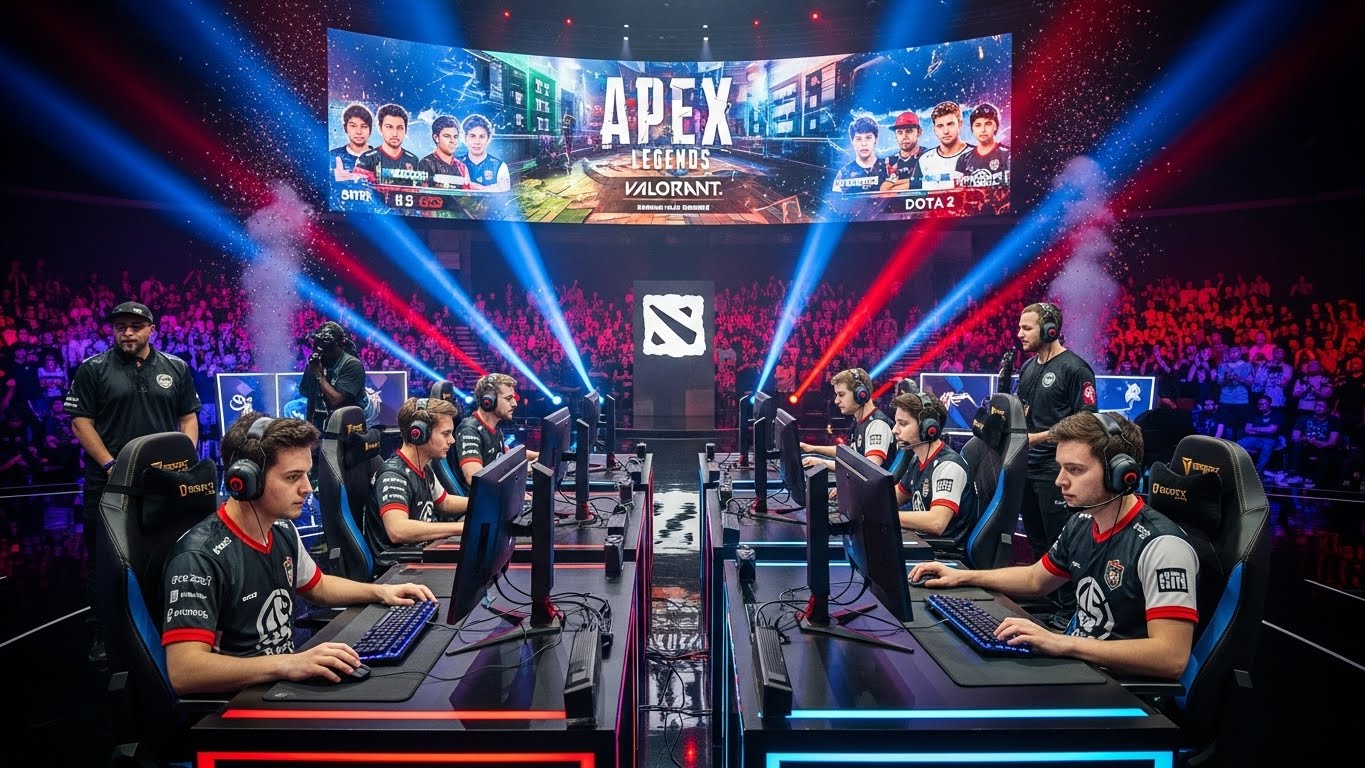
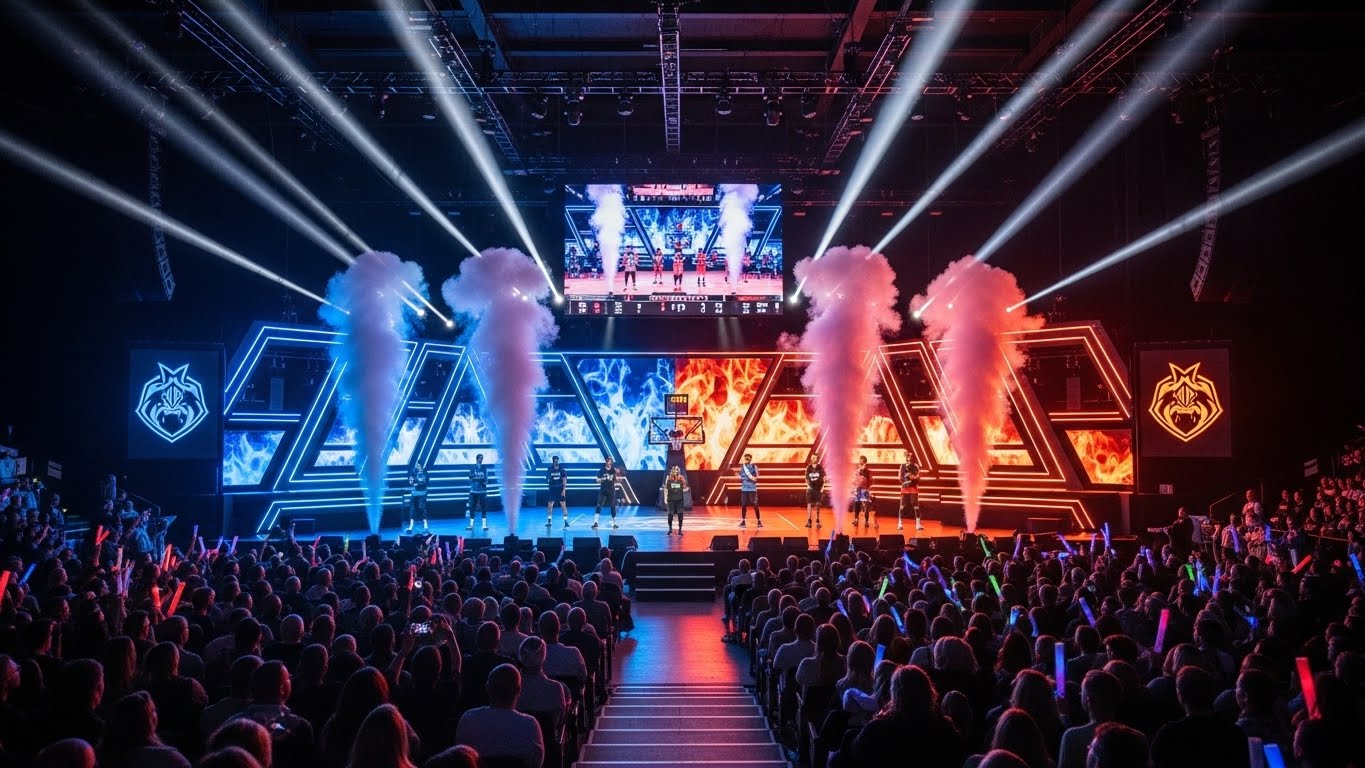
Esports has emerged as one of the most transformative entertainment industries of the 21st century. What began as a niche hobby where players competed for high scores in small arcades has evolved into a multi-billion-dollar industry with professional players, international tournaments, and massive audiences. The rise of esports has not only changed the way people interact with video games but has also created new careers, fan cultures, and technological innovations. This blog explores the journey of esports, its structure, cultural impact, and future potential in the digital age.
The Origins of Competitive Gaming
The roots of esports trace back to the early days of video gaming. In the 1970s and 1980s, arcades offered players the chance to compete for high scores, creating early forms of competitive gaming. Titles like Pong and Space Invaders were not just entertainment; they were platforms for rivalry and social engagement.
With the arrival of personal computers and home consoles, multiplayer gaming expanded beyond local arcades. Players could compete with friends and strangers, laying the foundation for organized competitions. The introduction of the internet marked a turning point. Online connectivity enabled players from across the world to compete, form communities, and participate in tournaments that were once impossible.
What Defines Esports
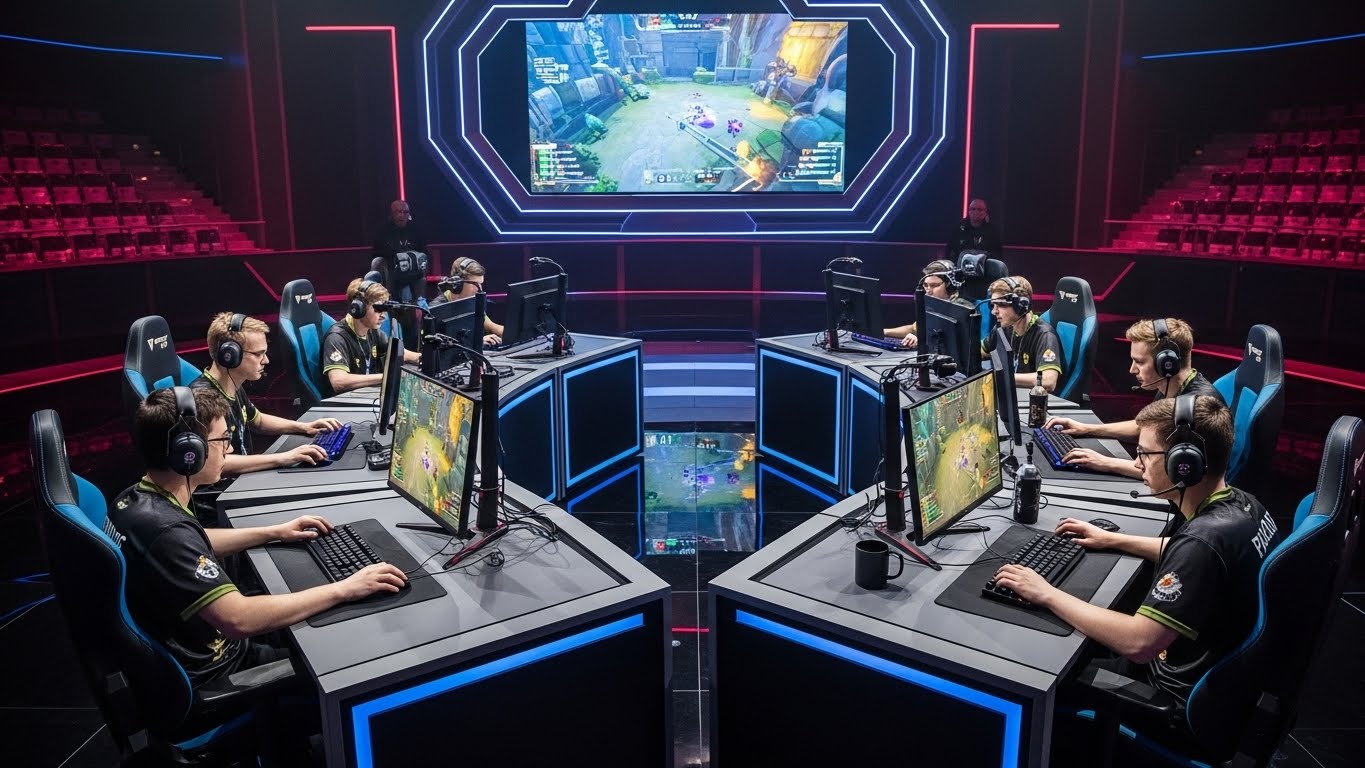
Esports is the practice of organized competitive video gaming, where individuals or teams compete under formalized rules. Unlike casual gaming, esports requires consistent training, mastery of game mechanics, strategic thinking, and mental fortitude. Top-tier players often dedicate hours daily to practice, reviewing game footage, analyzing opponents, and refining their skills.
Esports mirrors traditional sports in its structure. Professional teams have coaches, analysts, and support staff. Players follow strict schedules, balancing gameplay with physical and mental conditioning. Major tournaments have prize pools rivaling traditional sports, underscoring the legitimacy of esports as a professional pursuit.
Popular Esports Genres
Esports encompasses a variety of game genres, each offering unique competitive experiences. Multiplayer online battle arena (MOBA) games emphasize teamwork and strategy. First-person shooters (FPS) demand precision, reflexes, and tactical coordination. Real-time strategy (RTS) games test planning, resource management, and adaptability. Sports simulation games replicate traditional athletics, while fighting games showcase individual skill and timing.
This diversity allows esports to cater to a wide audience. Fans can find games that match their preferences, whether they enjoy fast-paced action, intense one-on-one duels, or strategic team play. The variety of genres has been instrumental in expanding esports’ global appeal.
The Esports Ecosystem
The esports industry is a complex ecosystem comprising players, teams, tournament organizers, sponsors, broadcasters, and fans. Players provide skill and entertainment. Teams invest in talent and branding, cultivating fan loyalty. Tournament organizers create structured events, ensuring fair competition and engagement.
Broadcasting and content creation are essential. Live streams, video highlights, and commentary allow audiences worldwide to follow matches and interact with the community. Sponsors recognize the value of connecting with tech-savvy, young audiences, financially supporting the ecosystem. Together, these components create a self-sustaining and rapidly growing industry.
The Role of Technology
Technology is at the heart of esports. High-speed internet, advanced gaming hardware, and software innovations have enabled competitive play on a global scale. Streaming platforms allow millions of viewers to watch matches live, interact with players, and build communities.
Game developers play a key role in supporting competitive ecosystems by providing balanced gameplay, tournament modes, and updates that keep players engaged. Emerging technologies like virtual reality, augmented reality, and artificial intelligence are poised to enhance the esports experience further, offering new ways to play, watch, and analyze competition.
Esports and Youth Culture
Esports resonates deeply with younger generations who have grown up in digital environments. For many, gaming is not only a pastime but also a means of social interaction and self-expression. Esports offers role models who demonstrate that passion for gaming can translate into recognition, success, and professional opportunities.
This connection has influenced fashion, media, and communication. Fans show loyalty through merchandise, social media, and community engagement. Online communities foster a sense of belonging, connecting people across borders with shared enthusiasm for competitive gaming.
Education and Career Opportunities
The growth of esports has opened educational and professional pathways. Schools and universities now offer esports programs, scholarships, and dedicated training facilities. These initiatives recognize skills developed through gaming, including teamwork, problem-solving, and strategic thinking.
Career opportunities in esports extend beyond professional play. Coaching, event management, content creation, marketing, broadcasting, and game development are some of the paths available. As the industry expands, it continues to create jobs that combine creativity, technology, and competition.
Health, Training, and Performance
Professional esports players face physical and mental challenges despite the perception of gaming as a sedentary activity. Long hours at computers can cause eye strain, poor posture, and repetitive stress injuries. To sustain high performance, players integrate exercise, proper nutrition, and rest into their routines.
Mental resilience is equally important. Players must manage stress, maintain focus under pressure, and make rapid decisions. Teams now invest in psychological support and physical conditioning programs, treating esports with the same seriousness as traditional athletic disciplines.
Challenges Facing the Industry
Despite its rapid growth, esports faces several challenges. Ensuring fair play, preventing cheating, and maintaining competitive integrity are ongoing concerns. Rapid expansion has also introduced volatility, with teams, leagues, and tournaments occasionally struggling to maintain stability.
Public perception remains a challenge. While recognition of esports as a legitimate sport is increasing, skepticism persists. Overcoming these perceptions requires professionalism, ethical standards, and consistent demonstration of esports’ value as both entertainment and competitive pursuit.
Global Impact
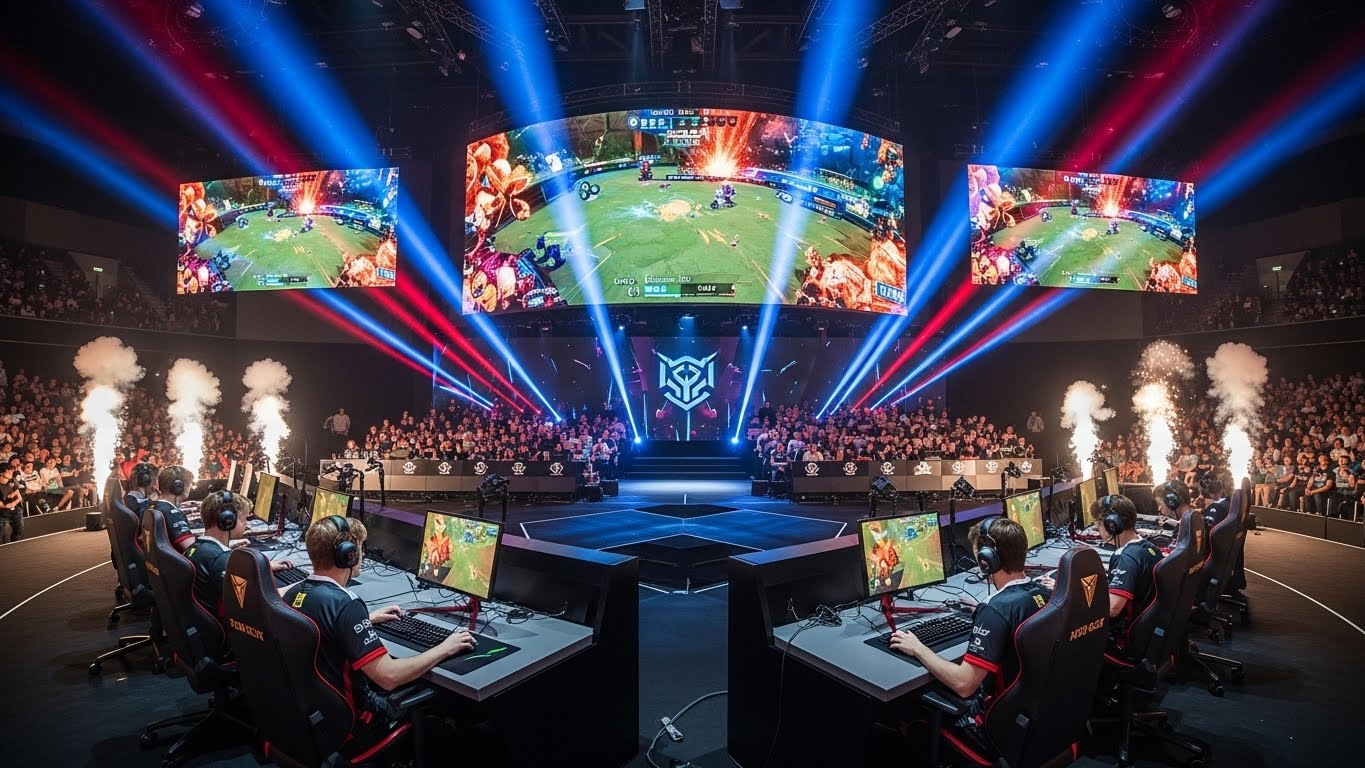
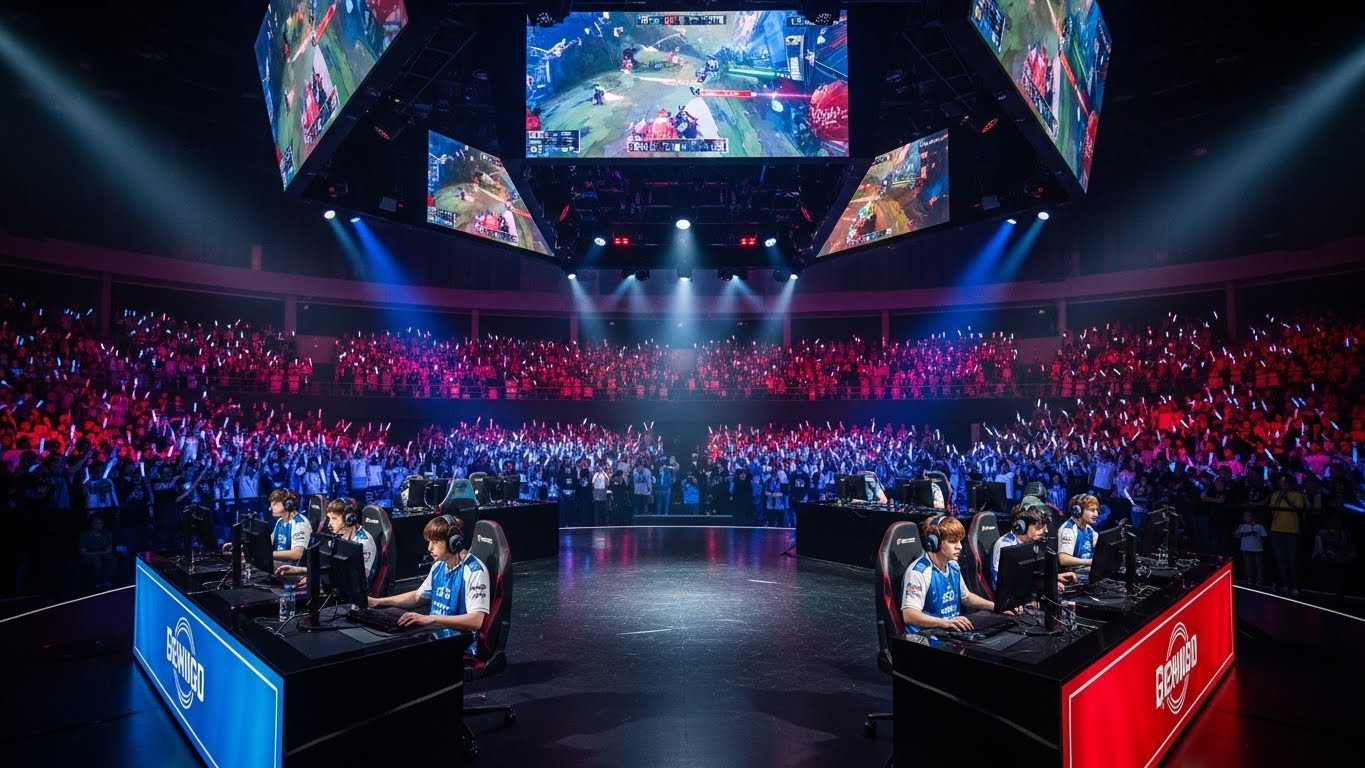
Esports is a global phenomenon that transcends cultural and geographical boundaries. International tournaments bring together players and fans from diverse backgrounds, fostering cross-cultural interaction. Cities hosting tournaments benefit economically, while brands reach global audiences.
The universal language of competition enables esports to unite people worldwide, demonstrating the power of gaming to connect communities and create shared experiences on a massive scale.
The Future of Esports
The future of esports is promising. Advancements in technology, growing viewership, and increasing professionalization will continue to elevate the industry. Innovations in immersive viewing experiences, interactive broadcasting, and advanced analytics will redefine how fans engage with esports.
Esports may also influence traditional sports by introducing new forms of fan interaction and performance analytics. The key to sustainable growth will be balancing ambition with responsibility, including player welfare, inclusivity, and ethical governance.
Conclusion
Esports has evolved from a niche pastime into a global cultural and economic powerhouse. It combines technology, competition, and community to create a unique form of entertainment that resonates with millions. By offering professional opportunities, fostering social connections, and embracing innovation, esports has secured its place in modern society.
The story of esports is still unfolding. As it continues to grow, it will shape how we play, watch, and experience digital competition. Beyond the screen, esports represents a transformative force, proving that passion, skill, and innovation can create new worlds of possibility in the digital age.