 championcast96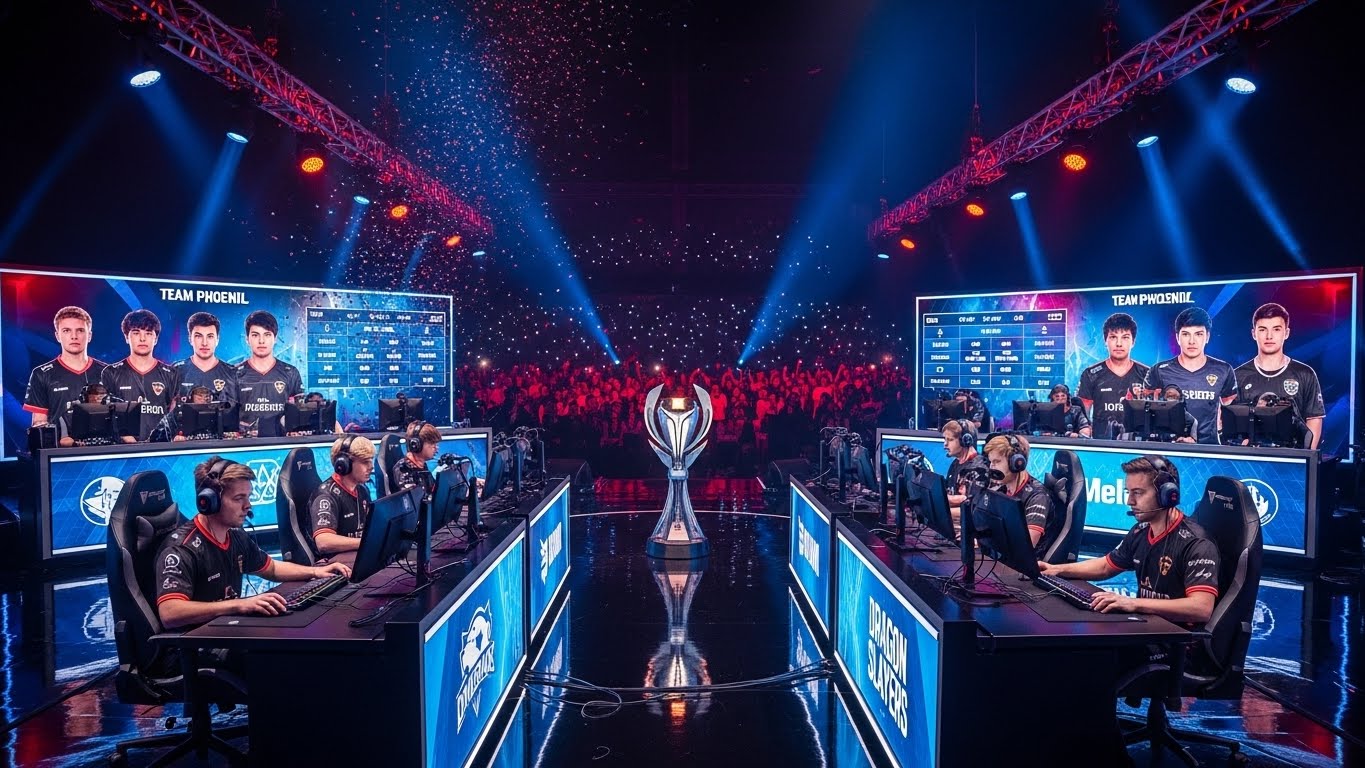
Introduction: A New Era of Competitive Entertainment
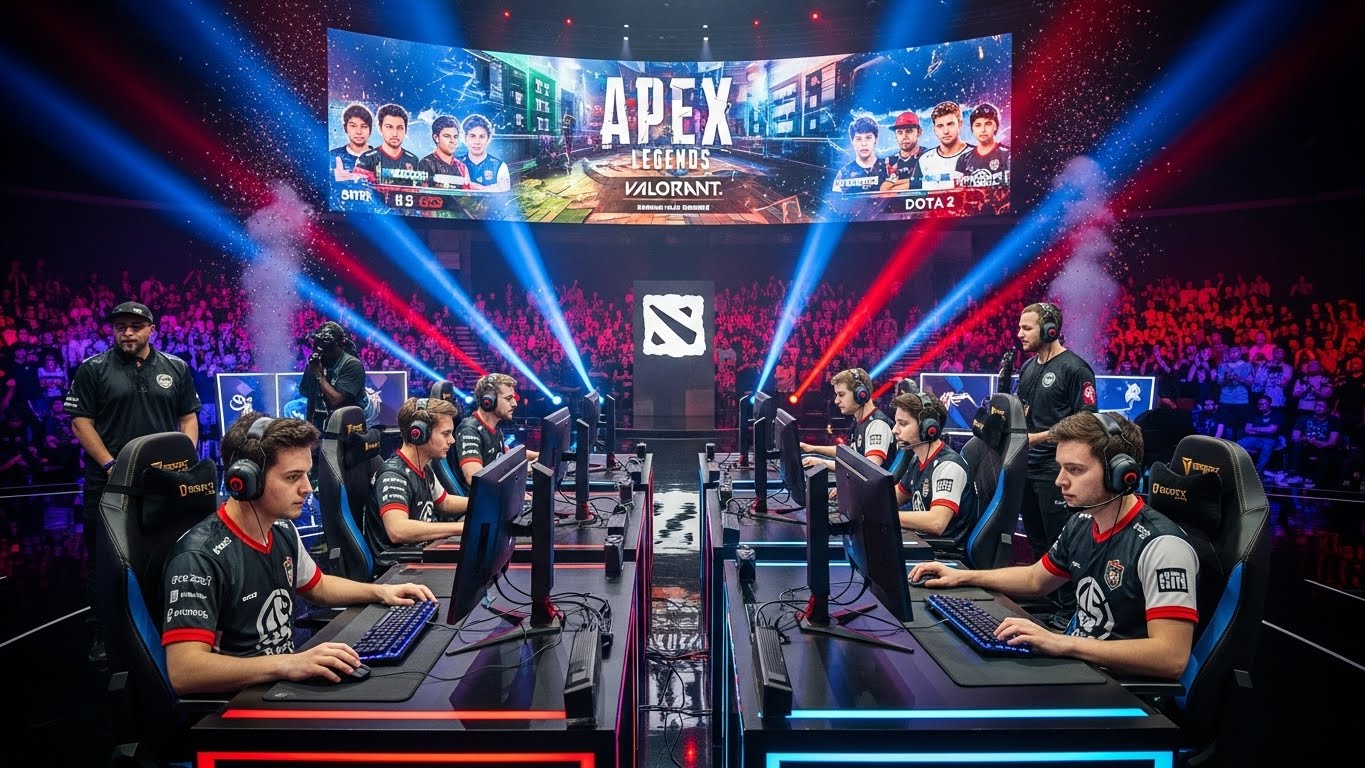
Over the past decade, esports has transformed from a niche pastime into a global entertainment powerhouse. What once began as small gaming tournaments in basements and local cafés has evolved into a multimillion-dollar industry filled with professional athletes, dedicated fanbases, and jaw-dropping stadium events. Today, esports attracts viewers in the millions, engages major brands, and influences pop culture in powerful ways. As technology continues to evolve, so does the world of competitive gaming, pushing its boundaries far beyond what early gamers could have imagined.
The Rise of Esports: From Hobby to Industry
Esports’ rise can be traced back to the early days of competitive arcade games, but its true acceleration began with the spread of the internet. Games such as StarCraft, Counter-Strike, and later, League of Legends laid the foundation for organized competitive play. Online gaming forums allowed players from around the world to compete and connect with ease, and streaming platforms helped elevate the visibility of talented players and exciting matches.
The shift from hobby to industry happened gradually as more players started dedicating themselves full-time to mastering their games of choice. Organizers began forming leagues and tournaments with structured rules and prize pools, creating an environment in which talent could thrive. As prize pools grew into the millions and sponsorships poured in, esports began earning its place as a legitimate global sport.
Professional Players: The Athletes of the Digital Age
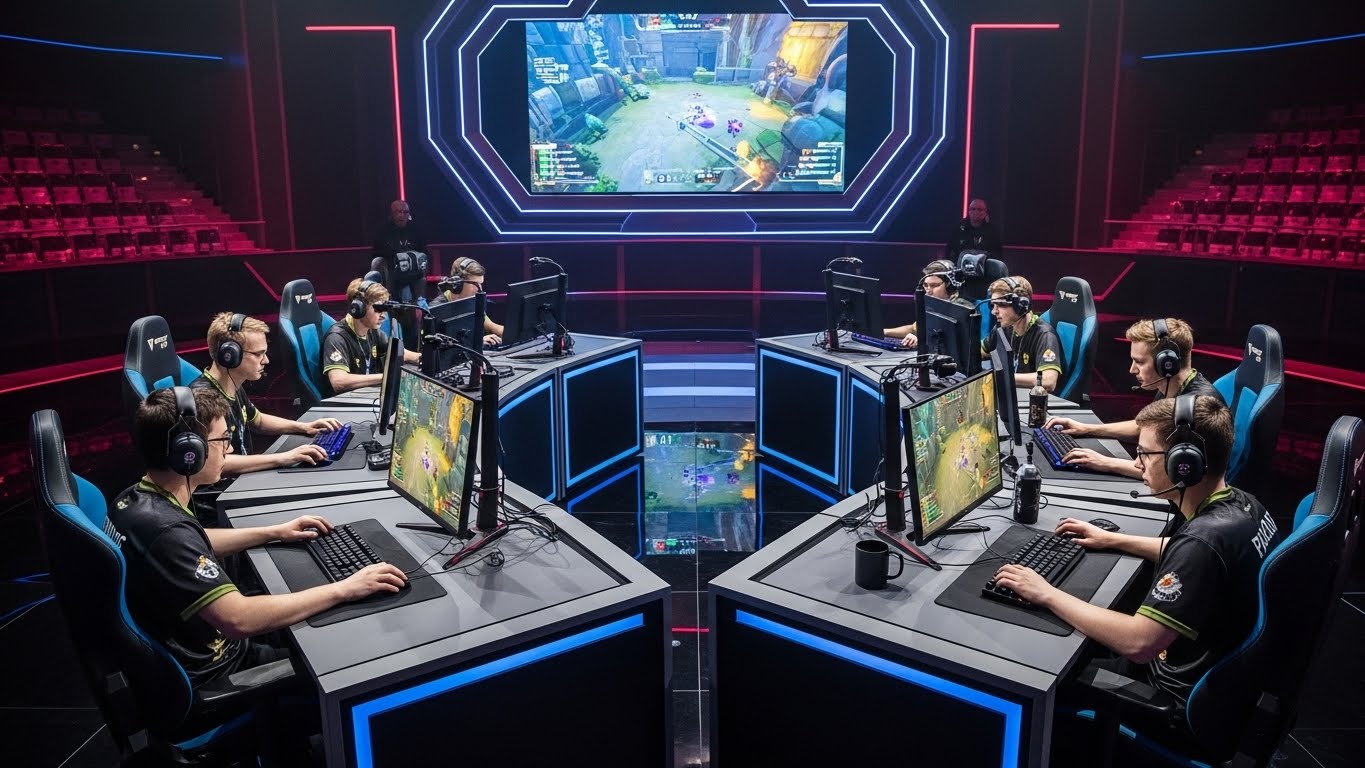
Contrary to old stereotypes, professional esports players are far from casual gamers. They train rigorously, often practicing eight to twelve hours per day, analyzing gameplay footage, and working with coaches to improve their mechanics, strategy, and communication. Many teams hire nutritionists, fitness trainers, and mental health professionals to ensure that players remain in peak condition.
Like traditional athletes, esports professionals must develop quick reflexes, strong decision-making skills, and exceptional teamwork. Their training regimens are intense, and careers can be surprisingly short due to burnout or the rapid evolution of game metas. Nonetheless, the dedication and passion displayed by these players have helped elevate esports into a respected discipline.
The Power of Community: Fans Who Fuel the Scene
Another factor behind esports’ massive success is its passionate and diverse fan community. Unlike traditional sports, esports fans span a wide range of ages and backgrounds. They gather online through social media, forums, and live streams, forming tight-knit communities centered around favorite players, teams, or games.
One of the most appealing aspects of esports fandom is accessibility. While it might be difficult to meet a professional basketball or soccer player, esports fans can interact directly with their favorite players through streaming platforms. This accessibility builds loyalty and deepens the connection between athletes and their audience.
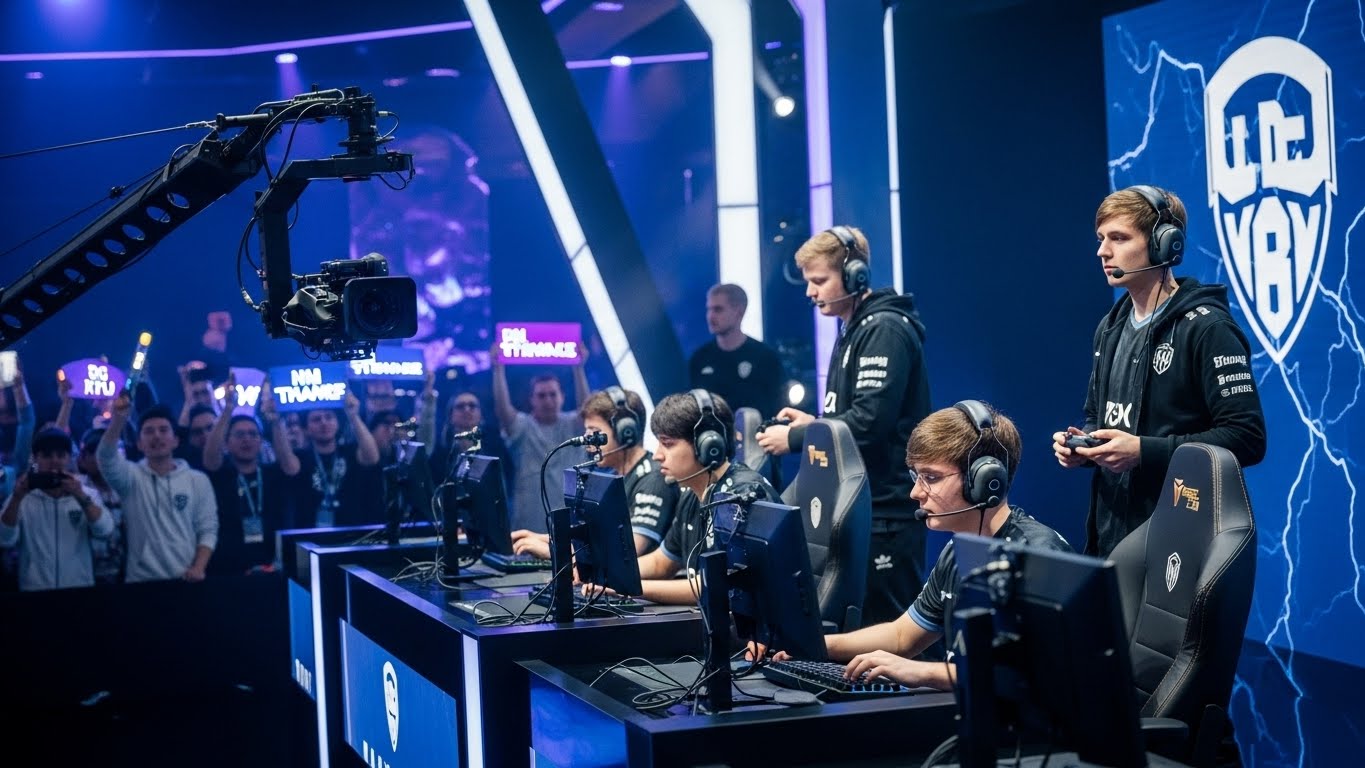
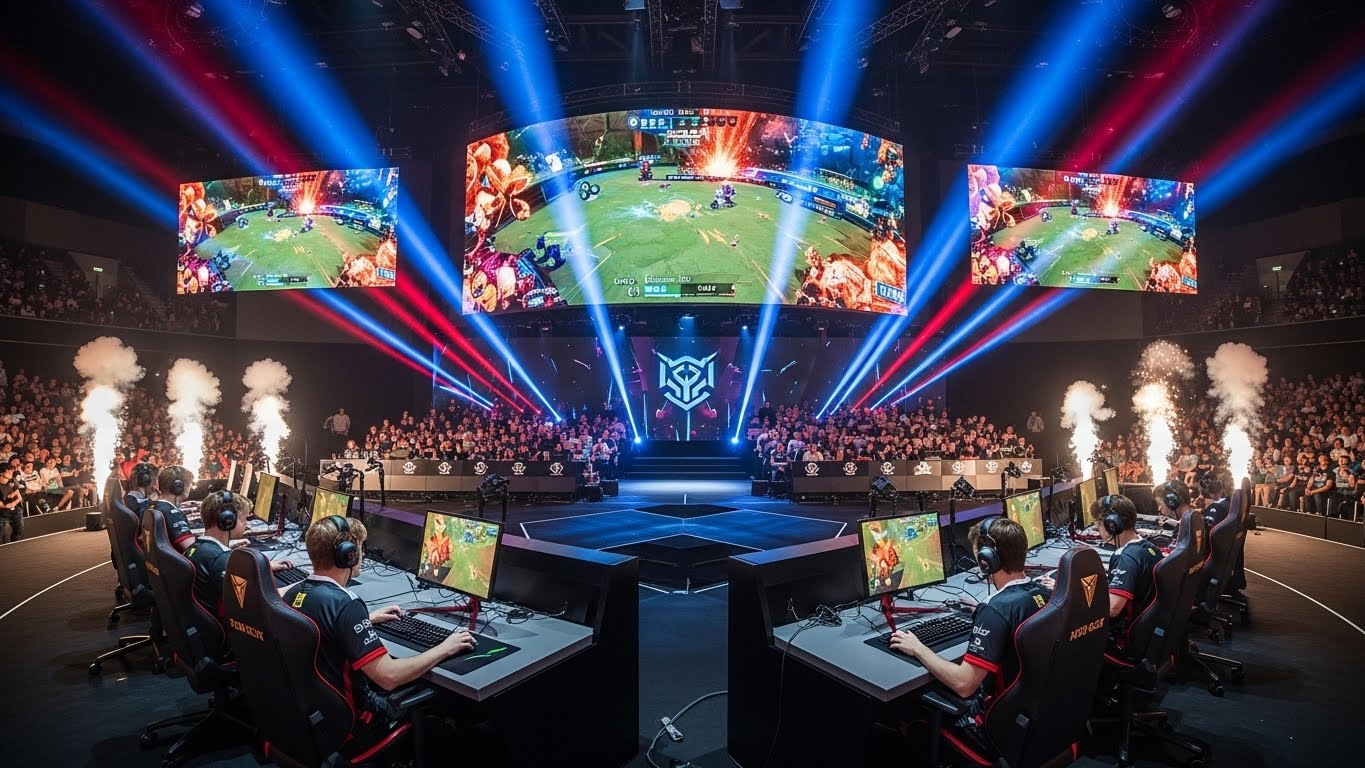
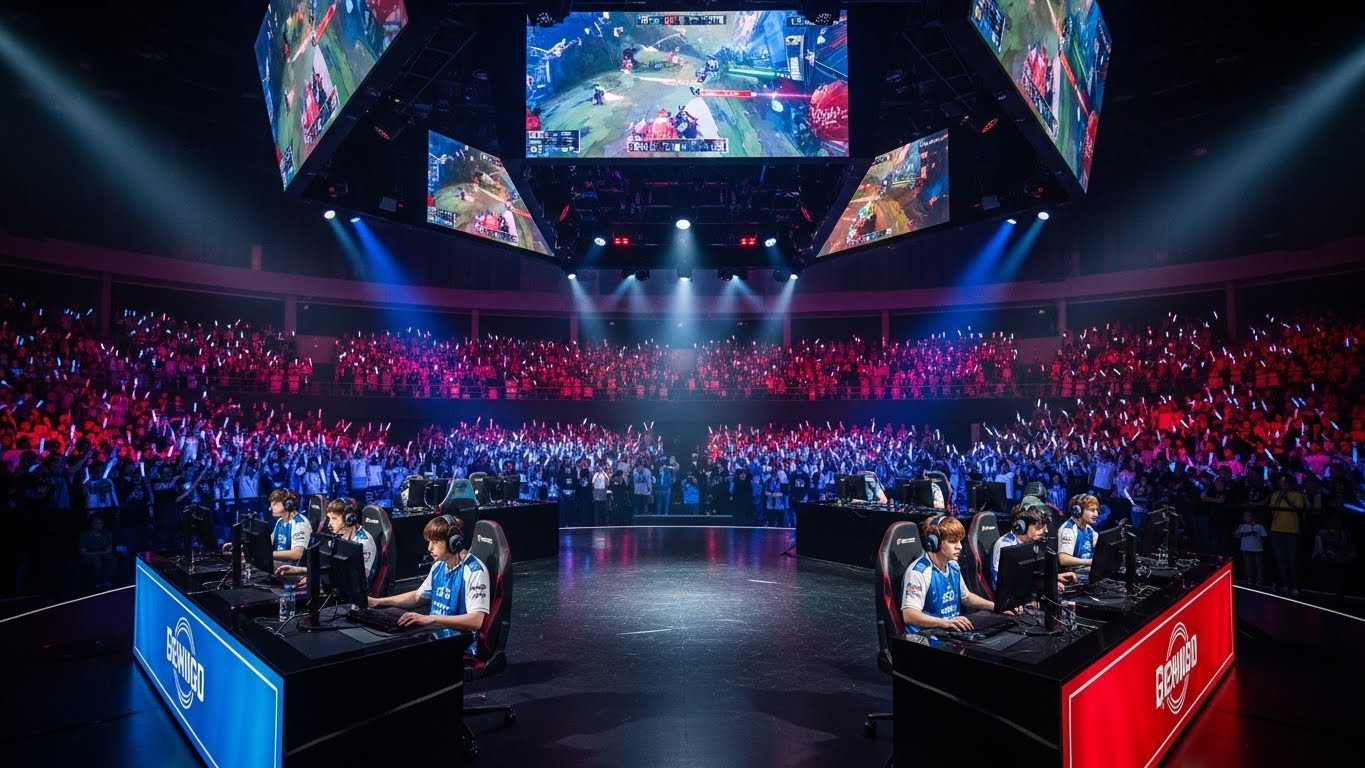
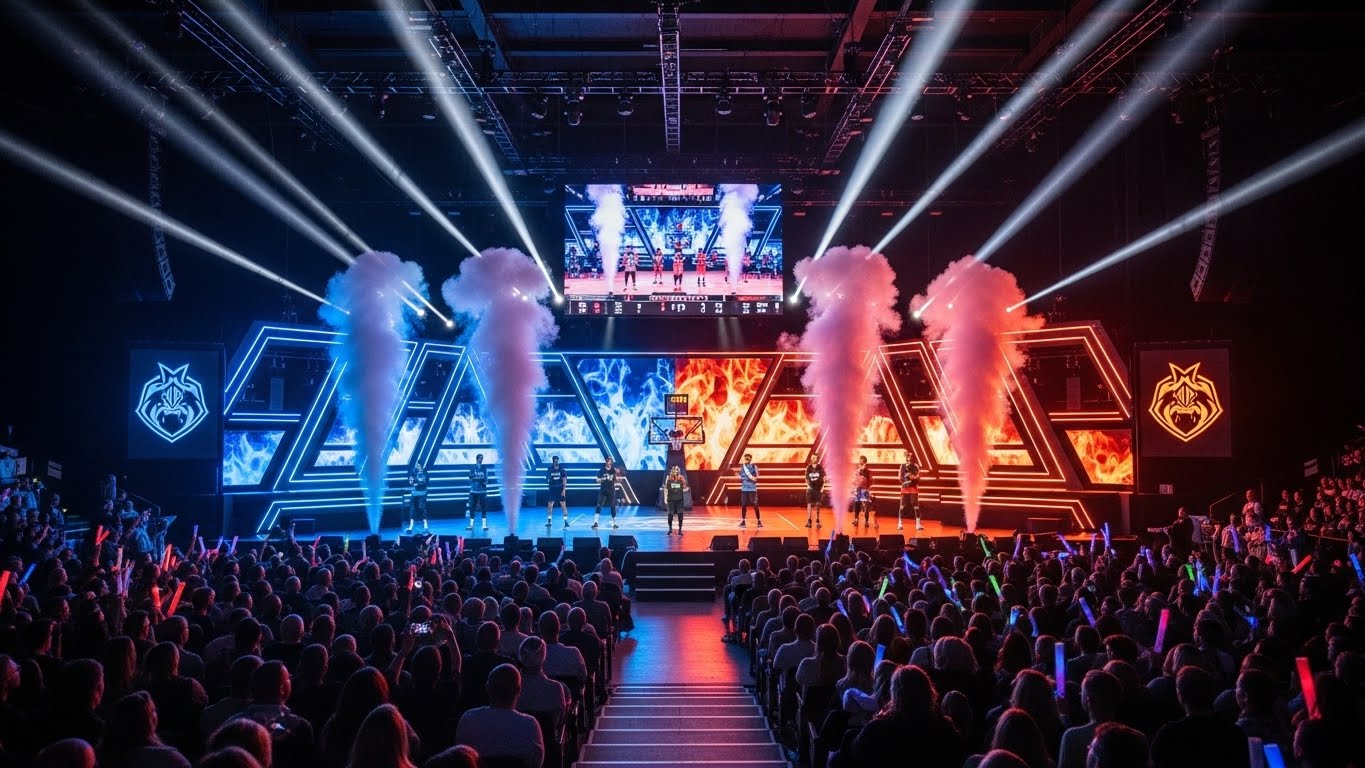
Live events are another major component of the esports experience. Fans often travel long distances to attend major tournaments, creating electric atmospheres filled with chants, cosplay, and shared enthusiasm. These events rival traditional sports in terms of energy and production quality, showcasing just how far esports has come.
Streaming: The Engine Behind Esports’ Explosive Growth
Streaming platforms have played an essential role in the success of esports. By allowing gamers to broadcast their gameplay in real time, these platforms opened the door for players to build personal brands and engage with global audiences. They also provided fans with a front-row seat to tournaments, practice sessions, and behind-the-scenes content.
Streaming has proven beneficial for players and organizations alike. Many professional gamers earn additional income through livestreams, donations, and subscriptions, supplementing their tournament winnings. Teams and game developers also use livestreaming to connect with fans, announce updates, and promote events. This ecosystem has made gaming more than a hobby; it has become a viable career path for thousands around the world.
Esports’ Economic Impact: A Thriving Marketplace
Today, esports is a billion-dollar industry supported by sponsorships, advertising, ticket sales, merchandise, media rights, and in-game purchases. Major brands from technology, energy drinks, fashion, and even automotive sectors have partnered with esports teams and tournaments. These partnerships help fuel the industry’s expansion and provide financial stability to players and organizations.
Game developers also play a pivotal role. By creating competitive titles and supporting them through updates, events, and leagues, developers ensure a healthy competitive environment. Some developers organize seasonal championships, while others support community-driven tournaments. This collaborative relationship between developers, players, and fans contributes to the sustainability of the esports ecosystem.
Game Genres That Dominate the Competitive Scene
Esports spans a wide range of genres, each attracting its own community and competitive scene. Some of the most popular categories include:
Multiplayer Online Battle Arenas (MOBAs): Games in this genre require deep strategy, teamwork, and fast decision-making. They often draw the largest crowds due to their complexity and high skill ceiling.
First-Person Shooters (FPS): These games emphasize reflexes, precision, and tactical coordination. They attract players who excel under pressure and thrive on fast-paced action.
Battle Royale Titles: Known for their unpredictability, battle royale games offer exciting moments and dramatic plays as players or teams fight to be the last standing.
Sports and Racing Games: These titles simulate real-world sports and appeal to both gaming and traditional sports fans. They offer a bridge between mainstream athletics and digital competition.
Fighting Games: This genre focuses on one-on-one strategy, mind games, and technical mastery. Fighting game communities are known for their passion and grassroots events.
Each genre contributes to the diversity of esports and provides fans with a wide range of competitive experiences.
The Globalization of Esports: A Worldwide Celebration
Esports is not confined to one region. Its influence spans continents, with each area bringing its own style, culture, and favorite games. Asia, particularly countries like South Korea and China, has long been recognized as a leader in competitive gaming. Europe and North America also boast impressive leagues and large fanbases, while regions like Latin America, the Middle East, and Africa continue to expand rapidly.
International tournaments showcase this global diversity by featuring teams from different backgrounds competing on the same stage. This unity through competition is one of the most inspiring aspects of esports, proving that passion for gaming transcends geography and culture.
The Future of Esports: Innovation and Expansion
Looking ahead, the future of esports appears brighter than ever. Advancements in technology will continue to drive new opportunities for players, fans, and organizers. High-speed internet, virtual reality, augmented reality, and improved hardware will enhance the competitive experience and open the door to new genres and styles of gameplay.
Educational institutions are also beginning to embrace esports, offering scholarships, organized leagues, and training programs. This legitimization further encourages young players to pursue gaming professionally while balancing academic goals.
As companies and investors continue to support the industry, esports will grow not only as entertainment but also as a respected career path. From coaches and analysts to event planners and content creators, a wide range of roles ensures that esports will remain a dynamic and inclusive industry for years to come.
Conclusion: More Than Just Games
Esports is far more than people playing video games. It is an industry built on passion, community, and innovation. It unites players from across the world, creates opportunities for new careers, and provides entertainment for millions. As technology evolves and new forms of competition emerge, esports will continue to redefine what it means to be an athlete, a fan, and a part of a global movement.
The world of competitive gaming has only begun to reach its potential. With its growing influence, dedicated fanbase, and limitless opportunities for creativity, esports is here to stay. Exhausting, exhilarating, and endlessly exciting, it represents a new era of digital sportsmanship—and the world is watching with anticipation.