 championcast96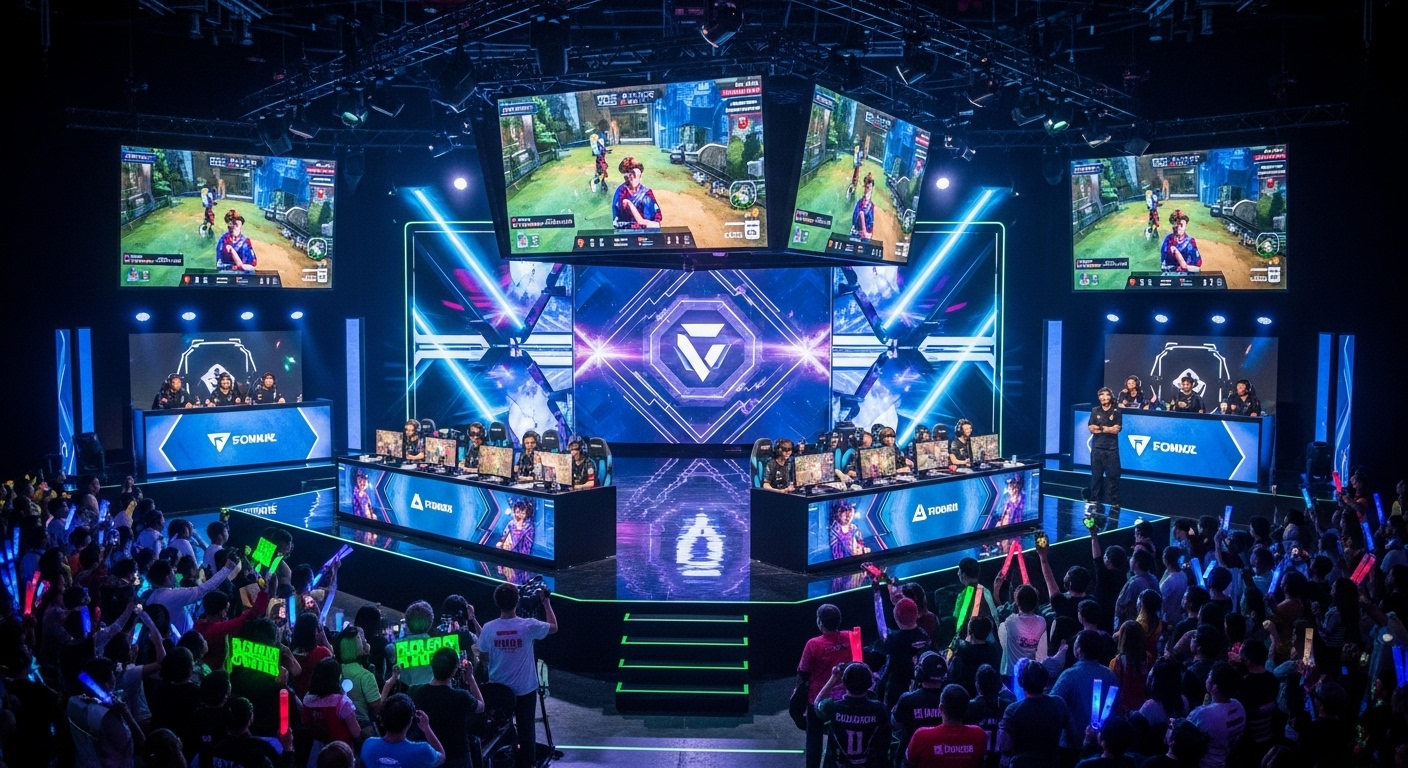
In the past two decades, gaming has transformed from a niche hobby into a global phenomenon, culminating in the rise of esports. What was once considered a casual pastime is now a highly competitive industry with professional players, massive audiences, and enormous financial stakes. Esports, short for electronic sports, encompasses organized video game competitions where individuals or teams compete at a professional level. With its meteoric rise, esports has challenged traditional notions of sports, entertainment, and career opportunities, creating a vibrant ecosystem that combines technology, strategy, and performance.
Understanding Esports: More Than Just Gaming
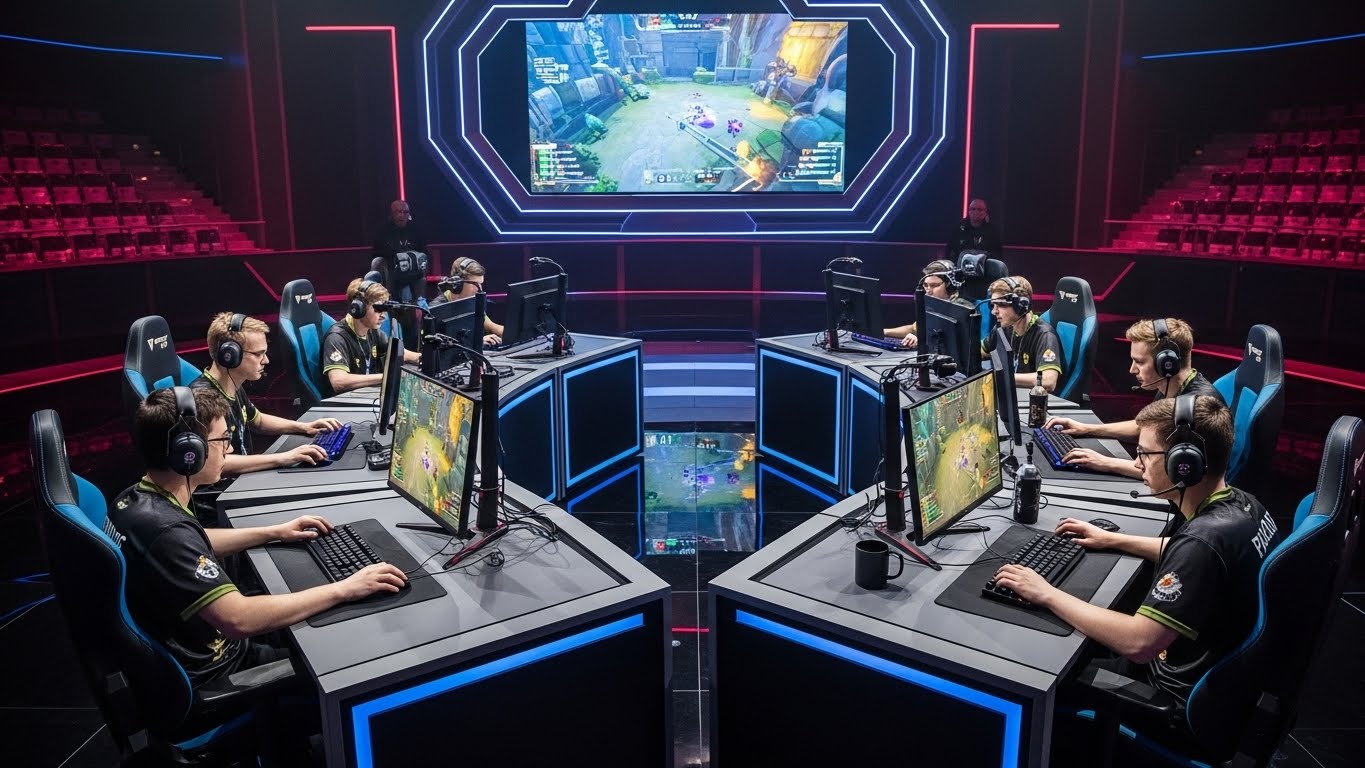
Esports is far more than merely playing video games. It represents a professional and competitive arena where skill, strategy, teamwork, and mental fortitude converge. Players dedicate countless hours to mastering their craft, often undergoing rigorous training similar to traditional athletes. Games are categorized into genres such as first-person shooters, multiplayer online battle arenas, real-time strategy, and sports simulations. Each game demands unique skills: quick reflexes, precise decision-making, and the ability to perform under pressure. Professional teams often recruit players based on their performance metrics, teamwork capabilities, and potential for growth, highlighting the serious nature of this industry.
Historical Roots of Competitive Gaming
The roots of competitive gaming trace back to the early 1980s when arcades became social hubs for gamers. Simple competitions, such as high-score contests, laid the foundation for organized gaming events. The first notable tournament was the Space Invaders Championship in 1980, attracting thousands of participants. As technology evolved, home consoles and PCs became the new battlegrounds, allowing players to compete from anywhere. By the late 1990s and early 2000s, games like StarCraft, Counter-Strike, and Quake established the modern competitive scene, particularly in South Korea and North America. Internet connectivity enabled online tournaments, facilitating global competitions and fostering a community that transcended geographic boundaries.
The Rise of Professional Esports
By the mid-2000s, esports began evolving into a professional career path. Organizations emerged, forming teams with salaried players, coaches, and analysts. Sponsorship deals with technology companies, energy drinks, and apparel brands brought financial stability to the industry. Esports leagues, such as the Major League Gaming (MLG) and the World Cyber Games (WCG), created structured competitions with significant prize pools, attracting top-tier talent. South Korea, in particular, played a crucial role in professionalizing esports, with government support and dedicated esports arenas fostering an environment where players could train full-time.
Esports in the Modern Era
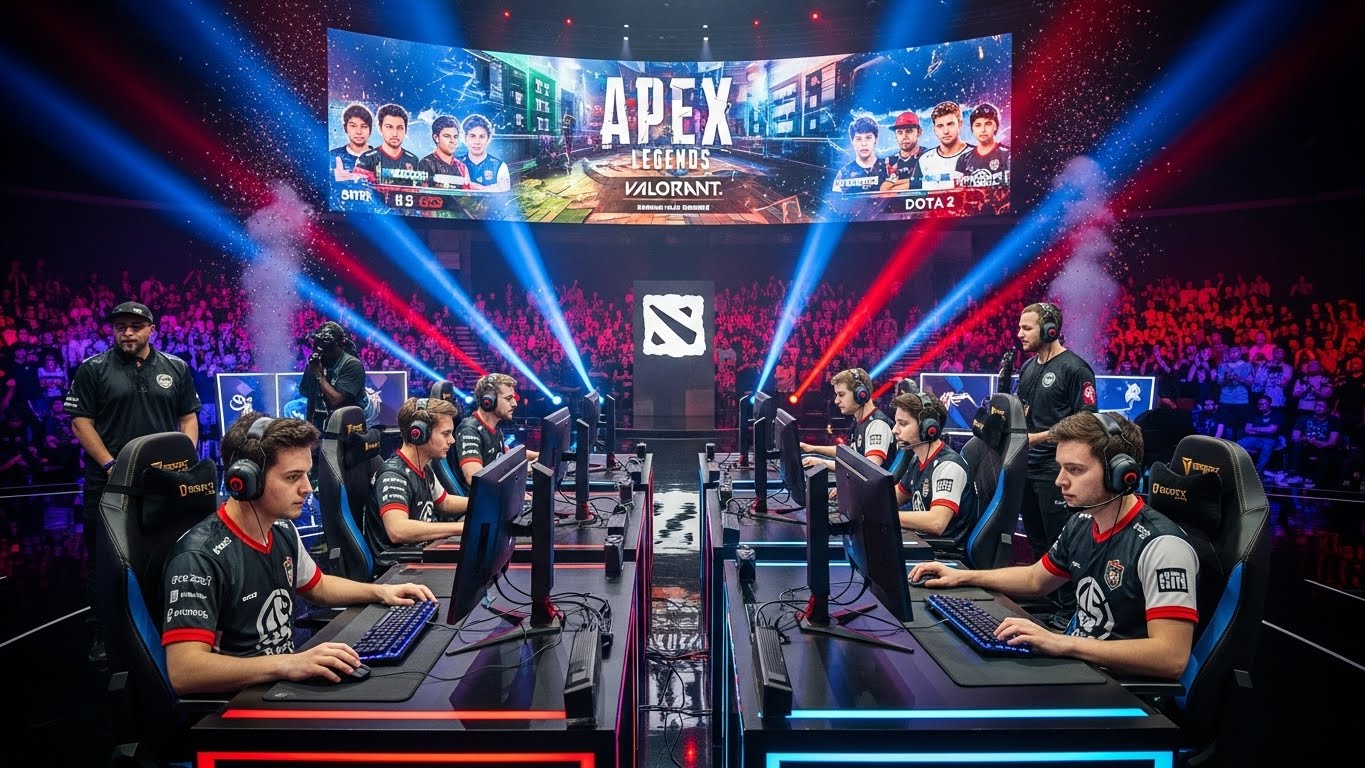
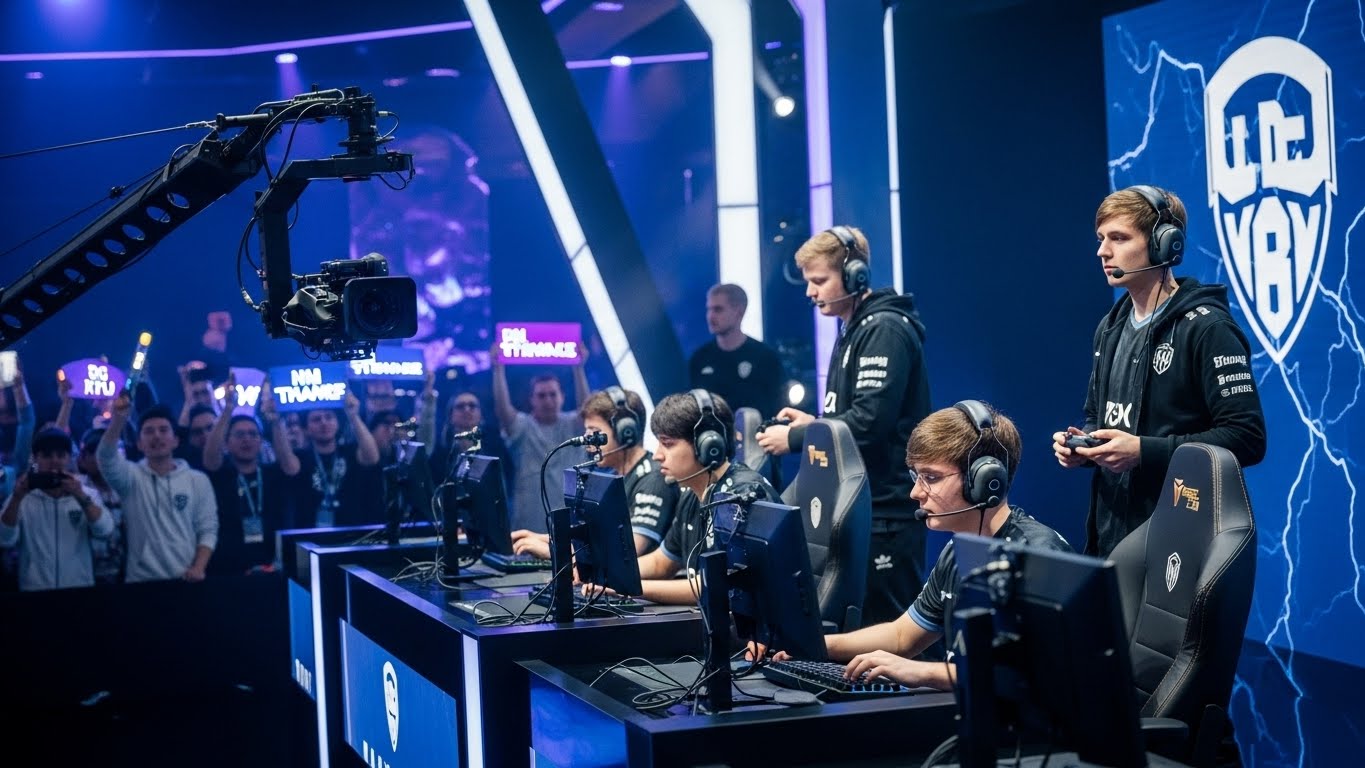
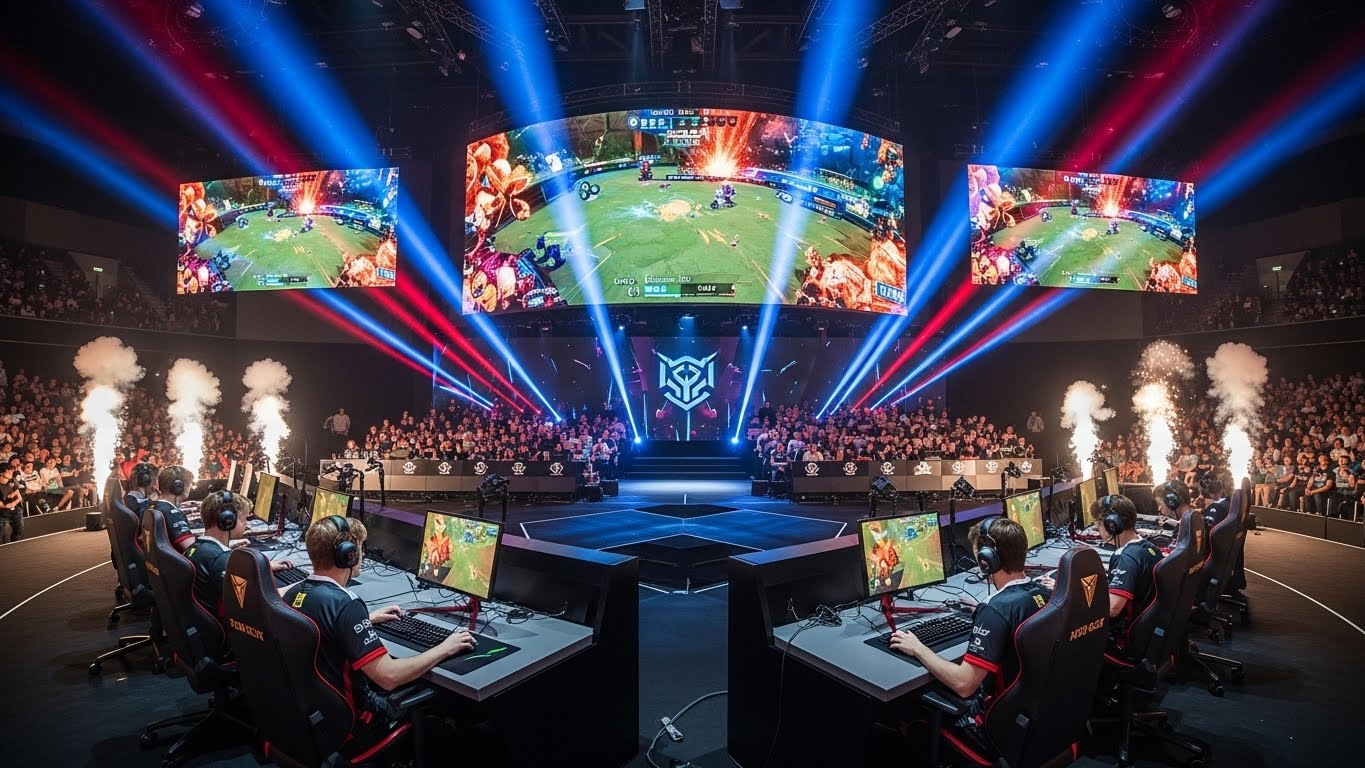
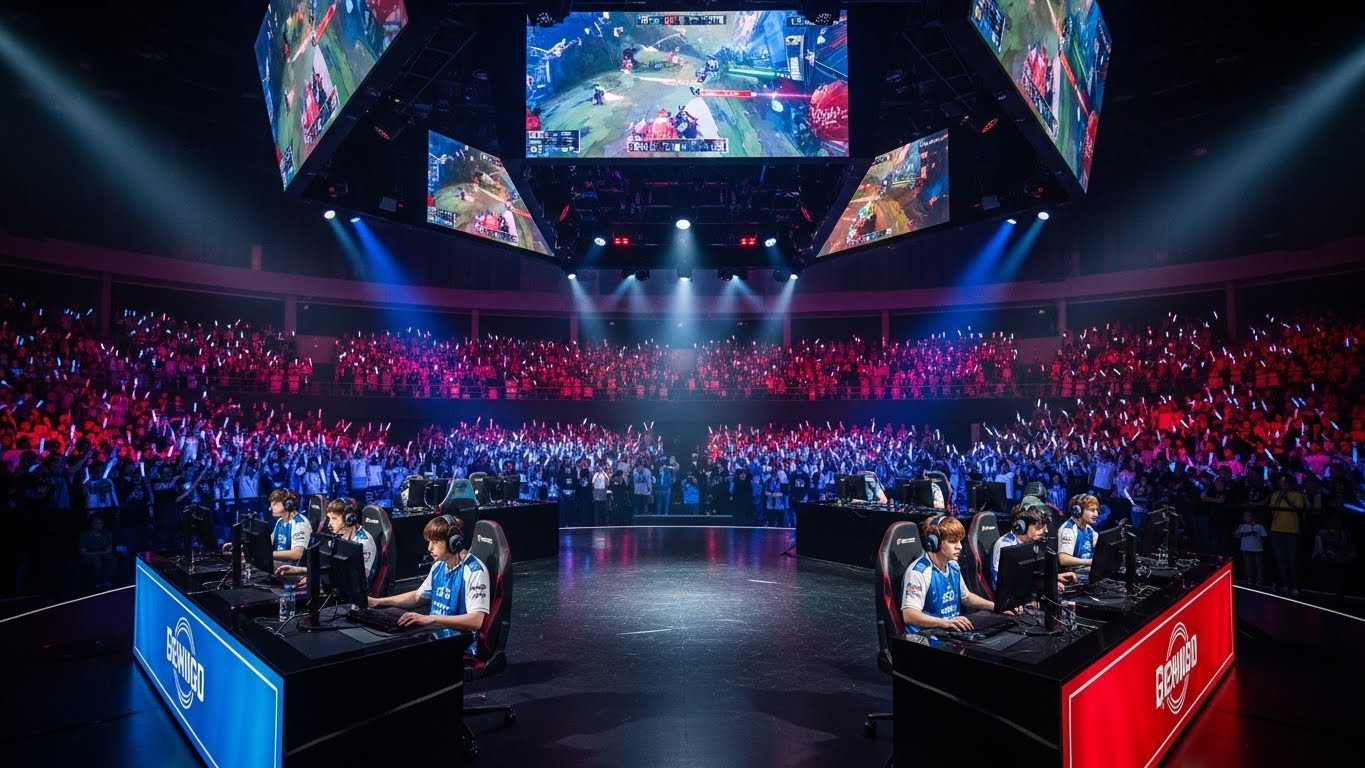
Today, esports is a multi-billion-dollar industry with global reach. Major games like League of Legends, Dota 2, Fortnite, and Call of Duty dominate the scene, each with professional leagues and international championships. Tournaments such as The International, the League of Legends World Championship, and the Fortnite World Cup draw millions of viewers online and fill stadiums with spectators. The esports ecosystem now includes broadcasters, analysts, streamers, commentators, and even psychologists who support players’ mental health. The industry has also embraced technological advancements like live streaming, virtual reality, and advanced analytics to enhance gameplay, spectator experience, and fan engagement.
Esports and Streaming Platforms
The advent of streaming platforms revolutionized esports by creating direct access to global audiences. Platforms like Twitch, YouTube Gaming, and Facebook Gaming allow players and organizations to stream matches live, engage with fans, and monetize content through subscriptions, advertisements, and donations. This accessibility has broadened esports’ appeal, allowing casual gamers to follow professional players and tournaments closely. Streamers have become influencers, often shaping game meta, trends, and community culture. The symbiotic relationship between esports and streaming platforms has propelled the industry into mainstream consciousness, making gaming culture a significant part of global entertainment.
Economic Impact of Esports
Esports has a substantial economic footprint that extends beyond prize money. Professional players, team organizations, and tournament organizers generate income through sponsorships, merchandise, broadcasting rights, and advertising. The industry also drives revenue for peripheral businesses such as gaming hardware manufacturers, event management companies, and marketing agencies. In regions like North America, Europe, and Asia, esports has created employment opportunities for thousands of individuals across various sectors. Universities and colleges are now offering esports scholarships, degrees, and programs, highlighting the growing recognition of esports as a legitimate career path.
Social and Cultural Influence
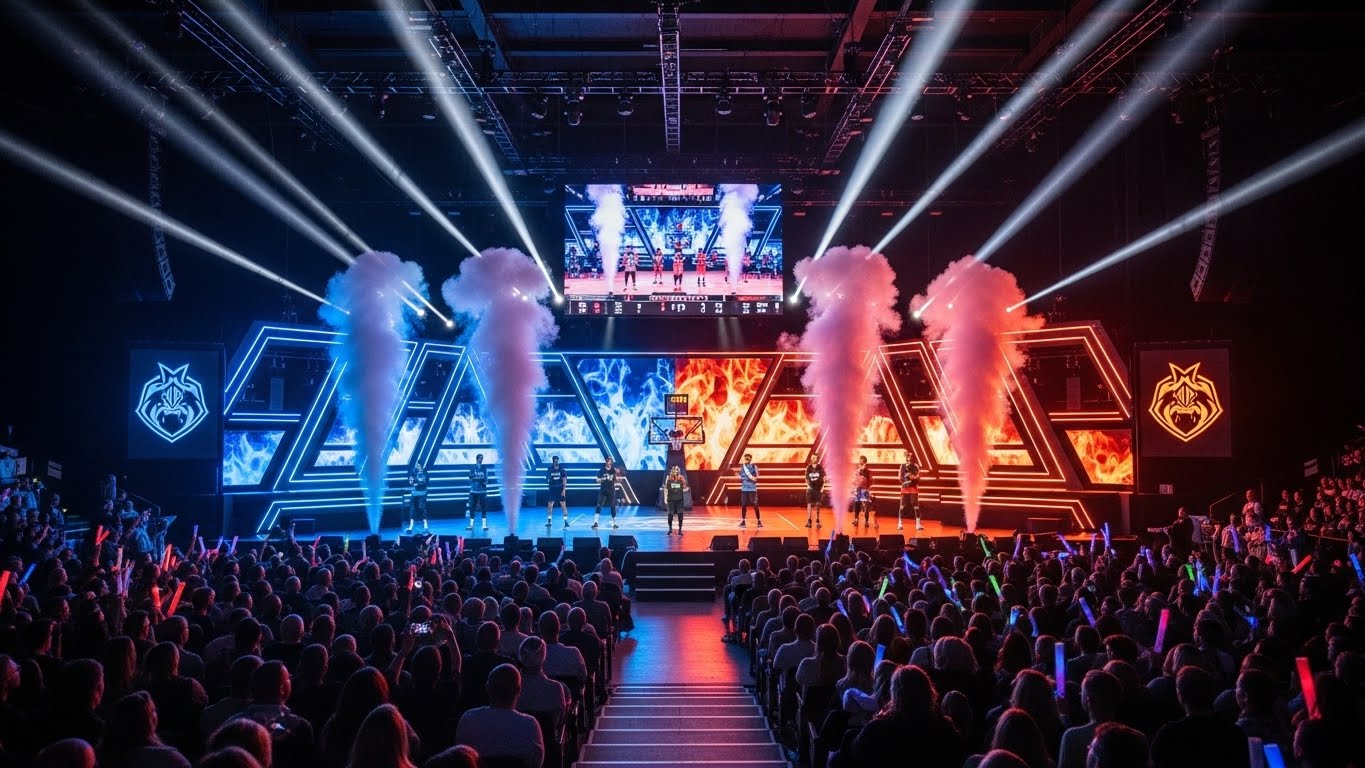
Esports has influenced social and cultural norms in profound ways. It has challenged traditional stereotypes about gaming by demonstrating that it requires intelligence, strategy, and teamwork. Communities built around esports foster social interaction, collaboration, and competition, connecting people from diverse backgrounds. Major tournaments are cultural events, often featuring opening ceremonies, live performances, and celebrity endorsements. The global nature of esports promotes cross-cultural exchange, with fans and players engaging across languages and regions. Furthermore, esports has inspired creativity, from content creation to fan art, cosplay, and digital storytelling, reinforcing its cultural significance.
Health and Lifestyle of Esports Athletes
Contrary to popular belief, professional esports players maintain strict physical and mental routines. The demands of competitive gaming require not only technical skill but also physical endurance, reaction speed, and mental clarity. Many players incorporate physical exercise, nutrition plans, and sleep schedules to optimize performance. Mental health is equally important, as high-pressure environments can lead to burnout, anxiety, and stress. Teams often employ psychologists and wellness coaches to support players, reflecting a growing awareness of holistic athlete care. This professional approach demonstrates that esports, like traditional sports, necessitates discipline, preparation, and resilience.
Challenges Facing the Esports Industry
Despite its rapid growth, esports faces several challenges. Player burnout, health concerns, and the need for standardized regulations are ongoing issues. The industry is still relatively young, and inconsistent governance across regions can lead to disputes over contracts, salaries, and tournament rules. Intellectual property rights, cheating, and performance-enhancing software are additional concerns that threaten competitive integrity. Moreover, esports must continually adapt to evolving technology, audience expectations, and market trends to remain relevant. Addressing these challenges requires collaboration between developers, organizations, governing bodies, and players to ensure sustainable growth.
Future Prospects of Esports
The future of esports is incredibly promising, with innovations in technology and audience engagement continuing to shape the landscape. Virtual reality and augmented reality could redefine gameplay, creating immersive experiences for players and fans alike. Artificial intelligence and analytics are enhancing strategies, scouting talent, and providing real-time insights during competitions. Esports is also expected to gain further recognition as a legitimate sport, with discussions about inclusion in international multi-sport events gaining momentum. As global connectivity improves, esports will reach new regions, creating more opportunities for players, fans, and investors.
Esports and Education
Education is increasingly intersecting with esports. Academic institutions are recognizing the strategic, technical, and managerial skills involved in esports. Esports programs in schools and universities teach teamwork, leadership, communication, and problem-solving through gaming. Scholarships and collegiate leagues provide aspiring players with structured pathways to enter professional circuits. Additionally, esports-related courses in game design, broadcasting, marketing, and analytics prepare students for diverse careers within the industry. This fusion of education and esports not only legitimizes gaming as a career but also equips individuals with transferable skills applicable in broader professional contexts.
Women in Esports
Esports has historically been male-dominated, but the landscape is gradually changing. Women are increasingly making their mark as professional players, coaches, and content creators. Organizations are establishing women-only leagues and tournaments to promote inclusivity, while mainstream leagues actively support diversity initiatives. Despite progress, challenges such as gender bias, harassment, and underrepresentation persist. Addressing these issues requires conscious efforts from developers, teams, and communities to create a safe, equitable, and welcoming environment for all players. The growing presence of women in esports enriches the industry and encourages a more diverse, innovative, and balanced competitive space.
The Role of Technology in Esports
Technology is the backbone of esports, influencing gameplay, broadcasting, and fan engagement. High-performance gaming PCs, consoles, and peripherals enhance precision, speed, and overall performance. Streaming technology allows millions to watch live competitions in real time, while advanced analytics track player performance, strategy, and statistics. Virtual reality, augmented reality, and cloud gaming are pushing the boundaries of immersion and accessibility. As technology evolves, it will continue to reshape esports, offering new experiences for players and audiences and cementing esports as a cutting-edge intersection of gaming, entertainment, and innovation.
Community and Fan Engagement
Esports thrives on community engagement. Fans are not passive spectators; they actively participate through live chats, fan forums, and social media. Communities organize amateur tournaments, fan meetups, and content creation, contributing to the vibrancy of the esports ecosystem. Interactive features such as polls, fantasy leagues, and in-game events foster a sense of involvement and loyalty. Major tournaments are celebrated as communal events, bringing together fans globally to share experiences. This strong sense of community distinguishes esports from traditional sports, creating a digital culture that blends competition, creativity, and social interaction.
Conclusion: Esports as a Transformative Force
Esports has transcended its origins as a hobby to become a transformative force in entertainment, culture, and professional sports. Its rapid growth is driven by technological innovation, competitive excitement, and a passionate global community. Esports offers opportunities for professional careers, social connection, and personal development while challenging traditional perceptions of what constitutes a sport. As it continues to evolve, esports will likely shape the future of entertainment, education, and even human performance. The journey from arcades to stadiums, from casual gaming to professional leagues, demonstrates that esports is not just a trend but a lasting and influential phenomenon in the modern world.