 championcast96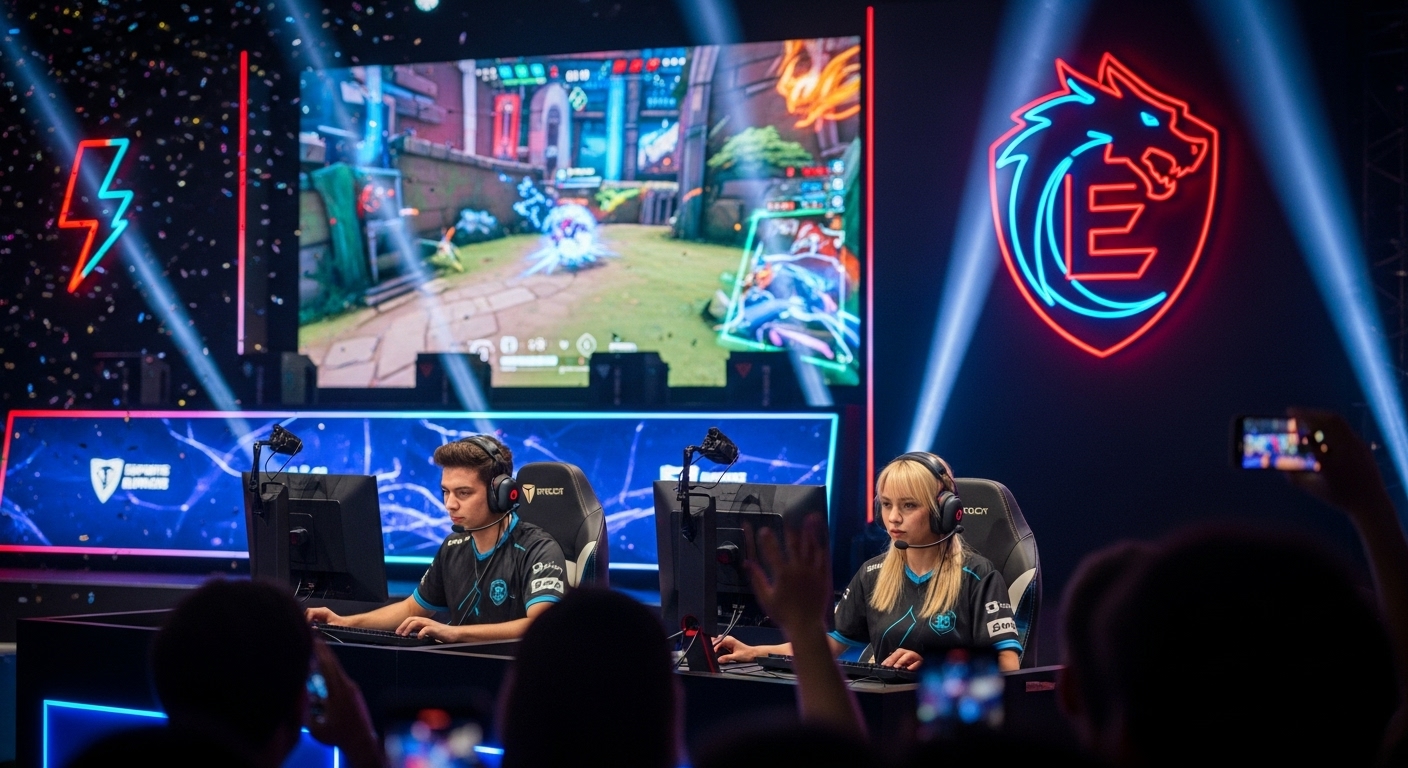
Introduction
Esports, or competitive gaming, has evolved from a casual pastime into a global phenomenon. What once began as friends competing in living rooms has grown into a multi-billion-dollar industry with professional players, international tournaments, and millions of viewers worldwide. Today, esports is not just entertainment—it is a cultural and economic force shaping modern society.
The Growth of Esports
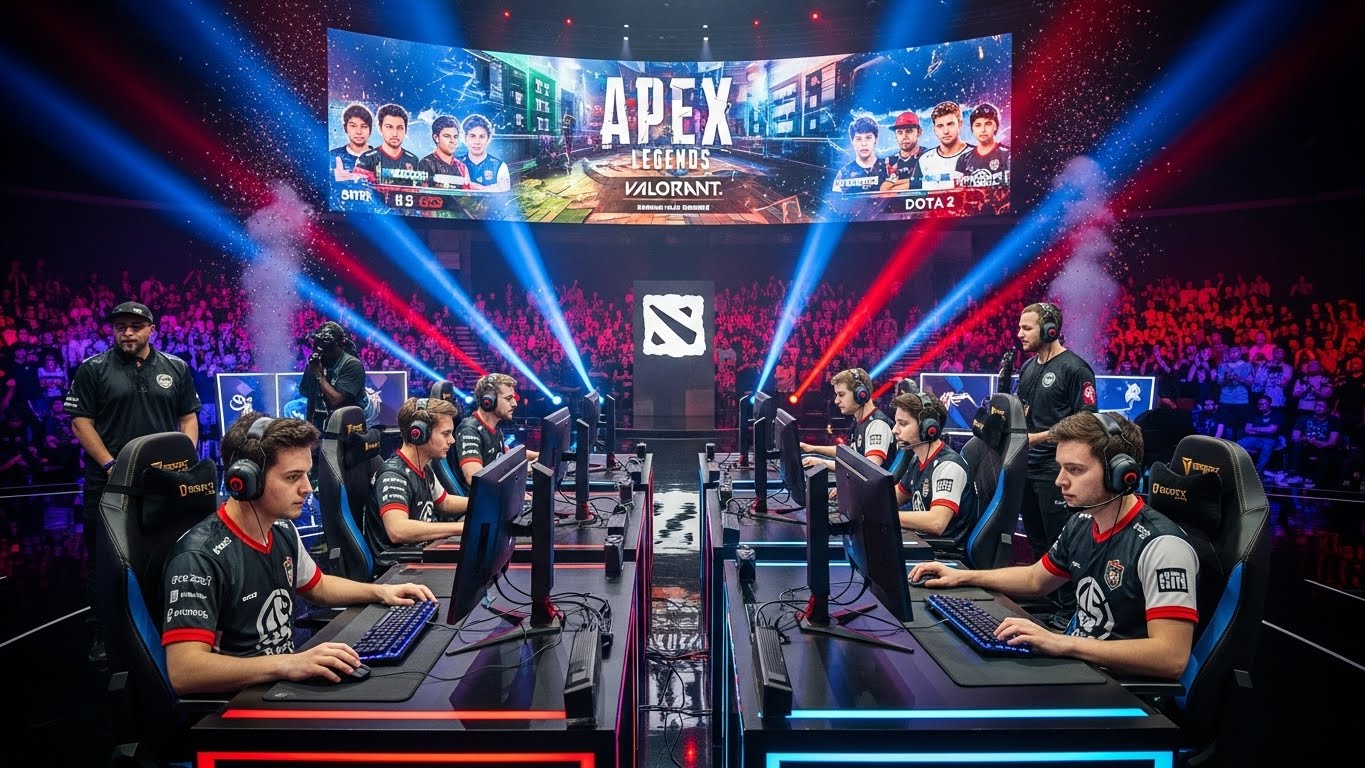
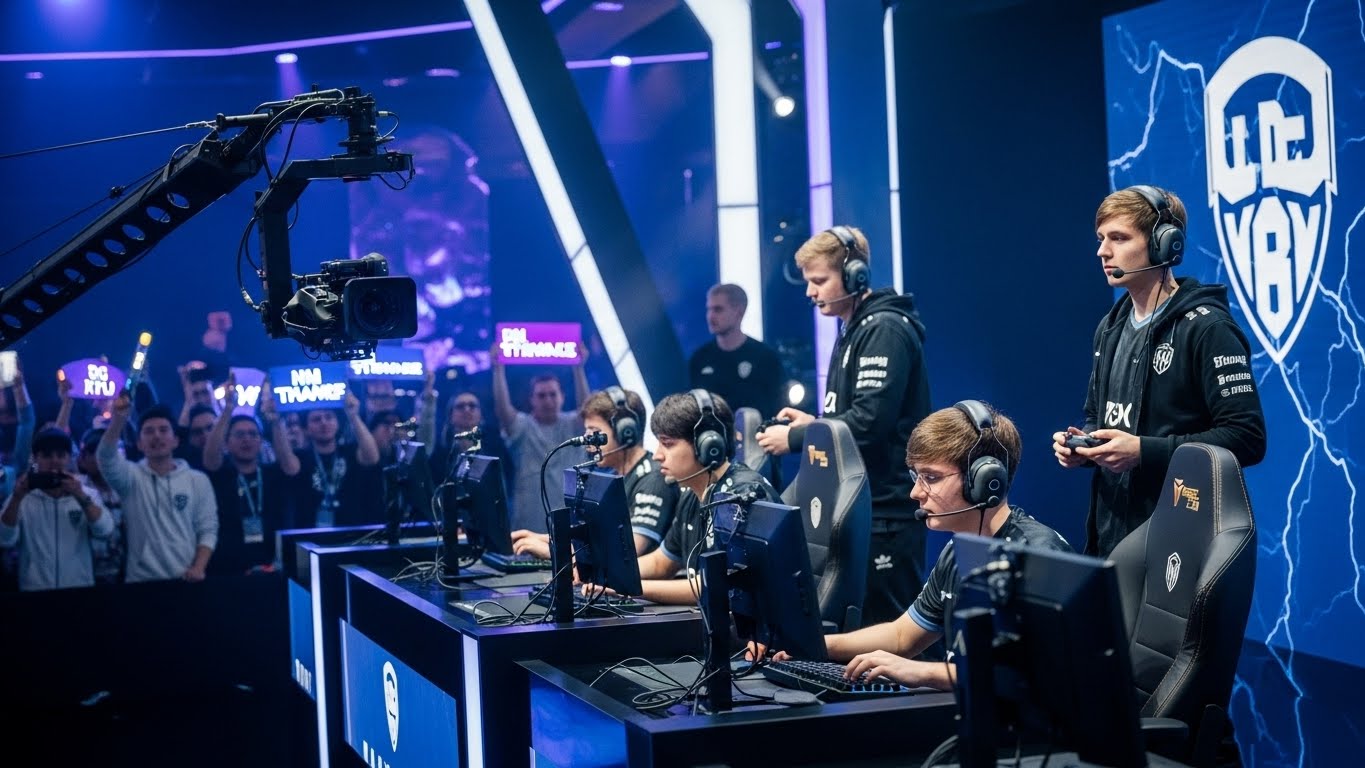
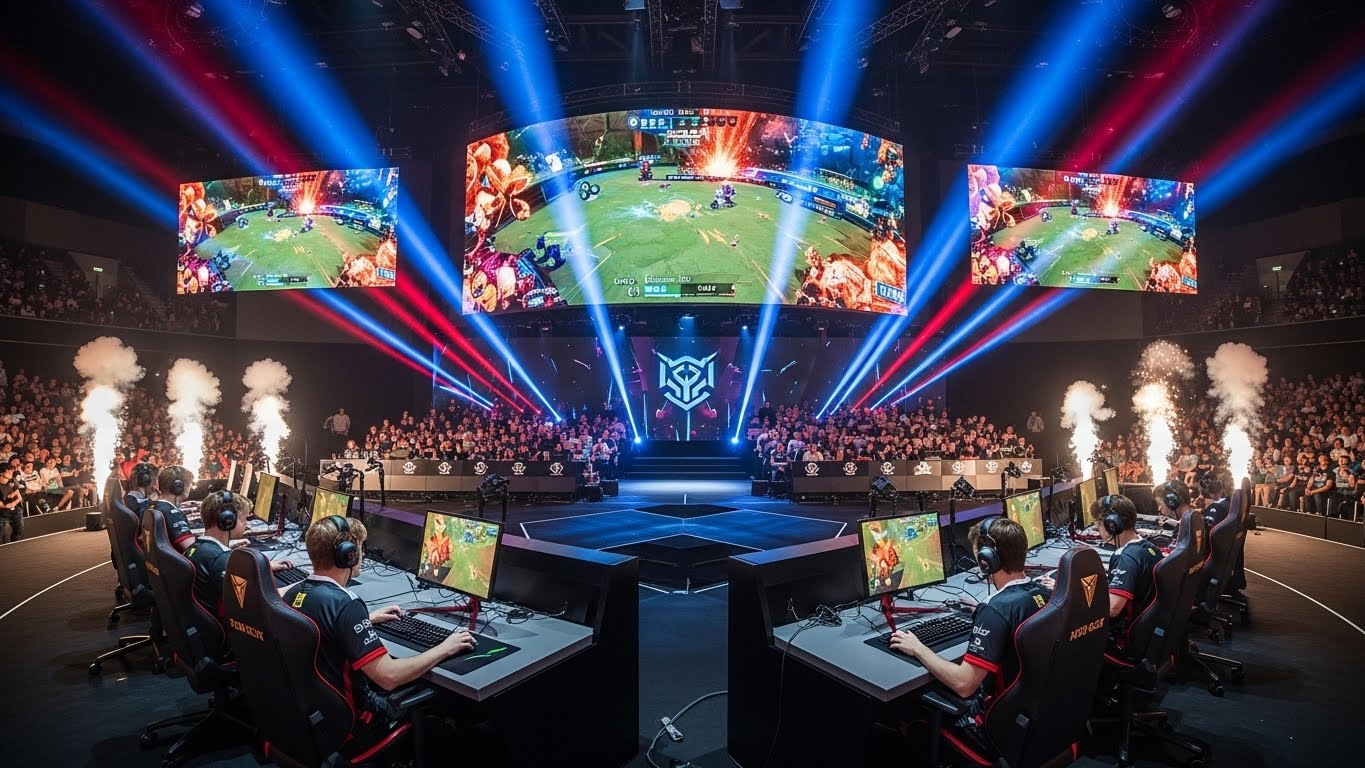
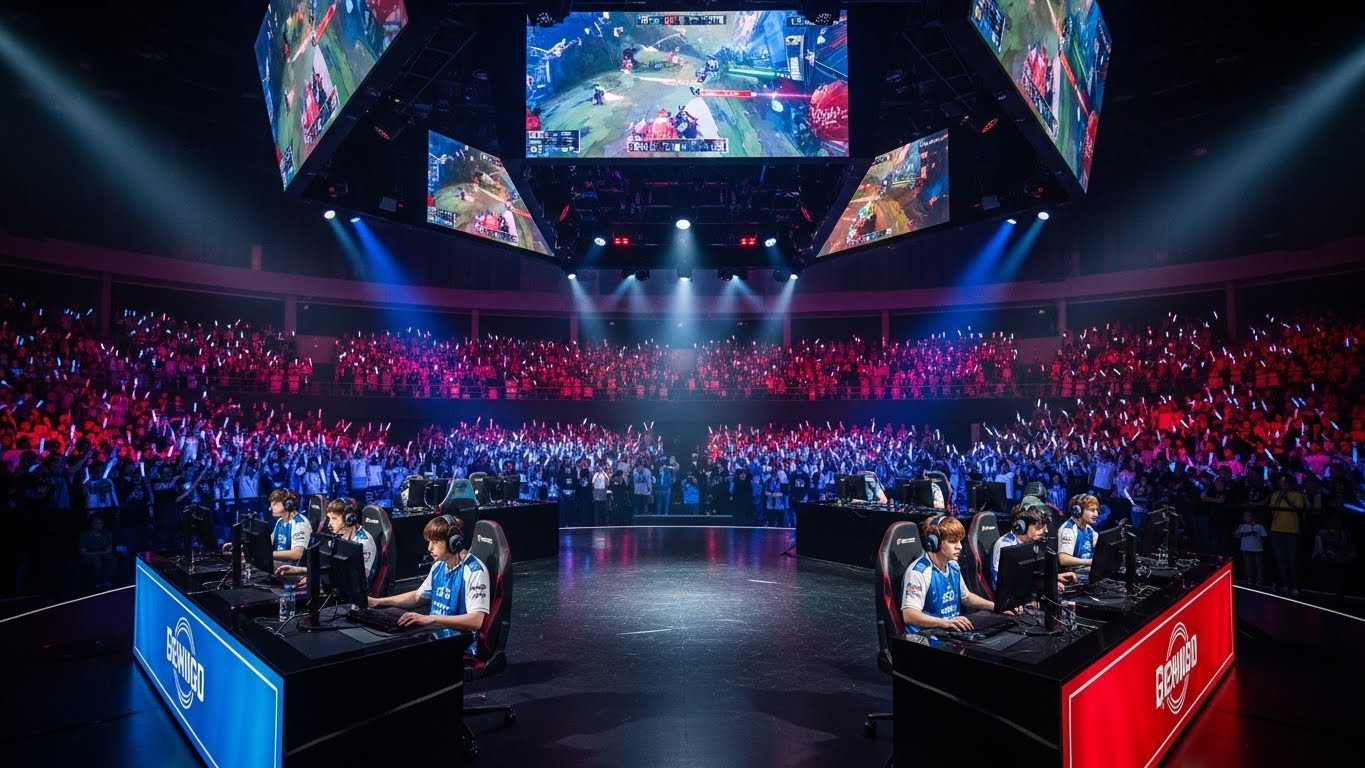
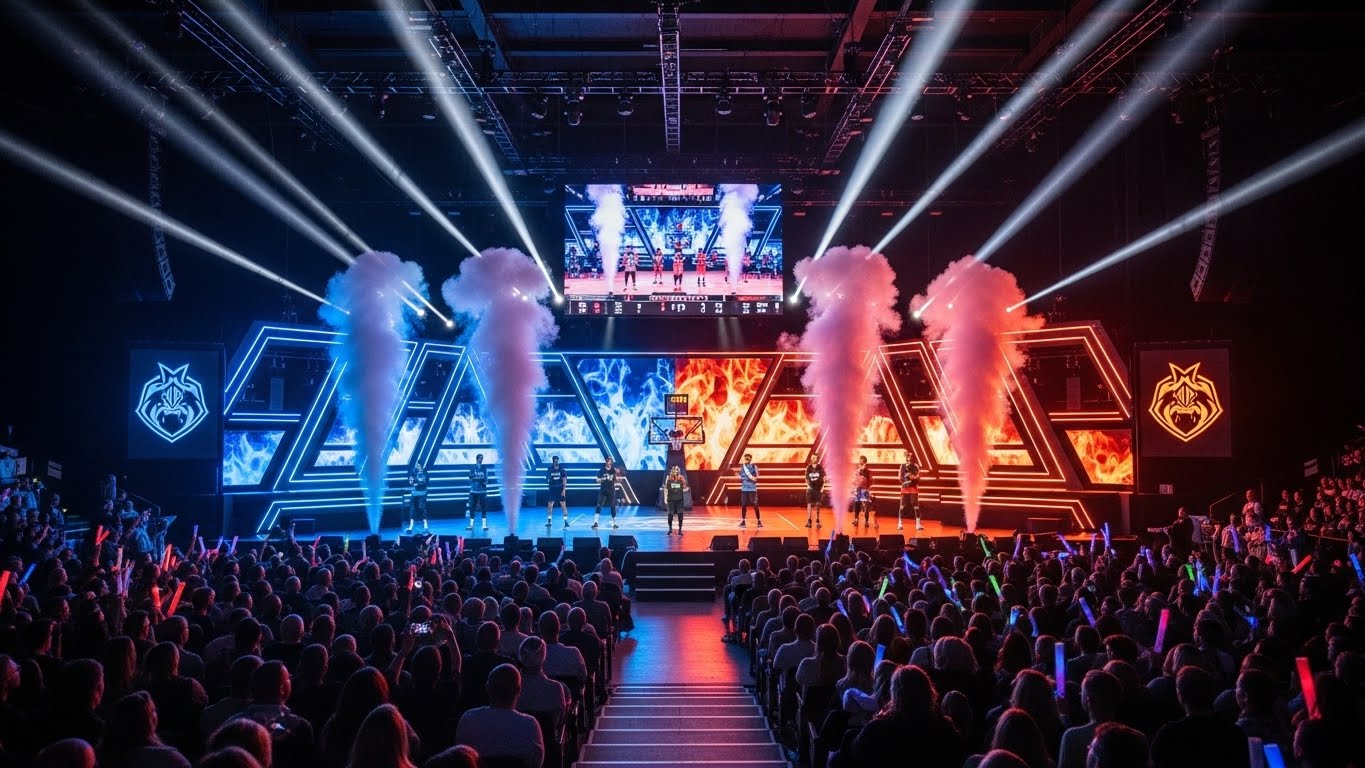
Over the last decade, esports has experienced unprecedented growth. Popular games like League of Legends, Dota 2, Fortnite, and Counter-Strike attract millions of viewers online and in stadiums. Major tournaments now offer prize pools rivaling traditional sports, while streaming platforms allow fans to watch live matches, interact with players, and join communities. This rapid expansion has also drawn the attention of sponsors, media companies, and investors, solidifying esports’ place in mainstream culture.
Professionalization of Gaming
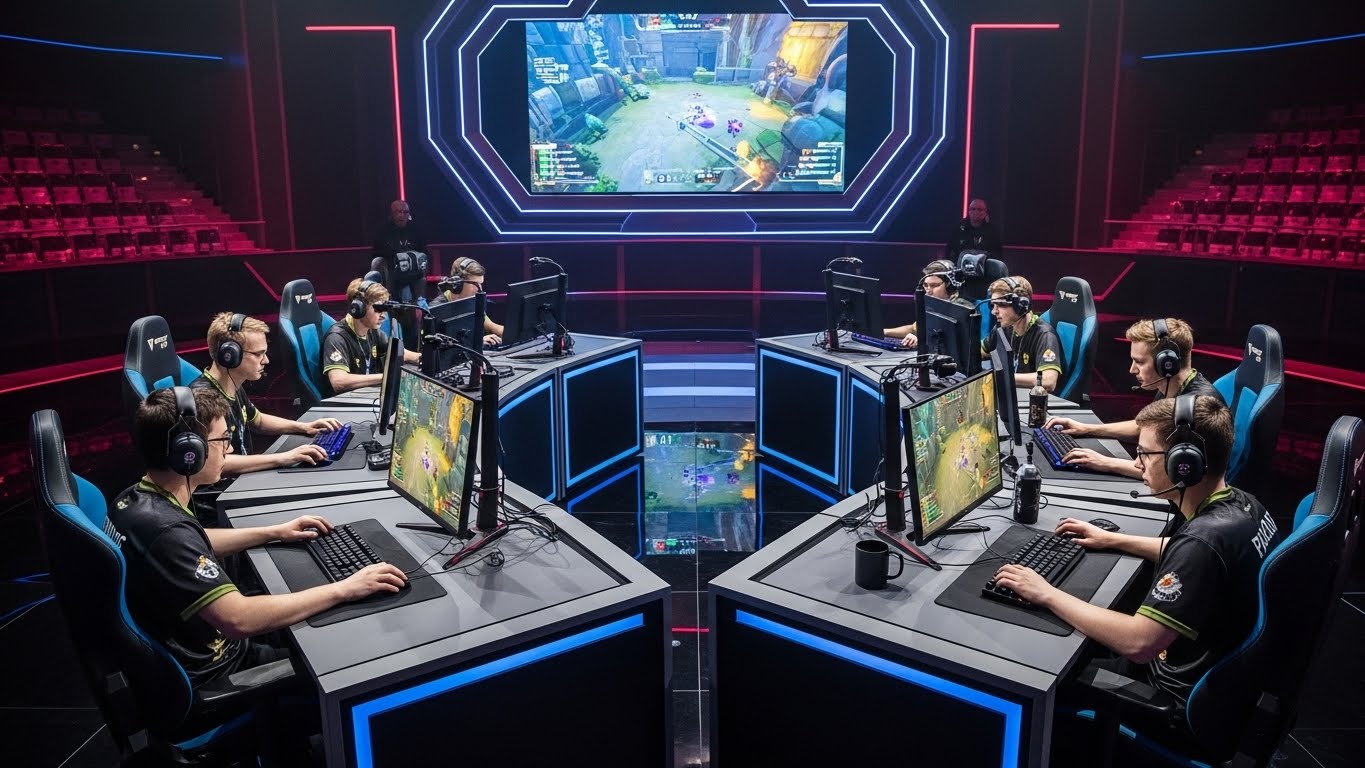
Esports has become a legitimate career path for talented players. Professional gamers follow structured training schedules, practice strategies for hours, and work with coaches and analysts to improve performance. Teams operate like traditional sports organizations, managing marketing, branding, and fan engagement. Additionally, esports academies nurture young talent, ensuring a continuous flow of skilled players who can compete at the highest level.
Cultural Impact
Esports has transformed how society views gaming. Once seen as a solitary or niche hobby, competitive gaming now highlights teamwork, strategy, and mental agility. Fans from around the world form vibrant communities, connecting over shared interests and celebrating achievements. Esports has also influenced entertainment, fashion, and technology, with professional players becoming cultural icons and inspiring future generations.
Challenges Facing Esports
Despite its growth, esports faces several challenges. Player burnout and mental health issues are increasingly recognized as critical concerns. Additionally, the industry lacks standardized regulations, and disparities in pay and recognition exist between different games and regions. Addressing these challenges is essential for ensuring sustainable growth and long-term credibility for competitive gaming.
The Future of Esports
The future of esports is promising and full of potential. Emerging technologies such as virtual reality and augmented reality may redefine gameplay experiences. Expanding audiences in Asia, Europe, and North America will continue to attract investment and media attention. As esports integrates further with mainstream sports and entertainment, it has the potential to redefine the concept of professional competition in the digital age.
Conclusion
Esports has grown from a niche hobby into a global movement that combines skill, strategy, and entertainment. Its professional structure, cultural influence, and economic impact make it a defining feature of modern digital life. As the industry continues to evolve, esports will shape the future of competition and inspire generations of players and fans around the world.