 championcast96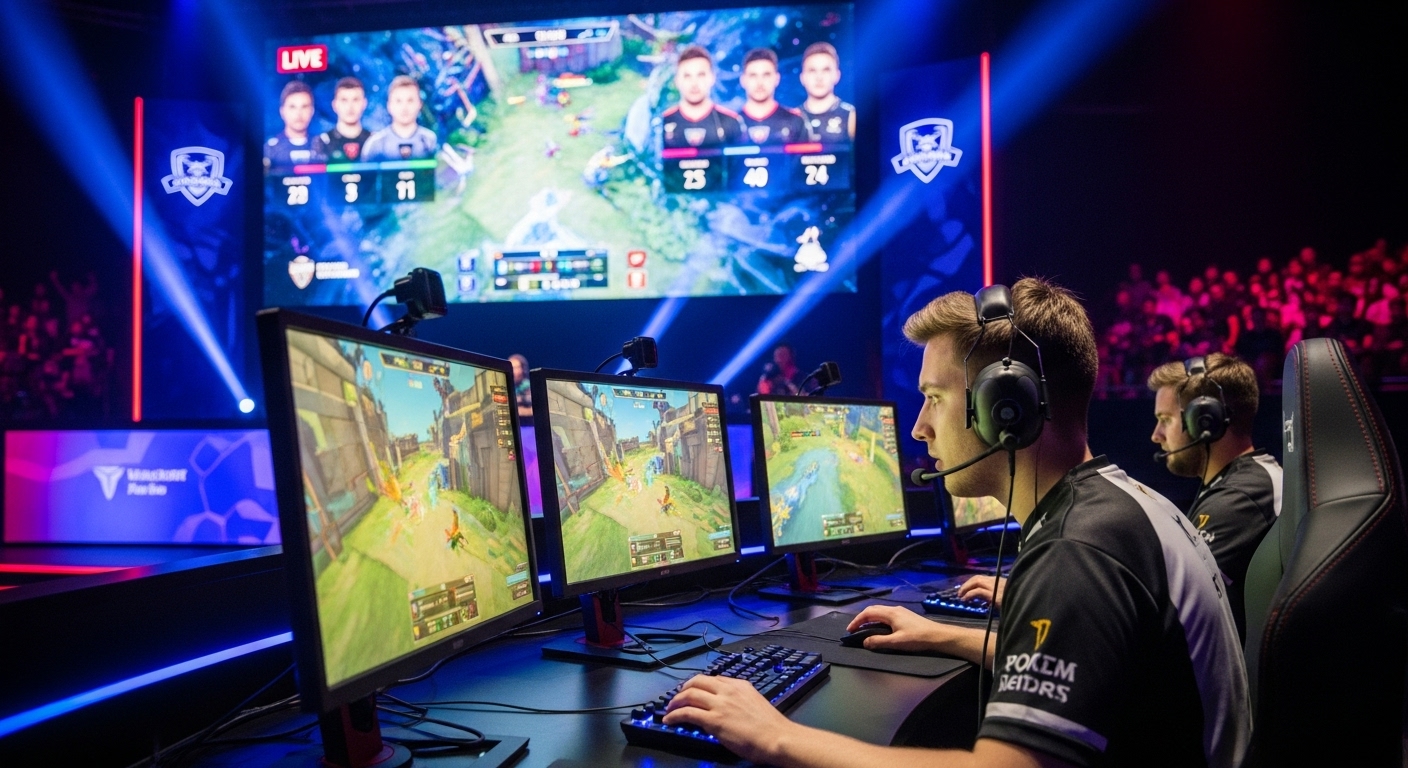
Esports, short for electronic sports, has become one of the most revolutionary developments in modern entertainment. What started as casual gaming competitions in the early days of video gaming has transformed into a global industry worth billions. Today, esports is not just about playing video games; it is a full-fledged sporting phenomenon that combines skill, strategy, teamwork, and innovation. It has created a new kind of athlete, a new kind of audience, and even a new kind of career.
The Origins of Esports
To understand the rise of esports, it’s important to look at its humble beginnings. The first known competitive video gaming event took place in 1972 at Stanford University, where students competed in a game called Spacewar. The prize was a year’s subscription to a magazine, and no one could have imagined that, decades later, professional gamers would be competing for multi-million-dollar prizes in arenas filled with thousands of cheering fans.
During the 1980s, the popularity of arcade games like Pac-Man and Donkey Kong brought gaming competitions to a wider audience. In the 1990s, with the introduction of the internet and home computers, games like Doom and Quake became early platforms for multiplayer competition. The concept of online gaming began to shape the esports ecosystem, allowing players from different parts of the world to compete in real-time.
The Rise of Professional Gaming
The 2000s marked a turning point in the evolution of esports. With improved internet connectivity and more powerful gaming hardware, online competitions became more organized. South Korea emerged as a global hub for esports during this time, largely due to its advanced broadband infrastructure and gaming culture. Titles such as StarCraft became national obsessions, with players achieving celebrity status and games being broadcast on television channels.
Professional leagues started forming, creating structured tournaments and ranking systems. Players began signing with teams, receiving salaries, sponsorships, and rigorous training schedules similar to traditional athletes. The transition from casual hobby to professional sport was complete. Esports was no longer a niche interest but a rapidly growing entertainment and sports industry.
The Explosion of Global Esports Events
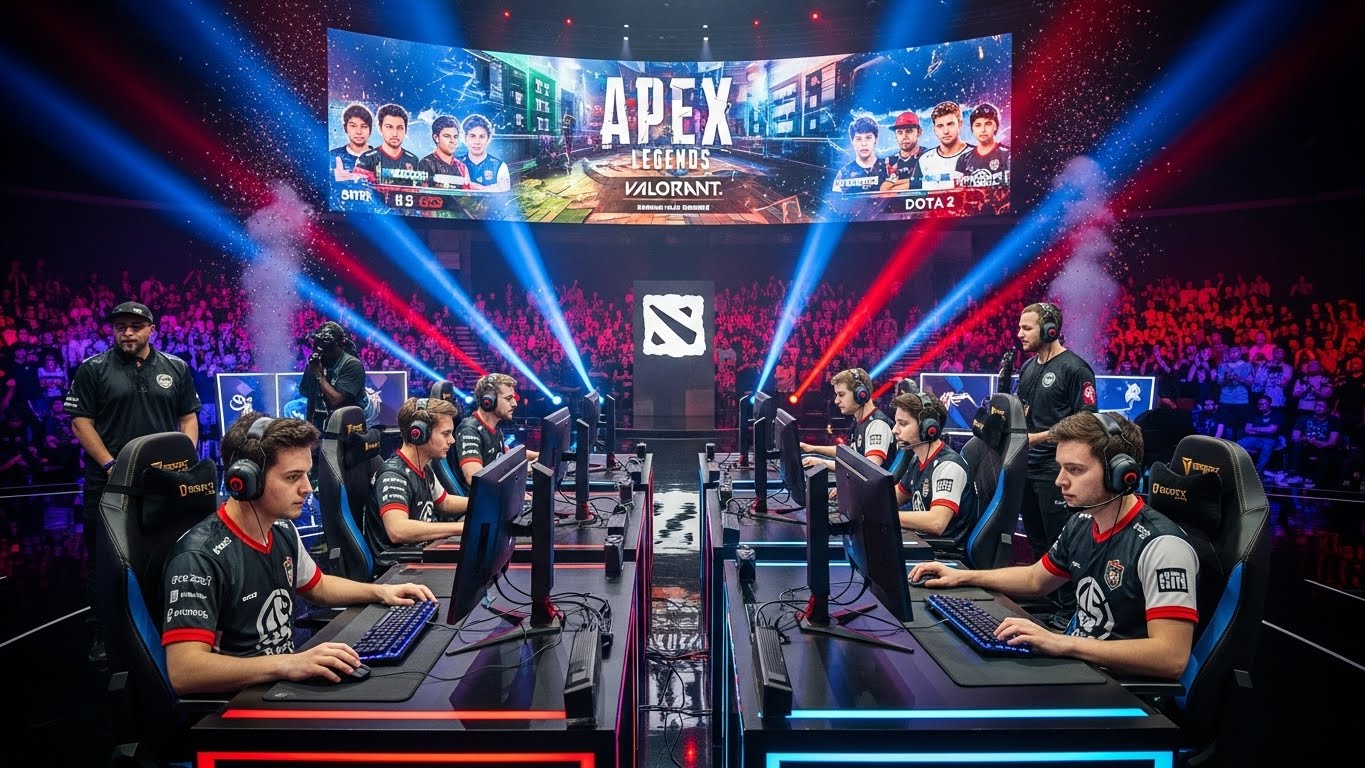
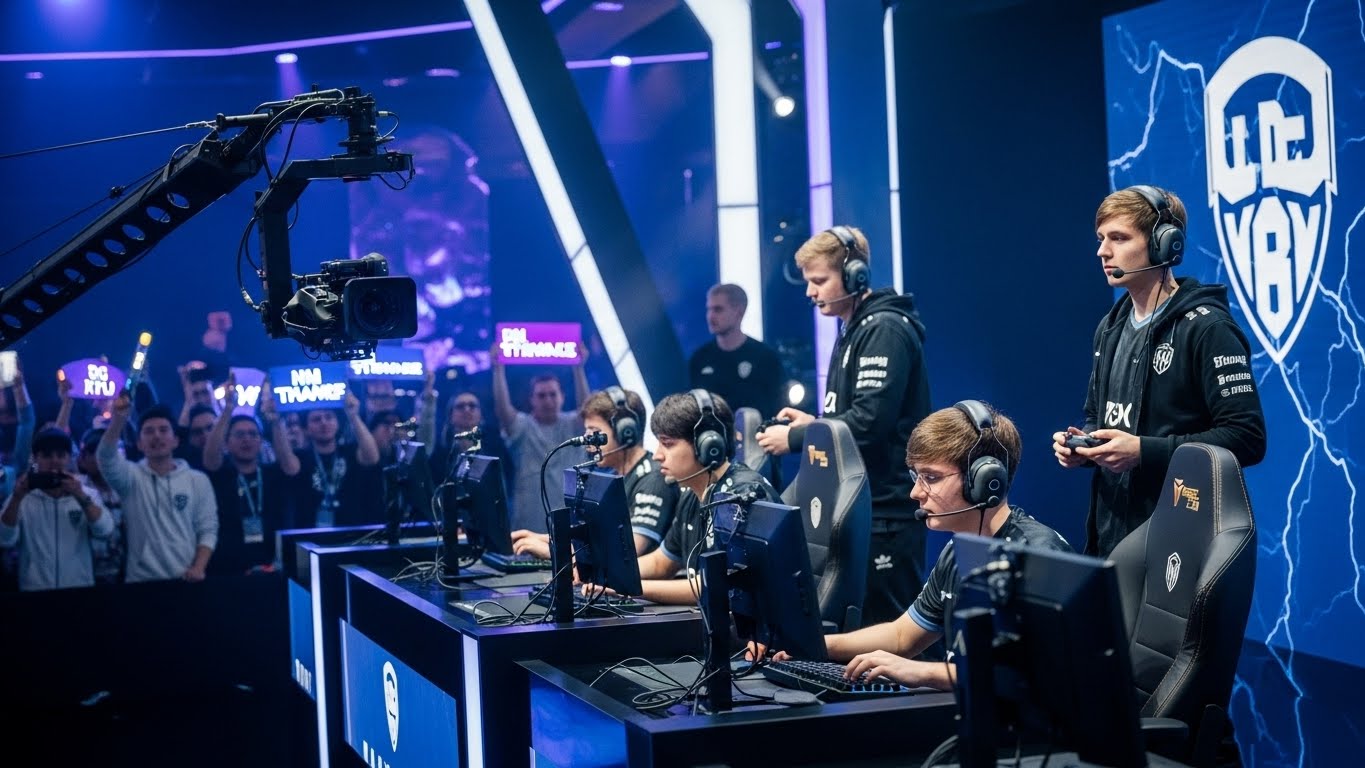
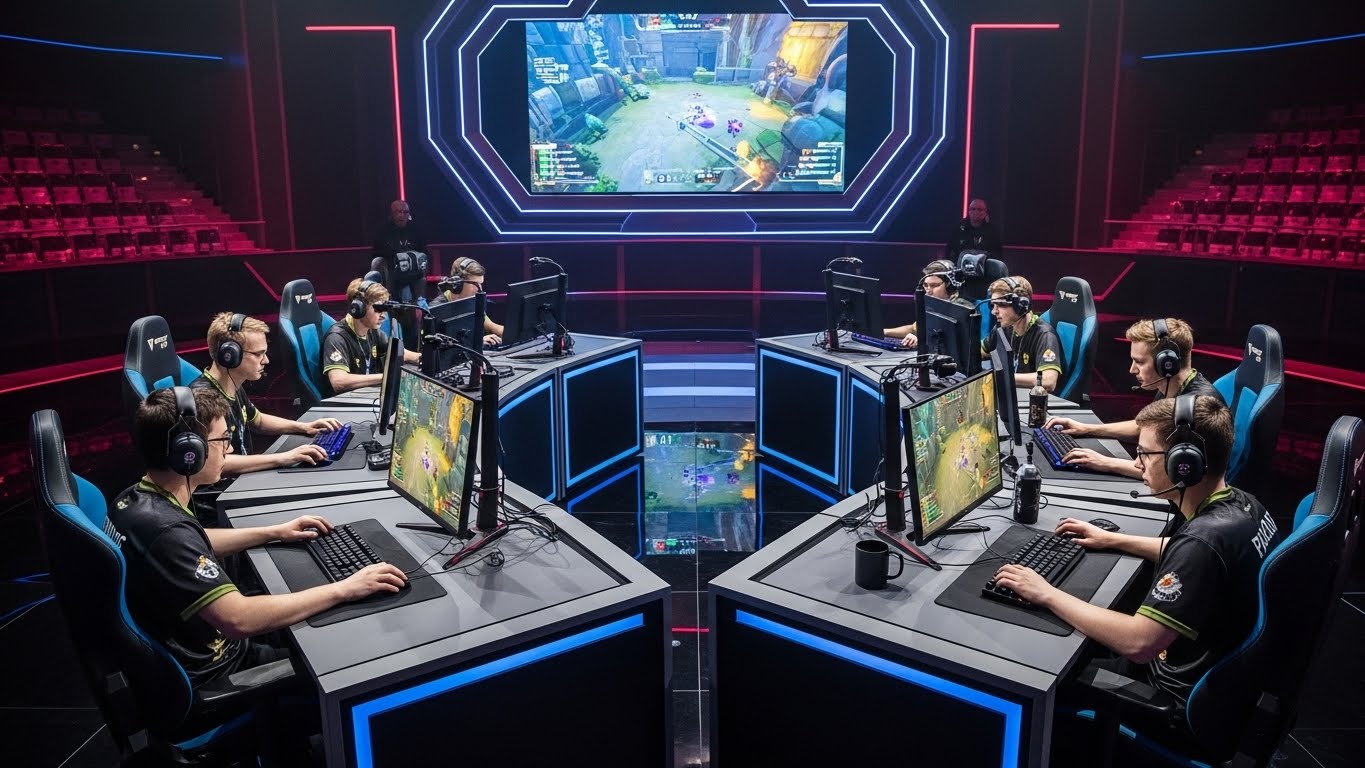
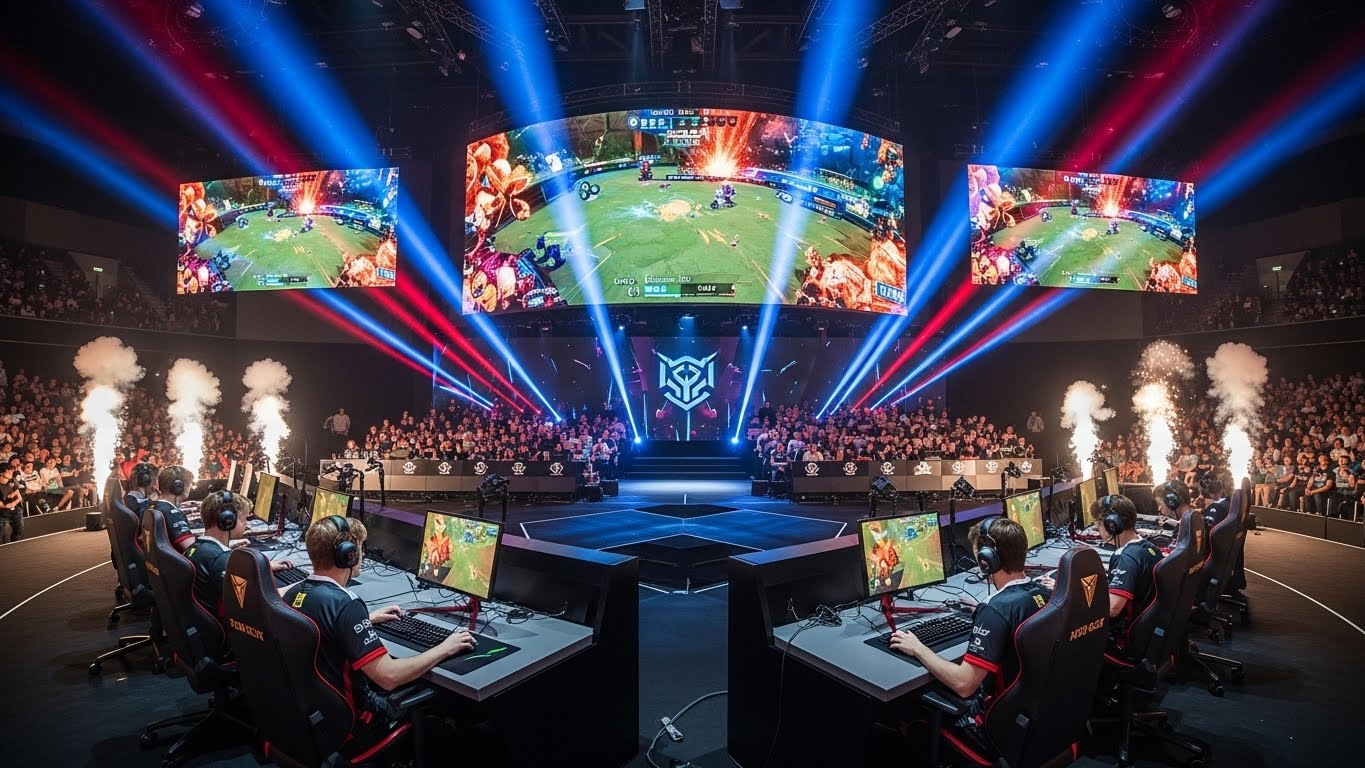
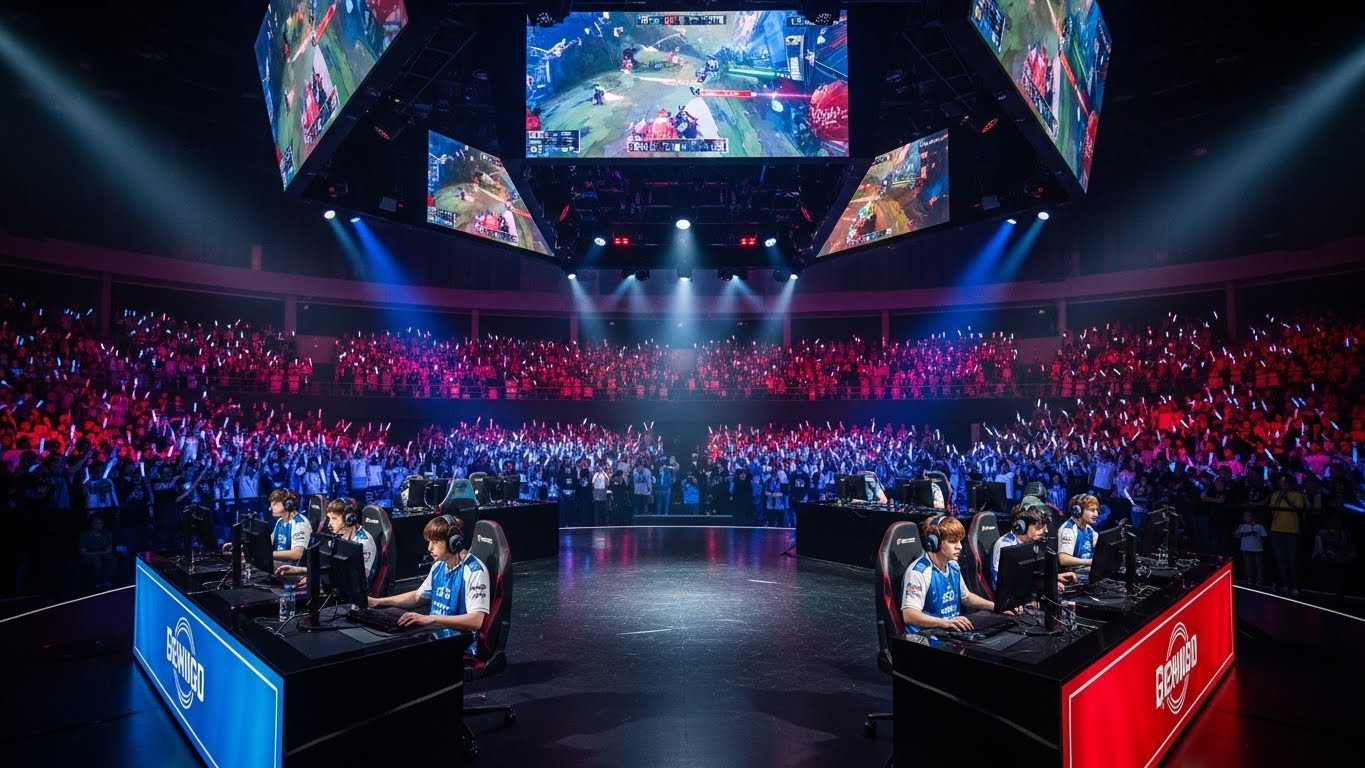
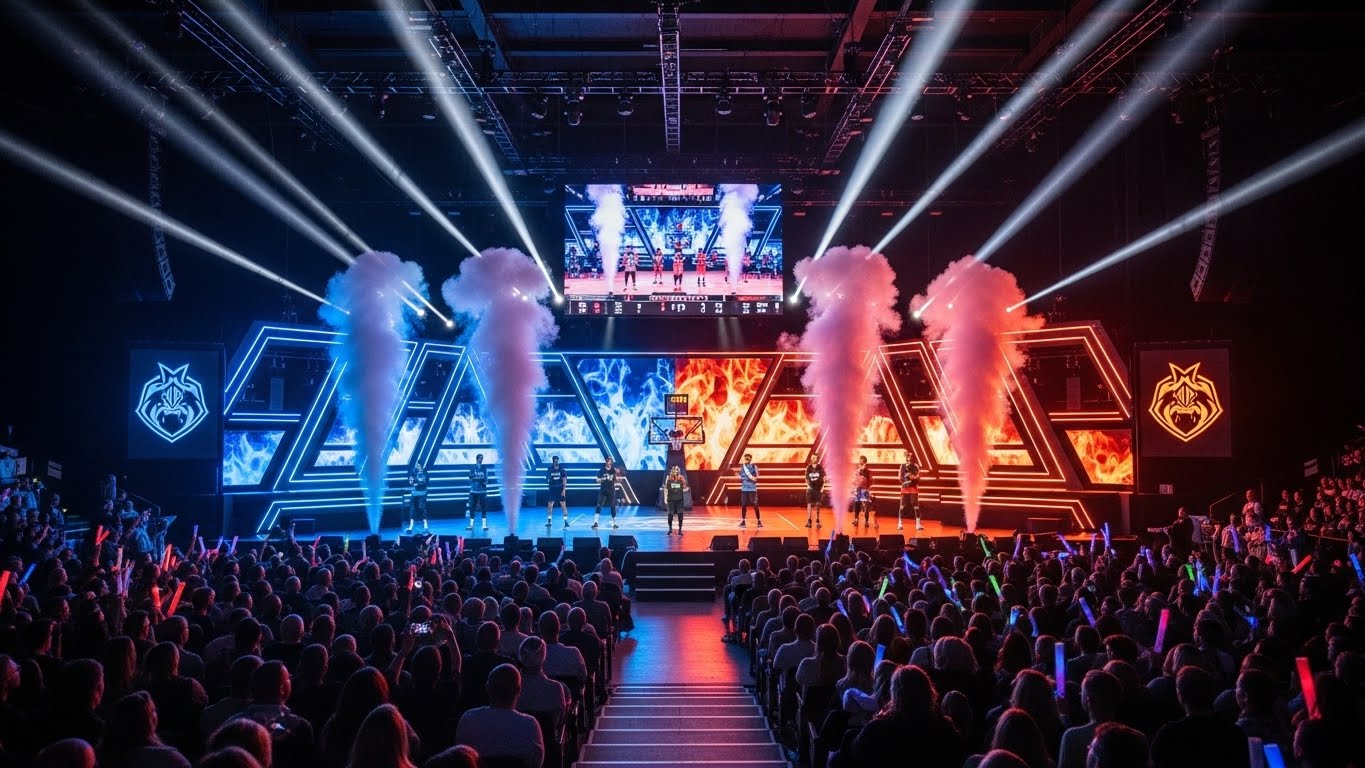
By the 2010s, esports had evolved into a worldwide phenomenon. Tournaments like The International (for Dota 2), League of Legends World Championship, and the Fortnite World Cup drew millions of online viewers and filled massive arenas across the globe. The scale of production, from light shows to live commentary, rivaled traditional sports events.
Prize pools grew exponentially. For instance, some Dota 2 tournaments exceeded 40 million dollars in total prizes, a figure that surpassed many traditional sporting competitions. These events attracted major sponsors, from tech companies to luxury brands, signaling the mainstream acceptance of esports.
Esports also started finding a place in academic and educational institutions. Universities began offering scholarships for esports athletes, and dedicated esports courses and degrees started appearing, focusing on game design, event management, and digital marketing.
The Role of Streaming Platforms
One of the most crucial factors behind esports’ growth has been the rise of streaming platforms. Sites like Twitch and YouTube Gaming allowed players to broadcast their gameplay to global audiences. Viewers could watch professional matches, learn from skilled players, and even interact with them in real time.
This interactivity created a new form of digital community. Fans weren’t just spectators—they became part of the experience. Streamers could build loyal fanbases, earn sponsorships, and generate income through ads and donations. For many gamers, streaming became both a passion and a profession.
Streaming also democratized esports. It allowed anyone with skill and charisma to gain recognition, regardless of location. A player in a small town could now compete, entertain, and connect with a worldwide audience.
Esports and Technology: A Perfect Match
Technology is the backbone of esports. From advanced gaming hardware to real-time analytics, every aspect of esports relies on technological innovation. High-speed internet, powerful graphics cards, and optimized software make competitive gaming possible.
Developers constantly push boundaries, creating games designed specifically for esports competition. These games require skill, strategy, and teamwork, while maintaining fairness and balance for both casual and professional players. Titles such as Counter-Strike, Overwatch, Valorant, and League of Legends have become esports staples because of their competitive integrity and engaging gameplay.
Artificial intelligence, virtual reality, and augmented reality are also beginning to influence esports. AI is being used to improve player training by analyzing gameplay patterns, identifying weaknesses, and offering strategies for improvement. Virtual reality could soon bring an entirely new level of immersion, allowing players to physically interact with their games in competitive environments.
The Rise of Esports Teams and Organizations
Just as traditional sports have teams, so does esports. Organizations such as Team Liquid, FaZe Clan, T1, and Cloud9 have built powerful brands around competitive gaming. These teams manage players, coaches, analysts, and even psychologists who help improve performance and maintain mental health.
Team rivalries fuel fan excitement, and merchandise sales add another dimension to the esports economy. Jerseys, gaming gear, and branded products allow fans to show loyalty much like traditional sports supporters do.
In addition, many esports organizations have diversified their operations. They create content, run gaming academies, and collaborate with fashion and entertainment brands. This blending of gaming, lifestyle, and culture has made esports a central part of youth identity worldwide.
The Economic Power of Esports
The economic growth of esports has been staggering. From sponsorship deals and advertising to media rights and ticket sales, the revenue streams are vast. Companies are eager to reach the younger audiences that dominate esports viewership, and brands from various industries have jumped on board.
Esports’ digital nature also allows for innovative marketing methods. In-game advertisements, branded events, and collaborations between game developers and sponsors have become common. Some games even feature branded virtual items or skins, merging gaming with e-commerce.
Moreover, cities and governments have started recognizing esports’ economic impact. Countries like South Korea, China, and the United States host large esports hubs, creating jobs and attracting tourism. Events can fill arenas, generate millions in local revenue, and promote technological advancement.
The Cultural Impact of Esports
Beyond the numbers, esports has made a deep cultural impact. It has challenged traditional ideas about what defines an athlete, a sport, and entertainment itself. Gamers are now recognized for their discipline, reaction times, and strategic thinking.
Esports also fosters inclusivity. People from different backgrounds, genders, and regions can compete on equal ground. Many female players, casters, and managers are breaking barriers, promoting diversity in the industry. Initiatives encouraging inclusivity are becoming more common, helping esports evolve into a space for everyone.
Esports has also influenced music, fashion, and media. Game soundtracks are performed live at events, esports-inspired clothing lines are released, and celebrities invest in or participate in gaming organizations. This cross-pollination of culture has elevated esports from subculture to mainstream phenomenon.
Esports Education and Career Opportunities
As esports continues to expand, so do the career opportunities surrounding it. Besides professional players, there are roles for coaches, analysts, event organizers, marketing experts, broadcasters, and game developers.
Educational institutions have recognized this potential. Esports management, broadcasting, and game design courses are now available at many universities. Students can learn the business and technical skills necessary to thrive in the industry.
Furthermore, high schools and colleges are forming their own esports teams, allowing young players to develop competitive experience and even earn scholarships. This educational integration ensures that esports will continue to grow with professionalism and sustainability.
The Globalization of Esports
Esports is a truly global phenomenon. Players and fans come from every continent, and international tournaments are watched by audiences across dozens of languages. The sense of community transcends borders, as gamers connect through their shared passion for competition.
Different regions have their own dominant games and playstyles. Asia, especially South Korea and China, has traditionally led in strategy games like StarCraft and League of Legends. Europe and North America have excelled in first-person shooters and tactical titles. Meanwhile, the Middle East, Africa, and South America are emerging markets, rapidly catching up with their own esports leagues and infrastructure.
Global events often bring together these regional champions, creating intense rivalries and cultural exchanges. Esports has, in many ways, become a universal language of competition and collaboration.
Esports and Traditional Sports
The relationship between esports and traditional sports is evolving. Initially, traditional sports organizations viewed esports skeptically. However, as esports viewership and revenue surpassed those of some traditional sports, attitudes changed.
Many sports franchises now own or sponsor esports teams. Football clubs, basketball organizations, and motorsport brands have entered the esports space, blurring the lines between physical and digital sports. Events like virtual Formula 1 races and NBA 2K tournaments show how both worlds can complement each other.
Esports athletes also train like traditional athletes, focusing on physical health, reaction speed, and mental endurance. Fitness, diet, and sleep routines are becoming integral parts of esports training regimens.
Challenges Facing the Esports Industry
Despite its success, esports faces several challenges. One major issue is player burnout. The intense competition and constant travel can lead to mental and physical exhaustion. Teams and organizations are working to provide better support systems, including psychological counseling and health management.
Another challenge is maintaining fair play. With online competition, issues like cheating, match-fixing, and performance-enhancing software have emerged. Developers and tournament organizers continuously update systems to ensure integrity and transparency.
Esports also faces challenges related to diversity and inclusion. While progress has been made, the industry must continue promoting equal opportunities for all genders and backgrounds.
Lastly, maintaining sustainability is crucial. Over-saturation of tournaments, unstable team structures, and economic dependency on sponsorships can threaten long-term growth. The industry needs balanced development to ensure stability.
The Future of Esports
The future of esports looks incredibly promising. With advancing technology, increasing mainstream acceptance, and growing investment, esports is set to become an even more dominant force in global entertainment.
Virtual reality could revolutionize the way players compete, bringing immersive physical interaction to digital arenas. Cloud gaming and 5G connectivity will make high-quality gaming accessible to more people, reducing barriers for competitive participation.
Esports could also become an official Olympic discipline in the near future. Discussions between gaming federations and sports authorities suggest that the gap between traditional sports and esports is closing.
Furthermore, as artificial intelligence and data analytics advance, players and coaches will gain even deeper insights into performance optimization. Personalized training programs could make esports competition more strategic and dynamic than ever before.
Conclusion
Esports has come a long way from small university competitions to sold-out stadiums and global online audiences. It represents not only the evolution of gaming but also the transformation of entertainment, culture, and sports in the digital age.
The world of esports continues to redefine what competition means in the 21st century. It empowers individuals with creativity, teamwork, and global connection. Whether as a spectator, player, or creator, everyone can find a place in the vibrant, ever-evolving realm of esports.
The journey of esports is far from over—it is only just beginning.