 championcast96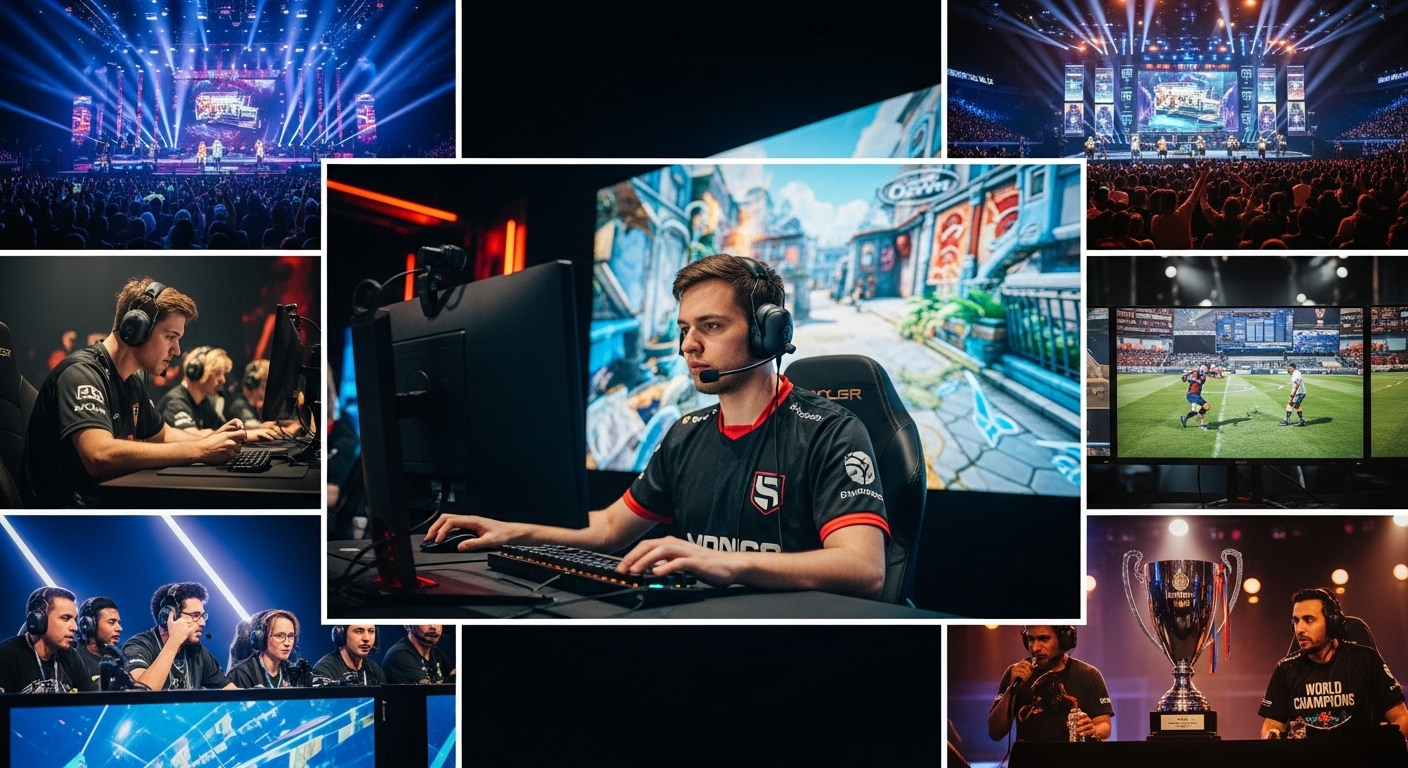
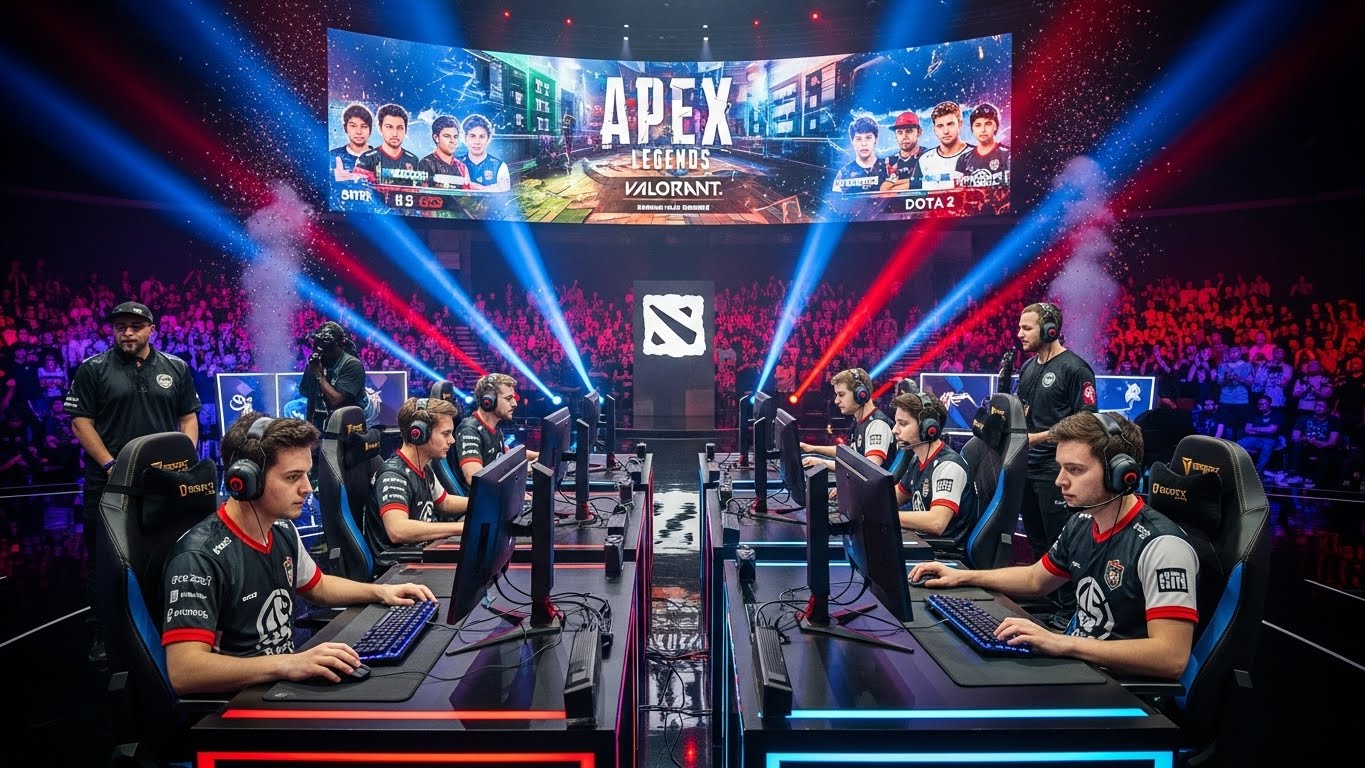
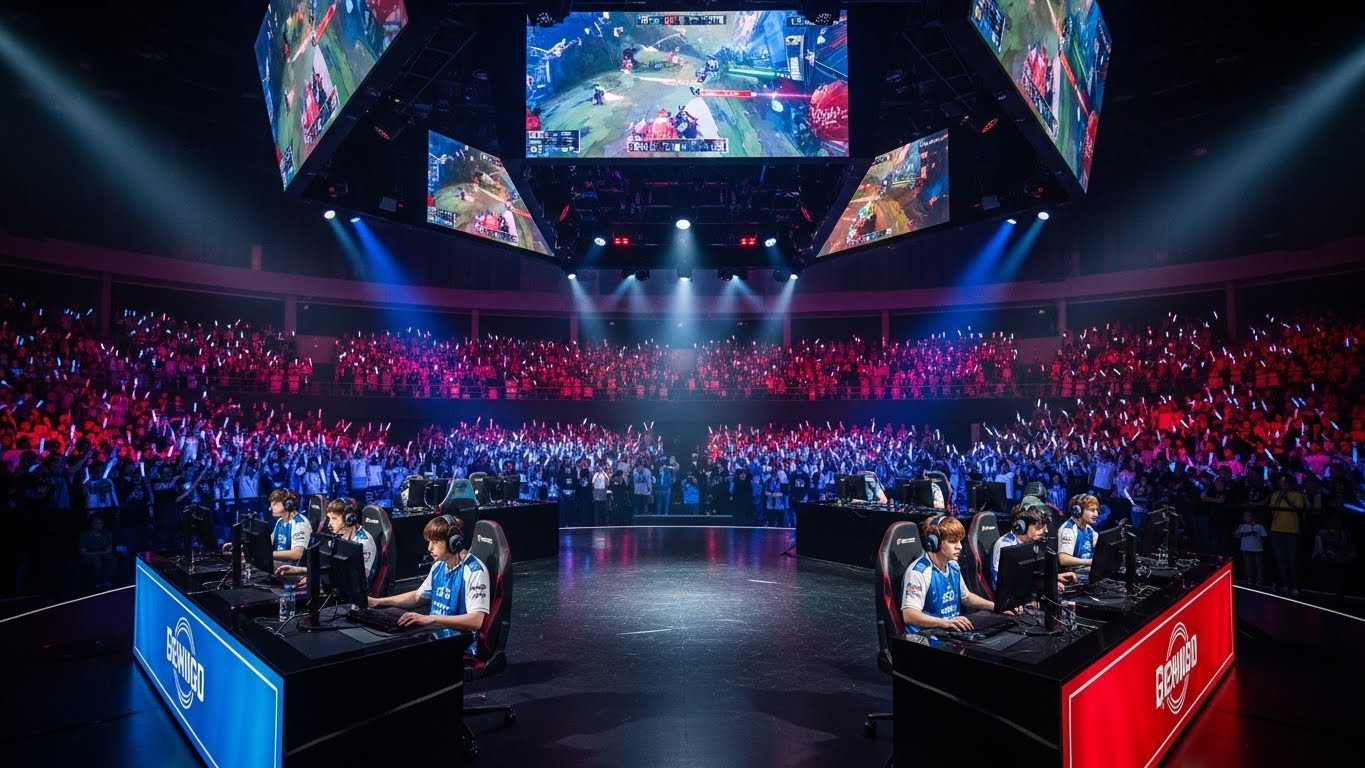
Esports has gone from being a niche hobby to one of the most dynamic and rapidly-growing industries in the world. With millions of fans tuning in for live-streamed events and tournaments, the global reach and cultural significance of esports have never been more apparent. Whether it’s high-stakes tournaments like The International in Dota 2, or League of Legends Worlds, esports has captured the imagination of millions. But how did we get here, and where is esports headed in the future? In this article, we’ll explore the history, growth, current state, and future of esports, providing insights into how the industry continues to shape the world of competitive gaming.
The Birth of Esports: From Arcade Competitions to Online Tournaments
The origins of esports can be traced back to the early days of video games, when competitive gaming was primarily limited to local tournaments, often held in arcades. Back in the late 70s and early 80s, the first competitive gaming events began to emerge. One of the earliest and most significant examples was the 1980 Space Invaders Championship, where over 10,000 participants competed to become the best at the iconic arcade game. This event marked the beginning of a long journey that would eventually lead to the creation of the esports industry.
However, it wasn’t until the late 1990s and early 2000s that competitive gaming truly began to flourish. With the rise of multiplayer online games like Quake, StarCraft, and Warcraft III, competitive gaming events were held more regularly, drawing in larger and larger audiences. These events were often streamed live over the internet, paving the way for the growth of online esports tournaments.
The Rise of Esports as a Global Industry
The early 2000s were a transformative period for esports. With the advent of faster internet speeds, online multiplayer gaming became more accessible. One of the major turning points for the esports industry came with the development of StarCraft in South Korea. The game became an overnight sensation, and the country soon became a hub for esports competitions. The rise of platforms like Twitch, YouTube Gaming, and other streaming services made it easier for gamers and fans alike to connect, watch, and participate in live events.
South Korea, in particular, emerged as the epicenter of competitive gaming. The country saw the birth of professional esports leagues and the first esports channels, with games like StarCraft and League of Legends becoming central to the gaming culture. South Korean players became celebrities, and the nation’s dedication to esports solidified its position as the global leader in the field.
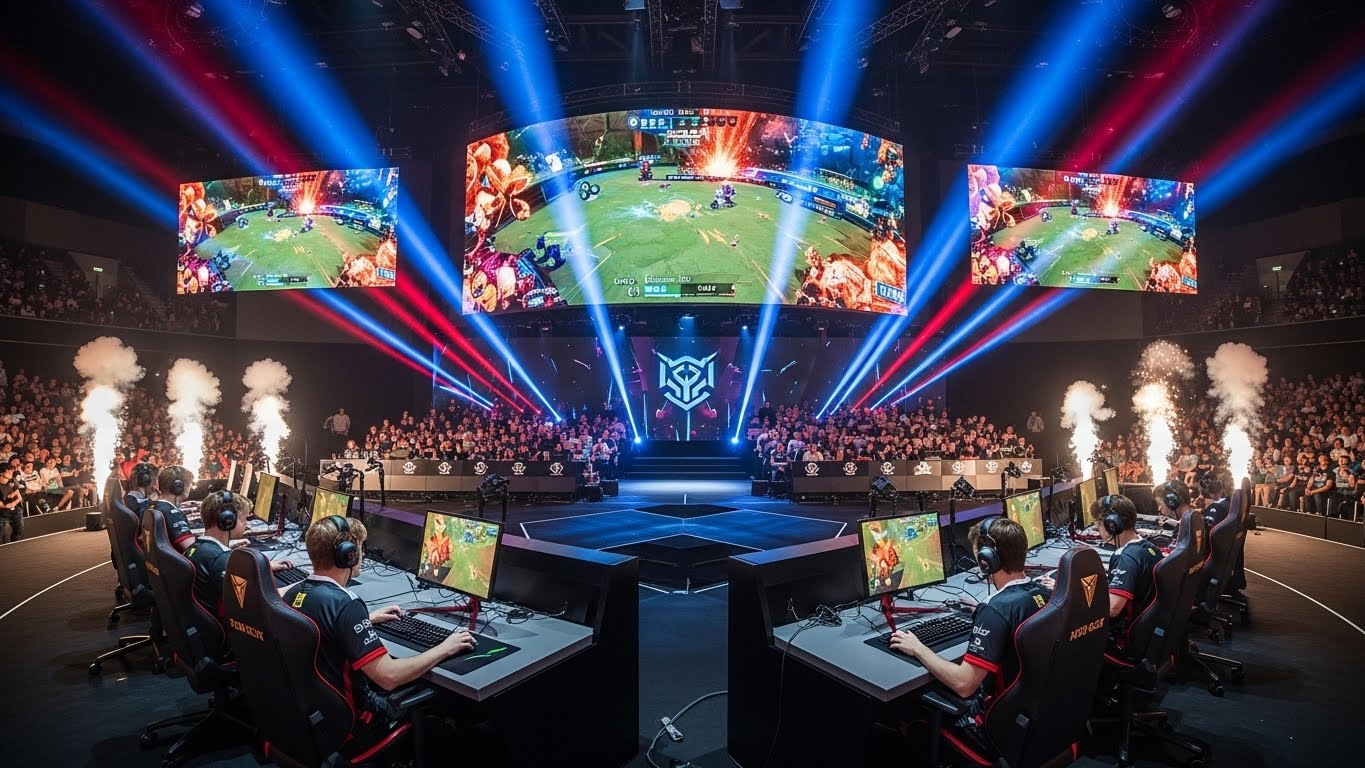
Meanwhile, the rest of the world was catching up. The competitive gaming scene began to grow in other regions, with events like The International for Dota 2 and the League of Legends World Championship gaining massive followings. These tournaments offered enormous prize pools, attracting some of the best players from around the globe.
The Core Components of the Esports Ecosystem
Esports is more than just the games themselves. It is an entire ecosystem that involves various stakeholders, from players and teams to tournament organizers, broadcasters, and fans. Understanding this ecosystem is key to understanding how esports functions and thrives.
1. Professional Teams and Players
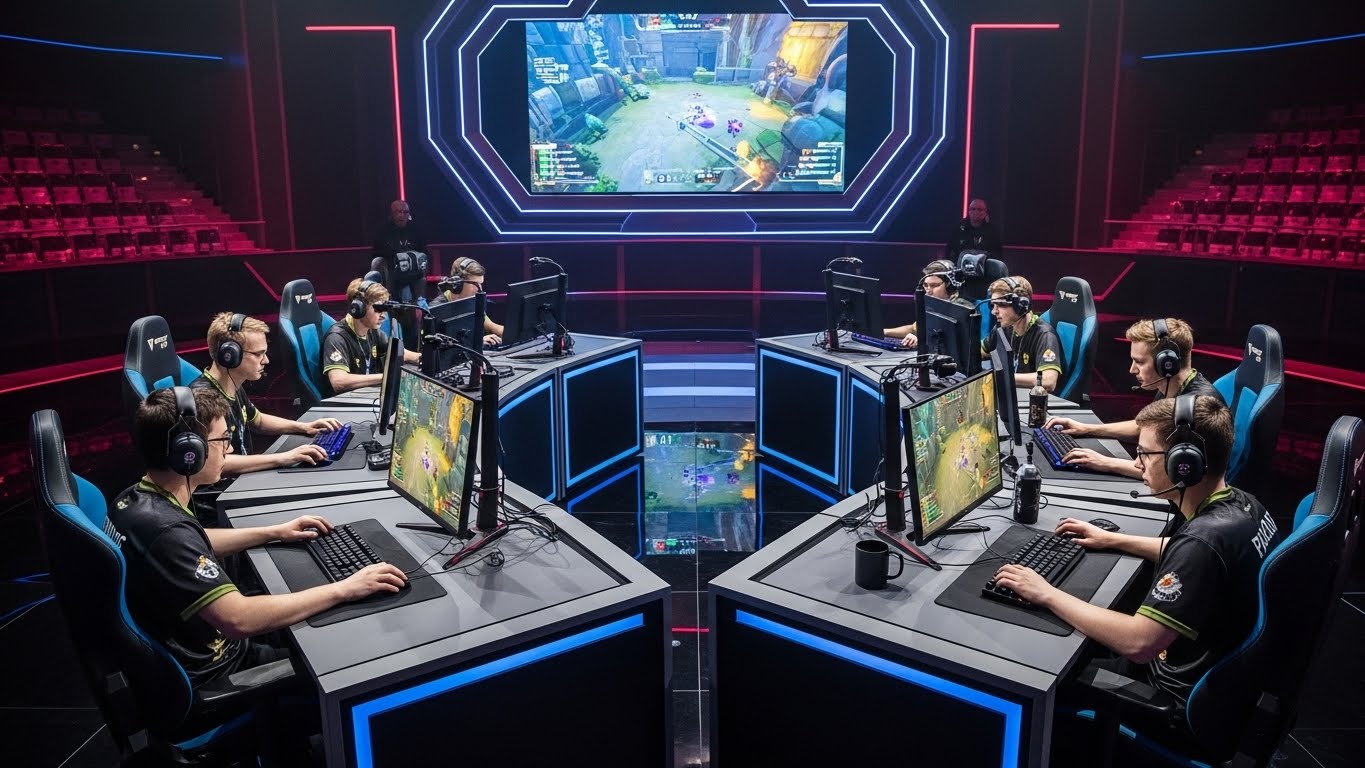
At the heart of the esports ecosystem are the players and the teams that they represent. Competitive players dedicate hours of practice every day to hone their skills in specific games, often under the management of professional esports organizations. These teams compete in various tournaments, often forming rivalries that build excitement for fans. Players earn a significant portion of their income from tournament prizes, sponsorships, and streaming deals.
The role of the esports athlete has evolved over time. In the early days, gamers were often seen as hobbyists who played games for fun. Today, they are professional athletes who treat their gaming as a full-time career. As the level of competition has increased, so has the need for players to develop their skills, much like traditional sports.
2. Tournament Organizers and Events
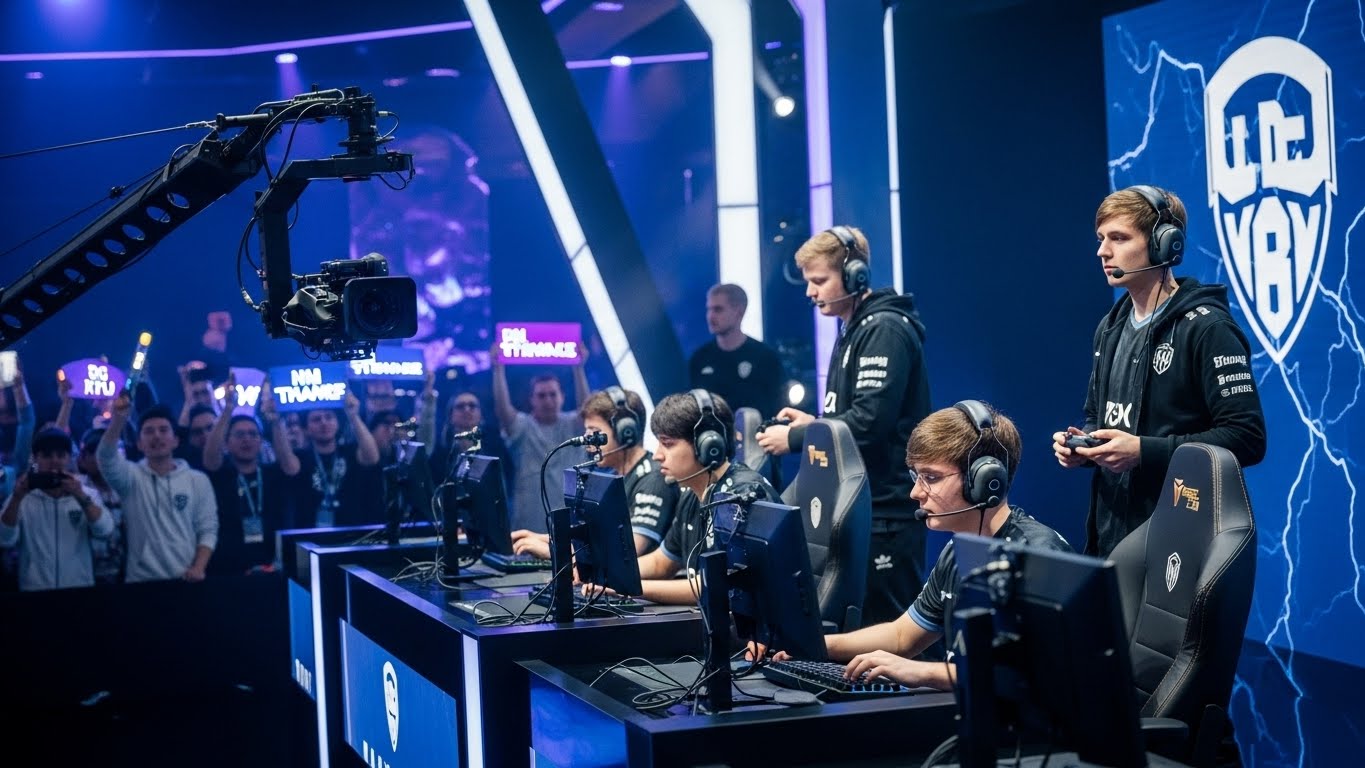
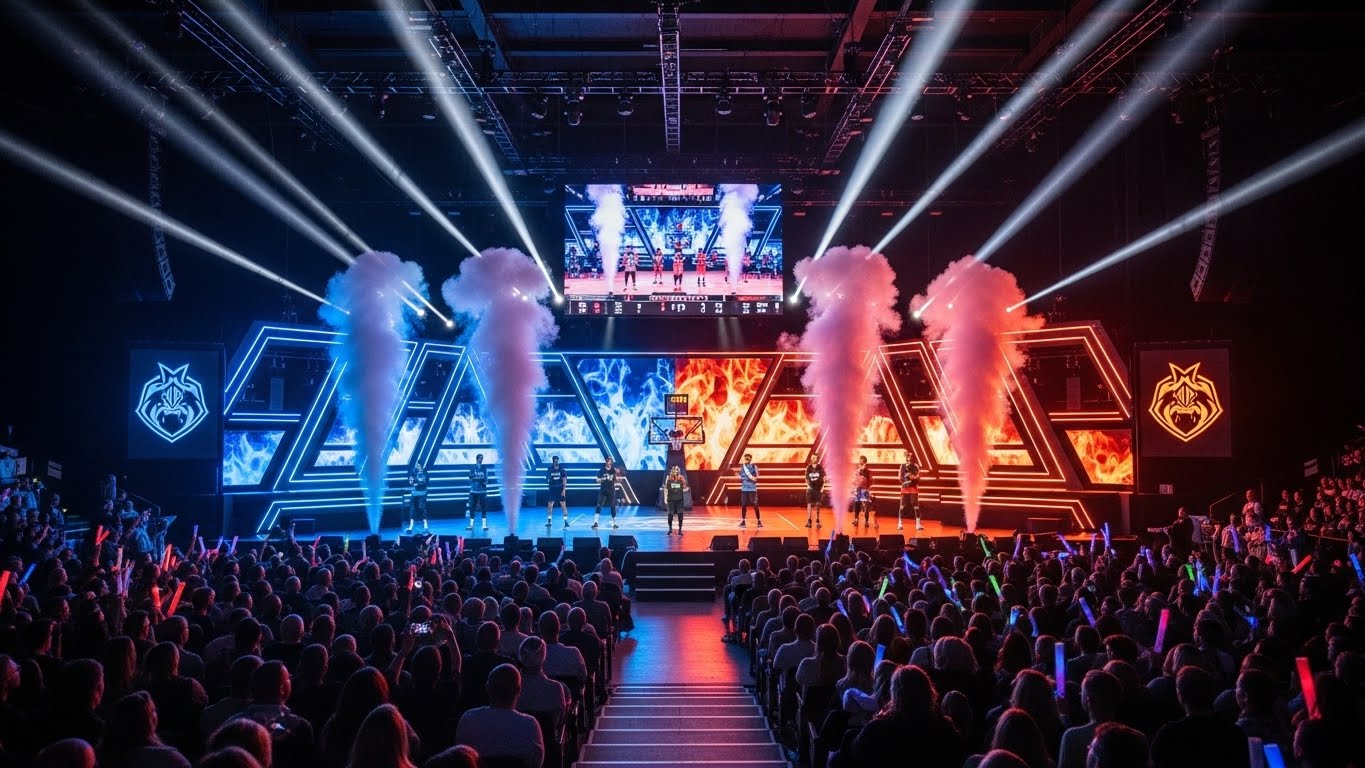
The backbone of the esports industry is the tournaments themselves. These are the events where players and teams compete for glory, fame, and hefty cash prizes. Tournament organizers play a crucial role in structuring and hosting these events, which can range from online qualifiers to massive live events in arenas.
One of the most prominent tournament organizers is Riot Games, which hosts the League of Legends World Championship, one of the most-watched esports events globally. Similarly, Valve organizes The International, the largest annual Dota 2 event, offering millions of dollars in prize money. These tournaments not only showcase the best players but also highlight the broader community of fans, analysts, commentators, and other contributors who help make the events possible.
3. Viewers and Streaming Platforms
Esports events attract millions of viewers worldwide, many of whom tune in to watch their favorite players or teams compete. Platforms like Twitch, YouTube Gaming, and Facebook Gaming have played a pivotal role in making esports events accessible to a global audience. Streaming has become the primary way to consume esports content, with fans able to watch live broadcasts, highlights, or replays at their convenience.
The rise of streaming has also given rise to a new type of content creator: the esports streamer. Many top players and influencers in the esports scene also stream their daily gameplay, offering fans a more personal look at their lives outside of the competitive scene. This has created an entirely new form of entertainment, blurring the lines between traditional sports commentary and interactive gaming experiences.
The Business of Esports: Sponsorships, Investments, and Revenue
As the esports industry has matured, it has become a major economic force. According to various reports, the esports industry is expected to generate billions of dollars in revenue annually. These earnings come from multiple sources, including sponsorships, advertising, media rights, merchandise sales, and ticket sales to live events.
Sponsorships and Advertising
One of the primary sources of revenue for esports organizations and players is sponsorships. Major brands like Coca-Cola, Intel, Red Bull, and Mercedes-Benz have all partnered with esports teams and tournaments to reach the ever-growing gaming audience. Esports offers brands an opportunity to connect with a younger, tech-savvy demographic, making it a highly attractive marketing channel.
Advertising during esports events is another significant revenue stream. Just like traditional sports, companies place advertisements during live broadcasts to reach viewers. As esports viewership grows, so does the potential for lucrative advertising deals.
Investment and Market Growth
Esports has also attracted considerable investment from venture capital firms, private equity firms, and even traditional sports owners. In recent years, major sports franchises such as the Dallas Cowboys and New York Yankees have invested in esports teams, signaling the increasing mainstream acceptance of competitive gaming. These investments have allowed organizations to expand their reach, improve facilities, and offer better training and support for their players.
Additionally, the rise of online gambling and fantasy esports has opened up new revenue channels. Betting on esports events is now a billion-dollar industry, with fans placing wagers on everything from the outcome of specific matches to the overall winner of major tournaments.
Challenges Facing Esports Today
While the esports industry has grown exponentially in the past two decades, it is not without its challenges. The competitive gaming scene faces issues related to player health, mental wellness, sustainability, and the lack of uniformity in governance.
1. Player Well-being
The physical and mental demands of professional gaming can be grueling. Many esports athletes train for hours each day, often facing pressure to maintain peak performance levels. This can lead to burnout, stress, and even injuries related to repetitive strain. The esports community is becoming increasingly aware of these issues, and some organizations are starting to offer wellness programs to help players deal with stress and physical ailments.
2. Governance and Regulation
As esports has grown, the need for proper regulation has become more apparent. Issues like match-fixing, cheating, and player contracts have created a need for more formal governance structures. Organizations like the Esports Integrity Commission (ESIC) are working to combat these issues, but there is still a long way to go before a uniform regulatory framework is established across the industry.
The Future of Esports: Trends to Watch
Esports is constantly evolving, and its future looks brighter than ever. Here are a few trends that could shape the future of competitive gaming:
1. Virtual Reality and Augmented Reality
The future of esports could see the integration of virtual reality (VR) and augmented reality (AR) technologies. With VR headsets like the Oculus Rift and HTC Vive already available, esports could shift to fully immersive experiences, allowing fans to feel as though they are part of the action. Additionally, AR could offer new ways to enhance live broadcasts and in-game experiences.
2. Mobile Esports
The rise of mobile gaming has opened up new possibilities for esports. Games like PUBG Mobile, Call of Duty Mobile, and Arena of Valor have proven that competitive gaming can thrive on smartphones and tablets. As mobile technology improves, mobile esports could become just as prominent as traditional PC and console gaming.
3. Greater Mainstream Recognition
As esports continues to grow, it will likely gain further mainstream recognition. With traditional sports networks broadcasting esports tournaments and universities offering scholarships for esports athletes, competitive gaming is poised to become an even more integral part of global sports culture. Additionally, with the inclusion of esports in major multi-sport events like the Asian Games, esports could eventually find its way into the Olympics.
Conclusion
Esports has come a long way since its humble beginnings in arcades and local tournaments. Today, it is a global phenomenon with millions of fans, professional players,