 championcast96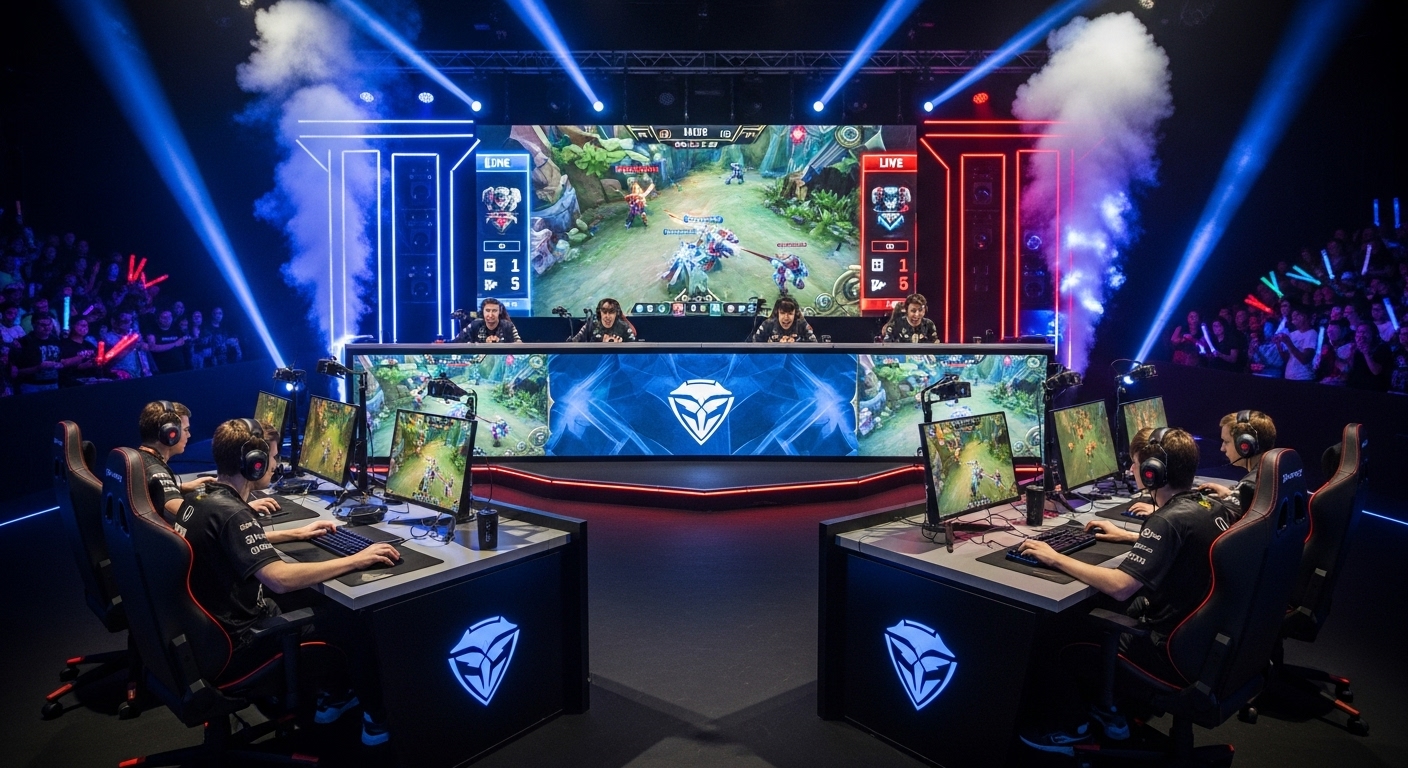
Esports, short for electronic sports, has become one of the fastest-growing industries in entertainment today. Once seen as a niche hobby for dedicated gamers, competitive gaming has evolved into a global phenomenon with professional players, millions of fans, and multi-million-dollar tournaments. Esports has changed the way people view competition, entertainment, and digital culture. Its growth reflects advances in technology, changes in media consumption habits, and the rise of a generation that values interactive, skill-based entertainment. This blog explores the history, structure, cultural impact, and future of esports in detail.
Origins of Competitive Gaming
The roots of esports can be traced back to the late 1970s and 1980s when arcade gaming gained popularity. Early competitions were informal, often taking place in arcades or among friends. Games like Space Invaders, Pac-Man, and Donkey Kong were the first to attract competitive attention. These early events emphasized high scores and personal skill, laying the foundation for the structured competitions that would follow.
The first major documented gaming competition was the Space Invaders Championship held in 1980 in the United States. Thousands of participants competed for top scores, and the event generated nationwide media coverage. This early tournament demonstrated that video games could create excitement, draw crowds, and foster community engagement, setting the stage for future esports competitions.
The Rise of Multiplayer Gaming
The 1990s brought significant changes to competitive gaming with the emergence of multiplayer games. Titles like Doom, Quake, and StarCraft allowed players to compete against one another in real time, introducing the elements of strategy, teamwork, and tactical decision-making. These games transformed gaming from an individual pastime into a social and competitive activity.
South Korea emerged as a major hub for esports during this era. StarCraft competitions became national events, with players gaining celebrity status. Internet cafes, known as PC bangs, became social centers where aspiring players practiced and competed. Professional leagues and televised tournaments helped legitimize gaming as a career path, inspiring other countries to develop structured esports ecosystems.
Professionalization of Esports
By the early 2000s, esports had become a professional industry. Organizations formed teams, signed players, and offered salaries, while tournaments provided cash prizes and sponsorships. Games like Counter-Strike, Warcraft III, and Halo became staples of competitive play, attracting large audiences both online and at live events.
Major League Gaming in North America helped formalize esports competitions, providing standardized rules, schedules, and media coverage. Players were no longer casual enthusiasts—they became professional athletes in a digital arena, dedicating countless hours to practice, strategy, and teamwork.
Esports as a Global Phenomenon
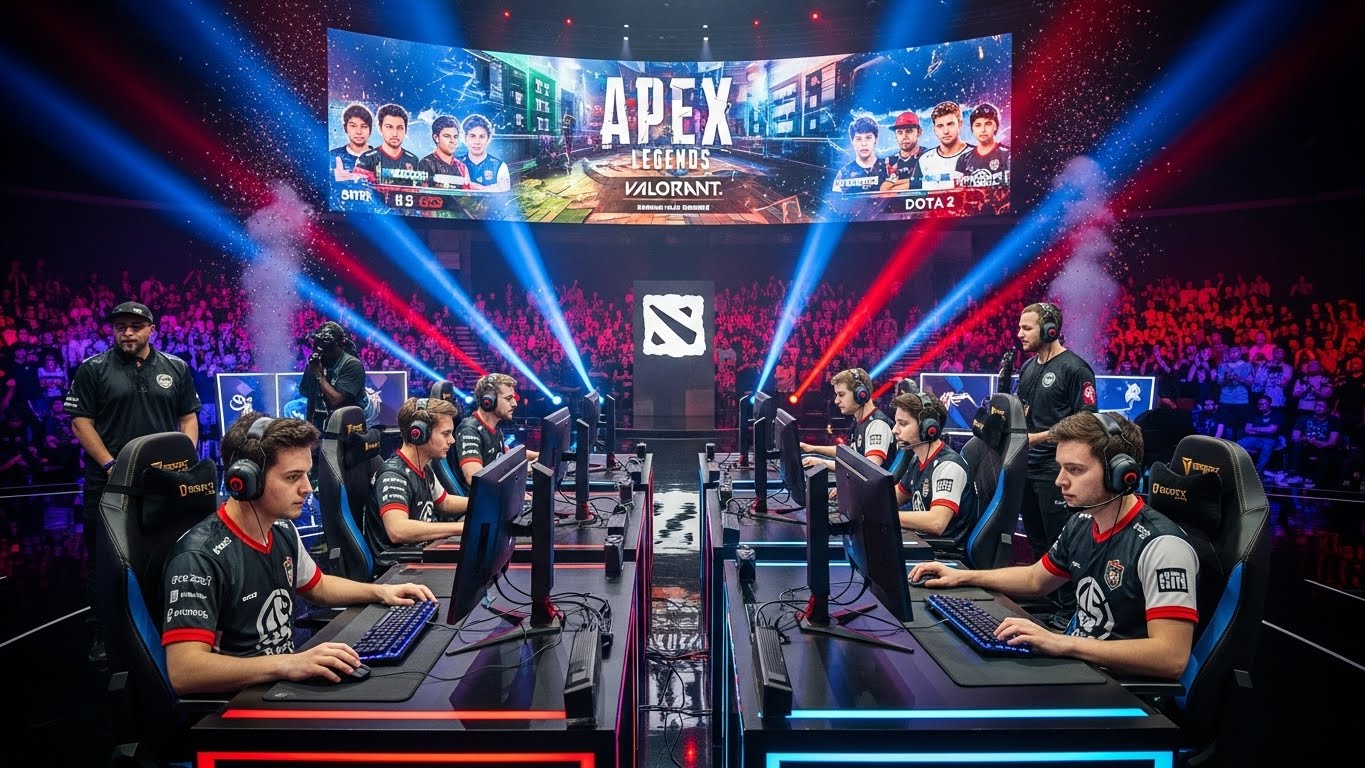
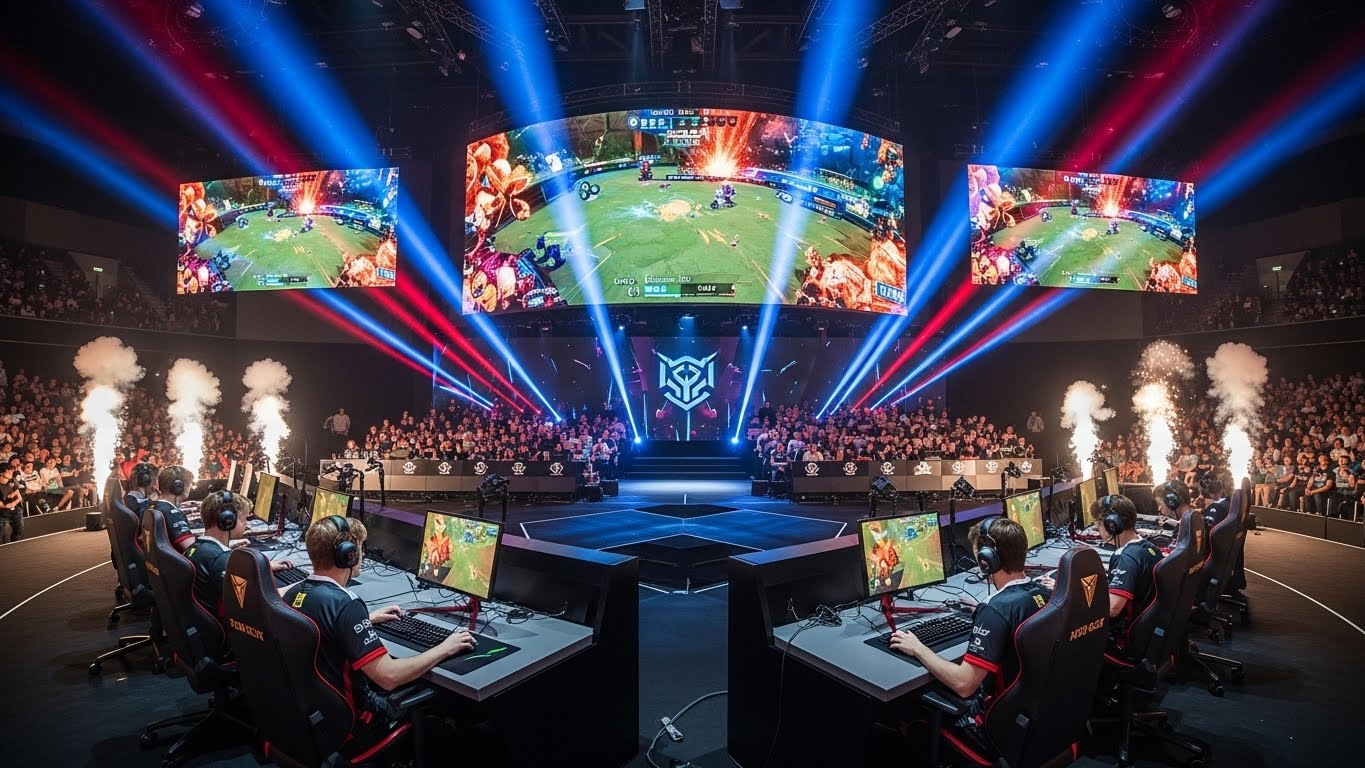
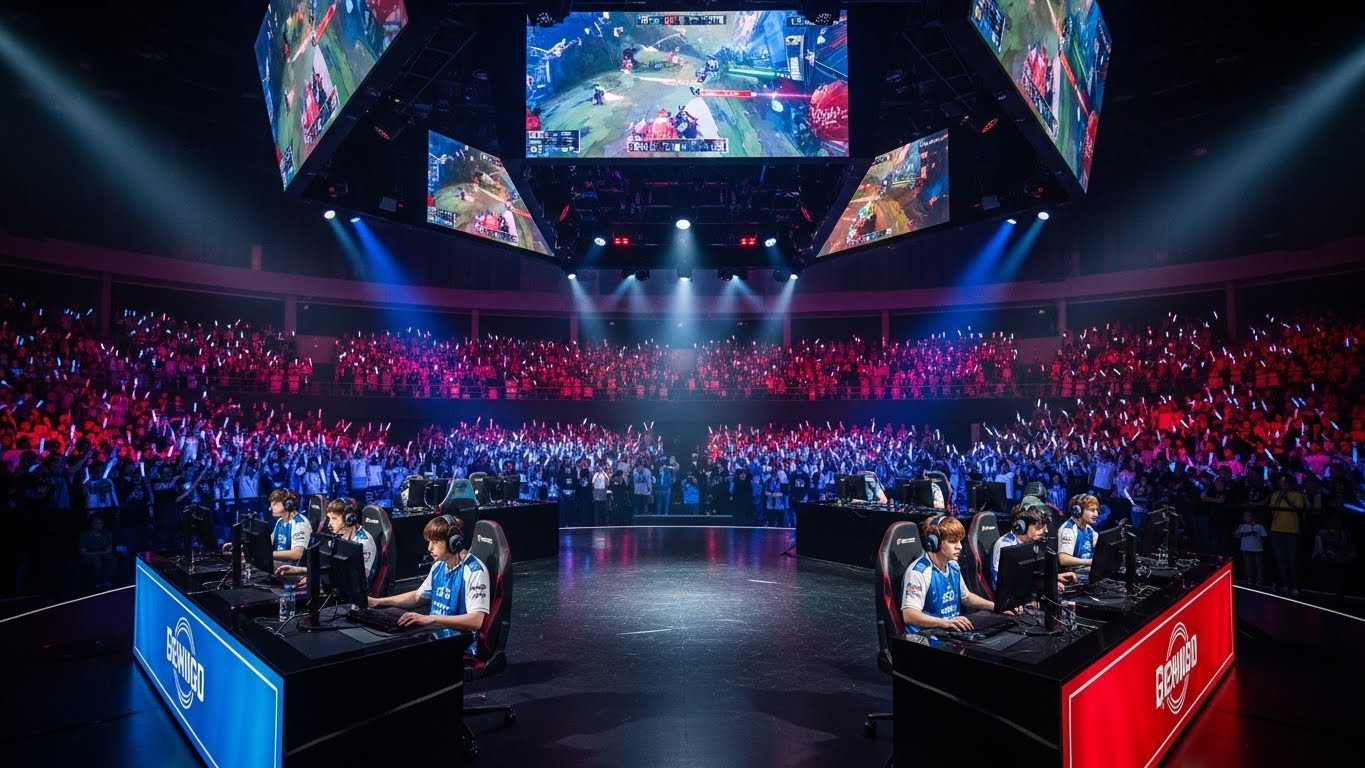
Today, esports is a global entertainment powerhouse. Tournaments are held in arenas across the world, with millions of fans tuning in via streaming platforms. Games like League of Legends, Dota 2, and Fortnite dominate the competitive scene, drawing viewership numbers comparable to traditional sports.
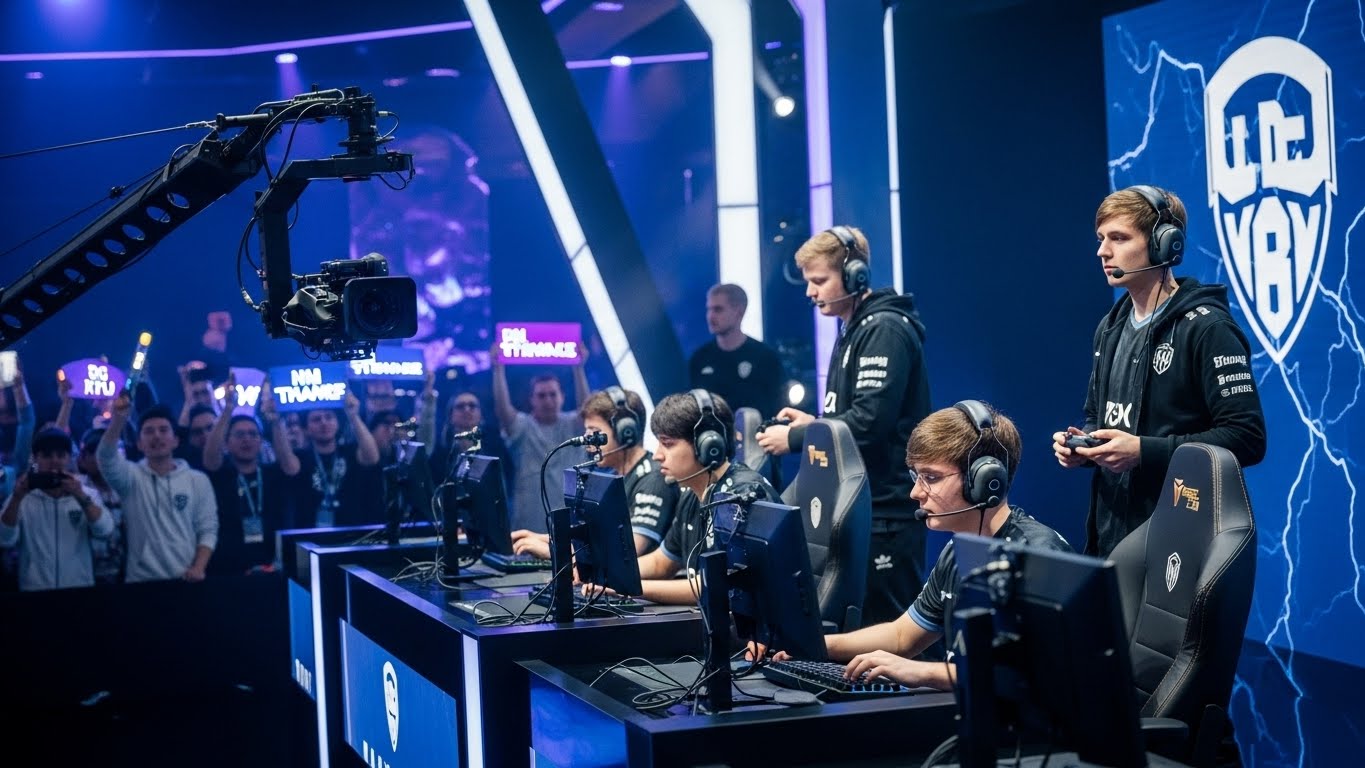
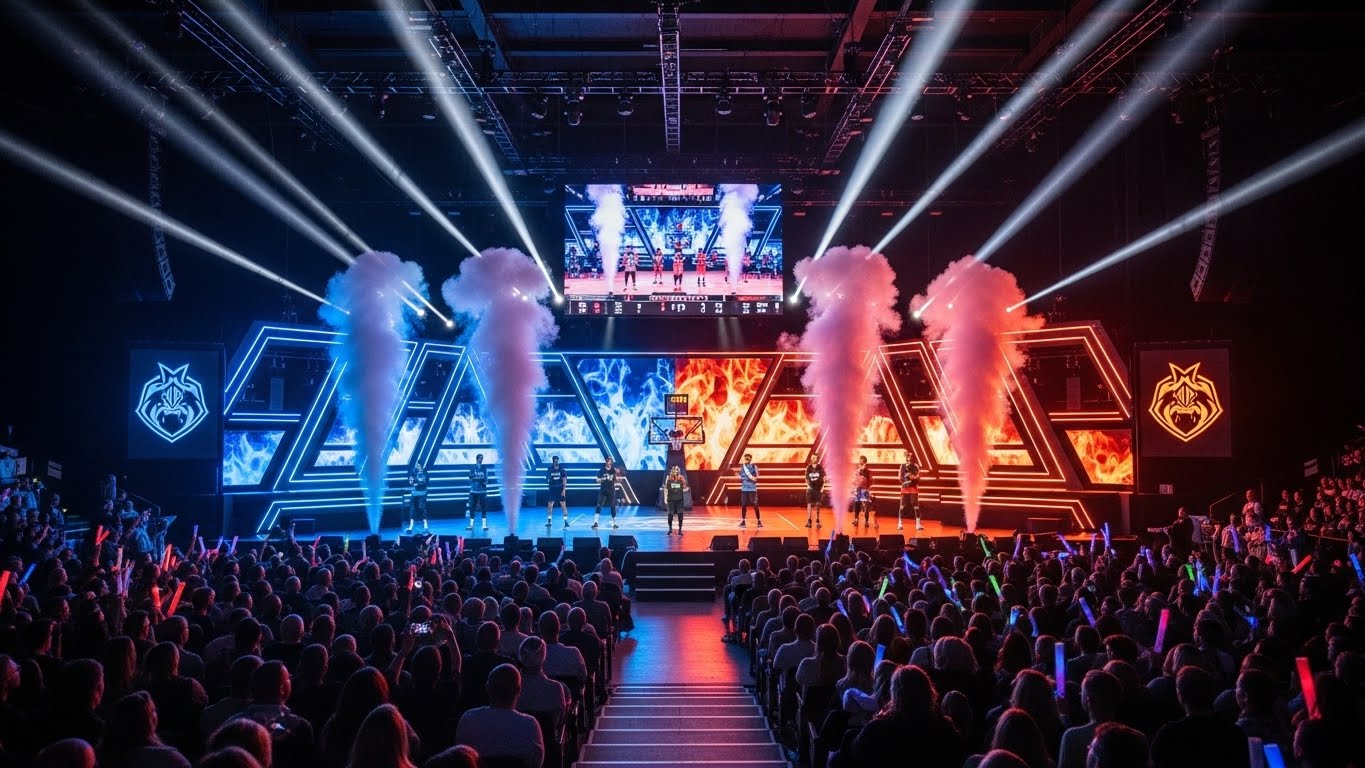
Major tournaments such as The International and the League of Legends World Championship feature prize pools exceeding millions of dollars. These events are not only competitions but also spectacles, with elaborate productions, commentary, and live fan engagement. Esports has transformed from a niche hobby to a major cultural and commercial force with a massive global audience.
Structure of Esports Competitions
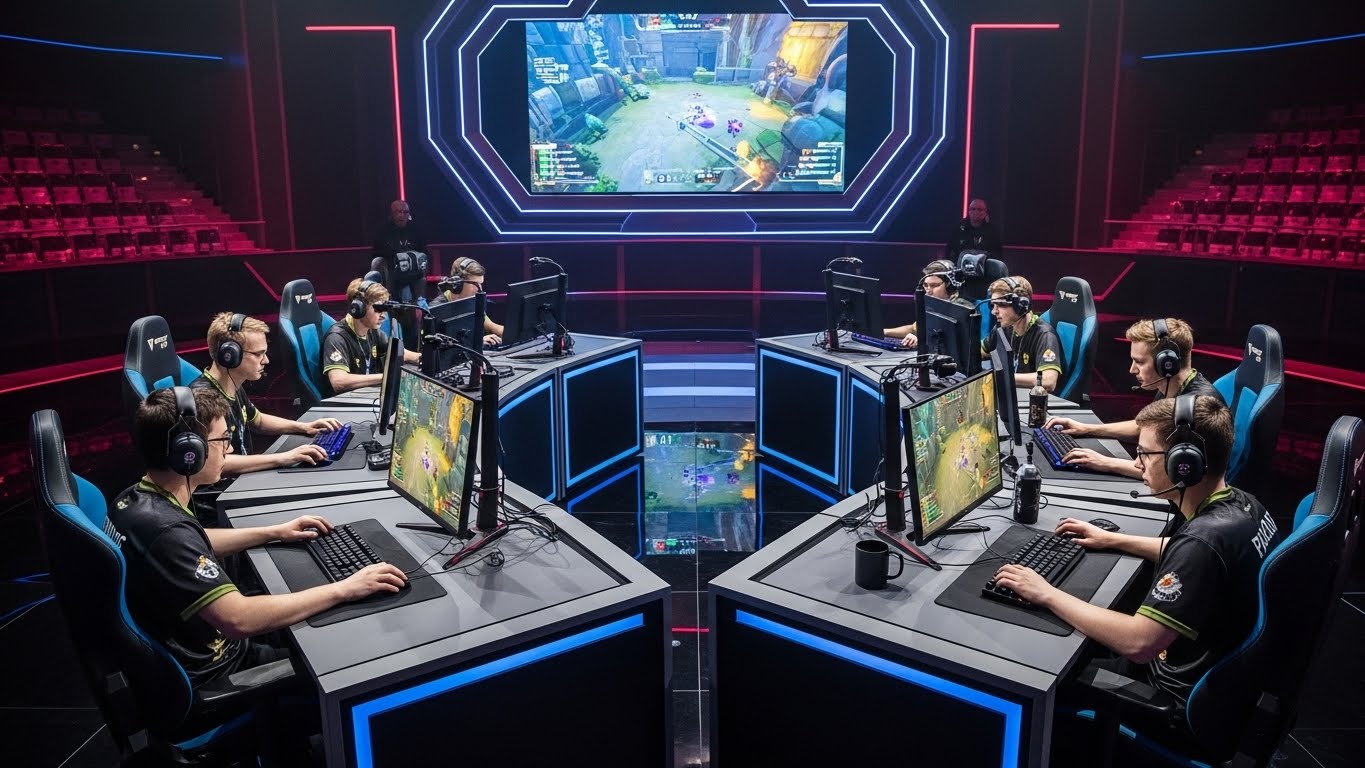
Esports competitions are highly organized and structured similarly to traditional sports leagues. Professional teams consist of players with specialized roles, supported by coaches, analysts, and support staff. Teams train rigorously, practicing for hours daily to refine strategies, improve mechanics, and study opponents.
Leagues and tournaments provide a hierarchy of competition. Regional leagues feed into international championships, allowing players to progress from local competitions to global events. Prize money, sponsorships, and media exposure offer incentives that ensure players remain committed to improving performance. The organization of esports mirrors the professionalism and dedication seen in traditional sports.
Streaming and Audience Engagement
Live streaming has played a crucial role in esports’ growth. Platforms like Twitch and YouTube Gaming allow fans to watch matches in real time, interact with players and commentators, and participate in online communities. Streaming has expanded the reach of esports, enabling players from all over the world to build fanbases and engage audiences directly.
Streaming also generates significant revenue for players and organizations. Donations, subscriptions, and sponsorships provide income, while interactive features foster community engagement. Fans can learn from expert players, watch strategies unfold, and feel connected to the esports ecosystem. The social and participatory nature of streaming is central to esports’ popularity.
Economic Impact of Esports
Esports has become a major economic driver. The industry generates billions of dollars annually through sponsorships, advertising, ticket sales, media rights, and merchandise. Corporations invest heavily in esports as a way to reach a younger, tech-savvy audience.
Professional esports organizations operate much like traditional sports franchises, with management teams overseeing marketing, media, and player development. The industry supports a wide range of careers beyond players, including content creators, event organizers, analysts, and coaches. The economic ecosystem of esports demonstrates its legitimacy as a professional and commercial enterprise.
Training and Discipline
Professional esports players follow strict training regimens to maintain peak performance. Daily practice often includes hours of gameplay, strategy discussions, and reviewing opponents’ tactics. Mental focus, reflexes, and decision-making under pressure are essential for success.
Teams employ coaches, analysts, and sometimes nutritionists to support physical and mental health. Awareness of burnout and stress has increased, leading to structured schedules, breaks, and wellness programs. The dedication and discipline required for competitive gaming highlight the seriousness of esports as a profession.
Technological Advancements
Technology drives esports. High-performance gaming hardware, fast internet connections, and advanced peripherals are essential for competitive play. Data analytics and artificial intelligence are used to analyze gameplay, refine strategies, and enhance training.
Emerging technologies such as virtual reality and augmented reality may redefine competitive gaming. These innovations could create new forms of immersive competition, providing unique experiences for players and spectators alike. Technology continues to expand the possibilities of esports, making it increasingly dynamic and engaging.
Educational Integration
Esports has entered educational systems worldwide. Schools and universities now offer esports programs, scholarships, and competitive leagues. These programs teach valuable skills such as teamwork, communication, leadership, and strategic thinking.
Intercollegiate esports competitions have grown in prominence, with universities competing regionally and nationally. Students can pursue esports as a legitimate career path while gaining education and professional experience. This integration of esports into academia reflects its growing societal acceptance and legitimacy.
Cultural Impact
Esports has significantly influenced culture, particularly among younger generations. Gaming personalities are celebrated as celebrities, shaping trends, fashion, and online behavior. Esports fandom mirrors traditional sports culture, with fan merchandise, community engagement, and dedicated events creating a vibrant global community.
The international nature of esports promotes cultural exchange. Players and fans from diverse backgrounds connect through shared interests, fostering collaboration, friendship, and global community. Esports has become more than competition—it is a cultural movement that unites people across borders.
Challenges and Sustainability
Despite its growth, esports faces challenges. Player burnout, mental health issues, and high-pressure environments require careful management. Teams and organizations increasingly focus on wellness programs and structured training to prevent negative effects on players.
Other challenges include cheating, regulatory concerns, and maintaining fairness across competitions. Governance, standardization, and ethical guidelines are essential to sustain the industry’s growth and credibility. Addressing these challenges is critical for ensuring esports remains a legitimate and respected global phenomenon.
The Future of Esports
The future of esports promises innovation and expansion. Virtual reality, augmented reality, and AI-driven games will redefine competition and audience engagement. Mobile esports will grow, making competitive gaming accessible to wider demographics.
Esports is likely to integrate further with traditional sports and entertainment, creating hybrid experiences that combine live events, digital media, and interactive participation. International tournaments will expand, attracting larger audiences, bigger prize pools, and enhanced media coverage.
The future of esports represents the convergence of technology, entertainment, and competition, creating opportunities for growth, creativity, and community engagement.
Conclusion
Esports has evolved from informal arcade competitions to a global industry with professional players, millions of fans, and a complex economic ecosystem. It combines skill, strategy, and entertainment in a way that rivals traditional sports. The industry has created economic opportunities, cultural influence, and educational pathways, proving that competitive gaming is a legitimate and influential field.
As technology advances and gaming culture continues to expand, esports will remain at the forefront of digital entertainment. It is more than just games—it is a reflection of human creativity, discipline, and connection in a rapidly evolving digital world. Esports unites people across cultures, celebrates skill and strategy, and offers a glimpse into the future of interactive entertainment.