 championcast96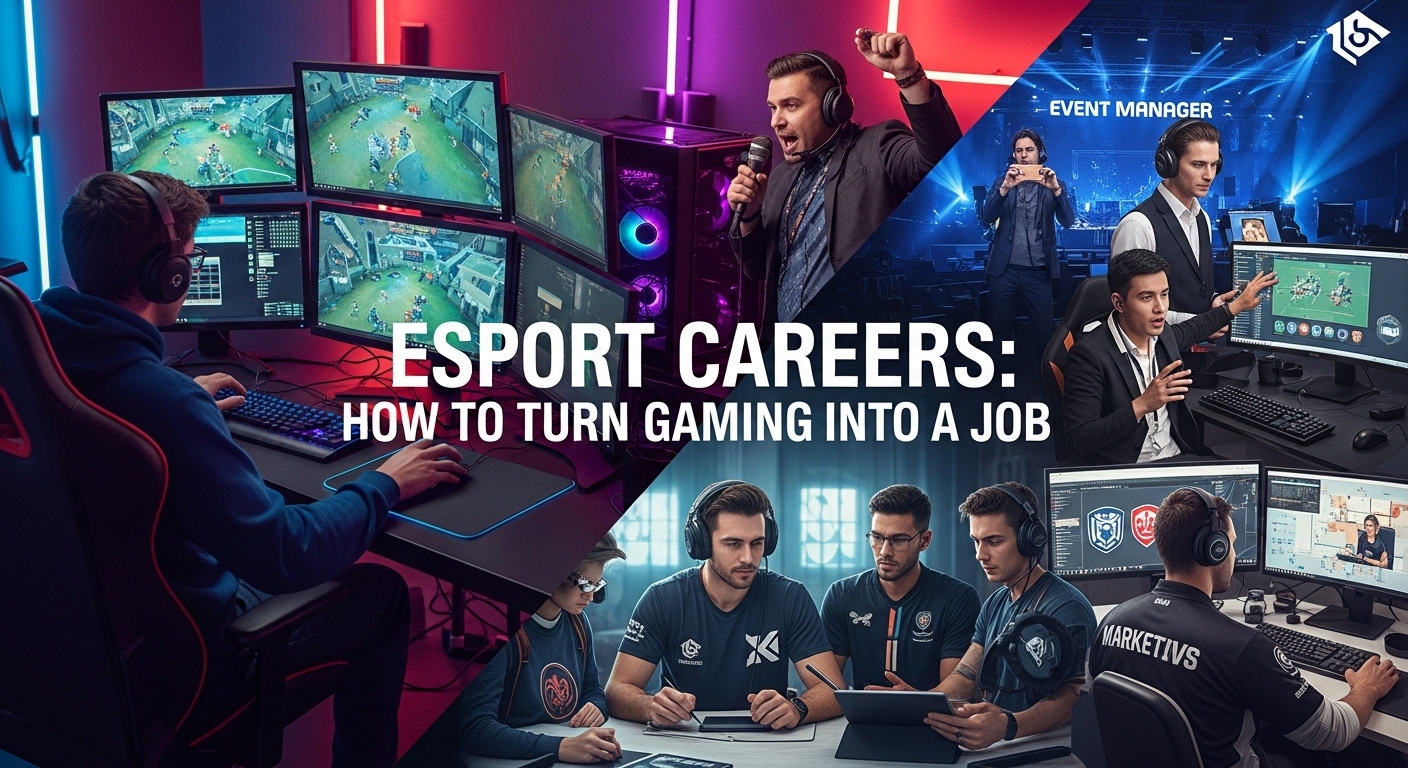
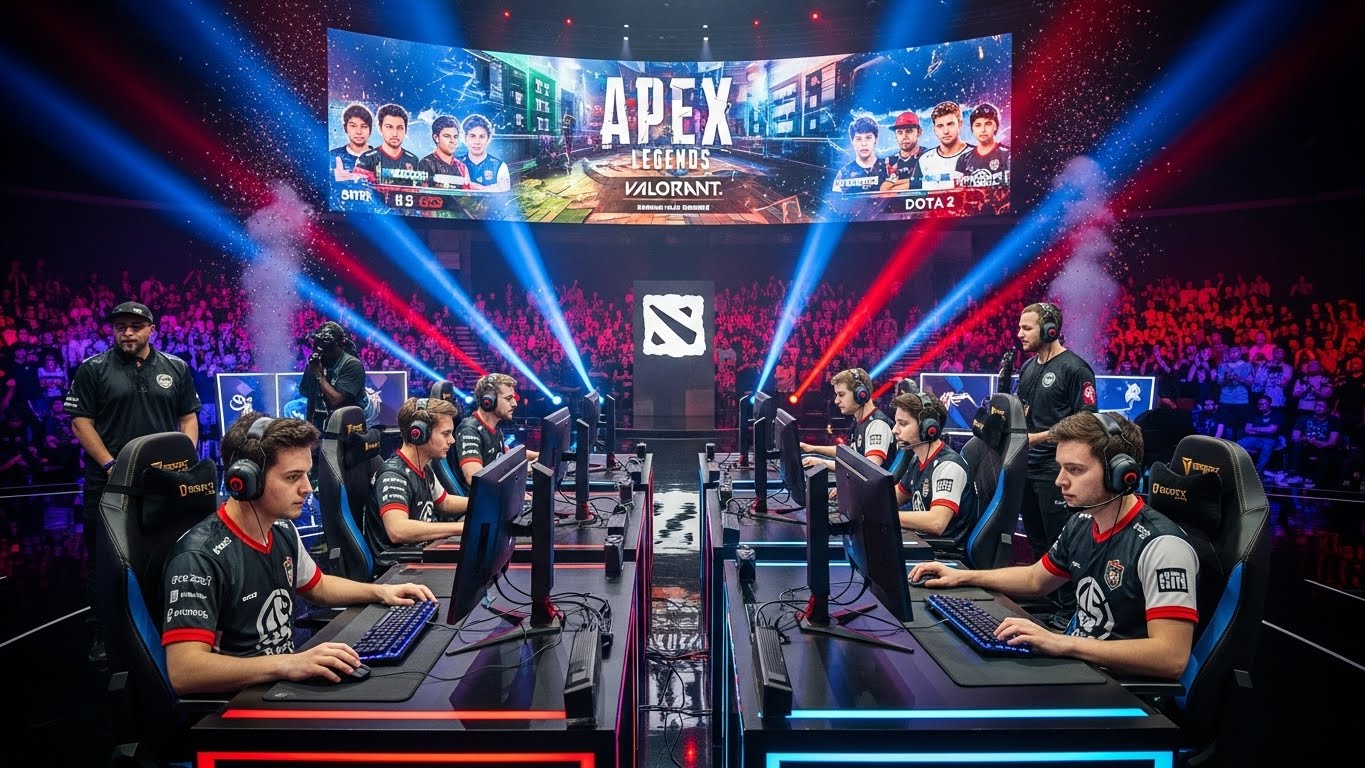
For decades, video games were thought of as a pastime for individuals tucked away in their living rooms or arcades. What was once considered a hobby has now transformed into a global industry with millions of spectators, professional players, and billion-dollar investments. Esports—organized, competitive video gaming—has fundamentally altered not only how games are played, but also how they are designed, consumed, and integrated into mainstream culture. The rise of esports has become one of the most influential forces in the gaming world, reshaping the industry from the ground up.
From Casual Play to Competitive Spectacle
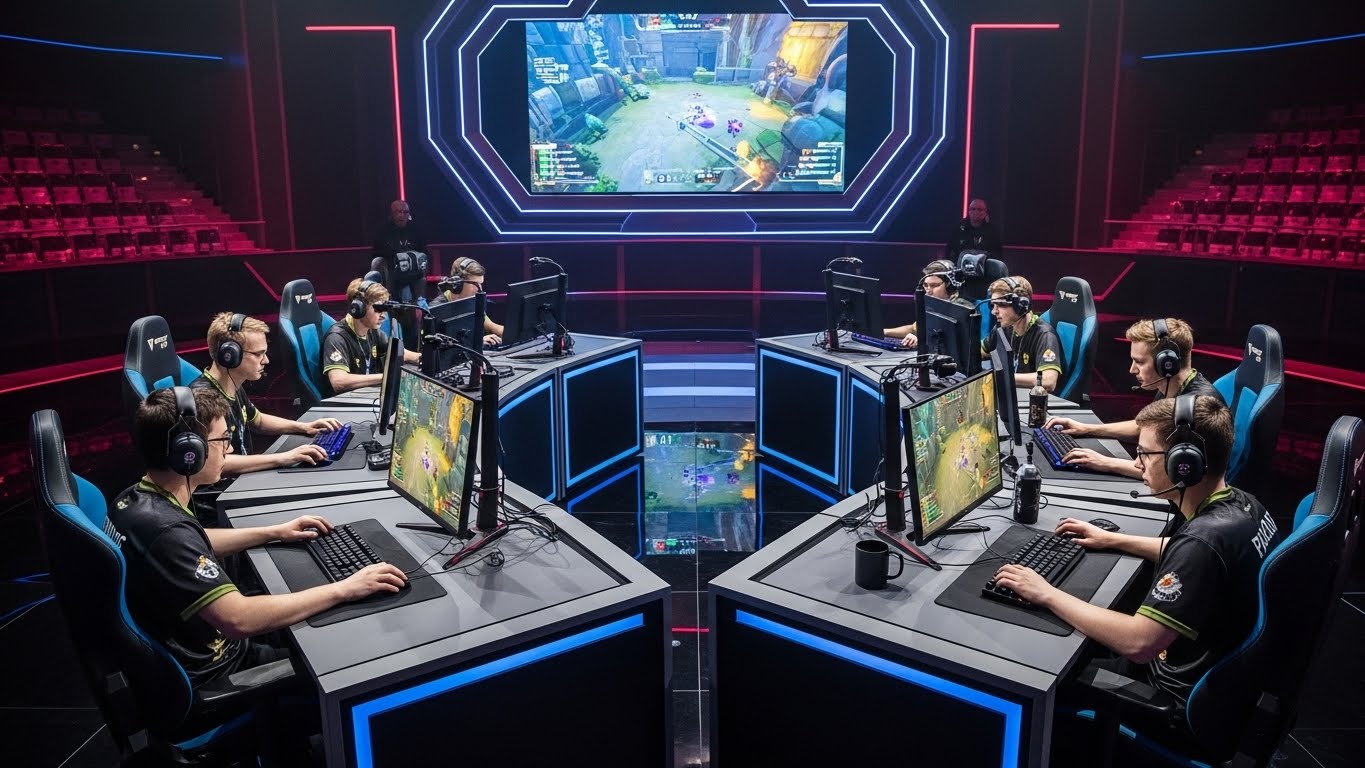
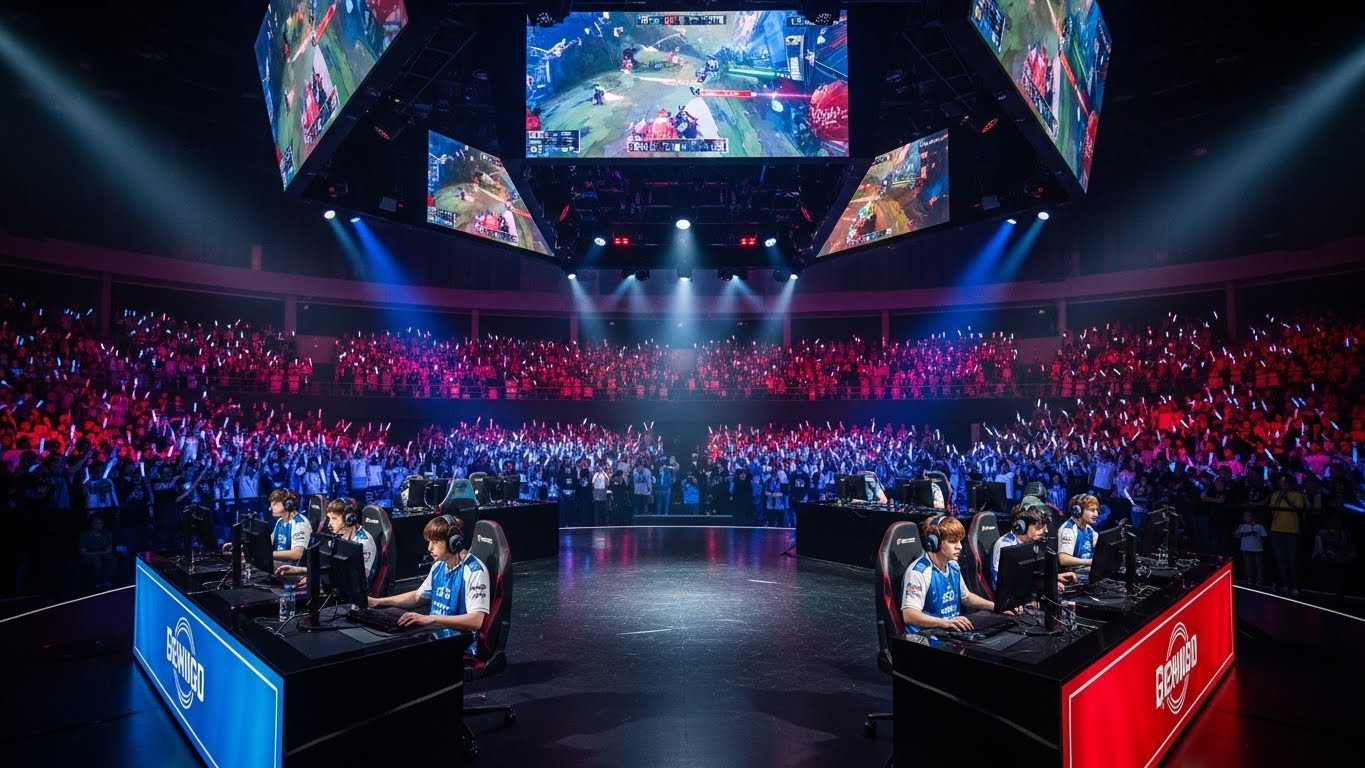
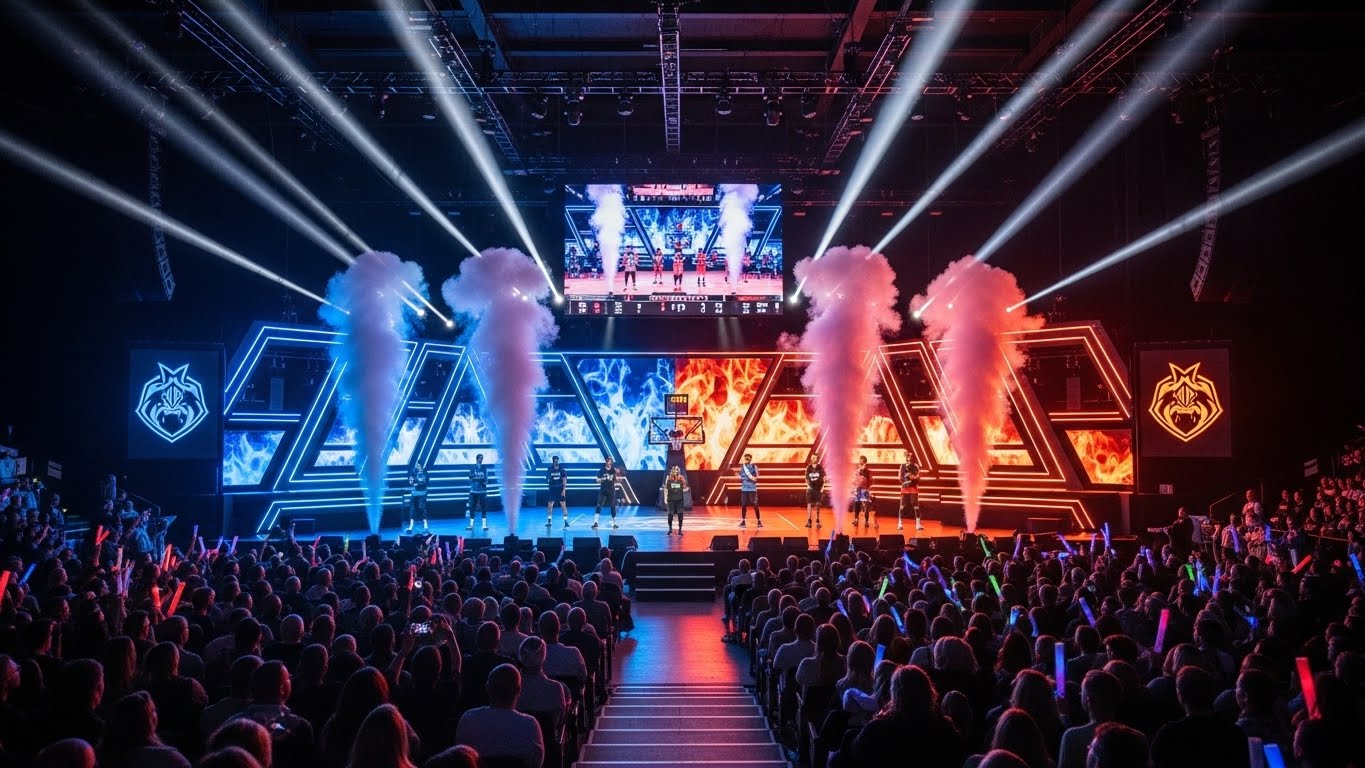
The idea of competitive gaming isn’t new. Local arcade tournaments and LAN parties have existed since the early days of gaming. However, the professionalization of esports has elevated competitive play to new heights. Titles like League of Legends, Counter-Strike: Global Offensive, Dota 2, and Fortnite have set the stage for global tournaments watched by millions, both in-person and online. Prize pools reach into the tens of millions, while players are now celebrities with sponsorships, fan followings, and lucrative contracts.
This shift from casual competition to professional spectacle has expanded the scope of gaming. It is no longer enough for a game to be enjoyable in single-player or casual settings; developers increasingly consider how their titles can fit into a competitive ecosystem. This has led to games being balanced, updated, and promoted in ways that encourage esports viability.
The Business of Esports
Esports is no longer a niche interest—it is a thriving business sector. According to recent industry reports, the global esports market is valued in the billions, driven by sponsorship deals, advertising, merchandise, ticket sales, and media rights. Companies that once hesitated to associate themselves with gaming are now eager to tap into esports’ young and digitally savvy audience.
Traditional sports organizations, from the NBA to European football clubs, have invested heavily in esports teams and leagues. Media platforms like YouTube and Twitch have become broadcasting giants for esports tournaments, further increasing visibility and monetization opportunities. Even television networks have experimented with broadcasting major events, cementing esports as part of mainstream entertainment.
This influx of investment has professionalized the industry, creating opportunities for players, coaches, analysts, casters, and a range of behind-the-scenes professionals. The ripple effect extends beyond the games themselves, fueling job growth in event management, content creation, marketing, and technology.
Shaping Game Development
Esports has changed the way developers think about games. Titles designed with competitive play in mind often include features like ranked matchmaking, spectator modes, replay systems, and frequent balance patches. These elements not only make the games more competitive but also more engaging for viewers.
Developers now build games with long-term competitive lifecycles, ensuring that titles can sustain interest through updates and organized play. A strong esports presence can significantly extend a game’s relevance. For instance, League of Legends, released in 2009, remains one of the most played and watched games worldwide largely because of its thriving esports scene.
This influence also shapes design choices. Games that prioritize fairness, skill expression, and clarity in visuals often perform better in esports environments, where audiences need to understand what is happening in real time. As a result, esports has pushed developers to refine mechanics and polish presentation in ways that benefit both players and viewers.
The Rise of Gaming as Spectatorship
Perhaps the most transformative change esports has brought to the gaming industry is the normalization of gaming as a spectator activity. Watching others play video games used to be considered unusual. Now, it is a mainstream form of entertainment, rivaling traditional sports and streaming platforms.
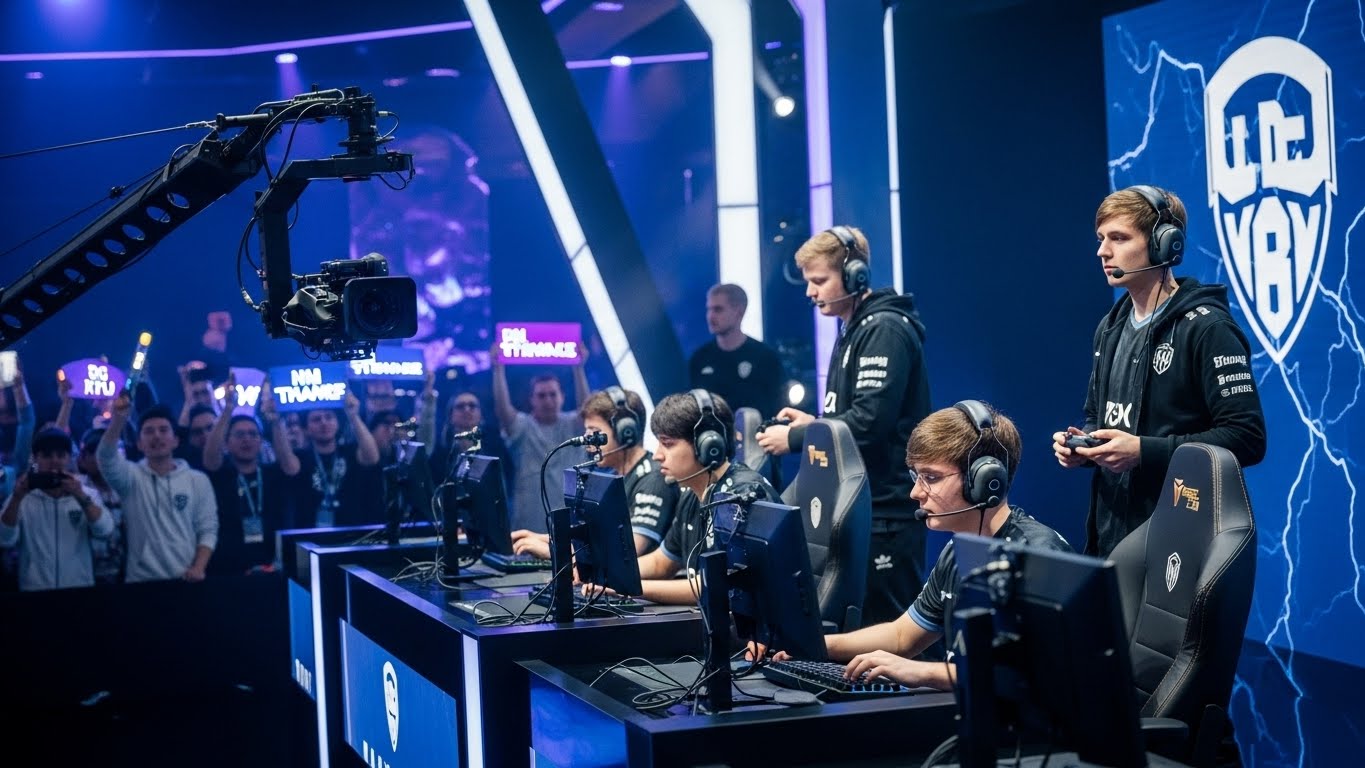
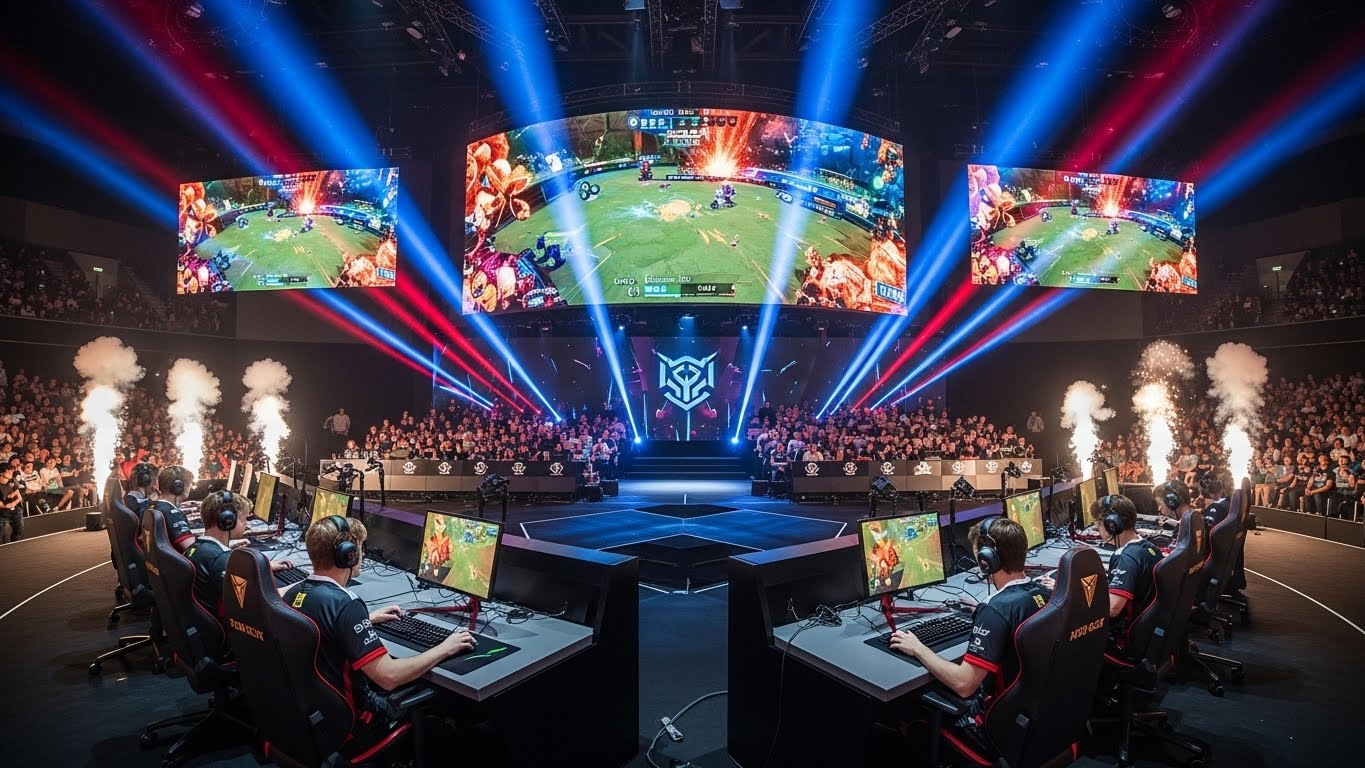
Esports tournaments draw audiences that rival major sporting events. The League of Legends World Championship has consistently attracted viewership in the tens of millions, sometimes surpassing events like the Super Bowl in global reach. Streaming platforms have amplified this effect, allowing fans to engage directly with their favorite players and teams, creating a more personal and interactive experience than most traditional sports broadcasts.
This spectator culture has also fostered communities around games. Fans gather not only to watch, but also to discuss strategies, follow their favorite players, and engage in online forums. Esports has turned gaming into a shared cultural experience rather than a solitary pastime.
Redefining Career Paths in Gaming
Esports has broadened what it means to have a career in gaming. Where once the only paths were game development or casual content creation, esports has opened the door to new professional roles. Players can now aspire to become professionals in the same way athletes dream of playing in the NBA or Premier League.
But the ecosystem extends far beyond the players themselves. Coaches, analysts, commentators, content creators, event organizers, and marketing specialists are all essential to the functioning of the esports industry. Academic institutions have even begun offering scholarships for esports athletes, legitimizing gaming as a pursuit that can lead to higher education opportunities.
This expansion of career opportunities reflects a larger trend: gaming is no longer a subculture, but a mainstream cultural and economic force. Esports has played a key role in making that transition possible.
Bridging the Gap Between Gaming and Traditional Sports
Esports and traditional sports may appear worlds apart, but the two are increasingly interconnected. Sports leagues have invested in esports as a way to engage younger audiences who may not be as interested in traditional athletic competition. Franchises like the NBA 2K League or FIFA eWorld Cup directly blend the digital and physical sports worlds, offering fans a new way to connect with their favorite games and athletes.
Esports also mirrors traditional sports in its structure. Teams, leagues, tournaments, and even player transfers echo familiar models, making it easier for mainstream audiences to understand and accept. At the same time, esports retains unique elements, such as its digital-first distribution and highly interactive fan culture. This blending of old and new has helped esports establish legitimacy while still offering something fresh.
The Cultural Impact of Esports
Beyond business and development, esports has significantly influenced culture. It has become a shared language among younger generations, shaping how people connect, communicate, and entertain themselves. Esports athletes, like traditional sports stars, inspire millions of fans and embody dedication, skill, and perseverance.
The visibility of esports has also challenged outdated stereotypes about gaming. Once dismissed as isolating or unproductive, gaming is now recognized as a legitimate competitive pursuit, creative outlet, and cultural force. This shift has helped normalize gaming in society, paving the way for its acceptance as a form of entertainment on par with music, film, and sports.
The Future of Esports and Gaming
As technology advances, esports will continue to shape the gaming industry in new ways. Virtual reality, augmented reality, and artificial intelligence may unlock new forms of competition and spectatorship. Increased investment and global expansion suggest that esports is only at the beginning of its growth trajectory.
The industry faces challenges—such as maintaining competitive integrity, ensuring player well-being, and balancing commercialization with community values—but the potential for innovation remains enormous. Esports has already transformed gaming from a pastime into a global cultural and economic powerhouse. Its continued evolution will undoubtedly influence not only the future of gaming but also entertainment as a whole.
Conclusion
Esports has redefined the gaming industry in profound ways. It has turned video games into spectator events, shaped the design and longevity of titles, created new career opportunities, and blurred the lines between digital and traditional sports. What began as informal competitions among friends has grown into a global phenomenon that commands the attention of millions.
The impact of esports reaches far beyond the gaming industry. It influences culture, business, and entertainment on a global scale. As the industry continues to expand, esports will remain a driving force in how games are made, played, and celebrated—forever changing the landscape of gaming.