 championcast96
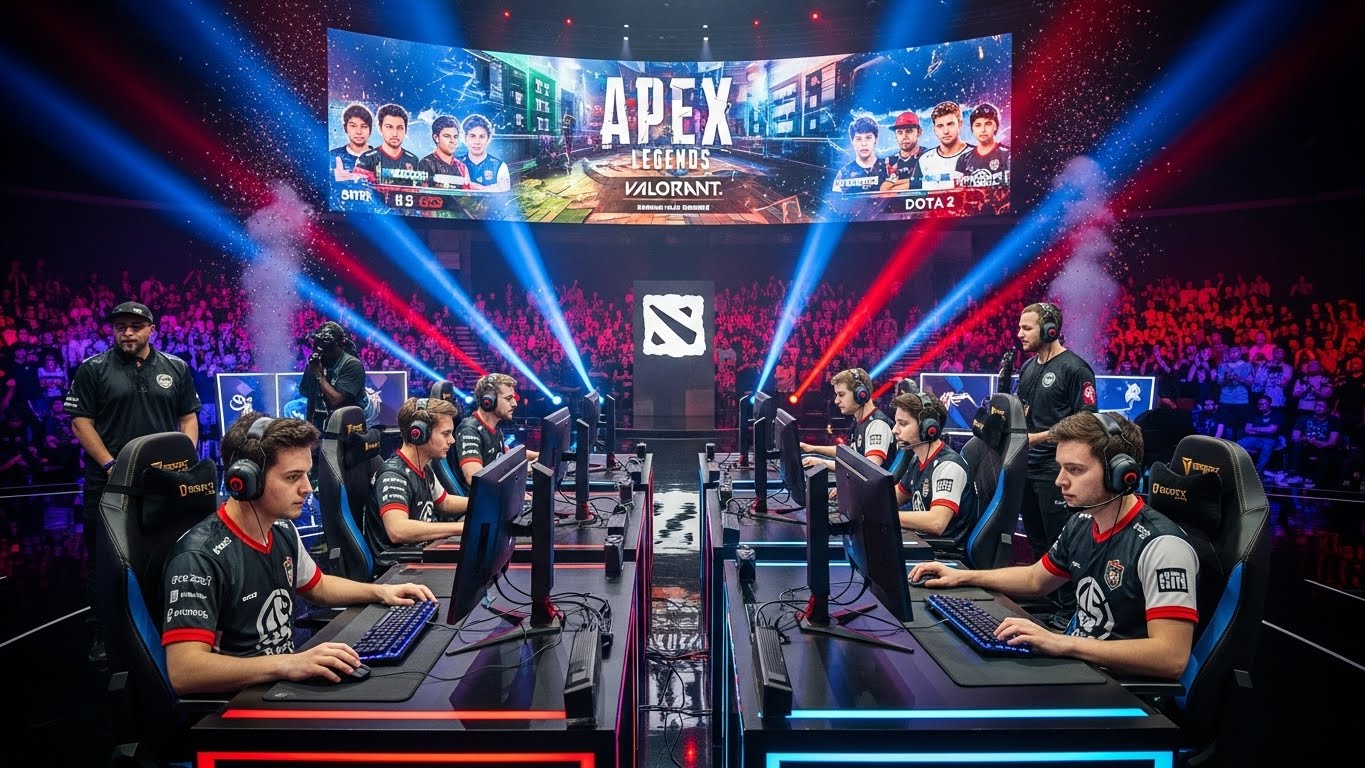
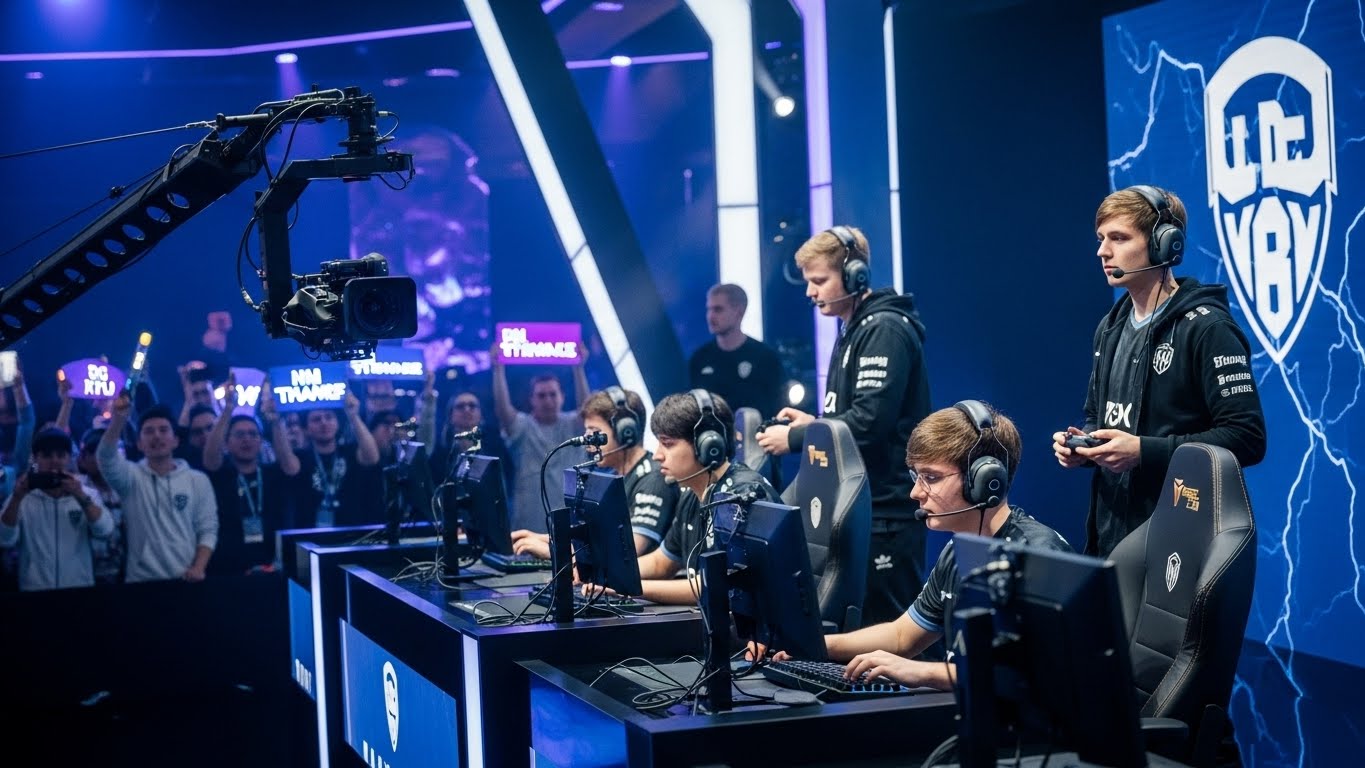
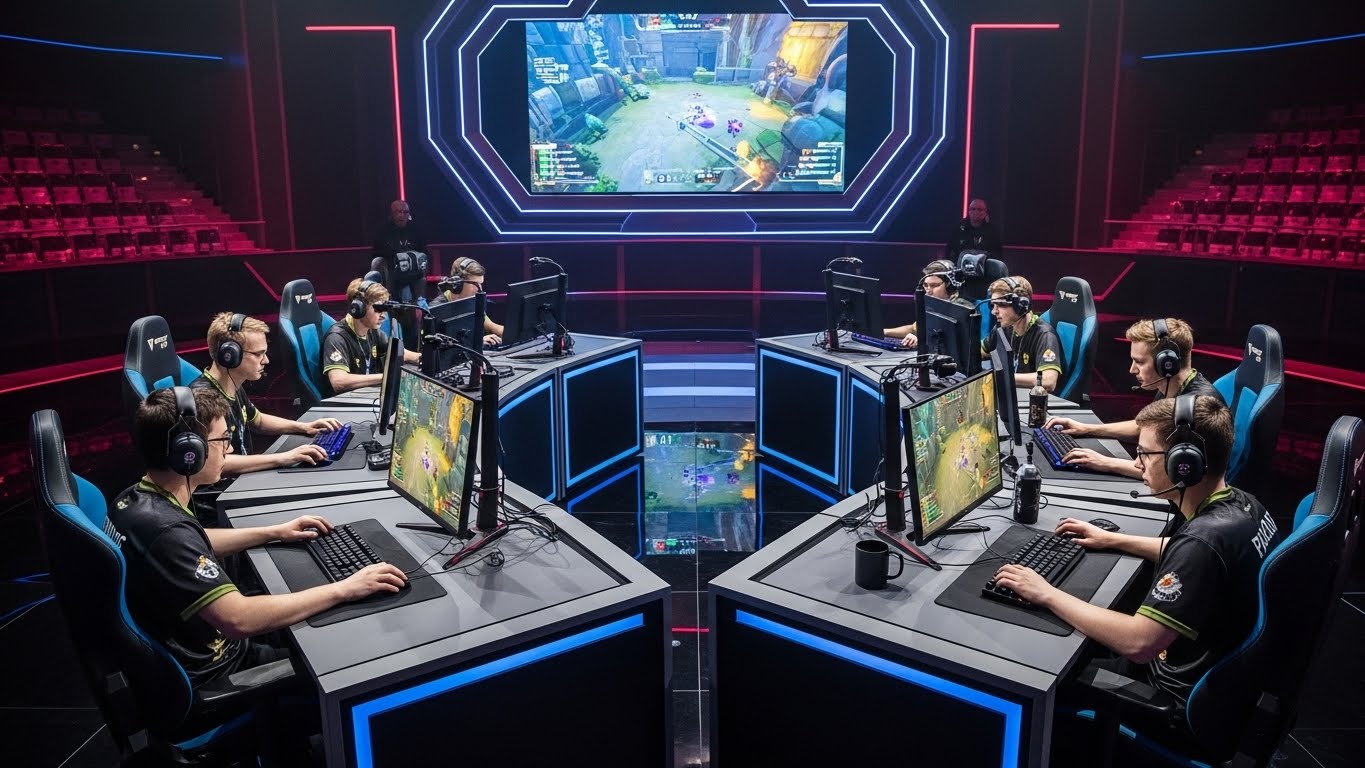
The world of esports has transformed from a niche pastime into a multi-billion-dollar industry that commands the attention of millions worldwide. What was once considered a hobby for gaming enthusiasts has evolved into a professional arena where players, teams, and organizers push the boundaries of competition, technology, and entertainment. In recent years, several esports tournaments have shattered records in terms of prize pools, viewership, and cultural impact, cementing their place alongside traditional sporting events.
This blog takes a closer look at some of the most groundbreaking esports tournaments and the ways they are setting new benchmarks in the gaming industry.
The International: Dota 2’s Prize Pool Powerhouse
No discussion about record-breaking esports tournaments is complete without mentioning The International (TI), the annual Dota 2 championship hosted by Valve. Since its inception in 2011, TI has consistently set the standard for massive prize pools. While the first event offered a then-unheard-of $1.6 million prize, the tournament has grown exponentially thanks to Valve’s innovative crowdfunding model, where players contribute to the prize pool by purchasing in-game items and battle passes.
By 2019, TI had amassed a jaw-dropping $34.3 million prize pool, making it the richest esports tournament in history at the time. Not only did this record cement Dota 2’s dominance in the competitive landscape, but it also showcased the potential of fan-driven funding in shaping the scale of events. TI is more than a tournament—it’s a celebration of community, strategy, and spectacle, with millions tuning in to watch the best teams battle for supremacy.
Fortnite World Cup: Redefining Mainstream Appeal
Epic Games made a bold statement in 2019 with the inaugural Fortnite World Cup, offering a $30 million prize pool that immediately placed the event among the highest-paying tournaments in history. The competition’s accessibility was one of its defining features. Unlike many esports titles that demand years of dedication at the highest level, Fortnite allowed younger players to break through, and the World Cup was a stage where this accessibility was put on full display.
One of the standout moments came when 16-year-old Kyle “Bugha” Giersdorf won the solo championship, taking home $3 million. His victory captured mainstream media attention, proving that esports could generate headlines on par with traditional sports. The World Cup also demonstrated how esports could merge competitive gaming with entertainment, featuring live concerts, celebrity appearances, and a festival-like atmosphere that broadened its appeal beyond the core gaming audience.
League of Legends World Championship: A Global Phenomenon
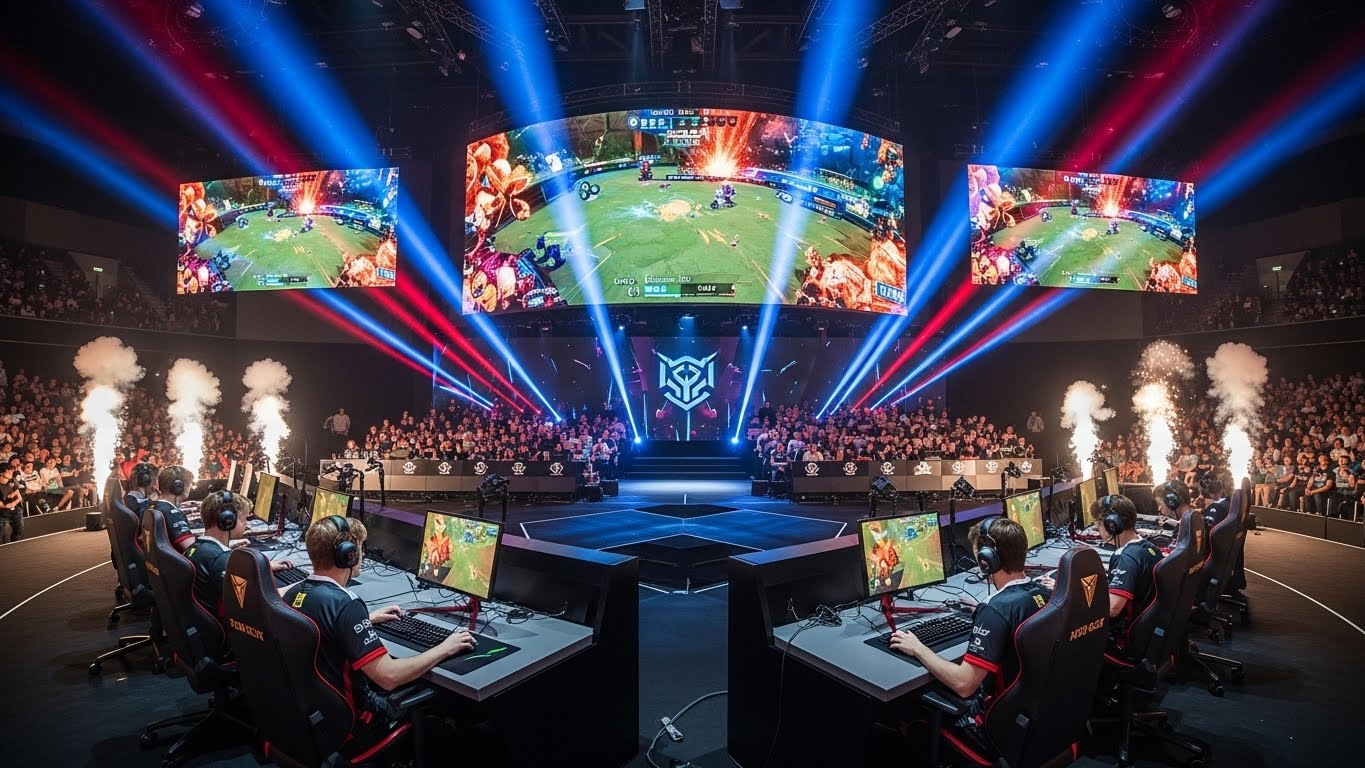
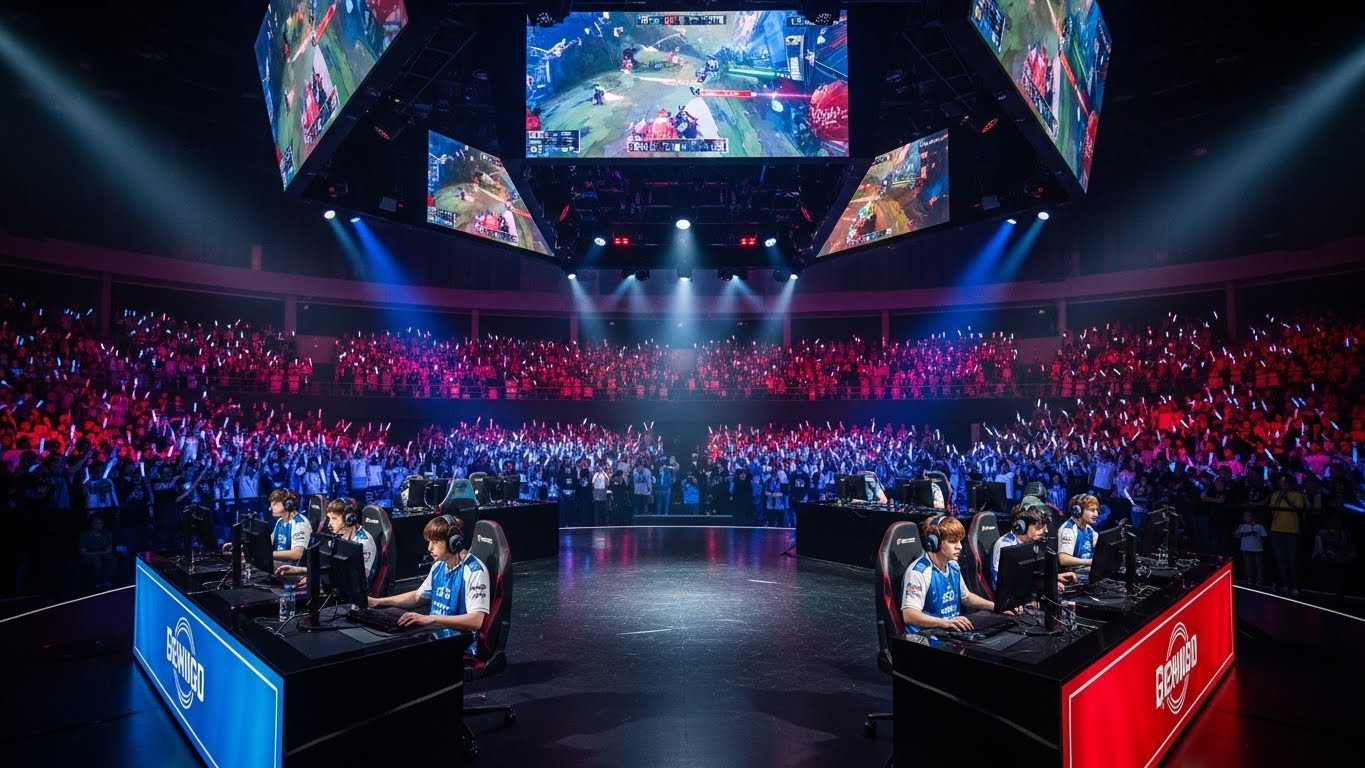
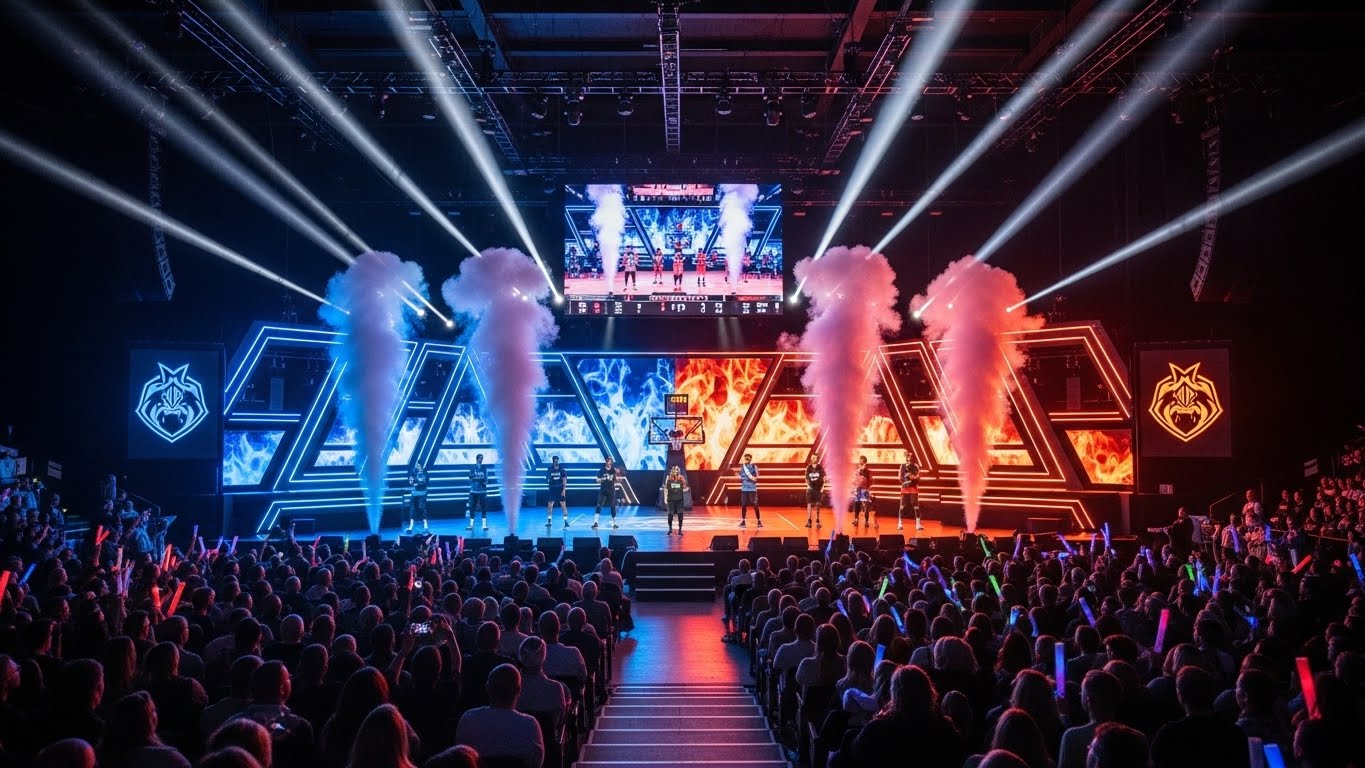
Riot Games has turned the League of Legends World Championship (Worlds) into an annual global spectacle that consistently sets new records for viewership. Known for its elaborate stage designs, jaw-dropping opening ceremonies, and cultural crossovers, Worlds has become the gold standard for esports event production.
In 2021, the championship peaked at over 73 million concurrent viewers worldwide, surpassing the audiences of many traditional sporting finals. The event has been hosted in iconic cities like Paris, Seoul, and Shanghai, turning local arenas into international stages. Riot’s ability to blend esports with music and pop culture is also unparalleled. Collaborations with global artists for Worlds’ theme songs and performances have made the event feel like a cultural moment rather than just a tournament.
The sustained growth of Worlds proves that esports can transcend gaming to become a unifying form of global entertainment.
CS:GO Majors: Legacy and Consistency
While some tournaments achieve fame through staggering prize pools, others earn their reputation through legacy and consistency. The Counter-Strike: Global Offensive (CS:GO) Majors have long been the cornerstone of the FPS esports scene. Sponsored by Valve, these tournaments may not always boast the largest prize pools, but they attract massive audiences due to the game’s rich competitive history and global following.
One notable milestone occurred during the PGL Major Stockholm in 2021, which became one of the most-watched CS:GO events of all time with over 2.7 million peak viewers. This marked a resurgence for the CS:GO competitive scene, proving that longevity and competitive integrity could rival the appeal of flashier tournaments. The Majors continue to be a proving ground for legendary players and teams, maintaining CS:GO’s relevance even amid competition from newer titles.
Valorant Champions: The Rise of a New Giant
Riot Games struck gold once again with Valorant, its tactical shooter that quickly gained traction in the esports world. The Valorant Champions tournament, serving as the global finals, has rapidly emerged as a marquee event. Despite being a relatively young title, Valorant has already drawn millions of viewers, with the 2022 Champions event peaking at over 1.5 million concurrent viewers.
What sets Valorant apart is Riot’s expertise in event organization and community building, honed from years of experience with League of Legends. The developer has created a competitive ecosystem that emphasizes both regional representation and international showdowns, ensuring the global fan base feels connected to the tournament. With its continued growth, Valorant Champions is on track to join the ranks of esports’ most iconic tournaments.
Evolution Championship Series (EVO): The Heart of Fighting Games
Not all record-breaking tournaments revolve around massive prize pools. The Evolution Championship Series (EVO) is proof that community-driven passion can sustain an event’s legacy for decades. As the premier fighting game tournament, EVO brings together players from around the world to compete in titles such as Street Fighter, Tekken, and Super Smash Bros.
What makes EVO remarkable is its ability to consistently draw some of the largest participant pools in esports. With thousands of players competing in open brackets, the tournament embodies inclusivity and grassroots spirit. Iconic moments, such as Daigo Umehara’s legendary comeback in Street Fighter III (often referred to as “Evo Moment #37”), have become etched in gaming history. EVO’s cultural significance continues to grow, breaking attendance records and inspiring a new generation of competitive fighting game fans.
PUBG Mobile Global Championship: Dominating Mobile Esports
While PC and console titles often dominate the headlines, mobile esports has quietly been breaking records of its own. The PUBG Mobile Global Championship (PMGC) stands as a testament to the growing popularity of competitive mobile gaming. With millions of dollars in prize pools and tens of millions of viewers worldwide, PMGC has proven that esports is not limited by platform.
The 2021 edition of the tournament reached over 3.8 million peak viewers, making it one of the most-watched mobile esports events in history. This success highlights the global appeal of mobile gaming, particularly in regions like Southeast Asia, South Asia, and Latin America. The rise of PMGC underscores a shift in the esports landscape, where mobile titles are no longer secondary but central to the industry’s growth.
Why These Records Matter
The achievements of these tournaments go beyond numbers. Record-breaking events signal the maturation of esports into a legitimate form of global competition and entertainment. Massive prize pools showcase the financial sustainability of the industry, while skyrocketing viewership numbers highlight the growing cultural relevance of competitive gaming.
Moreover, these records inspire innovation. Tournament organizers constantly strive to outdo one another in terms of scale, production, and community engagement. This healthy competition raises the bar for the entire industry, benefiting players, fans, and sponsors alike.
The Future of Record-Breaking Esports
As technology continues to evolve, so too will the scale of esports tournaments. Virtual reality, augmented reality, and immersive broadcasting could redefine how fans experience events in the coming years. At the same time, emerging markets for esports, particularly in Africa, the Middle East, and South America, will bring fresh audiences and players into the spotlight.
It is likely that prize pools will continue to soar, viewership records will be shattered, and new games will rise to prominence. What remains certain is that esports tournaments will continue to captivate the world, creating unforgettable moments and cementing their place in the global entertainment industry.
Final Thoughts
Esports tournaments are no longer just about playing video games; they are cultural phenomena that rival some of the biggest traditional sports events. From the staggering prize pools of The International and Fortnite World Cup to the global reach of the League of Legends World Championship and the grassroots spirit of EVO, these events are shaping the future of competitive entertainment.
As records continue to fall, one thing is clear: esports is here to stay, and its tournaments will only grow bigger, bolder, and more influential in the years to come.