 championcast96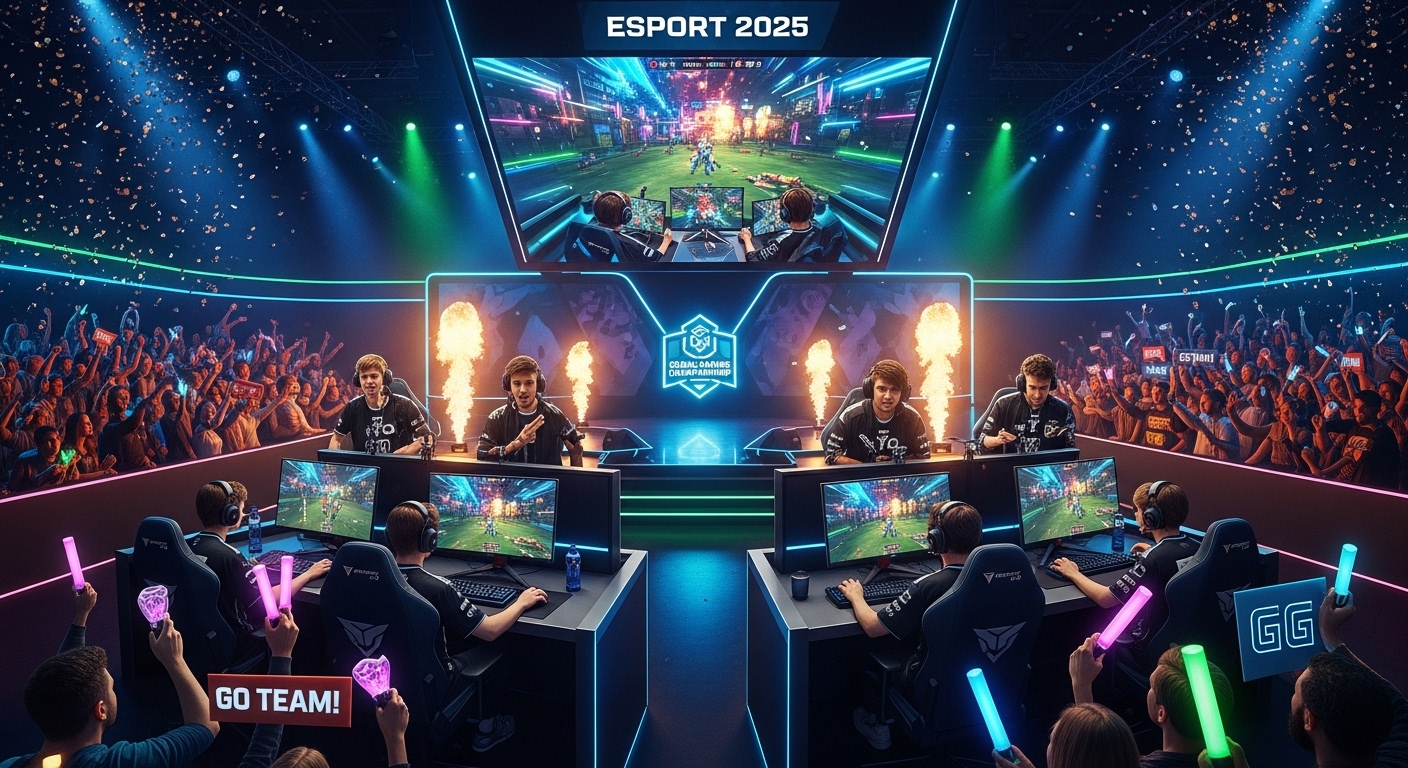
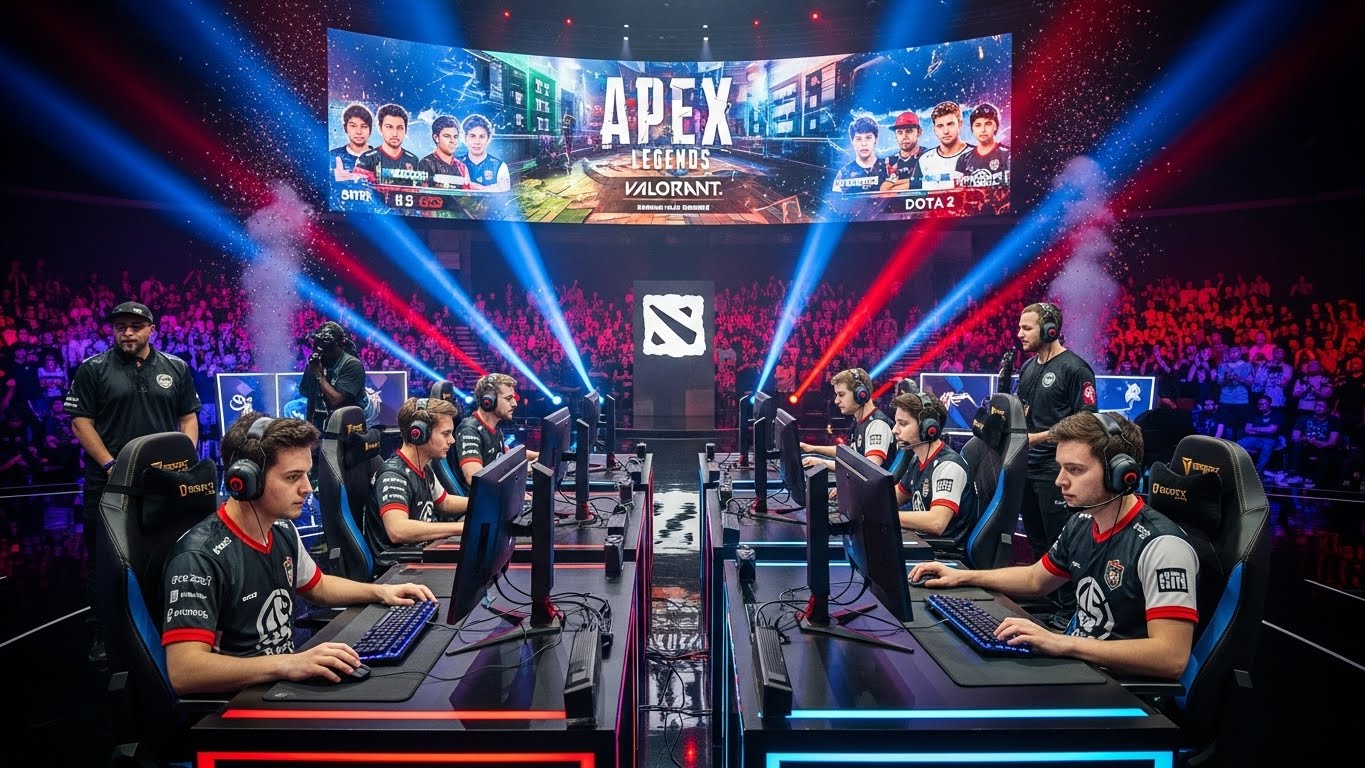
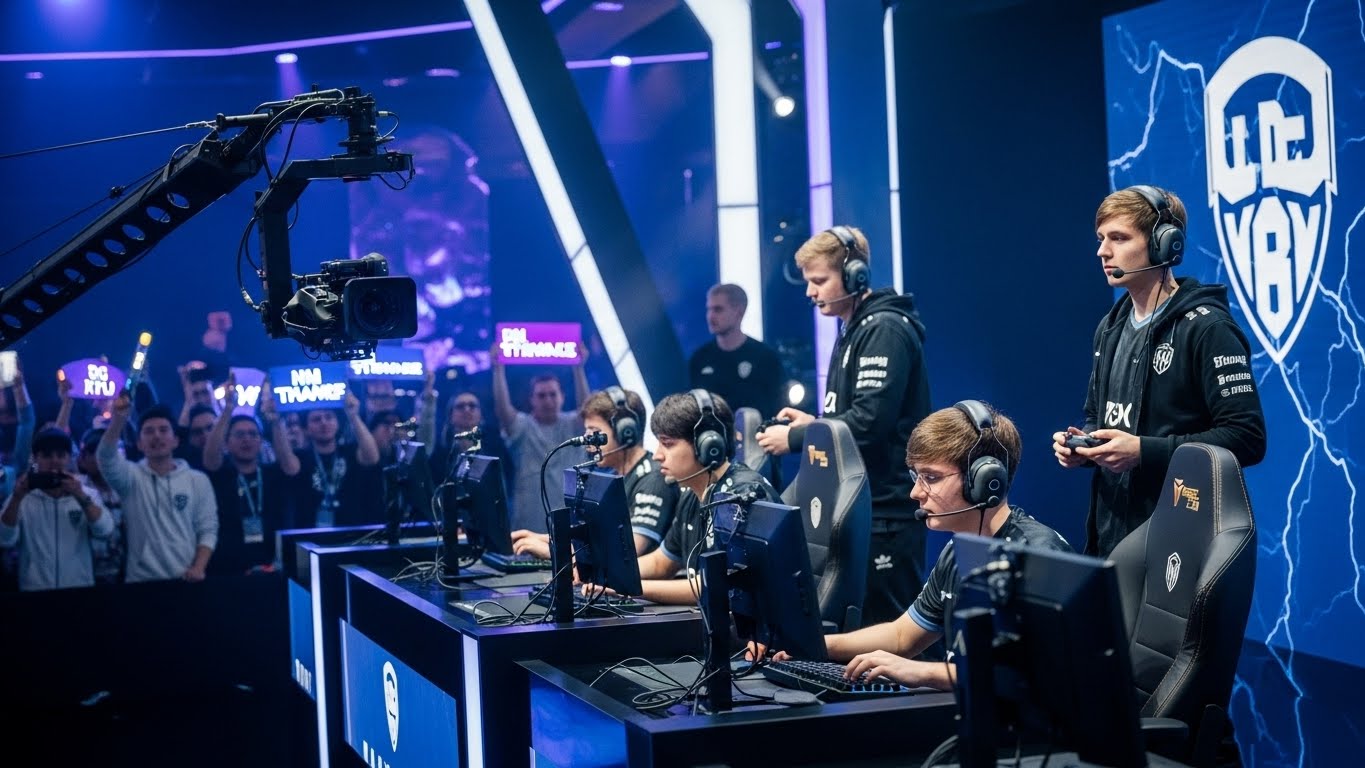
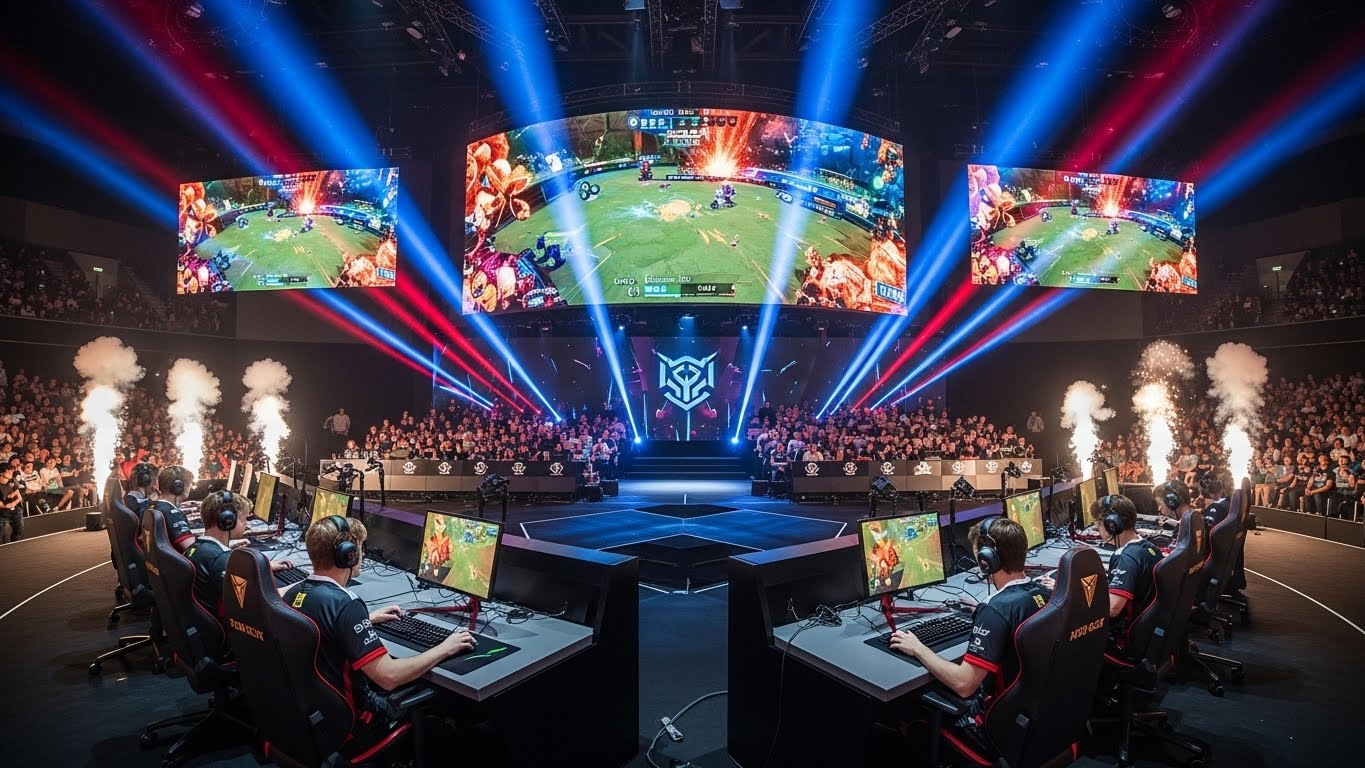
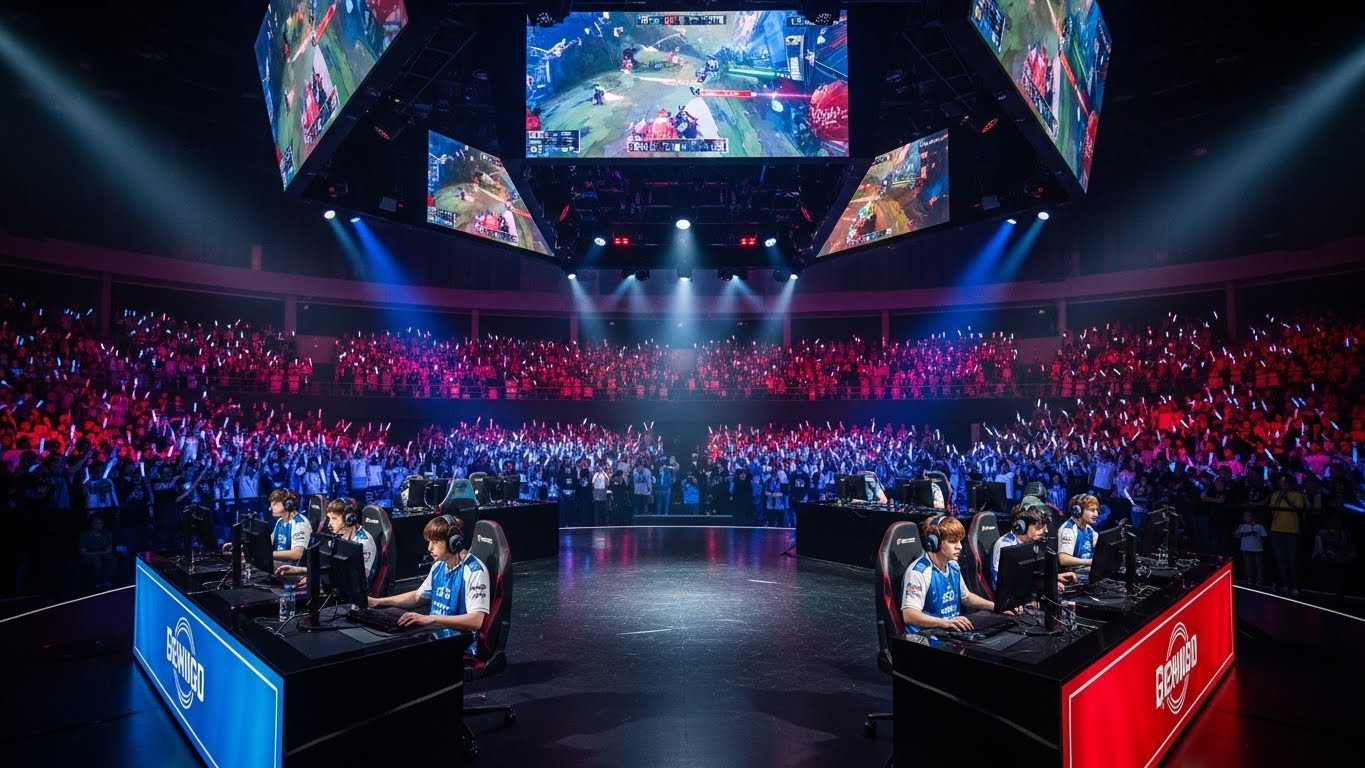
Esports has evolved from a niche hobby into a global entertainment powerhouse. In just over a decade, competitive gaming has filled stadiums, drawn millions of online viewers, and attracted major sponsorships from industries that once ignored it. By 2025, esports is no longer an emerging market—it is a firmly established ecosystem that rivals traditional sports in scale, influence, and revenue. Yet, as with all fast-growing industries, the landscape continues to shift, driven by new technologies, cultural shifts, and business innovations.
So, what does the immediate future hold? Here are the key trends shaping esports in 2025 and beyond.
Mainstream Integration with Traditional Sports
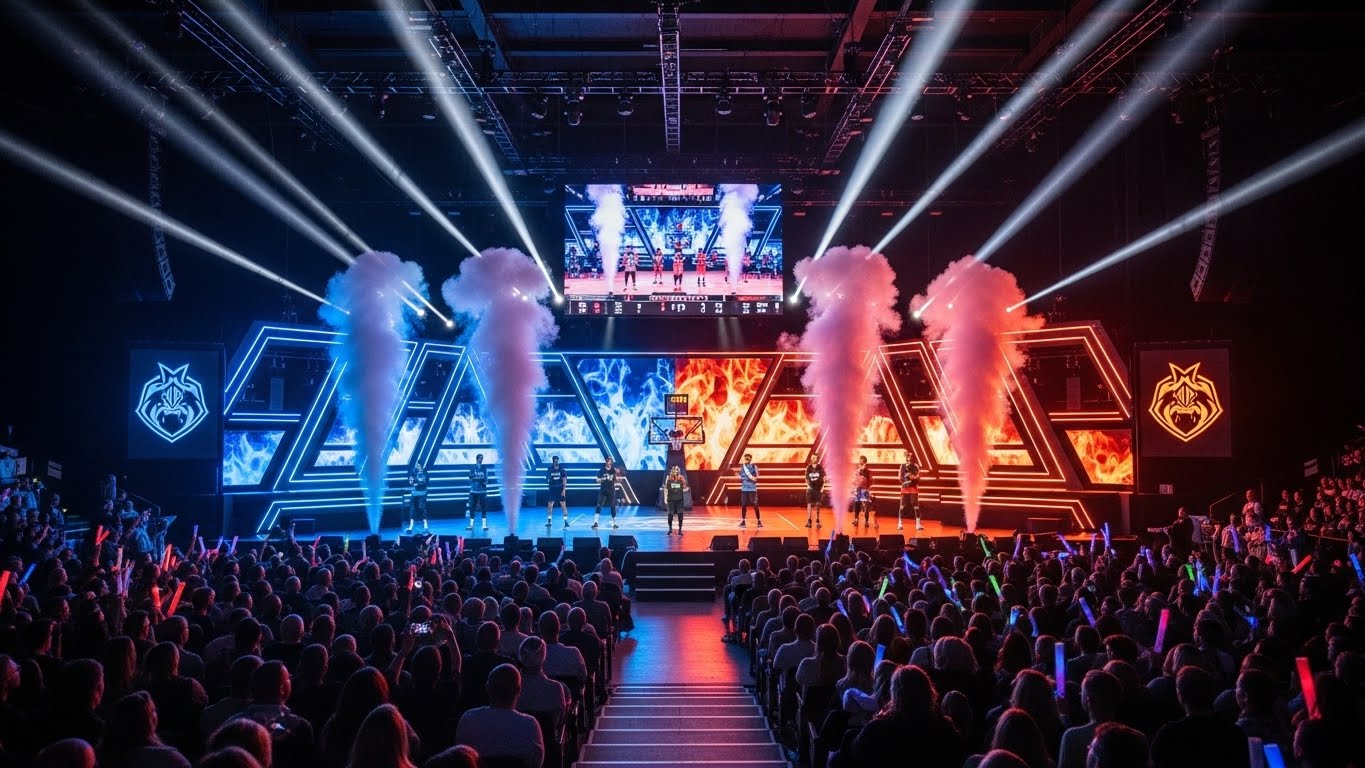
The gap between traditional sports and esports is shrinking faster than ever. In 2025, professional sports organizations are not only investing in esports teams but also incorporating gaming into their fan engagement strategies. The NBA, NFL, and Premier League have all expanded their esports leagues, blurring the lines between digital and physical competition.
This integration works both ways. Esports borrows the organizational models of traditional sports, while athletic leagues leverage esports to reach younger, digitally native audiences. Hybrid events, where fans can enjoy a basketball game followed by a live esports match in the same venue, are becoming increasingly common. This convergence will continue to legitimize esports as more than just “gaming” but as a core element of global sports entertainment.
Mobile Esports on the Rise
While PC and console titles like League of Legends, Counter-Strike, and Dota 2 still dominate, mobile esports is proving to be the fastest-growing segment of the industry. By 2025, mobile games such as PUBG Mobile, Free Fire, and Mobile Legends are commanding massive audiences, especially in Asia, the Middle East, and Latin America.
Accessibility is the key driver here. Smartphones are more affordable than gaming PCs, and mobile data is cheaper and faster than ever. Tournaments can be hosted almost anywhere, and fans can easily stream matches on the same device they use to play. The democratization of esports through mobile platforms is not only expanding the player base but also creating new opportunities for regional leagues to thrive.
AI and Data-Driven Coaching
Artificial intelligence is no longer a futuristic concept—it’s a practical tool transforming how teams prepare and compete. In 2025, professional organizations rely heavily on AI-driven analytics to study gameplay, predict opponent strategies, and optimize player performance.
Coaching staff now use real-time data visualization to break down matches, much like traditional sports analysts do with football or basketball. Players receive detailed feedback on reaction times, decision-making patterns, and even stress responses during critical moments. AI scouting tools are also helping identify emerging talent in the global player pool, giving smaller organizations a chance to find the next breakout star.
This trend means esports is becoming even more professionalized, with science-backed training programs replacing casual practice sessions. The result is a higher level of play, more intense matches, and a sharper competitive edge for organizations willing to invest.
Virtual Reality and Immersive Viewing
If 2020 was about livestreaming, 2025 is about immersion. Virtual reality (VR) and augmented reality (AR) technologies are redefining how fans experience esports. Instead of simply watching a match on Twitch or YouTube, viewers can step inside the game environment and see the action unfold as if they were standing beside the players.
Some platforms now offer VR spectator modes, allowing fans to move around the virtual arena and switch perspectives seamlessly. AR overlays also enhance traditional broadcasts, giving viewers access to real-time stats, heat maps, and player insights without breaking immersion.
This trend has the potential to change not just esports but the entire entertainment industry. Imagine a fan attending a live event in an arena, while simultaneously using AR glasses to view detailed overlays on player performance. The result is a layered, dynamic experience that makes traditional broadcasts feel outdated.
Expansion of Women in Esports
The conversation around diversity and inclusion has been growing for years, and by 2025, progress is evident. Women are no longer just participants in esports—they are leaders, champions, and role models. Dedicated leagues and organizations that support female players have paved the way for greater representation, while mainstream tournaments are increasingly featuring co-ed competitions.
Brands and sponsors have also recognized the importance of supporting diversity, investing in campaigns that highlight female talent. As a result, the narrative around esports is shifting from a male-dominated subculture to a more inclusive space where everyone can compete at the highest level.
The rise of women in esports not only broadens the player pool but also attracts new audiences, fostering a healthier and more sustainable ecosystem.
Localized Leagues and Global Expansion
Esports has always been global, but in 2025, localization is just as important as international competition. Regional leagues are gaining traction, mirroring the franchise model of traditional sports. Fans can now cheer for city-based teams, strengthening local identities while still participating in global tournaments.
For example, Asia continues to lead in both audience size and prize pools, but regions like the Middle East, Africa, and South America are seeing explosive growth. Governments in these areas are investing in infrastructure, and brands are eager to tap into fresh markets. This global spread ensures that esports is not confined to North America, Europe, or East Asia, but becomes a truly worldwide phenomenon.
The Role of Blockchain and Digital Ownership
The buzz around blockchain and Web3 technologies has found a home in esports. By 2025, digital ownership through NFTs and tokenized assets has become a significant part of fan engagement. Players and fans can now own unique in-game items, team merchandise, and even shares of their favorite organizations in tokenized form.
While early implementations faced skepticism, the industry has refined its approach. Instead of speculative assets, blockchain is now being used to improve transparency in tournament winnings, secure contracts, and create new revenue streams for players and teams. This technology is especially valuable in regions where traditional banking infrastructure is limited, allowing esports to thrive on a decentralized economy.
Enhanced Sponsorships and Cross-Industry Collaborations
Esports is no longer dependent solely on energy drinks and tech companies for sponsorships. By 2025, mainstream brands from fashion, automotive, finance, and even healthcare are heavily invested. Cross-industry collaborations are more creative than ever—luxury brands are designing in-game skins, car manufacturers are sponsoring racing simulators, and streaming platforms are producing documentary series around star players.
These partnerships not only increase revenue but also elevate the cultural status of esports, positioning it alongside music, film, and sports as a dominant entertainment medium.
Mental Health and Player Sustainability
One of the biggest challenges in esports has always been the short career span of players. By 2025, teams and organizations are taking mental health and player sustainability seriously. Structured training schedules, mandatory rest periods, and professional wellness programs are becoming standard practice.
With esports now a billion-dollar industry, protecting the longevity of players is not just a moral responsibility but a financial necessity. Fans want to see their favorite players compete for years, not burn out in their early twenties. This focus on health and balance ensures that esports remains a viable career path for the next generation.
Conclusion
The future of esports in 2025 is one of expansion, integration, and innovation. From mobile platforms and AI-driven coaching to VR viewing and blockchain-powered engagement, the industry is pushing boundaries on every front. At the same time, cultural shifts—such as greater diversity, localized leagues, and an emphasis on player well-being—are making esports more sustainable and inclusive.
What was once a subculture has grown into a global spectacle that rivals the biggest forms of entertainment. The trends of 2025 suggest that the next phase of esports will be defined not just by bigger audiences or prize pools, but by its ability to innovate, adapt, and connect with people across every corner of the globe.