 championcast96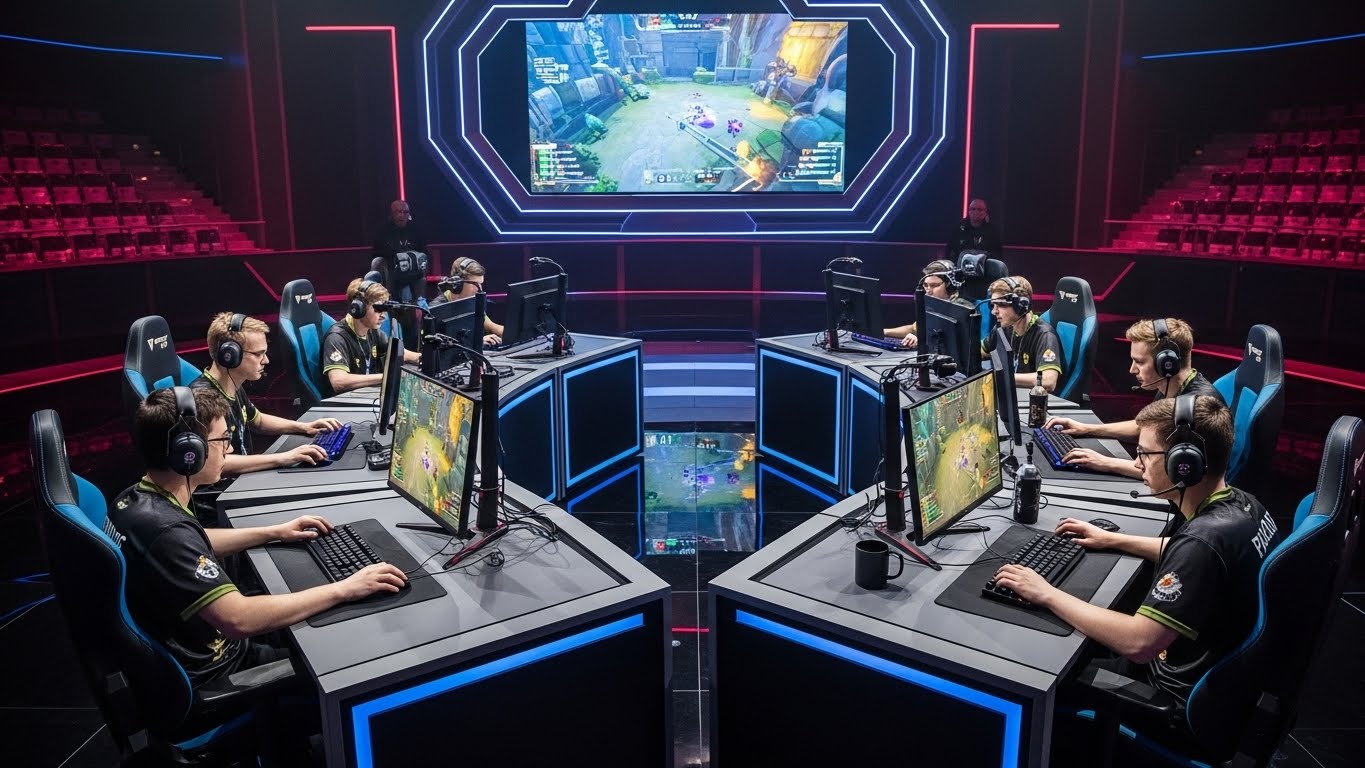
In recent years, esports has evolved from a niche hobby into a global phenomenon. What was once considered a pastime for passionate gamers has now become a massive industry with millions of players, viewers, and lucrative sponsorships. Esports encompasses all forms of competitive video gaming, from large-scale tournaments to casual online competitions, with titles like “League of Legends,” “Dota 2,” “Fortnite,” and “Counter-Strike” becoming household names. This blog post will delve into the history, growth, and future of esports, its cultural significance, and the impact it has on the world.
The Evolution of Esports: From Arcade Games to Global Tournaments
Esports has roots that trace back to the early days of video gaming. The first instances of competitive gaming occurred in the late 20th century, but they were modest compared to today’s standards. In the early 1980s, arcades were the battlegrounds where players competed for high scores in games like Space Invaders and Pac-Man. These early competitions weren’t organized or formalized, but they laid the foundation for what would come later.
The true birth of esports occurred in the 1990s when gaming tournaments began to emerge as a more structured form of competition. The rise of multiplayer games such as Warcraft, Quake, and StarCraft brought people together from all over the world to compete against one another. The late 90s saw the introduction of the Red Annihilation Tournament, a Quake competition that attracted thousands of players and even had a prize of a Ferrari.
As technology continued to advance, internet access allowed for online play, and more players could compete globally. By the early 2000s, competitive gaming was no longer a local affair but had transformed into a worldwide spectacle. This is when esports tournaments began to gain significant attention, such as the World Cyber Games (WCG) and Electronic Sports World Cup (ESWC), which brought together players from across continents.
The Growth of Esports: A Multibillion-Dollar Industry
Over the last two decades, esports has exploded in popularity. What was once a niche community of gamers has transformed into a multi-billion-dollar industry with millions of players, viewers, and stakeholders. By 2023, the global esports market was valued at over $1.5 billion, and this number is expected to continue growing in the coming years.
One of the key factors contributing to the growth of esports is the accessibility of gaming platforms. In the past, playing video games at a competitive level required expensive equipment and dedicated time. However, with the advent of gaming consoles, PCs, and mobile devices, esports has become more inclusive. Mobile gaming, in particular, has seen a sharp rise in popularity, especially in regions like Asia, where games like PUBG Mobile and Arena of Valor dominate the competitive scene.
Streaming platforms like Twitch, YouTube Gaming, and Facebook Gaming have also played a pivotal role in bringing esports into the mainstream. These platforms allow fans to watch live matches, interact with players, and support their favorite teams and personalities. Twitch alone has become a central hub for esports broadcasting, with millions of viewers tuning in to watch everything from casual Fortnite streams to high-stakes League of Legends tournaments.
The Professionalization of Esports: Teams, Tournaments, and Sponsorships
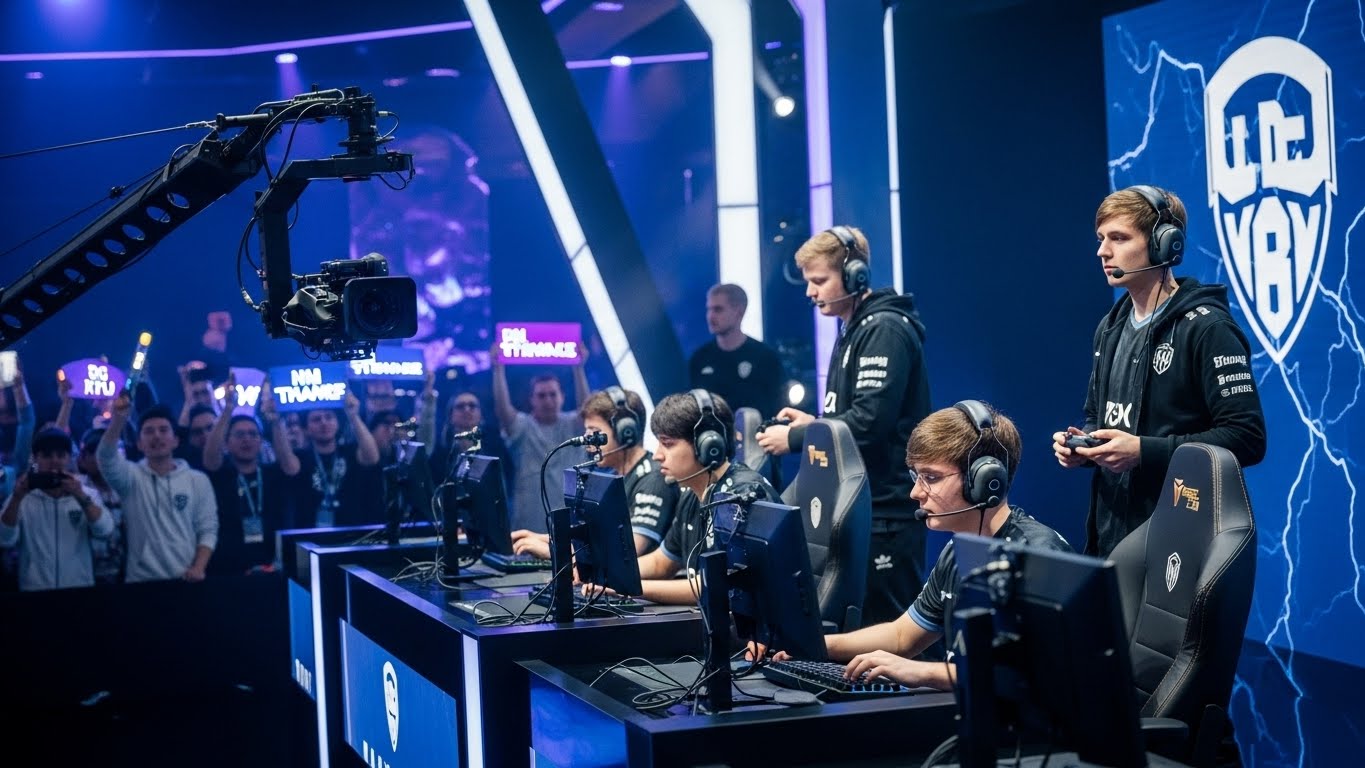
As esports began to mature, it started to adopt a more professional structure, mirroring traditional sports. Esports organizations began forming teams with dedicated coaches, analysts, and players, while game publishers like Riot Games and Blizzard Entertainment began hosting large-scale tournaments with significant prize pools.
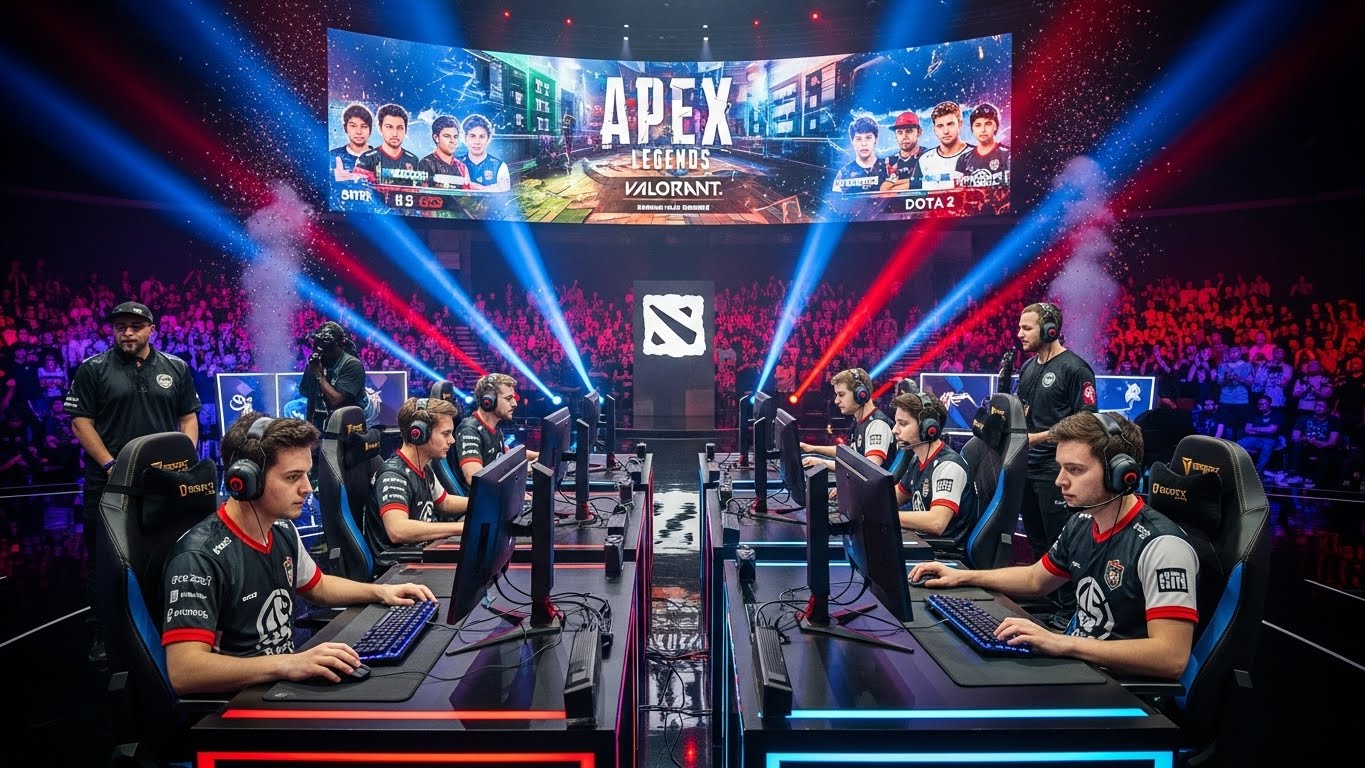
Today, esports tournaments are some of the most-watched events in the world. The League of Legends World Championship, for example, consistently draws tens of millions of viewers each year, surpassing traditional sports broadcasts in some regions. The International, an annual Dota 2 tournament, is known for its massive prize pool, which in recent years has exceeded $40 million, making it one of the highest-paying esports events in history.
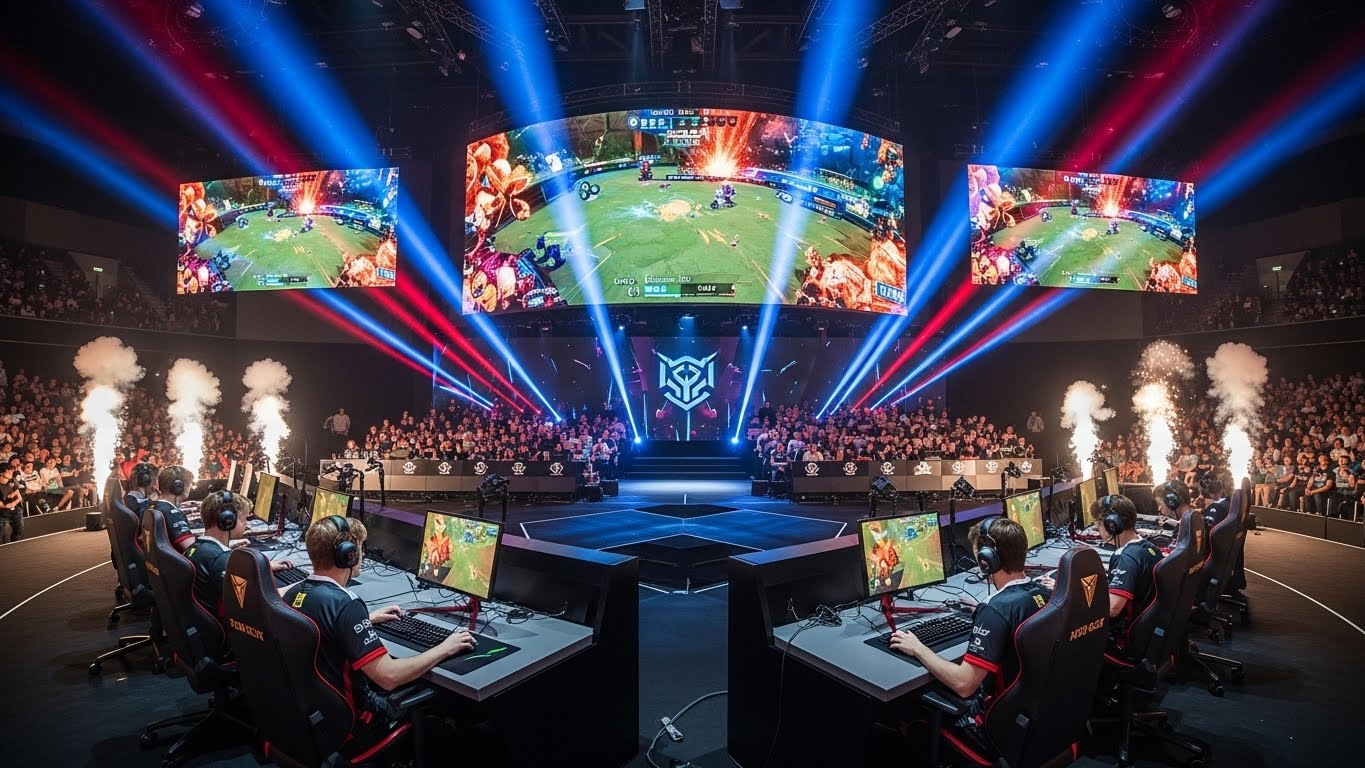
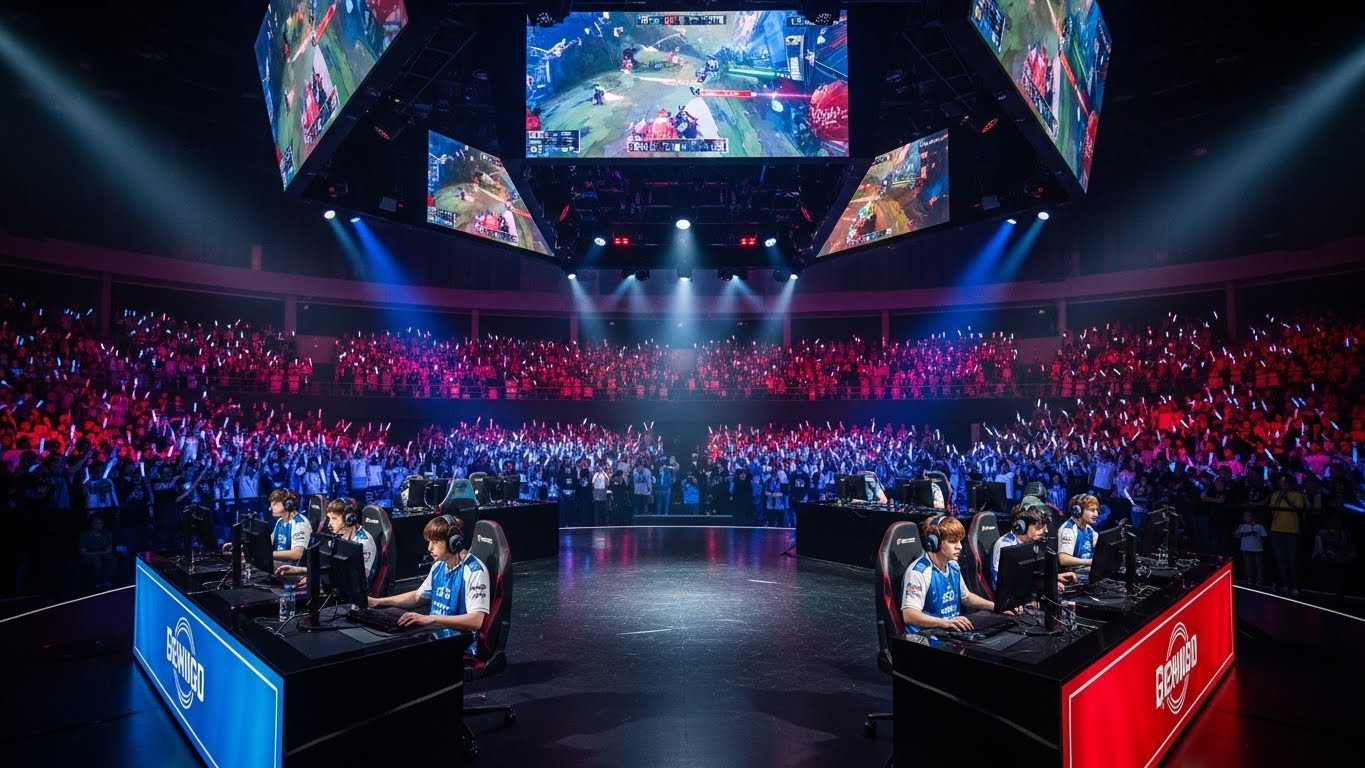
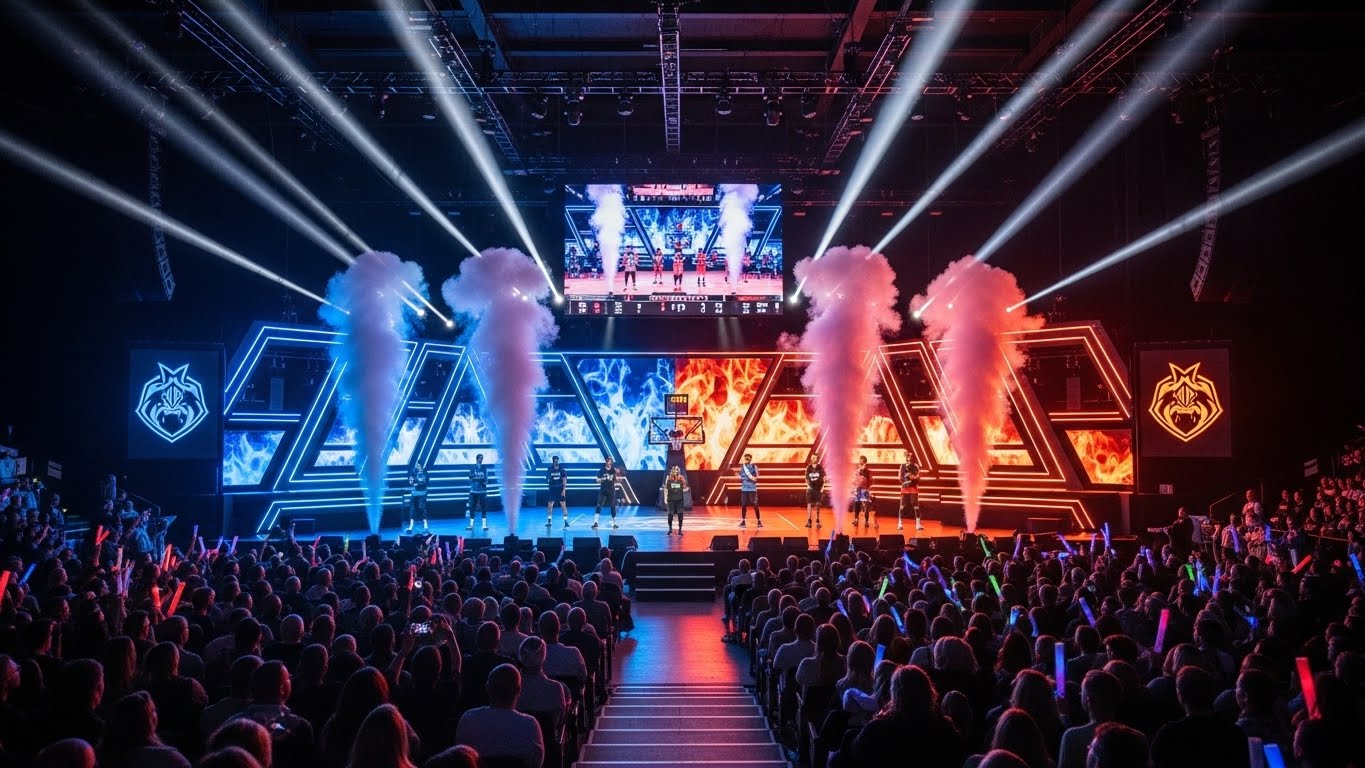
These tournaments are often held in massive arenas with thousands of spectators, while others are broadcasted to millions online. Major cities across the world, such as Los Angeles, Seoul, and Berlin, have become esports hubs, hosting some of the most significant events in the industry.
The professionalization of esports has also attracted significant investment from non-endemic industries. Brands from outside the gaming world—such as Coca-Cola, Intel, Mercedes-Benz, and even luxury watchmaker Rolex—have signed sponsorship deals with esports teams and tournaments. This influx of sponsorship and advertising money has made esports a viable career option for many players, coaches, and content creators.
The Cultural Impact of Esports
Esports’ rise in popularity has far-reaching cultural implications. Once considered a pastime for outcasts or “nerds,” competitive gaming has become a legitimate form of entertainment enjoyed by people of all ages and backgrounds. The esports community is diverse, with players, fans, and viewers coming from every corner of the globe.
The social aspect of esports is a major part of its appeal. Online gaming communities allow players to connect with one another, forming friendships and rivalries that transcend borders. Major esports events now feature live commentary, analysis, and entertainment, similar to how traditional sports are broadcast, making them just as engaging for fans.
The rise of esports has also led to the creation of competitive gaming leagues, educational programs, and even college scholarships for aspiring players. In the United States, several universities now offer full esports scholarships, allowing talented players to pursue their gaming careers while earning a degree. This recognition of esports as a legitimate career path has encouraged young gamers to train, compete, and dream of going pro.
Moreover, esports has led to the rise of professional gaming influencers. Streamers on platforms like Twitch have become celebrities in their own right, with millions of followers tuning in to watch their streams, participate in charity events, or simply enjoy their entertaining personalities. These influencers often serve as role models to younger players and have helped shape the esports culture.
The Challenges Facing Esports
While esports continues to grow at an incredible rate, the industry faces several challenges. One of the most significant issues is player burnout. Professional gamers are often required to practice for hours each day, and the pressure to perform at the highest level can take a mental and physical toll on players. Some esports organizations have implemented measures to mitigate burnout, such as offering mental health support and ensuring players get sufficient rest.
Another challenge facing the esports industry is the lack of regulation and consistency. While traditional sports leagues like the NBA or NFL have clearly defined rules, governance, and oversight, esports is still relatively new, and there is no universal body to regulate competitions. Different game publishers run their own events, each with its own set of rules and regulations, making it difficult to standardize the industry. This lack of regulation can lead to issues such as cheating, match-fixing, and inconsistency across competitions.
There is also the issue of gender diversity. Esports has often been criticized for being a male-dominated industry, with female gamers and commentators facing barriers to entry. While there are some initiatives to increase female participation in esports, such as women-only tournaments and programs to promote inclusivity, there is still work to be done to create a more equitable environment for all players.
The Future of Esports: A Digital Revolution in the Making
As esports continues to evolve, its future looks incredibly promising. Technological advancements, such as virtual reality (VR) and augmented reality (AR), are poised to revolutionize the way we experience competitive gaming. VR and AR could allow for fully immersive esports experiences, where players and fans can engage in ways never before possible.
The integration of esports into mainstream media will also continue to grow. With traditional sports networks like ESPN and Fox Sports beginning to broadcast esports events, the line between traditional sports and esports will continue to blur. It is not out of the question to imagine a world where esports is treated on par with football, basketball, or soccer.
Furthermore, the continued rise of mobile gaming and the development of cloud gaming platforms will make esports more accessible to players from all walks of life. As the barriers to entry continue to lower, we can expect an even more diverse and expansive global esports community.
In conclusion, esports has come a long way since its humble beginnings in arcade gaming. Today, it is an industry that generates billions of dollars, engages millions of fans worldwide, and provides new opportunities for players and fans alike. As technology continues to advance and the culture of esports grows, there is no doubt that this digital revolution will continue to shape the future of competitive gaming for years to come.
Esports has proven that gaming is not just a hobby but a legitimate career and cultural force that will continue to captivate audiences and inspire the next generation of gamers.