 championcast96
Introduction
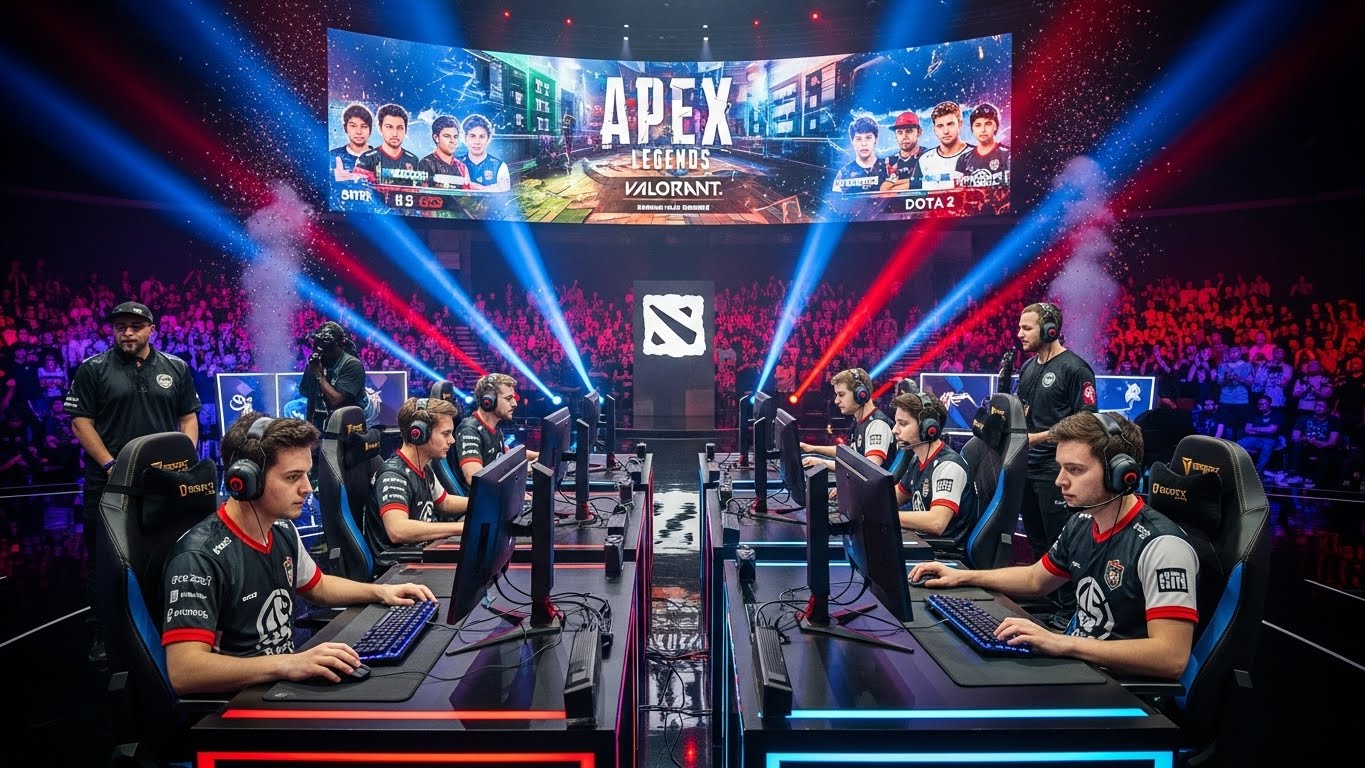
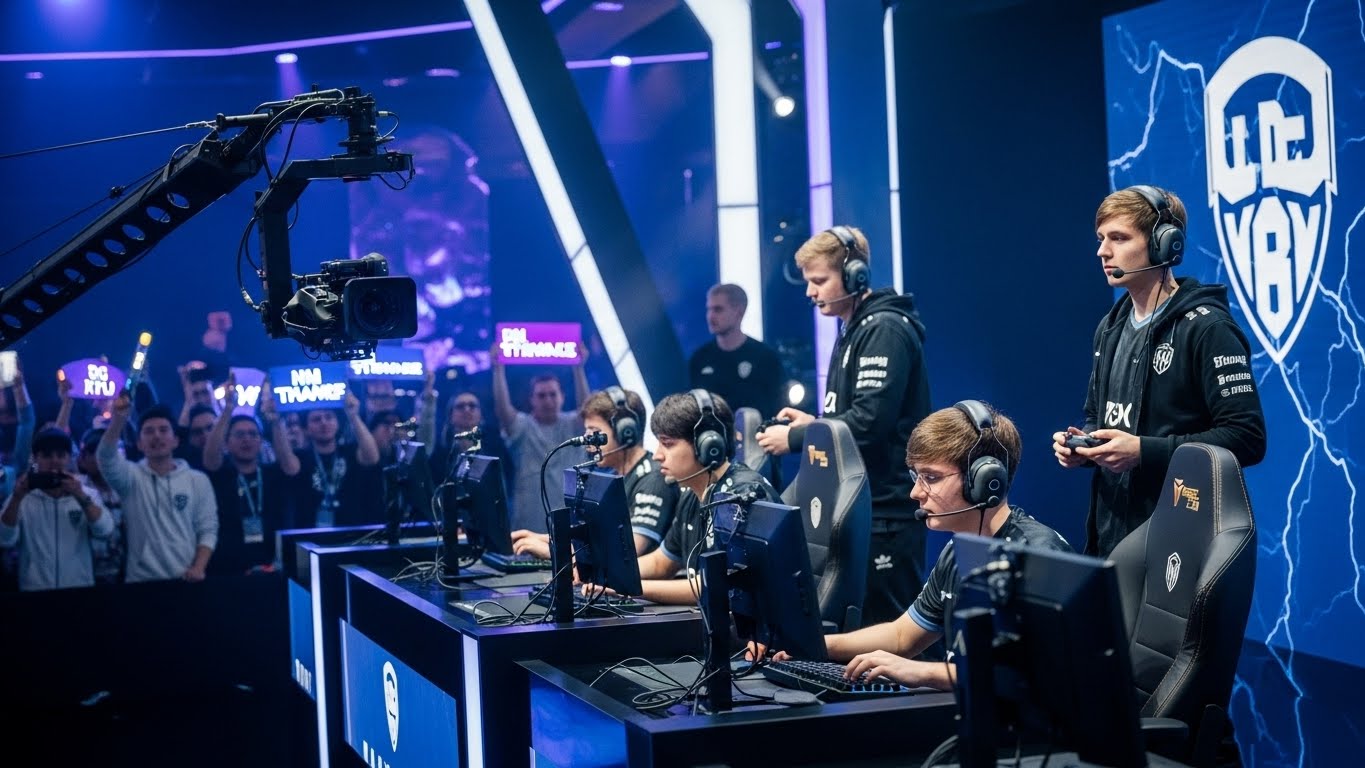
Esports, or competitive video gaming, has become one of the fastest-growing forms of entertainment and professional competition in the modern world. Once dismissed as a casual hobby, esports now commands massive audiences, generates billions in revenue, and offers career opportunities for players, coaches, analysts, and content creators. What makes esports unique is its blend of strategy, skill, teamwork, and mental agility, combined with the power of technology to connect players and audiences globally. This blog explores the rise of esports, its impact on society, and why it continues to shape the future of competition and entertainment.
Understanding Esports
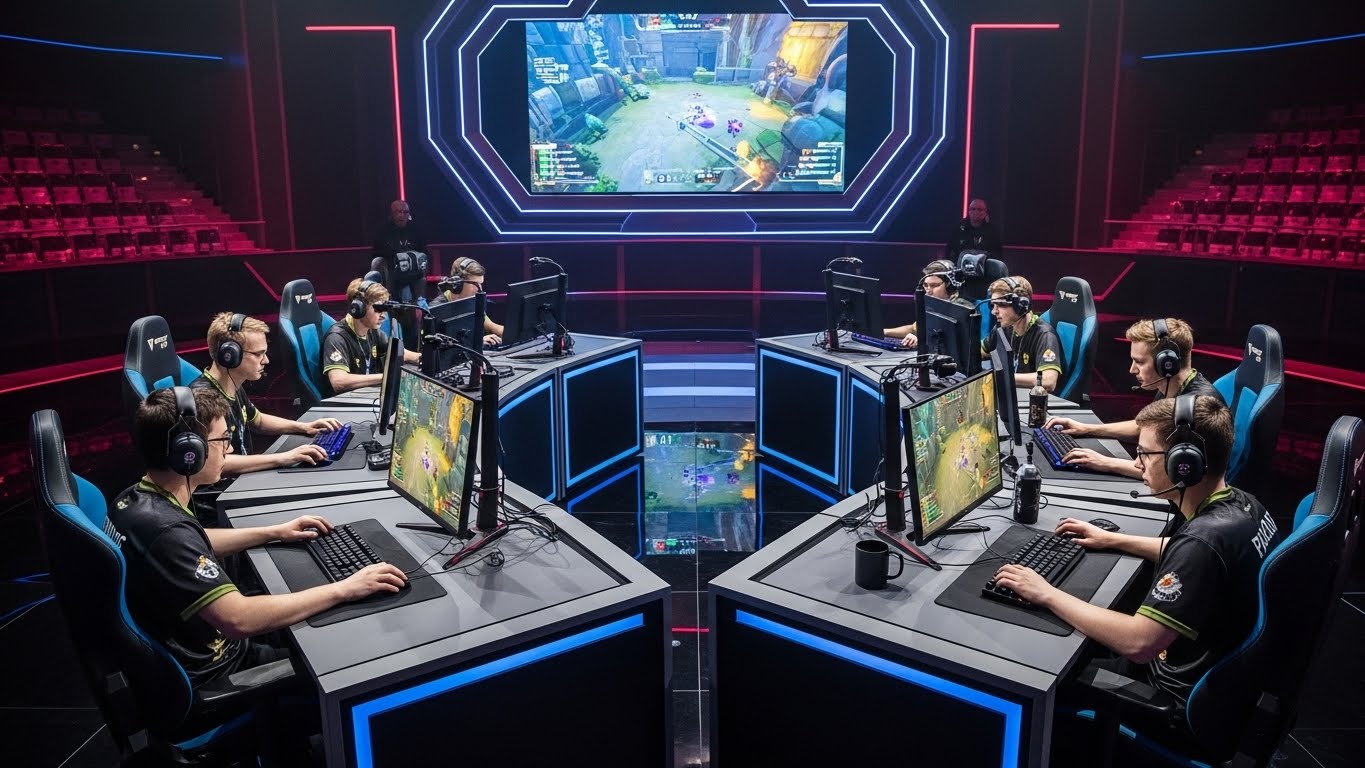
Esports refers to organized, competitive video gaming where players or teams compete under established rules and formats. It encompasses a wide range of genres, including first-person shooters, real-time strategy games, multiplayer online battle arenas, sports simulations, and fighting games. Unlike casual gaming, esports demands structured training, strategic planning, and consistent performance under pressure. Players are evaluated on skill, decision-making, coordination, and adaptability. This competitive framework places esports alongside traditional sports in terms of preparation, discipline, and intensity.
The Early Days of Competitive Gaming
The origins of esports date back to the late 20th century, with small-scale gaming competitions in arcades and schools. Early tournaments often focused on achieving the highest scores in games like Pac-Man, Space Invaders, and Donkey Kong. With the rise of home consoles and personal computers, competitive gaming expanded, creating local networks of enthusiasts who organized informal tournaments. The introduction of online multiplayer games allowed players from different cities and countries to compete against each other, laying the groundwork for global esports leagues.
The Role of Technology in Esports
The internet has been pivotal in transforming esports from a niche activity into a worldwide phenomenon. High-speed connectivity, streaming platforms, and sophisticated gaming hardware have enabled real-time competitions between players thousands of miles apart. Viewers can watch live matches, interact with commentators, and follow their favorite teams through digital platforms. Technology also supports advanced training methods, including performance analytics, game replay review, and AI-driven coaching, allowing players to refine strategies and improve outcomes.
Professionalization and Career Opportunities
Esports has evolved into a structured industry, complete with professional leagues, organizations, and sponsorships. Top players are contracted by esports teams that provide salaries, training facilities, coaching staff, and performance support. Beyond players, the industry offers careers in broadcasting, content creation, marketing, event management, game development, and analytics. Esports organizations host tournaments with large prize pools, attracting global audiences and generating substantial revenue. Professionalization has transformed esports into a sustainable career path, demonstrating that competitive gaming is a serious and viable profession.
Training and Discipline in Esports
Success in esports requires rigorous training and self-discipline. Professional players often practice for several hours each day, focusing on mechanical skills, strategy development, and teamwork exercises. Mental preparation is equally crucial, as players must remain focused under pressure and adapt quickly to changing in-game situations. Physical fitness and wellness are also emphasized, as endurance, reflexes, and mental clarity can be affected by overall health. This structured approach highlights the athletic and cognitive demands of esports, challenging misconceptions that gaming is purely recreational.
Cognitive and Mental Benefits
Esports offers significant cognitive and mental advantages. Players are required to process large amounts of information rapidly, make split-second decisions, and develop strategies in real time. These skills enhance memory, focus, and problem-solving abilities. Competitive gaming also improves multitasking and hand-eye coordination. Emotional resilience is another key benefit, as players learn to handle pressure, cope with losses, and maintain composure during high-stakes situations. The cognitive and mental training associated with esports extends beyond the gaming environment, benefiting players in academics, careers, and daily decision-making.
Teamwork and Communication Skills
Team-based esports emphasize collaboration, strategy, and clear communication. Players must coordinate their actions, share information, and adapt collectively to opponents’ tactics. Leadership, conflict resolution, and trust are essential components of successful teamwork. Even in solo esports competitions, players rely on coaching, analysts, and support staff to optimize performance. Through competitive play, esports fosters social skills and collaboration, mirroring the teamwork required in professional and personal contexts.
Community and Fan Engagement
Esports thrives on community engagement and fan interaction. Audiences actively follow players and teams through live streams, social media, and online forums. Fans analyze strategies, share content, and participate in discussions, creating a strong sense of belonging. Esports communities celebrate creativity, diversity, and inclusion, welcoming participants from different backgrounds. Unlike traditional sports, esports enables direct interaction between players and fans, strengthening emotional connections and fostering a unique cultural experience.
Economic Impact of Esports
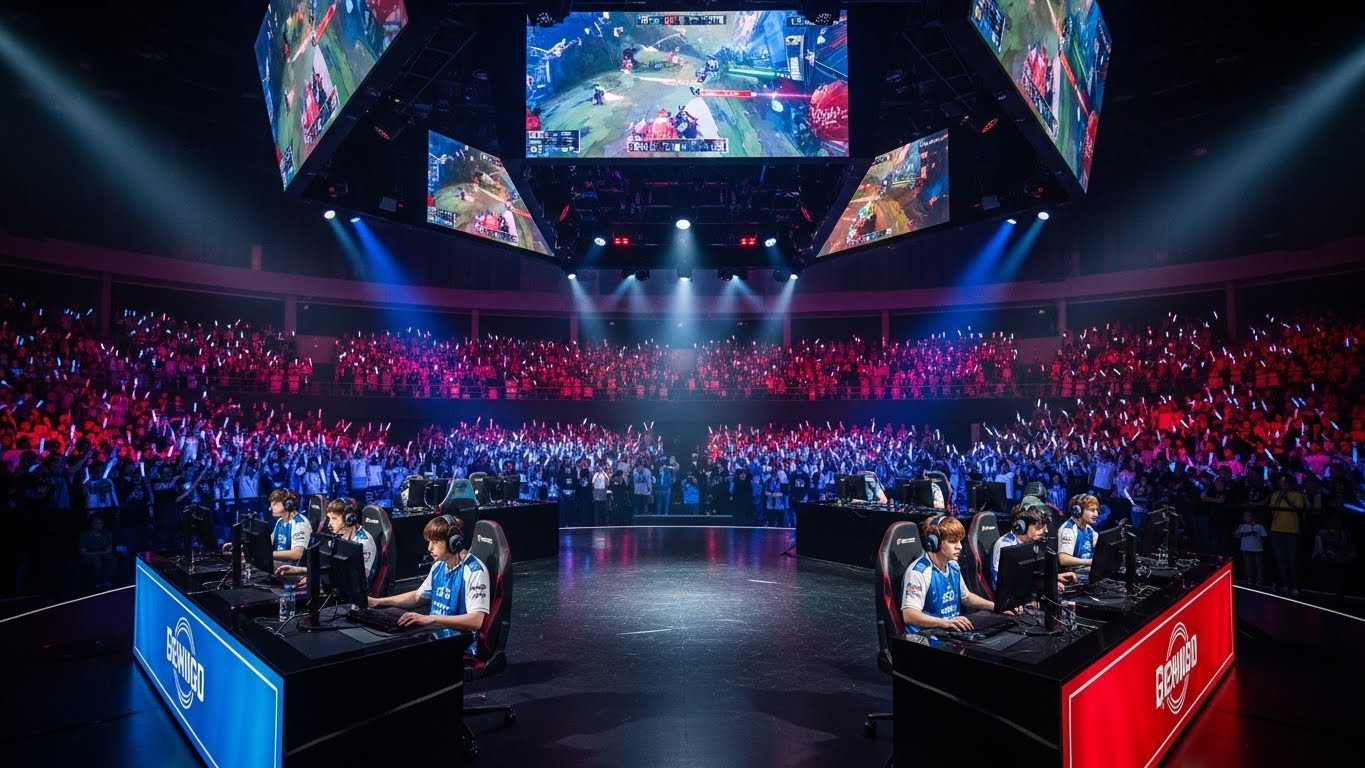
The esports industry has grown into a global economic powerhouse. Revenue is generated through tournament prize pools, sponsorship deals, merchandise, ticket sales, and media rights. Major events attract millions of viewers and stimulate local economies through tourism and event hosting. Additionally, the growth of esports drives demand for gaming hardware, streaming services, and digital content, supporting numerous ancillary industries. With increasing investment from brands and media companies, esports continues to expand as a key contributor to the digital economy.
Inclusivity and Accessibility
Esports is notably inclusive compared to traditional sports, as success relies on skill, strategy, and dedication rather than physical attributes. Players of different genders, ages, and abilities can compete on equal footing. Initiatives promoting diversity continue to expand participation and representation in professional esports. Accessibility is further enhanced through online platforms, mobile gaming, and community-based tournaments, making esports a global arena where talent and effort determine outcomes.
Esports and Education
Educational institutions are increasingly recognizing the value of esports. Schools and universities offer esports programs, scholarships, and competitive leagues that combine gaming with personal development. Students develop skills in teamwork, leadership, time management, and strategic thinking. Participation in esports also fosters digital literacy and responsible gaming habits. Integrating esports into education demonstrates its potential as a tool for learning, skill-building, and career preparation.
Health and Wellness in Esports
While esports offers cognitive and social benefits, health considerations are essential. Extended screen time, repetitive motions, and intense practice can lead to physical strain and mental fatigue. Professional teams implement balanced routines that include physical exercise, proper nutrition, and mental health support. Awareness of posture, eye care, and rest ensures long-term sustainability for players. Promoting wellness in esports highlights the importance of maintaining overall health while pursuing competitive excellence.
Challenges in Esports
Despite rapid growth, esports faces challenges such as regulatory gaps, performance pressure, and ethical concerns. Issues like cheating, match-fixing, and burnout require vigilance from organizations and players. The rapid commercialization of esports can sometimes overshadow community values and player well-being. Addressing these challenges requires collaboration among governing bodies, teams, and players to ensure fair competition, player safety, and industry sustainability.
Cultural Influence of Esports
Esports has become a significant cultural phenomenon, influencing fashion, music, media, and social trends. Professional players and teams are cultural icons, inspiring fans worldwide. Esports events often combine competition with entertainment, creating immersive experiences for audiences. Its global reach bridges cultural divides and fosters a sense of shared identity among players and fans. The cultural impact of esports extends beyond gaming, shaping how digital communities engage, create, and celebrate shared passions.
The Future of Esports
The future of esports promises continued growth, innovation, and integration into mainstream culture. Advancements in technology, including virtual reality, augmented reality, AI, and streaming innovations, will enhance gameplay and viewing experiences. Esports is likely to expand in education, entertainment, and professional development. Increased investment, inclusivity, and global collaboration will further solidify its position as a major cultural and economic force. The adaptability of esports ensures its continued relevance in a rapidly evolving digital world.
Conclusion
Esports has transformed from a casual hobby into a global phenomenon that blends skill, strategy, teamwork, and technology. It provides opportunities for personal growth, professional careers, and social engagement while fostering a sense of community across the globe. While challenges exist, the continued professionalization, inclusivity, and technological advancements in esports indicate a promising future. Beyond screens and competitions, esports represents the spirit of modern human ambition, creativity, and connection, redefining what it means to be a champion in the digital age.