 championcast96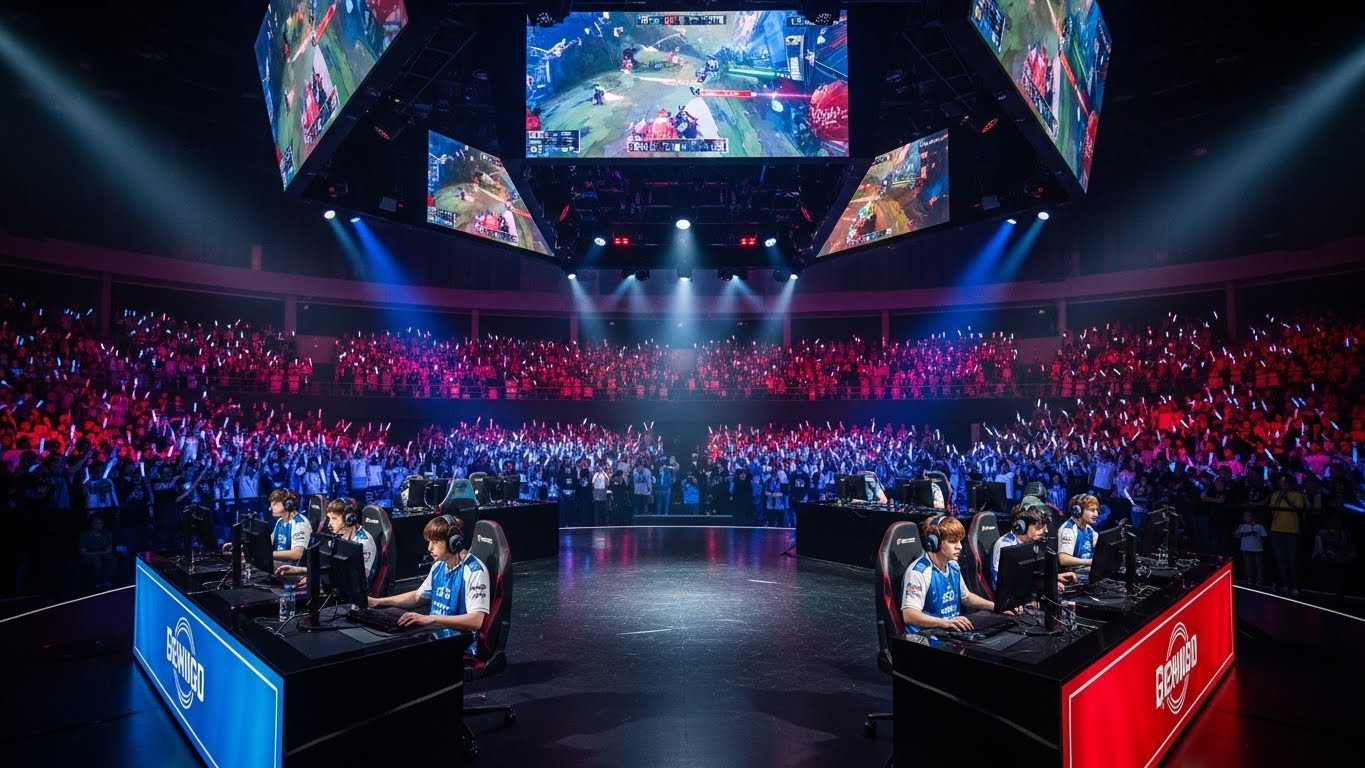
Esports, short for electronic sports, has emerged as one of the most transformative forces in modern entertainment. From small gaming competitions in arcades to international tournaments broadcasted to millions, esports has grown into a global industry worth billions. Its impact goes beyond mere gameplay, influencing careers, technology, education, and culture. This blog explores the evolution of esports, its significance, and how it is reshaping the way we view competition in the digital era.
Understanding Esports
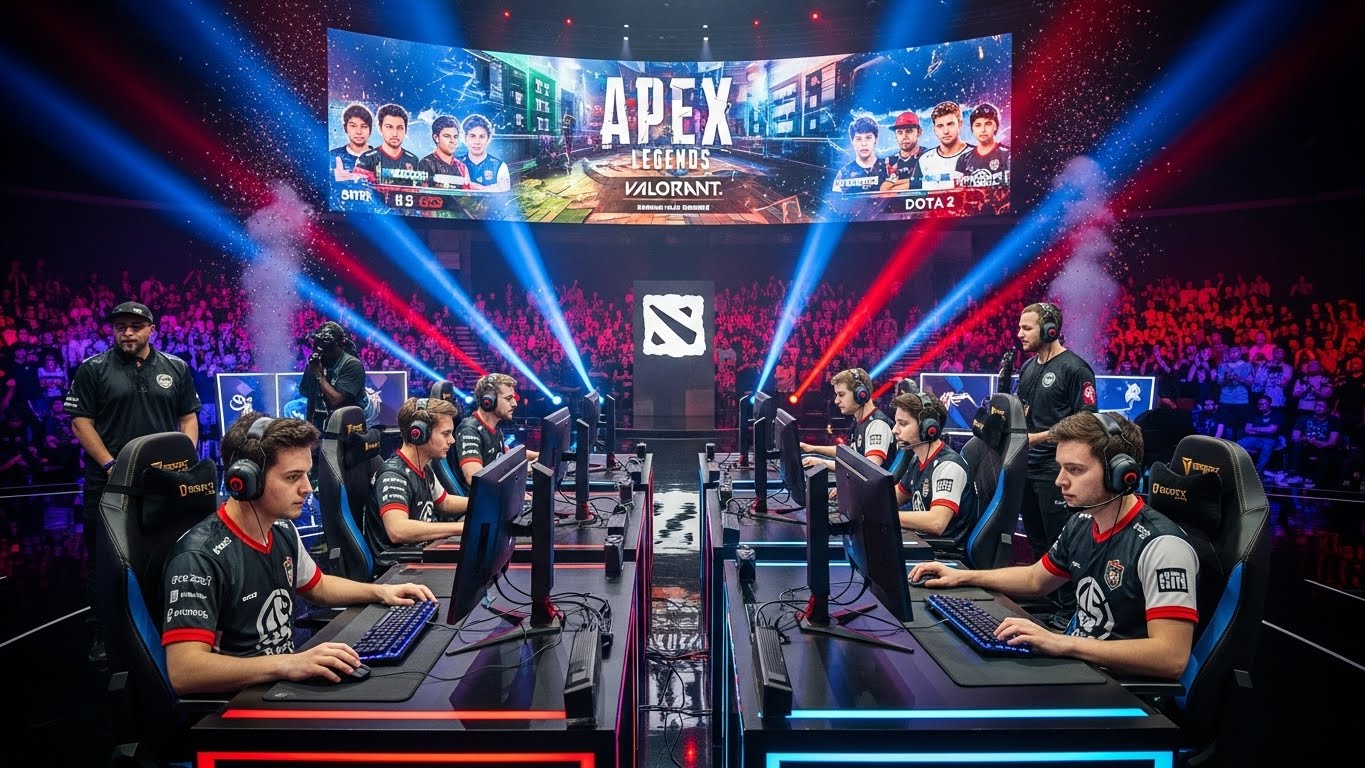
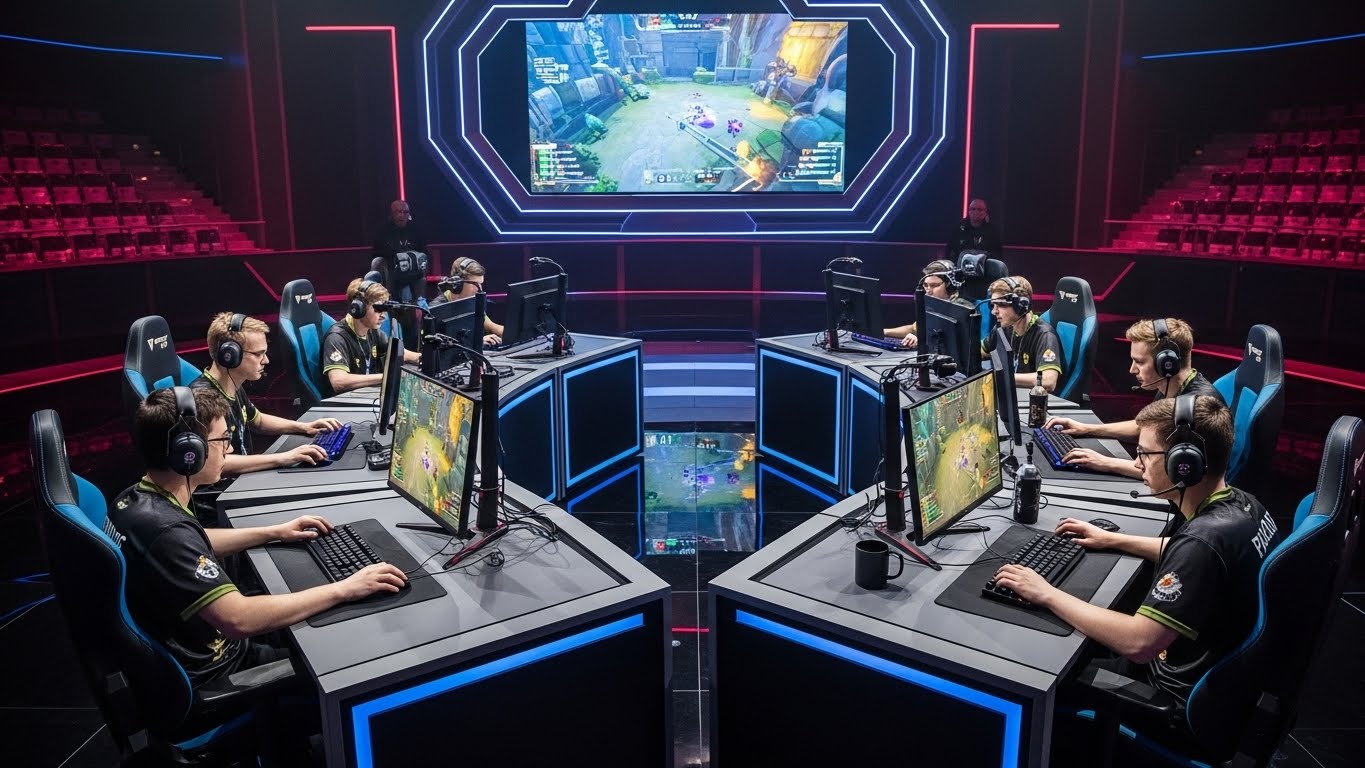
Esports is the organized, competitive play of video games by individuals or teams. Unlike casual gaming, it requires skill, strategy, and rigorous practice. Participants train for hours, study opponents, and refine their gameplay to compete at professional levels. Popular games in esports include multiplayer online battle arenas, first-person shooters, sports simulations, and fighting games.
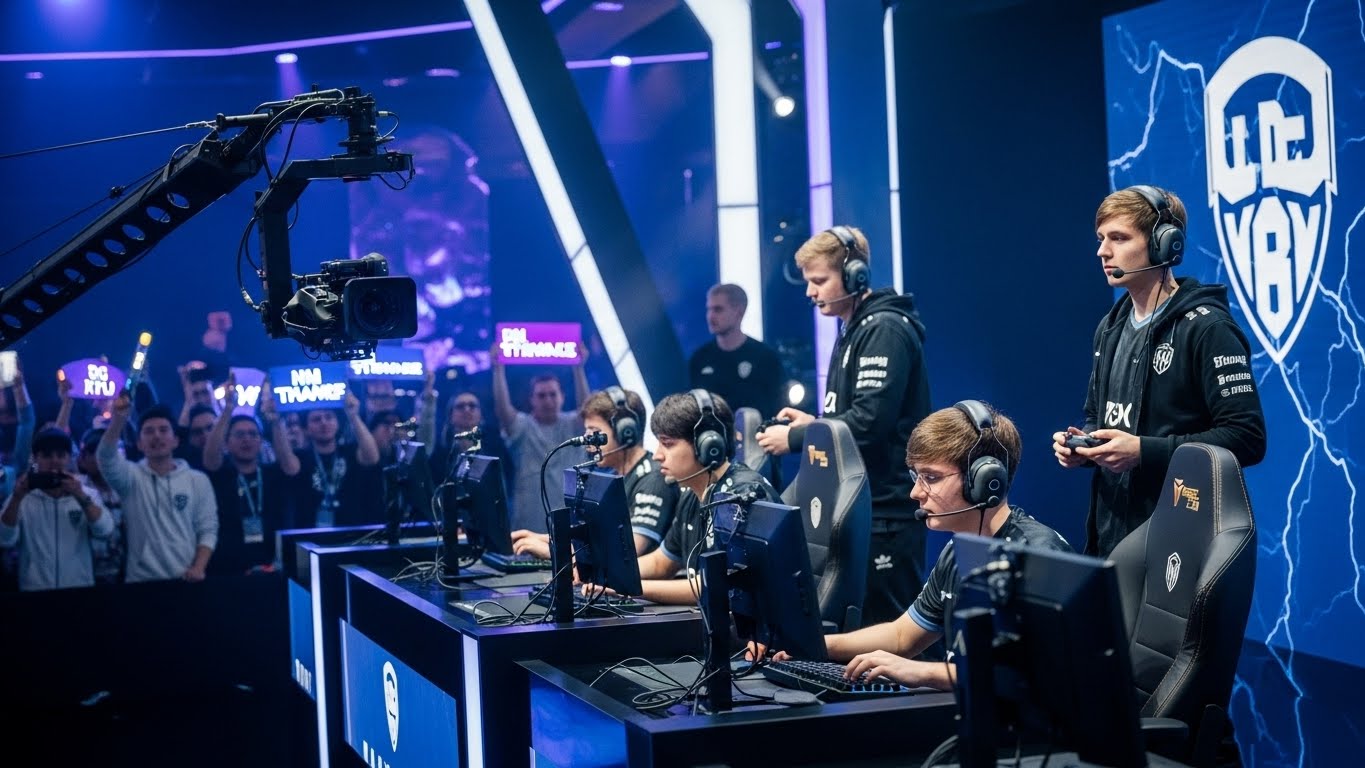
Competitions can take place online or in physical venues, drawing massive audiences. Unlike traditional sports, esports relies on digital platforms and technology to create an interactive experience for both players and fans. The level of preparation, strategy, and execution in professional esports mirrors traditional athletic competitions.
The Origins of Competitive Gaming
Esports may feel like a modern phenomenon, but its origins date back decades. In the late 1970s and 1980s, players began competing in arcade games and early home consoles. Tournaments were informal, often held in small communities or university campuses, and focused on achieving high scores and bragging rights.
The 1990s marked a turning point with the rise of internet connectivity. Games like StarCraft and Counter-Strike allowed players to compete online, connecting different cities and countries. This development laid the foundation for modern esports, turning casual gaming into structured, competitive events that could reach a global audience.
Global Growth and Popularity
Esports has expanded into a worldwide phenomenon. Countries such as South Korea, China, and the United States have developed robust esports infrastructures, including professional leagues, academies, and government support. The accessibility of esports has contributed to its popularity. Unlike traditional sports, esports does not require extraordinary physical abilities or expensive facilities, making it accessible to a wide range of participants.
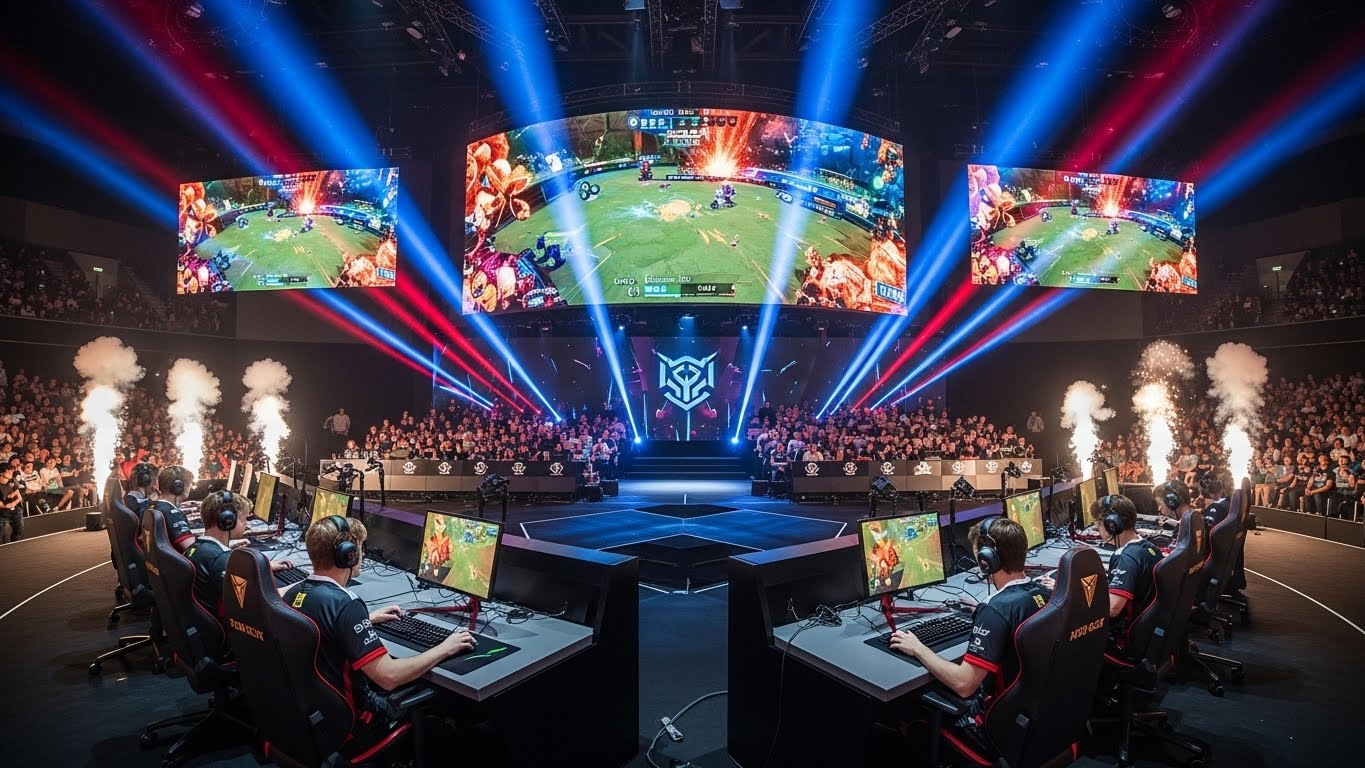
Tournaments now draw millions of viewers from across the globe. Online streaming platforms enable fans to watch competitions live, interact with players, and participate in communities. The international reach of esports has created a culturally diverse community united by passion for gaming.
The Life of a Professional Esports Player
Professional esports players follow rigorous routines similar to those of traditional athletes. Training schedules often include several hours of gameplay daily, strategy sessions with coaches, physical exercise, and mental conditioning. Focus, discipline, and resilience are crucial for success.
Income for professional players comes from multiple sources: tournament winnings, team salaries, sponsorships, and streaming revenue. While only a fraction of players reach the highest levels, those who do can achieve global recognition, lucrative careers, and long-term opportunities within the industry.
Career Opportunities Beyond Players
Esports is more than just professional players. The industry offers a wide array of career paths, including coaching, analysis, broadcasting, event management, content creation, and marketing. Analysts evaluate player performance and strategies, while commentators bring matches to life for fans. Event organizers and technical staff ensure tournaments run smoothly, making esports a complex ecosystem of professionals.
These roles demonstrate that esports is an industry capable of creating sustainable employment. It is not limited to playing games; it encompasses multiple sectors, each contributing to the growth and success of the overall ecosystem.
Technology: The Backbone of Esports
Technology is central to esports. High-performance computers, gaming consoles, virtual reality systems, and reliable internet connections enable competitive gameplay. Each technological advancement improves player performance and spectator experience, from graphics quality to real-time analytics.
Streaming platforms have transformed esports into a global spectator sport. Fans can watch live matches, follow favorite players, and engage with communities worldwide. Data analytics tools allow teams to track performance, optimize strategies, and maintain consistency. The continuous evolution of technology ensures that esports remains innovative and accessible.
Cognitive and Mental Benefits of Esports
Esports requires extensive mental discipline. Players must process information quickly, adapt strategies on the fly, and maintain focus under pressure. Games demand strategic thinking, problem-solving, multitasking, and resource management, all of which enhance cognitive abilities.
Team-based esports further develop communication, leadership, and collaboration skills. Effective teamwork is essential for coordinating strategies and achieving objectives. Mental resilience gained through esports is transferable to academics, careers, and daily life, demonstrating that gaming can be a meaningful tool for personal growth.
Physical Health in Esports
Though primarily a digital activity, esports also requires attention to physical health. Long hours of gaming can lead to sedentary behavior, eye strain, and musculoskeletal issues. Recognizing this, professional esports organizations now emphasize wellness programs.
Fitness routines, stretching exercises, and proper nutrition are increasingly integrated into players’ schedules. Maintaining physical health improves reaction time, endurance, and focus. The inclusion of wellness strategies reflects the professionalization of esports and its alignment with traditional athletic disciplines.
Community and Social Impact
Esports fosters strong communities that extend beyond the games themselves. Online forums, social media groups, and fan communities provide support, mentorship, and a sense of belonging. These communities allow individuals to connect across cultures and geographies, creating meaningful social bonds.
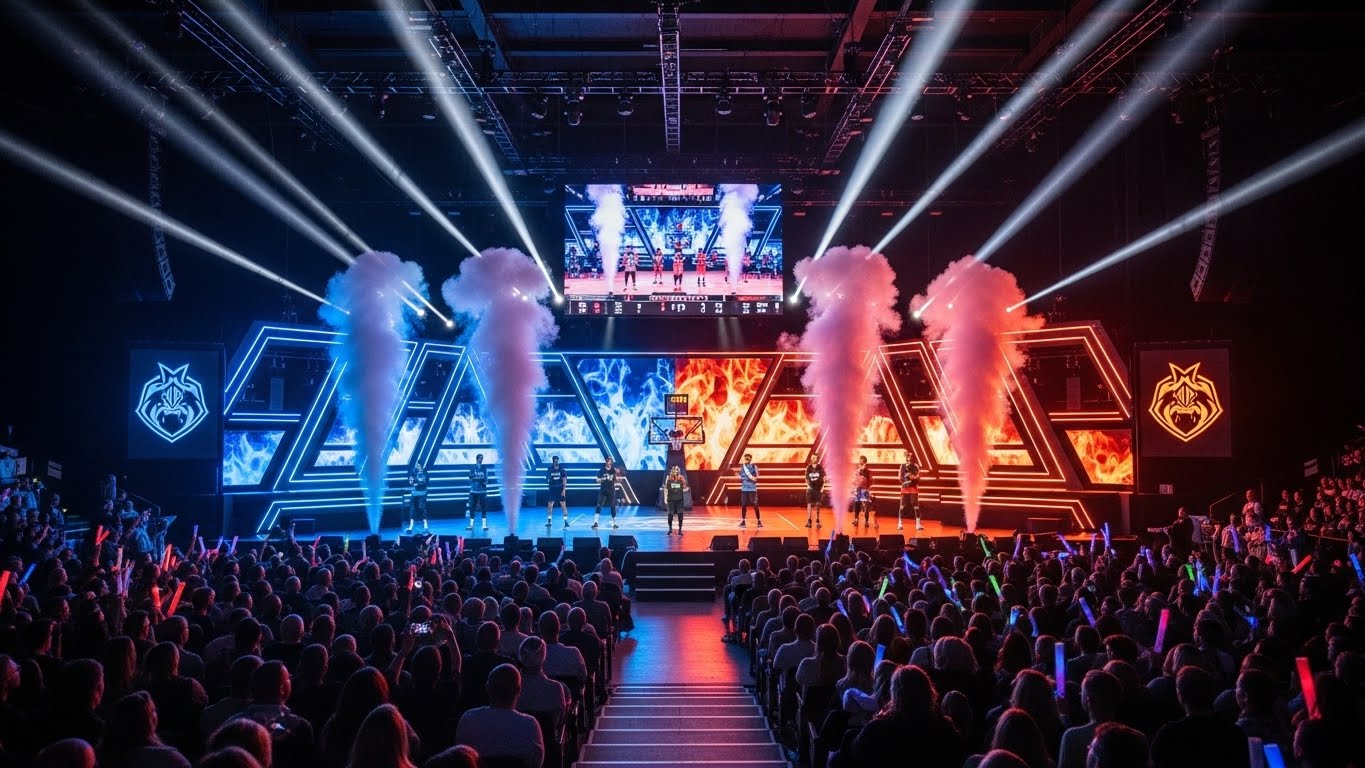
Live events enhance this sense of connection. Fans gather in stadiums and arenas to cheer for teams, celebrate achievements, and share collective experiences. Esports demonstrates that digital competition can create real-world social engagement and community identity.
Esports and Education
Educational institutions increasingly recognize the value of esports. Schools and universities offer competitive gaming programs, scholarships, and clubs. These programs promote teamwork, leadership, time management, and strategic thinking.
Esports education also introduces students to career paths in technology, media, event management, and marketing. By integrating esports into educational programs, institutions provide opportunities for skill development, engagement, and professional growth.
Diversity and Inclusion in Esports
Historically, gaming has been male-dominated, but esports is becoming more inclusive. Female gamers and players from diverse backgrounds are gaining recognition and success. Organizations are actively promoting diversity initiatives and creating inclusive tournaments.
Inclusivity enriches the esports ecosystem by encouraging creativity, collaboration, and broader participation. Recognizing talent regardless of gender, culture, or background strengthens the community and ensures the continued growth of the industry.
Entertainment Value and Spectator Engagement
Esports is as much about entertainment as it is about competition. Tournaments combine high-level gameplay with storytelling, commentary, and fan interaction. Viewers follow rivalries, celebrate victories, and become emotionally invested in the outcomes.
Interactive experiences allow fans to participate actively through live chat, voting, and community events. This engagement creates a unique entertainment format that blends sports, media, and gaming culture, making esports appealing to a diverse audience.
Economic Influence of Esports
Esports has a substantial economic impact. Revenue streams include sponsorships, advertising, media rights, merchandise, and ticket sales. Businesses invest heavily in esports to connect with younger, digitally engaged audiences.
The industry also supports related sectors such as software development, hardware manufacturing, event management, and broadcasting. Cities hosting major esports tournaments benefit from tourism, hospitality, and global exposure. Esports is not just entertainment; it is a thriving economic ecosystem.
The Future of Esports
The future of esports is filled with opportunity and innovation. Emerging technologies such as virtual reality, cloud gaming, and artificial intelligence will redefine gameplay and spectator experiences. Integration with mainstream culture will continue as esports gains legitimacy and recognition.
Esports is set to expand into education, career development, and global entertainment. Its combination of competition, technology, and community ensures that it will remain a significant cultural and economic force for years to come.
Conclusion: Beyond Gaming
Esports has transcended its origins as casual competitive gaming. It represents a fusion of technology, strategy, skill, and culture, shaping new opportunities for entertainment, education, and career development. Beyond the digital arena, esports teaches discipline, collaboration, and resilience.
The growth of esports illustrates how digital innovation can redefine competition and connection. It is more than a pastime; it is a global movement that reflects the evolution of sports, media, and society in the modern world. Esports is not only here to stay—it is redefining how we play, compete, and engage with entertainment.