 championcast96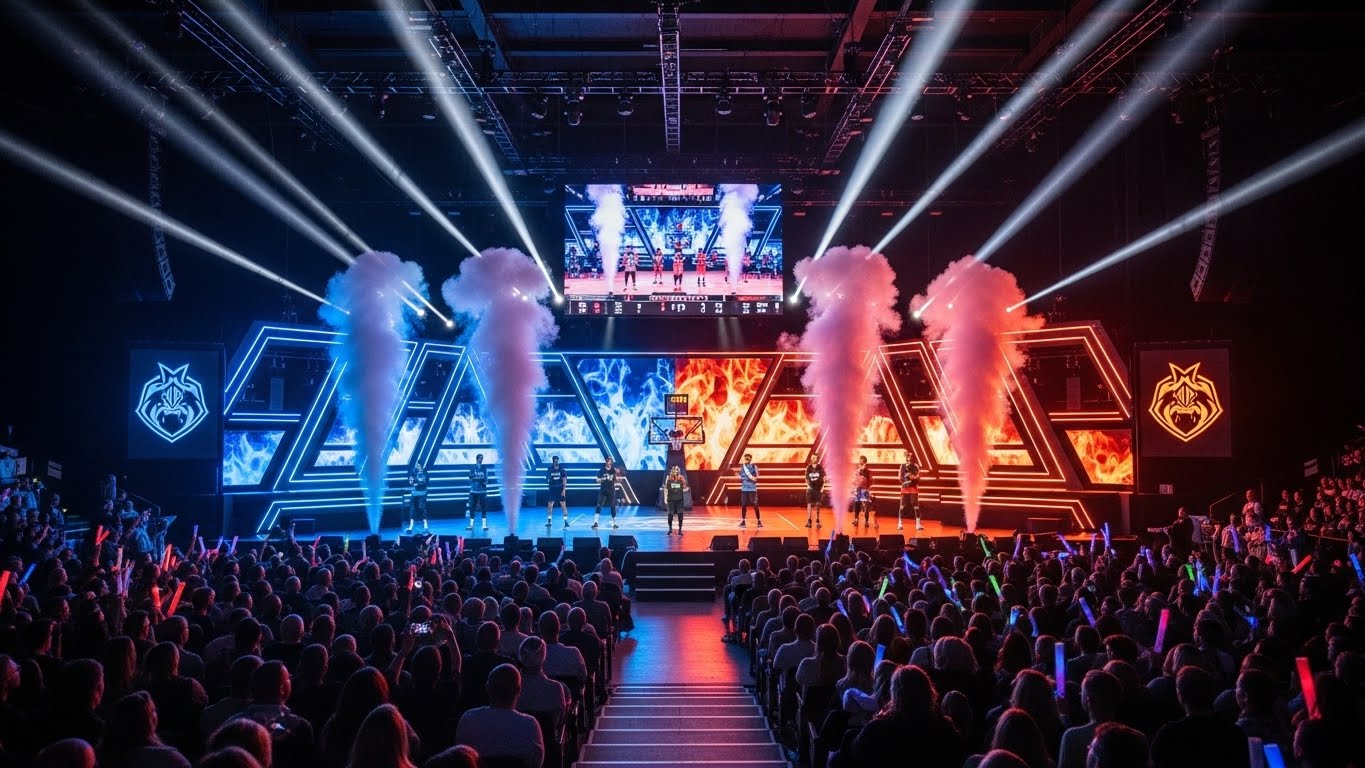
Introduction: The Rise of Esports
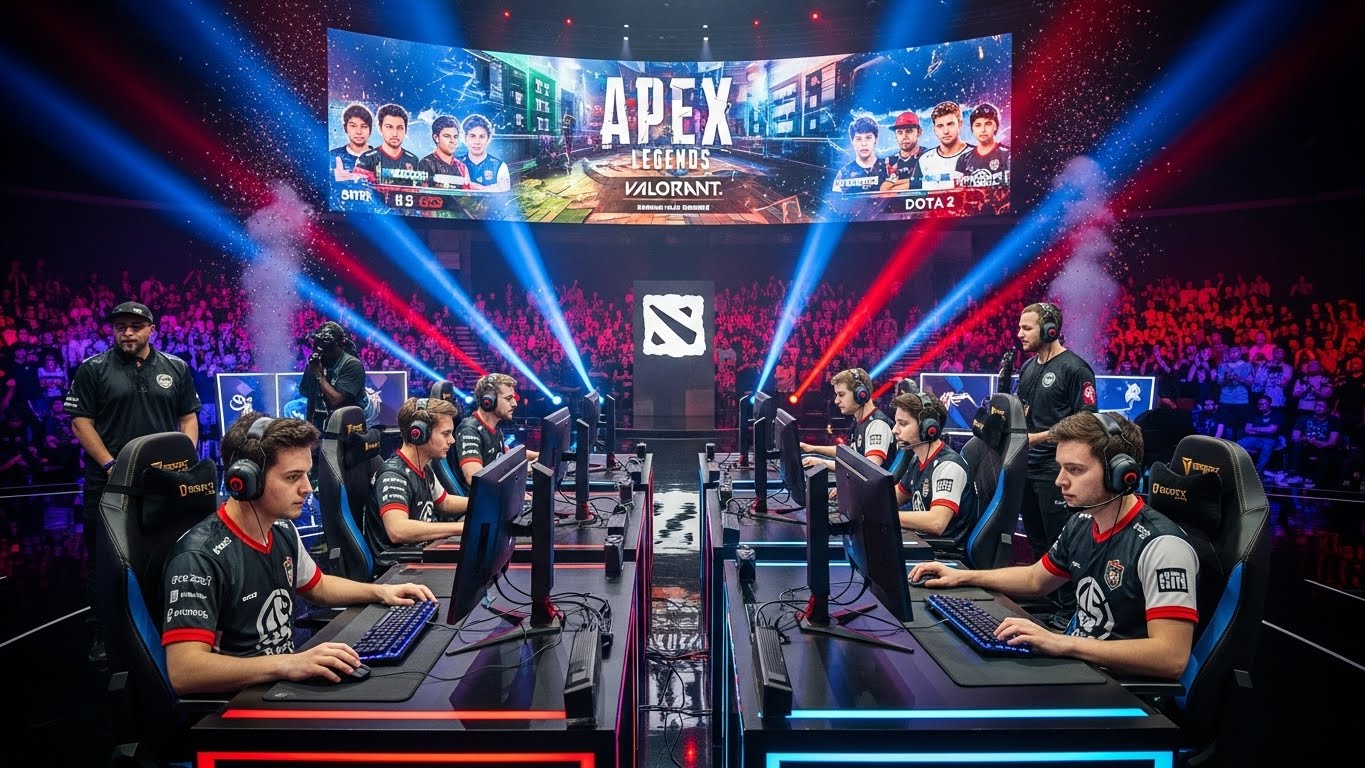
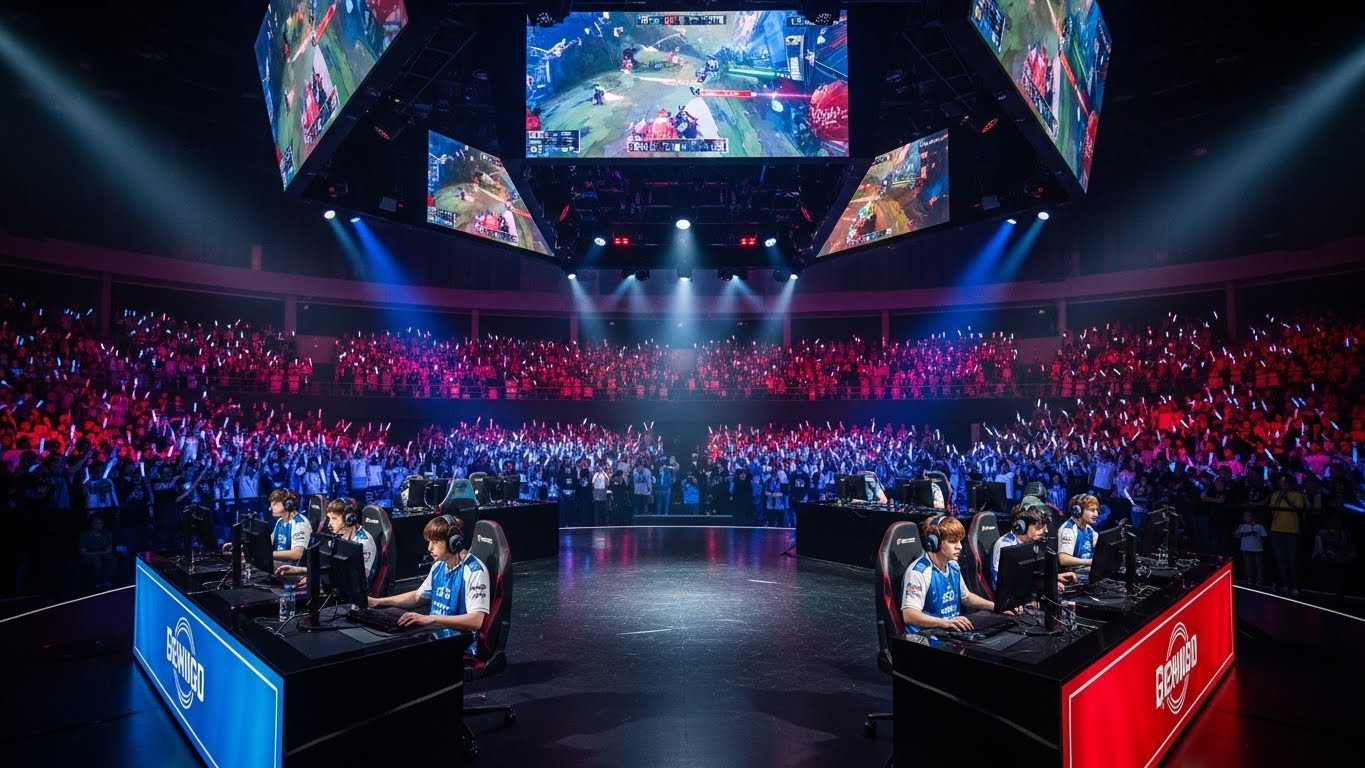
Esports, the world of competitive video gaming, has evolved from a niche hobby into a global powerhouse. What began as casual tournaments among friends has transformed into an international industry attracting millions of viewers, sponsors, and professional players. Today, esports encompasses a variety of game genres, including strategy, first-person shooters, battle royale, and sports simulations. Its rise signifies more than just entertainment; esports represents a cultural shift, offering opportunities for professional careers, social interaction, and technological innovation. This blog explores the world of esports, its impact on individuals and society, and the challenges and opportunities it presents in the modern era.
The Evolution of Competitive Gaming
The journey of esports began decades ago with simple arcade competitions and local video game contests. Early titles like Pac-Man, Space Invaders, and later StarCraft and Counter-Strike laid the groundwork for competitive gaming communities. The proliferation of the internet allowed players to compete online, bridging geographic gaps and enabling global tournaments. Streaming platforms further accelerated the growth of esports, allowing fans to watch live matches and engage with players directly. Over the years, esports has matured into a professional ecosystem, complete with leagues, sponsorships, and dedicated training facilities.
Physical and Mental Demands of Esports
Despite misconceptions that gaming is purely sedentary, esports demands significant physical and mental effort. Professional players must maintain hand-eye coordination, reflexes, and fine motor skills. Long gaming sessions require focus, endurance, and stress management. Mental agility is essential for strategic planning, anticipating opponents’ moves, and making split-second decisions. Many esports athletes incorporate physical exercise, proper nutrition, and mental conditioning into their routines to sustain performance. The combination of physical precision and cognitive skill makes competitive gaming a unique discipline requiring both body and mind.
Teamwork and Communication in Esports
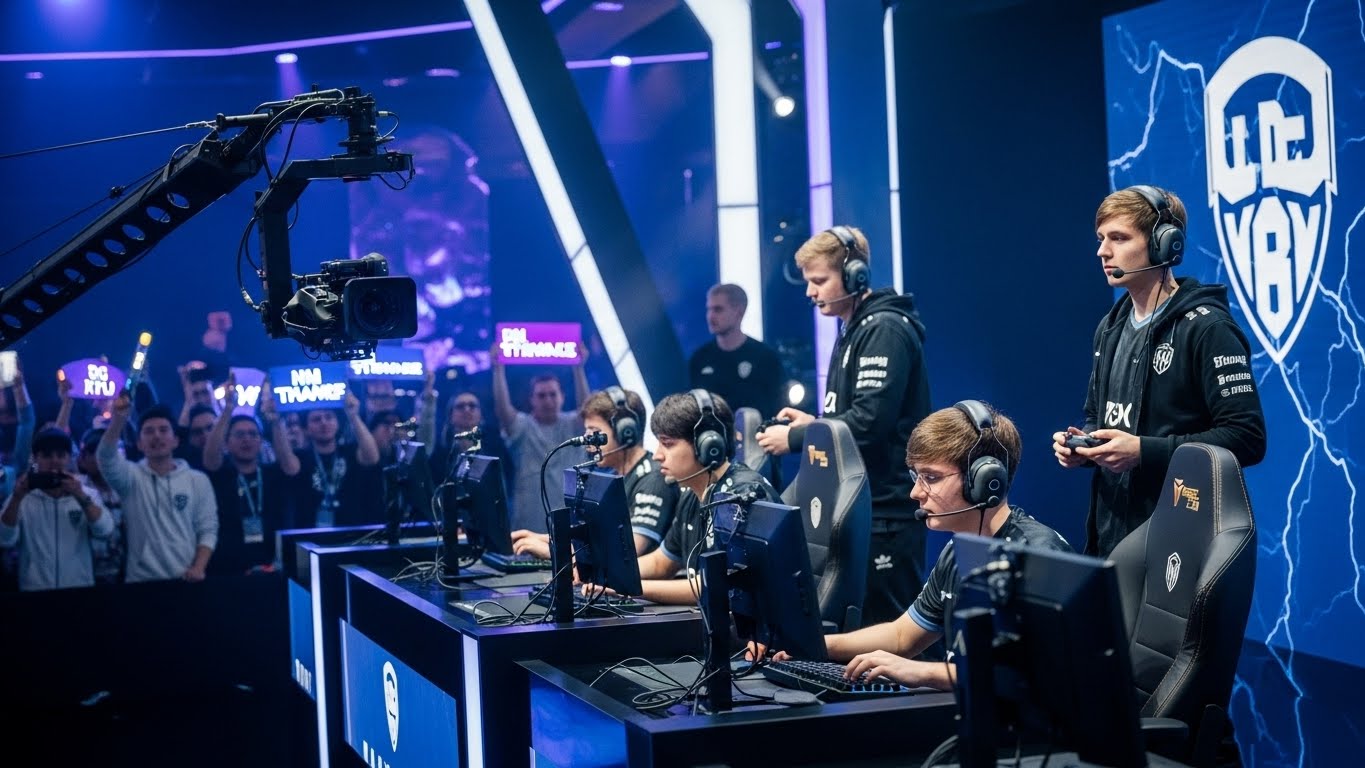
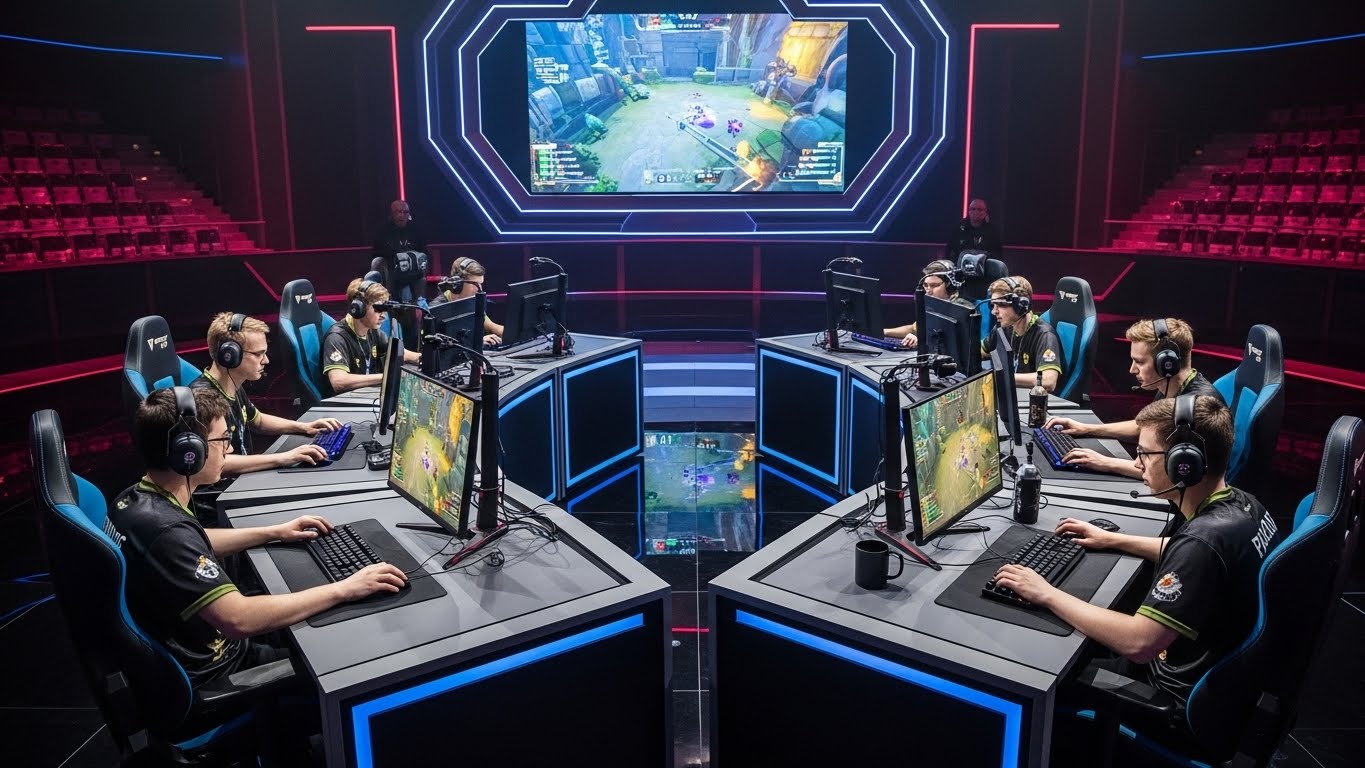
Collaboration and communication are critical components of team-based esports. Games like League of Legends, Dota 2, and Overwatch require players to coordinate strategies, share information, and adapt to changing scenarios in real time. Success depends on trust, leadership, and the ability to handle high-pressure situations. Even individual games emphasize strategic thinking, as players must plan moves, manage resources, and respond dynamically to opponents. The focus on teamwork, communication, and adaptability highlights the real-world skills esports can develop beyond gaming.
The Global Esports Economy
Esports has grown into a billion-dollar industry, generating revenue through sponsorships, merchandise, advertising, tournament prize pools, and streaming. International competitions attract global audiences, creating opportunities for brands to reach millions of viewers. Professional players earn salaries, winnings, and endorsements, establishing esports as a viable career path. Beyond direct revenues, esports drives growth in game development, broadcasting, event management, and content creation. The economic impact of esports demonstrates its significance not just as entertainment, but as a major contributor to the global economy.
Esports in Education and Youth Development
Educational institutions increasingly recognize the value of esports for youth development. Schools and universities offer esports programs, competitive teams, and scholarships, encouraging students to develop leadership, teamwork, and problem-solving skills. Participation in esports also promotes strategic thinking, technical proficiency, and resilience under pressure. Incorporating esports into education provides a balance of academic and practical skill development, preparing students for careers in technology, media, and beyond. For many young players, esports offers exposure to international competition and opportunities that extend far beyond the classroom.
The Cultural Impact of Esports
Esports has created a global community where people from diverse backgrounds connect over shared interests. Online platforms allow players and fans to interact, collaborate, and form friendships across continents. This community fosters inclusivity, creativity, and cultural exchange. Live tournaments and conventions act as communal gatherings, celebrating competitive spirit and shared passion. The cultural significance of esports extends beyond the screen; it influences fashion, music, media, and lifestyle trends, establishing gaming as a central pillar of contemporary digital culture.
Women in Esports: Breaking Barriers
For many years, esports was dominated by male players and audiences, but women are increasingly claiming their space in competitive gaming. Female players, commentators, and developers are gaining recognition, breaking stereotypes, and inspiring future generations. Initiatives promoting inclusivity and gender equality in esports encourage participation and create safe, welcoming environments. The rise of women in esports not only enhances diversity but also strengthens the industry by fostering new perspectives, talent, and ideas.
Health and Wellbeing in Competitive Gaming
While esports offers numerous benefits, it also presents health challenges. Extended screen time, repetitive motions, and intense competition can lead to physical strain, eye fatigue, and mental stress. Professional players prioritize ergonomics, regular exercise, and mental health support to sustain peak performance. Awareness of these issues has increased, prompting teams and organizations to provide wellness programs, sports psychology, and lifestyle guidance. Maintaining health and wellbeing in esports ensures longevity in players’ careers and sets a positive example for aspiring gamers.
The Role of Streaming and Media
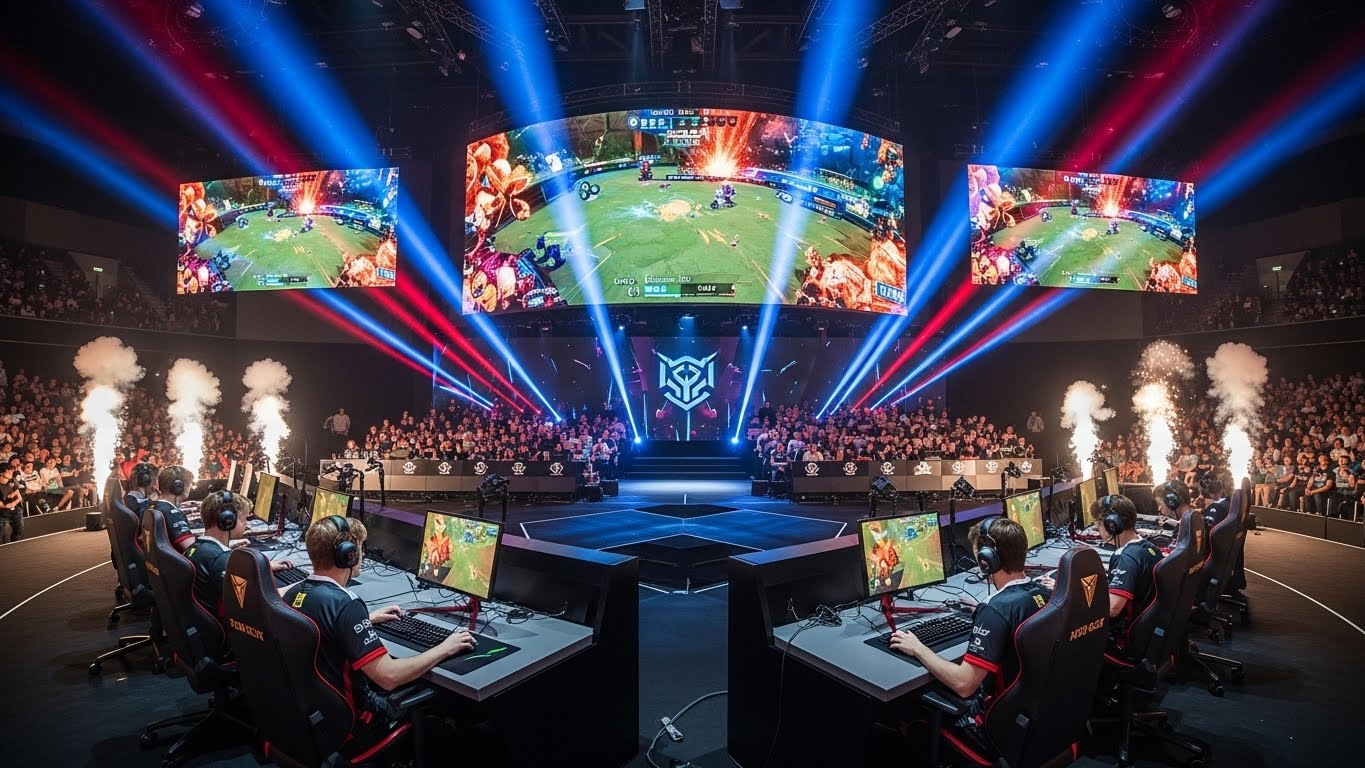
Streaming platforms have revolutionized esports by making competitions accessible to global audiences. Live streaming allows fans to follow matches, engage with players, and participate in interactive experiences. Media coverage amplifies the reach of esports, attracts sponsorships, and enhances visibility for players and events. Content creation, including highlights, tutorials, and commentary, builds fan engagement and supports community growth. The integration of media into esports has transformed competitive gaming into a spectator-driven entertainment industry with global appeal.
Challenges Facing the Esports Industry
Despite its rapid growth, esports faces several challenges. Issues such as cheating, match-fixing, and online harassment threaten the integrity and inclusivity of the industry. The high-pressure environment can cause burnout, mental health struggles, and physical strain among players. Economic reliance on sponsorships and advertising creates financial vulnerability for teams and leagues. Addressing these challenges requires ethical governance, support systems, and regulatory frameworks to ensure sustainable growth and maintain the credibility of esports.
Technology and the Future of Esports
The future of esports will be shaped by technological advancements and innovation. Virtual reality, augmented reality, and artificial intelligence are poised to enhance gameplay, training, and spectator experiences. Mobile gaming and cross-platform competitions are expanding accessibility and participation. Analytics tools and AI-driven coaching are helping players improve performance and strategy. As technology continues to evolve, esports will remain a dynamic and adaptive industry, blending entertainment, skill, and innovation in unprecedented ways.
Conclusion: Esports as a Transformative Force
Esports is more than just competitive gaming; it is a transformative force that shapes culture, economy, and social interaction. It develops cognitive and physical skills, fosters teamwork and communication, and provides professional opportunities for millions of players worldwide. The industry’s growth demonstrates the evolving definition of sport and entertainment, bridging digital innovation with human connection. While challenges exist, esports continues to inspire, engage, and unite communities globally. For players, fans, and creators alike, esports represents a future where passion, skill, and technology converge to redefine the possibilities of competitive entertainment.