 championcast96
Sports have always held a significant place in human civilization. From ancient competitions to modern global events, sports go beyond mere physical activity. They are a reflection of culture, a driver of health and fitness, and a source of entertainment and community bonding. In today’s world, sports influence education, social development, technology, and even economic growth. This article explores the multifaceted role of sports, their societal impact, and their significance in shaping lives across generations.
The Historical Roots of Sports
Sports have been a part of human history for thousands of years. Ancient civilizations like Greece, Rome, Egypt, and China embraced athletic competitions as both entertainment and social practice. In ancient Greece, the Olympic Games celebrated strength, agility, and skill while promoting unity among city-states. Rome introduced gladiatorial contests and chariot races, showcasing courage and strategic ability.
In ancient China, martial arts and traditional games helped individuals develop discipline, coordination, and focus. Across all cultures, early sports were not only a form of leisure but also a means to honor tradition, train warriors, and build community. These origins highlight humanity’s enduring fascination with physical prowess and competition.
The Evolution of Modern Sports
Modern sports emerged with the standardization of rules, the organization of leagues, and the professionalization of athletes. The 19th and 20th centuries witnessed the development of football, cricket, basketball, tennis, and many other sports that are now played worldwide. Technological advancements such as broadcasting and media coverage allowed sports to reach a global audience, transforming them into a form of mass entertainment.
Today, sports are more than recreational activities. They have evolved into professional careers, cultural phenomena, and international spectacles. Events like the FIFA World Cup, the Olympics, and the NBA Finals draw millions of viewers and unite fans from diverse backgrounds.
Physical Benefits of Playing Sports
One of the most obvious advantages of sports is their contribution to physical health. Regular participation in sports enhances cardiovascular fitness, builds muscle strength, improves flexibility, and boosts overall coordination. For children and adolescents, sports help develop motor skills, maintain healthy weight, and instill habits of regular physical activity.
Adults also benefit significantly from sports. Engaging in regular exercise reduces the risk of chronic illnesses such as heart disease, diabetes, and obesity. Sports improve endurance, maintain mobility, and promote healthy lifestyle choices. Whether it is running, swimming, soccer, or martial arts, the physical advantages of sports are indisputable.
Mental and Emotional Benefits
Sports impact mental health as much as physical well-being. Exercise releases endorphins, which reduce stress and elevate mood. Athletes often experience improved concentration, memory, and problem-solving abilities. Participation in sports encourages discipline, resilience, and emotional regulation.
Sports also teach individuals to manage success and failure, an essential skill in life. Winning promotes confidence, while losing teaches humility and perseverance. For many, sports provide a positive outlet for stress, a sense of achievement, and personal satisfaction.
Teamwork and Social Development
Sports are powerful tools for social growth. Team sports such as soccer, basketball, and volleyball foster communication, collaboration, and mutual respect. Players learn to work together toward a common goal, which translates into improved interpersonal skills outside the sports arena.
Even individual sports like tennis or swimming teach valuable social skills. Athletes interact with coaches, mentors, and competitors, developing a sense of camaraderie and healthy competition. Sports create communities, bring people together, and strengthen social bonds, highlighting the importance of teamwork in personal development.
Sports in Education
Educational institutions worldwide recognize the importance of sports in shaping well-rounded individuals. Schools and colleges integrate sports programs to promote physical fitness, character development, and social interaction. Participation in sports can improve academic performance by enhancing focus, discipline, and time management.
Scholarships for talented athletes provide opportunities for higher education, creating pathways to success beyond the sports field. In addition, inter-school and inter-college competitions build school spirit, encourage healthy rivalry, and create opportunities for leadership and personal growth.
Global Impact of Sports
Sports transcend cultural and geographical boundaries. International competitions like the Olympics and FIFA World Cup unite fans across the world, promoting cultural exchange and understanding. Sports can act as a universal language, bridging differences and fostering connections among diverse communities.
Different regions have their own traditional sports that shape national identity and pride. Cricket in India, soccer in Brazil, ice hockey in Canada, and sumo wrestling in Japan are more than games; they are cultural symbols. Sports have the power to reflect and influence society, reinforcing shared values and collective identity.
Economic Contributions of Sports
Sports are a significant contributor to global and local economies. Professional leagues, tournaments, and events generate revenue through ticket sales, merchandise, broadcasting rights, and sponsorships. Major events boost tourism, hospitality, and local businesses, creating employment opportunities and stimulating economic activity.
The sports industry encompasses careers beyond athletes, including coaches, referees, medical professionals, event organizers, and marketing specialists. Amateur sports and community leagues also support local economies, emphasizing sports as a driver of economic growth and opportunity.
Technology in Sports
Advancements in technology have transformed sports in multiple ways. Video analysis, wearable devices, and performance tracking improve athlete training and performance. Virtual reality and augmented reality provide immersive experiences for both players and fans, enhancing engagement and skill development.
Broadcasting technology allows fans to follow live events in real-time, while social media platforms connect global audiences and enable interactive fan participation. Technology ensures that sports continue to evolve, offering improved experiences for athletes and spectators alike.
Sportsmanship and Ethics
Sportsmanship is a fundamental value in all athletic endeavors. Fair play, respect for opponents, and ethical conduct ensure that competition remains meaningful and enjoyable. Sports teach athletes to handle success and failure with grace, making them role models for society.
However, the industry faces challenges such as doping, cheating, and corruption, which undermine the integrity of sports. Promoting ethical behavior, enforcing rules, and instilling values in young athletes are crucial for maintaining the credibility and positive impact of sports.
Challenges in Modern Sports
Despite its popularity, sports face several challenges. Gender inequality, lack of access to facilities, and financial barriers can prevent individuals from participating. Injuries, burnout, and mental health concerns are common issues for professional athletes.
The commercialization of sports also raises concerns about prioritizing profit over fair competition and athlete well-being. Addressing these challenges is essential for ensuring that sports remain inclusive, safe, and beneficial for all participants.
The Role of Sports in Community Building
Sports play a vital role in strengthening communities. Local leagues, school teams, and recreational clubs provide spaces for social interaction, teamwork, and community pride. Sports events encourage collective participation, volunteerism, and local engagement.
Athletes often inspire young people, fostering a sense of aspiration and motivation. Community sports programs also promote health, discipline, and social cohesion, highlighting the broader societal benefits of athletic participation.
The Future of Sports
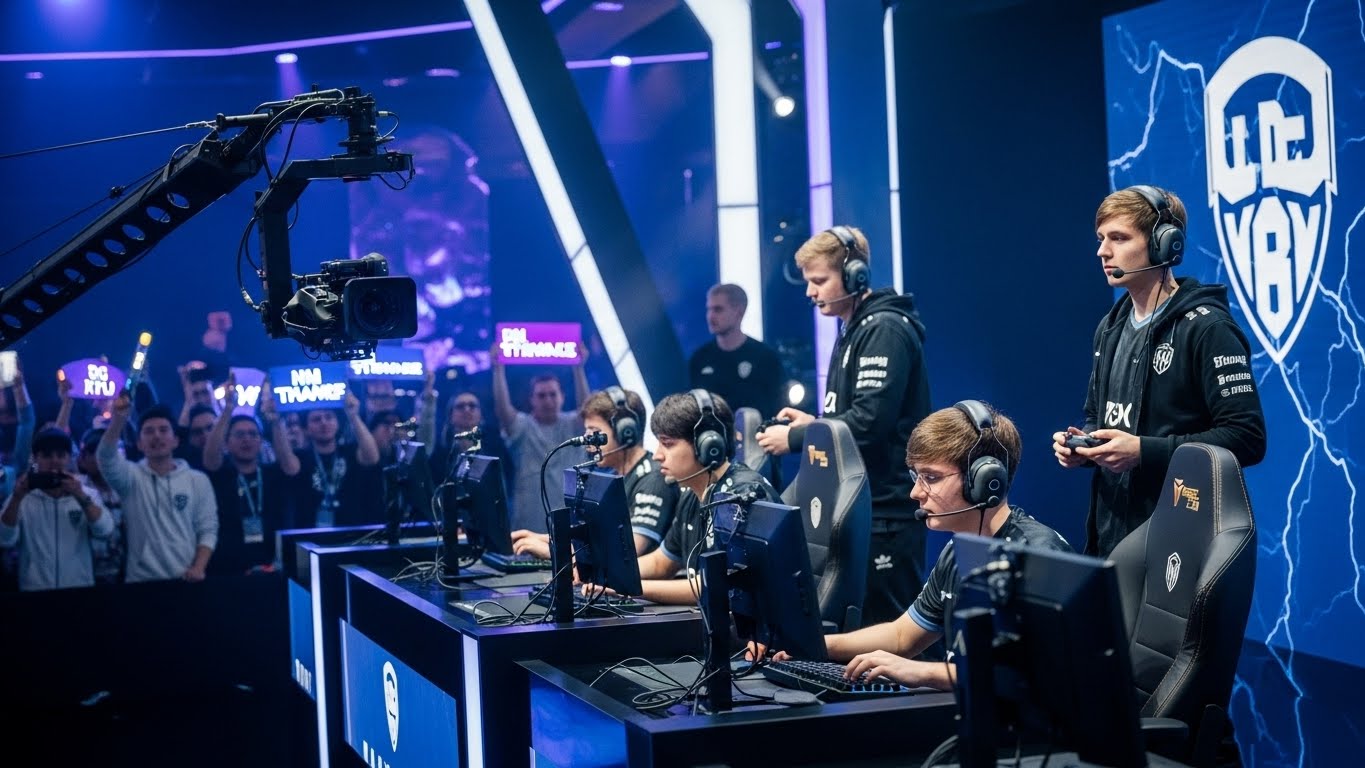
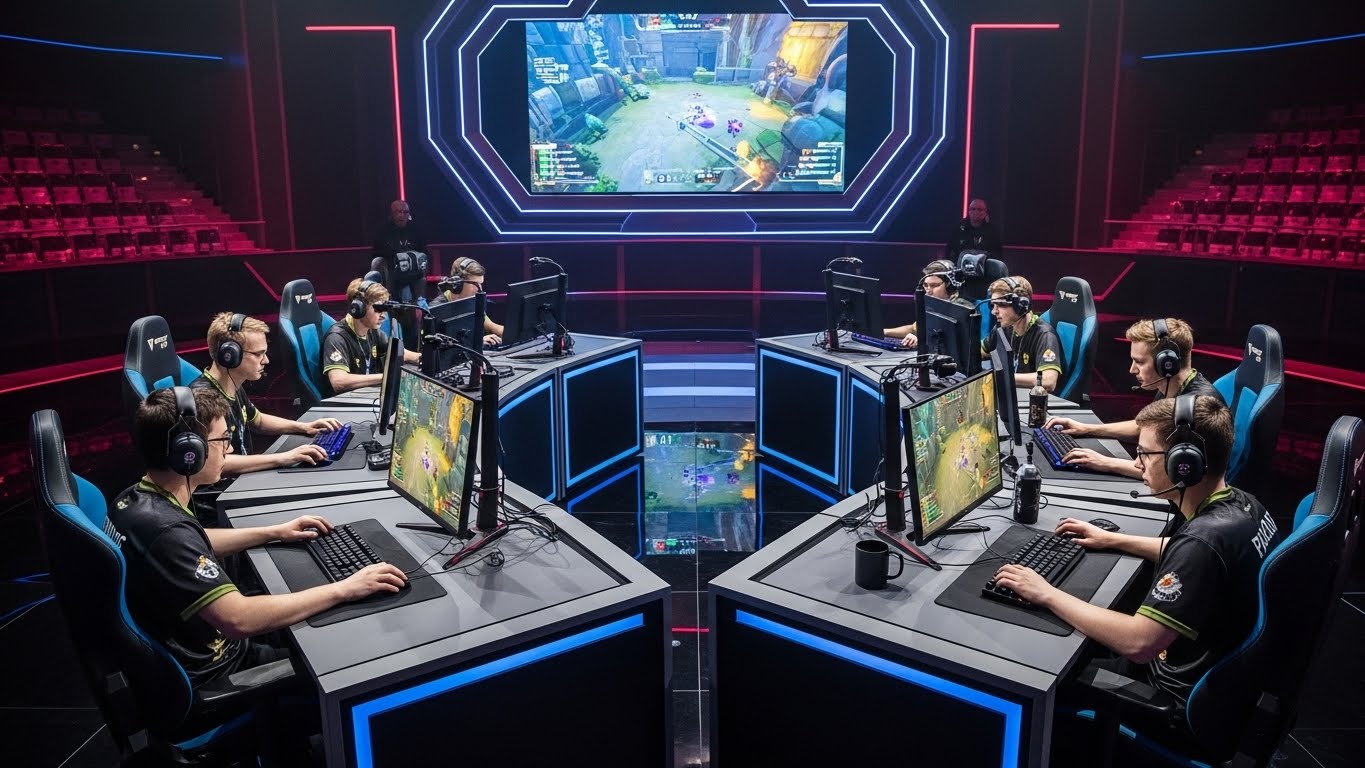
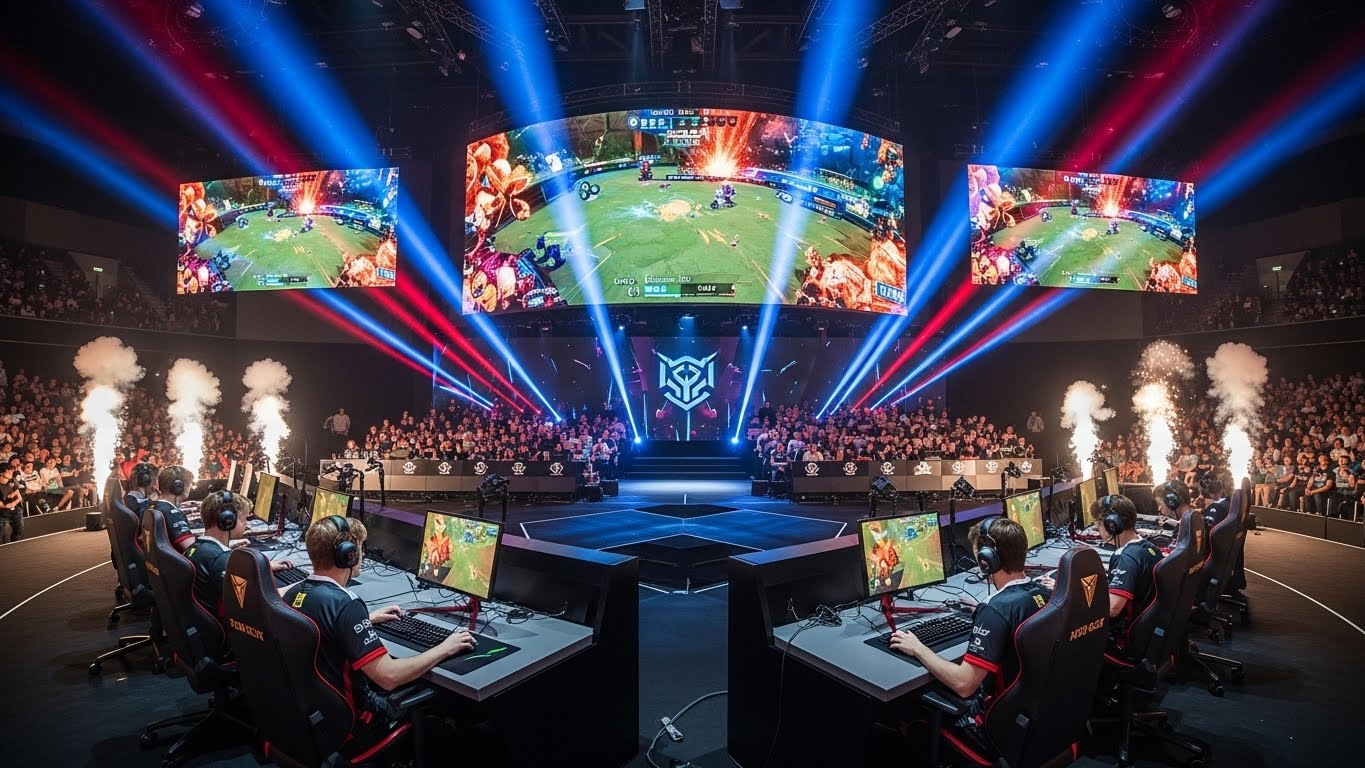
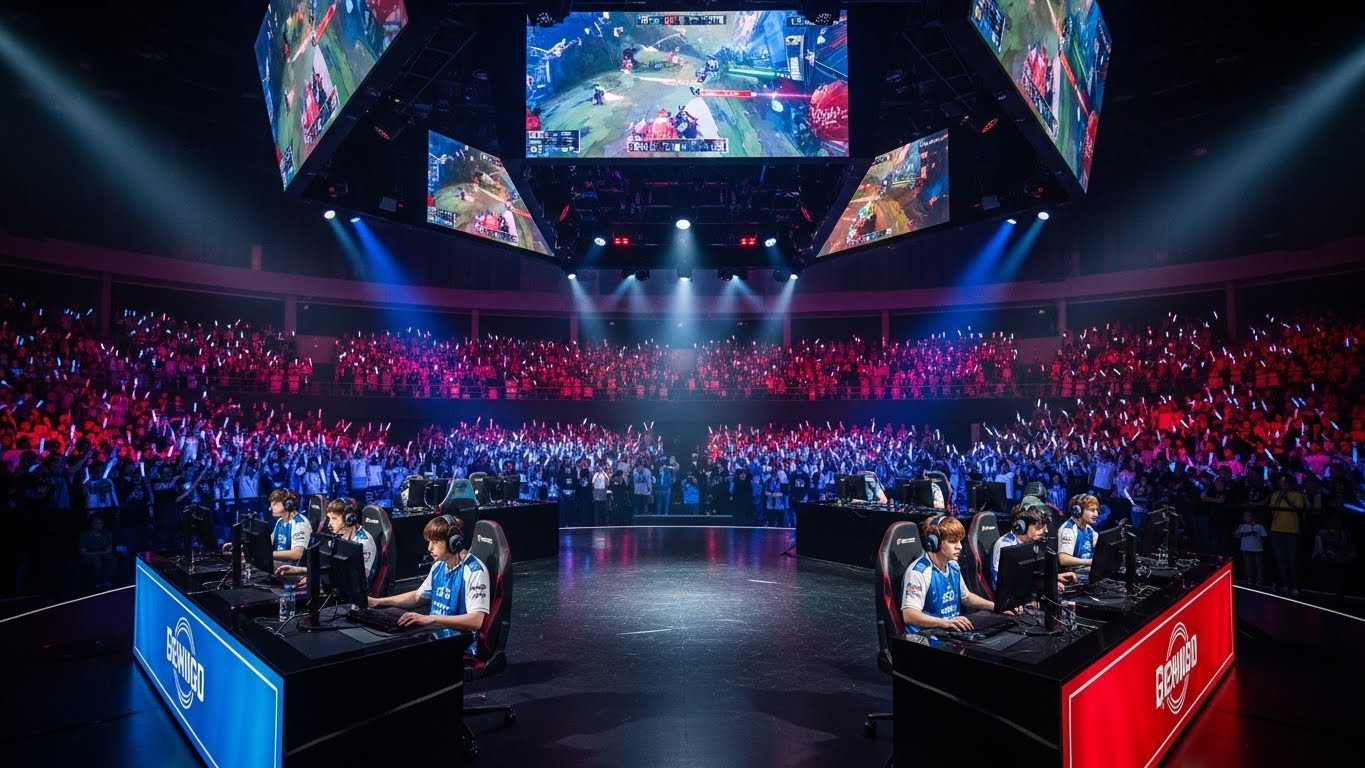
The future of sports promises continued growth and innovation. Emerging technologies such as virtual reality, artificial intelligence, and advanced analytics will enhance athlete training, fan experiences, and sports management. eSports and digital competitions are rapidly expanding, merging traditional athletics with modern gaming culture.
Sports will continue to influence culture, education, and society, emphasizing physical fitness, teamwork, and ethical competition. Global collaboration, technological innovation, and social engagement will shape a future where sports remain a cornerstone of human life.
Conclusion
Sports are much more than games or physical activities; they are a reflection of human spirit, culture, and community. They promote physical health, mental resilience, social development, and global unity. From grassroots initiatives to international competitions, sports influence individuals and society in profound ways.
As technology and global connectivity continue to advance, sports will remain a vital part of human life, inspiring generations, creating economic opportunities, and fostering shared experiences. Beyond the thrill of competition, sports teach invaluable life lessons about discipline, perseverance, teamwork, and ethics.
The enduring power of sports lies in their ability to unite, inspire, and transform. They are a celebration of human potential, a source of joy and pride, and a testament to the timeless bond between play, competition, and community.