 championcast96
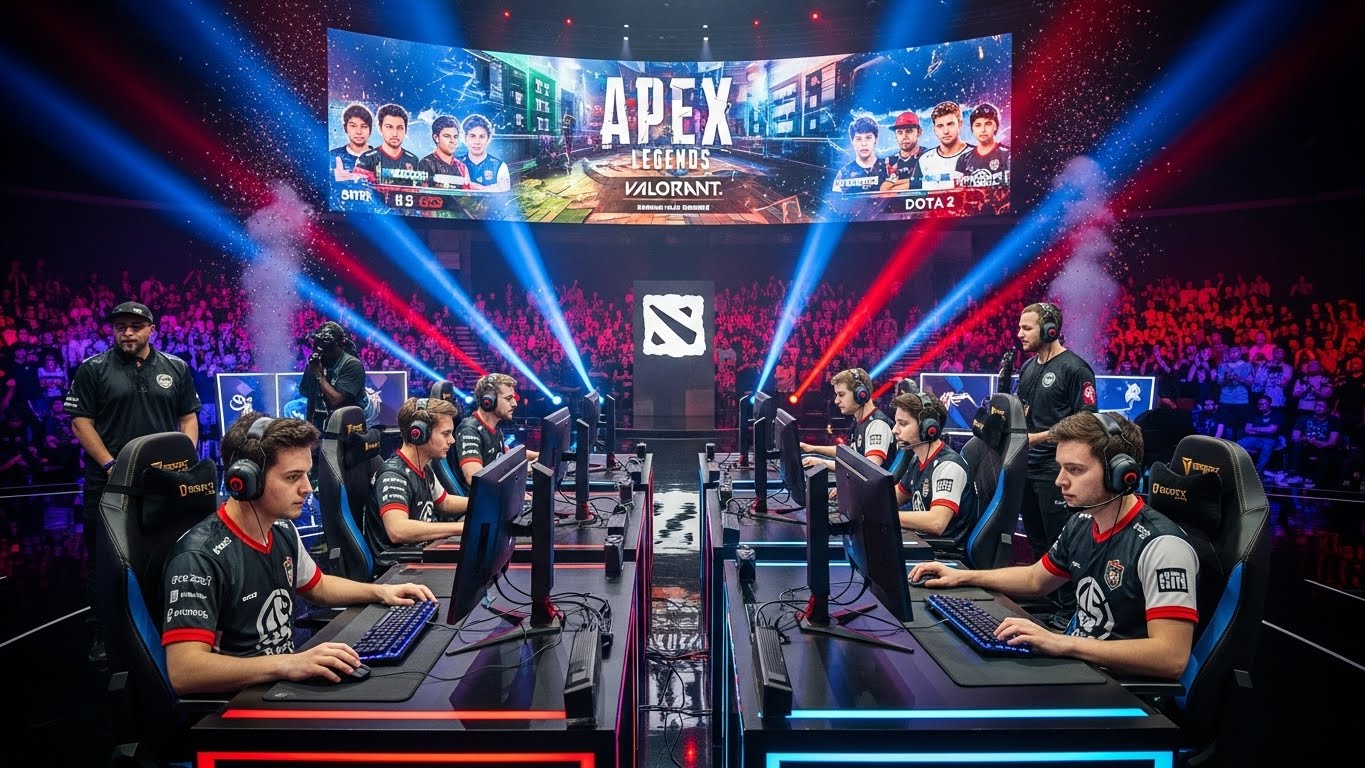
Esports, or electronic sports, has become a global phenomenon over the past decade, evolving from a niche subculture to a mainstream industry that commands attention from millions of viewers, sponsors, and investors alike. What was once seen as a mere hobby for gamers has transformed into a multi-billion-dollar ecosystem. Esports encompasses a wide variety of competitive video games, from first-person shooters (FPS) to real-time strategy (RTS) and multiplayer online battle arena (MOBA) games. Whether it’s watching the intense action of League of Legends or the tactical depth of Counter-Strike, esports has solidified its place in the entertainment world.
In this blog post, we will explore the world of esports—its origins, its growth, the key players, and what the future holds for this exciting and ever-expanding industry.
The Origins of Esports
The concept of competitive gaming dates back to the early days of video games themselves. The first esports tournaments emerged in the late 20th century, when gaming was still considered a niche pastime. However, it wasn’t until the 2000s that esports began to gain traction.
In 1997, one of the earliest professional tournaments was held for the popular game StarCraft, a real-time strategy game developed by Blizzard Entertainment. StarCraft became a cultural phenomenon, especially in South Korea, where it fueled the creation of a nationwide esports scene. The rise of StarCraft laid the foundation for professional gaming, inspiring players and fans alike to take gaming competitions more seriously.
In the early 2000s, the advent of online multiplayer games such as Warcraft III, Counter-Strike, and Quake helped build a community around esports. Gaming clans and teams began forming, creating the early structure for professional esports leagues. These games helped introduce the concept of competitive gaming on a larger scale, laying the groundwork for what we know today as esports.
The Explosion of Esports in the 2010s
While esports had a modest following in its early years, it wasn’t until the 2010s that the industry truly exploded in popularity. Several factors contributed to this sudden rise, including the growth of live streaming platforms, the global accessibility of high-speed internet, and the increasing professionalization of esports leagues and teams.
One of the most significant milestones in esports during this period was the creation of platforms like Twitch and YouTube Gaming, which allowed players to broadcast their gameplay to millions of viewers. Twitch, in particular, became a central hub for esports content, where fans could watch professional players compete in real-time, engage in live chats, and learn from the best in the world.
The growth of these platforms made esports more accessible to a wider audience. Major events, such as The International (for Dota 2) and League of Legends World Championship, started to attract millions of viewers and boast prize pools in the tens of millions of dollars. These competitions became global events, attracting not only passionate fans but also advertisers, sponsors, and media networks eager to capitalize on the growing esports market.
The Professionalization of Esports
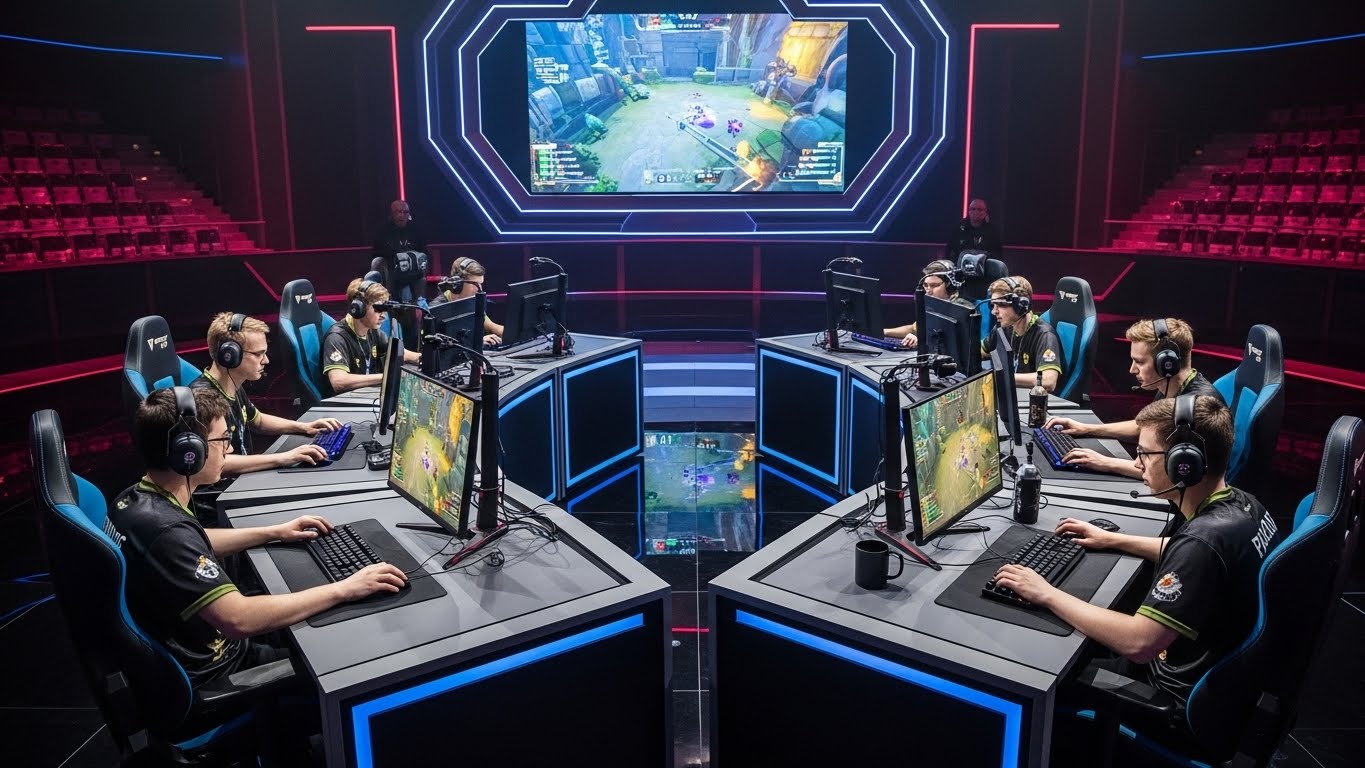
One of the most significant developments in the esports industry has been its professionalization. As esports grew, it became clear that the talent and dedication required to succeed in competitive gaming was on par with traditional sports. Players began to be treated like athletes, with teams hiring coaches, analysts, and managers to help them improve their performance.
Esports organizations such as Team Liquid, Cloud9, T1, and FaZe Clan became household names in the gaming community, recruiting top-tier players and offering them professional contracts. These organizations not only provided players with the resources they needed to succeed but also created training facilities, support staff, and sponsorship deals to ensure that their teams had everything they needed to compete at the highest level.
Furthermore, the rise of esports has led to the creation of college and university-level esports programs. In the United States, universities like the University of California, Irvine, and the University of Washington have built esports arenas and offer scholarships for competitive gamers. This move has helped legitimize esports as a career path and provided players with educational opportunities alongside their professional gaming endeavors.
The Business of Esports
As esports transitioned from an underground subculture to a legitimate business, it attracted major investments from companies outside the gaming industry. Traditional sports franchises, such as the Dallas Cowboys and New York Yankees, began to invest in esports teams, recognizing the potential of the sector to generate significant revenue.
Sponsors and advertisers, including giants like Coca-Cola, Intel, and Nike, started to pour money into esports events, teams, and players. Major gaming hardware companies like Razer, Alienware, and Logitech also capitalized on the growing demand for gaming peripherals, sponsoring players and events to expand their brand reach.
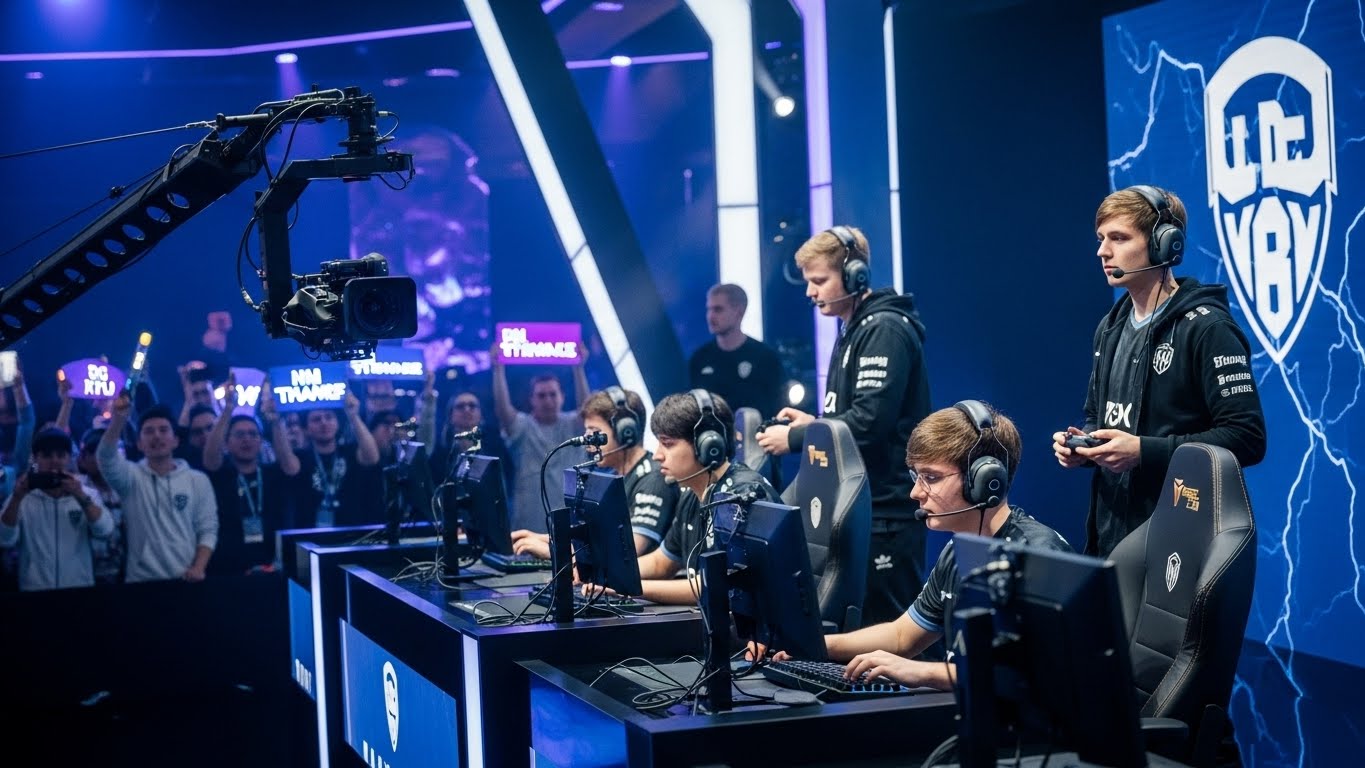
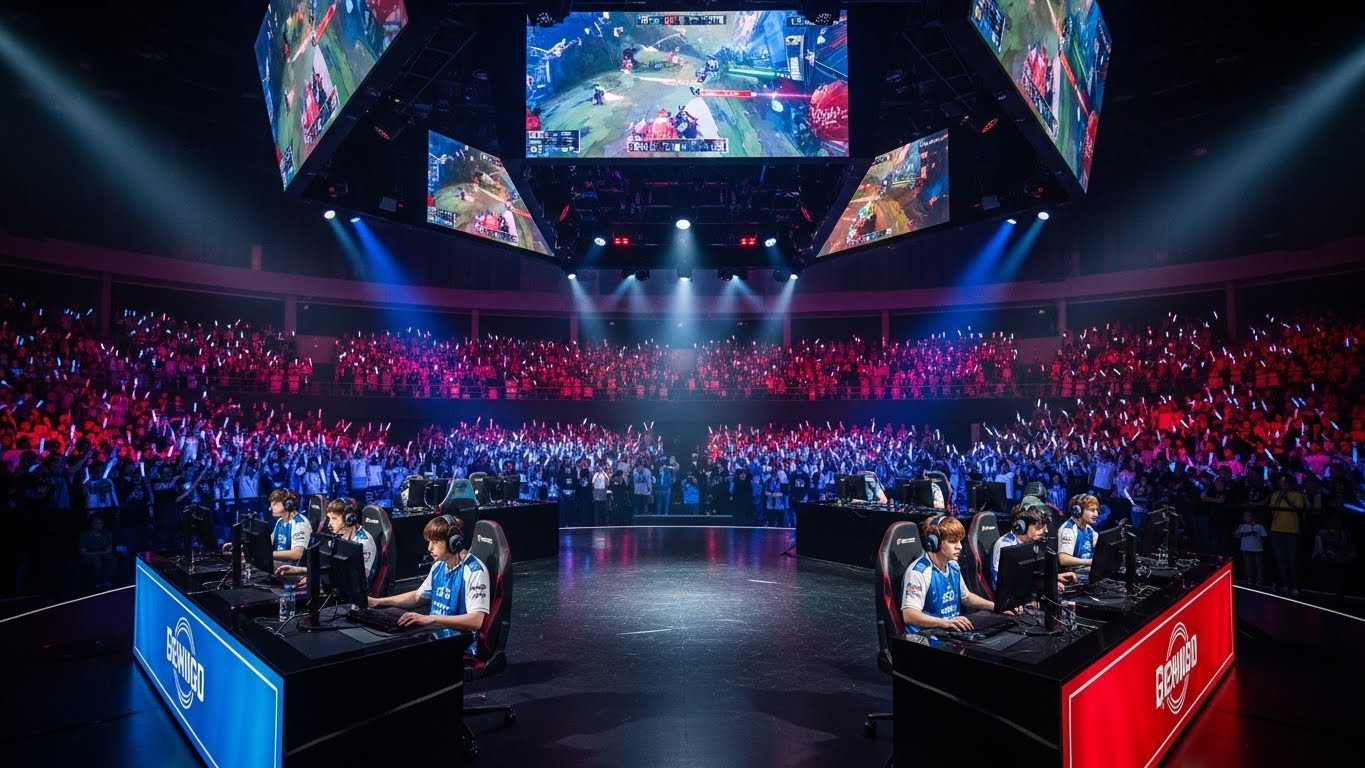
One of the most lucrative aspects of esports is its live events. These tournaments, often broadcasted live to millions of viewers, generate revenue through ticket sales, broadcasting rights, sponsorships, and merchandise. For example, The International—the annual Dota 2 championship—has amassed prize pools that surpass $30 million, with much of that money coming from fans through crowdfunding efforts. This unprecedented level of fan engagement and investment showcases just how passionate the esports community has become.
The Global Nature of Esports
Another important factor in the rise of esports is its global appeal. Unlike traditional sports, where geographic boundaries often limit participation and viewership, esports can be enjoyed by people from all corners of the globe. Thanks to the internet and the accessibility of online gaming platforms, anyone with a computer or console can compete in esports, regardless of their location.
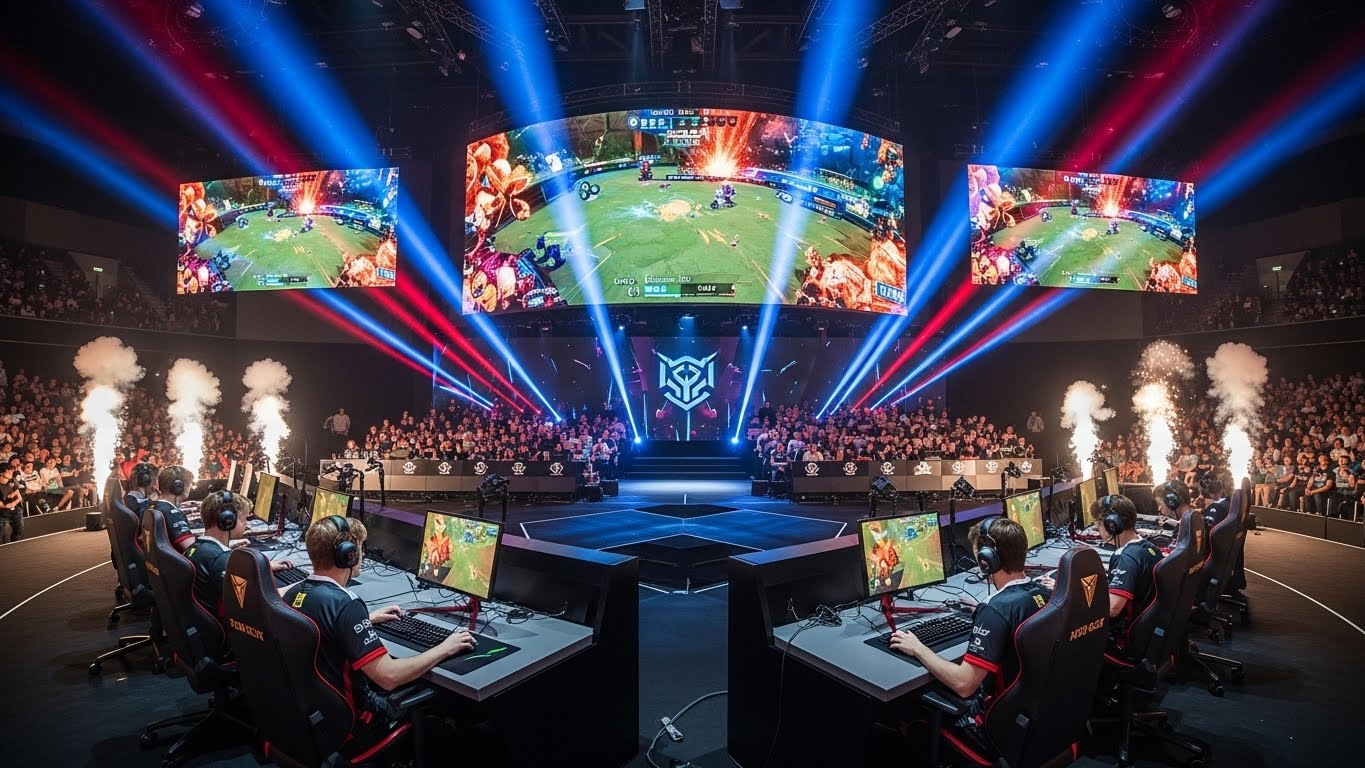
This global reach has led to the creation of international esports tournaments where teams from different countries face off against each other. Major tournaments like The League of Legends World Championship, The International, and CS:GO Major Championships attract players and teams from around the world, showcasing the international nature of competitive gaming.
In some countries, such as South Korea and China, esports has reached the level of a national sport. These nations have invested heavily in esports infrastructure, creating stadiums, training centers, and government programs to support players. South Korea, in particular, has been at the forefront of this movement, with its esports scene being deeply embedded in the culture. The country has even produced some of the most legendary players in esports history, including Faker from League of Legends and Oov from StarCraft.
The Future of Esports
As we look to the future, there is no doubt that esports will continue to grow and evolve. With new technologies emerging, such as virtual reality (VR) and augmented reality (AR), the possibilities for esports are limitless. These technologies could revolutionize the way games are played and viewed, creating more immersive experiences for both players and spectators.
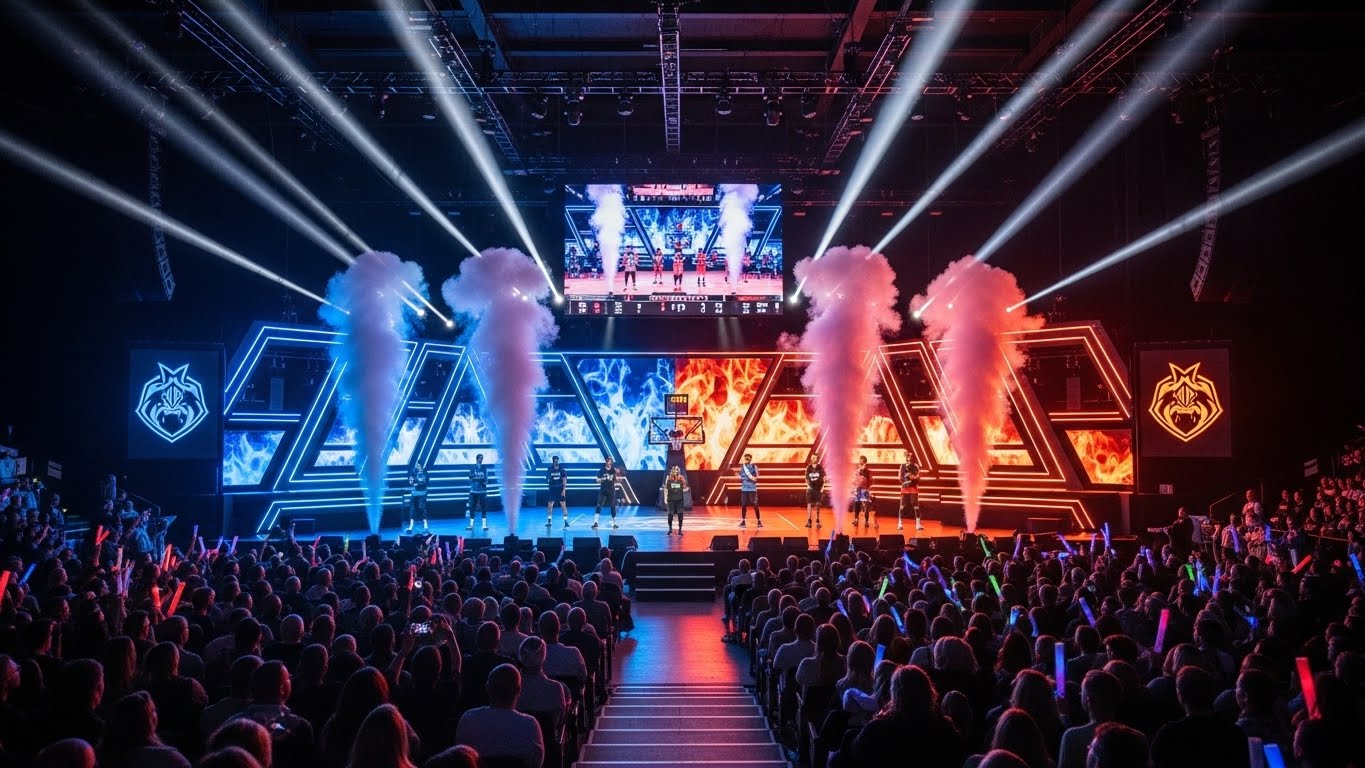
Esports is also likely to continue its path toward mainstream recognition, with traditional sports leagues like the NBA and NFL exploring partnerships with esports organizations. In fact, the NBA 2K League, an esports league centered around the popular NBA 2K video game, is already a prime example of how traditional sports and esports are converging.
Additionally, esports will continue to be a significant part of the entertainment landscape, attracting more sponsorships, television deals, and media coverage. Esports could eventually become as mainstream as traditional sports, with professional leagues, national teams, and international championships becoming household names.
Conclusion
Esports has come a long way from its humble beginnings as a niche hobby. Today, it is a global industry that generates billions of dollars in revenue, attracts millions of viewers, and provides professional opportunities for players around the world. Whether you’re a casual gamer or a dedicated fan, the rise of esports is something to be celebrated.
As the industry continues to grow, it will be exciting to see how new technologies, media partnerships, and business strategies further shape the esports landscape. One thing is certain: esports is here to stay, and its influence will only continue to expand in the coming years. From online streaming platforms to international tournaments, esports has become a cultural force that is transforming the way we think about gaming, competition, and entertainment.