 championcast96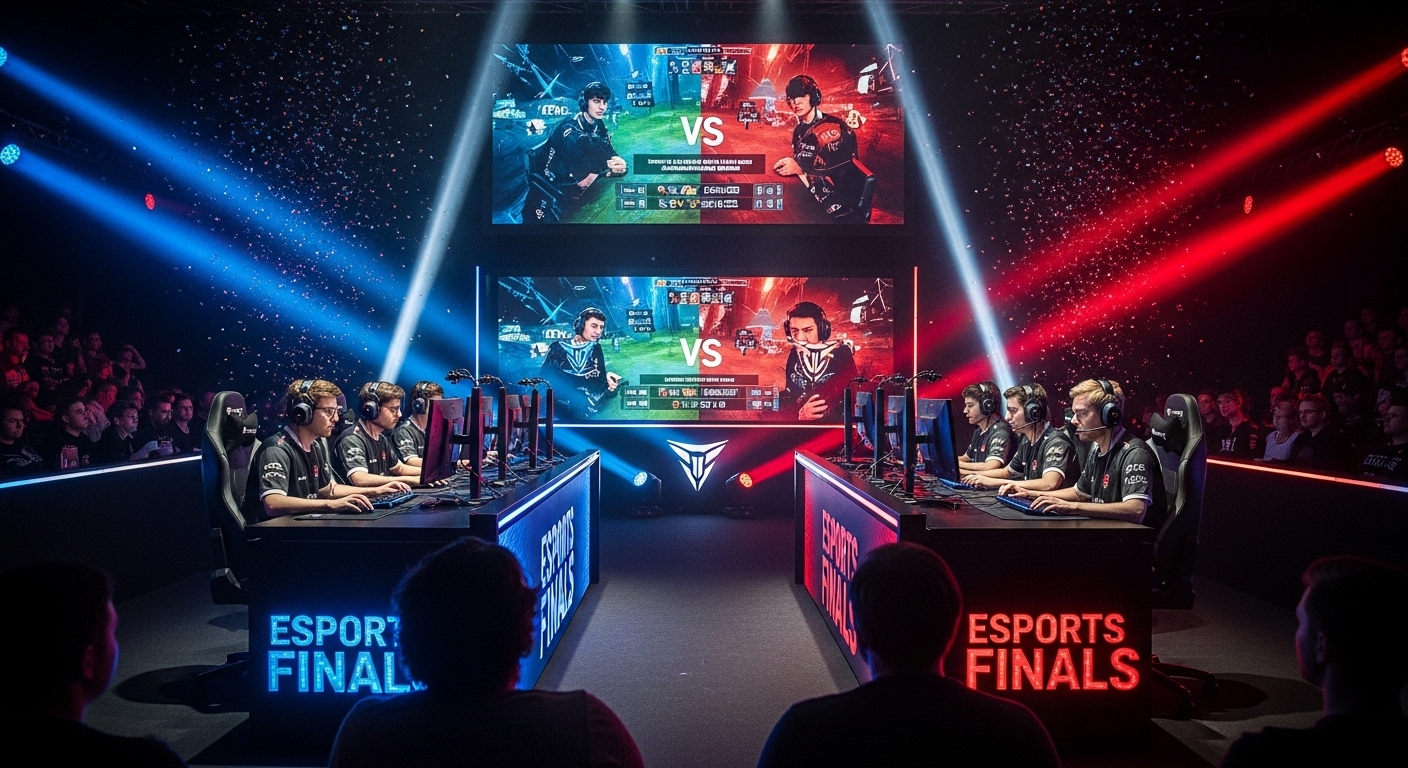
Esports, or electronic sports, has evolved from a niche hobby to a multi-billion-dollar global industry. What started as small, localized competitions between gamers has now become a cultural phenomenon, with professional leagues, global tournaments, and a dedicated fanbase. In this blog post, we’ll explore the rise of esports, its impact on gaming culture, the economics behind it, and its future.
The Origins of Esports
Esports has its roots in the early days of video gaming. The first official gaming competition took place in 1972, with the “Intergalactic Spacewar Olympics” at Stanford University. The game being played was Spacewar, a simple yet revolutionary arcade game. Fast forward to the 1990s, and gaming started to take a more competitive turn with titles like Quake and StarCraft. These games gave rise to the first major tournaments, where players from around the world could compete for prestige and small prizes.
The emergence of the internet in the late 1990s and early 2000s was a game-changer. It allowed for online multiplayer gaming, which in turn led to a more global community. Players could now compete in real-time, from anywhere in the world. This sparked the creation of major esports leagues and tournaments, such as the World Cyber Games (WCG) and the Electronic Sports World Cup (ESWC), which paved the way for the esports industry we know today.
The Growth of Competitive Gaming
Esports truly began to take off in the 2010s. Games like League of Legends, Dota 2, and Counter-Strike: Global Offensive became the foundation of competitive gaming. These games were not only popular among players but also among spectators, as their strategic depth and skill ceiling attracted fans from all corners of the globe.
One of the key factors that fueled this rise was the increase in streaming platforms. In 2011, Twitch was launched, allowing gamers to stream their gameplay to a global audience. This was a game-changer for esports, as it provided an accessible platform for gamers to showcase their skills and for fans to follow their favorite players and teams. The ease of access to esports content through streaming brought the competition directly to viewers, creating an entirely new way to experience the action.
The development of esports leagues further accelerated its growth. Riot Games, the developer of League of Legends, pioneered the professionalization of esports with the launch of the League of Legends Championship Series (LCS) in 2013. The LCS introduced a structured, season-long format that mimicked traditional sports leagues, with regular-season matches, playoffs, and finals. Other developers followed suit, with Blizzard launching the Overwatch League and Valve creating The International for Dota 2. These leagues provided a more consistent and professional platform for players and teams to showcase their skills.
The Esports Ecosystem
The esports industry is vast and encompasses a variety of elements, all of which contribute to its continued growth.
1. Professional Teams and Players
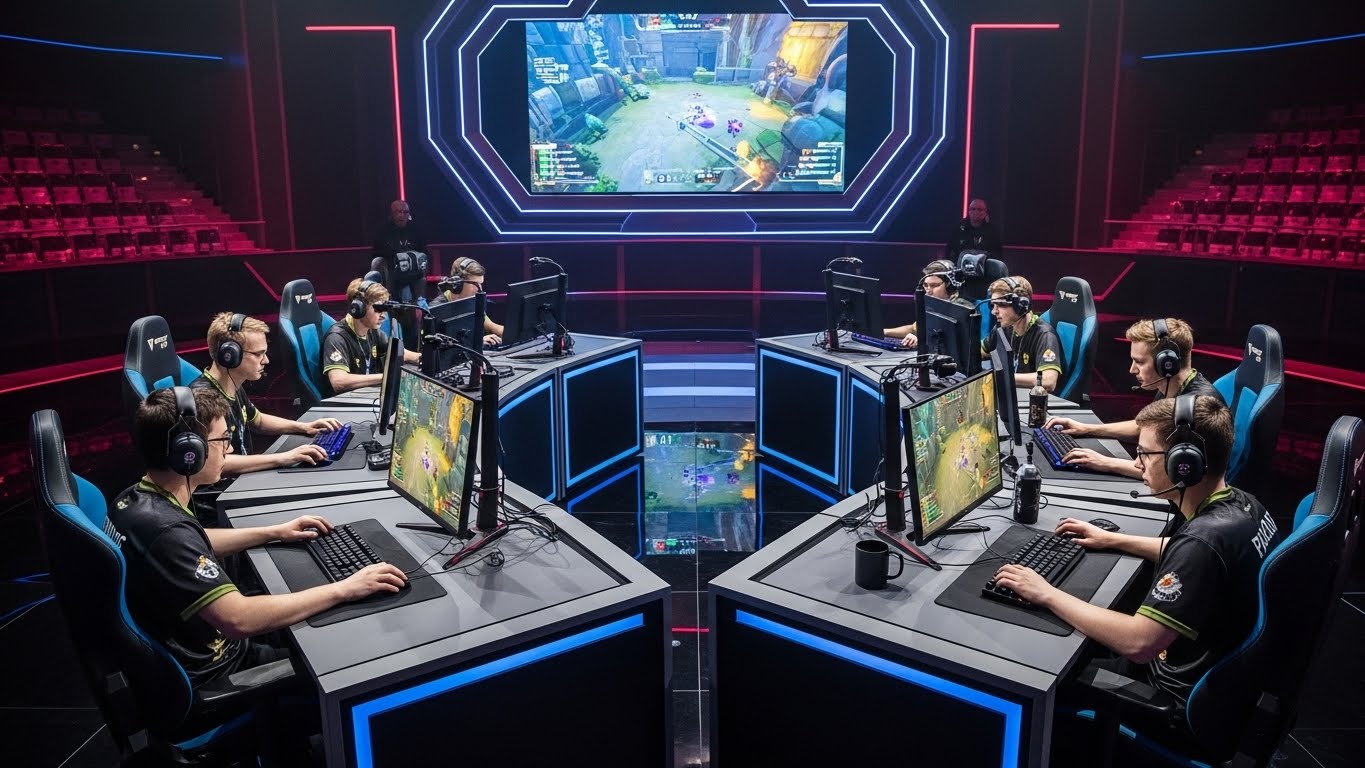
At the heart of esports are the players themselves. These highly skilled individuals train for hours every day, mastering their craft and competing for significant prize pools. Esports players, especially in games like League of Legends, Dota 2, and Fortnite, can earn substantial salaries, which often include winnings from competitions, sponsorships, and endorsements.
Teams also play a crucial role in the success of the industry. Many esports teams are backed by major brands and organizations, and they often feature players from all around the world. These teams not only compete but also engage with their fans through social media, content creation, and other forms of digital media. Teams such as Cloud9, Fnatic, and Team Liquid have become household names in the esports world, and their players are considered celebrities in the gaming community.
2. Tournaments and Events
Esports tournaments are the lifeblood of the competitive gaming scene. These events draw thousands of spectators both online and in person. The prize pools for major tournaments can be staggering. For example, the prize pool for Dota 2’s International 2021 reached a whopping $40 million, with the winning team, Team Spirit, taking home over $18 million.
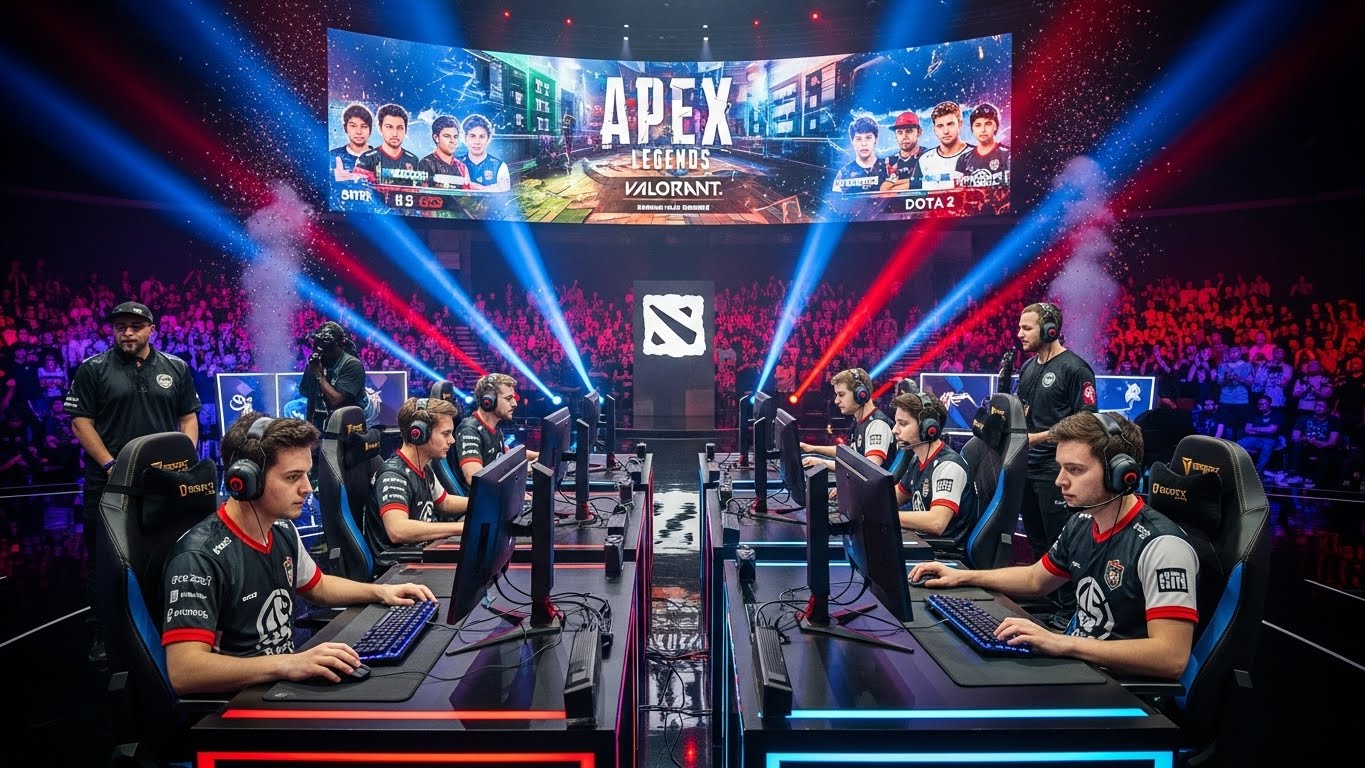
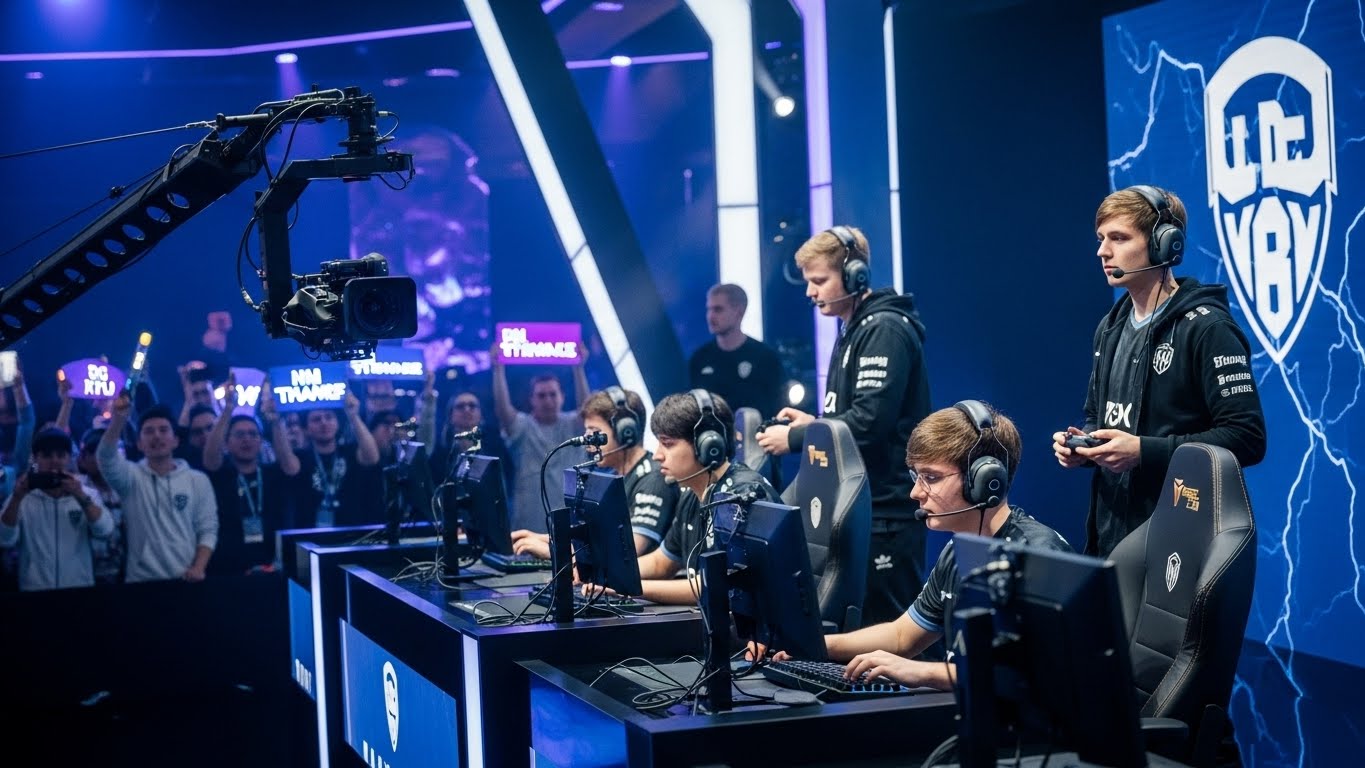
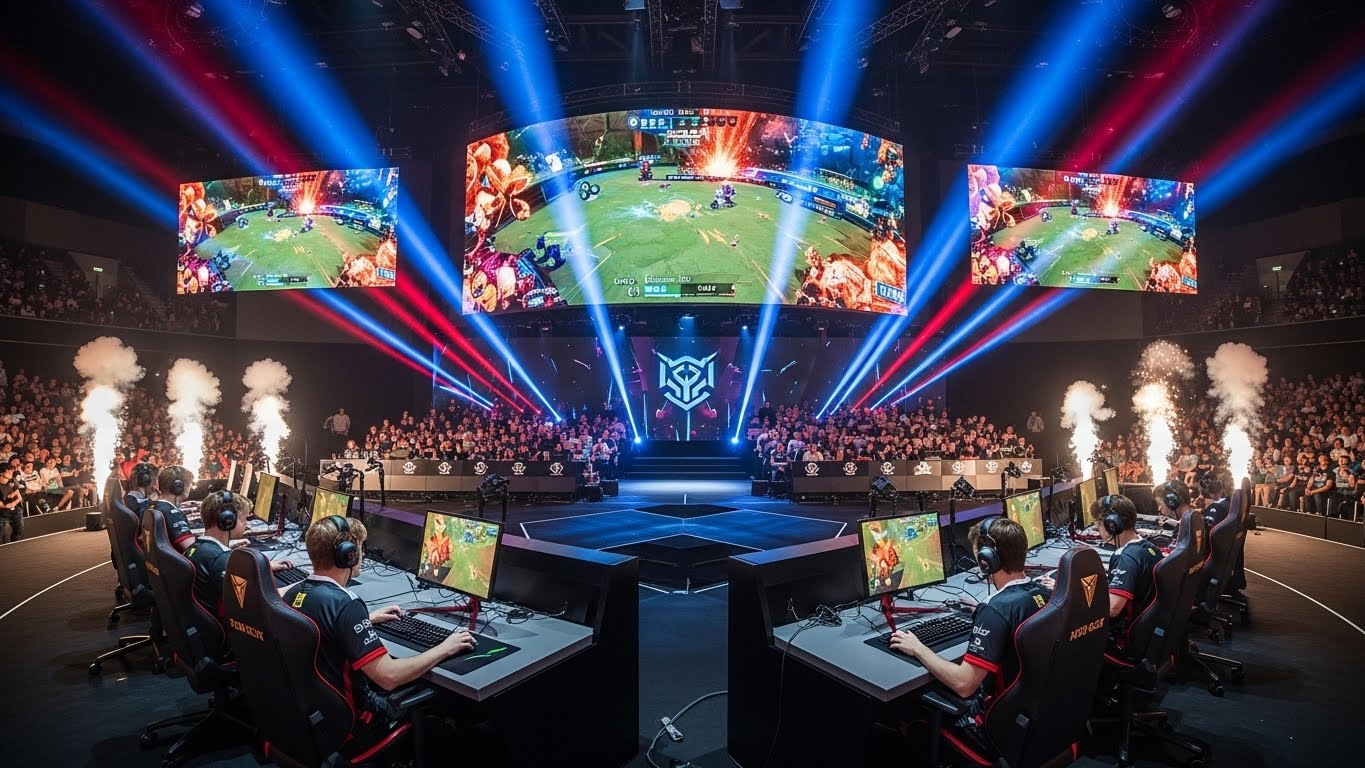
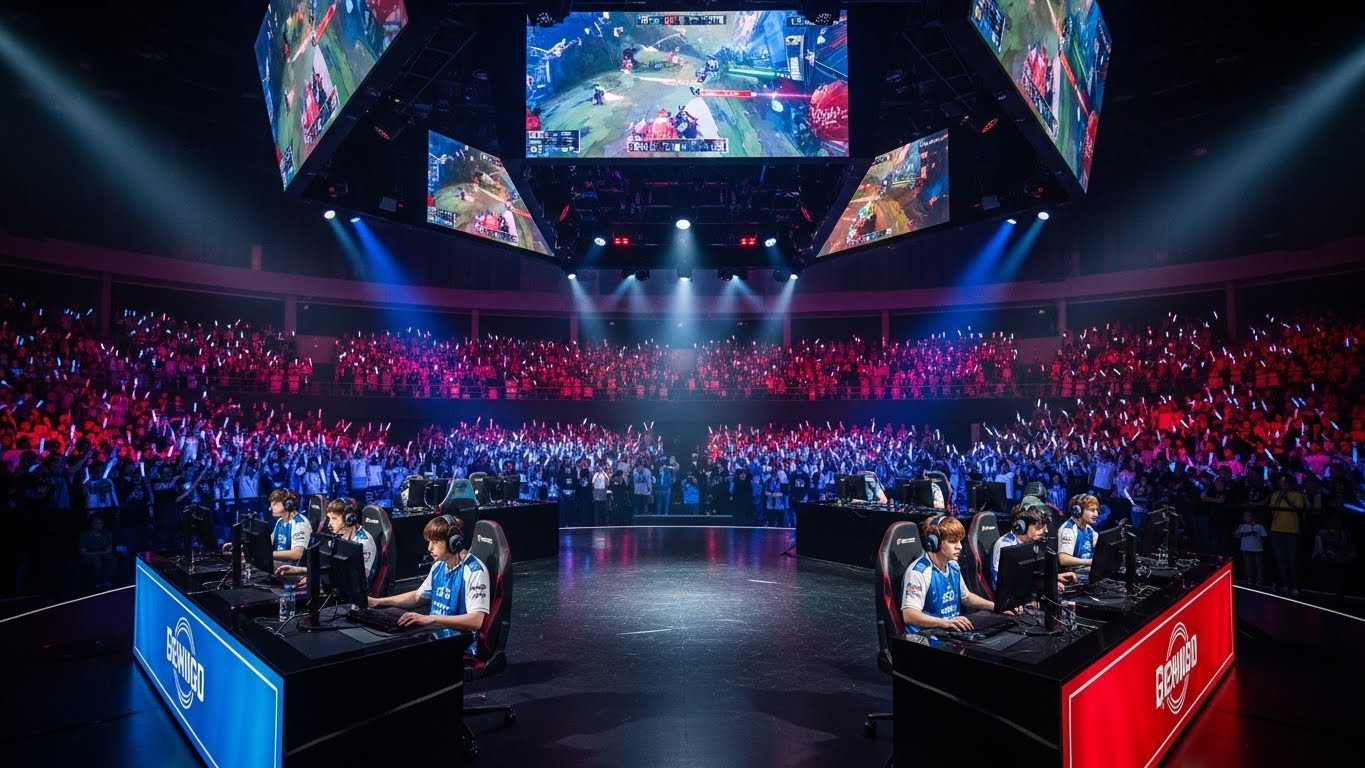
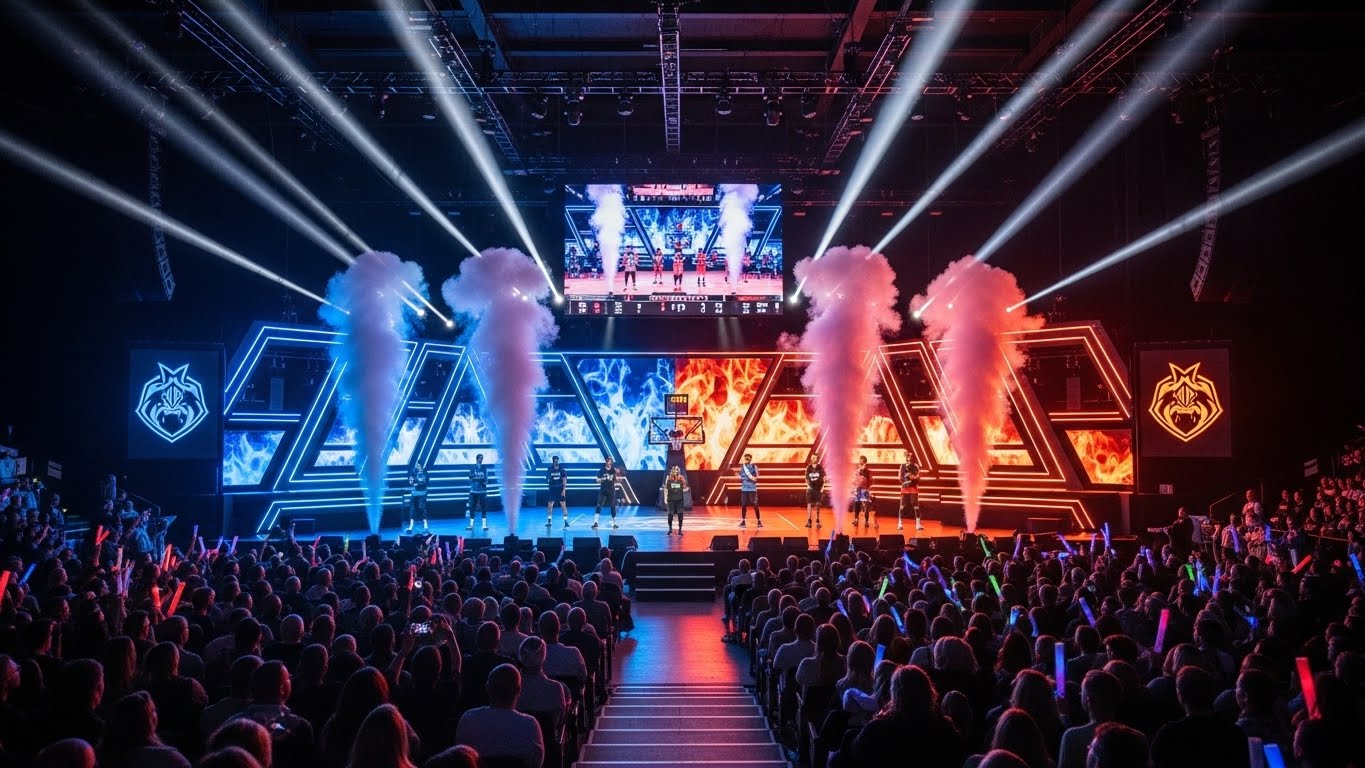
Tournaments like The International, the League of Legends World Championship, and CS:GO Major Championships have become yearly fixtures in the esports calendar. These events often take place in large arenas, with crowds of passionate fans cheering on their favorite players and teams. The atmosphere at these events is comparable to that of traditional sports, with live commentary, in-game analysis, and even opening ceremonies.
3. Sponsorships and Partnerships
The financial side of esports has seen dramatic growth in recent years. As the popularity of esports has risen, so too has its appeal to corporate sponsors. Major brands like Coca-Cola, Intel, and Red Bull have all invested heavily in esports, seeing the industry as a valuable marketing platform. Sponsorship deals can include everything from logo placements on jerseys and in-stream ads to partnerships with esports leagues and tournaments.
The partnership between esports and traditional sports has also become more common. Basketball teams like the Golden State Warriors and the Philadelphia 76ers have invested in esports organizations, while sports media outlets like ESPN and Fox Sports have begun broadcasting esports events. This fusion of the gaming and sports worlds has helped validate esports as a legitimate form of entertainment.
4. Streaming and Content Creation
Streaming platforms like Twitch, YouTube Gaming, and Facebook Gaming have become an integral part of the esports ecosystem. These platforms allow players to stream their gameplay live, interact with fans, and build a dedicated following. In some cases, esports players and content creators can earn significant income through subscriptions, donations, and ad revenue. Some popular streamers, such as Ninja and Shroud, have made millions of dollars from their content alone.
Moreover, these platforms serve as a means of connecting fans with their favorite players and teams. Fans can watch their idols play live, communicate with them through chat, and even participate in giveaways and competitions. The growth of streaming has democratized esports, making it accessible to a wider audience than ever before.
5. Esports Media
The rise of esports has also led to the creation of specialized media outlets. Websites, podcasts, and YouTube channels dedicated to covering esports news, tournaments, and player profiles have flourished in recent years. Media companies like ESL, DreamHack, and the Overwatch League produce content that keeps fans engaged and informed about the latest developments in the esports world. This media ecosystem helps build the narrative around esports, further promoting its legitimacy and growing appeal.
Esports and Its Impact on Gaming Culture
Esports has not only transformed the gaming industry but has also had a significant impact on gaming culture. Competitive gaming has become more inclusive, with players from diverse backgrounds competing on equal footing. Many esports games allow players of different skill levels to participate, with ranked matchmaking systems that ensure a fair and competitive experience for all.
Moreover, esports has led to the rise of new subcultures within the gaming community. From cosplay and fan art to streaming communities and fan meetups, esports has given birth to a rich and vibrant culture that spans beyond the games themselves. Esports events have also become social gatherings, where fans can meet their favorite players and connect with like-minded individuals who share their passion for gaming.
The Future of Esports
The future of esports looks incredibly promising. As technology continues to advance, so too will the quality of esports experiences. Virtual reality (VR) and augmented reality (AR) are poised to revolutionize the way we experience esports. VR esports, for example, could allow players to compete in fully immersive, 3D environments, providing a new level of depth and engagement.
Esports is also likely to continue its integration with traditional sports. With growing interest from professional sports teams, media networks, and even educational institutions, the industry is primed for continued expansion. Esports scholarships are already available at several universities, and some high schools now offer esports programs as part of their extracurricular activities.
Moreover, as gaming technology becomes more accessible, the barrier to entry for aspiring players and fans will continue to lower. More people will have the opportunity to participate in competitive gaming, whether as a player, fan, or content creator. This democratization of esports will likely lead to even greater diversity and innovation in the industry.
Conclusion
Esports has come a long way from its humble beginnings. What started as small, local competitions has now blossomed into a global entertainment powerhouse. With professional players, large-scale tournaments, sponsorships, and a vibrant fanbase, esports has firmly established itself as a legitimate and thriving industry.
As the industry continues to grow, so too will its impact on the gaming community and beyond. Esports is shaping the future of both competitive gaming and the larger entertainment landscape, and its influence will only continue to expand in the coming years. Whether you’re a casual gamer, a hardcore esports fan, or someone curious about this dynamic world, there’s no denying that esports is here to stay.