 championcast96
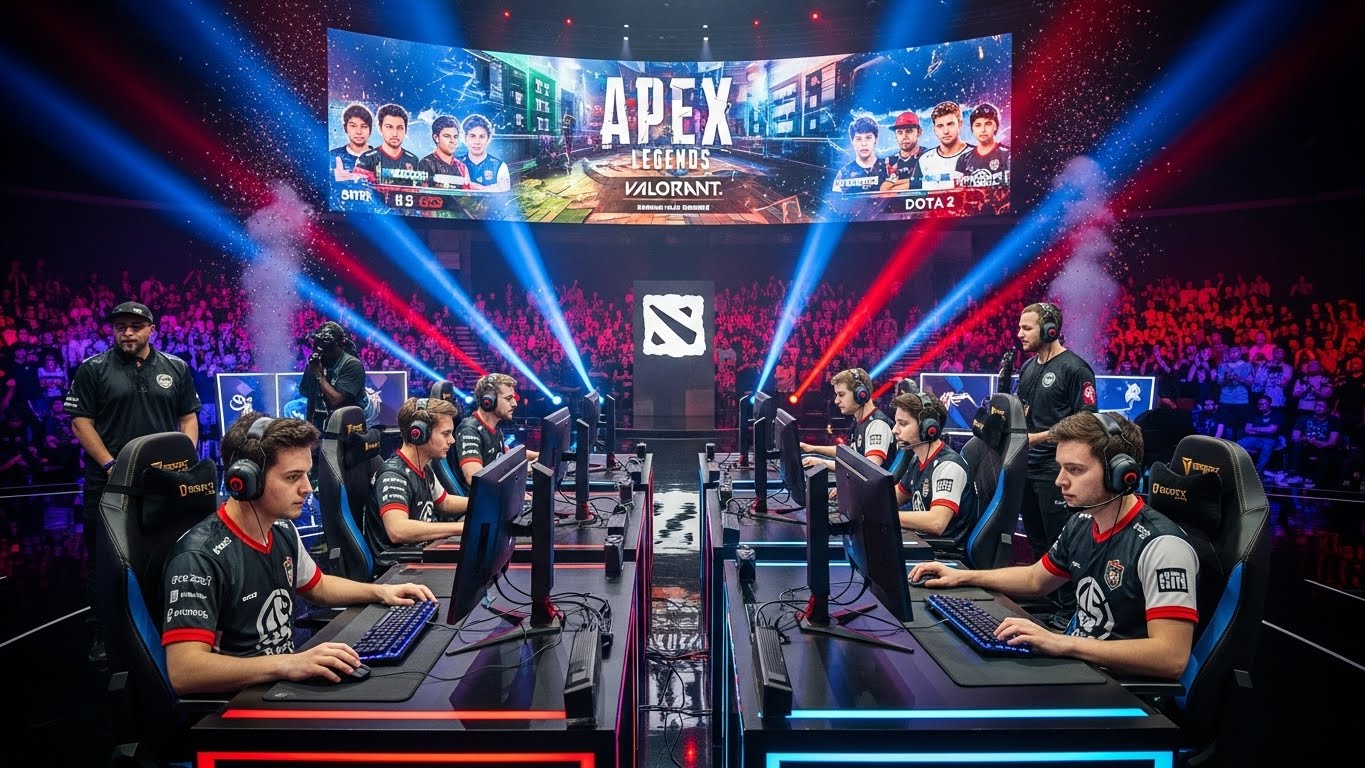
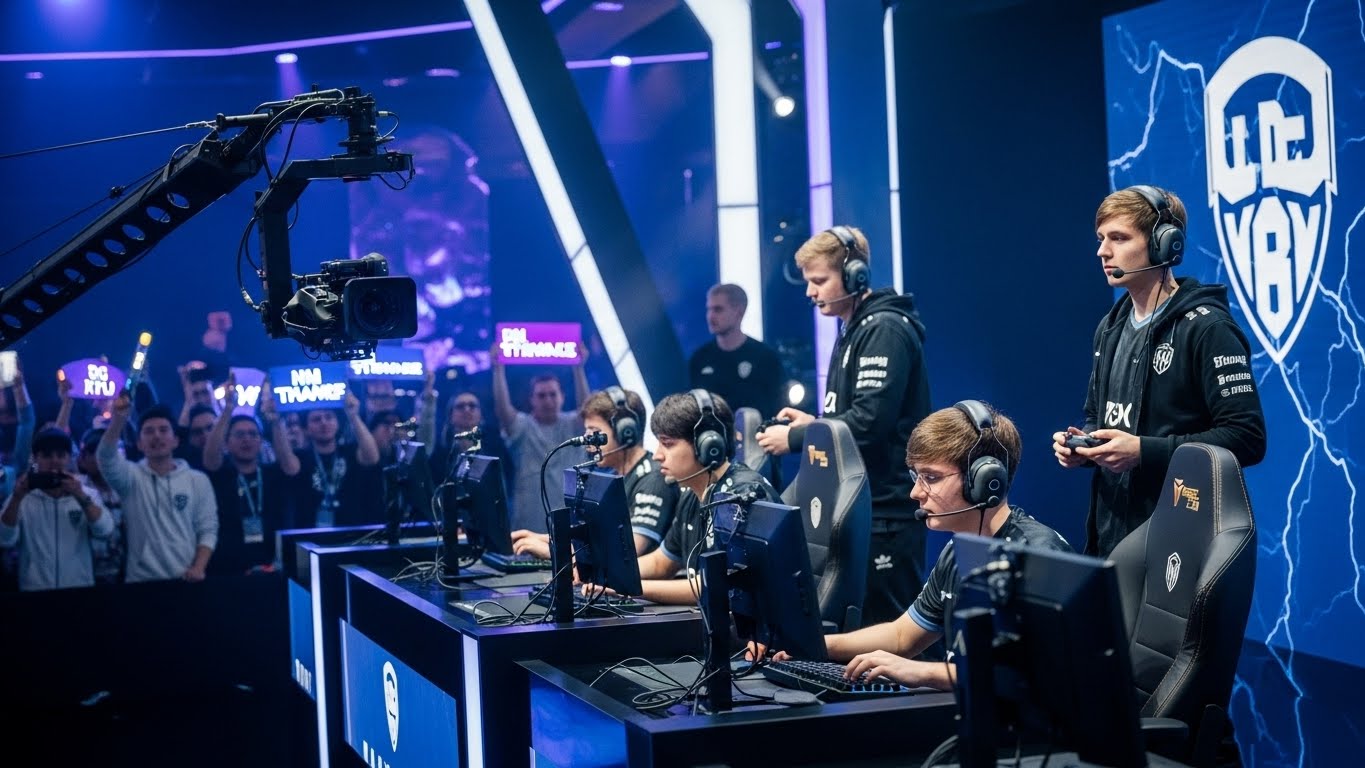
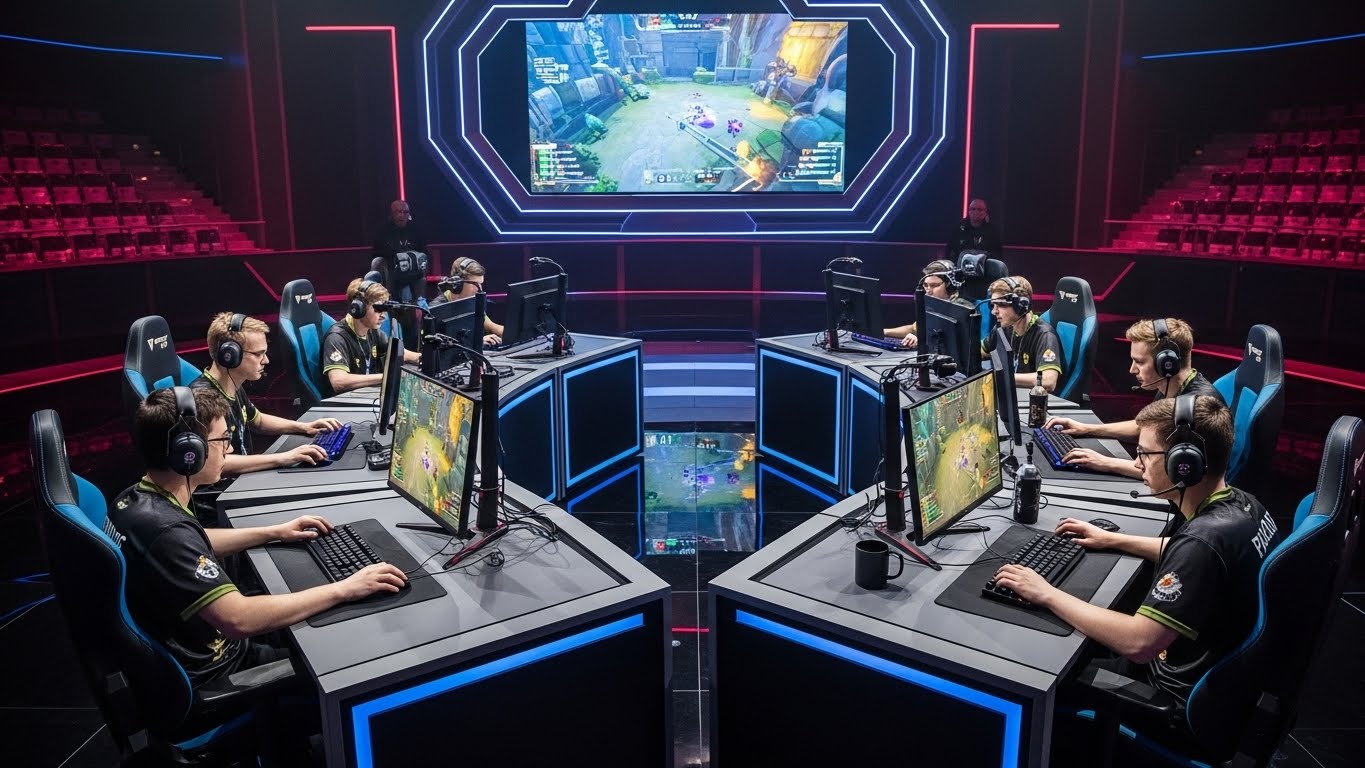
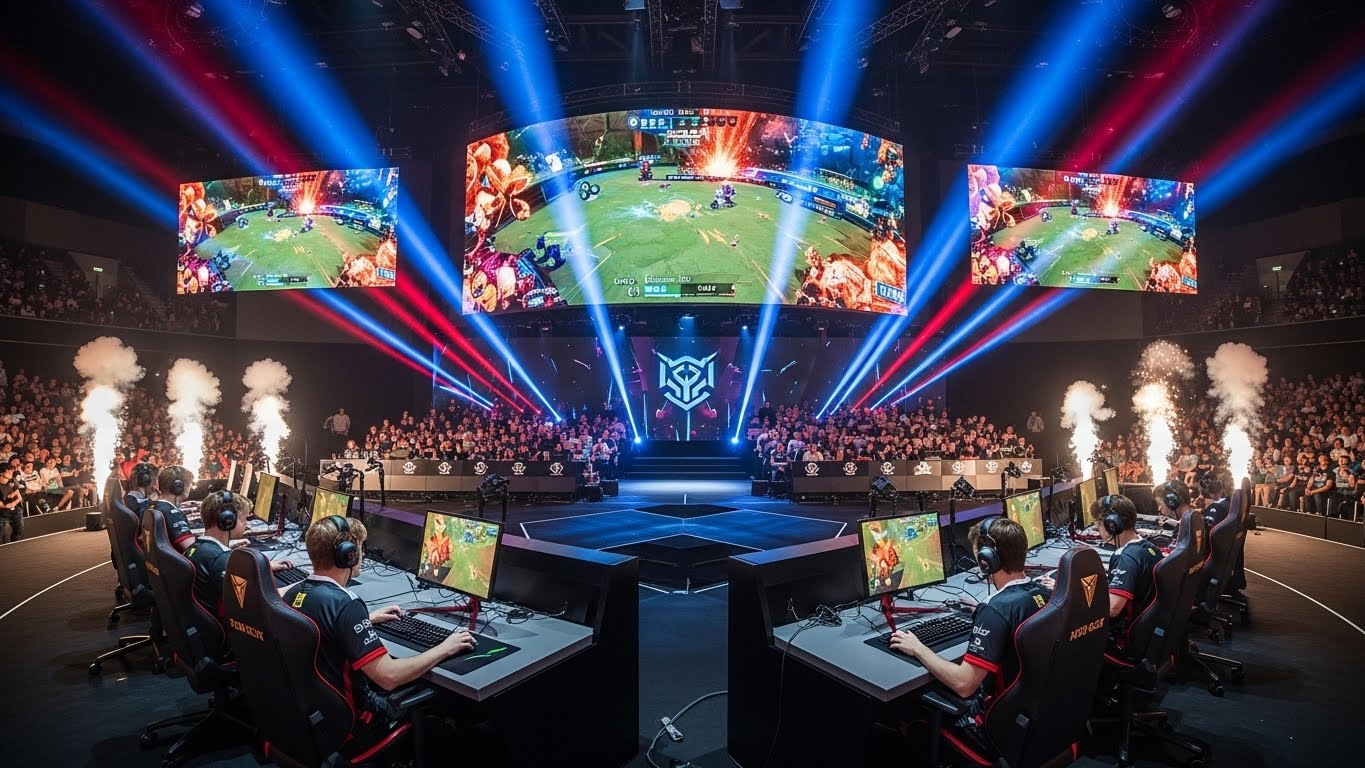
Esports, or electronic sports, has rapidly transformed from a niche hobby to a multi-billion dollar industry in the span of just a few decades. With its rise, esports has become a major player in the entertainment sector, captivating millions of fans across the globe and generating economic opportunities, cultural influence, and social engagement. In this blog post, we’ll explore the evolution of esports, its impact on the entertainment industry, the rise of professional esports leagues, and the future trajectory of competitive gaming.
The Birth of Esports: Humble Beginnings
Esports, as a formalized competition involving video games, traces its origins back to the 1970s. The first known competitive gaming event took place in 1972 at Stanford University, where students competed in the game Spacewar. Although this early competition was far from the scale of today’s esports tournaments, it laid the groundwork for the idea of competitive video gaming.
However, it wasn’t until the 1990s that esports began to gain more serious attention. The launch of multiplayer online games, such as Warcraft and Quake, ushered in the first wave of competitive gaming on a larger scale. In 1997, the Red Annihilation tournament, held for the game Quake, attracted more than 2,000 participants and a $1,000 grand prize, further cementing the idea that people were willing to compete at a high level for cash rewards and recognition.
Despite its early growth, esports was still largely a niche community activity, with limited exposure and a small, devoted fan base. The mainstream recognition of esports as a professional sport was still a distant dream.
The Rise of Online Gaming Platforms and Streaming Services
The 2000s saw the rise of a new wave of gaming platforms and online multiplayer experiences. The development of games like StarCraft, Warcraft III, Counter-Strike, and League of Legends played a pivotal role in creating an environment where competitive gaming could thrive. These games provided a platform for players to engage in organized competitions online, paving the way for the global esports ecosystem that we know today.
One of the most important factors in this development was the advent of streaming platforms. In 2011, Twitch was launched, giving gamers a platform to broadcast their gameplay to an audience of viewers around the world. Twitch allowed fans to watch live competitions, cheer for their favorite players and teams, and participate in the excitement of esports in real-time. The ability for players to stream their gameplay created a new form of entertainment, where fans could interact with their favorite gamers, chat in real-time, and even influence the outcome of certain games through donations or subscriptions.
Streaming platforms also served as a crucial marketing tool for esports. By enabling audiences to watch games live or on-demand, these platforms significantly boosted the visibility of esports and helped to spread it beyond the confines of the gaming community.
Esports Becomes a Global Phenomenon
In the 2010s, esports experienced explosive growth, and what was once a hobby for a dedicated few began to reach a global audience. One of the key drivers of this growth was the rise of esports tournaments and leagues that mirrored the structure of traditional sports leagues like the NFL or NBA.
One of the most notable milestones in this period was the creation of The International, an annual tournament for the game Dota 2. Launched in 2011, The International not only provided massive cash prizes (with prize pools exceeding $30 million in recent years) but also served as a platform for showcasing the very best in competitive gaming. The tournament attracted millions of viewers and quickly became one of the most-watched esports events in history.
In addition to The International, many other esports tournaments emerged in various games such as League of Legends, Overwatch, and Counter-Strike: Global Offensive. These events garnered attention from major sponsors, advertisers, and media companies, helping to elevate esports to a level where it could no longer be considered a fringe activity.
During this period, esports saw the formation of professional teams, many of which now operate like traditional sports franchises. Players began to sign contracts, earn salaries, and participate in international leagues with regular seasons and playoffs. Esports teams also built up fanbases similar to those of traditional sports teams, with fans following players and teams on social media, attending live events, and purchasing merchandise.
Esports in Mainstream Media
As esports grew in popularity, mainstream media outlets began to take notice. Traditional sports networks like ESPN started broadcasting esports tournaments, including the Evolution Championship Series (EVO) and The International. This represented a significant shift, as esports was now being treated as a legitimate form of entertainment, worthy of coverage on major networks.
Additionally, esports became a fixture in large-scale international events such as the Asian Games and The World Games, where competitive gaming was included as a demonstration sport. The recognition of esports as a legitimate form of competition and entertainment at the global level only increased its exposure and credibility.
One of the most impactful media developments was the rise of esports-related content on YouTube. Esports highlights, game tutorials, and professional player vlogs became a regular feature for gaming enthusiasts. YouTube has played a crucial role in expanding the reach of esports, allowing fans to catch up on major events, watch replays of thrilling matches, and follow their favorite players.
The Economic Impact of Esports
With the explosive growth of the industry, esports has become a multi-billion-dollar business, generating revenue through sponsorships, media rights, merchandise sales, ticket sales, and more. In 2020, the global esports industry was estimated to generate over $1 billion in revenue, and that figure has only continued to grow.
Major companies such as Coca-Cola, Intel, and Nike have entered the esports ecosystem as sponsors, providing financial support for teams, tournaments, and content creators. These partnerships have brought additional legitimacy and resources to the industry, while also helping to expand esports’ reach beyond gaming enthusiasts to broader audiences.
The economic impact of esports is also felt on a more local level. Cities and countries have begun to invest in esports infrastructure, creating venues specifically designed to host large-scale tournaments. For example, the creation of esports arenas and the hosting of international tournaments in cities like Los Angeles, Seoul, and Berlin has not only generated significant tourism revenue but has also created jobs and business opportunities in the esports ecosystem.
The Future of Esports
The future of esports looks incredibly promising, with many industry experts predicting continued growth in the coming years. As technology advances and esports becomes even more integrated into the broader entertainment ecosystem, the possibilities are endless.
One area of growth is the increasing inclusion of virtual reality (VR) and augmented reality (AR) in gaming and esports. With VR and AR technology improving rapidly, esports tournaments could soon involve immersive, interactive experiences that will transform the way fans engage with the competitions.
Another important development is the growing popularity of mobile gaming. Mobile esports has already gained significant traction in regions like Southeast Asia and China, where mobile phones are the primary platform for gaming. As more people in developing countries gain access to smartphones and high-speed internet, mobile esports is expected to see explosive growth, further expanding the global reach of esports.
Additionally, there is the possibility of esports being included in major events like the Summer Olympics. The International Olympic Committee (IOC) has already shown interest in the concept, and many believe that esports could become an official Olympic sport in the near future. This would bring even more global attention to competitive gaming, attracting new fans, sponsors, and media coverage.
Conclusion: Esports’ Long-Term Legacy
Esports has come a long way since its humble beginnings in the 1970s, and its growth trajectory suggests that it is here to stay. As technology continues to evolve, esports will likely become an even more integrated part of our global entertainment culture, influencing not only gaming but also sports, media, and social interaction.
Whether you are a casual viewer, an aspiring player, or an industry professional, it’s clear that esports represents a major cultural force with enormous potential. The exciting competitions, passionate fanbases, and ever-expanding opportunities for players, teams, and organizations make esports a thrilling space to watch in the years to come.