 championcast96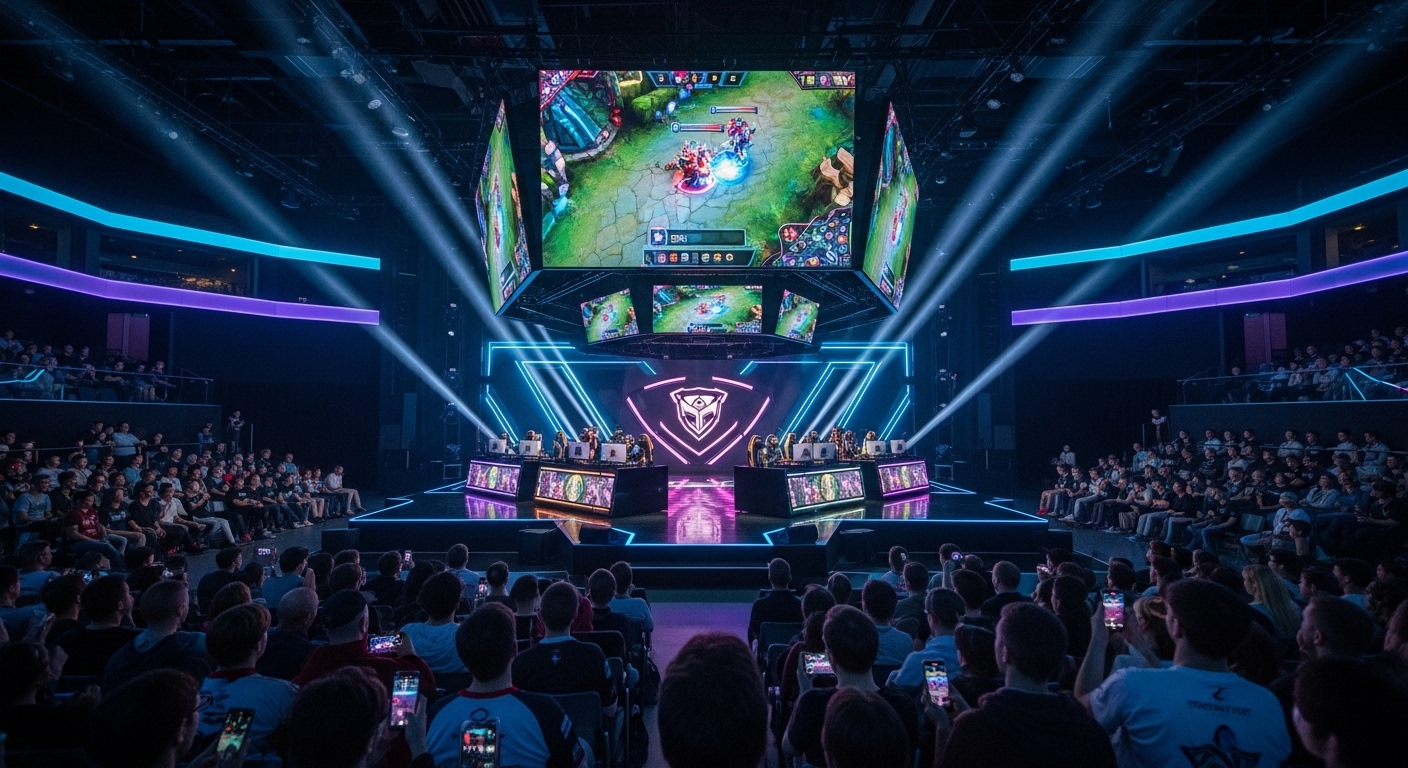
Introduction: Esports as the New Global Phenomenon
In the last two decades, the world of sports has expanded beyond traditional fields and arenas into the digital space. Esports, or electronic sports, has become a global phenomenon, transforming gaming from a casual hobby into a professional and competitive industry. Millions of players now compete in organized tournaments, while millions of fans watch matches live online, cheering for their favorite teams and players. Esports is more than just playing games; it combines strategy, skill, teamwork, and entertainment, creating a vibrant culture that rivals traditional sports in popularity and economic impact.
The Origins of Esports: From Early Gaming to Organized Competition
Esports traces its roots back to the early days of video gaming. The first known gaming competition took place in 1972 at Stanford University, where students competed in the game Spacewar for a small prize. During the 1980s, arcade culture grew rapidly, with high-score competitions attracting local communities of gamers. In the 1990s, the rise of personal computers and networked multiplayer games such as Doom, Quake, and Warcraft III enabled competitive gaming on a larger scale. LAN parties, where players connected their computers for tournaments, became a precursor to the professional esports tournaments of today. The introduction of broadband internet in the early 2000s allowed players from different parts of the world to compete in real time, creating a truly global competitive environment.
Technology Driving Esports: Streaming and Digital Connectivity
One of the biggest drivers of esports growth is technological advancement. High-speed internet, powerful gaming hardware, and live-streaming platforms have made competitive gaming accessible to both players and spectators worldwide. Platforms for live streaming have become the modern equivalent of sports broadcasting networks, allowing millions to watch matches in real time. Social media amplifies this reach, letting fans interact with players, teams, and communities instantly. Technology has also democratized the industry, giving talented individuals from anywhere in the world the chance to rise to prominence and compete at the highest levels. Emerging technologies such as virtual reality and augmented reality promise to further transform esports, creating immersive experiences and new ways for players and fans to engage with the sport.
The Professional Ecosystem: Teams, Leagues, and Championships
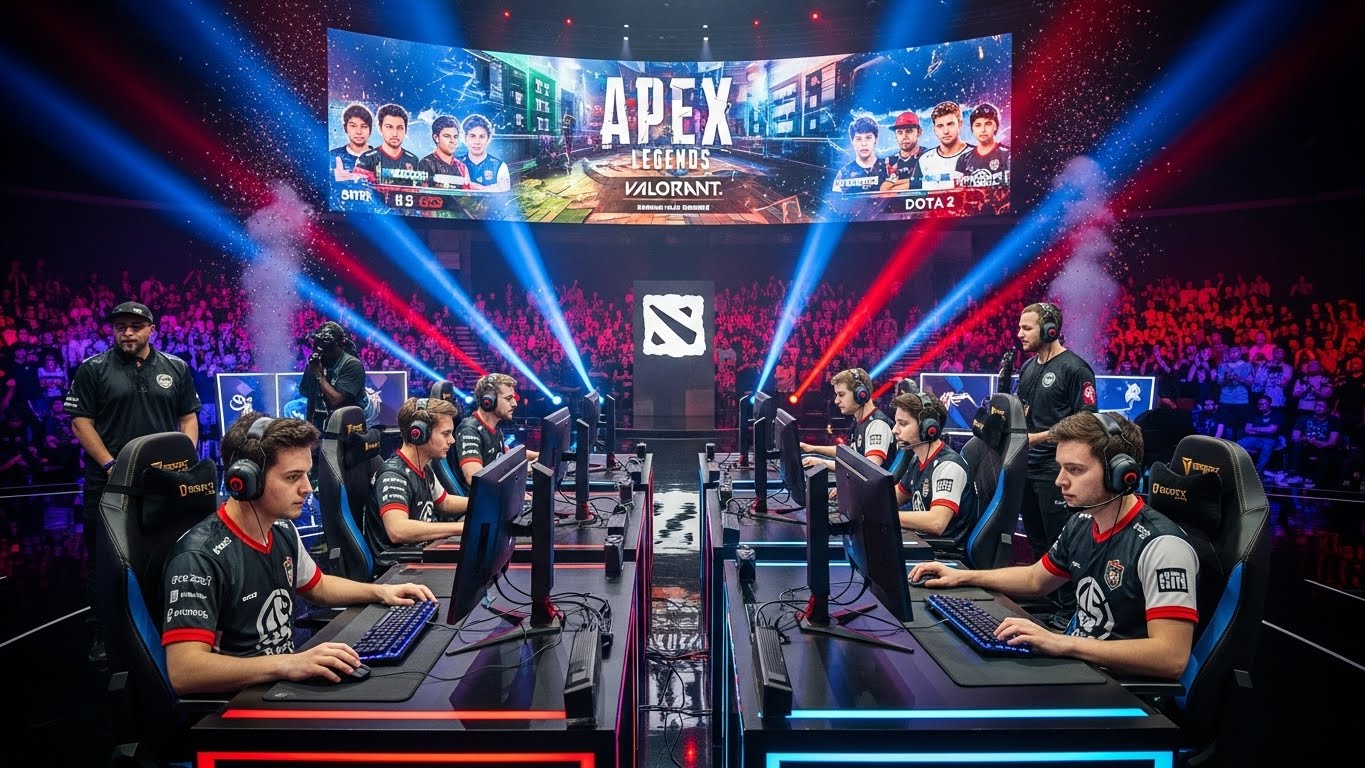
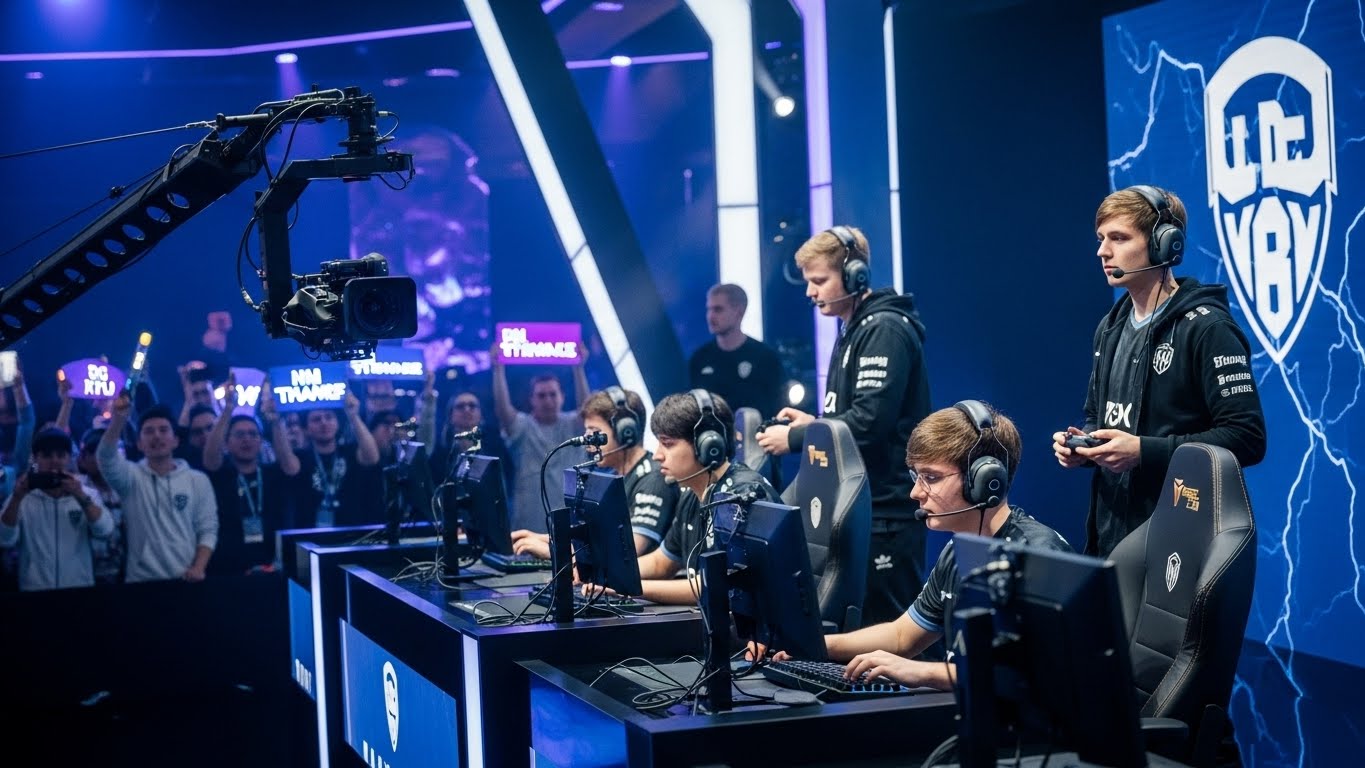
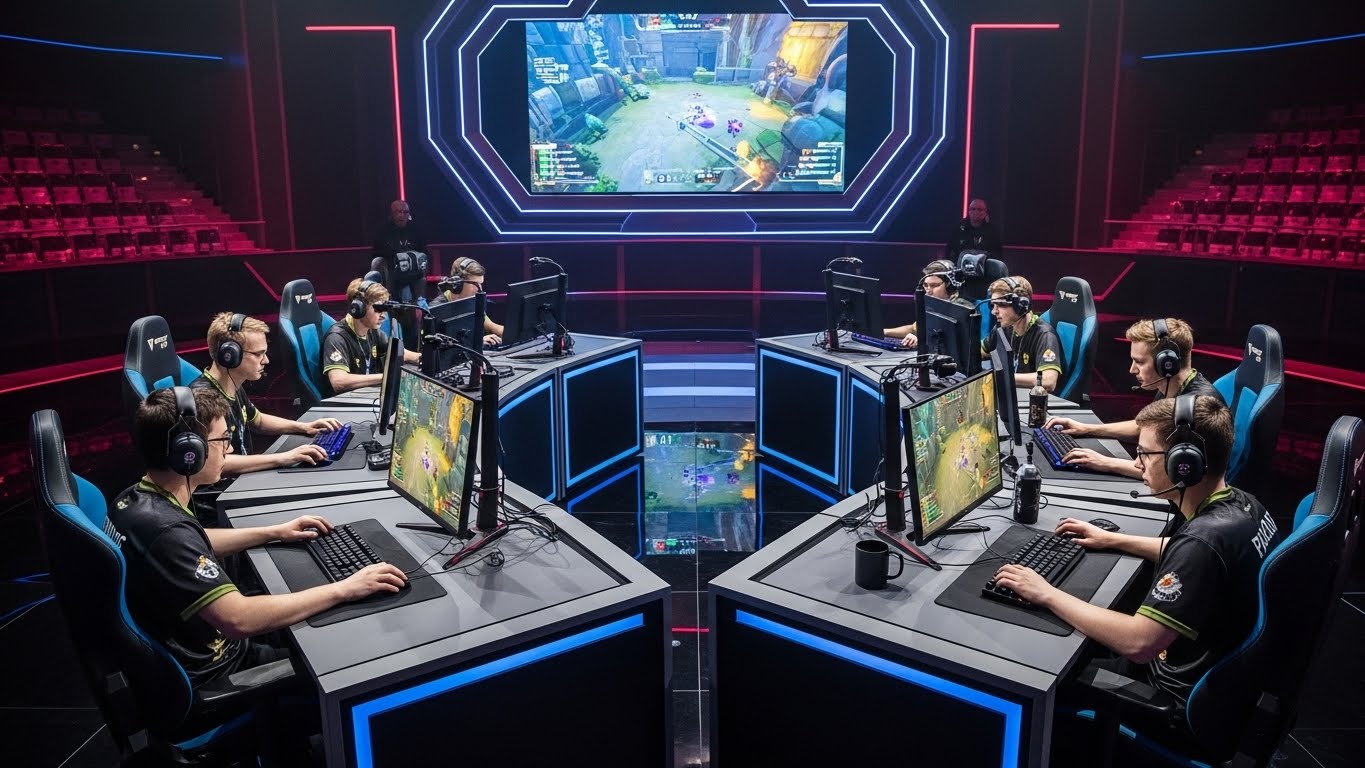
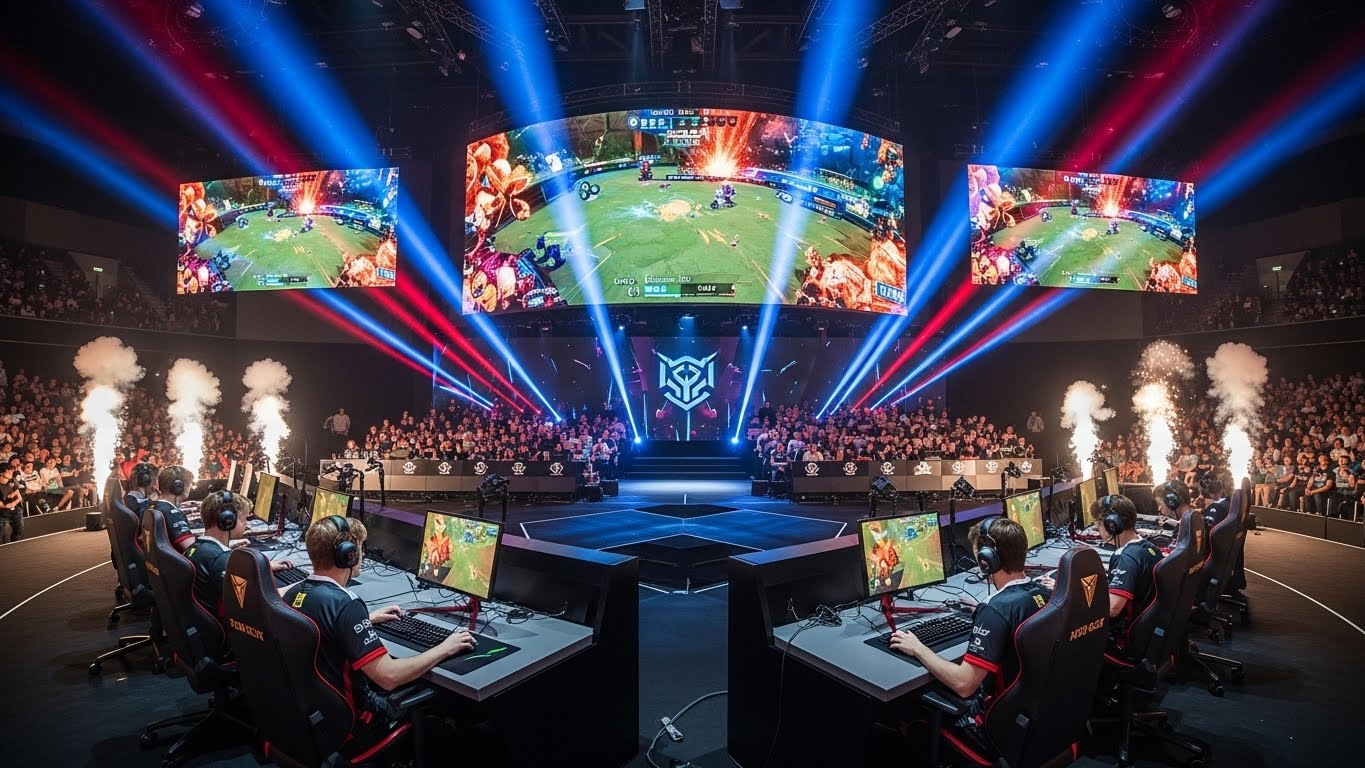
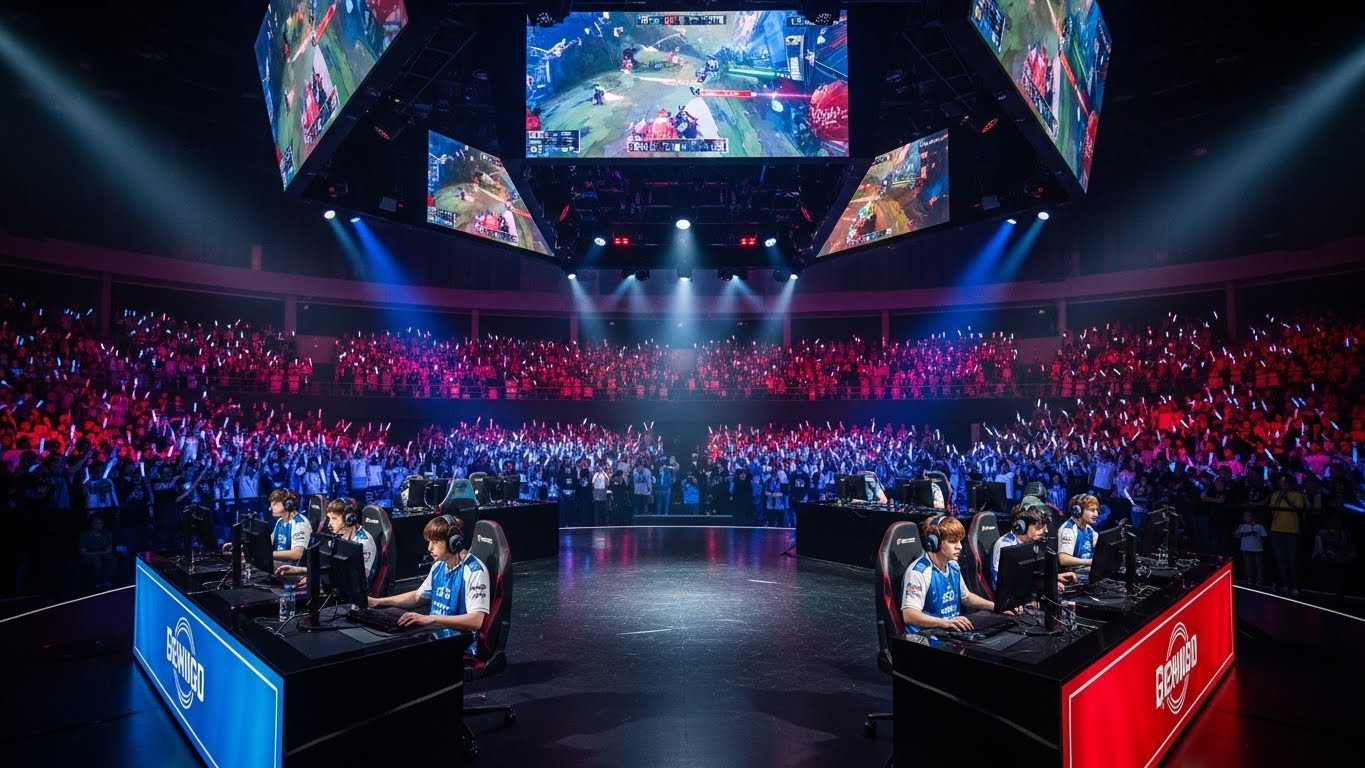
Professional esports operates much like traditional sports, with teams, coaches, analysts, and management staff. Leading games such as League of Legends, Dota 2, Counter-Strike, and Valorant have established leagues, tournaments, and professional circuits where players compete for substantial prize pools. Major events like The International for Dota 2 and the League of Legends World Championship attract millions of viewers both online and in arenas. Teams operate as brands, building fan loyalty and securing sponsorships from major corporations. Players dedicate hours to practice, strategy, and teamwork, turning gaming into a career that demands discipline, focus, and professionalism.
The Economics of Esports: Business, Sponsorships, and Careers
Esports has grown into a multi-billion-dollar industry. Revenue streams include tournament winnings, sponsorship deals, merchandising, streaming subscriptions, and media rights. Global brands from technology, fashion, and entertainment sectors invest in esports to reach a younger, digitally connected audience. Influencer marketing has become a key component, as professional players act as content creators who engage fans through live streaming and social media. Educational institutions have also embraced esports, offering scholarships and structured programs to develop new talent. The economics of esports demonstrate that gaming is not just a pastime—it is a legitimate profession with enormous potential for revenue and career development.
The Modern Athlete: Skills and Training in Esports
Esports players are often compared to traditional athletes due to the discipline, strategy, and endurance required to compete professionally. Players spend hours daily practicing reflexes, communication, teamwork, and in-game decision-making. Mental stamina is critical, as players must maintain focus under intense pressure. Many professional teams provide nutritionists, physical trainers, and mental health support to optimize performance. While esports does not require physical exertion in the traditional sense, the intensity of competition and the demand for precision and strategic thinking make professional gamers true athletes of the digital age.
Cultural Impact: Changing Perceptions of Gaming
Esports has shifted public perception of video games from mere entertainment to legitimate sport and career path. It has created communities that span cultures, countries, and social groups. Gaming fosters inclusivity, offering opportunities to players regardless of gender, background, or location. Female gamers are increasingly gaining prominence, breaking long-standing barriers in a historically male-dominated industry. Esports also impacts popular culture, influencing fashion, music, and digital media content. Beyond competition, esports builds communities, connects fans, and nurtures creativity, showing that gaming is a cultural force with broad societal impact.
Education and Esports: Learning Through Play
Educational institutions are increasingly embracing esports as a learning tool. Schools and universities establish esports programs that teach teamwork, leadership, strategy, and digital literacy. Students develop problem-solving skills and critical thinking by analyzing gameplay, making strategic decisions, and collaborating with teammates. Esports can also serve as an entry point to STEM education, as game design, coding, and data analytics are central to modern competitive gaming. By integrating esports into education, students gain skills that are relevant in both academic and professional contexts while engaging in a passion-driven activity.
Challenges in Esports: Mental Health and Industry Ethics
Despite its rapid growth, esports faces several challenges. Player burnout and mental health concerns are common due to demanding schedules and high pressure. Issues like cheating, match-fixing, and doping threaten the integrity of competition. Online toxicity and harassment remain persistent challenges that require effective moderation and community management. Additionally, regulations vary widely across games and regions, creating inconsistencies in competitive fairness. The industry is responding by implementing ethical guidelines, mental health support, and standardized rules to ensure the well-being of players and maintain credibility in competition.
Esports and Traditional Sports: Collaboration and Crossover
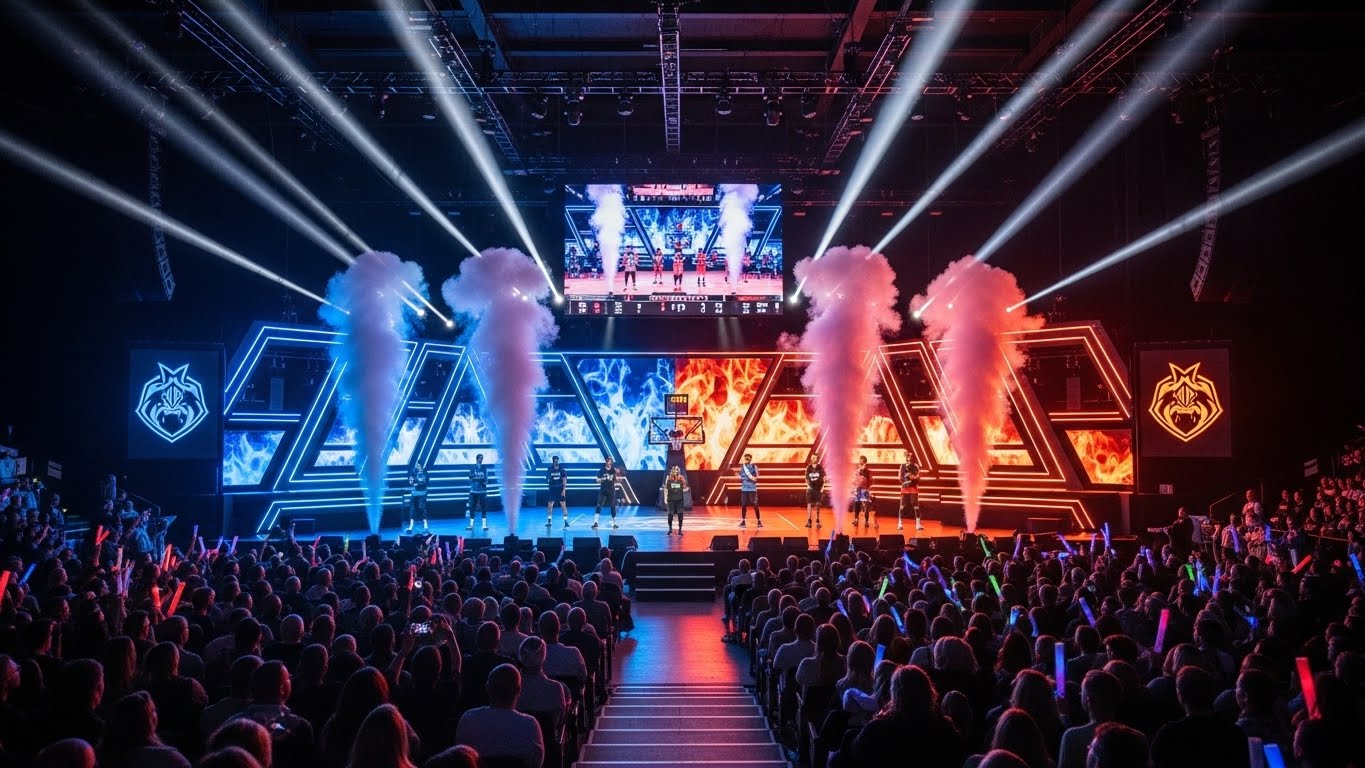
Esports does not exist in isolation from traditional sports; instead, it complements and expands the concept of athletic competition. Many professional sports organizations now operate esports divisions to engage digital audiences and explore new entertainment formats. Football, basketball, and racing franchises have launched esports teams, tournaments, and fan experiences. The crossover between digital and physical sports has strengthened esports’ visibility and legitimacy. Both forms of competition share core principles: skill, strategy, teamwork, and entertainment. Esports demonstrates that athleticism can exist in virtual spaces while continuing to foster the same passion and excitement as traditional sports.
The Future of Esports: Technology, Expansion, and Global Reach
The future of esports is rich with possibilities. Emerging technologies like virtual reality, augmented reality, and artificial intelligence will create immersive and analytical gaming experiences. AI-driven tools can analyze performance and provide coaching insights in real time. Blockchain technology and digital collectibles enable fans to engage with teams and players in new ways. The expansion of 5G networks worldwide will make competitive gaming accessible to a broader audience, leveling the playing field for global talent. Esports may also find a place in multi-sport events or even the Olympics, reflecting its growing legitimacy and influence in modern sports culture.
Human Stories Behind Esports: Passion and Perseverance
At its heart, esports is about human stories. Behind every tournament, match, and championship is a tale of dedication, teamwork, resilience, and ambition. Players form friendships and rivalries that span continents. Fans develop deep loyalty to teams and individuals, forming communities built on shared experiences. Esports shows that competition is not limited by physical boundaries; it thrives on passion, strategy, and human connection. These stories of perseverance, creativity, and skill are what make esports a cultural and emotional phenomenon, connecting people across the globe through shared excitement and inspiration.
Conclusion: Esports as a Defining Force in Modern Culture
Esports has grown from a niche hobby into a global cultural and professional force. It combines technology, strategy, skill, and entertainment to create experiences that resonate worldwide. Professional leagues, global tournaments, and educational programs have established esports as a legitimate industry and career path. Challenges remain, including mental health, ethics, and regulation, but the potential for growth and innovation is immense. Esports represents the evolution of competition in the digital age, offering new ways to connect, compete, and celebrate human talent. It is no longer just a game; it is a revolution that is reshaping sports, entertainment, and culture around the world.