 championcast96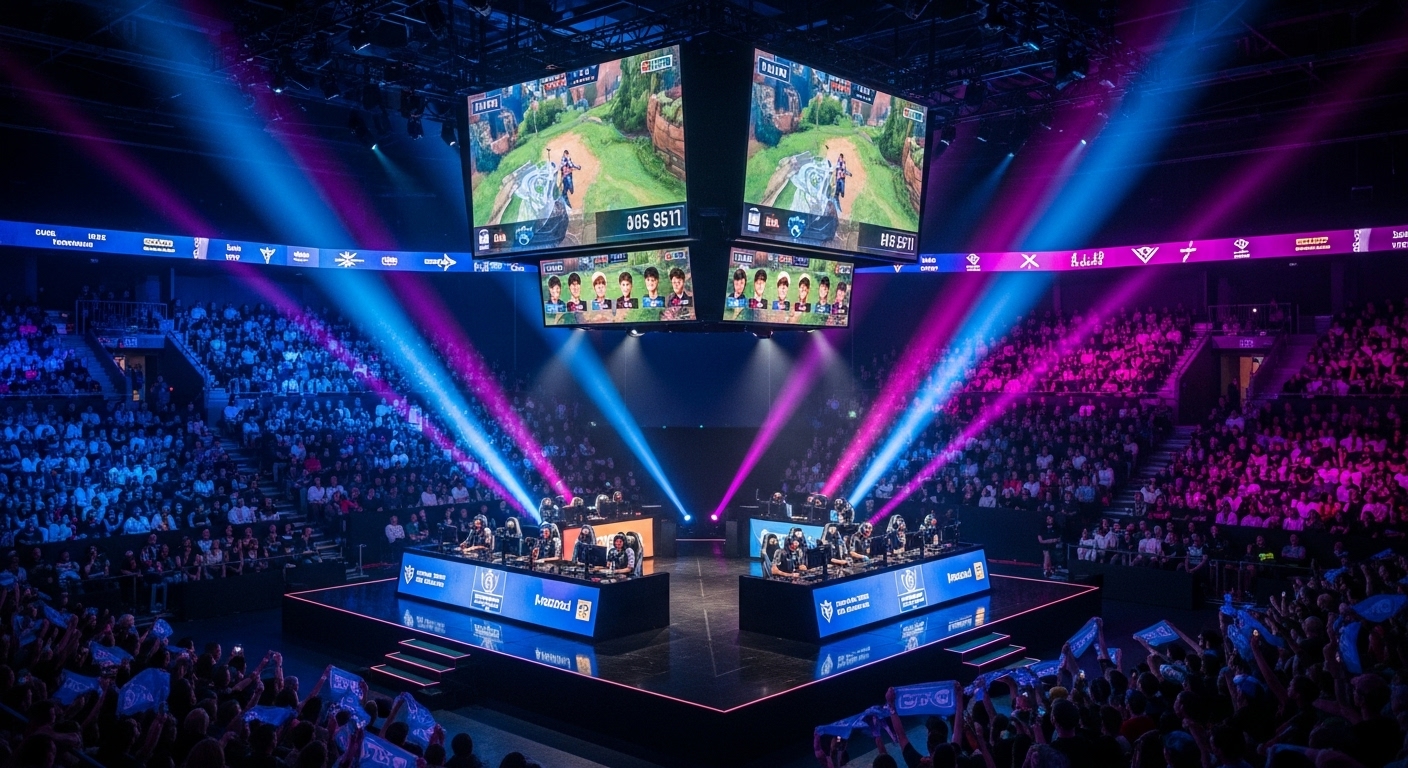
Introduction: The Emergence of a Global Phenomenon
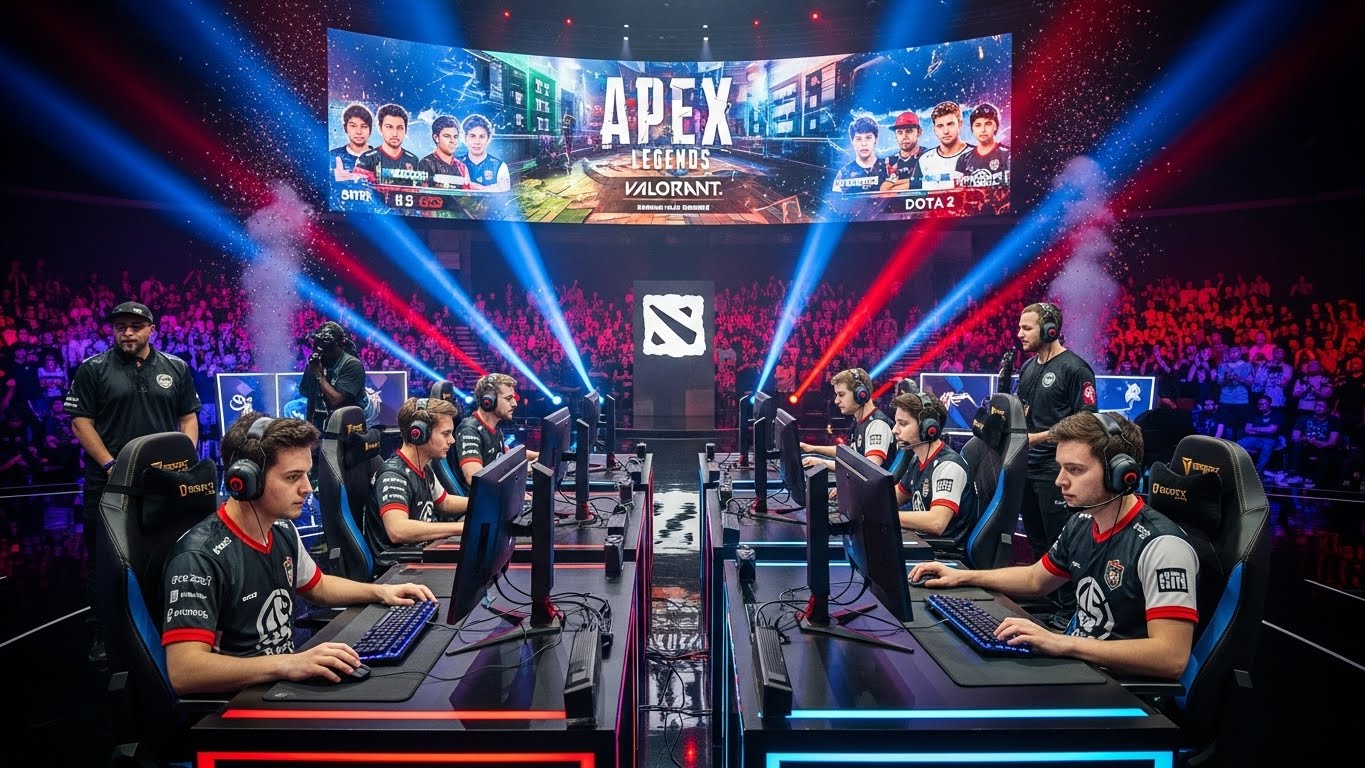
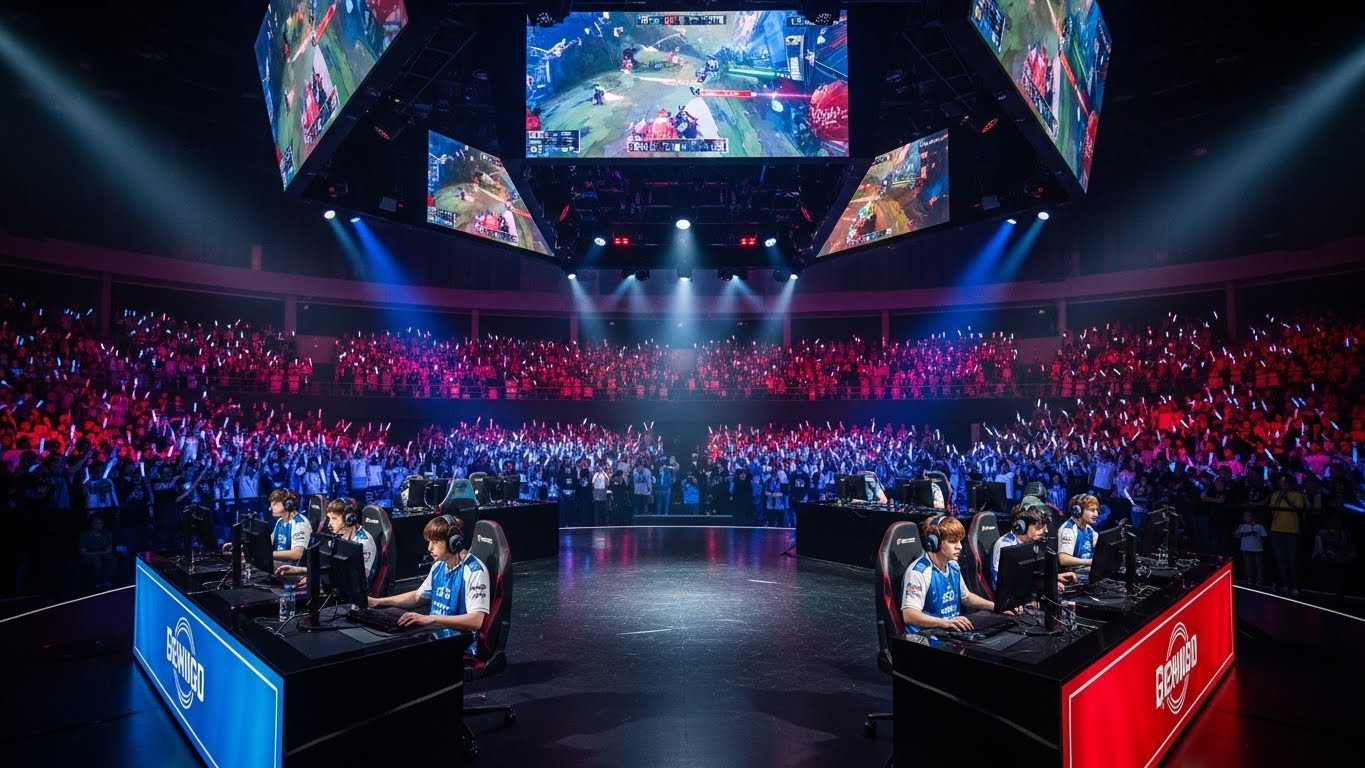
In recent years, esports has transformed from a niche hobby into a worldwide entertainment phenomenon. What started as a subculture within the gaming community has evolved into a billion-dollar industry with millions of fans and professional players. From casual competitions to grand international tournaments, esports has captured the imagination of people around the world. Competitive gaming, once seen as a mere pastime, has now become a serious career path for many, offering large prize pools, sponsorships, and global recognition.
This blog post will delve into the world of esports, exploring its rapid growth, its impact on the gaming industry, and what lies ahead for this exciting, fast-paced sector.
The Roots of Esports: From Arcade Games to Online Competitions
Esports may seem like a modern phenomenon, but its origins date back several decades. In the late 1970s and 1980s, early arcade games like Space Invaders, Pac-Man, and Donkey Kong sparked the first competitive gaming events. These were not large tournaments as we see today but small, local high-score challenges that attracted gamers seeking to prove their skills.
The real turning point for competitive gaming came in the 1990s with the advent of online multiplayer games. Titles like Quake and StarCraft introduced players to the idea of competing with others over the internet. These games required strategic thinking, fast reflexes, and team coordination—skills that would later define the competitive gaming landscape.
The creation of early online gaming platforms and servers allowed for the organization of more formal competitions. With the rise of games like Counter-Strike and Warcraft III, the foundation for modern esports tournaments was established. These games had massive player bases, and players could now compete in large online events with players from around the world, laying the groundwork for the professional leagues we know today.
The Professionalization of Esports: A Multi-Million Dollar Industry
By the 2000s, esports had begun to gain serious traction. It was during this time that the first professional gaming leagues were created. Major League Gaming (MLG), founded in 2002, was one of the first major organizations to create large-scale tournaments for popular games like Halo and Call of Duty. Meanwhile, global tournaments for games like StarCraft II, League of Legends, and Dota 2 started drawing huge audiences and offering significant cash prizes. The increasing size and scale of these events signaled a shift toward the professionalization of esports.
As the industry grew, esports began to attract large corporate sponsors, including tech companies like Intel, AMD, and Razer, as well as non-endemic brands such as Coca-Cola and Pepsi. This infusion of corporate money helped professionalize the industry even further, allowing tournament organizers to host larger events, offer bigger prize pools, and improve the quality of broadcast and live production. The financial backing also helped esports teams grow, hiring not just players but also coaches, analysts, and support staff.
Esports as a Career Path: The Rise of Pro Gamers
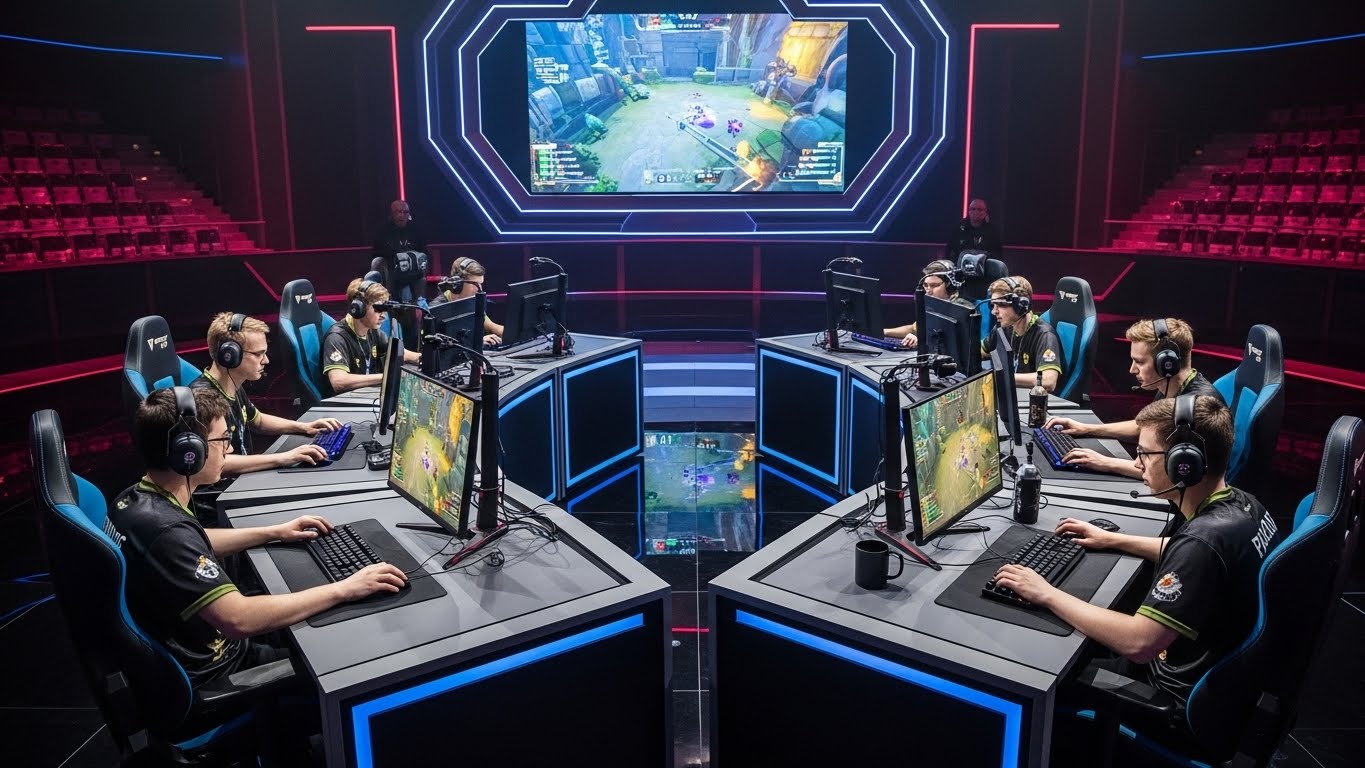
One of the most striking developments in esports over the past decade has been the emergence of professional gamers—players who make a living by competing in tournaments and streaming their gameplay. Much like athletes in traditional sports, these players dedicate themselves to perfecting their craft. Professional gamers often practice for up to 12 hours a day, working on their mechanics, strategy, and communication with teammates.
Becoming a professional esports player is no small feat. It requires not only skill but also dedication, as players must continuously adapt to changes in the game, study their opponents, and maintain mental and physical health. The life of a professional gamer can be intense, with long hours of practice, travel for tournaments, and the pressure of performing on the world stage.
The rewards, however, can be substantial. Top players can earn millions of dollars from prize money, sponsorships, and streaming revenue. Johan “N0tail” Sundstein, a player in Dota 2, holds the record for the highest career earnings in esports history, surpassing $7 million in prize money. This level of success has helped legitimize esports as a viable career option for young gamers who once considered professional gaming an unattainable dream.
The Growing Influence of Streaming: The Power of Platforms like Twitch and YouTube
One of the key drivers of the esports boom has been the rise of live streaming platforms. Twitch, in particular, has become the go-to platform for watching live esports events and streamers. With millions of active users, Twitch has allowed fans to interact with players in real-time, creating an engaging, interactive experience. This direct connection between players and fans has helped create a unique and loyal following within the esports community.
The popularity of esports streams has also led to the growth of YouTube Gaming, where content creators can upload videos of their matches, tutorials, and highlights. Players have used these platforms not only to broadcast their gameplay but also to build personal brands, further solidifying their position as public figures within the gaming world.
Streamers, who often have large followings, are able to generate income through ad revenue, donations, sponsorships, and subscriptions. Some top-tier streamers have built careers earning millions from their channels, making streaming a legitimate career for many aspiring gamers. For fans, watching esports on these platforms provides a sense of connection to their favorite players and teams, making it an interactive experience rather than passive entertainment.
The Esports Ecosystem: Teams, Sponsors, and Fans
At the heart of esports is its vibrant ecosystem, consisting of players, teams, tournament organizers, sponsors, and fans. Esports teams have become professional organizations, with some teams such as Cloud9, Team Liquid, and G2 Esports operating much like traditional sports franchises. These teams hire players, coaches, analysts, and managers, and they compete in various games, often across multiple titles.
The involvement of major brands has been a major factor in the growth of esports. Companies from outside the gaming industry have seen the potential in esports and have invested heavily in sponsorships. Brands like Red Bull, Nike, and Coca-Cola have partnered with esports teams and events, recognizing that the esports audience is young, tech-savvy, and highly engaged. These sponsorships allow organizations to secure funding, offer larger prize pools, and provide greater visibility for the players and teams they sponsor.
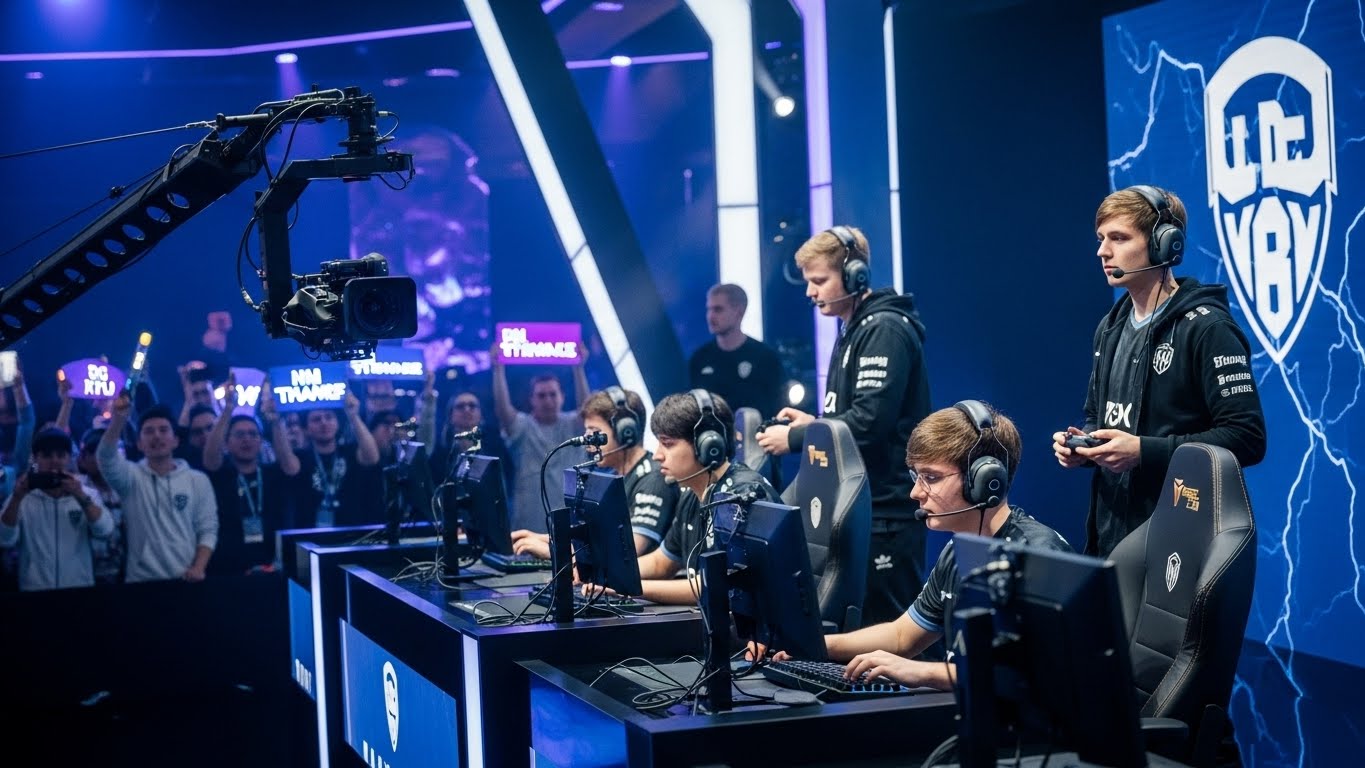
At the same time, fans are an integral part of the esports experience. Esports has a dedicated global fanbase that passionately supports their favorite teams and players. Fans flock to online streams, attend live events, purchase team merchandise, and participate in social media discussions. The relationship between fans and players is unique in esports; the accessibility of streaming platforms and social media allows for a level of interaction that traditional sports can’t match.
The Role of Esports in Modern Culture
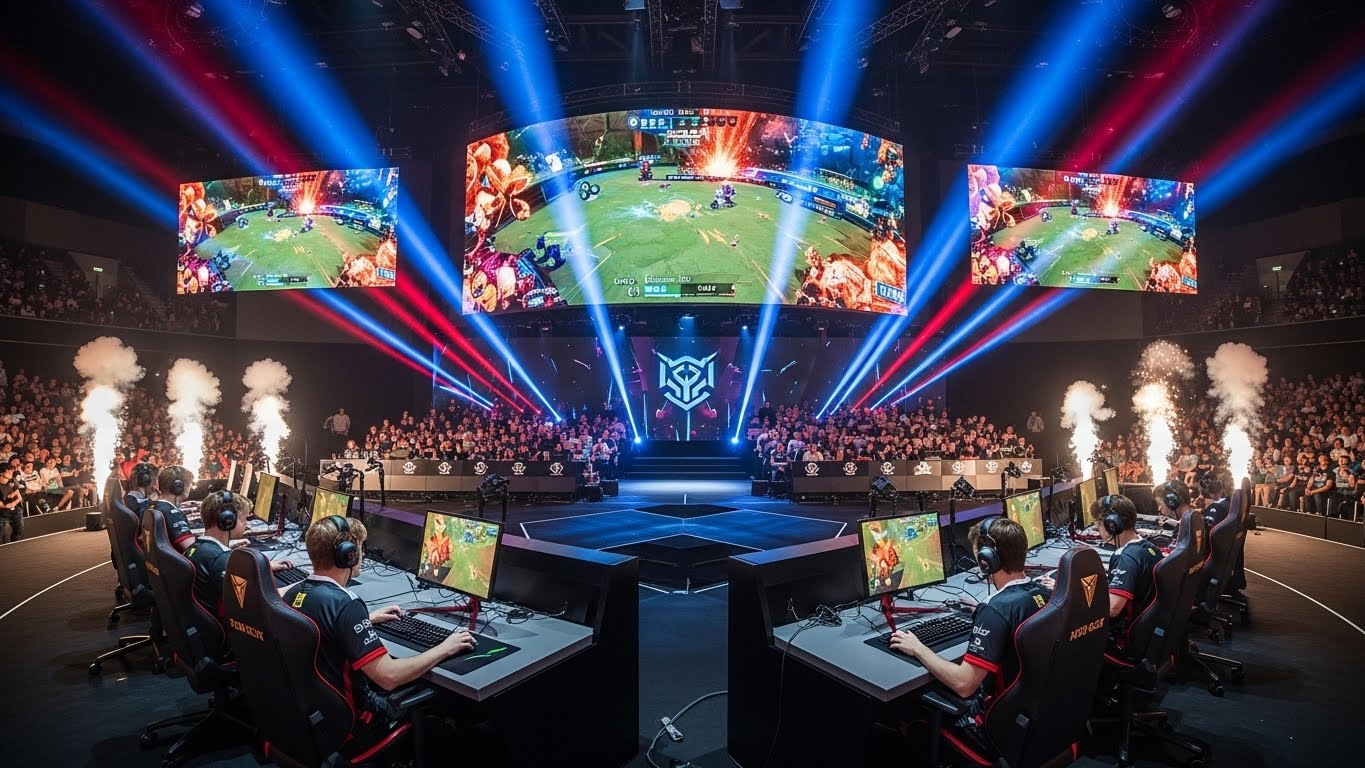
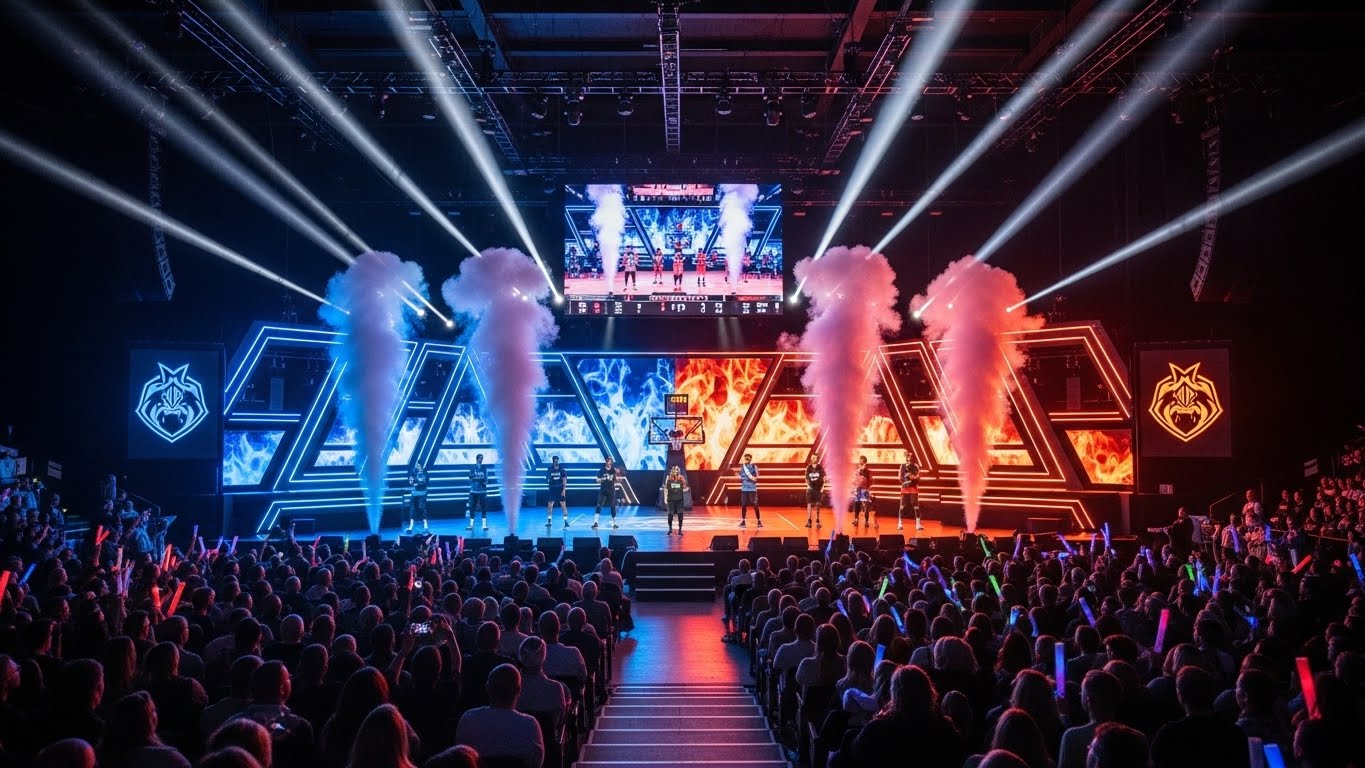
Esports is no longer just about gaming—it’s an integral part of modern culture. Many esports tournaments are now broadcast on traditional TV networks, such as ESPN, and some tournaments even attract more viewers than mainstream sports events. For example, the League of Legends World Championship has drawn over 200 million viewers in a single tournament, putting it on par with major global sporting events.
Esports has also become a significant force in education. Universities around the world are creating esports programs, offering scholarships and degrees in areas like game design, broadcasting, and business management. In the U.S., the National Association of Collegiate Esports (NACE) has grown to include over 170 colleges, allowing student-athletes to compete for scholarships and recognition.
Moreover, esports is helping to break down barriers. It provides opportunities for people from all walks of life to compete at the highest level, regardless of physical abilities, gender, or background. The inclusive nature of esports has made it a platform for diverse voices and players. Organizations are now focusing on creating safer, more welcoming environments for everyone involved.
The Future of Esports: What Lies Ahead?
The future of esports looks incredibly bright. As the industry matures, new opportunities and challenges will emerge. The technological landscape is rapidly evolving, with advancements in virtual reality (VR), augmented reality (AR), and artificial intelligence (AI) offering exciting possibilities for esports. VR could revolutionize competitive gaming, creating more immersive experiences for players and fans alike.
In addition, the potential for esports to become an Olympic sport has been a topic of discussion in recent years. While there are still hurdles to overcome, esports’ growing mainstream popularity has sparked conversations about its inclusion in the Olympic Games. If esports is added, it would further cement its status as a legitimate, global form of competition.
Esports will also continue to expand globally. While North America and Europe have long been strongholds of competitive gaming, countries like China, South Korea, and Brazil are rapidly growing their esports scenes. With more investment and infrastructure, esports could soon become a central part of the global entertainment industry, rivaling traditional sports in popularity.
Conclusion: A New Frontier in Entertainment
Esports has come a long way since its early days in arcades. It has evolved into a highly professionalized, billion-dollar industry that attracts millions of viewers, sponsors, and players. The industry’s growth has reshaped the entertainment landscape, offering new career opportunities for players, content creators, and professionals in various fields.