 championcast96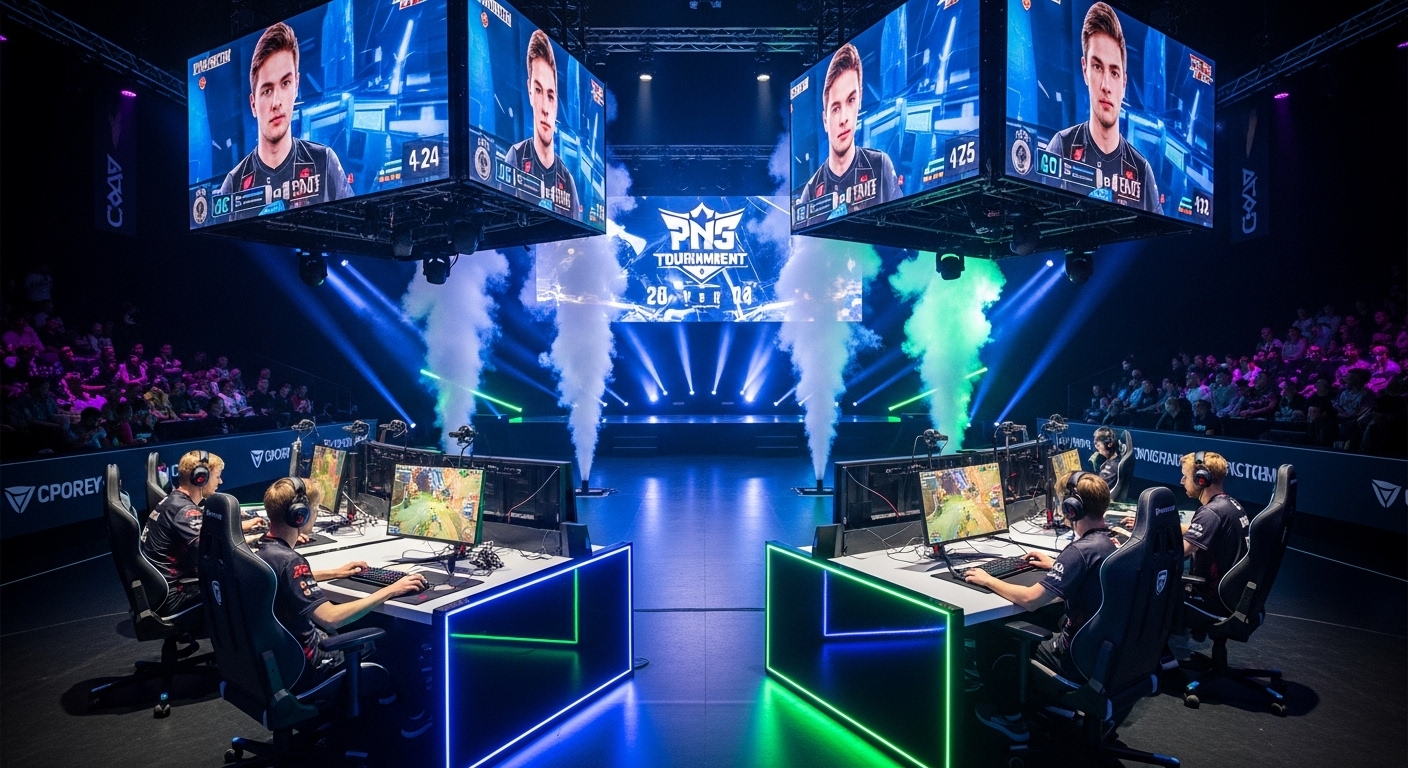
Esports, short for electronic sports, has grown from a niche hobby into a billion-dollar global industry. What began as small gatherings of video game enthusiasts has evolved into professional leagues, large-scale tournaments, and a vibrant cultural phenomenon that spans continents. The rise of Esports represents a shift in the way people consume entertainment, compete, and connect in the digital age.
While traditional sports have long held the spotlight, Esports has carved out its own space, attracting millions of viewers and players worldwide. Unlike conventional sports, Esports relies entirely on digital platforms and interactive games, offering a unique blend of strategy, skill, and entertainment. This blog explores the evolution, impact, and future of Esports, providing insight into why it has become such a cultural and economic powerhouse.
The Origins of Esports
The roots of competitive gaming can be traced back to the early 1970s. One of the first recorded gaming competitions took place in 1972 at Stanford University, where students competed in the game “Spacewar.” However, it wasn’t until the 1980s and 1990s that Esports began to resemble the industry we know today. During this period, arcade games like Pac-Man, Donkey Kong, and Street Fighter gained massive popularity, creating communities of competitive players.
The launch of home gaming consoles such as the Nintendo Entertainment System and Sega Genesis expanded access to gaming, allowing more people to engage with video games competitively. Early tournaments often took place in arcades, local gaming centers, or through gaming magazines that hosted high-score competitions. These humble beginnings laid the foundation for the professional Esports scene, fostering a sense of competition and community among gamers.
The Evolution of Competitive Gaming
The 2000s marked a turning point for Esports. With the advent of high-speed internet, online multiplayer games became increasingly popular, enabling gamers to compete against each other across the globe. Titles like StarCraft, Counter-Strike, and Warcraft III were among the first to gain professional competitive scenes. South Korea, in particular, became a hub for professional gaming, with StarCraft tournaments gaining national attention and being broadcast on television.
The establishment of professional teams, sponsorship deals, and organized leagues helped transform Esports from casual competition into a serious career path. Games evolved to cater to competitive play, with developers designing mechanics that reward skill, strategy, and teamwork. Online streaming platforms, particularly Twitch, further fueled growth by allowing fans to watch matches live, creating a new avenue for fan engagement and monetization.
The Structure of Esports
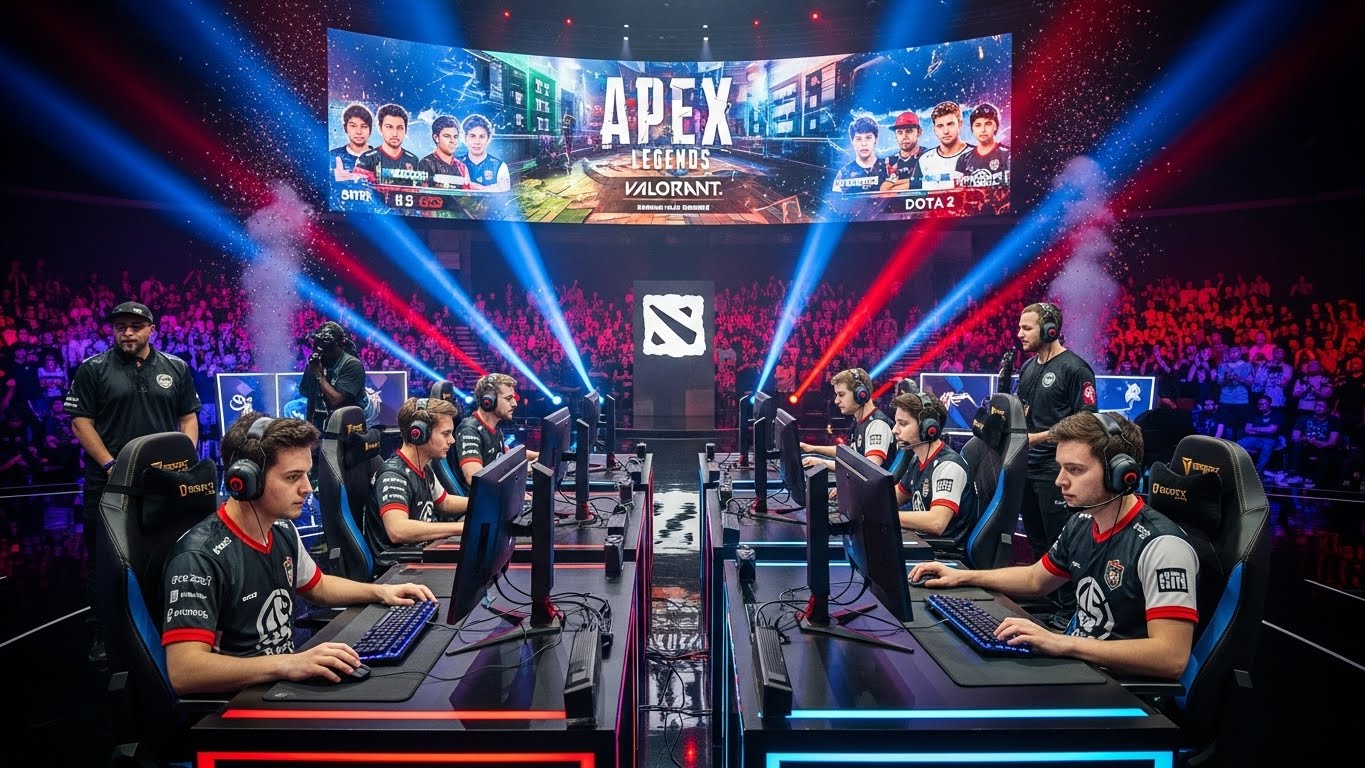
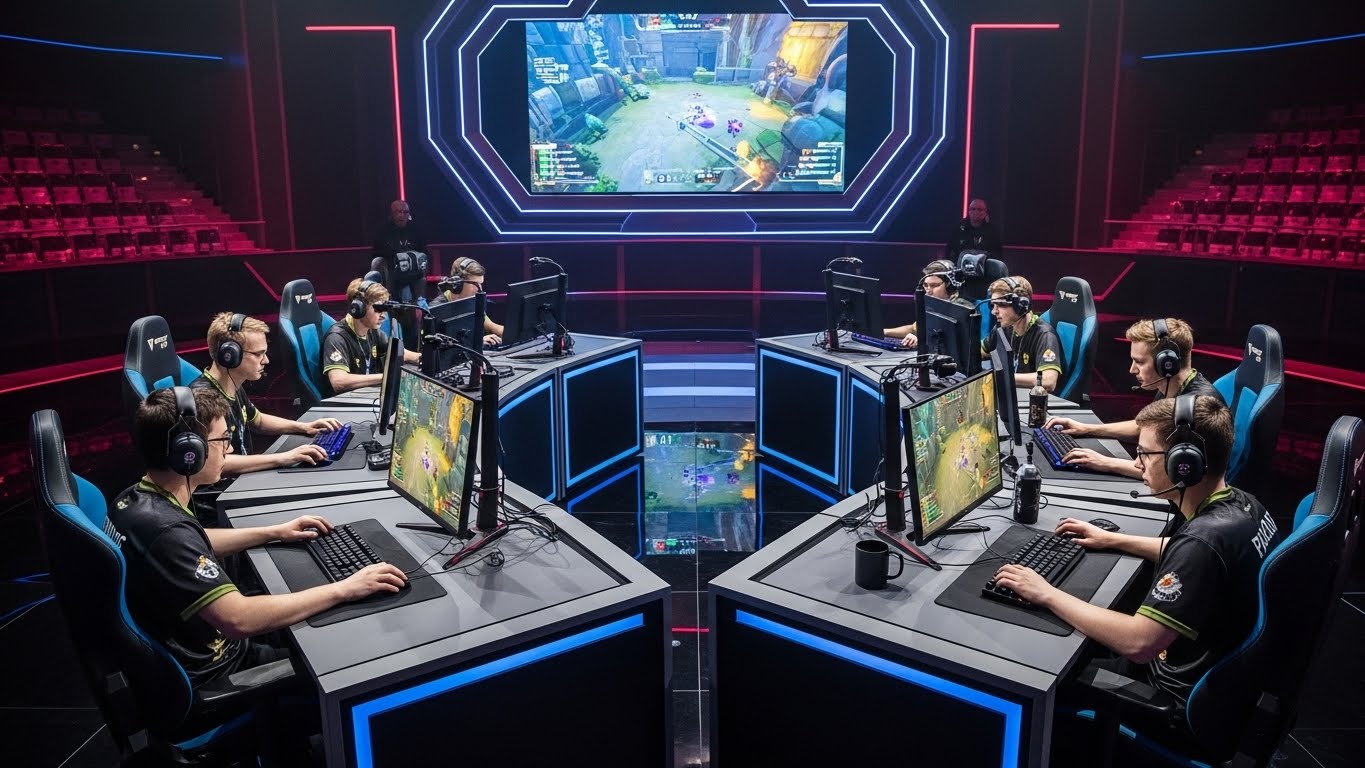
Esports competitions are diverse, ranging from small local tournaments to massive international events with multi-million-dollar prize pools. Professional teams often have rosters of players specializing in specific roles, similar to positions in traditional sports. Teams compete in leagues or circuits that culminate in major championships, attracting large audiences both in-person and online.
The organizational structure of Esports mirrors traditional sports in many ways. Players train rigorously, often spending 8–12 hours a day practicing, analyzing gameplay, and refining strategies. Coaches, analysts, and support staff are integral to team success, ensuring that players maintain peak performance. Sponsorships and partnerships with brands provide financial support, while media coverage helps build fan bases and cultivate player personalities.
Popular Esports Titles
The Esports landscape is diverse, encompassing a wide range of genres including first-person shooters, real-time strategy, multiplayer online battle arenas, and sports simulations. Some of the most popular Esports titles include:
League of Legends (LoL): A multiplayer online battle arena (MOBA) game that has become one of the biggest Esports titles globally. Professional leagues, such as the League of Legends Championship Series (LCS) and League of Legends European Championship (LEC), draw millions of viewers.
Counter-Strike: Global Offensive (CS:GO): A first-person shooter that emphasizes team strategy and precision. CS:GO tournaments like the ESL Pro League and the CS:GO Major Championships are highly competitive and widely followed.
Dota 2: Known for its complexity and strategic depth, Dota 2 hosts The International, which offers one of the largest prize pools in all of competitive gaming.
Fortnite: A battle royale game that combines shooting, building, and survival mechanics. Fortnite has popularized large-scale online tournaments with massive audiences and prize money.
Call of Duty: A long-standing franchise with a professional competitive scene that focuses on first-person shooting, tactics, and team coordination.
The Esports Community and Culture
Esports is not just about competition; it has cultivated a vibrant global community. Fans engage with the scene through streaming, social media, and online forums, forming deep connections with players, teams, and games. Cosplay, fan art, and online discussions are integral parts of Esports culture, fostering creativity and shared identity.
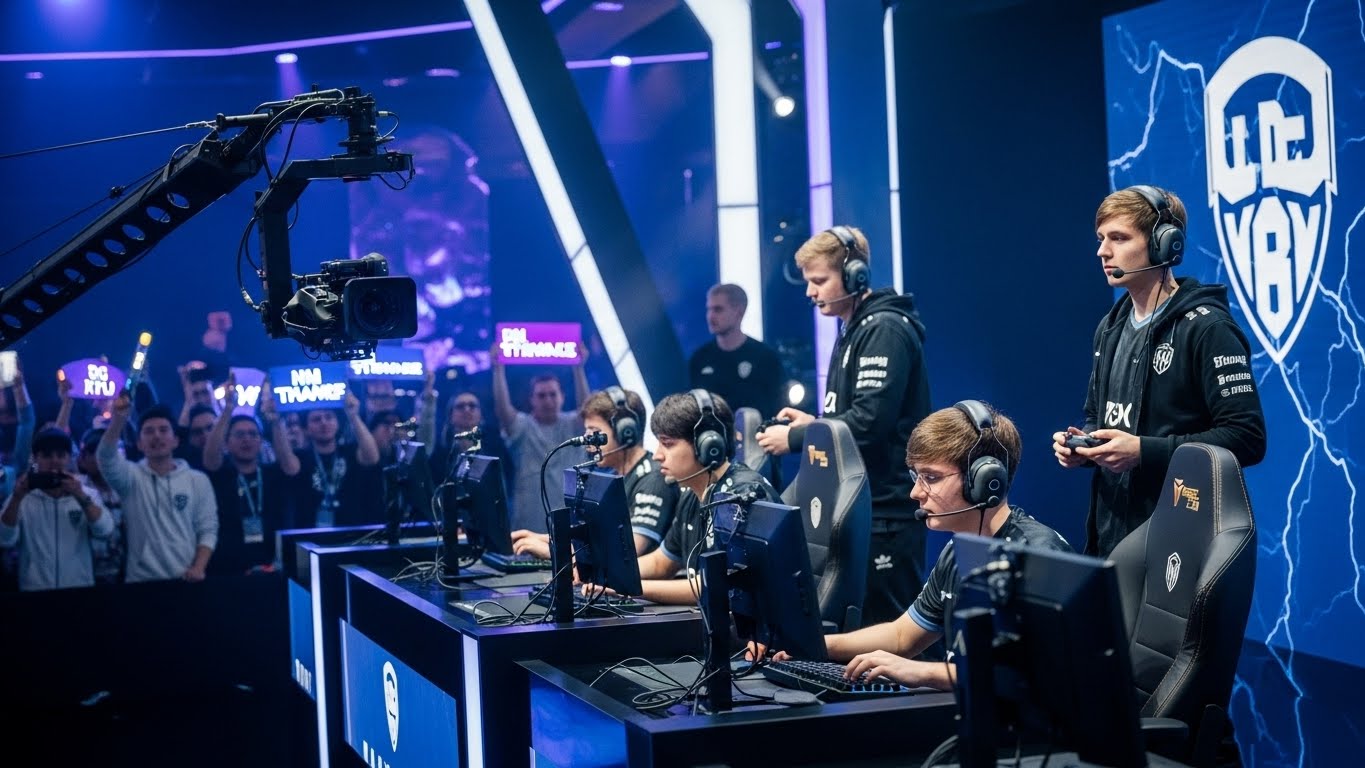
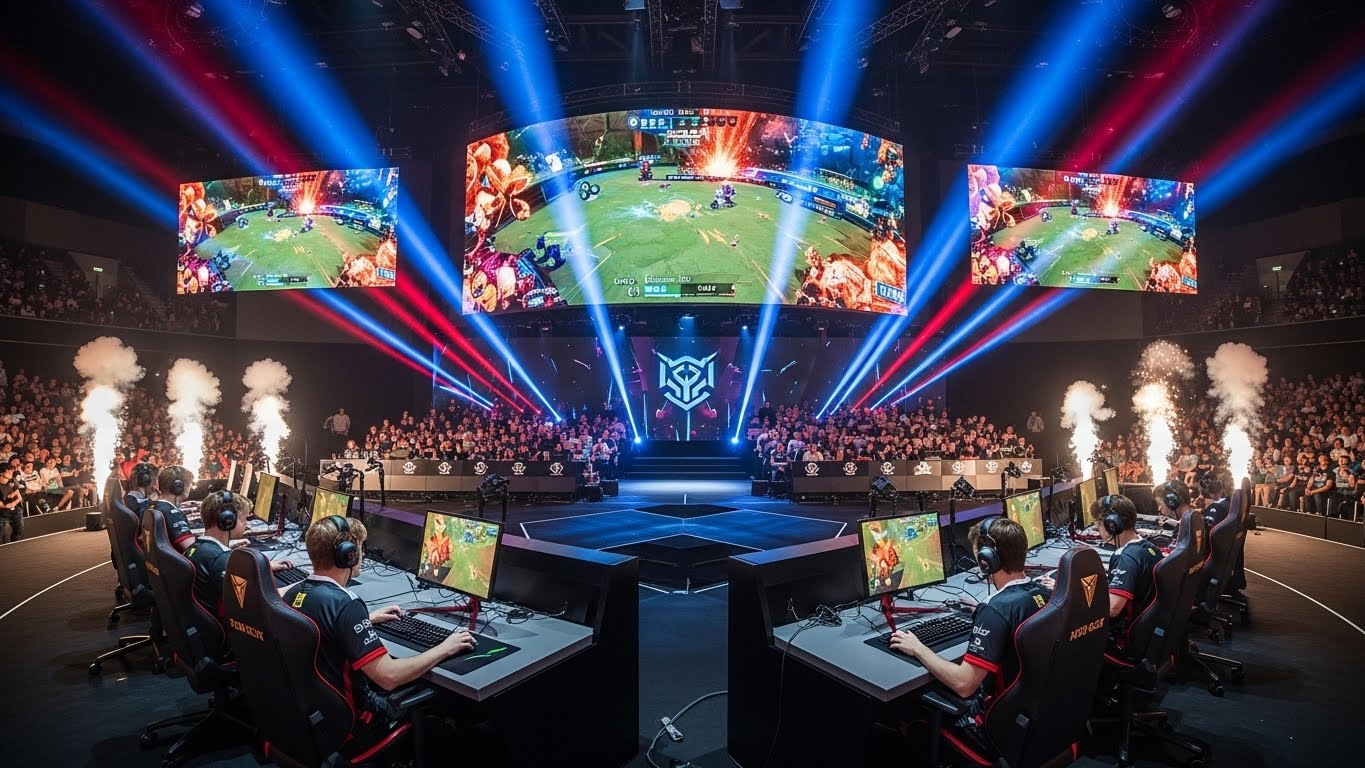
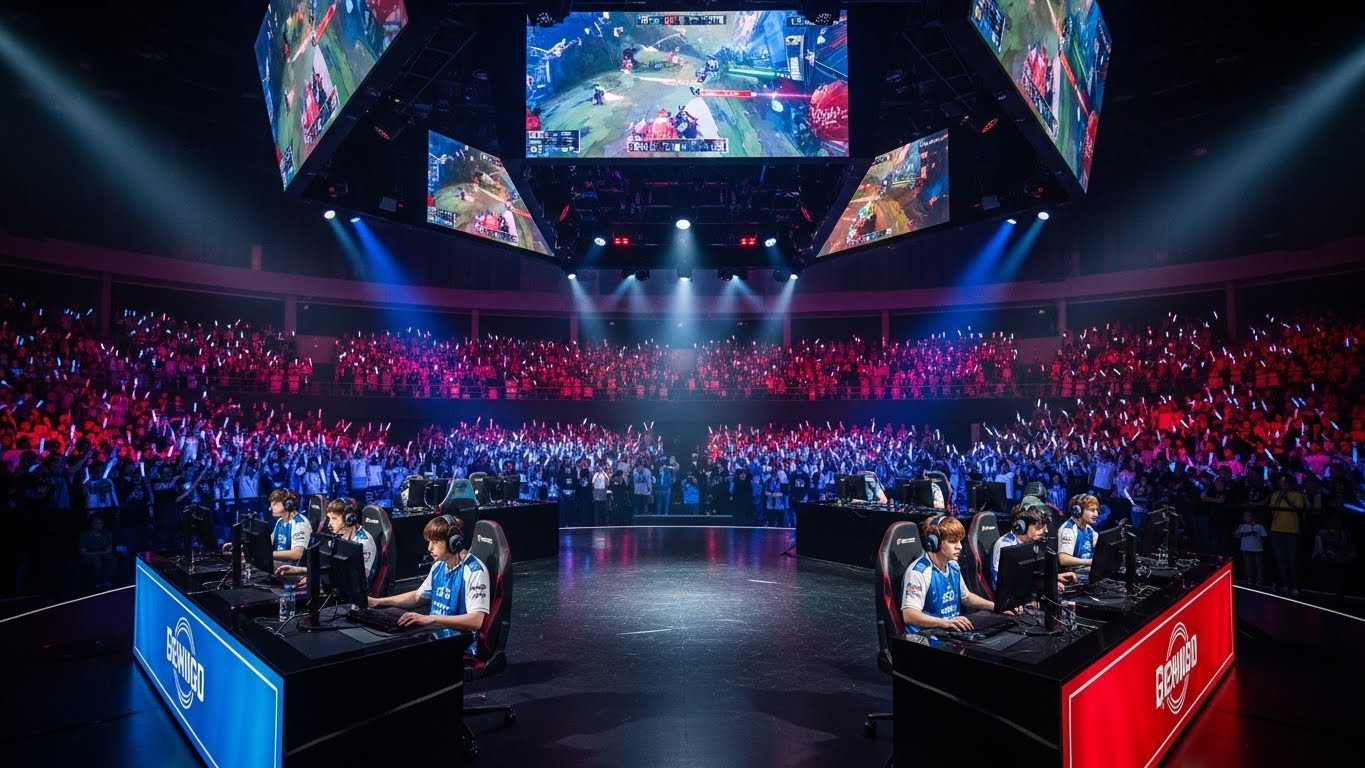
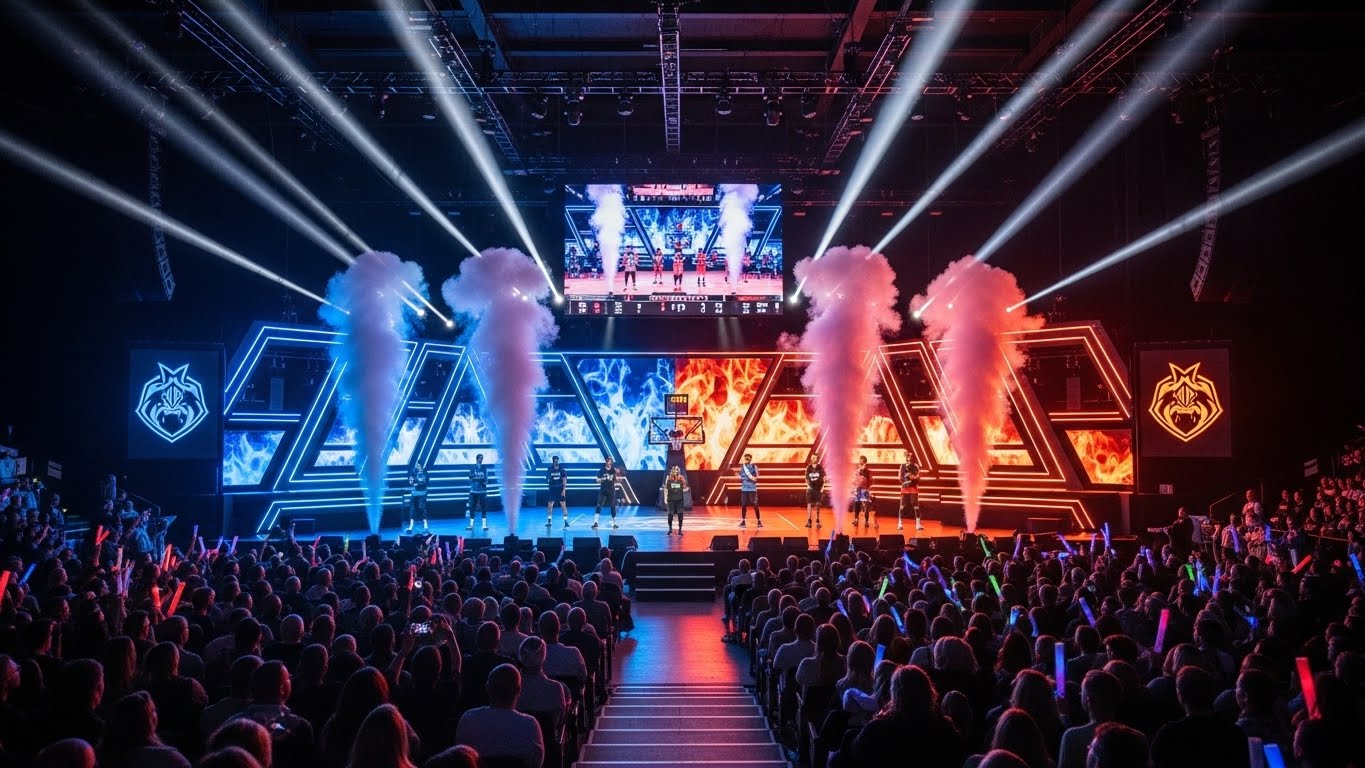
Esports events are often high-energy experiences, featuring live audiences, music, and elaborate stage designs. The sense of community extends beyond spectators, as players from different backgrounds collaborate and compete in a shared digital space. The community also promotes inclusivity, offering opportunities for players regardless of physical ability, gender, or location.
Economic Impact of Esports
The financial growth of Esports has been staggering. The industry generates billions of dollars annually through sponsorships, advertising, ticket sales, merchandise, and media rights. Major corporations, including tech companies, beverage brands, and apparel manufacturers, have invested heavily in Esports sponsorships, recognizing the influence of gaming audiences.
Professional players can earn substantial incomes from tournament winnings, salaries, and endorsements. Top-tier players are often compared to athletes in traditional sports in terms of earnings, popularity, and influence. Streaming platforms provide additional revenue streams, allowing players and content creators to monetize their skills and personalities.
Esports as a Career
For many, Esports offers a legitimate career path. Players can pursue professional competition, content creation, coaching, or management roles within teams and organizations. Training programs, academies, and scholarships now exist to help aspiring players develop their skills and enter the professional scene.
However, a career in Esports is highly competitive and requires discipline, dedication, and resilience. Professional players often face intense pressure, long hours of practice, and the need to adapt constantly to new game updates and strategies. Despite the challenges, many find the rewards—both financial and personal—well worth the effort.
The Role of Technology in Esports
Technology is at the core of Esports. High-performance computers, gaming peripherals, and fast internet connections are essential for competitive play. Advances in graphics, artificial intelligence, and online platforms have transformed Esports, enabling real-time global competition and immersive experiences.
Streaming technology has also revolutionized how audiences engage with Esports. Platforms like Twitch, YouTube Gaming, and Facebook Gaming allow fans to watch matches live, interact with players, and participate in a shared digital experience. Virtual reality and augmented reality technologies are beginning to create new possibilities for Esports, expanding the boundaries of gameplay and viewer engagement.
Esports and Education
Esports is increasingly recognized in educational contexts. Schools, colleges, and universities have established Esports programs, offering scholarships, courses, and competitive teams. These programs teach not only gaming skills but also teamwork, communication, strategy, and problem-solving—skills valuable in many professional fields.
The inclusion of Esports in education also helps challenge stereotypes about gaming. It demonstrates that competitive gaming can promote cognitive development, strategic thinking, and social interaction, offering a legitimate avenue for personal growth and career preparation.
Women in Esports
Historically, Esports has been male-dominated, but this is changing. Female gamers, commentators, and content creators are gaining visibility, challenging gender norms, and inspiring more inclusive participation. Organizations and initiatives are actively promoting gender diversity in competitive gaming, creating safe and welcoming spaces for women to compete.
Representation matters in Esports, and as more female players rise to prominence, the industry becomes more diverse, dynamic, and innovative. Inclusive environments also broaden the audience base and encourage creativity and collaboration within the community.
The Future of Esports
The future of Esports looks incredibly promising. As technology continues to evolve, so too will the ways people play, watch, and engage with competitive gaming. Mobile Esports is emerging as a significant trend, with smartphone games offering competitive experiences accessible to millions of players worldwide.
Virtual and augmented reality could redefine how tournaments are conducted, allowing for fully immersive experiences for both players and spectators. Esports may also become more integrated with mainstream entertainment, merging with music, movies, and virtual experiences to create hybrid events.
Additionally, increased investment from global corporations and sports organizations is likely to continue, professionalizing the industry further and raising standards for competition, training, and fan engagement. Esports is poised not just to coexist with traditional sports but to become a dominant cultural and economic force in its own right.
Challenges Facing Esports
Despite its growth, Esports faces several challenges. Player burnout and mental health issues are significant concerns, given the demanding schedules and high-pressure environment. Cheating, match-fixing, and the use of performance-enhancing software also pose threats to the integrity of competition.
Regulation and standardization are ongoing issues. Unlike traditional sports, Esports lacks a global governing body to oversee rules, player contracts, and tournament organization. Intellectual property concerns and licensing rights between game developers, teams, and leagues add complexity to the ecosystem.
Finally, the industry must address accessibility and inclusivity, ensuring that players from all socioeconomic backgrounds have the opportunity to compete and succeed. Overcoming these challenges will be key to sustaining long-term growth and legitimacy.
Conclusion
Esports has transformed the way we think about competition, entertainment, and community in the digital age. From humble beginnings in arcades to global tournaments watched by millions, Esports has grown into a multifaceted industry with immense cultural and economic influence.
With technological advancements, professionalization, and expanding global interest, Esports is set to continue its rise as a dominant form of entertainment. It offers opportunities for players, content creators, fans, and businesses, while challenging traditional notions of sports, competition, and collaboration.
The journey of Esports is far from over. As the industry evolves, it will continue to inspire innovation, foster community, and redefine the boundaries of what competitive gaming can achieve. For anyone interested in technology, strategy, or entertainment, Esports represents an exciting, ever-expanding frontier that shows no signs of slowing down.